Heat pump
Solving the problem of how to heat a house without gas, sometimes they resort to a very unusual method that does not require any fuel.
This is a heat pump consisting of the following elements:
- Tubes filled with freon.
- Heat exchanger.
- Throttle chamber.
- compressor.
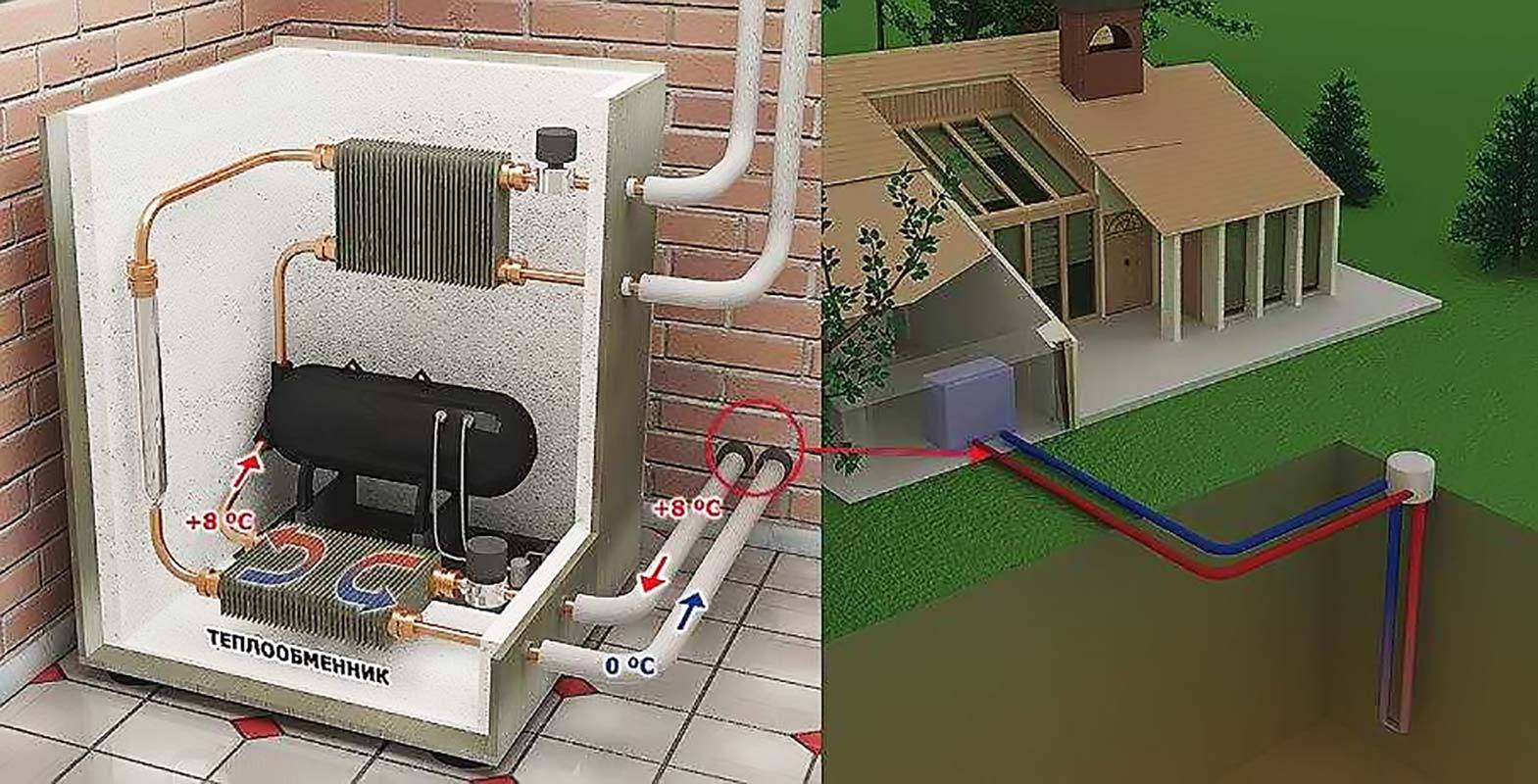
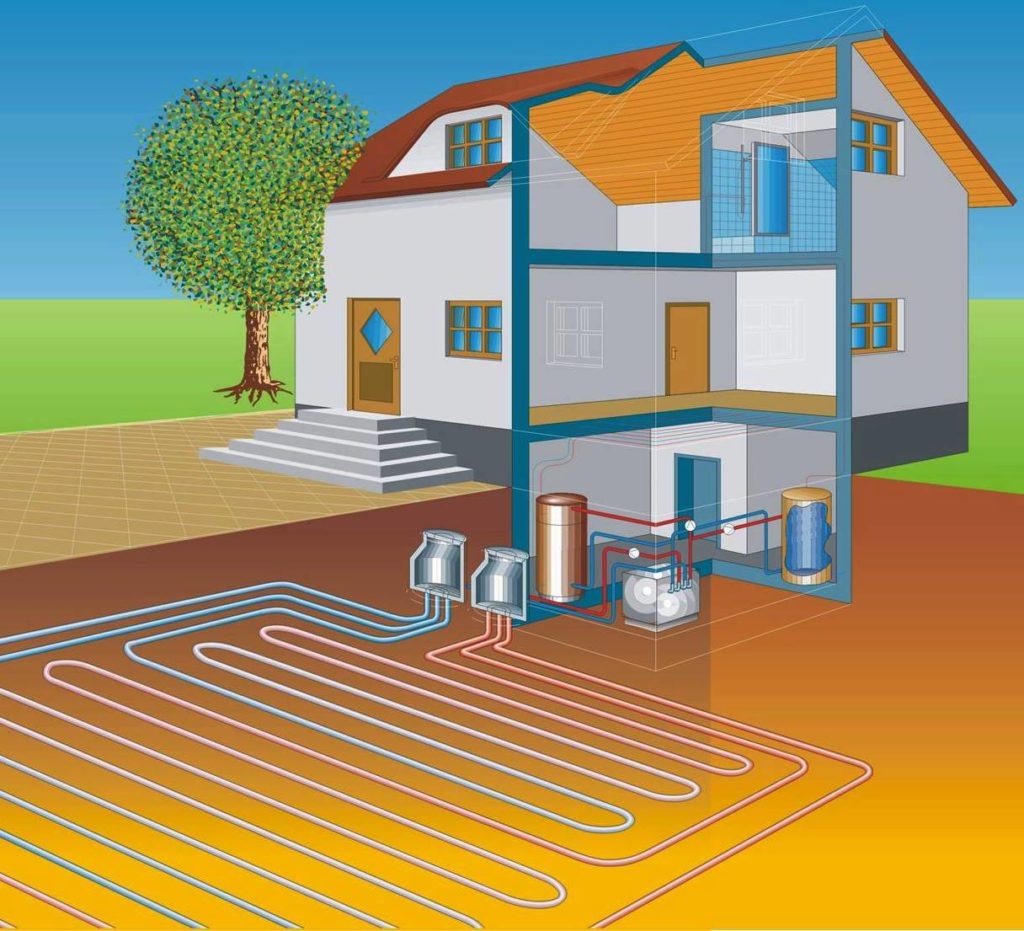
The device is based on the principle of operation of the refrigerator. Tubes with freon inside descend into the ground or the nearest body of water: as a rule, this environment, even in winter, never cools below +8 degrees. Considering the fact that freon boils at a temperature of +3 degrees, this is quite enough for the substance to be constantly in a gaseous state. Rising up, the gas enters the compressor, where it undergoes significant compression. Any substance in such conditions sharply increases its temperature: in the case of freon, it warms up to +80 degrees.
The energy released in this way is used by means of a heat exchanger for heating the coolant in the system heating. The final cooling of freon (as well as the reduction of its pressure) occurs in the throttle chamber, after which it passes into a liquid state. Then the cycle repeats - the liquid is sent through pipes deep into the earth or a reservoir, where it heats up again. For the functioning of this scheme for generating heat for the house, electrical energy will also be required: its consumption here is much less than when using electric boilers or heaters.
Types of gas boilers
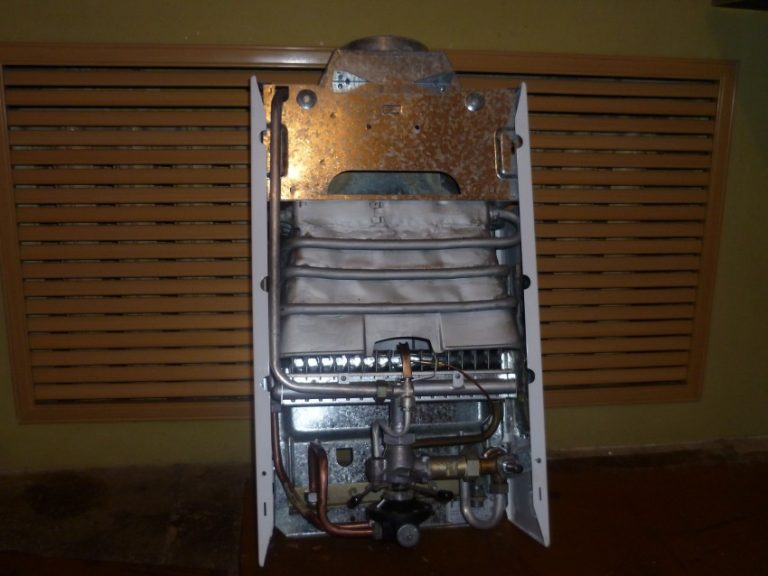
By type of installation distinguish two types of gas boilers: floor and wall. Wall-mounted ones can only work with natural gas, floor-mounted ones can work with two types of blue fuel. The advantage of wall-mounted gas boilers is that they can be installed in kitchens - they are automated and safe. Some floor-standing ones can also be installed in the kitchen (up to 60 kW), but this room must meet certain requirements.
The wall-mounted version is more compact, but less powerful
Types of wall-mounted boilers for home heating
The first thing to do is to share gas heating equipment in terms of functionality: it will be used only for heating or also for preparing hot water for technical needs. If water heating is expected, a double-circuit boiler is needed, only a single-circuit boiler works for heating.
Wall-mounted gas boilers - a small cabinet that is fashionable to install in the kitchen
Next, you should decide on the type of smoke extraction.
More Saving Tips
In addition to the methods discussed above, there are several related tricks that can be used to achieve the desired savings.
The following rules should be followed:
- you can not close the radiators with decorative panels, blackout curtains, furniture, clothes;
- at least once a year it is necessary to clean the boiler heat exchanger from accumulated dirt and dust;
- if the equipment is installed in an unheated room, it is recommended to perform high-quality insulation of the boiler, boiler and outgoing pipes;
- between the radiator and the wall, it is desirable to install special energy-reflecting screens made of aluminum foil;
- when using gas for heating water, it is worth installing economical shower heads;
- if the geyser is not working, the burner should not be in an active state.
Before the start of the heating season, it is necessary to check the system every time and eliminate all identified shortcomings. Common problems include air locks, leaks at the junctions of structural parts.
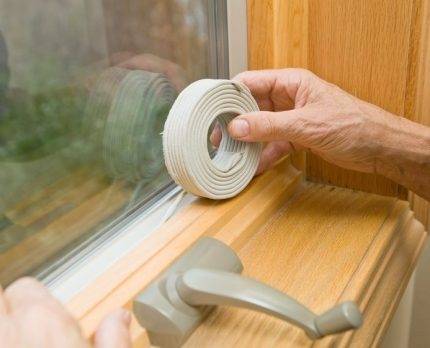 In order to save gas to the maximum, it is necessary to constantly monitor the condition of places of possible heat leakage - seal the gaps in the windows with foam rubber strips, tighten the door hinges, additionally upholster the doors, blow out the borders around the inlet and outlet openings of the pipes with mounting foam
Savings should be economical, so it is important to control gas consumption everywhere, including in the kitchen. In the process of cooking on the stove, adjust the flame to each stage of cooking, at the right time reducing the intensity of combustion
For faster cooking and less gas consumption, it is recommended to cover the dishes with a lid, use special pots with grooves on the bottom, and whistling kettles.
Heating options
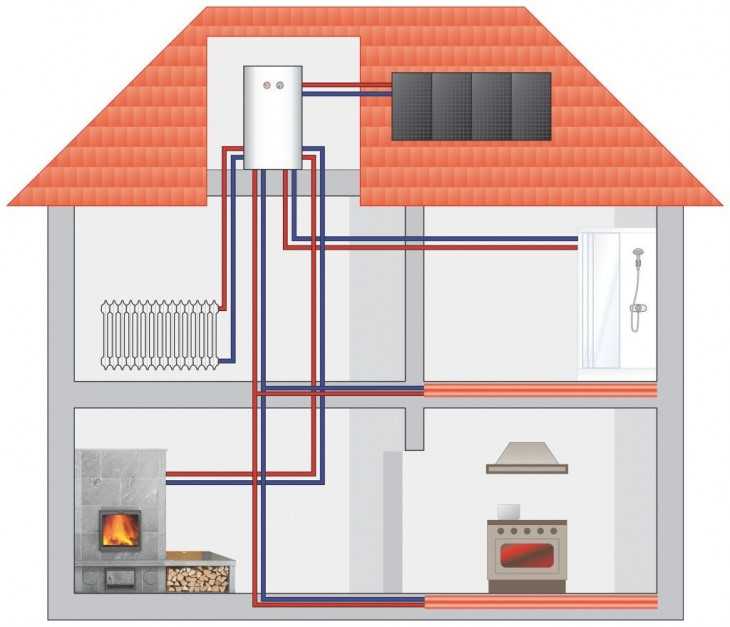
The maximum discomfort during the operation of the building is caused by the lack of gas and electricity.Therefore, the owner needs not only heating a private house without gas and electricity, but also the generation of 2-10 kW of electricity for domestic needs. There are not so many power supply options:





- generator - usually diesel with the maximum possible resource;
- thermoelectric generator - generates current from thermal energy, the leading manufacturer is Kryotherm.
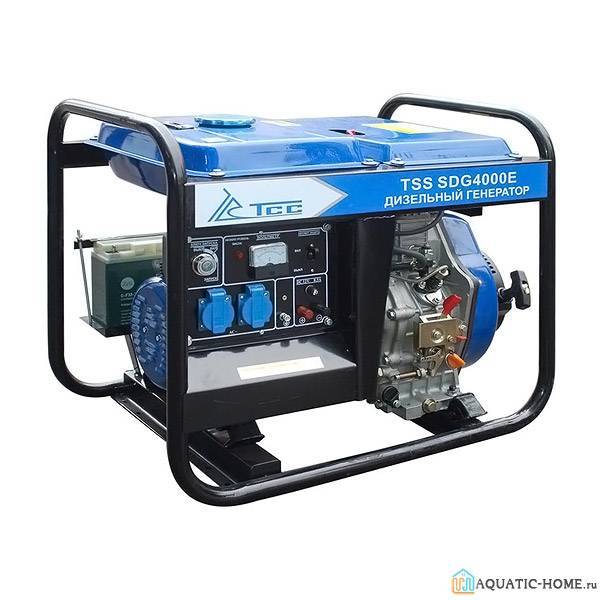
Diesel generator
There are much more ways to implement building heating, from a classic wood-burning air heating stove to alternative sources (heat pump, solar panels). But for the high efficiency of alternative heating systems, for the operation of pumps and compressors in their composition, electricity is also needed.
solid fuel boiler
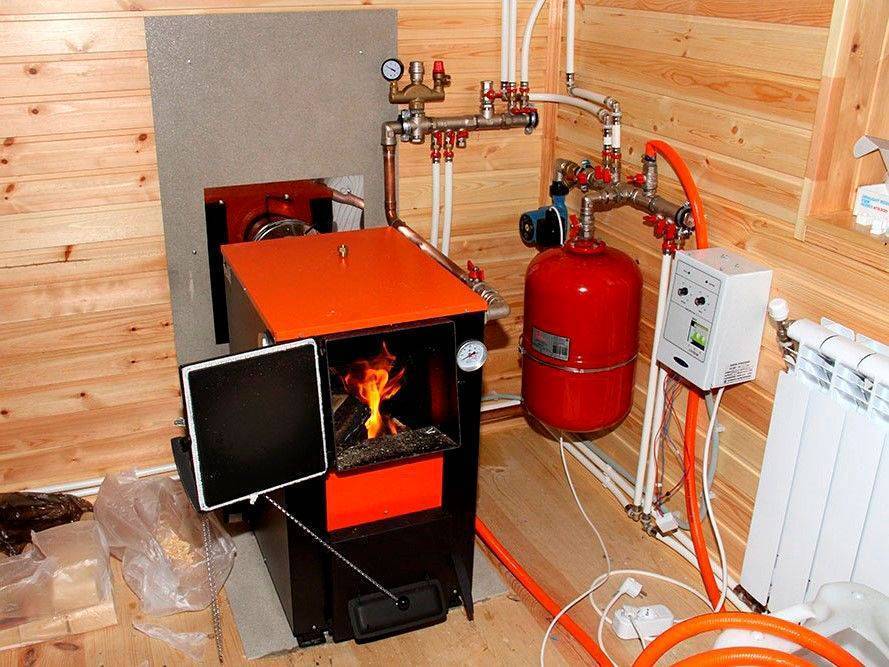
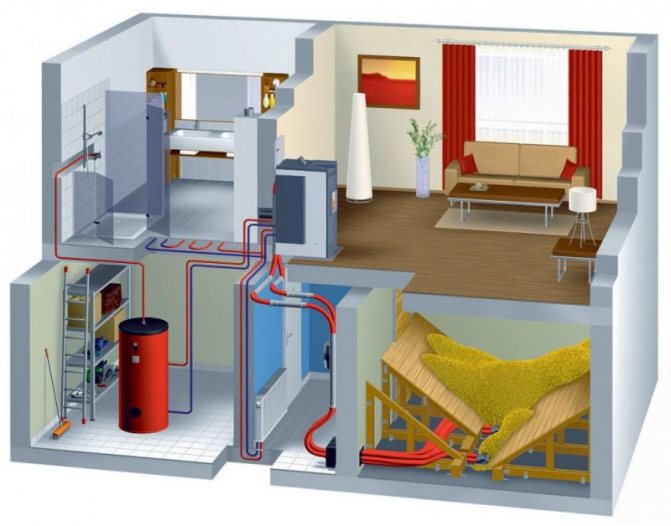
Heating of a private house without gas and electricity can be arranged boilers on solid fuel. The most comfortable operation is provided by modifications of long burning with natural draft:
- loading into them is carried out from below, the afterburner is located at the top;
- after heating the lower furnace to 200 degrees, the mechanical damper blocks the access of air to the combustion chamber;
- inside it begins pyrolysis (release of combustible gases) from smoldering coals;
- gas enters the upper chamber, burns to release energy;
- in shirts or pipes passing inside the boiler, the coolant is heated;
- passes through the registers, giving off heat, is fed to the next cycle.
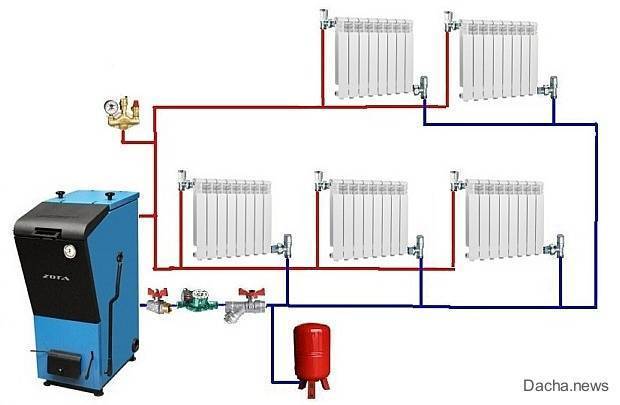
The device of the boiler solid fuel DG
Fans are used in top-loading pyrolysis boilers, in bunker boilers it is necessary to rotate the worm gear to regularly feed pellets into the combustion chamber.Therefore, this equipment can only work with a generator.
Use of liquid fuel
Another way to implement heating is to heat a private house without gas and electricity with liquid fuel boilers. The cheapest energy source is diesel fuel, but diesel boilers have a significant drawback - the fuel must be stored in compliance with the fire safety of the home, when burned, a characteristic, non-weathering smell is formed.
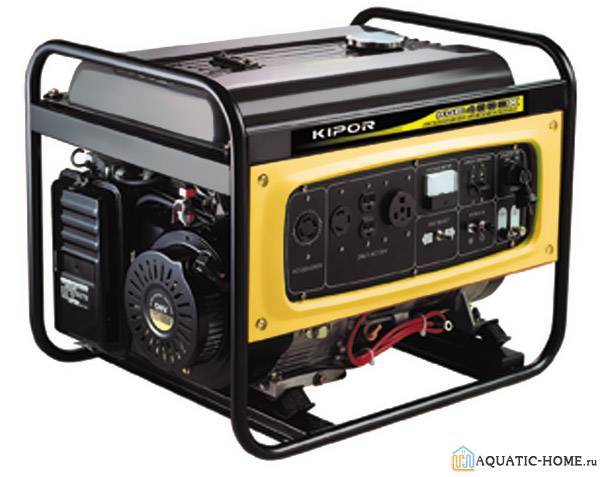
diesel generator
Air heating is implemented stoves or fireplaces. The classic ovens are:
- Russian - heating + cooking;
- "Dutch" - mounted in the opening, heats several adjacent rooms;
- universal - cooking on removable rings of the hob + space heating.
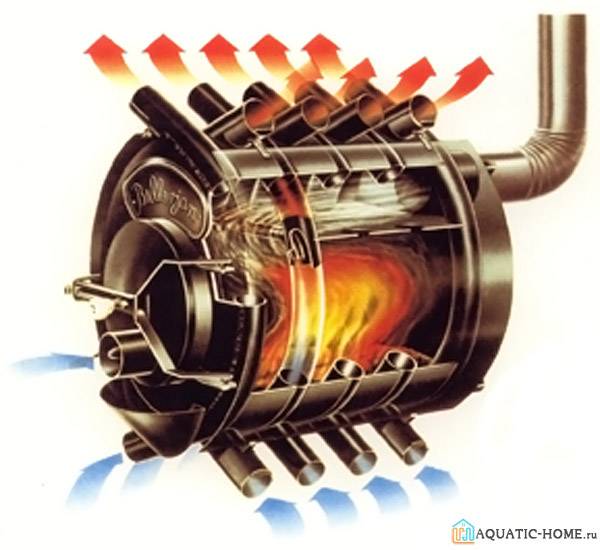
Air heating stoves
They are made of brick, steel, they are equipped with chimneys, ensuring the safety of passage nodes through ceilings and roofs. Cryotherm's devices for generating electricity from heat are easily integrated into the furnaces. In addition, the manufacturer produces bath stoves that allow you to illuminate the room until the walls of the heater cool down.
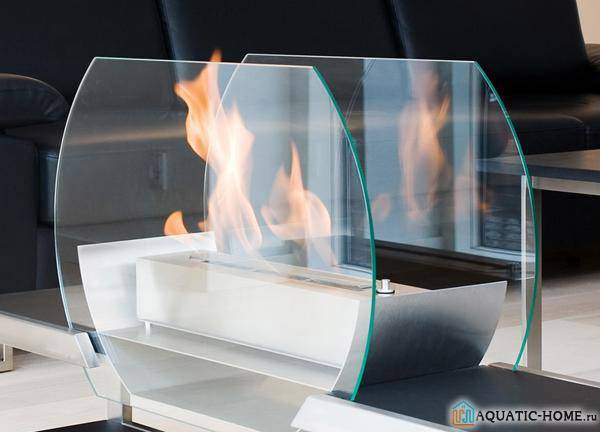
Biofireplace for room heating
passive house
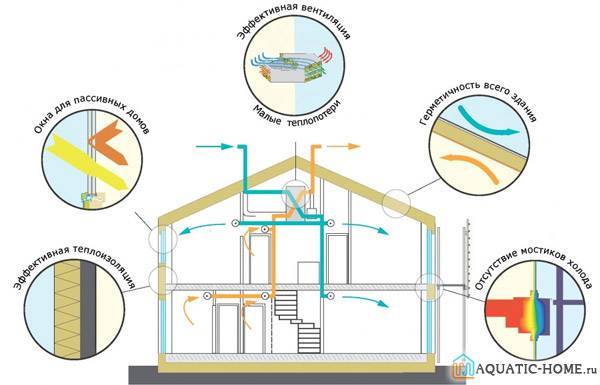
Heating of a private house without gas and electricity can be organized by "passive house" systems. In this case, modern heat-insulating materials are used to reduce energy consumption by up to 7-10%.


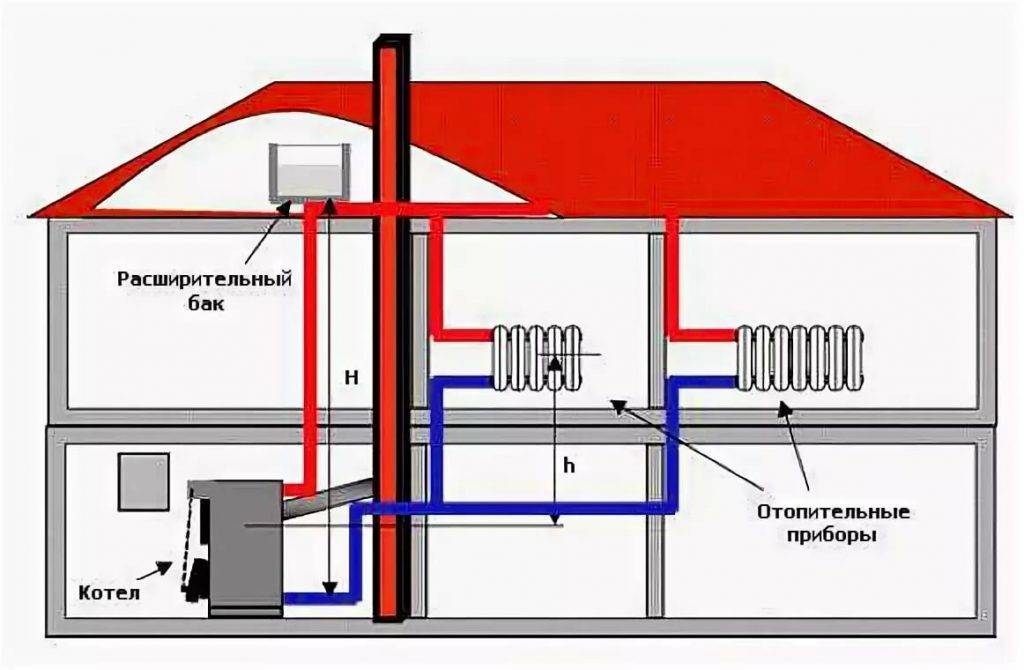



Passive house system
In other words, such a dwelling should have enough thermal energy released by the family in the process of life. The building has a compact size, an external insulation contour, a layer of thermal insulation under the foundation and a blind area. It is mandatory to take into account:
- cardinal points - living rooms from the south, functional premises protect them from the north;
- wind rose - heat losses are extinguished by verandas, kitchens on the windward side of the site;
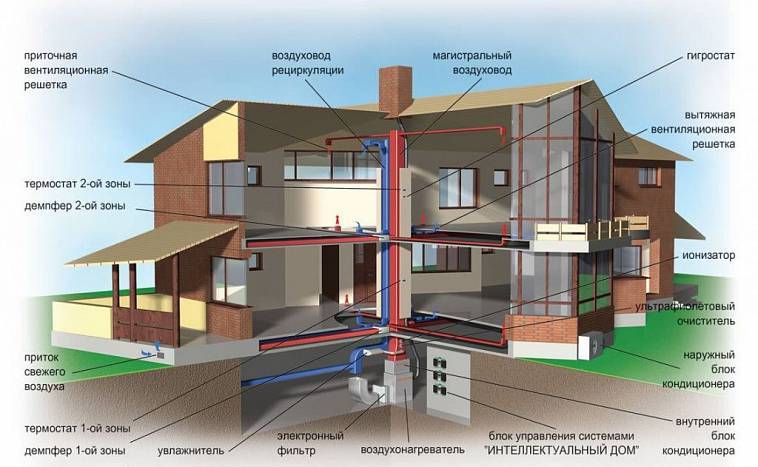
- layout - should provide high-quality air exchange by recuperators.
Related article:
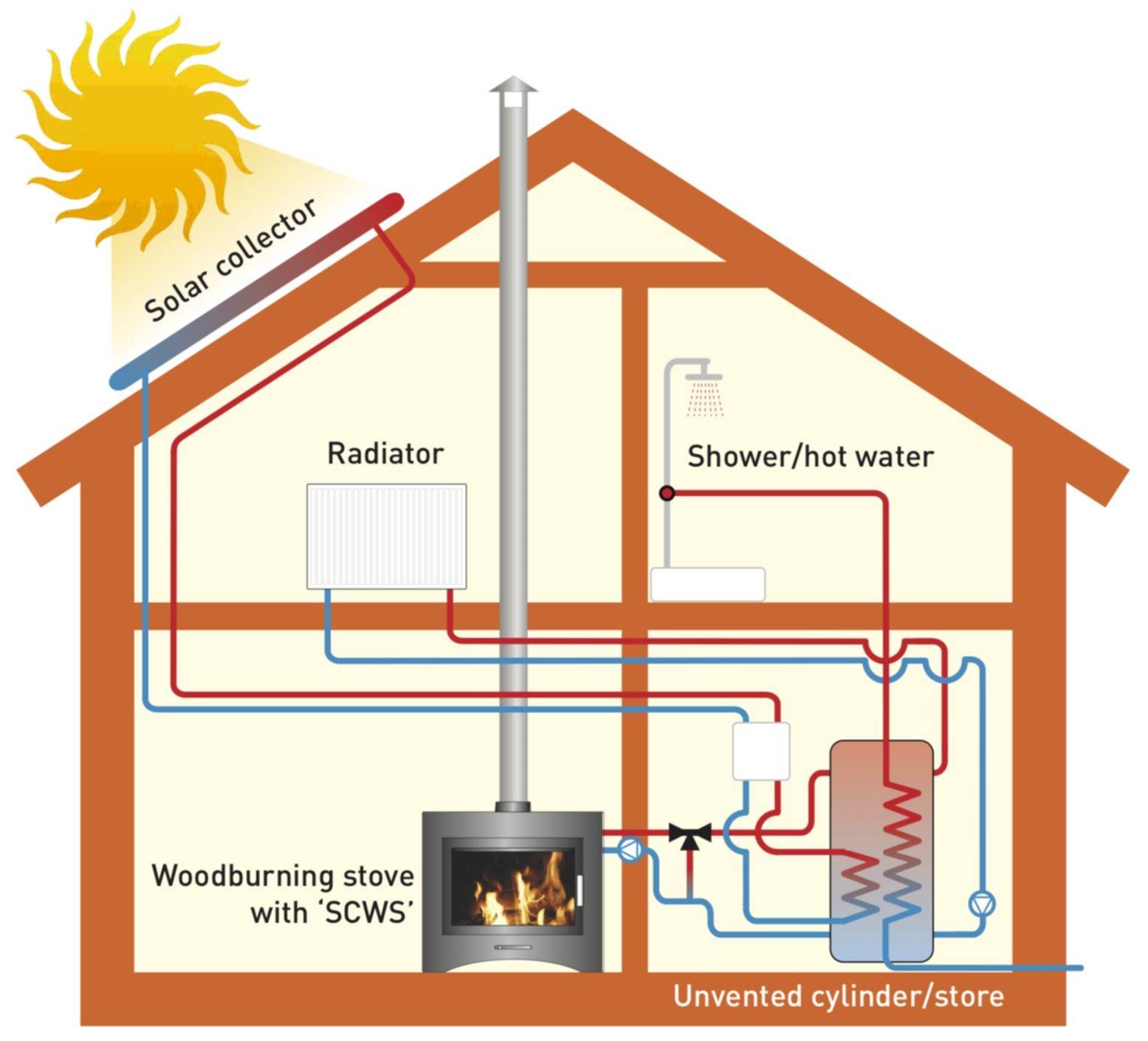
In addition to these activities, there are alternative energy sources (thermal + electrical):
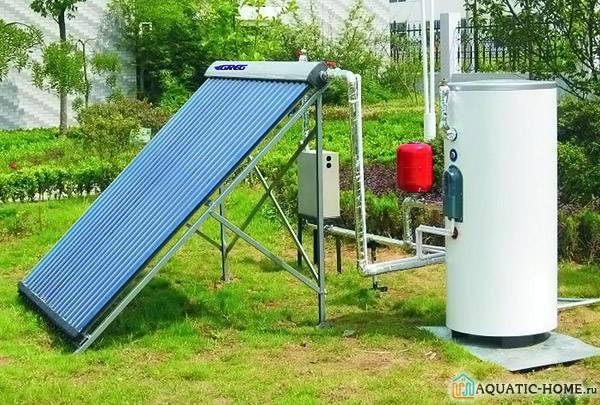
solar water heater
Related article:
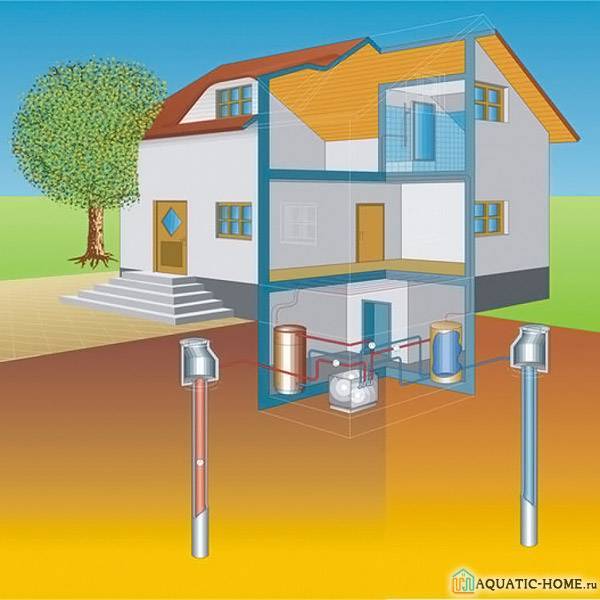
Geothermal pump
Related article:
There are "active home" systems that, in addition to reducing heat loss, are able to generate additional heat accumulated by the central home network. The main disadvantage is the high budget for the installation of such equipment and long payback periods.
Liquefied gas
In terms of the cost of a kilowatt of energy, liquefied natural gas ranks third.
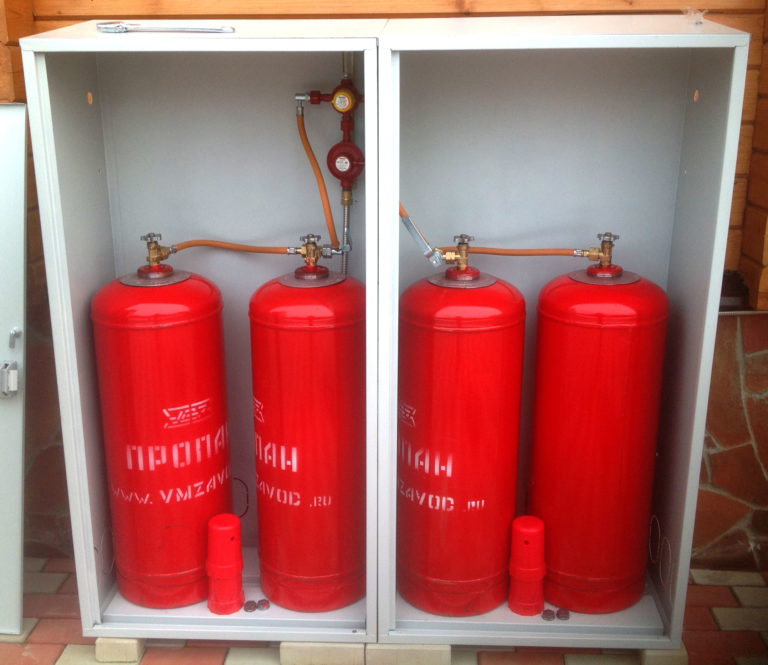
There are different ways of its delivery and storage, but the smaller the volume, the more expensive the final price is. Therefore, a gas tank is needed for a permanent residence, and for a small dacha, which is rarely visited in cold weather, several 50-liter cylinders can be dispensed with. When using a gas tank, the price of a kilowatt of heat from burning liquefied gas is 2.3-2.5 rubles, the use of cylinders raises the bar by 50 kopecks.
You can also heat up in different ways.
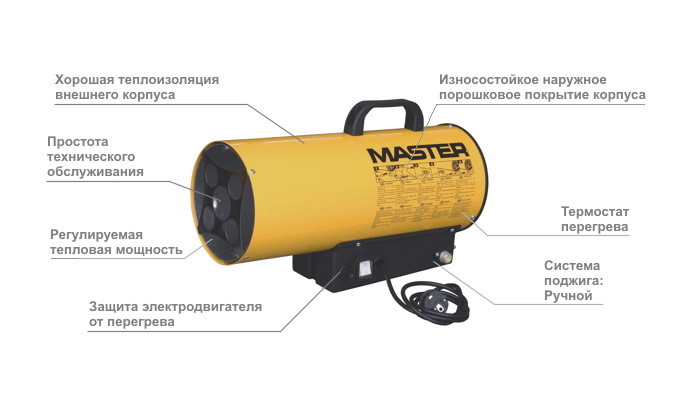
The simplest system is direct combustion of gas to produce heat without heating the intermediate coolant, piping and radiators. For this, gas convectors and infrared heaters are used. Their principle of operation and design are different, but one thing in common is the availability of equipment, compactness and operation from bottled gas. The disadvantage is the power limitation and heating of only one room. For example, infrared and catalytic gas heaters firms AYGAZ maximum power is 6.2 kW.




Such a compact infrared heater can be heated up to 40 m2
The gas tank allows you to build a full-fledged autonomous water heating system, and the frequency of refueling depends on the volume of the tank, the heating area and the operating mode. In terms of ease of operation and maintenance, the system ranks second after electric heating. But it requires significant initial investments for the purchase of a gas tank, its installation (usually underground) and the laying of communications (pipes for connecting to the boiler and an electric cable for the tank heating system).

Another difficulty for a gas tank is the choice of location. It should be located close enough to the house and be accessible for refueling with gas.
Heat pumps

The principle of operation of the equipment is to take energy from sources with low potential and then transfer heat for further heating of the coolant, which is then transported through the heating pipes. The design of heat pumps resembles a refrigerator unit, there is also a heat exchanger, an evaporator, and a compressor.
The whole scheme works on the physical properties of maintaining a constant positive temperature in low-potential energy sources - this is air, water, earth. The first coolant circuit warms up to the temperature of the ambient source, then transfers energy to the refrigerant, the compressor sucks in and compresses the refrigerant, heating the substance to +125 C, then transports it to the condenser, which sends heat to the heating circuit.After cooling, the refrigerant becomes liquid and the heating cycle resumes.
Three different types of heat pumps:
- Earth-water. Universal alternative energy sources for a private house, which is remote from the city. Such pumps are not tied to climatic conditions, thermal energy is taken from the depths of the soil below the freezing point, so the equipment is indicated for heating houses of any size. The placement of the contour can be vertical with drilling of wells, horizontal - with laying out along the ground plane.
- Water-water. The best option for a heat pump (HP) for owners of houses next to which there is a lake, pond or river. The price of equipment is lower, installation is easier. For the selection of low-potential energy, a submersible probe-heat exchanger is required, the level of penetration is 10-15 meters.
- Air-to-air. These are the most inexpensive TN. An example of an air-to-air pump is a split system. The heat exchanger is a radiator with a large area of fins blown by a fan. The system has one drawback - when the temperature outside the window drops from -15 C, the functionality of the device is significantly reduced.
Classic oven heating
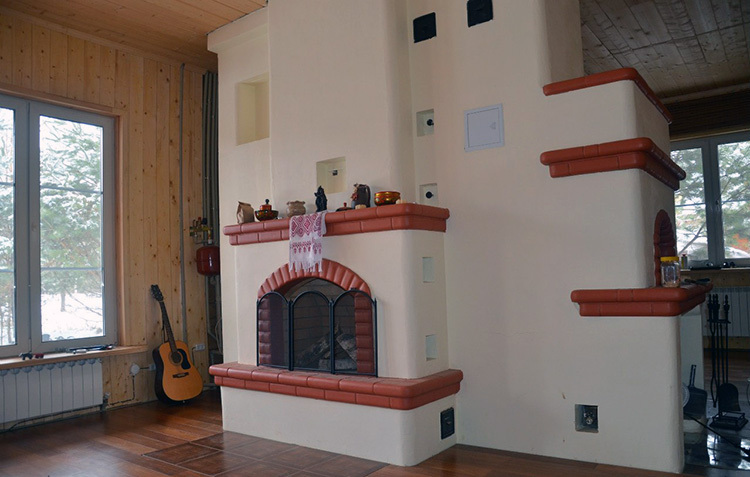
In certain cases, a stove is the only possible way to organize heat in a house.
Stove heating is considered the oldest. Stove heating is still often used in suburban buildings. Do not think that this method is outdated. The lack of gas in some regions makes this type of heating still very popular and in demand. Combined stoves remain in fashion, allowing you to both heat the room and cook food. Among the advantages of this option can be noted savings in installation, operation, and fuel, multifunctionality.With all this, the furnaces need to be heated several times a day, they require constant maintenance. In addition, the risk of fire is high, the stoves are quite large and take up a lot of space. The room in which the oven is installed is always polluted with soot and coal, and will also require constant cleaning and regular maintenance. There is a high risk of carbon monoxide poisoning if the furnace is not used correctly.
What is the best heating method?
To calculate heat, two units of measurement are used - gigacalories (Gcal / h) and kilowatt hours (kW / h). Also, regional authorities often use kilojoules (kJ) for calculations. Following the generally accepted calculations in gigacalories, it is possible to determine the cost of Gcal / h for any room. So, for heating a room of 150 m2, you need to spend 16 Gcal per heating season, or 2.5 Gcal per month. Determining the price of 1 Gcal can be carried out by a comparative method.
- For example, let's take gas, the cost of which 1 m3 in 2014 was 4 rubles. The calorific value of network gas is the sum of the calorific value of the mixture that makes up the network gas. Therefore, the specific heat of 1 m3 of a gas mixture lies in the range from 7500-9600 Kcal. Gas boilers have an average efficiency of 90%, as a result, we get the cost of 1 Gcal of heat in the range of 600-700 rubles. If there is no main gas, then bottled gas cannot solve the problem - the composition of the gas is different, and the equipment will have to be redone. When comparing the cost of 1 Gcal of a propane-butane mixture (balloon gas) and the cost of natural gas, it can be seen that the gas mixture is 4-5 times more expensive.
- The specific heat of combustion of liquid fuel lies within 10000 Kcal/kg or 8650 Kcal/l, since the density of liquid fuel is different, especially considering the time of year. The efficiency of the liquid fuel boiler is 90%.At a cost of 1 liter of diesel fuel of 33 rubles, 1 Gcal will cost 3,300 rubles. Conclusion - heating on liquid fuel will be an expensive pleasure. Given the trend of constant growth in prices for diesel fuel and fuels and lubricants, this is not the most economical way to heat a country house.
- Coal is a cheap fuel, and the efficiency of solid fuel boilers is often more than 80%. Anthracite is the most expensive brand of coal, and cheaper coal can be used for heating a house - DPK (long-flame, large stove), DKO (long-flame large nut) or chicken coal. A ton of coal costs an average of 6,000 rubles. The specific heat of combustion of coal is 5300-5800 Kcal/kg. Calculations show that the cost of 1 Gcal for heating with coal will be 1200-1300 rubles.
- Using peat for heating a house will cost more. The specific heat of combustion of peat is 4000 Kcal/kg. This means that the cost of 1 Gcal is 1300-1400 rubles.
- Pellets are one of the types of solid fuel. Pellets are produced from woodworking industry waste in the form of granules. They are convenient to use in solid fuel boilers with automatic loading. The specific heat of combustion of pellets is 4.2 Kcal/kg. With the cost of pellets for 1 ton of 5,000 rubles per ton, the cost of 1 Gcal will be approximately 1,500 rubles.
- Electrical energy is the easiest way to heat a house without gas. The efficiency of an electric heater tends to 100%. 1 Gcal is 1163 kWh. Therefore, at the current price of electricity for the village, 2 rubles per 1 kWh, 1 Gcal will cost approximately 1,600 rubles.
- You can reduce the cost of using electricity for heating by operating a heat pump. The heat pump works on the principle of a refrigerator - the refrigerant evaporates at low positive temperatures.The route is laid along thin long tubes in the ground or at the bottom of a natural reservoir. Even in extreme cold, the correct calculation of the required depth of pipe laying will not allow them to freeze. Having reached the house, the refrigerant begins to condense and gives off the heat accumulated from water or soil to the heating system. The movement of the refrigerant is controlled by a compressor that is powered by electricity. The average electricity consumption of the compressor is 300 W to generate 1 kW of thermal energy. The price of 1 Gcal of heat will be 880 rubles.
The conclusions are obvious and unambiguous - in order to organize economical heating of a country house without gas, it is best to use a heat pump or solid fuel in any form.
Solid fuel boilers and furnaces
How to heat a house cheaply? The most affordable and initially cheapest option to date country house heating is the use of ordinary firewood. It is an old and proven safe fuel. But if in a simple village small house people have enough firewood and a small stove, then this will not be enough for a modern country house. And here special boilers that run on solid fuel will come to the rescue.
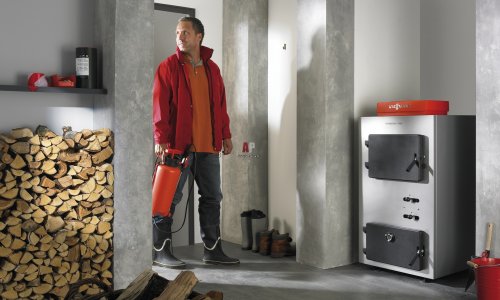
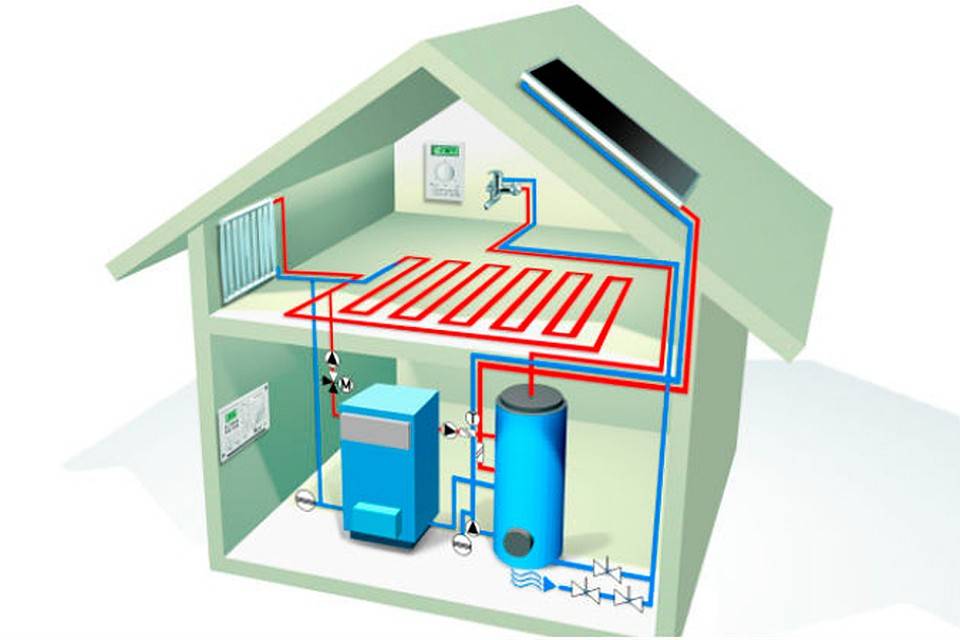
As a rule, firewood gives a large amount of heat. Therefore, with the help of them, you can also heat the room, cook food and heat water if necessary. When it comes to heating multi-room houses, then one boiler or furnace will not be enough.Here, special batteries or radiators will come to the rescue, which will distribute heat to all rooms from the main source installed in a certain place. Heat will circulate throughout the heating system. If desired, you can make such a system adjustable, which will allow you to heat some rooms and leave others cold.


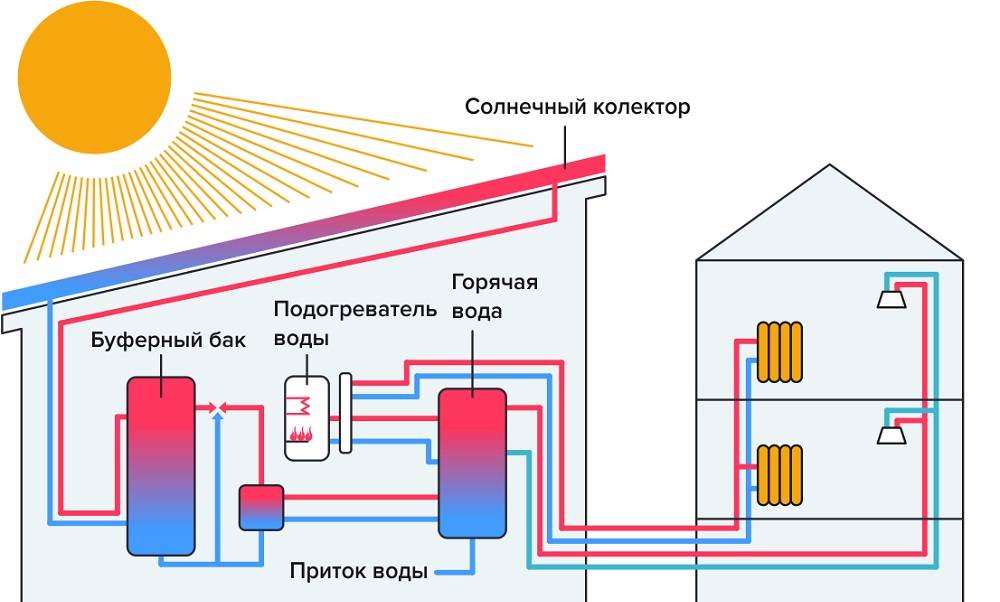


To date, there are 3 main types of solid fuel boilers. These are pyrolysis units, classic devices and gas-generating boilers. Each model has both its undeniable advantages and disadvantages. Classical installations are considered the most inexpensive and in demand. They are not so expensive, they work almost smoothly and without serious breakdowns.
But still, the cheapest thing for a country house will be to acquire an ordinary wood-burning stove. Such economical heating will help solve several problems at once. It will be possible to cook food, heat water. In this case, the stove will perfectly warm the air in the room. And in regions with a particularly harsh climate, such a stove is convenient because you can also sleep on it.
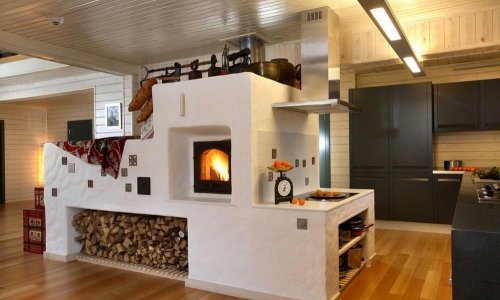
Figure 1. Wood stove in a private house.
The stove can be either built in the house on your own, or you can invite a specialist who will assemble it according to a finished project. It all depends on the financial resources of the homeowner. If you approach this issue competently, then you can make such a wood-burning stove, which will not only be distinguished by high functionality, but also fit perfectly into the interior. An example of such an installation is shown in the photo (Figure 1).
But when choosing this heating option, some disadvantages should be taken into account. So, firewood will constantly have to be loaded into the oven. If coal is used, then this can be done a little less often.When using the oven, it will be necessary to carefully monitor compliance with safety rules. Another significant disadvantage for many homeowners is that when using the stove, you will need to constantly remove debris and ash. And this can only be done mechanically. Therefore, you will have to abandon the carpets in the room with the stove in advance.
How to heat a house without the use of electricity and gas, now it has become clear. What is the cheapest way to do it? Such a question cannot be answered so immediately. Here, much will depend on related factors. But still, there are many options for alternative heating. Therefore, you can always find the most suitable solution for yourself.