- How to clean and clear blockages
- boiling water
- plunger
- soda and salt
- Vinegar
- A vacuum cleaner
- Boer
- Cable
- Definition of a problem area
- Cleaning Prohibitions
- Siphon cleaning
- Blockage Prevention
- Cleaning sewer pipes from rags
- What to do if the faucet is clogged
- Video: how to clean the faucet
- The use of household chemicals
- Bagi Pothan
- Sanfor
- Synergetic
- Why won't water drain in the sink
- Prevention: Tips
- Cleaning preparation
- Using a plunger
- The use of a plumbing cable
- Siphon cleaning
- Lighter than easy to prevent clogging
- Best home remedies for clogs
How to clean and clear blockages
There are many popular ways to clean the sink quickly and effectively. Everything for this can be found in the house or stock up in advance at a hardware store. And most importantly, it will cost a penny.
You can quickly and easily clear a clogged kitchen sink without spending a dime.
boiling water
You can remove the blockage in the sink at home, consisting of a fatty layer, using hot water.
Hot water removes small blockages.
- Turn on hot water at full power for 15-20 minutes. A strong jet will pierce the resulting plug, and the high temperature will dissolve fat deposits.
- Heat water in a kettle and pour boiling water directly into the drain.This instantly eliminates sebaceous layers. The method is suitable provided that the house has metal and cast iron pipes. If your system is made of plastic, this method is not suitable. This may melt and deform the pipe.
plunger
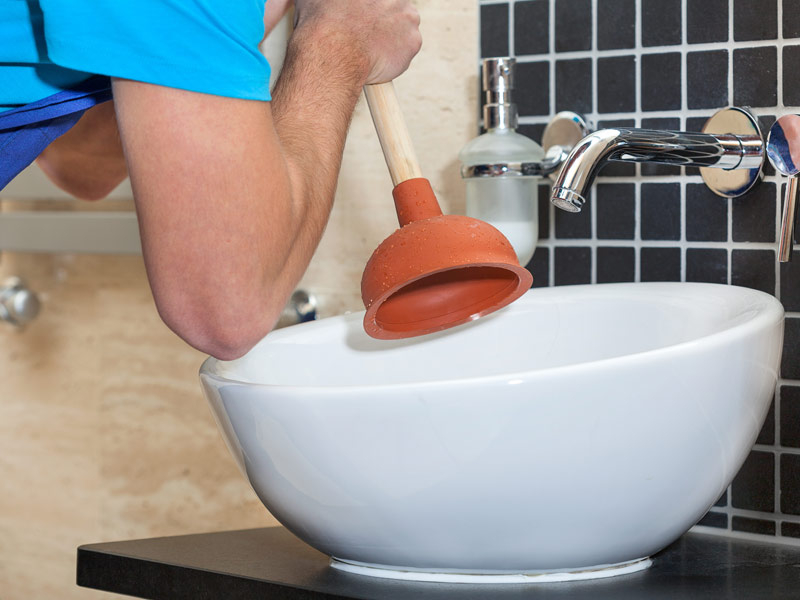
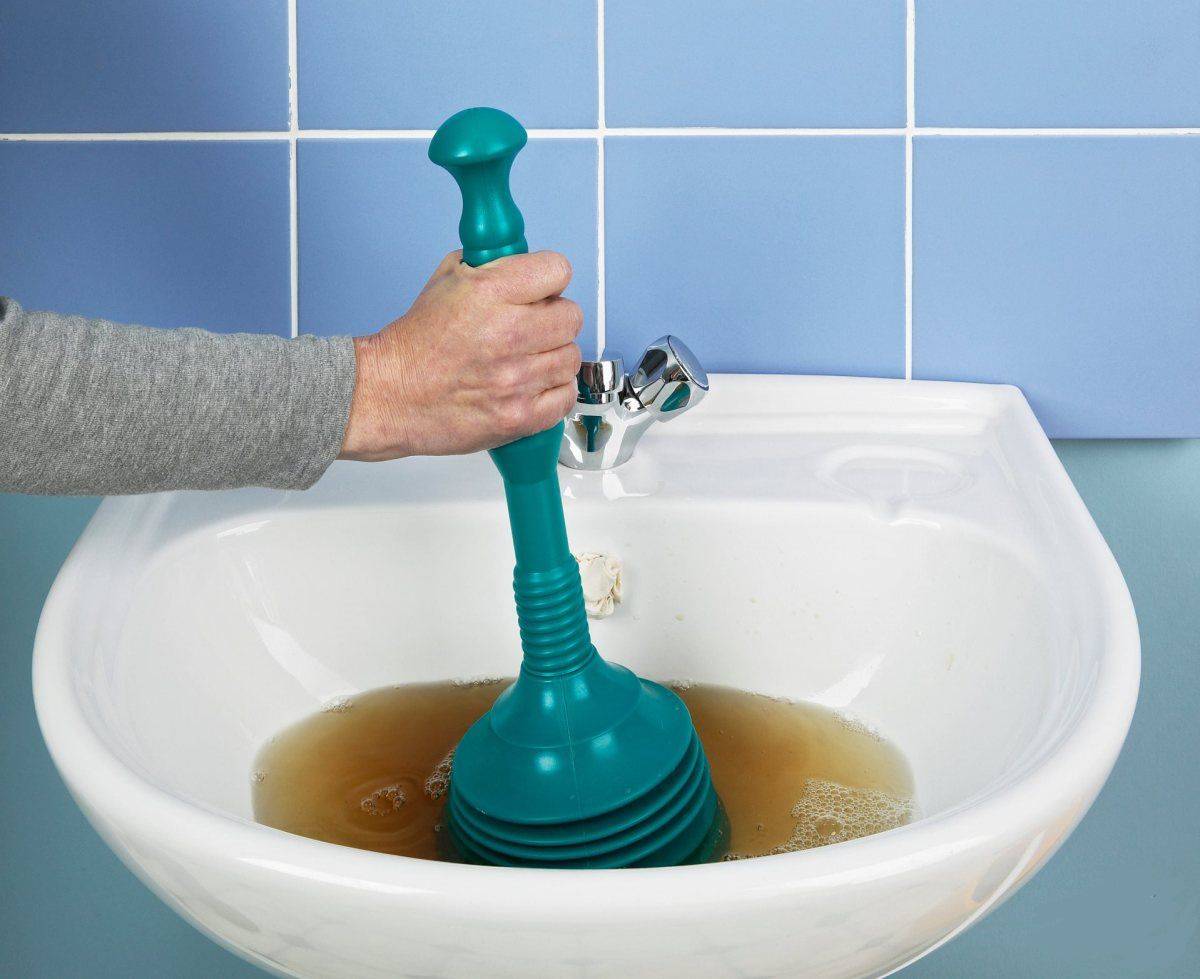
Plunger is considered an effective and safe remedy for removing blockages. The method is suitable for all pipes, since the weed plug is knocked out by the pressure created by the rubber or silicone hemisphere of the plunger.
Plunger is the most effective and free way to remove clogs.
It is important here that the diameter of the nozzle is much larger than the drain hole. So the compression pressure will be more efficient and effective
soda and salt
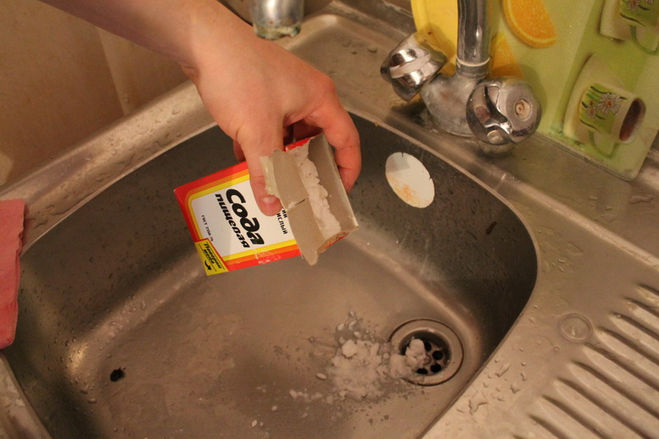
A mixture of soda and salt can be poured into the drain at night. The crystals will gradually dissolve the formed fatty plug. In the morning, turn on a strong pressure of hot water for 5 minutes.
Baking soda helps to break through a very small cork and remove an unpleasant odor.
There is another way: take two parts of soda and one part of salt. Dilute the mixture with water to a liquid state and pour into the pipe. After 10 minutes, turn on hot water to wash out the insides of the pipes with a saline-soda solution. The same tool can be used to clean the sink in the kitchen.
Baking soda is a cheap way to get rid of clogged sinks.
Vinegar
The vinegar method is best used for a sewer system made from resistant materials. Plastic can deteriorate from such a strong agent.
Pour a glass of soda into the drain, pour a glass of 9% vinegar on top.
It is important that the bubbling reaction occurs at the site of the blockage, and not in your cup. Therefore, pour soda into the drain hole, and pour 9% table vinegar on top of it
The bubbling will dissolve, reduce and expel grease and stuck-on solids.
Vinegar is an effective and affordable remedy.
A vacuum cleaner
A vacuum cleaner set to the air blowing function can help clean and push through the blockage. This innovative method is suitable for light blockages. With a serious garbage plug created over a long time, the vacuum cleaner may not be able to cope and significantly aggravate the situation.
A vacuum cleaner will also help you deal with clogged sinks.
Wrap the pipe of the vacuum cleaner with a clean cloth and fix it in this position. Attach it to the drain and turn on the vacuum cleaner. Under pressure, the blockage breaks through and is pushed into the sewer.




Boer
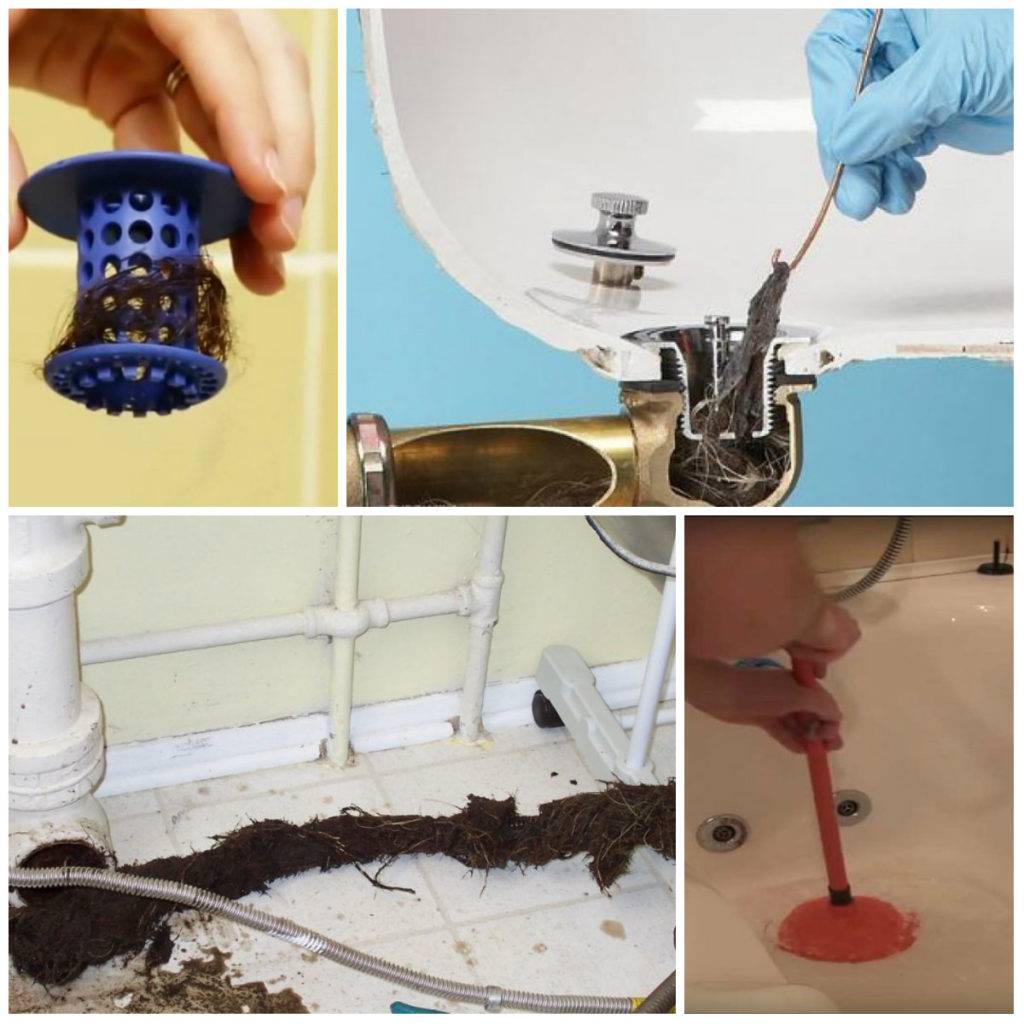
The drill works on the principle of a cable, familiar to every home master. The accessory has a large thickness and length. Along the entire length, the drill is wrapped with a strong spring spiral, which additionally collects small rubbish.
A drill can quickly solve the problem of clogging the sink.
This is a great option for clearing wide sewer pipes, especially around bends and bends.
Cable
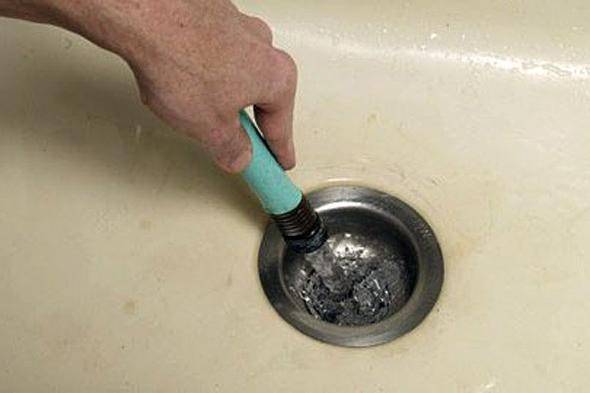
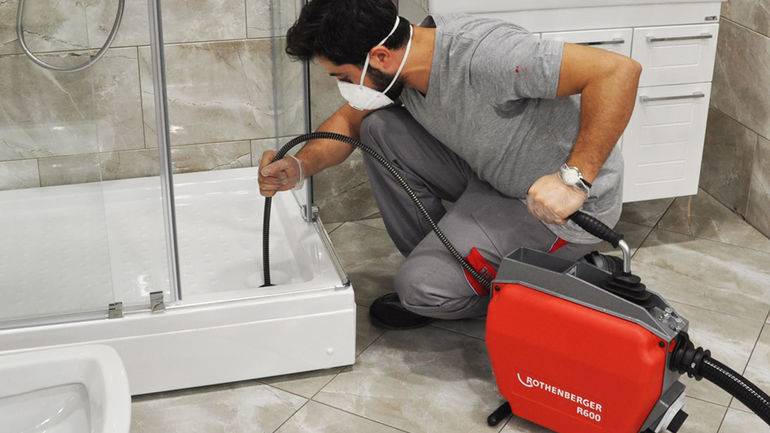
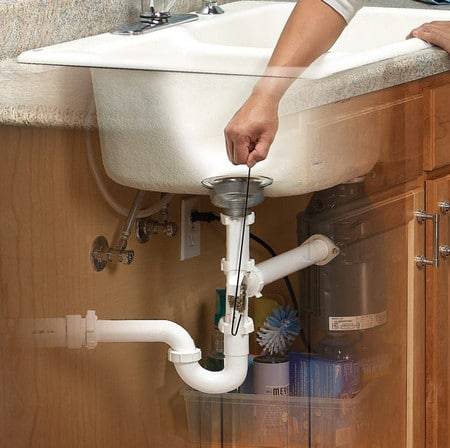
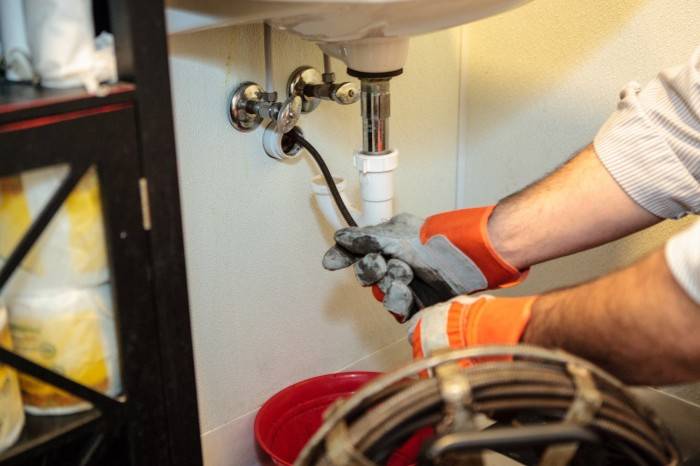
The metal cable is introduced into the clogged drain with rotational movements. At its end is one or more hooks, a brush or a point. This is a universal helper for cleaning pipes of any material. If you handle the cable with care, it can serve you for decades.
A plumber solves a clogged sink with a cable.
When there is no such device in the house, and you need to clean the sewer immediately, try making it from an ordinary plastic bottle. Cut it in a spiral so that a long, elastic ribbon is formed.
Use a cable to clean the sink.
Such a plastic cable must be inserted into the pipe carefully, with screwing movements, so that the material does not tear and does not bring even more problems with the sewerage in the kitchen.
Definition of a problem area
To effectively clean pipes, you must first determine the area where the blockage has formed. In most cases, the plug is associated with a clogged siphon - a structural element that is located directly under the sink. In this case, the water may not go away at all.
If the outflow of sewage occurs, but slowly, the problem may be related to the drainage itself. This can be judged in the case when water does not leave several plumbing items at once, for example, from a sink and a bathtub.
Having determined approximately the area that does not allow drains to leave, you can begin to break through the blockage. Before embarking on a global sewer cleaning, you should make sure that the problem is not a clogged siphon, which can be cleaned quite simply.
Cleaning Prohibitions
When starting to clean the clogged sink in the kitchen, you need to remember a number of prohibitions:
You can not start punching the cork in the presence of dishes in the sink. It and food should be removed in advance.
Do not work without rubber gloves
This is especially important when using purchased chemicals, since such products have an aggressive composition.
Chemicals that are not intended for this purpose should not be used to clean pipes. They can give off toxic fumes and even damage pipes.
You should not pour all the funds that come to hand into the drain at the same time, as this can harm communications.
Siphon cleaning
This sink element should be cleaned periodically, because without this procedure it can clog at the most inopportune moment. It is advisable to wash the siphon at regular intervals, so that the sink will not emit an unpleasant odor.
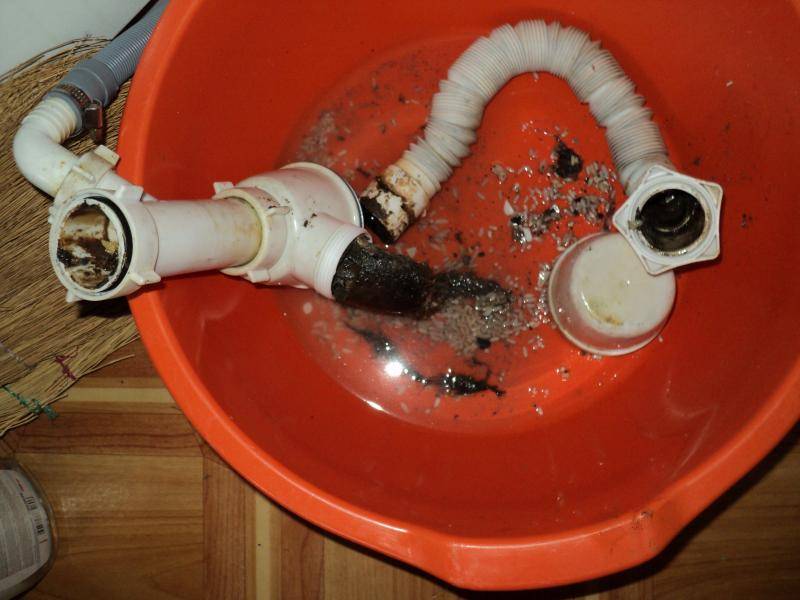
Next, you need to consider the cleaning process in more detail. To carry it out, it is necessary to prepare a soft rag and place a container under the siphon to drain the water. Then you need to unscrew the fasteners and remove the bulb
When all the liquid has drained out, carefully clean the siphon. Next, it is necessary to flush the device and reinstall it in its original place, while not forgetting to place the nozzle so that it does not rest on the flask
Next, you can open the water in the tap. Only after making sure that there are no leaks, you can be sure of the correct installation of the siphon and remove the liquid container previously placed under it.
Blockage Prevention
It is much easier to prevent blockages than to deal with already formed ones later. It is very useful even when installing the sewer system to install fine-mesh nets and filters that will cut off all large debris, as well as a grease trap. Near the turns, it is desirable to make special hatches for cleaning to make it easier to remove the blockage.
Already during the operation of the pipes you need:
- Treat them with boiling water, preferably at least once every few days. It is necessary to pour it in a little over 2-3 minutes so that the fat is washed off the walls.
- Call for a vacuum cleaner annually.
- Do not flush the materials listed at the beginning, because of which the pipes quickly become clogged.





Cleaning sewer pipes from rags
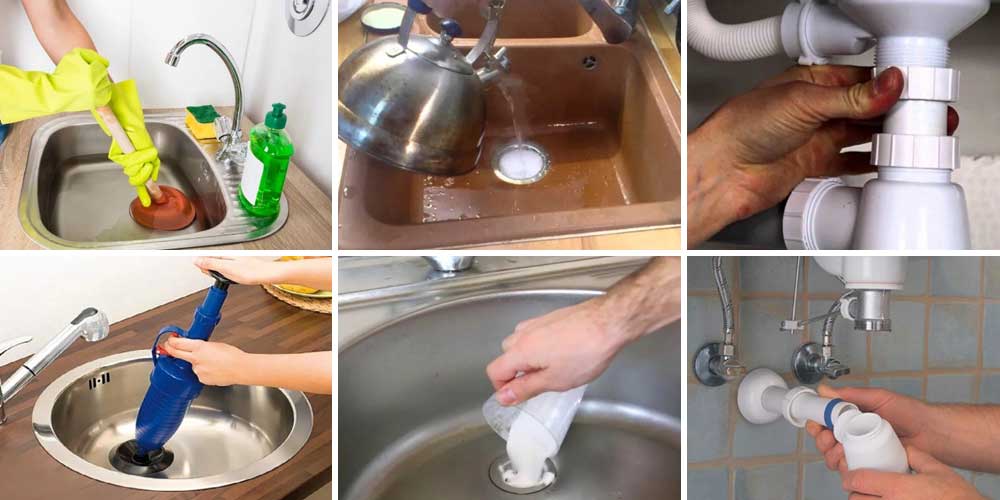
To clean the sewer in an apartment that is clogged with a rag, use a plumbing cable. If the rags got into the bed or riser, use a special hard wire having a cross section of 5-6 millimeters and equipped with a handle and a hook.
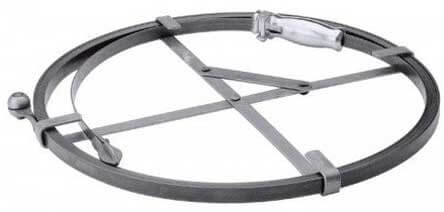
Its application has much in common with the use of a cable, but with some features:
- Rigid wire can hardly overcome pipe bends, and above all at an angle of 90 degrees. If there is no revision or tee at the turn, it is advisable to undock the connection or make a hole in the pipe. After it was possible to clean the sewer pipe, the hole can be wrapped with a rubber bandage or a bicycle tube, which is cut along. A collar made of knitting wire is applied over the bondage.
- The blockage in the riser must be cleaned from top to bottom, exclusively along the slope of the pipe.
- To remove the wire, it continues to rotate in the same direction as when feeding. The rotation prevents the rag from slipping off the hook.
What to do if the faucet is clogged
Weak water pressure in the faucet can contribute to the formation of clogged drains. The most common reasons:
- cork in the system due to scale and rust;
- clogged aerator or filter insert.
If the faucet is clogged, the following measures should be taken.
- Remove the aerator on the faucet spout.
- Clean the nozzles, rinse with strong water pressure.
- Install the aerator.
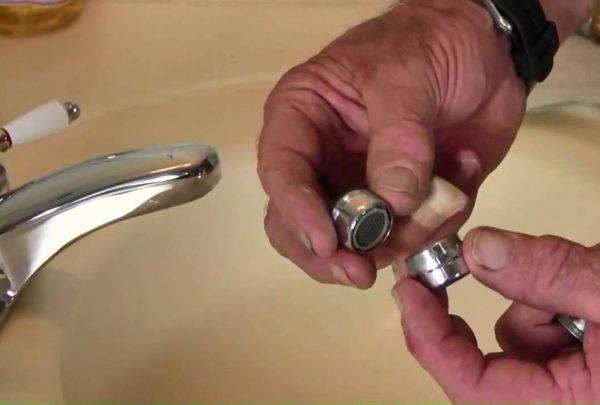
Solid particles accumulate on the aerator, impeding the passage of water
If the aerator is clean, check the faucet itself.
- Remove the faucet valve.
- Remove the lock washer that secures the locking element to the body seat.
- Remove the locking unit and remove dirt.
- Assemble the faucet in reverse order.
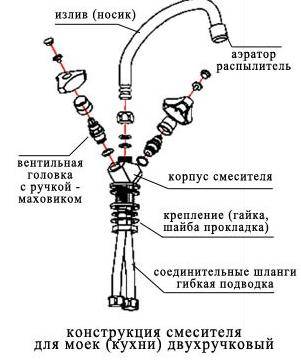
In some cases, complete disassembly of the faucet is required to remove the blockage in it.
To eliminate clogged pipes that affect the intensity of water pressure in the tap, follow the instructions:
- Turn off the water using the central valve.
- Remove the coarse filter plug. Rinse the removed wire cassette thoroughly.
- Install the filter element in its original place by changing the seal and screwing the plug.
Inspect the fine cleaning system:
- Turn off the water supply.
- Check the pressure in the free pipe by opening the central valve.
- Rinse the filter bowl, replace the insert.
- Assemble the system by installing all its elements in their original place.
Video: how to clean the faucet
If none of the above actions lead to the expected result, seek the help of professionals using specialized skills and techniques.
The use of household chemicals
A good result of cleaning blockages is given by special household chemicals. They are available in dry and liquid form.
When choosing a specific tool, you need to consider:
- price;
- exposure time;
- convenience of packing;
- release form;
- compound.
Disposable sachets are convenient in that you do not need to measure the amount of the drug - the contents of the entire sachet are poured into the drain.
Bagi Pothan
Bugs is a trademark of an Israeli company. The product is available in the form of granules. Use the drug by pouring the required amount (about 100 grams per drain hole). After that, hot water is poured according to the instructions.
Potkhan is effective, has an aggressive effect, dissolving not only food waste in pipes, but also hair, and even diapers.Used by Bagi to clear blockages in metal and plastic pipes. The exposure time is 3 minutes. It should not be exceeded.
The price for a container of 600 grams is about 700 rubles. Read reviews here, here and here.




Sanfor
The product in the form of a gel is designed for effective cleaning of sewer pipes. Thick in consistency, the gel easily penetrates to the site of blockage, despite the presence of water. Sanfor eliminates unpleasant odors, dissolves food contaminants, hair in the sewer.
For one application, 0.25 liters of the product is enough. The average exposure time is up to a quarter of an hour, with complex blockages it can be increased. If the first time the drug did not help, the treatment can be repeated.
A container with a volume of 0.75 liters costs up to 200 rubles. Read reviews here, here and here.
Synergetic
The product from blockages, like all products of the company, is biodegradable and hypoallergenic. In the process of exposure, it disinfects and eliminates unpleasant odors.
It should be used in its pure form, pouring into the drain. The exposure time is up to 20 minutes. The drug can be used as a prophylactic, in this case, 0.25 liters per use is enough.
Synergetic is suitable for all types of pipes and can be used in the presence of a septic tank. Price - up to 200 rubles per container. Read reviews here, here and here.
Why won't water drain in the sink
A blockage is an accumulation of dirt in a pipeline that prevents the movement of water. If preventive measures are not taken, the sink becomes clogged with debris. Depending on the cause, 3 types of blockages are distinguished:
- Operational - the appearance on the walls of the siphon and the sewer channel of plaque from dirt, food debris, grease due to long-term operation of the sink. Without preventive maintenance, the problem occurs after 6-12 months of regular use of the sink.
- Mechanical - large debris entering the drain, preventing the outflow of water. Most often occurs when performing repairs in the kitchen, accidentally getting stones, jewelry, metal objects, etc. into the siphon.
- Technical - blockage associated with improper installation of plumbing. To solve the problem, you need to disassemble the siphon and reconnect it, taking into account the relevant rules.

Technical blockages are detected immediately after installing the sink, replacing the siphon or sewer pipes suitable for washing. Therefore, when checking the quality of work, you can make a claim to the plumber and demand that the problems be corrected.
Prevention: Tips
- The most reliable preventive method is to prevent foreign objects and grease from entering the sink siphon. To do this, the sink in the kitchen must be equipped with a removable mesh installed on the drain hole. It will prevent food particles from entering the drain.
- Washing dishes should begin with mechanical cleaning, that is, removing particles of food or tea leaves. It is unacceptable to drain fat after frying or fatty broth into the sink. Greasy dishes are first thoroughly wiped with a paper towel, which is thrown into the trash can.
- Similarly, you should approach washing the teapot. Spilled tea is thrown away, after which the walls of the dishes are wiped with a paper towel. Only after that you can start washing.The fact is that, getting into the pipe, the tea leaves get stuck in its bends, and gradually this lump grows and becomes hard. As a result, a cork is formed, and in a hard-to-reach place.
- Similarly, a cork is formed when paper or fillers for pet trays enter the pipe. At first, they are easily washed into the drain hole, but then they settle on the pipe walls and increase in size. The result is the strongest blockage, which cannot be eliminated by chemical means.
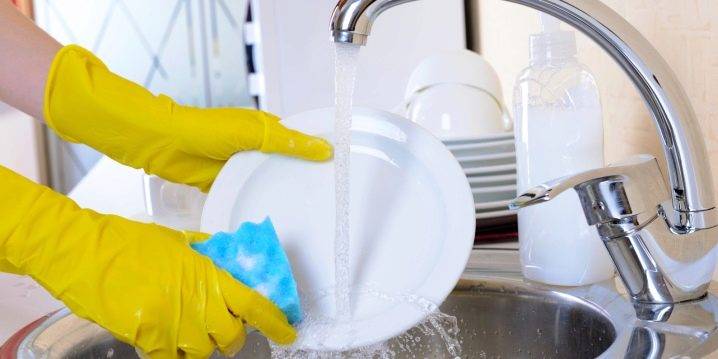
- Use a fat-soluble detergent to wash dishes. Make it a rule to wipe the sink with the same product after each use and rinse it with hot water. As a preventive measure, it is recommended to turn on hot water for half a minute daily in the evenings.
- Once a week, 3-5 liters of boiling water can be washed down the sink. After 5-10 minutes, you should use the plunger. Such actions are easy to do yourself, they will dissolve fatty plugs and get rid of minor blockages.
- An effective prophylactic is a composition based on citric acid, soda and salt. The ratio of the last two components should be the same, citric acid - only half. The resulting composition is mixed and poured into the pipe, after which a glass of boiling water is poured there. After waiting 5 minutes, drain a large amount of warm water.
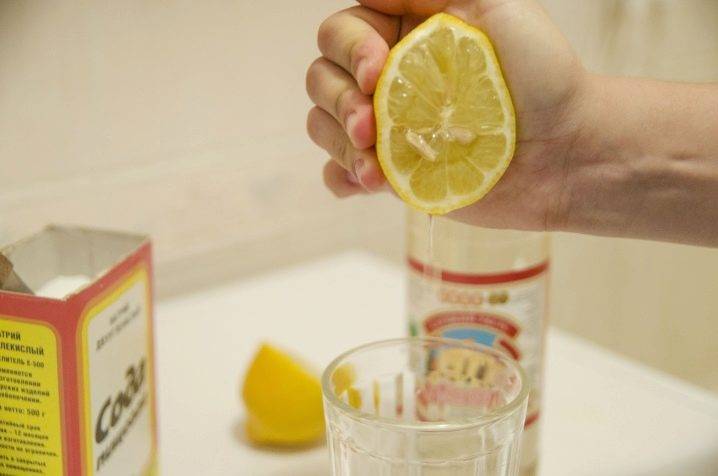
- You can also periodically use anti-blockage products as a preventive measure. They are recommended to be used once or twice a year. Excessive use of harsh chemicals can cause damage to plastic pipes, damage to the coating of a sink or bathtub. It is necessary to fill the composition into the pipe at night, and in the morning rinse with plenty of water.This will help prevent the formation of a cork and quickly get rid of a small blockage.
- Installing a special grinder in the sink will help prevent food particles from entering the pipe. Before purchasing it, make sure that the selected device is compatible with the plumbing you have installed.
- If cleaning the pipes with your own hands does not bring a positive result, then you will need the help of a plumber. Most likely, he will use an automatic pipe cleaner or a hydrodynamic nozzle.
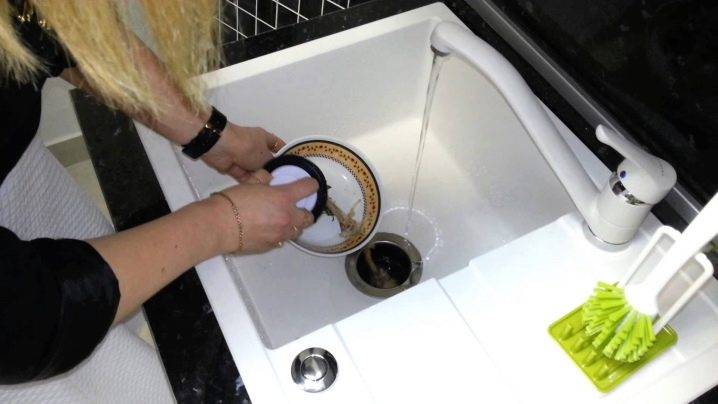
How to clean the blockage with folk remedies, see the following video.
Cleaning preparation
Before you eliminate the clog in the sink in the kitchen at home, you should determine the cause of its formation. The acceptable method depends on what exactly needs to be done with the sewer pipes or drain system.
You can eliminate the blockage with different tools, so preparatory work is carried out first:
- tools are prepared, and most often it is necessary to remove the blockage with a plunger or a cable, sometimes household chemicals help;
- a small flashlight and a small brush are purchased;
- a bucket is placed next to it;
- manipulations with the sink and drain are recommended to be carried out only with protective rubber gloves;
- the sink before work is freed from foreign objects: sponges, dishes and cleaning products.
Using a plunger
A plunger is a primitive and inexpensive plumbing tool. It allows you to clean small blockages formed due to the ingress of small organic pieces into the drain hole.
Elimination of blockage is carried out as follows:
- the rubber bowl is pressed tightly against the surface of the sink, and the drain hole is located strictly in the middle;
- as soon as a tight connection is created, strong translational movements are made;
- all actions are carried out using the handle, which is equipped with a plunger;
- due to such efforts, a hydraulic shock is formed;
- due to the pressure surge, small particles in the drain hole or pipe begin to be pushed in different directions.
After this procedure, the remains of food pass into the sewer.
The use of a plumbing cable
If there is a strong blockage, the plunger will not cope with it. This refers to a situation where a rag or a metal object has fallen into the pipe. You can remove such a blockage using a plumbing cable. In appearance, it looks like a regular brush, equipped with a flexible handle of considerable length.


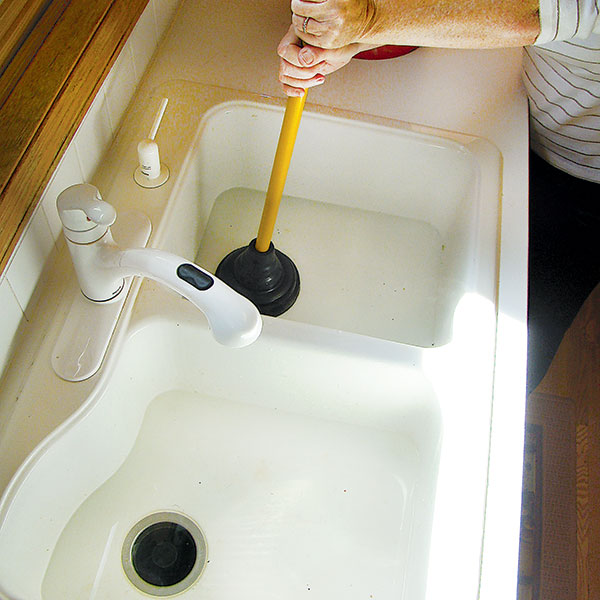




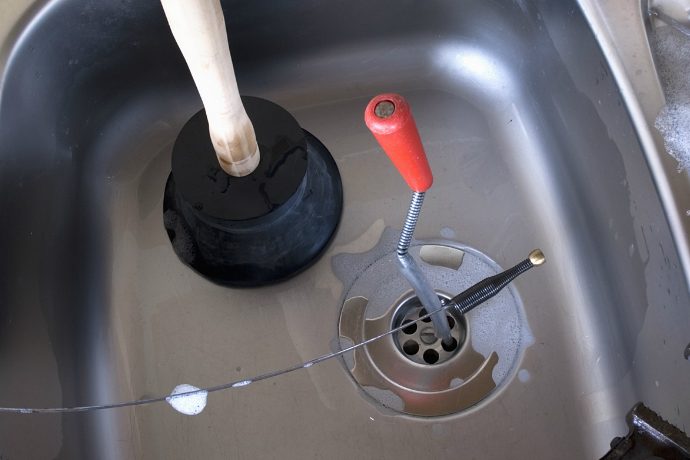

The cable allows you to push various large and strong objects into the pipe, as well as partially remove plaque or rust.
The cleaning process is divided into stages:
- the cable is inserted through the drain hole into the pipe;
- scrolls slowly in one direction;
- the cable moves away from itself, gradually pushing through the sewer pipe;
- sometimes it is pulled out, which allows you to get stuck objects out of the pipe;
- a little water is periodically supplied to drain the remaining dirt and foreign objects.
You can replace the cable with a metal hanger, but it is only suitable if the blockage is located next to the drain.
Siphon cleaning
Not only the sewer pipe, but also the siphon can be clogged. It can be replaced or cleaned. It accumulates a lot of dirt and food residues, so the water stops passing freely.
The siphon is designed to prevent odor from the sewer from entering the room.First you need to remove the device, and then disassemble it.
The process is divided into stages:
- the nuts connecting the siphon to the outlet of the sewerage system are unscrewed;
- the tank is pulled out, and during this procedure the integrity of the seals must not be violated;
- the element is cleaned of contaminants with a brush;
- you will have to clean the nozzles, for which a brush or brush is used;
- after cleaning, the siphon is installed in place.
After the end of the process, it is necessary to drain some water to make sure the connections are tight. If the product is in poor condition, it is advisable to change it by installing a new siphon.
Lighter than easy to prevent clogging
It is enough to encounter a blockage once in order to strictly follow the rules for preventing such an unpleasant situation in the future. A strong sewer smell, an inability to use the sink effectively, are all characteristics of a blockage. How to avoid it?
Above, we have already convinced you of the need to purchase a drain mesh, this is a mandatory item in the program to prevent a garbage plug in the kitchen sink.
Let's talk about a food waste disposer, which can be purchased at building supermarkets. This, of course, is not the cheapest purchase, but it fully justifies every ruble invested.
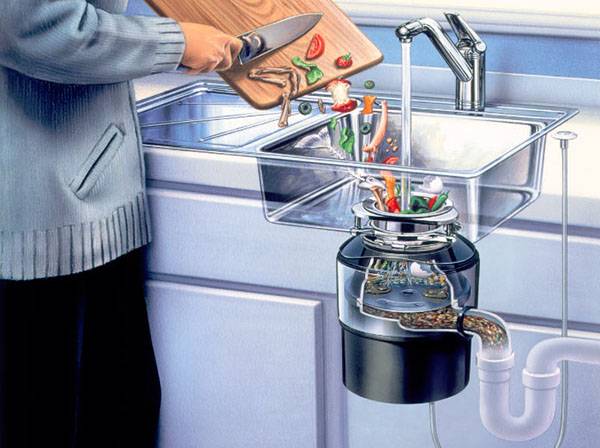
If buying a household waste disposer is not in your immediate plans, let's talk about blockage prevention
It is enough to pay attention to the cleanliness of the sewer system of the kitchen sink once a week, and you will no longer be faced with cleaning garbage plugs in the drain.
So, weekly, make it a rule to pour several liters of boiling water into the drain for half an hour, then you should definitely open the hot water tap.You can also periodically work with a plunger, this will break up the deposits into small pieces.
Vegetable oil and other fats must not be drained into the drain hole of the sink, if by misunderstanding this nevertheless happened, the most correct action is to skip hot water to clean the walls of the sewer elements from deposits. It will also be effective to use any home method for cleaning the drain (see the exact recipes above in the article).

Thus, we see that we do not need any titanic efforts to avoid clogging in the kitchen sink. Fairly simple rules for caring for a siphon and sewer will ensure uninterrupted and efficient operation of water supply and sanitation in your home.
If on your own you could not cope with the blockage (using several different proposed methods), then it's time to call the plumbers. The cause of the problem, perhaps, can only be solved by professionals. Modern specialized equipment works wonders, so do not despair, but start acting.
We wish that only pleasant aromas settle in your house, trouble-free days reign, and the space is filled with that indescribable atmosphere of comfort. Let your wonderful home help you start the day cheerfully and cheerfully, and end it in a relaxed atmosphere in a pleasant conversation with your family. Accept the wishes of a great mood and good health!

Best home remedies for clogs
| A drug | Description | Price |
| Mole | A popular affordable remedy with an effective but slow action; eliminates blockage in 1.5-2 hours; removes bacteria and odor | 20-60 rubles1 (gel, 0.5-1 l) |
| Sanoks | Universal inexpensive tool for any type of pipes with a delicate action; clears clogs in an hour, removes odors and has a childproof lock | 55 rubles (gel, 500 ml) |
| Tiret | A popular gel for cleaning pipes of any kind, it works in 5-30 minutes, but does not always cope with difficult blockages; soft safe composition and high price | 200 rubles (500 ml) |
| Chirton | Affordable and effective remedy in the form of powder and gel; does not form dust, but has a pungent odor; clears blockage in 15-20 minutes | 30 rubles (powder), 80 rubles (gel) |
| Deboucher | Powerful gel for plastic and polypropylene pipes, not suitable for aluminum pipes; available in a convenient package with a locking lid; cleans clogs in an hour | 130 rubles (gel, 500 ml) |
| Flup | Aggressive drug with a powerful action and high efficiency, does not have a pungent odor and disinfects; produced in granules, quick and easy cleaning of blockage | 40 rubles (microgranules, 60 gr) |
| Bagi Pothan | An expensive and fast-acting composition eliminates clogging in three to five minutes; characterizes convenient packaging and economical consumption; not suitable for old and worn pipes; available in granules and tablets | 100 rubles (1 tablet), 290 rubles (granules, 250 ml) |
| Selenium anti-blockage | Affordable product with a slow cleaning action in one to two hours; Suitable for both sinks and toilets no dust, no pungent odor | 100 rubles (gel, 1 l), 15-30 rubles (powder, 90 gr) |
To prevent clogging of the sink, do not pour liquids with cooking oil into it. Before washing, clean the dishes from food residues, do not throw threads, wool, vegetable skins and other small debris into the sink.To protect the drain hole and pipe from foreign objects, use a special mesh.


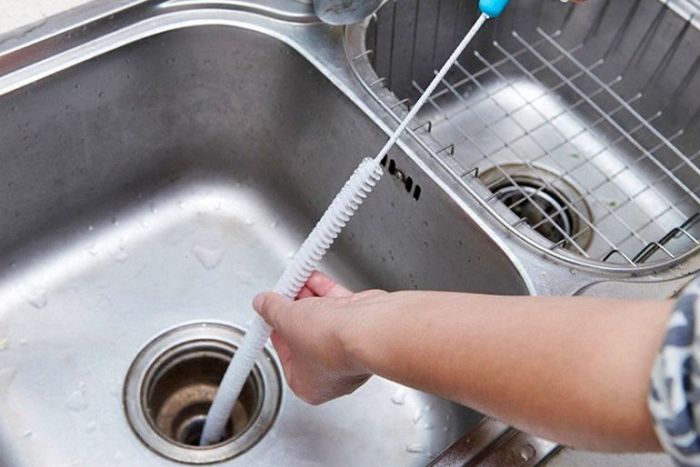


Regularly clean the drain of hair and clean the siphon once a week, clean the sink with hot water, rinse the hole with boiling water. Wash the sink daily and periodically clean the siphon, replace parts and devices in a timely manner.