
- Effective ways to increase chimney draft
- Measurement methods
- Causes of malfunctions
- Ways to increase traction
- Modern means to improve draft in the chimney
- How to increase the draft in the chimney?
- The device of the deflector-weather vane on the chimney for the furnace
- Eliminate causes of reverse thrust
- How to check traction?
- What are some ways to increase traction?
- Helpful Hints
- Traction efficiency can depend on several parameters:
- Self Troubleshooting
- We clean the pipe with a brush
- Troubleshooting
- Pipe cleaning
- Structural Troubleshooting
- Arrangement of ventilation
- Installation of appliances
Effective ways to increase chimney draft
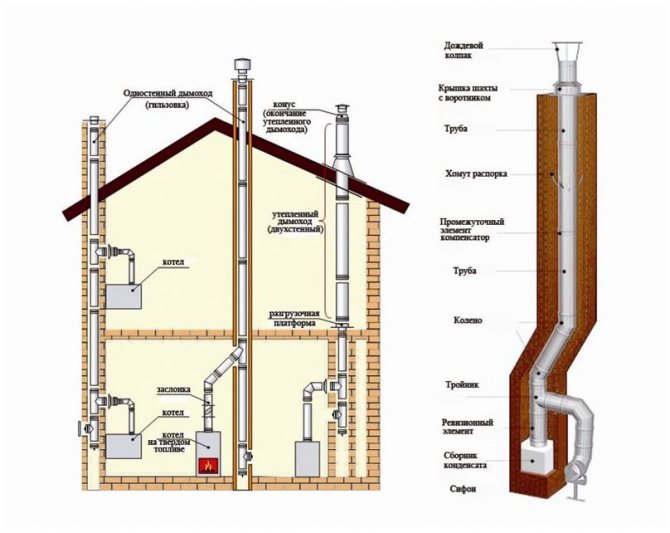
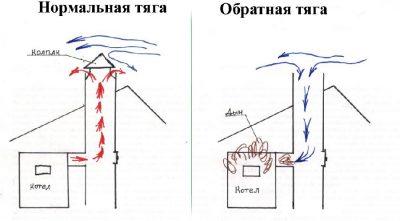
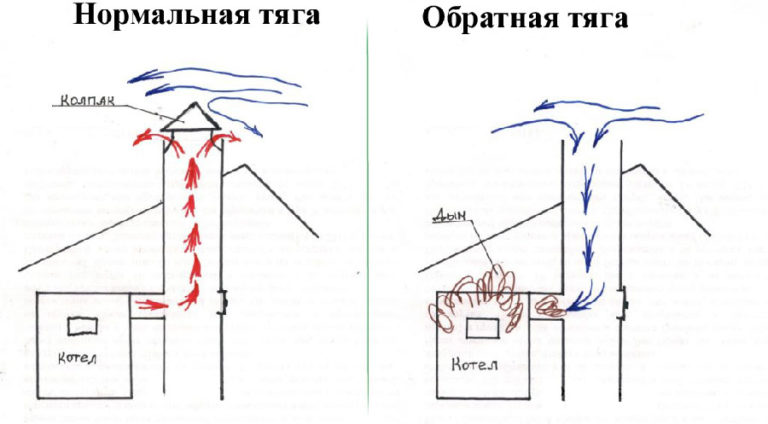
The design of a chimney is complex and responsible, the efficiency and safety of using a heater depends on the correct implementation of it. Not a single heat generator is able to function normally without a pipe that leads smoke from the room. Smoke is a mixture of gases containing residual products of combustion of fuel. The appearance of smoke inside the heated room is a sure sign of an incorrect calculation of the chimney system, which entails the risk of fire and carbon monoxide poisoning. This article will tell you what reverse draft in a chimney is and how to prevent it from occurring.
Measurement methods
If you doubt that the draft of the chimney channel of the stove, fireplace or heating boiler is sufficient, you need to check it. The easiest way to dispel doubts is to check with your own hands using an anemometer. If the device shows a thrust of 10-20 Pa, then it is considered normal. The problem of this method is the low measurement accuracy of inexpensive anemometers, if the thrust is less than 1 Pa, then they will show that it does not exist. More accurate professional instruments are expensive, stove-makers use them.
If you do not have an anemometer, use one of the popular methods for determining the chimney draft force:
- By smoke. The most obvious sign that there is no draft is the presence of even a small amount of smoke inside the room, a large amount of smoke indicates a high risk of fire and carbon monoxide poisoning.
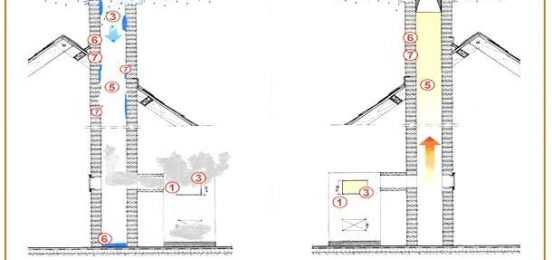
Note! Draft inside the chimney created due to pressure difference outdoors and indoors. In a heated room, the temperature is higher than outside, so there is more pressure
Heated air, propped up from below by colder air, is squeezed out into a zone with lower pressure, that is, into the atmosphere. If you take measurements in summer, when the temperature difference between inside and outside is minimal, you will get a lower result than in winter.
Causes of malfunctions
After making sure that there is not a sufficient level of draft inside the chimney system, it is necessary to determine and eliminate the possible cause of this defect. Experienced craftsmen say that the most common causes of failures in the operation of smoke ducts are:
- Design error. The choice of the chimney pipe should be based on the volume of the furnace. If the diameter is less than the calculated parameter, a weak one will not allow smoke to leave their premises.
- Insufficient pipe length. A pipe length of less than 5 m does not provide a significant difference between the pressure inside and outside, which creates a weak draft.
- Incorrect location of the chimney tube. Furnace masters advise laying the chimney vertically, as narrow turns trap smoke inside the chimney, reducing draft.
- Long horizontal sections. If, when laying a chimney, it is not possible to avoid horizontal sections, then make sure that their length is no more than 100 cm. Otherwise, she will need an amplifier.
The first step in detecting problems in the chimney system is to eliminate the most obvious causes of insufficient draft. When inspecting, make sure that the connections of all pipe segments are tight, that there are no soot blockages. Check that no moisture has entered the flue ducts and that the atmospheric pressure is correct.
Ways to increase traction
If the traction force is in the chimney channel of the heater, it is not always easy to eliminate this defect. Experienced stove-makers use the following methods, methods, to increase it:
- The first thing to do if you suspect insufficient draft in the chimney is to clean the pipe. To do this, call a chimney sweep or remove soot deposits from the inner surface of the chimney with your own hands using a metal stove brush.
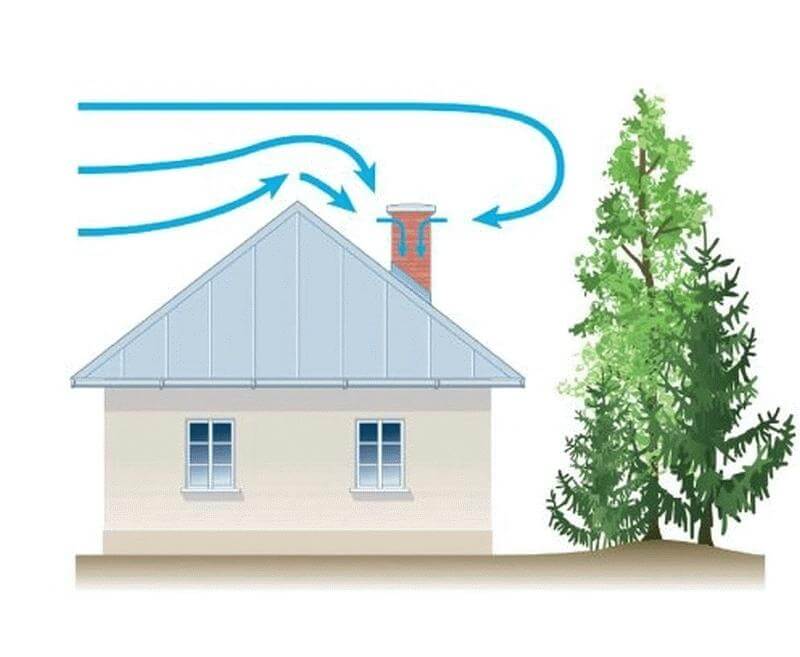
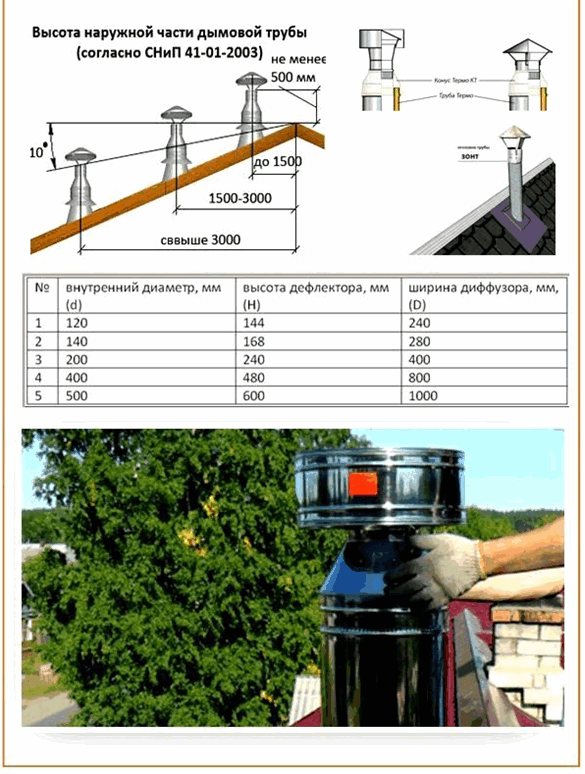
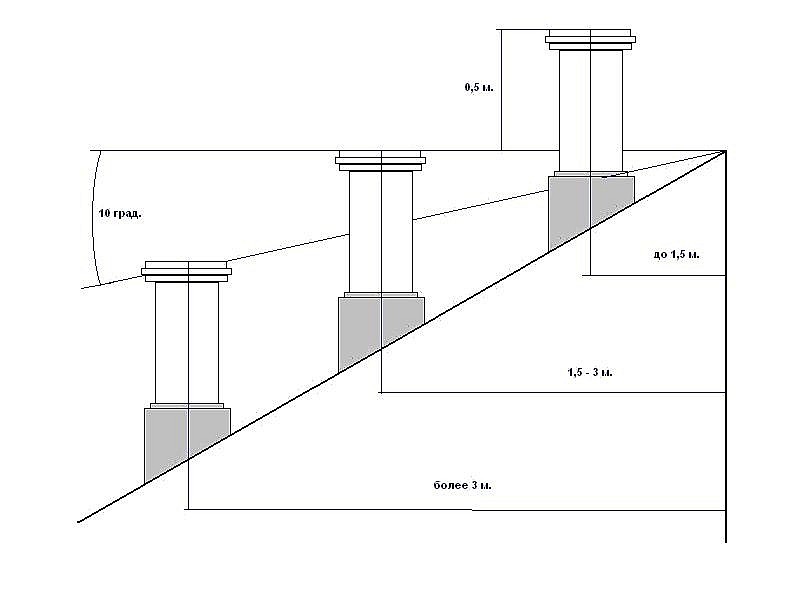
- A significant increase in the power of the chimney can be achieved by increasing the height of the chimney above the roof surface by extending it with several additional segments. In the same way, the chimney is removed from the area of \u200b\u200bwind backwater from the ridge or a higher building.
If it was not possible to find a solution to the problem of the lack of draft inside the chimney channel on your own, seek advice from an experienced stove-maker who will tell you what to do and correct the defect in the most rational way.
Effective ways to increase chimney draft Effective ways to increase chimney draft. Common causes of reduced draft in the chimney and methods and devices for their elimination.
Modern means to improve draft in the chimney
Now we will tell you how to increase the draft in the chimney using modern technical devices that can be purchased in specialized stores. We will consider each device separately so that you can choose the most suitable for you in terms of parameters and quality.
The most famous tool is the chimney draft regulator. This appliance is designed to be mounted on a chimney outlet. After the adjustment is made, the tool compensates for the pressure in the pipe with external pressure, due to which both the normalization of the operation of the heating devices and the normalization of the thrust speed occur.
By the way, this device has one important advantage - its installation leads to an increase in the efficiency of the heating system.
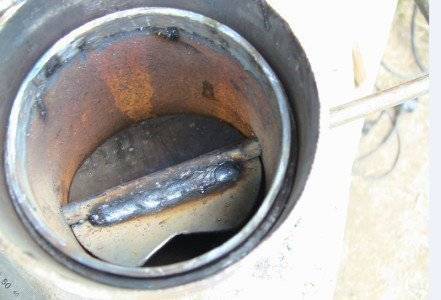
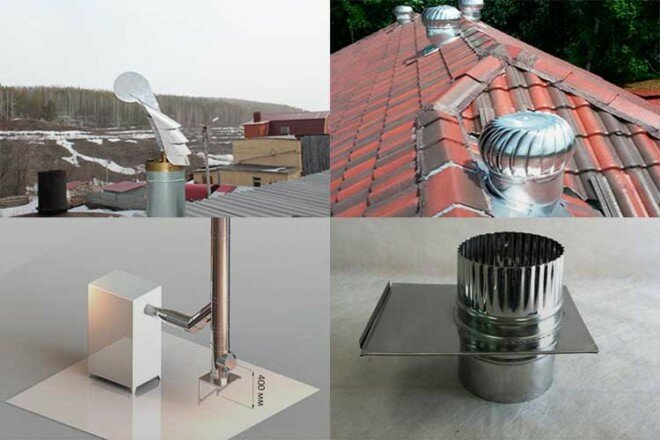
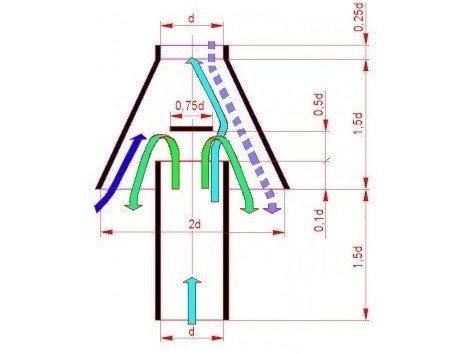
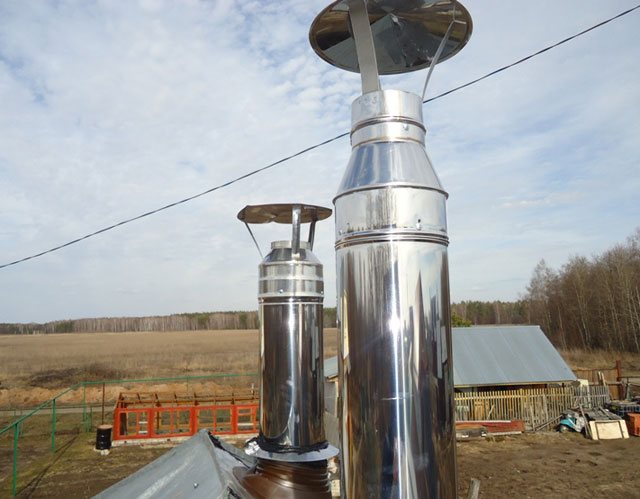
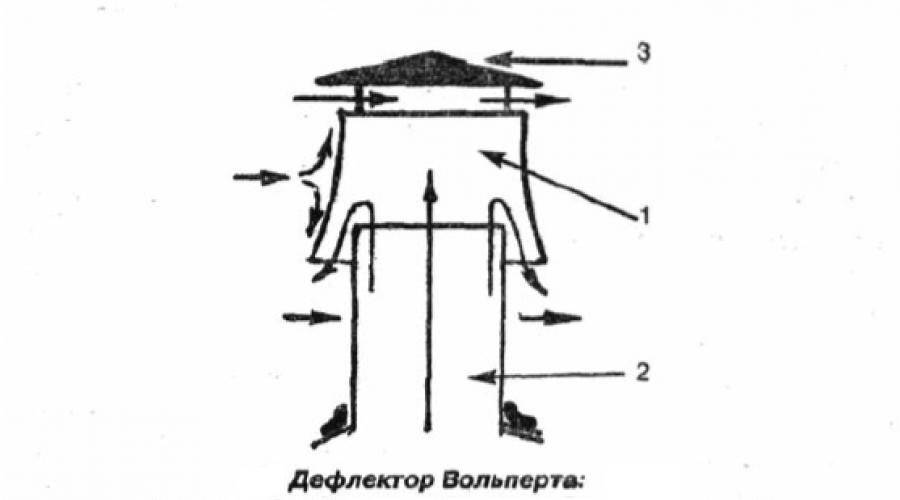
The second device is a deflector, which is also installed on the outer part of the chimney. The main difference of this device is that the outer diameter of the deflector is much larger than the cross section of the chimney, due to which the effect of a pressure drop occurs. Thus, when the design of the device is streamlined with air flow, inside the device is created area of low pressure. This contributes to the emergence of all conditions for increasing and normalizing the speed of thrust.
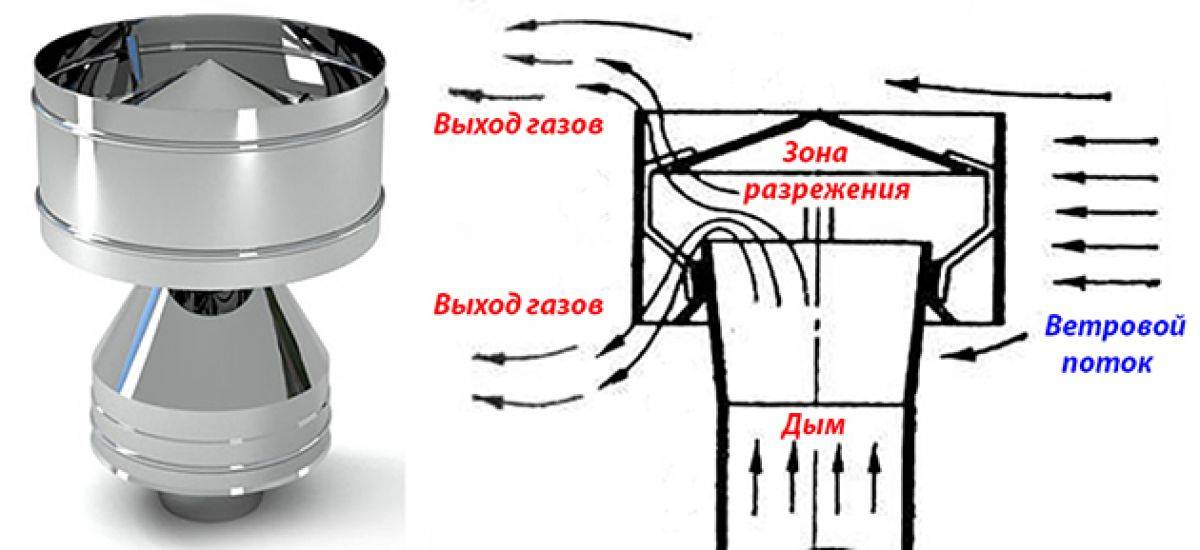


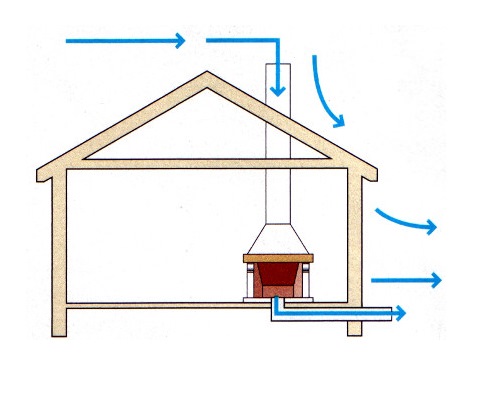
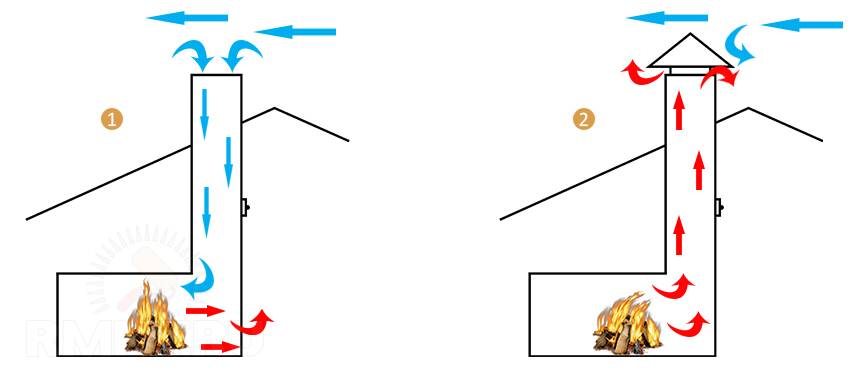

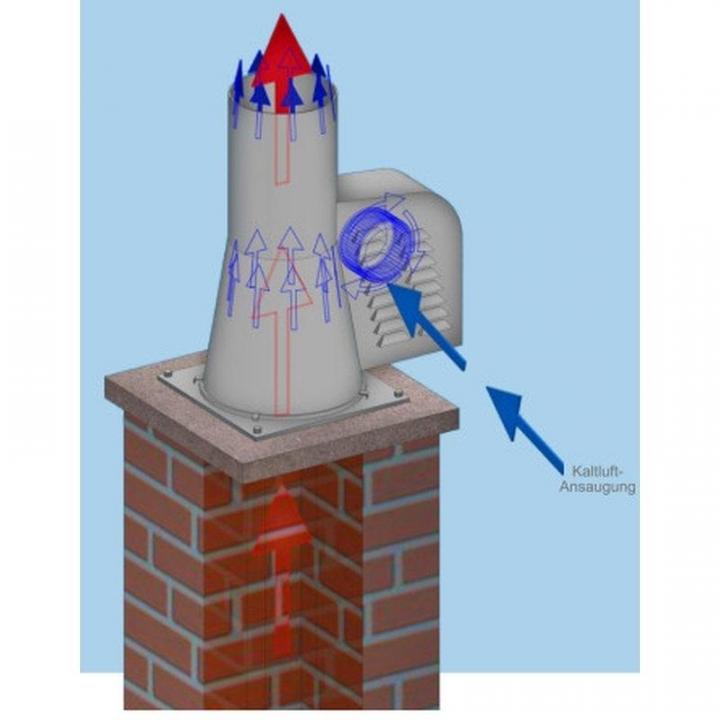
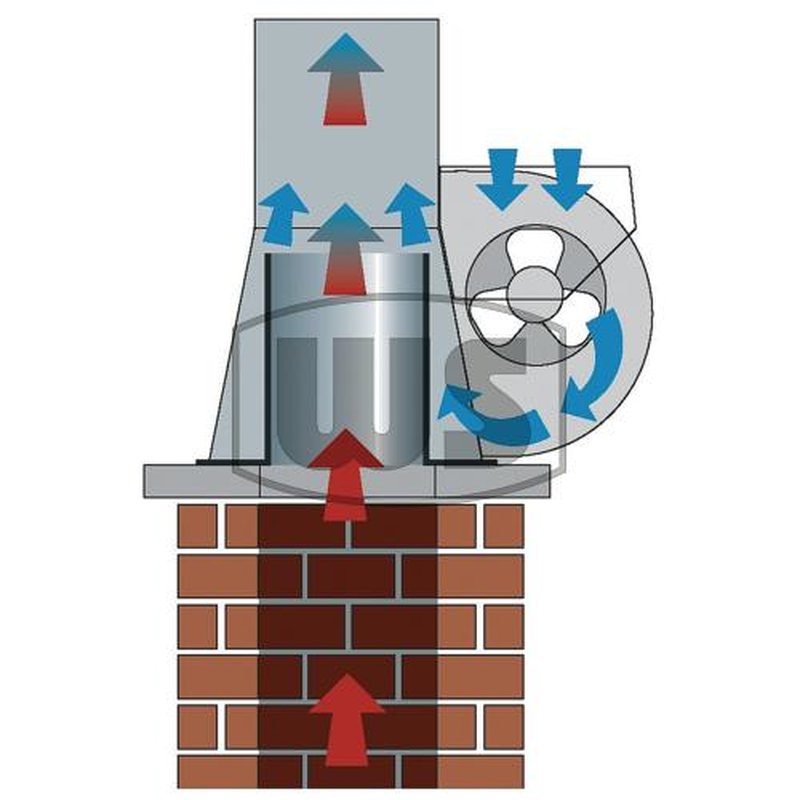
You can use a chimney weather vane - a device that not only leads to an improvement in the rate of gas output, but also protects the pipe from rain and small debris from the street entering it. Such a weather vane is based on the principle of a deflector, and the gas is discharged only from the leeward side, due to which it is possible to reduce the level of external air resistance. Due to this, the speed of traction is normalized. You can also install a smoke fan, which is considered one of the the most effective methods. A ventilation system is installed inside the chimney draft booster, which artificially creates an air flow inside the chimney. The main feature of this device is the need to connect an electrical line.
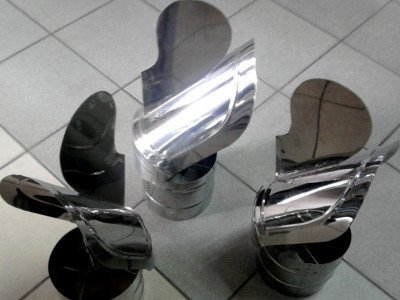
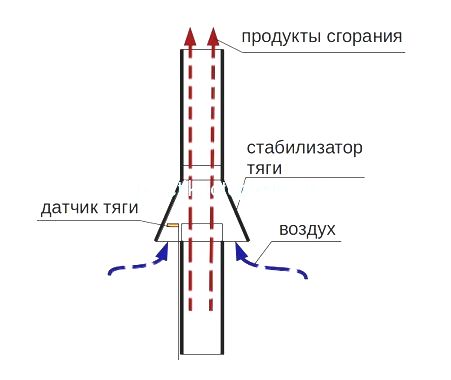
There is also a special chimney draft stabilizer, with which you can fully control the air flow in the pipe. It is possible to install under the cap of the device temperature sensor rising gas. In the event of a deterioration in the speed of traction, a special thermal sensor will work.
How to increase the draft in the chimney?
Hello. Tell me how to increase the draft in the chimney?
Good afternoon, Alexey! To answer this question, first let's figure out what the efficiency of traction depends on:
- Chimney section. The golden mean is important here. With a decrease in diameter, the rate of exit of hot smoke increases. But it cannot be reduced indefinitely. Having reached some minimum value, combustible gases will fall back into the room. If the diameter is too large, then the air outside will create a reverse thrust.
- Accumulated soot inside the pipe.The more it is, the worse the traction will be.
- Curves in the chimney. Each extra angle reduces the traction force.
- Tightness. If there are holes in the chimney device, then air will enter the pipe through them. Which again will lead to a deterioration in traction efficiency.
- Weather. High humidity, low atmospheric pressure, strong wind gusts - all this can affect the quality of traction.
Now we know what affects traction. There are a few simple methods to find out if something is wrong with the traction. You can bring a candle to the chimney and extinguish it. If the smoke goes into the chimney, then everything is in order with the draft. If smoke appears in the room during operation of the oven, then there is a problem.
Based on the foregoing, you should first try out simple options:
- Clean the chimney of soot. This can be done using a special device. It consists of a rope, sinker and ruff. It is enough to climb onto the roof and work with this set along the entire length of the chimney.
- Check the sealing of the chimney. If there are gaps, then they need to be repaired. This happens with brick chimneys, which partially wear out over time.
If these methods did not help, then you need to resort to more modern methods:
- Traction regulator. A special device that is installed on the outer pipe of the chimney. Allows you to compensate for the pressure in the pipe. The traction remains sufficiently efficient, regardless of the weather.
- Deflector. The diameter of the upper part of this unit is larger than the cross section of the chimney. The structure flows around with air flow and low pressure is created. This leads to improved traction.
- Vane. Improves draft and protects the chimney from rain and snow
- Smoke fan.A modern device that creates an air flow due to the revolutions of the blades. Thus, a rarefied air space is formed in the chimney itself. Electrical connection required.
How to increase the draft in the chimney? How to increase the draft in the chimney? Hello. Tell me how to increase the draft in the chimney? Good afternoon, Alexey! To answer this question, let's first understand what
The device of the deflector-weather vane on the chimney for the furnace
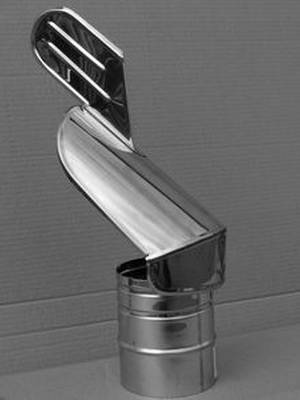
There is a new popular type of deflector - a weather vane-deflector.
 >
>
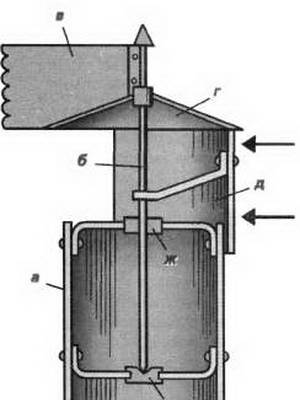
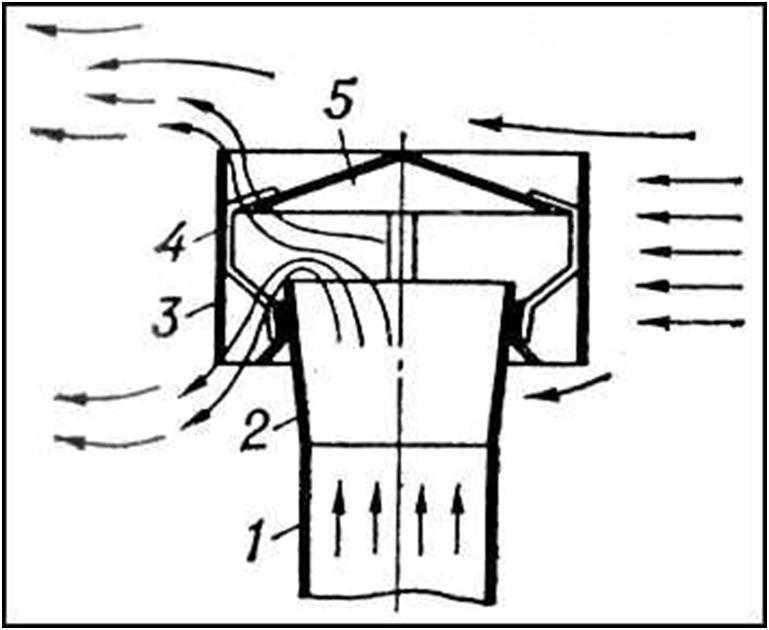
It is (see photo above) a special device in which the body rotates simultaneously with the deflector visors curved on it. Such visors are connected to the bearing assembly. The weather vane, located in the upper part, allows the entire structure to always be located taking into account the direction of the wind.
The operation and arrangement of the deflector-weather vane for the chimney is quite simple and straightforward. The air flow penetrates into the space between the visors, accelerates and thereby creates a rarefaction zone. As a result, the draft in the chimney increases, the fuel in the furnace burns well, and the air exchange also improves.
It is also recommended to create additional ventilation. These chimney wind deflectors are ideal for preventing backdraft, sparking and flame interruption.
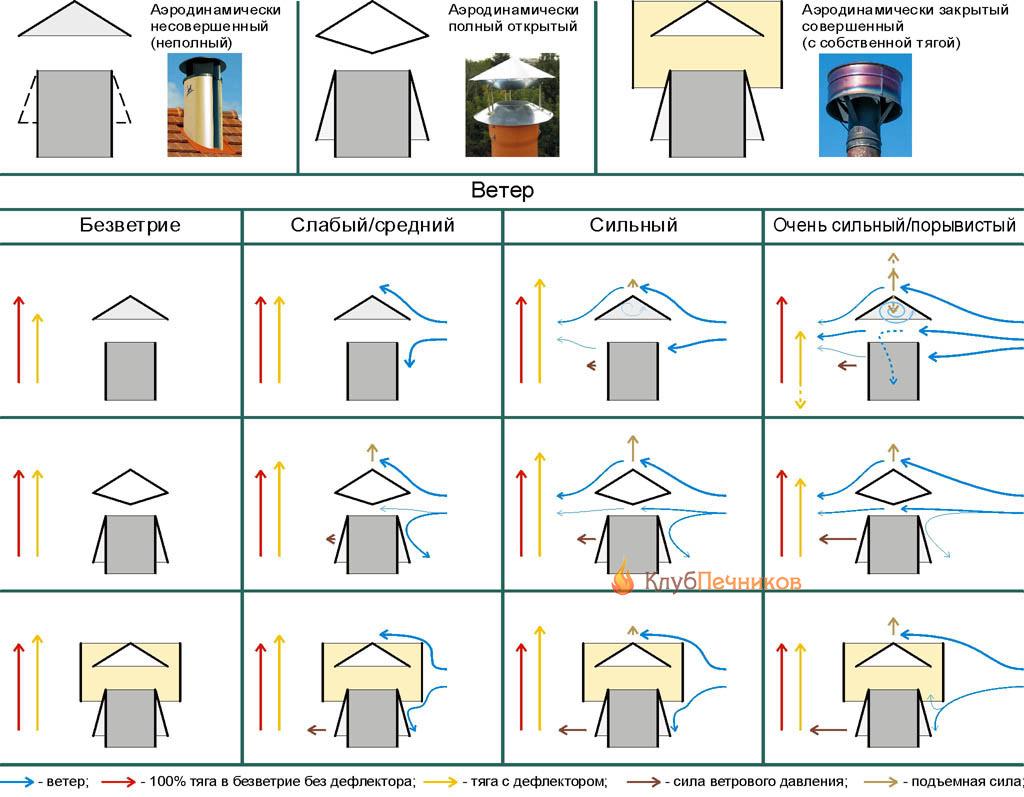


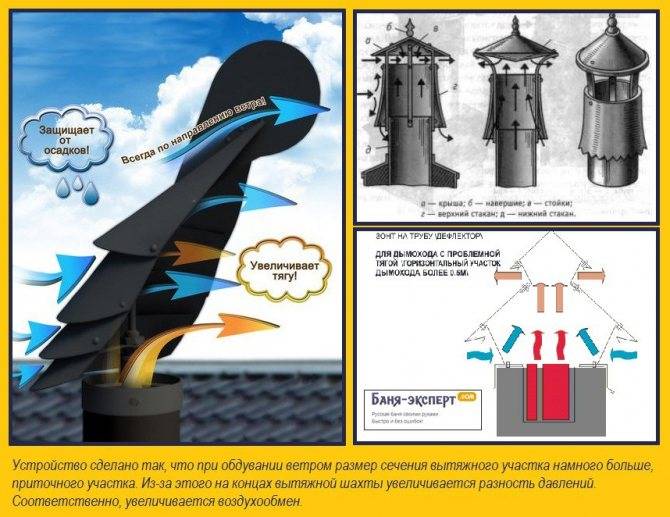


You can also make a weather vane-deflector, after which the structure itself should be attached at the edge of the chimney using a bearing ring. It is a stable influx of fresh clean air and high-quality removal of combustion products that is the key to the good operation of the furnace.
Eliminate causes of reverse thrust
Poor chimney draft requires immediate elimination of this problem, which is why many people often resort to using a special regulator. With it, it is easy to control the flow level, as well as create it if necessary. The automatic chimney draft regulator is produced in several variations. It can be a chimney stabilizer or a ventilation stabilizer.
Of course, the device for the chimney is aimed at regulating air flows. At the same time, it is characterized by increased economy, which cannot but rejoice. In addition, savings are also achieved by controlling fuel consumption. Such a device guarantees the accurate functioning of the chimney, and therefore the appearance of combustion products in the room will be impossible.
The ventilation stabilizer provides the room and the stove with the necessary air exchange. The stabilizer is produced in the form of an aerodynamic design, and it has two types of installation - at home or on the street as a stand-alone device. Thanks to the use of this device in the room, the appearance of any odors or unpleasant blowing will be excluded.
Also, this device helps to reduce the development of mold and other harmful fungi. It is extremely convenient to use in combination with a chimney stabilizer. In addition to these devices, checking the draft in the chimney will identify the reasons for its absence, after the elimination of which, the pipe's performance will again be at its best.
How to check traction?
Before lighting a boiler, stove or fireplace, the draft force is checked to prevent smoke in the room in the following cases:
- bad weather outside - strong wind, snowfall, fog, rain;
- no one was in the house for a long time, the heating was not used;
- the temperature in the room is lower than outside;
- there are doubts about the correct operation of the chimney.
If after ignition there was no sharp smoke, it is worth watching the combustion for a while. This will allow you to identify problems with the circulation of gases in the chimney, including in time to notice weak draft, which can quickly turn into reverse.
Ways to check the direction and thrust force:
- Use an anemometer - a device for measuring the pressure created by the air flow at the inlet and outlet of the chimney. Readings from 10 to 20 Pa are considered the norm.
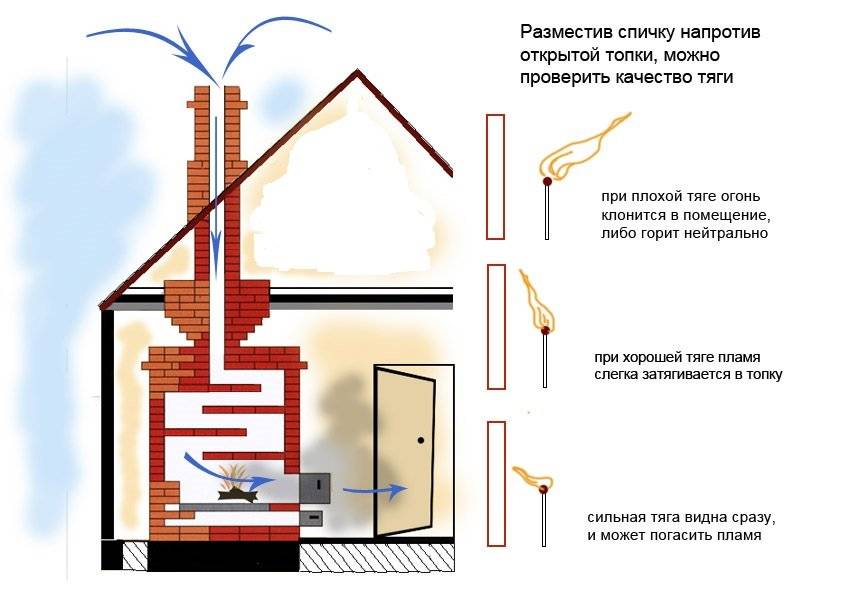
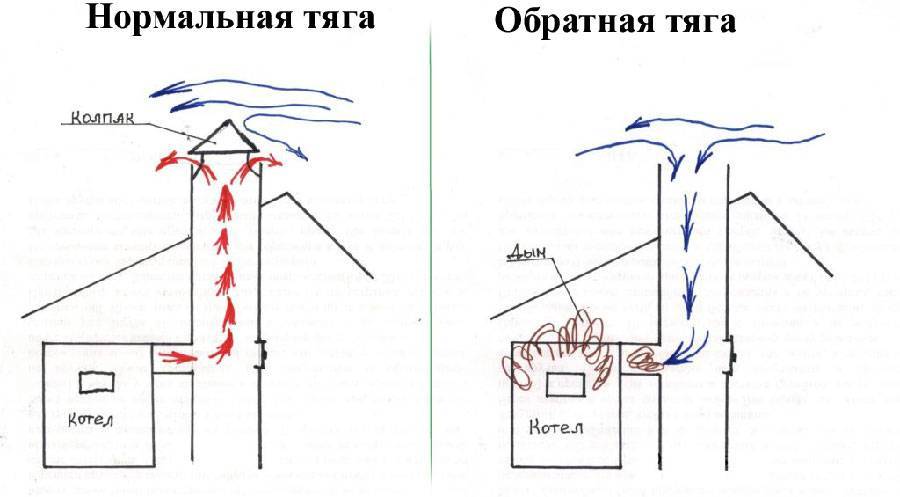
- Bring a sheet of thin paper, a napkin, a thin tape or a bag to the open firebox, holding it by one edge. If there is no thrust, the object will remain motionless, with good thrust it will deviate towards the heater, with reverse thrust - in the opposite direction.
- Use a burning match, torch or candle to test. With reverse draft, the flame deviates away from the firebox, with the correct draft, it leans towards the firebox and goes out; in the absence of draft, the flame remains even.
- Bring the mirror to an open firebox - if droplets of moisture appear on its surface, then the removal of smoke is difficult.
- Look at the color of the flame: a golden-yellow flame indicates normal thrust, white indicates excessive draft, and orange-red indicates insufficient draft and possible reverse.
Excessive draft is not life-threatening, but reduces the efficiency of heating - too much air flow draws heat out of the room. In addition to the color of the flame, excess draft can be recognized by the hum and buzz in the heater and chimney.
What are some ways to increase traction?
Before starting work, it is worth knowing how to check the draft in the chimney? Now there are a lot of devices that make it easy to find out if there is thrust and how much. The most affordable do-it-yourself chimney repair is an anemometer. However, there is one condition - it shows the flow rate if the value is more than 1 m / s. He certainly does not recognize smaller indicators. But, even if the device shows a certain indicator, this should not be taken with certainty. It is necessary to take into account a lot of factors, for example, when measurements were taken.
Digital anemometer - a device for measuring flow velocity
Because, if in the offseason, the indicators will be unreliable. For this, specialists are involved, with more advanced devices. But, do not despair, you can find out the strength of the flow, the wind in the usual old-fashioned way. If the room is filled with smoke, there is only one conclusion - the chimney does not work. In addition, if there is a white tint in the flame, and a characteristic hum is also heard, then the draft is probably too good. A sign of the normal separation of smoke are - golden "tongues". In addition, an effective way to check is to simply set fire to a piece of paper and bring it to the channel, if you notice a characteristic deviation towards the chimney, then everything is in order.




Helpful Hints
So, how can you improve your chimney draft? If you are still sure what is wrong with the smoke exhaust, you can use some tips on how to increase draft in a private chimney?
- Stabilizer installation. To improve the draft in the chimney, the installation of a kind of "umbrella" on the pipe will also help. From below there will be free access of air, and from above there will be a visor that will allow the formation of an air pocket.
- Height increase.It is realistic to increase the draft in the chimney by simply increasing the height, but it is worth focusing on the requirements for such a chimney. Keep in mind that the normative standard height is considered to be a height of 6 m from the grate. Take into account the turns, slopes of the pipe.
- Installation of turbines. This method is not very popular, however, it is necessary to mention it. How to make it so that in the furnace to increase the "return" many do not even think about simple physical aspects. For example, the creation of turbulences above the head of the pipe allows you to create a vacuum, which is necessary in the channel. In addition, the turbine is powered by wind, that is, no additional costs will be required from you. The only way to get rid of the "return" such a design will not be able to in calm weather.
We hope the above solutions have helped you. By the way, the presented methods of installing various devices on the chimney pipe to increase the draft are also suitable for solid fuel boilers.
Traction efficiency can depend on several parameters:
- Internal section of the chimney. The smaller its diameter, the faster the rate of exit of hot gases. But when a certain minimum size is reached, they will begin to get inside the room. If the pipe is too large, then the flow of cold air can form a so-called reverse draft.
- The amount of soot deposited on the walls of the chimney. It can significantly reduce the useful diameter of the pipe, which will lead to a loss of thrust speed.
- The number of turns in the chimney. Each turn or branch is an additional obstacle to the passage of smoke.
- System tightness. If there are gaps in the structure, then cold air can enter the system through them, forming a cold curtain and preventing the passage of smoke.
- Weather. Low atmospheric pressure and high humidity reduce the rate at which hot air is replaced by cold air in the heater.
These factors are the main ones, but not the only ones. Most often, the draft depends on the correct calculation of the chimney design - the optimal cross section and the number of corner elements.
Failure to comply with the above conditions is often the cause of poor traction. But how can this indicator be determined without special instruments and devices?
It is interesting: How and what to clean the chimney from soot - an overview means and technologies of cleaning
Self Troubleshooting
Let's try make the firebox process with your own hands safe and effective. The most common way to deal with the accumulation of soot in pipes is a brush with a sinker.
We clean the pipe with a brush
First, let's prepare everything you need:
- Hard bristle brush. The diameter of this device is selected taking into account the cross section of the pipe (from fifty to three hundred millimeters).
- Thin metal cable (can be replaced with a very strong rope or rope).
- Weight for hanging to the brush.
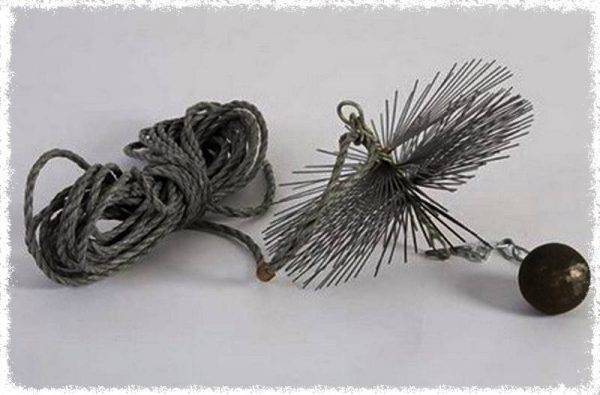
This is what the device for cleaning the chimney pipe looks like
Do not start work if there is strong wind or excessive humidity outside. Try to think over and use reliable insurance to protect yourself from unforeseen events.
Ruff is weighted with a sinker, attaching it to the bottom of the device. The brush itself is hung on a cable. All fasteners must be especially reliable, otherwise the structure will fall apart and you will have to perform additional actions - to “fish” them out of the pipe.
First, they clean all the inspection holes in the chimney, and then they start cleaning the pipe itself. By making a few up and down movements, you can get rid of the soot that will fall from the pipe into the furnace. It is best if someone else is near the oven to signal efficiency and when to stop working.
Finish cleaning the pipe should be when the soot stops pouring.
You can also clean the pipe with the help of improvised means, about which many videos have been shot.
Troubleshooting
If you have stated problems with traction, then, of course, they need to be eliminated as soon as possible.
The choice of means to combat poor or reverse draft depends on the reasons that led to the abnormal operation of the chimney.
Pipe cleaning
One common method for improving traction is pipe cleaning. Fuel, burning in the furnace, emits various substances that settle on the inner surface of the chimney. Soot adheres well to pipes if they are uneven or bent.



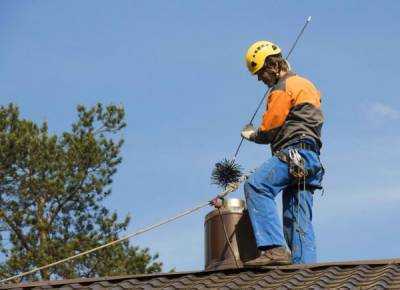
When carrying out work, do not forget about safety measures
How to clean the chimney so that there is good draft?
First of all, acting purely mechanically. Chimney channels can be made wider by getting rid of plaque in the following ways:
After cooking about one bucket of potatoes, peel and cut them. Potato peels will work too. Throw a little into the furnace and wait. When burned, potatoes will release starch, which will become a tool that can soften soot formations. Soft pieces of soot will fall off on their own, and firmly adhering ones will have to be removed mechanically.
Aspen firewood. Heat the oven with two or three logs. They will heat the chimney pipes very much and help get rid of soot.
But this method requires special care, because the probability of a fire will be very high (soot may ignite).
Rock salt
This method is more suitable for prevention. Salt added at the time of burning improves the condition of the chimneys.
Pipe brush. A heavy load is attached to a brush suspended on a steel rope and lowered into the chimney openings. By lowering and raising this structure, it is possible to force soot formations to fly off the pipe walls and fall into the furnace. These fragments are then removed from the firebox.
the probability of fire will be very high (soot may ignite).
Rock salt. This method is more suitable for prevention. Salt added at the time of burning improves the condition of the chimneys.
Pipe brush. A heavy load is attached to a brush suspended on a steel rope and lowered into the chimney openings. By lowering and raising this structure, it is possible to force soot formations to fly off the pipe walls and fall into the furnace. These fragments are then removed from the firebox.
The second group of anti-soot measures is based on the use of chemicals. Most used chemicals for cleaning the chimney - "Log-chimney sweep", "Kominichek". According to the instructions, chemicals are added to the coals formed during the burning of a stove or fireplace and continue to be heated. After all the fuel burns out, it is advisable to leave the coals, because they continue to “work” in terms of cleaning the chimney (at least, this is what the manufacturers advise).
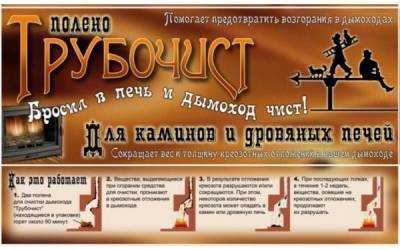
When used correctly, chemicals will not harm your home.
Do not believe the spiteful critics who talk about the mandatory ignition of soot when using the chemical method. This method does not pose any danger, because.the beneficial effect is due to chemical reactions, and not due to the ultra-high combustion temperatures of the reagent.
Special mention should be made of the observance of safety measures during all work related to the chimney. Do not fix chimney problems in windy weather! Try to use safety devices while working at height!
Structural Troubleshooting
If certain features of the chimney design are identified that adversely affect the traction force, adjustments should be made to eliminate them. Such actions should include:
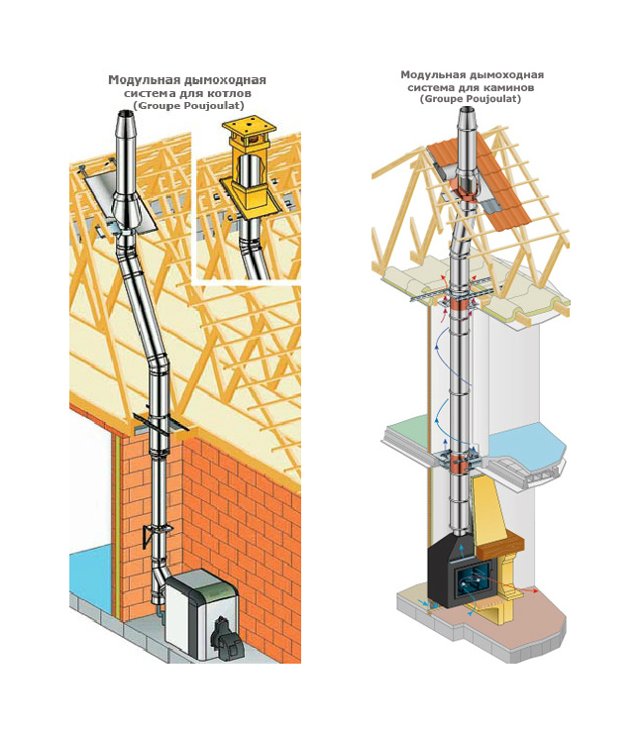
- dismantling of several disparate pipes and installation of a single chimney channel;
- pipe superstructure on the roof to the required height;
- insulation of chimney elements, etc.
Arrangement of ventilation
In some cases, draft may improve if drafts are not allowed in the house or bath. To help with problems with traction, you can install ventilation devices on windows.


In the absence of the desired effect after all the methods described above, modern devices should be adopted to improve draft in the chimney.
Installation of appliances
To improve the operation of the chimney, it is best to use special devices that allow you to regulate and control the draft. Such devices can be bought in a store or made by hand.



