- How an electric water heater works
- Instructions
- Emptying the Termex water heater tank
- Accompanying video
- How to drain from Electrolux equipment
- Emptying the Ariston heater
- Video hint
- Proper emptying of the Gorenje boiler
- In what cases it is not necessary to drain the water
- When is it necessary to drain water from a water heater?
- When not to drain water
- Drain the water heater
- Connection with two tees
- Connection with one tee
- Connection without tees
- In what cases is it necessary to drain the water, and when it is not recommended to do this.
- How to deal with the "flagless" valve
- Sequencing
- Heating mode selection
- How to drain water from the water heater using the trigger lever?
- Should I drain the water?
- The water heater is in good condition, but rarely used.
- Breakdown of the water heater to take the device to a service center
- Tips from the masters when working with water heaters
- Peculiarity
- Urgent drain
- When do you need to drain the water?
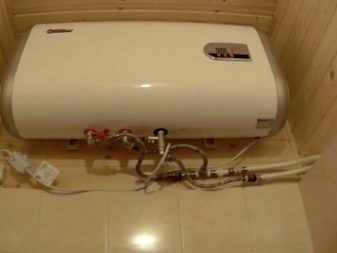
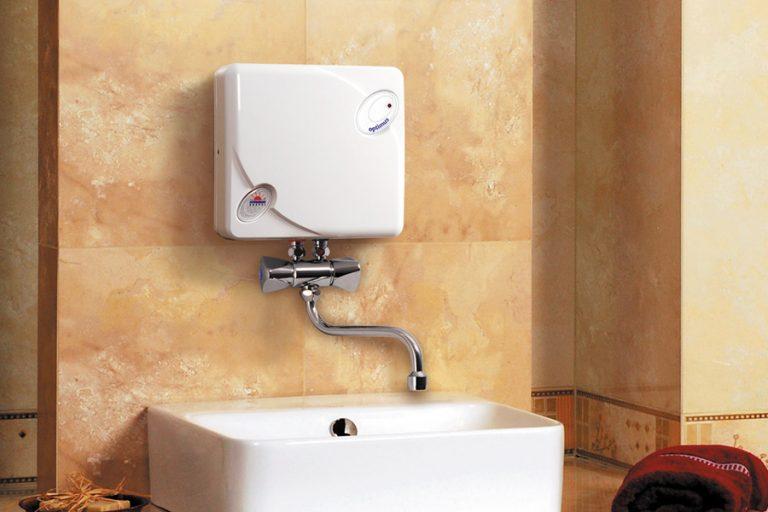
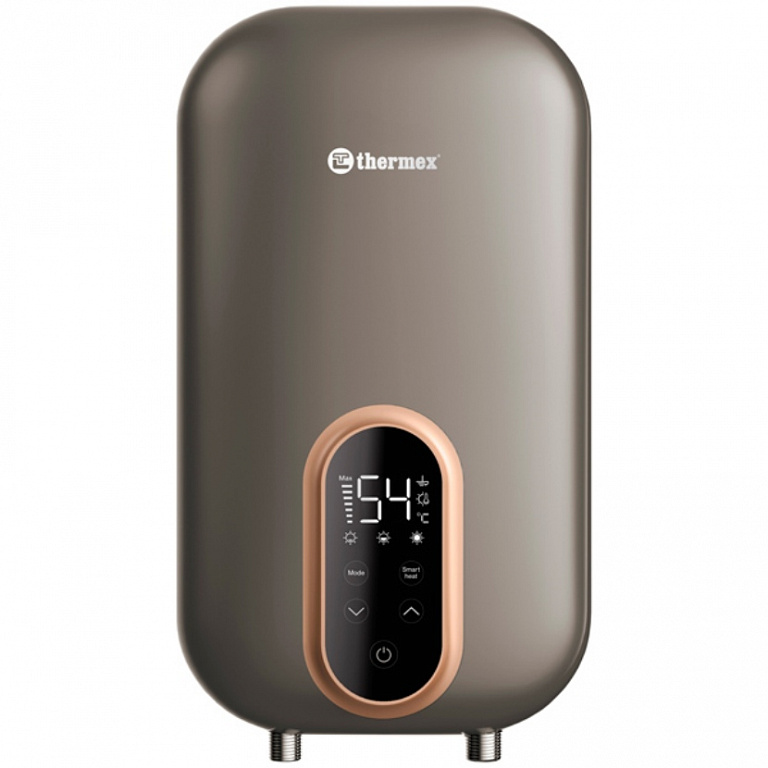
How an electric water heater works
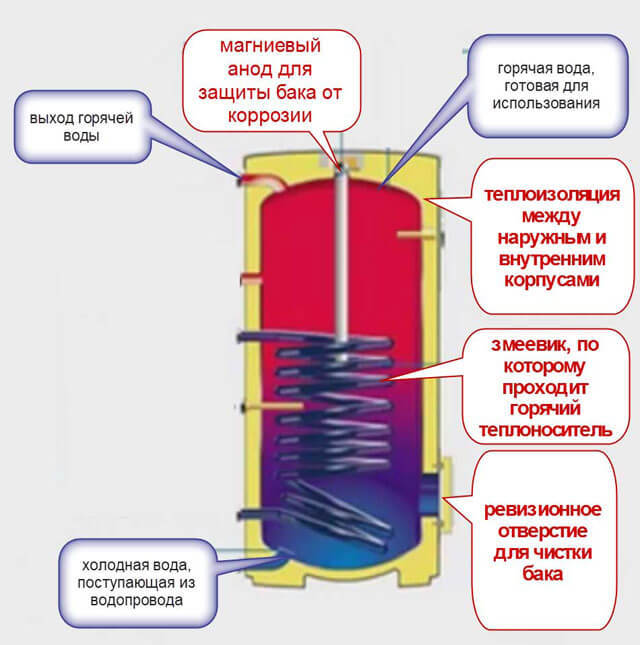
The principle of operation of all devices is the same: the water in the tank is heated by electric heating elements and rises, displacing the cold water layer, and enters the heating and hot water supply system through a hose. The valve protects against the reverse flow of the liquid.The dividing device in the tank prevents mixing and regulates the even distribution of hot and cold water layers. The tank is filled automatically from the plumbing system. The differences are in the number of heating elements that are provided in the tank and their power, the water heating time depends on this.
 The outlet of hot water occurs with the simultaneous filling of the tank with new cold water.
Electric water heater device:
- Frame. It consists of a steel tank with an internal heat-insulating layer for keeping warm, which is manufactured in volumes from 15 to 150 liters.
- Heating elements. Depending on the volume of the tank, there can be from one to four.
- Control block. Where, using manual adjustment or on the touch screen, the minimum and maximum water heating temperatures are set.
- Thermostat. Regulates heating of water depending on the set parameters.
- Safety system. From power surges, the system automatically turns off the power and stops heating.
- Safety valves and water supply pipes. Valves fix the flow of liquid only in one direction, and hot or cold water is supplied through the pipes.
The water heater is easy to manage, does not require constant monitoring and, if necessary, parts that are out of order can be easily changed.
Instructions
Emptying the Termex water heater tank
The process of draining water from the Termex boiler consists of several stages:
- First, prepare the necessary tools: a gas adjustable wrench and a rubber hose. Using the wrench, close the pipe for supplying cold water to the tank.
- To prevent a vacuum from forming inside the tank, open the tap on the mixer to supply hot water.
- Drain the water until the arrow on the boiler reaches zero. When this happens, close the hot water tap.
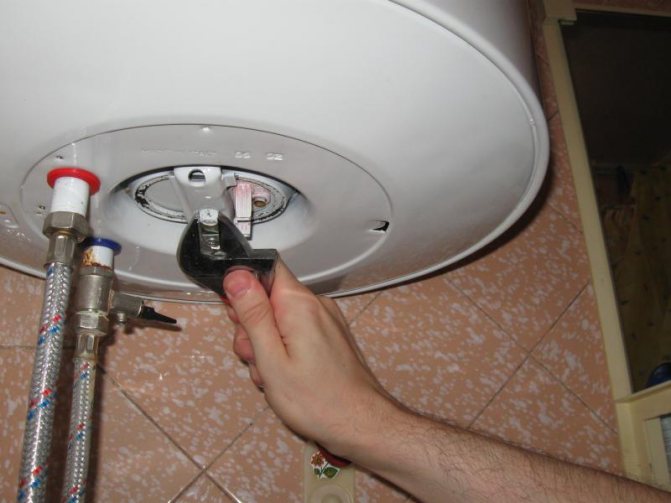
- In the place where cold water enters the tank, unscrew the check valve nut using an adjustable wrench.
- Connect the rubber hose at one end to the cold water supply pipe. Lead the other end of the hose into the sewer or into a previously prepared container. Disconnect the hot water outlet from the unit. When you do this, the water from the tank will flow through the hose.
- Loosen the nut that secures the hot water outlet. After that, air will begin to enter the boiler, and the tank will be completely emptied. It happens that water does not immediately begin to flow out of the tank, in such a case you need to blow into the hose.
- After draining the water, screw back all the unscrewed nuts.
Accompanying video
How to drain from Electrolux equipment
The advantage of Electrolux water heaters is their economical heating mode, which prevents the formation of scale on the inner surface of the tank. It is best to drain water from such boilers using a check valve, which is located on the inlet pipe. Consider the process step by step:
- First you need to shut off the supply of cold water to the tank by turning the corresponding valve.
- Then you should put a hose of a suitable diameter on the drain hole of the safety valve, and bring its other end into the prepared container or into the hole of the sewer drain.
- Then you need to open the tap for hot water on the mixer. The flag located on the side of the safety device must be raised so that water begins to flow out through the drain hole.
As with other water heaters, the Electrolux boiler must be disconnected from the power supply before starting work.
Emptying the Ariston heater
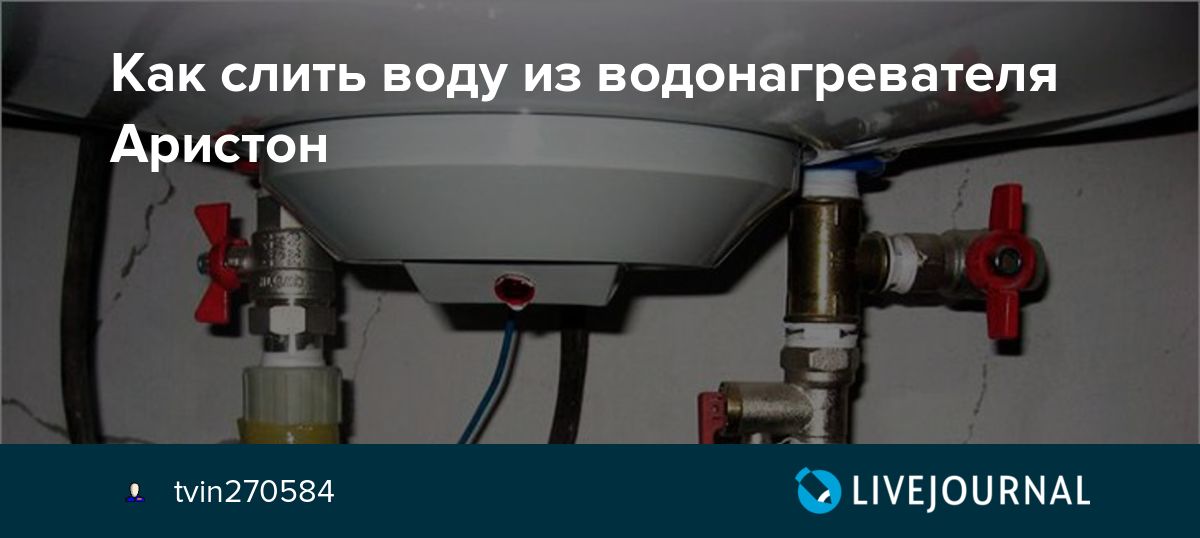
To empty the tank of the Ariston water heater, you will need not only an adjustable wrench and a hose, but also a straight screwdriver and a 4 mm hexagon. We will describe the process of emptying the tank in stages:
- After disconnecting the boiler from the mains, close the tap valve for supplying cold water to the tank.
- To equalize the pressure inside the unit, unscrew the hot water tap.
- Now you need to make sure that air gets inside the boiler. To do this, on the pipe supplying hot water from the boiler, open the tap.
- Connect a rubber hose of suitable diameter to the device, open the valve to drain the water and empty the tank completely.
Video hint
Proper emptying of the Gorenje boiler
The principle of draining water from a Gorenje water heater is similar to the cases described above, the whole process consists of the following steps:
- First, the boiler is disconnected from the power supply. Then open the valve on the hot water mixer.
- After waiting for the hot water to drain completely, a hose is connected to the cold water tap, the opposite end of which is led into the sewer drain or into any suitable container.
- By opening the drain valve and providing air to the tank, the boiler is emptied. This process takes about 10 minutes.
Water from the Gorenje heater can be drained through the safety valve. Many people use this simple method, but this process takes a very long time.
In what cases it is not necessary to drain the water
It is not necessary in all cases to drain the water heater and leave it empty.When planning to “mothball” equipment for a long time, for example, for the whole summer, it is better to leave some water inside the tank.
It will not allow early corrosion to form and will protect the unit from fire in case the owners suddenly return and accidentally turn on an empty heater by inattention.
When there is a desire to get rid of stagnant water that has become stale during equipment downtime, there is no point in carrying out a complete drain operation. It is better to refill the tank several times and update the contents of the tank.
By the way, experts strongly recommend that such a procedure be carried out every 2-3 months, passing at least 100 liters of cold running water through the apparatus for washing.
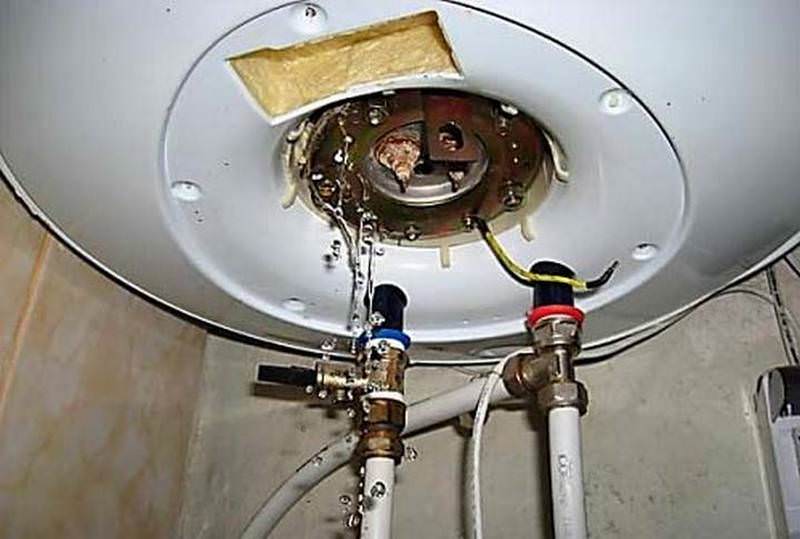
It is highly undesirable for a home master to penetrate into a boiler under warranty service. If, after a violation of the tightness of the system, you need to contact the service center, no one will carry out warranty repairs.
Traces of interference will be so obvious that employees, having noticed this, will immediately cancel the grace period of service and will no longer provide free services.
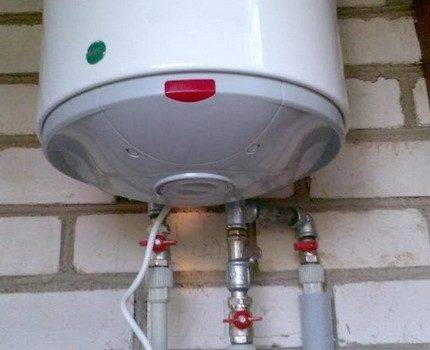
If you turn to specialists or representatives of the service center, professional craftsmen will go to the site, assess the level of damage and quickly fix it. The owners will not need to think about draining water and other components of such work
You should not drain the water just to see the internal structure of the tank or learn in such a way that in the future you will do everything yourself, and not resort to the services of highly paid craftsmen. It is better to carry out work only as an urgent need. Then the equipment will fully work and will not cause any trouble to the owners.

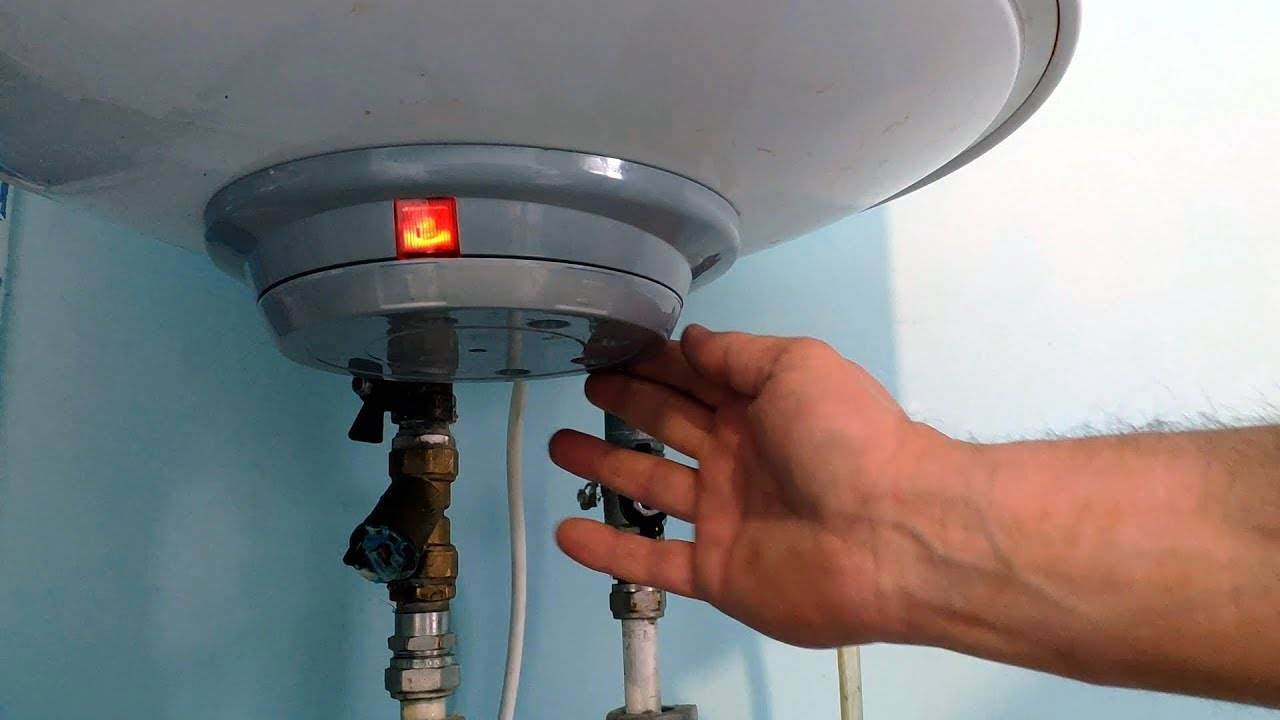




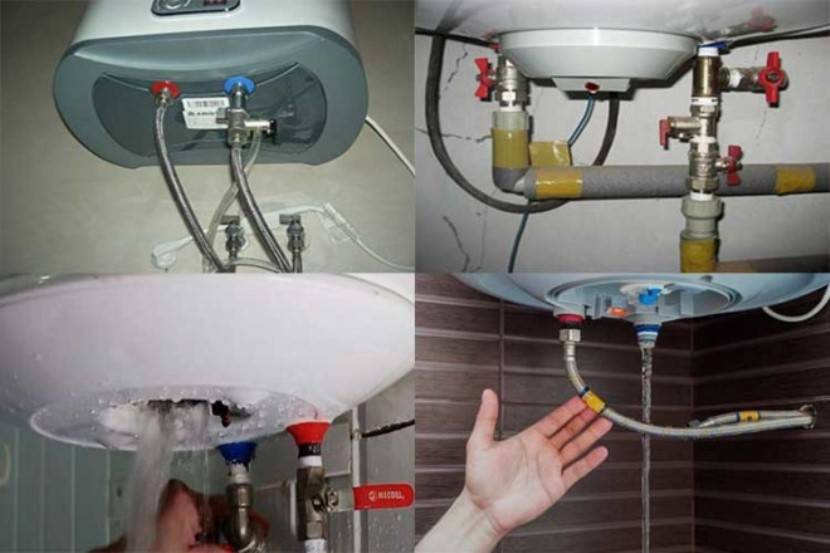
When is it necessary to drain water from a water heater?
Most manufacturers indicate in the instructions for their products that the tank of boiler systems should not be emptied unnecessarily and left empty for a long time. However, there are several situations when this will have to be done:
- Preservation of the device for the winter. This is true for the device used in the country house of seasonal residence. If water is not drained from the system, then under the influence of low temperatures it will freeze, which can cause the internal parts of the water heater to rupture.
- Cleaning the heating elements or the tank from contamination. When the unit is rarely used, the liquid in it may stagnate. Bacteria that are dangerous to human health will begin to actively multiply in it. Cleaning must be carried out at least once a year.
- Repair. In the event of a malfunction in the system, troubleshooting is allowed only when the tank is empty.
If the device is not used for a long period of time, but remains in a heated building, then it is undesirable to drain the water. If air enters the system, the processes of metal corrosion proceed faster, and the unit will soon become unusable.
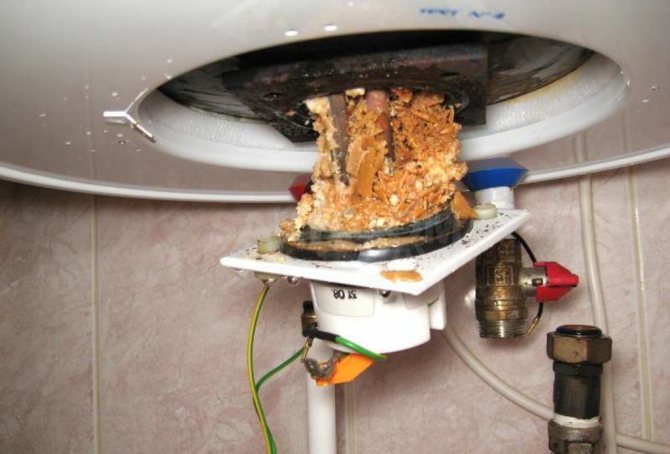
When not to drain water
Draining is not necessary in the following situations:
- Turning off the boiler for a long period. Do I need to drain the water when not using the water heater? No, there is no need for a water heater when hot water is supplied to the dwelling, the heating system is working properly, and the room temperature does not fall below 5 degrees. Celsius.
- The boiler stood for 2-3 months after being turned off. During downtime, it was not needed, but now there is a need to clean it from stagnant water. Drain is not required.It is necessary to supply liquid to the tank, then the old contents will disappear.
- The water heater is under warranty. It cannot even be opened, otherwise the manufacturer will definitely refuse warranty service. There is no point in draining water on your own if you can turn to specialists and guaranteed to fix the breakdowns.
- There is no good reason. It’s not worth the risk, climbing into a working boiler in the absence of skills.
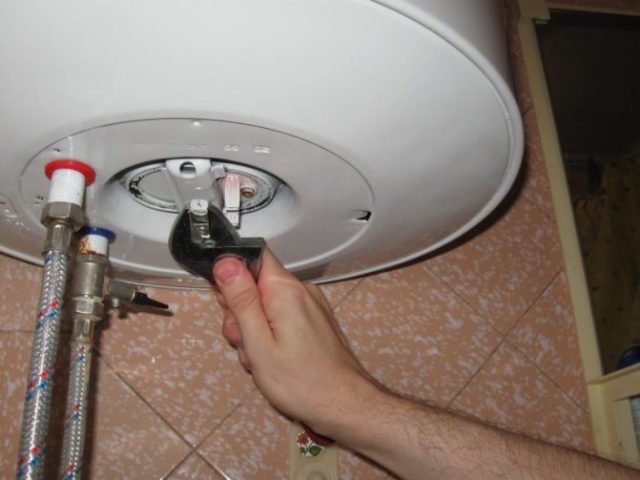
Drain the water heater
Simply opening hot water on the mixer and emptying the boiler will not work due to the fact that when water is consumed, the tank is simultaneously filled. Cold water pushes hot water out - that's how it works. It would seem that it is enough to turn off the tap at the inlet so that the boiler does not fill up, but no. Everything is a little more complicated.
Illustration: Artyom Kozoriz / Lifehacker
The hot water intake pipe is located at the very top of the tank, since the liquid rises when heated. The supply fitting, on the contrary, is located at the bottom - so the layers of water do not mix. Therefore, when the supply is blocked, no more than a liter will merge from the mixer.
The water can only be completely drained through the supply pipe. At the same time, it is necessary to ensure the flow of air into the tank so that a vacuum is not created there and the water drains. Depending on the type of connection, this is done in different ways: from simply opening a tap to removing fittings.
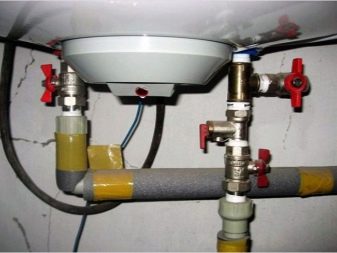
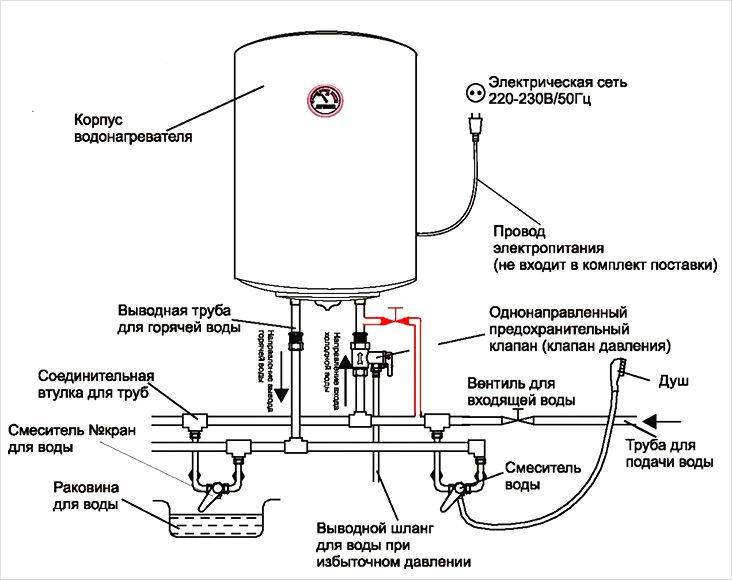
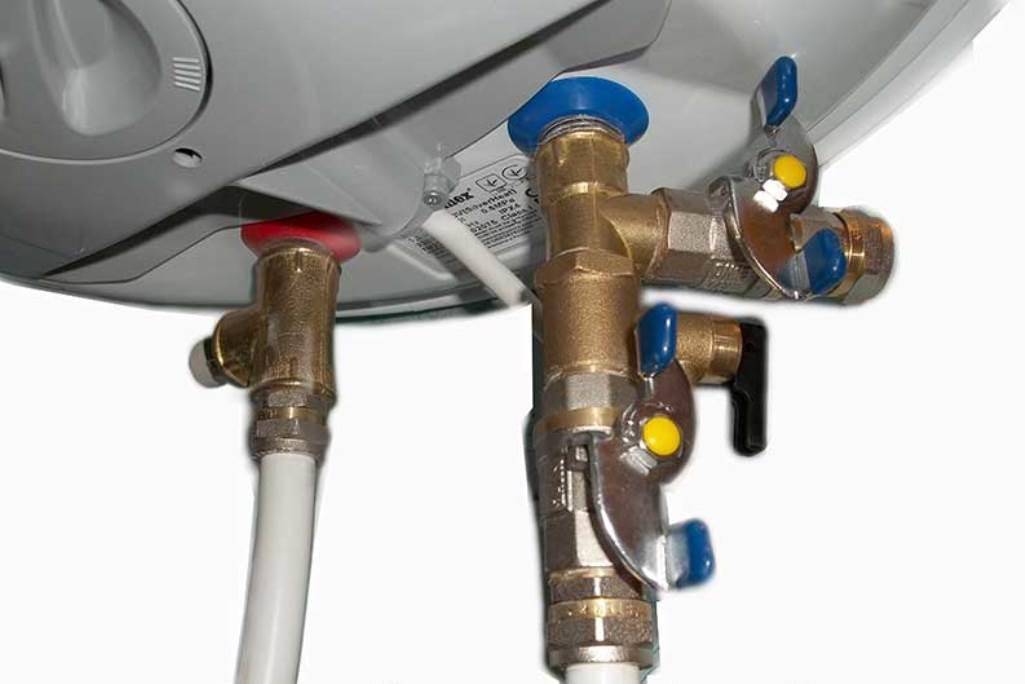
Connection with two tees
Illustration: Artyom Kozoriz / Lifehacker
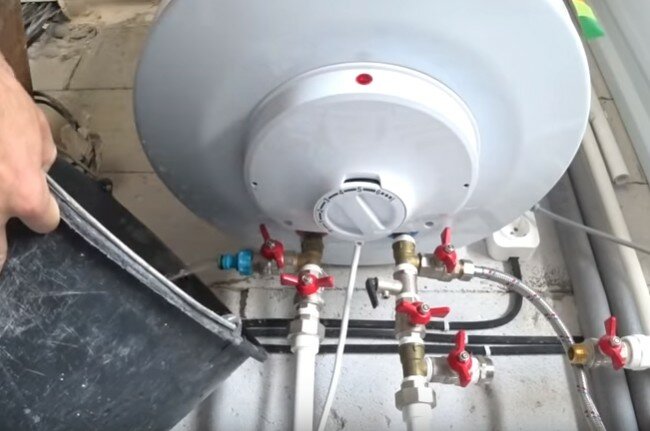
The most convenient scheme for draining. Thanks to the taps installed on the tees, it allows air to enter the tank and quickly empty it.
- Make sure that the inlet and outlet taps from the boiler are closed. If they are not there, close the valves on the risers of cold and hot water supply.
- Attach the hose to the drain tap on the tee at the water heater inlet and lower it into a basin, bucket or toilet. Open the faucet.
- Now open the tap on the tee at the exit from the boiler.
- Drain all or part of the water. If you need to pause, turn off the tap at the water heater inlet and the water will stop flowing.
Connection with one tee
Illustration: Artyom Kozoriz / Lifehacker
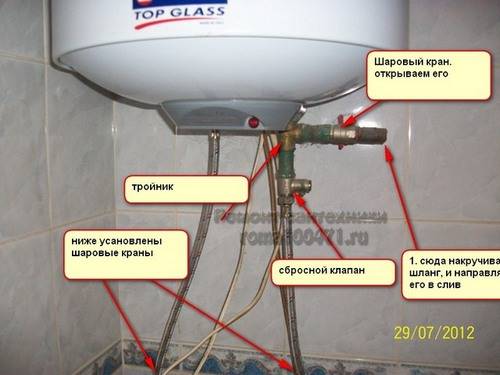
Not the worst connection option, which is still inferior in terms of convenience to the previous one. A tee with a tap is installed only at the inlet, so to drain it, you will have to let air into the tank through a mixer or by removing the pipe from the outlet fitting.
Illustration: Artyom Kozoriz / Lifehacker
There is a variation of such a scheme without a tap at the outlet of the boiler. In fact, it is no different: air is let in in the same ways.
- Check that the taps at the inlet and outlet of the water heater are closed. In their absence, close the valves on the cold water and hot water risers.
- Connect the hose to the drain cock and lower it into a bucket or basin. Open the faucet.
- On the nearest mixer, turn on hot water and wait until all or the right amount has drained.
- If the water flows poorly or does not flow at all, it means that air is supplied weakly through the mixer. In this case, remove the hose at the outlet fitting.
- To stop the water, you can turn off the drain cock or simply close the outlet with your finger.
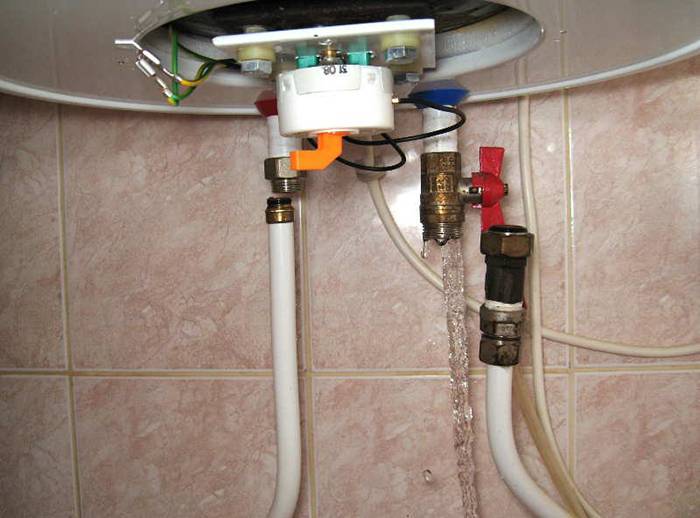


Connection without tees
Illustration: Artyom Kozoriz / Lifehacker
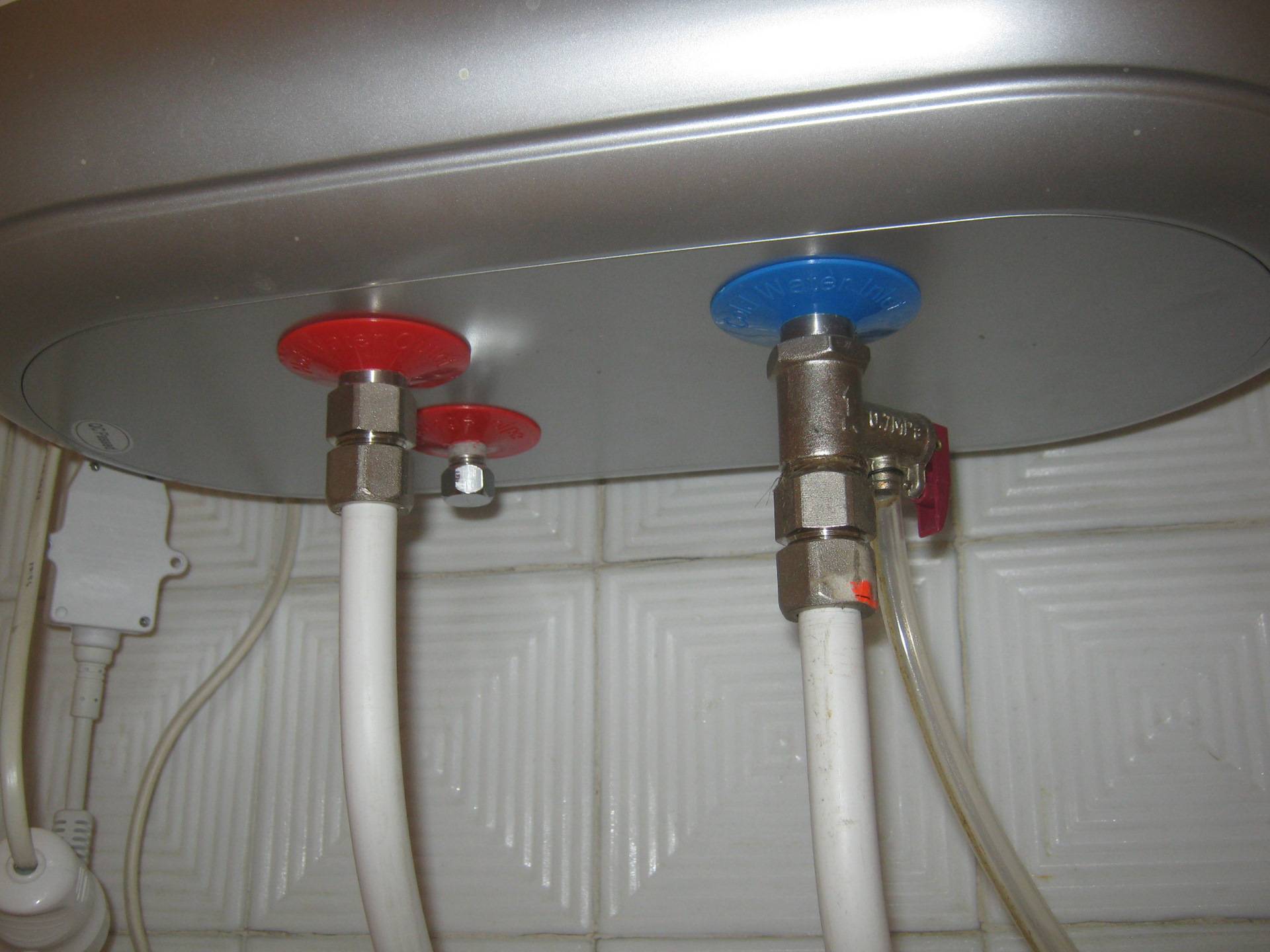
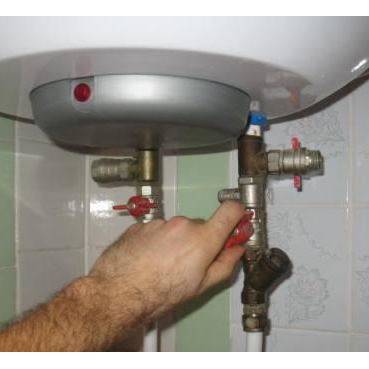
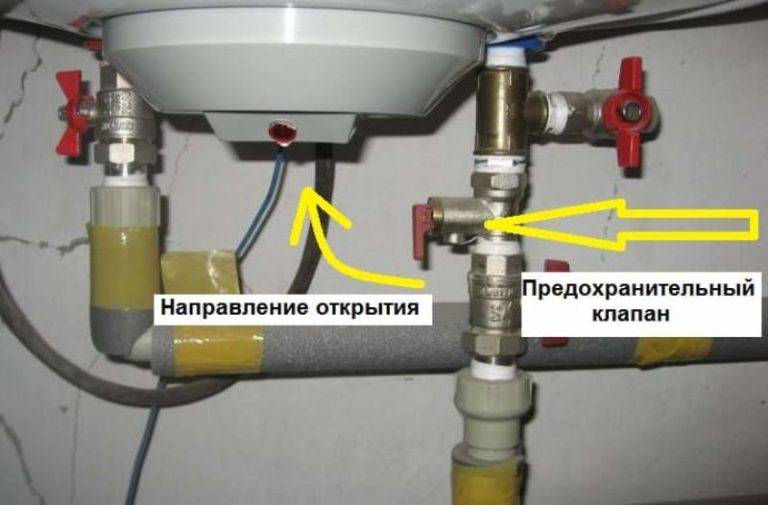
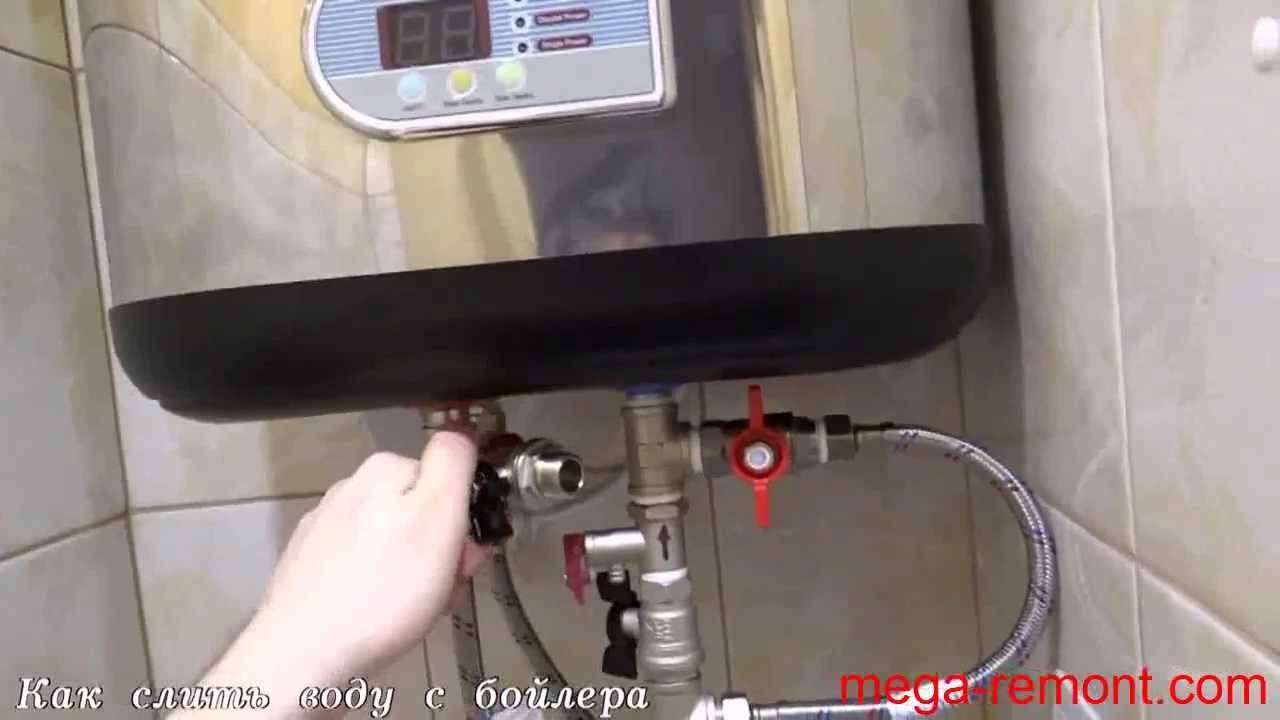
The most inconvenient piping scheme is when the water heater is connected directly without tees and taps. We only have a safety valve with a drain outlet. Through it, albeit slowly, but you can also drain the water. In extreme cases, the valve can be easily removed, and then the flow will be much greater.
- Make sure that the water in the cold and hot water risers is shut off.
- Close the tap at the boiler inlet and turn on hot water at the nearest mixer.
- Put a hose on the valve spout and lower it into a bucket or basin. Raise the valve flag.
- If the water drains very slowly or does not flow at all, remove the hose from the outlet fitting of the boiler to allow air to flow.
- If there is no flag on the valve or the water is still weak, disconnect the supply hose from the valve and insert a thin screwdriver into its body. This will lift the spring blocking the reverse flow of water, and the jet will increase significantly.
- To speed up the drain, you can simply remove the valve to completely free the inlet fitting of the water heater.
If a boiler is used in a residential area, it may sometimes be necessary to completely or partially empty it. The following are detailed algorithms for how to drain water from a Termex water heater using several methods. By following the attached instructions, everyone will be able to complete this task on their own.
Preparation for draining consists of 4 successive stages:
- It is necessary to disconnect the boiler from the power supply network (it can be output to a separate machine or simply connected to a power outlet).
- Stop the fluid supply by closing the corresponding valve.
- You need to wait for the liquid inside the appliance to cool completely, since it is extremely unsafe to drain boiling water.
- The final stage is the dismantling of the pipes on the boiler tank T
In what cases is it necessary to drain the water, and when it is not recommended to do this.
The issue of draining water from the boiler becomes relevant in many cases.In some situations, emptying the tank is indispensable, for example, it needs to be cleaned. But sometimes such actions can only lead to damage to the system and a significant reduction in the life of the device.
When water is drained from the tank:
- At the first start of the boiler or each subsequent one, if it had to be cleaned, it is recommended to fill the full capacity and heat the water to the maximum. After that, it is drained and recruited again. Thus, it will be possible to prepare the walls of the tank for further use;
- Sometimes draining water is motivated by the appearance of an extraneous odor. This is due to the accumulation of impurities from tap water on the walls of the boiler. In this case, the tank is really a necessity to clean, disinfect;
- Often the water from the tank has to be drained in the event of a breakdown. When the tank is turned off for a predetermined or indefinite period and left in an unheated room, it is recommended to drain the water to prevent damage to the tank as a result of freezing, but before starting the vessel must be inspected and, if necessary, cleaned. If there is no water supply in the system, and a certain number of liters remain in the boiler tank, they are usually drained as needed and used for their own needs.
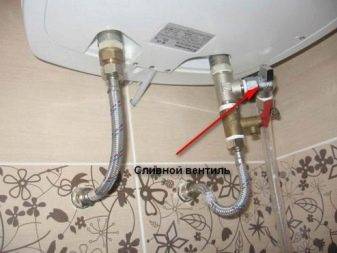
Scheme for draining water from the boiler, in the diagram the drain valve is indicated as a "drain valve"
When it is not recommended to drain the water from the tank:
- Sometimes the water from the tank is drained if it will not be used in the near future. In this case, it is categorically not recommended to empty the vessel, since changes in the environment of exposure to the material accelerate the oxidative process. A tank without water will rust faster than a vessel filled with water.
- If the device is under warranty, it is not recommended to drain the water and clean it yourself. Masters must determine the conditions in which the device is operated and fix the problem on their own. Sometimes such overall devices are repaired on the spot, which makes it possible to immediately check them for serviceability. When there is no apparent reason or need to drain the water.
Regardless of the type of construction and connection method, there are a number of requirements for working with electric water heaters. All work must be carried out after de-energizing the device. The boiler must be cleaned periodically. The frequency of the procedure depends on the degree of operation and water quality. Water before draining must be cooled to the optimum temperature.
Before you start working with a particular model, it is advisable to read the installation and maintenance instructions. In each case, some points may differ from each other, which is prescribed by the manufacturer.
How to deal with the "flagless" valve
Sometimes there are "flagless" safety valves (although in fairness, we note that it is quite rare). In this case, it is recommended to drain the water through the inlet channel of the valve itself (if a drain tee has not been previously installed). To do all this, first prepare:
- a piece of thick hose;
- a wire 15-20 centimeters long in order to make a simple fixture.
Bend the wire so that a Latin S is formed - this will be your device! Thread the wire into the hose, then bend it back (this is necessary to press on the gasket, which is located on the valve, as if from inside the hose).
Sequencing
It is worth mentioning right away that the startup sequence below is correct for both flow-through and storage heaters. A couple of nuances - in the case of the first type, you do not have to wait for the tank to be filled with water, and close the tap at the 2nd point.
- You should start by turning off the hot water supply, which comes from the city supply system. If you skip this step, the water heated by the boiler will go into the common riser, regardless of the check valve.
- We open the tap with hot water. We are waiting for the liquid remaining in them to drain from the pipes. We close the tap.
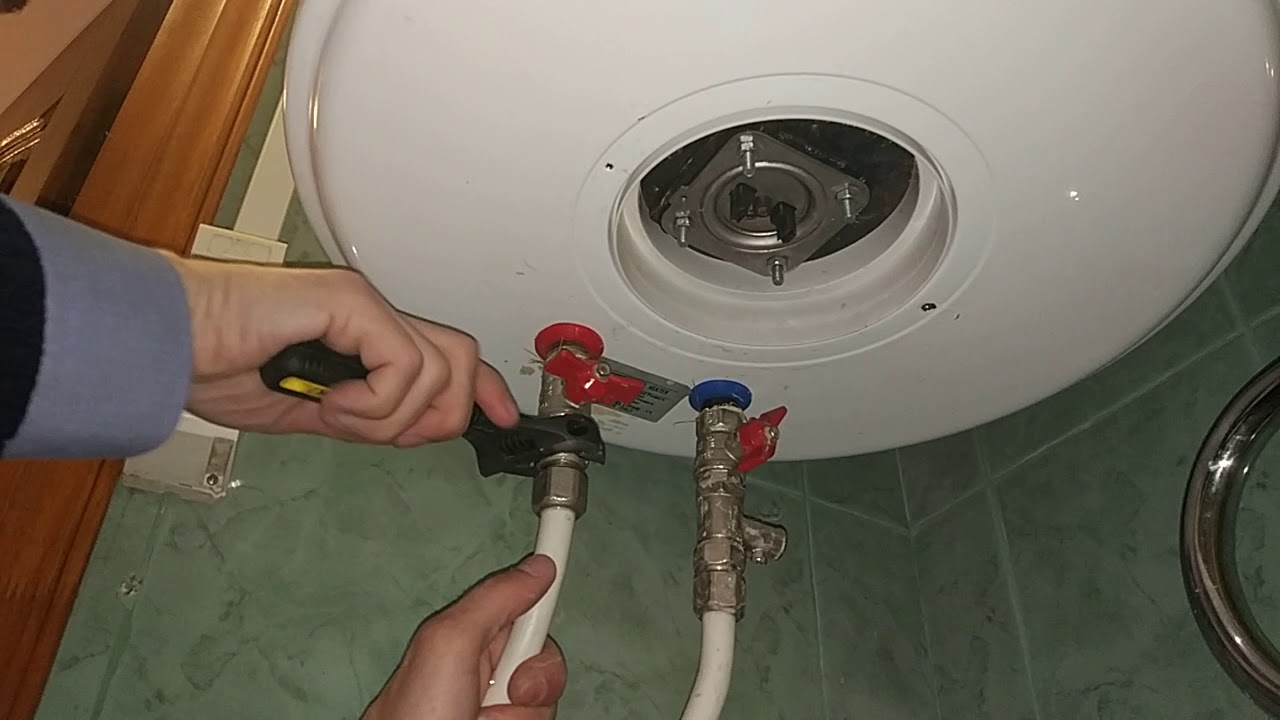
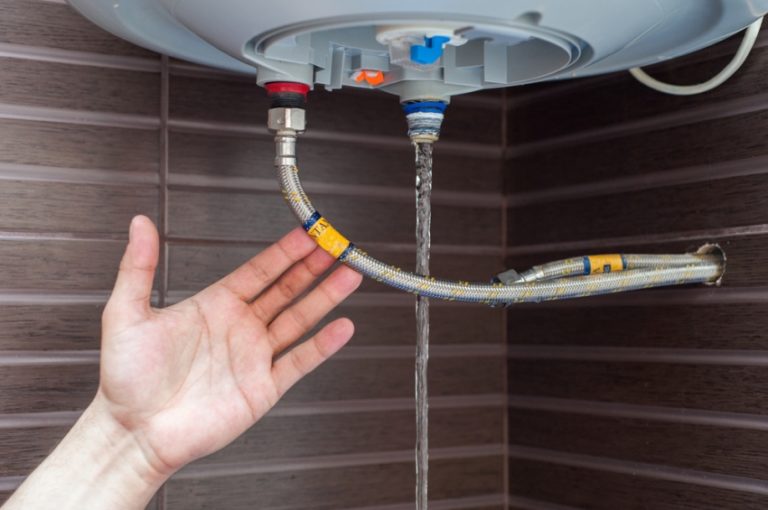
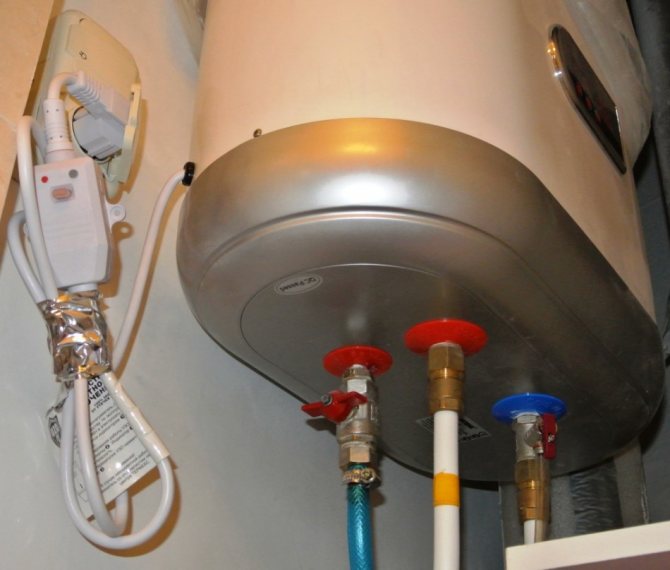
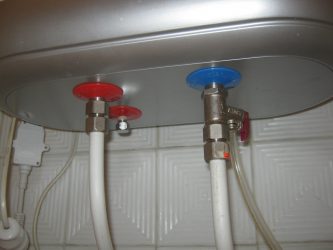
- Two pipes go to the bottom of the boiler. One, marked with a blue ring, is underwater, the other, with a red marker, is used to supply hot water to pipes.
- Open the valve on the underwater pipe. Water begins to flow into the storage device.
- Next, unwind the second valve on the boiler. Allowing the water to go out into the pipes.
- Turn on the hot water on the mixer. We are waiting for air to escape from the system and an even stream of water to flow. We shut off the water.
- We connect the heater to the electrical network and set the desired temperature.
In a house where there is no hot water supply, the first step must be skipped. Subsequent switching on of the heater will occur according to the same scheme. The only difference is in the 6th paragraph. Then, not air, but stagnant water will begin to come out of the heater tank.
Heating mode selection
Set the heating mode. The main thing in this matter is to set the water temperature that is comfortable for the user. However, here are a few tips, the implementation of which will significantly extend the life of the device. This will save you money on future repairs.




- Set the temperature to 30-40 degrees as little as possible.Under such conditions, bacteria will quickly develop inside the storage tank. This will lead to an unpleasant musty odor. The walls will be covered with a fungus that is difficult to remove.
- Optimum operating mode, 55-60 degrees. In such a temperature range, less scale will form on the heating element. The risk of mold will be reduced. It is comfortable for human skin.
- Once a week, the boiler must be set to 90 degrees. Wait a couple of hours, and return to the previous mode. This is done to completely destroy bacteria in the storage tank.
- Some devices have an economical mode of operation. The heater in this case does not consume less electricity. The settings will be set, as in paragraph 2, and we are talking about reducing the risk of breakage.
- In the case of a flow type heater, the temperature is also adjusted by water pressure.
How to drain water from the water heater using the trigger lever?
The method is suitable for removing liquid from boilers equipped with a special lever. A similar constructive element in the plumbing industry is called a trigger. The descent technique in this case looks extremely simple.
A similar element is located vertically and parallel to the cold water intake pipe. Manufacturers often place this element on a protective valve.
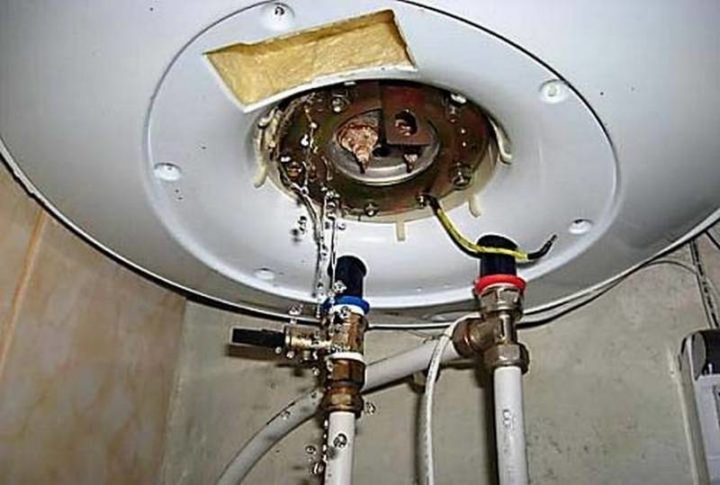
In order to drain the water from the water heater tank, simply bend this lever at a right angle.
Attention!
You can carefully bring a hose to the valve opening, through which the liquid will immediately go into the sewer
The draining process is quite long. Depending on the initial volume of the boiler, the time varies from 1 to 3 hours.
Should I drain the water?
The question “whether to drain the water from the water heater” arises in two cases.
The water heater is in good condition, but rarely used.
Consider a situation where, for example, you use the water heater irregularly: only in summer or only when there is no centralized hot water supply. Should you drain the water in this case?
Professionals will tell you that the water in a storage water heater should only be drained in the event of a repair or replacement. If you simply do not use water, you cannot drain it from the tank. This will crash the system.
Do not be afraid that the water inside will deteriorate. After a long storage, it is simply passed through the tap, and the next batch is already quite usable.
By the way, in the filled state, the magnesium anti-corrosion anode of the water heater works and additionally protects the tank from corrosion.
Most manufacturers also do not recommend draining the water. The explanation is simple: without liquid, tank corrosion is much faster. Masters in such cases recall the saying: what is used to being in water should remain in it.
A change in the environment has a strong effect on the material, accelerating the oxidative processes.
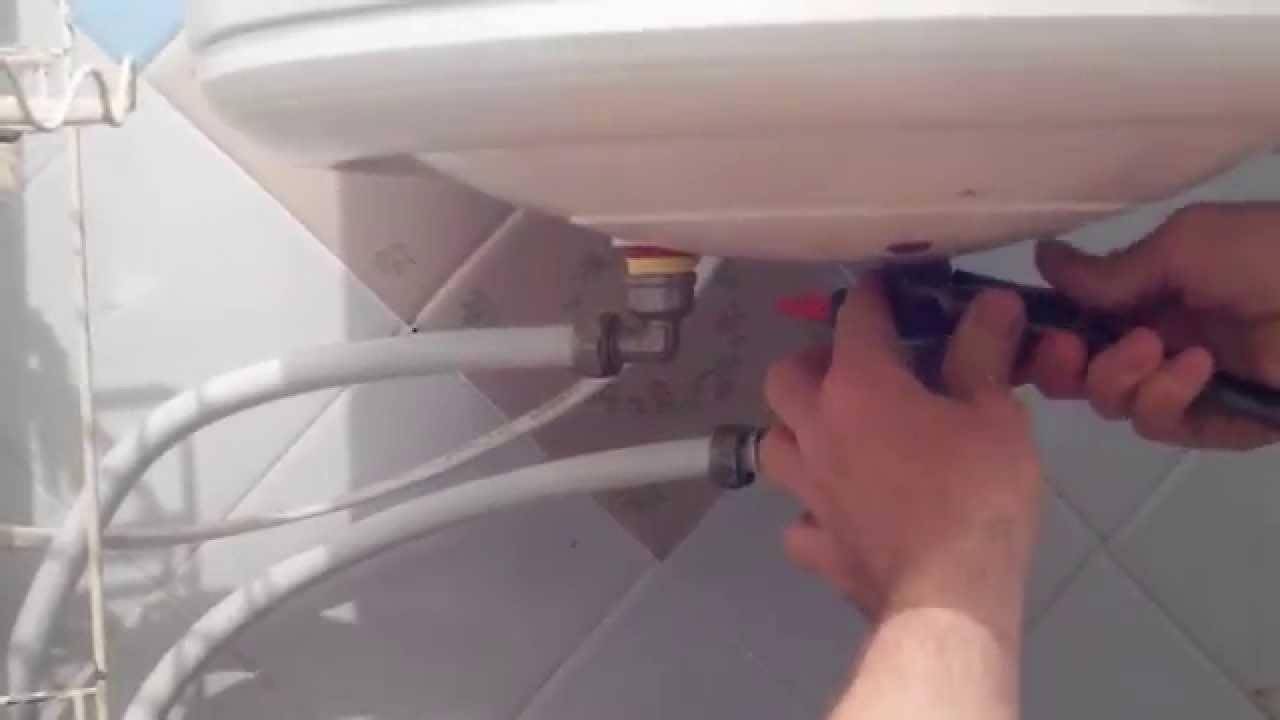
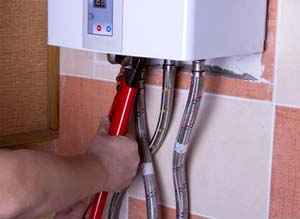 The water drain is also motivated by the smell that is obtained in the water heater if it is not drained. But there is a trick here too: if the water from the water supply has foreign impurities (hydrogen sulfide, for example), then even a short break in the use of the water heater should be “waterless”. It is recommended to drain the water every time, and at the first filling, heat it up to the maximum.




Breakdown of the water heater to take the device to a service center
If the water heater is still under warranty, nothing needs to be drained in the event of a breakdown! Immediately call the masters - their task is to fix the problems of the device. Basically, water heaters are repaired on site. As well as other overall equipment.
Tips from the masters when working with water heaters
Any work on draining water must be started with a blackout. Since this is an electrical appliance, and any technical manipulations with it require compliance with safety regulations.
The water in the heater must be cooled before draining so as not to burn yourself.
The answer to the question should i drain the water from the water heater, strongly depends on the individual parameters and characteristics of the device you use
Be sure to pay attention to the manufacturer's recommendations. Usually such details are prescribed in the instruction manual.
If the long-term downtime of the water heater is in the temperature range below minus 5 ° degrees, the ice inside the tank may, expanding, break the container.
To avoid moldy water due to long periods of inactivity, run a hundred liters of water through a cold water heater about every couple of months.
The system will be cleaned. It is also recommended to turn on the device in the network so that it warms up the water. Here it is worth considering the expediency of these actions - choose which preventive measure will be cheaper in your area.
Before switching on for heating, be sure to check whether the water heater is full!
Peculiarity
A water heater is a device that continuously heats water. A special place in the market of such equipment is occupied by Thermex devices.The Italian company specializes only in the production of boilers and is known throughout the world as a manufacturer and supplier of high quality equipment.
The company produces several types of water heaters, which may differ in the following parameters:
- power;
- the form;
- volume.
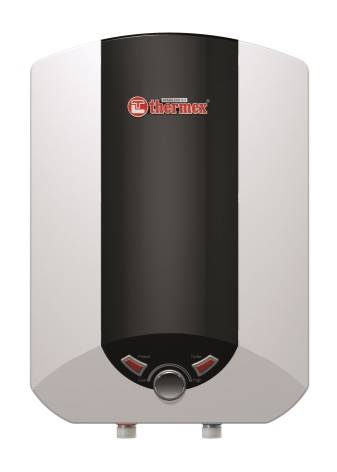
The volume of Thermex boilers varies from 5 to 300 liters. The most popular on the market are devices with a volume of 80 to 100 liters. The design of the boiler may depend on the specific model, but in general terms it looks like this:
- outer casing made of stainless steel. In devices of small volume, the case is made of high-strength plastic;
- internal fluid tank. This element is made of metal, which in turn is protected from corrosion by a special coating;
- magnesium or titanium anode protects the heater and the tank surface from corrosive formations;
- a thermostat is used to maintain a constant temperature of the liquid in the device;
- the heater is located at the bottom of the appliance. This element is a nichrome wire, which is twisted into a spiral and placed in a copper tube;
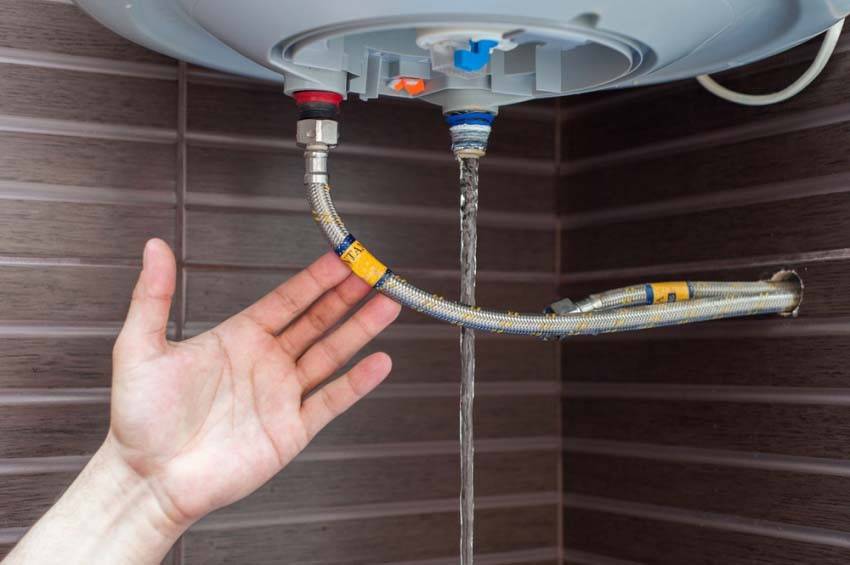
- two tubes that are attached to the bottom of the tank are needed to draw cold and supply hot water.
Urgent drain
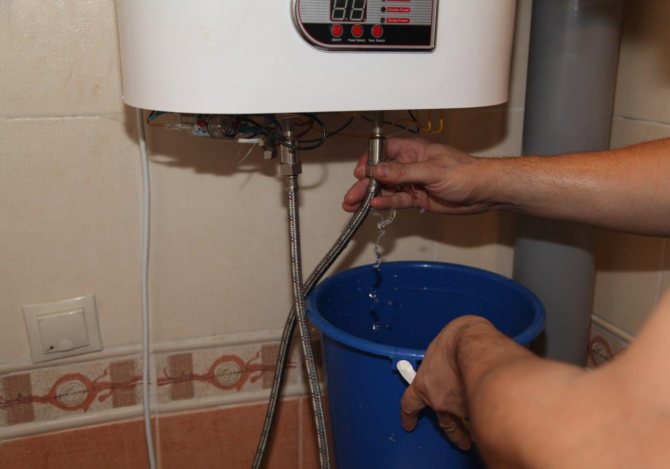
The easiest and most effective way to drain water from the tank is to unscrew the inlet and outlet hoses. In this case, you should carefully monitor the water flow. If two holes are open, the pressure may be excessive, this should be taken into account.
Step by step, draining the liquid from the device may look like this:
- the unit is de-energized;
- the water supply is closed;
- the tap for hot water opens;
- water is decanted from the tube itself;
- the valve remains open to allow air to enter from the outside;
- a tube is attached to remove water;
- after completion of work, the valve is closed.
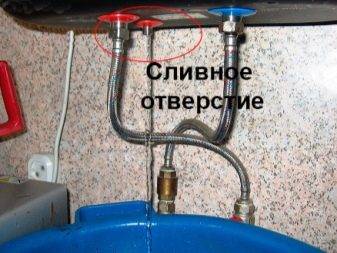
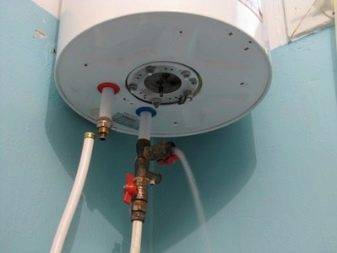
The whole process takes several hours. To speed up the drain, you can release the pipe from the hose, so its permeability will be increased.
Thorough cleaning should be carried out on average once a year. Scale, settling on the walls, works as a thermal insulator. Without proper care, the unit may start to work incorrectly (a layer of scale will build up from the inside so much that the device starts heating itself). At the same time, power consumption will increase noticeably (up to 50%). Even if there is a 0.4 cm thick layer on the heating element, this reduces heat losses by up to 17%. The efficiency drops by 25%.
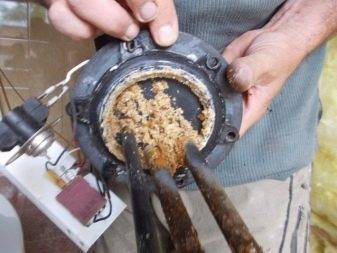
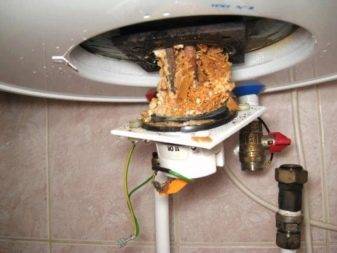
There are several reasons that indicate an urgent cleaning:
- weakened water supply;
- the water stopped heating up quickly;
- during operation, the unit makes sounds that have not been observed before;
- the valve gradually poisons the water;
- water is not pouring out of the container.
Before starting work, it is strongly recommended to read the instructions. Each model has its own characteristics, so you should read the manufacturer's recommendations. Some companies do not allow opening the case of the device without the presence of a specialist from a certified service center. Under such circumstances, the device can only be put in order on the territory of a specialized center.


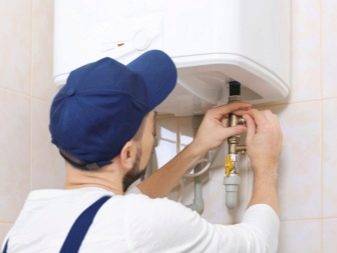
When working with the heater, safety precautions must be observed, it is definitely recommended to disconnect it from the mains. If the unit has a high temperature, it is recommended to pause, wait until it cools down.Heating elements sometimes have to be removed from the wall if this is the only way to put the unit in order.
To dismantle the strapping, use the following tool:
- hex key (6 mm);
- adjustable wrench No. 2;
- rubber hose;
- screwdrivers (cross-shaped and ordinary);
- waterproofing bentonite cord.
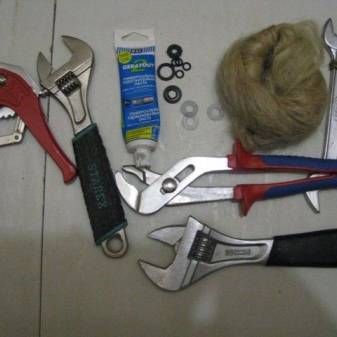
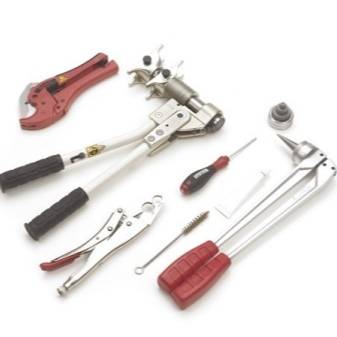
This "gentleman's set" is quite enough to carry out preventive work at the proper level.
When do you need to drain the water?
We carry out this procedure in two cases.
Leaving the water heater in a cold house for the winter. In winter, the remaining water freezes, which can cause the tank to burst
It is important to remember that after the boiler has been drained, the internal parts of the tank may corrode. This is due to the negative effect of water on the metal inside: after emptying, the tank begins to slowly rust under the influence of oxygen.
In the event of a water heater failure
Obviously, before proceeding with the repair, you need to drain the tank. If the water heater is still under warranty, then you should call the service center wizard. He will diagnose and repair on the spot.