- How to make ventilation in the chicken coop with your own hands
- Natural ventilation in the coop
- Supply (exhaust) ventilation in the chicken coop
- Forced (mechanical) ventilation in the chicken coop
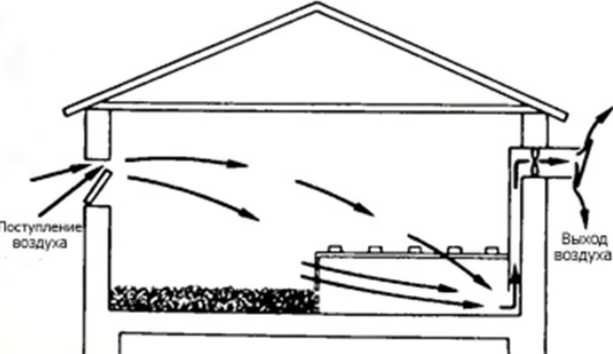
- Ventilation installation scheme
- Option number 1. natural ventilation
- Option number 2. Exhaust system
- Option number 3. mechanical ventilation
- The easiest option
- The role of ventilation in the chicken coop
- Pro Tips
- What is ventilation and what is it?
- Is it possible to do without it
- Mandatory requirements
- Types of ventilation
- Chicken coop lighting
- Automatic poultry house lighting
- Chicken coop lighting in winter: video
- Features of poultry house ventilation
How to make ventilation in the chicken coop with your own hands
There are several types of ventilation systems suitable for bird housing, among them natural, supply and exhaust and forced. Of course, each of them differs in the ways, methods and tools used for the implementation of ventilation.
Learn how to make a chicken nest, perch, and how to make and equip a chicken coop.
Natural ventilation in the coop
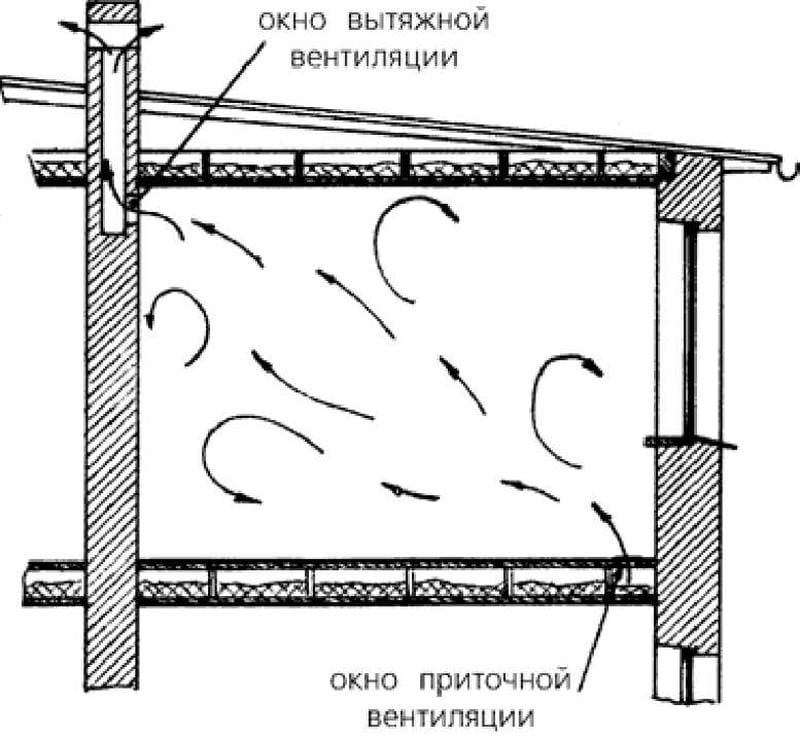
This method is very simple.To carry out the natural circulation of air in the room, you just need to open a window and a door in it, which are located opposite to each other. However, it should be remembered that in this case in the winter season there may be a significant loss of heat in the room. This will entail additional financial costs for heating the bird housing.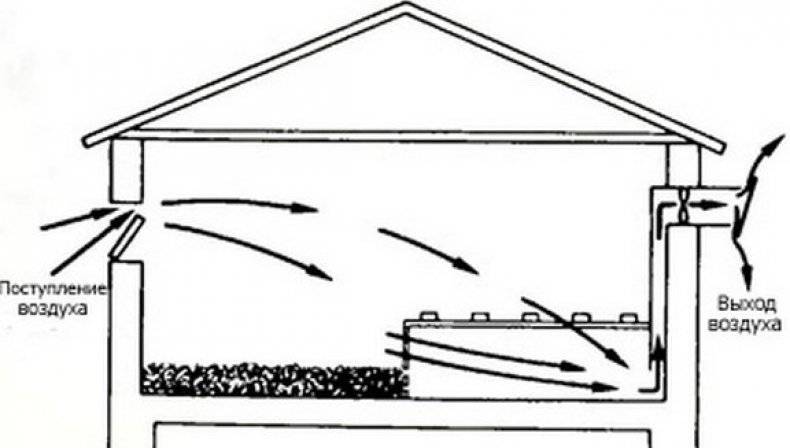 Scheme of natural ventilation in the chicken coop.
Supply (exhaust) ventilation in the chicken coop
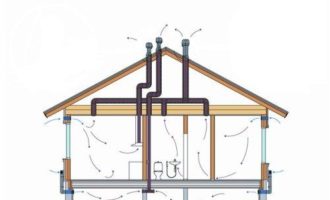
This ventilation is called supply and exhaust and is the most optimal for keeping a chicken coop, since it is a convenient air circulation system. For its installation, it is necessary to place two pipes parallel to each other. Thus, through one of them, air will enter the room, and through the other, it will be removed from it.
Important! For the manufacture of ventilation, you can buy plastic pipes with valves of both round and rectangular sections. The kit includes a damper and the body itself.
To organize such a hood, you must perform the following algorithm of actions:
- First you need to measure the distance from the floor to the ceiling. Then, using a hacksaw, cut off a part of the plastic pipe so that its upper end is located above the roof at a height of 20-30 cm, and the lower end is at a distance of 20 cm from the floor of the room. This design will serve as a supply pipe.
- After that, it is necessary to saw off another part of the pipe so that its upper and lower ends protrude from different sides of the roof by 20-30 cm. This will be an exhaust pipe.
- For installation, you will need a drill with drills. With their help, you can make holes in the roof and install pipes.
- After that, you can fill the gaps with mineral wool. It must be attached to the pipe with wire and wound around the pipe. Read the rules for choosing chicken coops when buying, and find out why ventilation is needed there.
- Next, you should fill the roof with resin at the joints and install horizontal rails at the ends of the pipes. This can be done using special building corners. Then you need to attach to each of the pipes 2 rails with 4 corners on them.
- At the next stage in the preparation of ventilation, a damper should be made. To do this, cut a rectangular blank from tin, insert it between the slats so that it slides up and down the corners, performing its direct functions. Such a damper will serve as a regulator of the ventilation system, and in the winter season it can be covered so that the temperature in the room does not decrease.
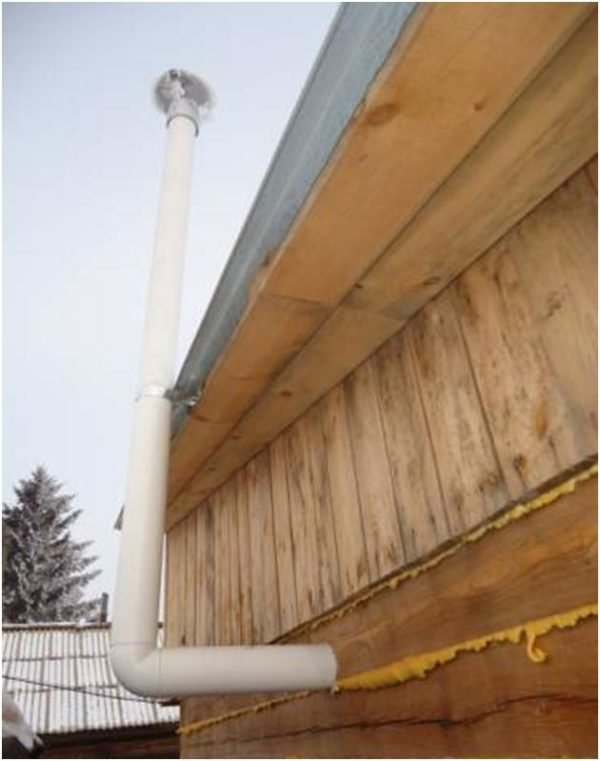
- To prevent dust and rain from entering the chicken coop, the ends of the pipes are made L-shaped. Subsequently, this design can be improved with the help of electric fans, which will accelerate the movement of air flows.
Video: chicken coop ventilation
Important! If you want to replace plastic pipes with metal ones, then you will first have to install a solid roof, since such a structure is attached directly to it.
Forced (mechanical) ventilation in the chicken coop
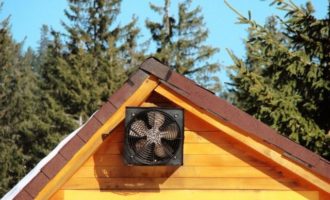
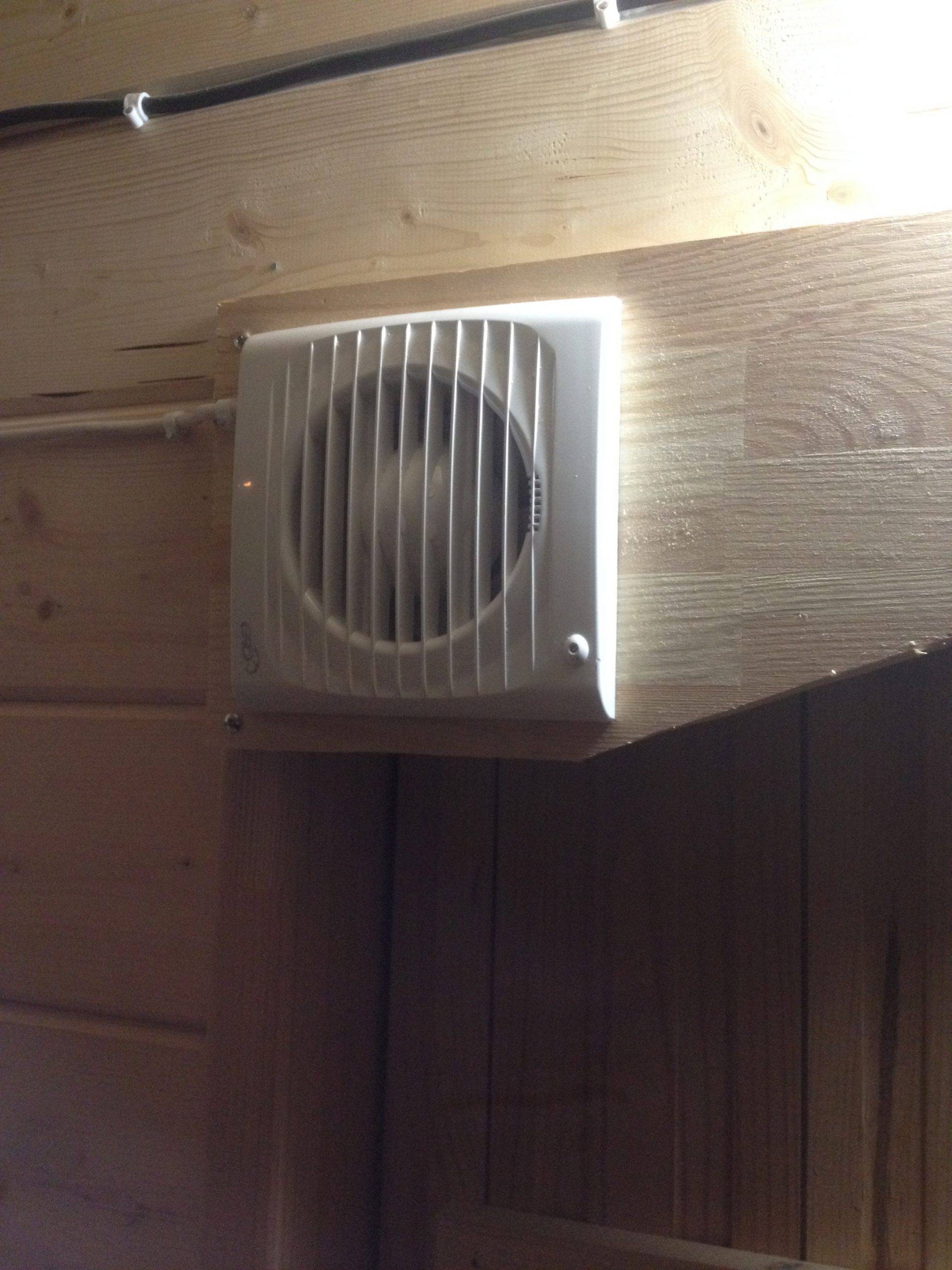
Being common among many poultry farmers, mechanical ventilation is useful for installation in a private chicken coop. To install it, you must purchase a fan, which is subsequently mounted in the window or window of the room.
Important! If there is no window in the room, you can mount the fan in the wall or chimney.
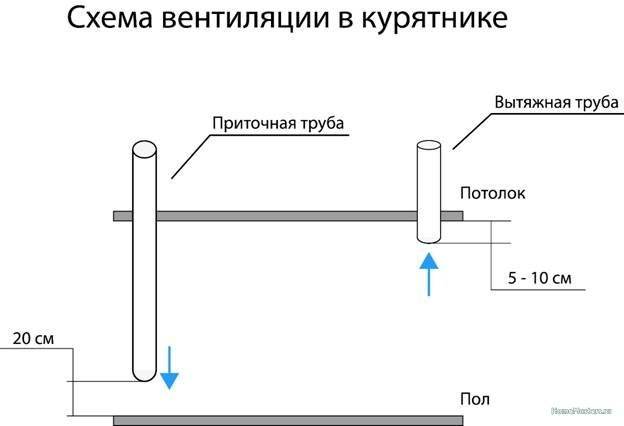
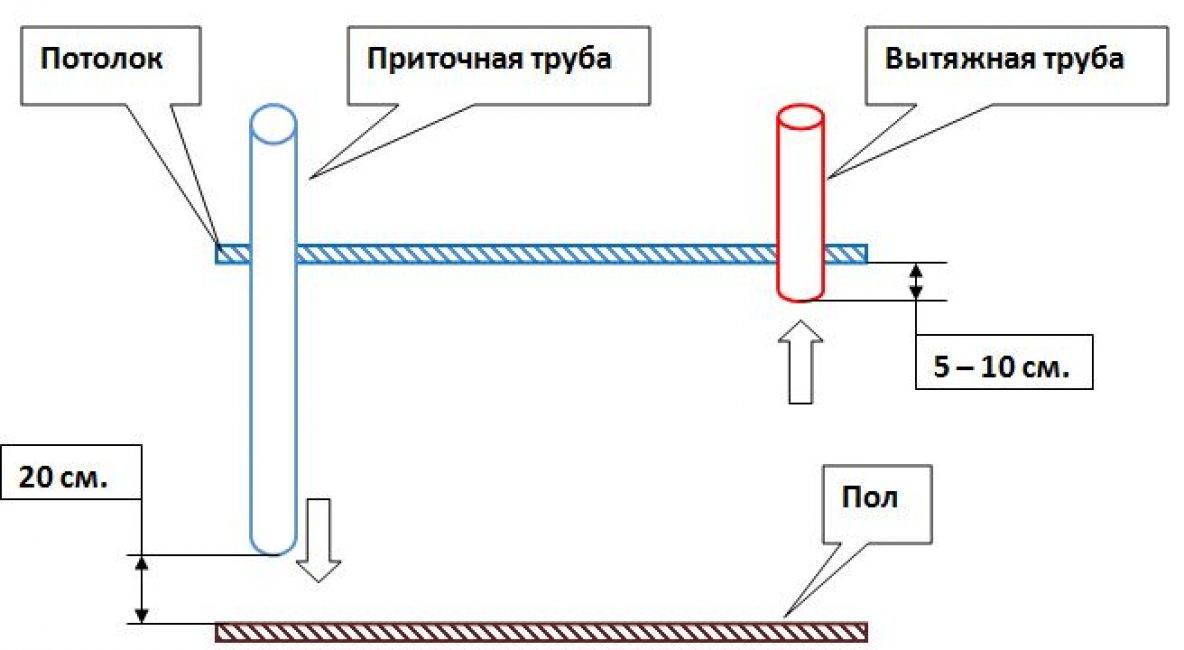
Ventilation installation scheme
Among poultry breeders, there are three popular ways to ensure proper air circulation inside the chicken coop. We will review them all. Perhaps this information will be useful to you when arranging a room for domestic chickens.





Option number 1. natural ventilation
This is the easiest, most practical and cheapest way to provide chickens with comfortable conditions. You do not need to do anything with your own hands.
The essence of natural ventilation is the simple ventilation of the room. This is best done by opening doors and windows. Despite the simplicity of the method, it has some nuances.
For example, in order to avoid drafts, it is recommended to make the exhaust window small. It should be located directly above the front door or in the ceiling of the house. It is best to make such a window like a window so that you can control the draft.
Natural ventilation in the chicken coop works like this: fresh air enters through the door, and exhaust air exits through the window.
There are many drawbacks to such a simple scheme. For example, along with the air, heat will also come out. Accordingly, a lot of resources will be spent on heating the poultry house. In general, a very unprofitable ventilation system, but for the first time it can come in handy.
Option number 2. Exhaust system
A more convenient and reliable way to circulate indoor air. If your household contains more than 20 chickens, then this ventilation method will be optimal. Such a system is very easy to install with your own hands. It looks like this:
- When installing the roof, it is necessary to provide two holes for pipes.In this case, the pipe for the influx of fresh air should be located away from nests and perches.
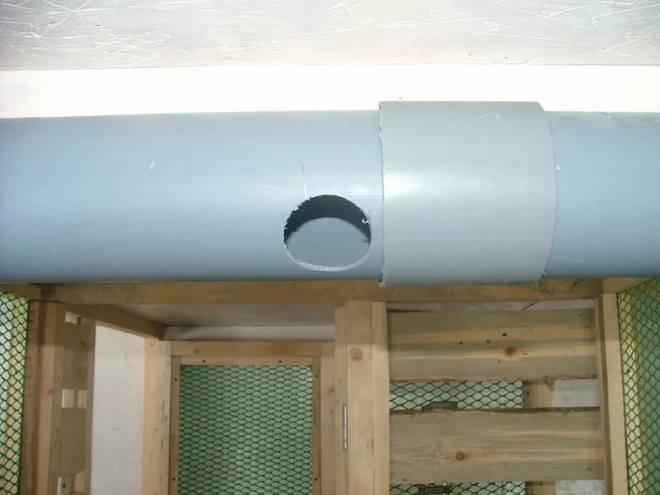
- The diameter of the ventilation pipes should be about 200 millimeters. Length - 2 meters. Instead of pipes, you can make wooden boxes, but they will need to be puttied and painted.
- The pipe through which fresh air will flow is installed in such a way that it rises above the roof by about 30-40 centimeters. It should not reach 20-30 centimeters to the floor of the chicken coop.
- The exhaust pipe should be located in close proximity to perches. Its lower part should be about 20 centimeters from the ceiling, the upper one should protrude one and a half meters above the roof.
- To protect against precipitation, the upper ends of the pipes must be equipped with small sharp umbrellas.
Option number 3. mechanical ventilation
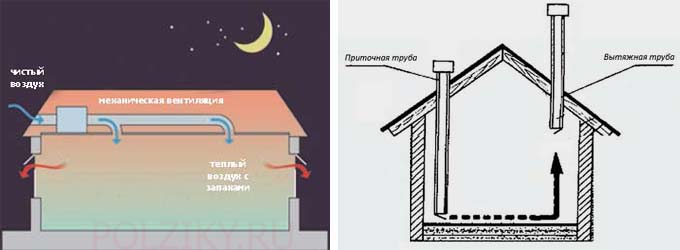
This method is widely used in large farms, but it can also be used in private households. Air circulation is carried out by a conventional fan.
For greater system efficiency, the fan can be mounted in the window. With minimal knowledge and skills, it is easy to do it yourself.
Such ventilation is turned on manually, but you can install sensors in the chicken coop that will monitor the humidity in the room. If you are familiar with electrics, this will not be difficult to do. Of the minuses of such ventilation in the chicken coop, one can note the additional consumption of electricity.
We hope that this article was as informative as possible, and the question of how to make ventilation with your own hands will no longer bother you. It is possible that you use one of the above options in your household.
The easiest option
Natural ventilation of the room with the help of windows is also the cheapest. Most often, to carry out such air exchange, it is enough to have 1 vent and an open door to the chicken coop. Of course, a constantly open window and door in the house can only be in the warm season, so it is not advisable to use the method as an option for year-round operation. In the case of keeping chickens only in the summer and in a small poultry house, you can safely get down to business. The ventilation window can be made in the wall or ceiling. In the second case, it will ensure that sunlight enters the interior, but with it, rain will also easily penetrate into the room. To adjust the air flow on the window, a valve should be attached.
Negative sides
The minimum labor costs are completely covered by the factors that such a system is completely inefficient in the heat. When the temperature inside and outside the room is the same, no air movement occurs. In winter, strong drafts will enter the chicken coop from the window, which will negatively affect the condition of all birds.




The role of ventilation in the chicken coop
To provide a room for poultry with an influx of fresh air, high-quality ventilation of the chicken coop is needed. An unhealthy stuffy atmosphere is created due to:
- carbon dioxide exhaled by chickens
- water vapor accumulating from drinkers
- evaporation of ammonia from chicken manure
All these factors harm the chicken coop and chickens. Rotting bedding, walls due to high humidity of the room is the cause of the development of pathogens. The bird starts to get sick, almost does not eat, does not rush well.These problems are especially relevant in winter, when chickens are in the chicken coop all the time.
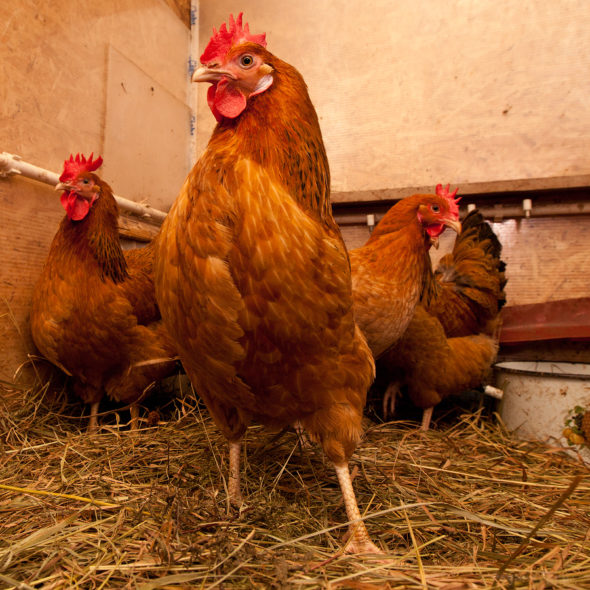
In summer, the room where the chickens are kept can be ventilated by opening the door while the bird is walking on the grass. In winter, when chickens spend all the time in the house, it is much more difficult to ventilate it.
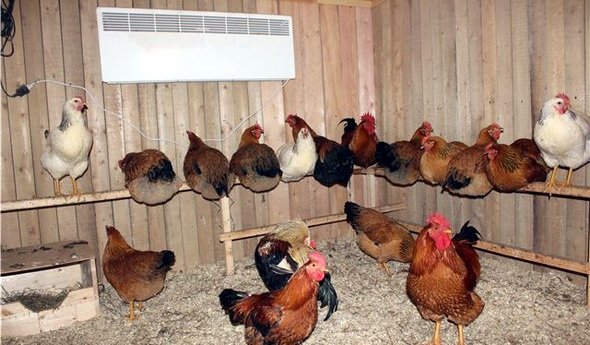
Chickens are thermophilic, so they do not tolerate cold. From such ventilation in the chicken coop in winter, more harm than good. The heat disappears in a matter of minutes, the room cools down a lot, and it is quite difficult to warm it up quickly. Due to the low temperature, the birds freeze, get sick, and often die.
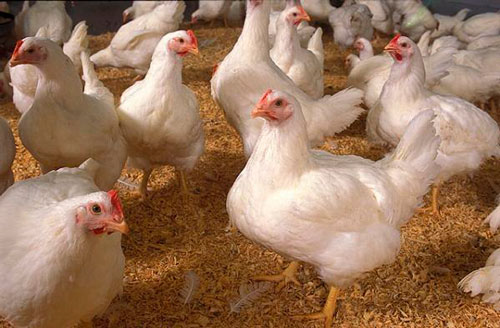
Hot summer air is also unhealthy for chickens. The maximum temperature in chicken coops should not exceed 28 degrees above zero. If the room is hot, stuffy, chickens eat little and rush poorly.
In order for poultry to remain healthy, favorable conditions should be created for it:
- reduce humidity to normal levels
- maintain a favorable temperature
- regularly ventilate the room, getting rid of harmful gases and stale air
There are three ways to make ventilation in a chicken coop with your own hands: natural, supply and exhaust, and mechanical. You should consider each of them in more detail in order to choose the best for yourself.
Pro Tips
Any inexperienced master can make typical errors when installing ventilation. If the design works in such a way that it is absolutely impossible to get rid of stagnant air or the room cools quickly, then somewhere an oversight has crept in when drawing up the scheme. When planning and subsequent installation of the system, it is necessary to correctly position the flows of air masses and calculate the stability of the assembled structure.
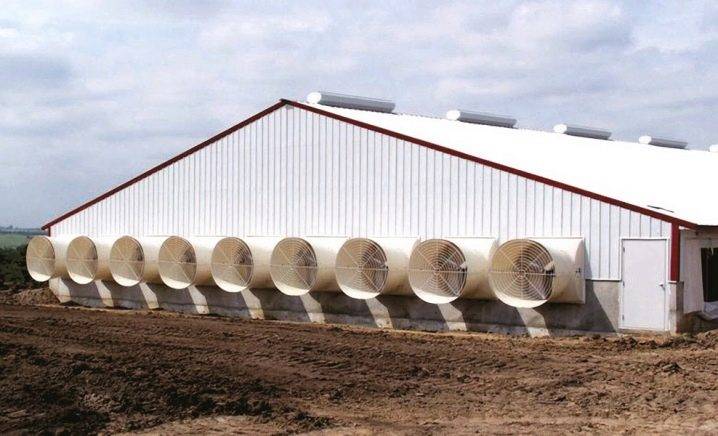
Checking the efficiency of the ventilation system is not difficult, for this you need to go inside and spend some time there. If during the past period there is no lack of oxygen and a headache does not begin, then the ventilation is working properly. Otherwise, you will have to change something in the design. Thus, it becomes clear that the ventilation of the chicken coop is designed to provide an influx of clean air and regulate the level of humidity and temperature.
To reduce energy costs, which will still appear, the design is equipped with sensors that automatically control the temperature of the air and humidity. In this case, the ventilation system starts up only when the climate parameters in the chicken coop change. This option is also ideal for chicken coops that have fermentation bedding as flooring, as bacteria generate a lot of heat during the processing of manure and food debris. Excessively high room temperatures can adversely affect both the health of chickens and the vital activity of microorganisms living in the coating.
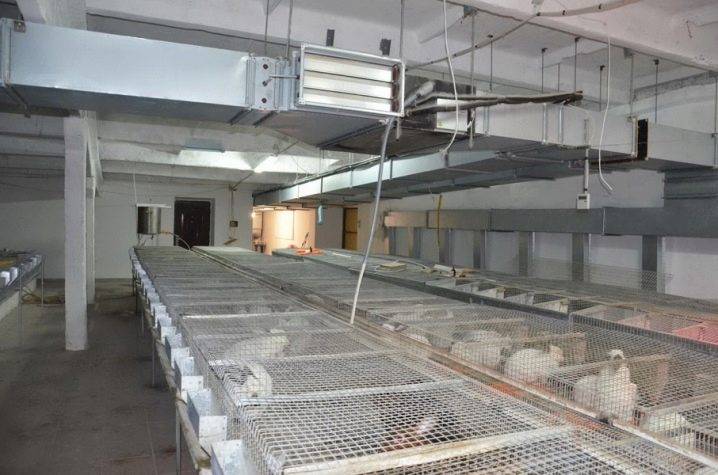
Typical miscalculations during installation.
- Ventilation openings are located on adjacent walls. In this case, stagnation of the air mass is formed in the side opposite the walls, since it cannot circulate at a right angle. If the chicken coop room has the shape of a rectangle, then it will be correct to place windows or openings on walls of shorter length opposite each other.
- Loud noise when fans are running. Before installation, the devices should be checked for noise.Chickens are very sensitive to loud noises and when frightened, they can reduce their egg production or stop laying altogether.
- Weak building structure. Very often, the flimsy ceilings of the erected chicken coops break from the weight of heavy iron air ducts. This is typical for wooden buildings that have, at first glance, a strong ceiling, but can completely rot in a few years. Therefore, it is desirable to fix metal pipes at the rafters.
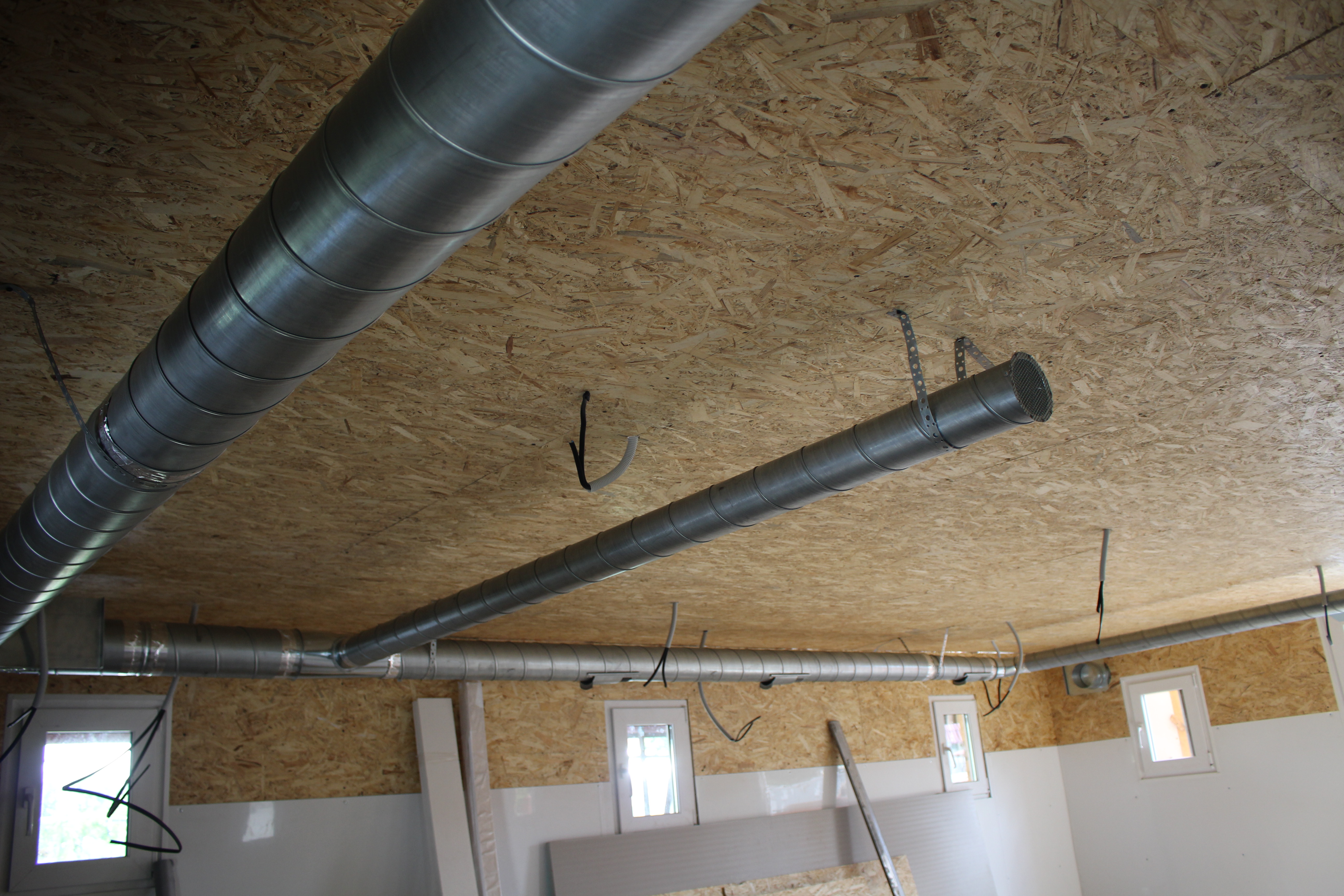
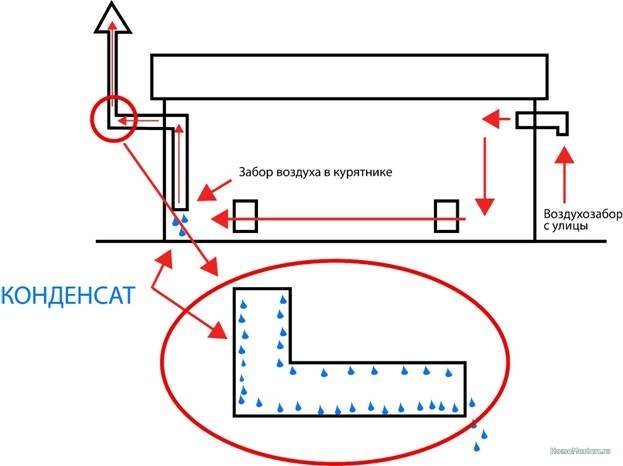
- Metal pipes must be insulated in the cold season with mineral insulating materials. Having excellent thermal conductivity, the metal can turn the chicken coop into a cold store in the shortest possible time even with the valves closed. At the same time, the constantly formed condensate is able to freeze, blocking the access to air.
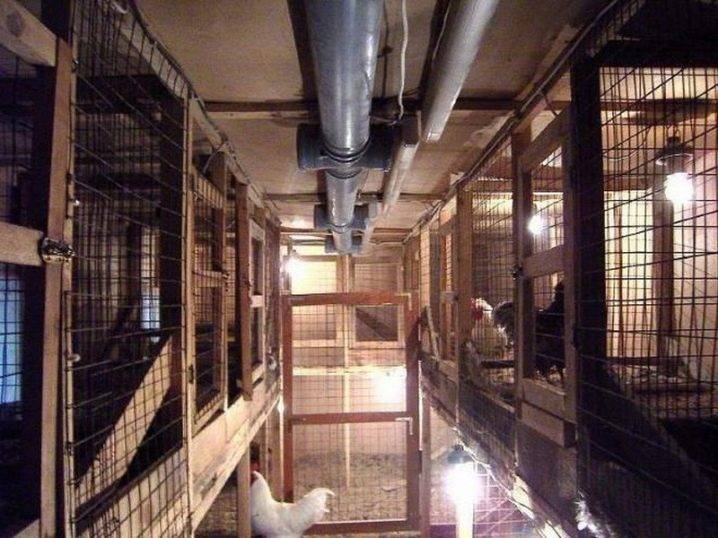
In order for the ventilation system to properly perform its functions, that is, to provide the chicken coop with fresh air, without creating drafts and stagnation, it is necessary to adhere to the following conditions.
- Periodically, it is recommended to clean the chicken coop from droppings, leftover feed and dirty water. Cleanliness in the room where the bird is kept should be a priority.
- Regular checks are required for the presence of small rodent animals and their destruction. The presence of foreign inhabitants can cause anxiety for chickens and excessive air pollution. In some cases, we can talk about the spread of various diseases.
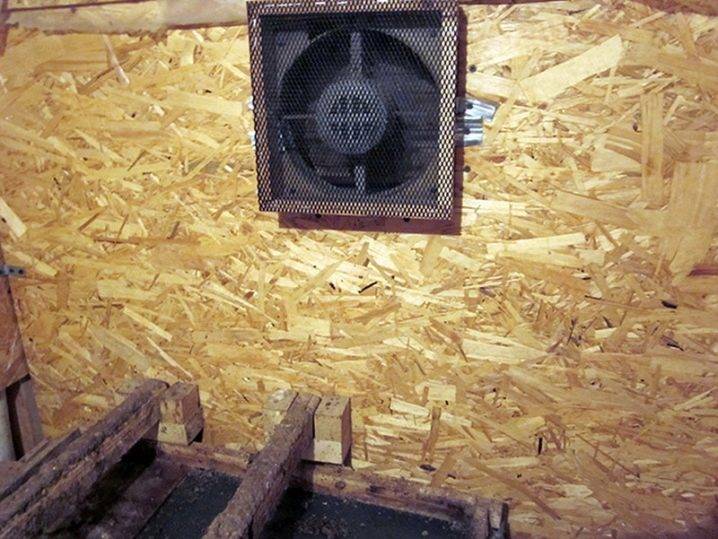
Any chicken coop owner individually decides on the installation of ventilation and ventilation systems. Many do not even think of equipping a chicken coop until they meet with frequent diseases of the livestock or its mass death.Only when faced with an unpleasant situation, poultry farmers begin to choose between natural or forced-air ventilation, further building it without much effort.


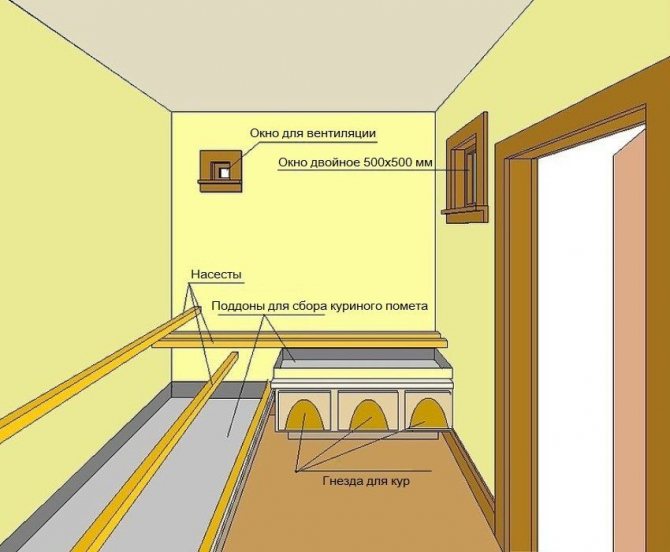
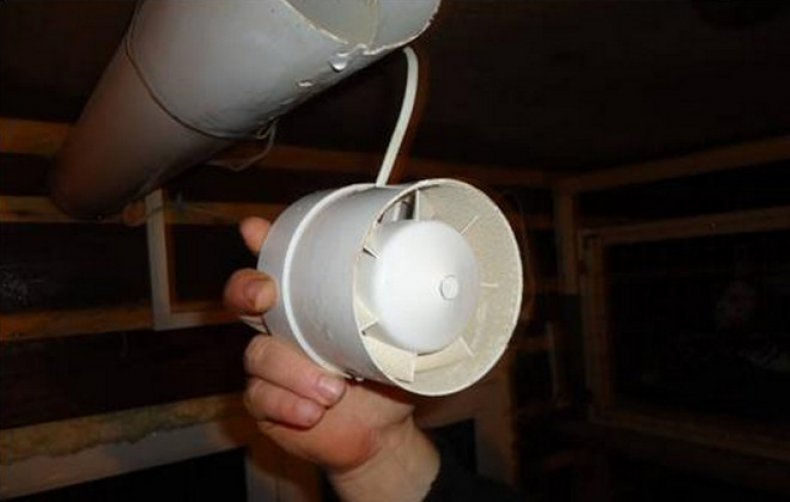

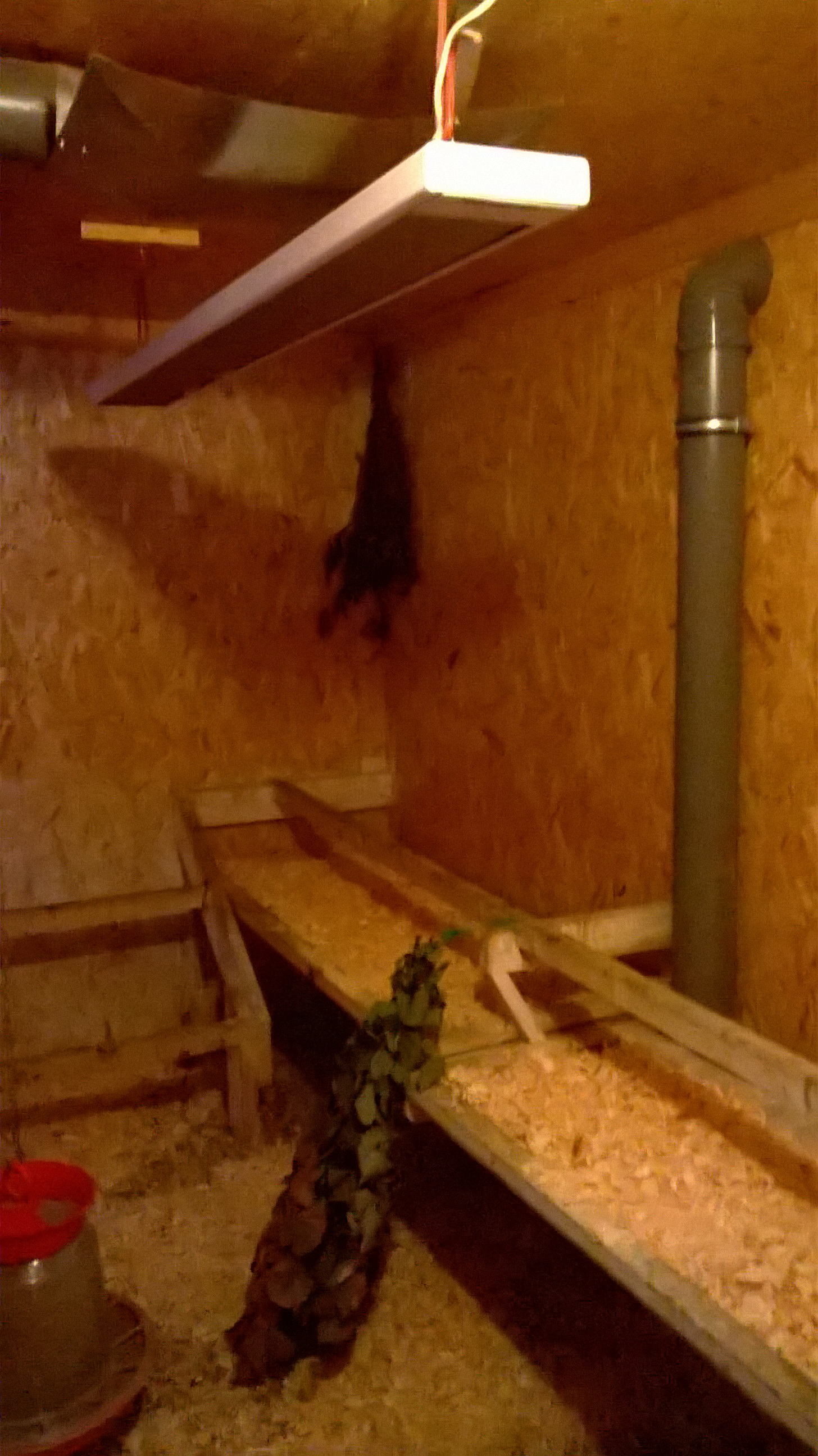

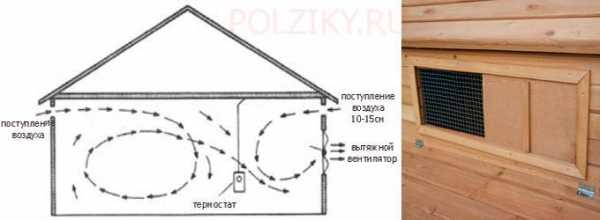
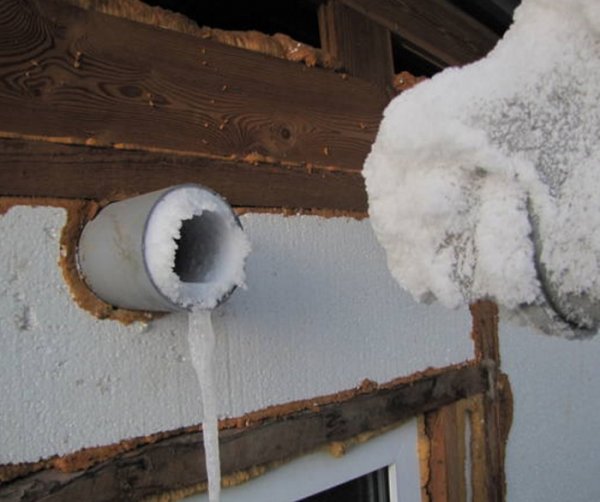

How to make ventilation in the chicken coop with your own hands, see the following video.
What is ventilation and what is it?
Ventilation of the room is designed to provide the necessary air exchange, that is, stagnant air should be replaced by clean, fresh oxygen.
Reasons why ventilation is necessary in a chicken coop:
- As already mentioned, bird droppings are capable of releasing ammonia. An unpleasant smell in the room is only half the trouble. Vapors of this gas can harm the body of a chicken, causing severe poisoning. Yes, and the owner of the poultry house may have health problems after a long stay in an unventilated room. Most ammonia accumulates in winter, when the owners close up all the cracks, keeping warm.
- Ventilation of the chicken coop allows you to adjust the level of humidity. Excessively dry air is harmful to the bird, as well as too humid. The highest concentration of humidity is observed in the cold, when there is an intensive release of moisture from the litter, as well as the evaporation of water from the drinkers. Dryness in the room occurs during the summer heat. The ventilation system is able to adjust the optimal climate balance in the chicken coop, which has a very beneficial effect on the well-being of the bird.
To achieve the best results in the operation of the ventilation system, you need to remember a few important rules.
- The amount of oxygen must be sufficient for each bird. The larger the number of chickens, the more clean air will be needed.You can get an excellent result only by competent selection of equipment for mounting the hood.
- The ventilation process must be necessarily regulated so that there is no danger of freezing of the bird. To do this, it is enough to provide all air ducts with dampers, which allow air to flow in small portions.
- The hood should not only change the quality of the air in the chicken coop, but at the same time save heat. In cold weather, the supply air ducts are usually covered with a fine mesh. Well, during severe frosts, the air supply is completely blocked.
Is it possible to do without it
The unequivocal answer is no, since the need for ventilation of the chicken coop is associated with the physiological characteristics of chickens. In particular, due to the fact that their litter contains a large percentage of ammonia, which is a toxic substance.
Its vapors, released into the surrounding space, oppress the birds, which negatively affects their health, productivity and egg quality. Even the simplest ventilation system will help get rid of them, as well as the unpleasant smell inside the room.
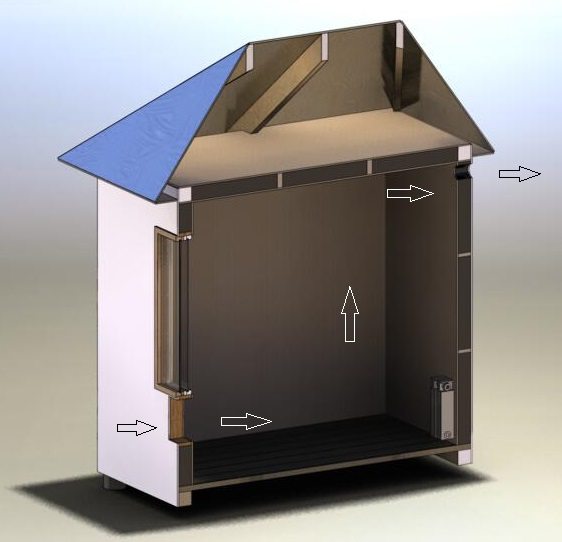
How to properly ventilate a chicken coop the easy way
In summer, the equipment makes it possible to lower the temperature in the chicken coop, in winter to ensure good air circulation, reducing its humidity. This helps to prevent the reproduction of harmful microorganisms and bacteria that cause various diseases in poultry and its offspring.
Mandatory requirements
The chicken coop is a kind of room that requires an appropriate approach. Let's take a closer look at the requirements:
Fresh air
The optimal quantity should be ensured.
The volume depends on the number of chickens per 1 m2. Accordingly, the more of them, the more fresh air is needed.
Usually, 5 birds per square meter are taken into account. m.
Air quality
This parameter is very dependent on the atmosphere outside the building, since it is from there that air flows into the chicken coop. Therefore, during the cold period, it is possible to significantly lower the temperature inside the building, negatively affecting the condition of the chickens.
Do not forget that they are especially resistant to drafts. Therefore, we recommend that you be careful when arranging ventilation and consult with specialists. One of the ways that will help get rid of heat loss is to install a ventilation grill with small holes for fresh air to enter.
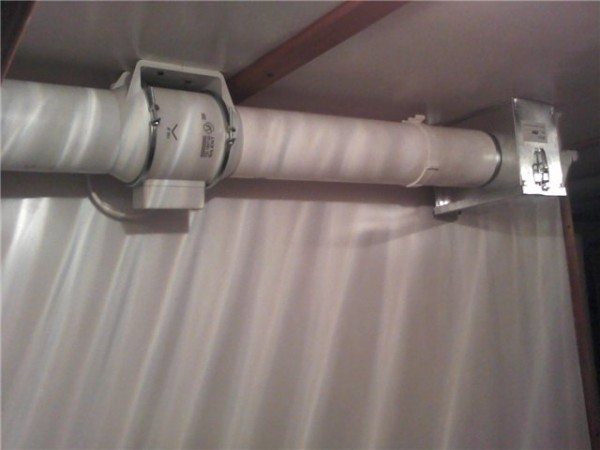
How to make forced ventilation in a chicken coop
Types of ventilation
In this case, two types are used - natural and forced.
Below we will tell you more about this so that you can make them yourself:
- Natural ventilation is usually used for small rooms with a small number of birds. The option is the simplest, and its price is the most affordable for many. Ventilation in this case occurs through a special window or door, but make sure that there is no draft.
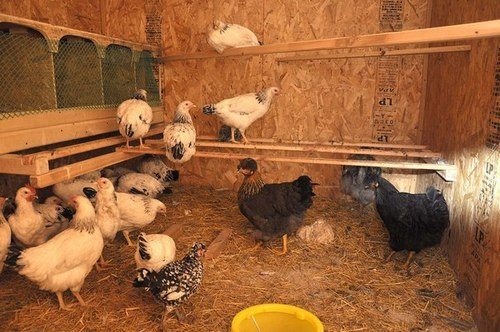
Natural option suitable for small spaces
The instruction recommends placing the window on the roof or above the door, then you will be able to ensure the ventilation of the room and natural access to light. The method showed itself especially well on warm (summer) days, when they can be kept almost constantly open.From the negative - you should periodically monitor the temperature and close or open the doors or transom in time.
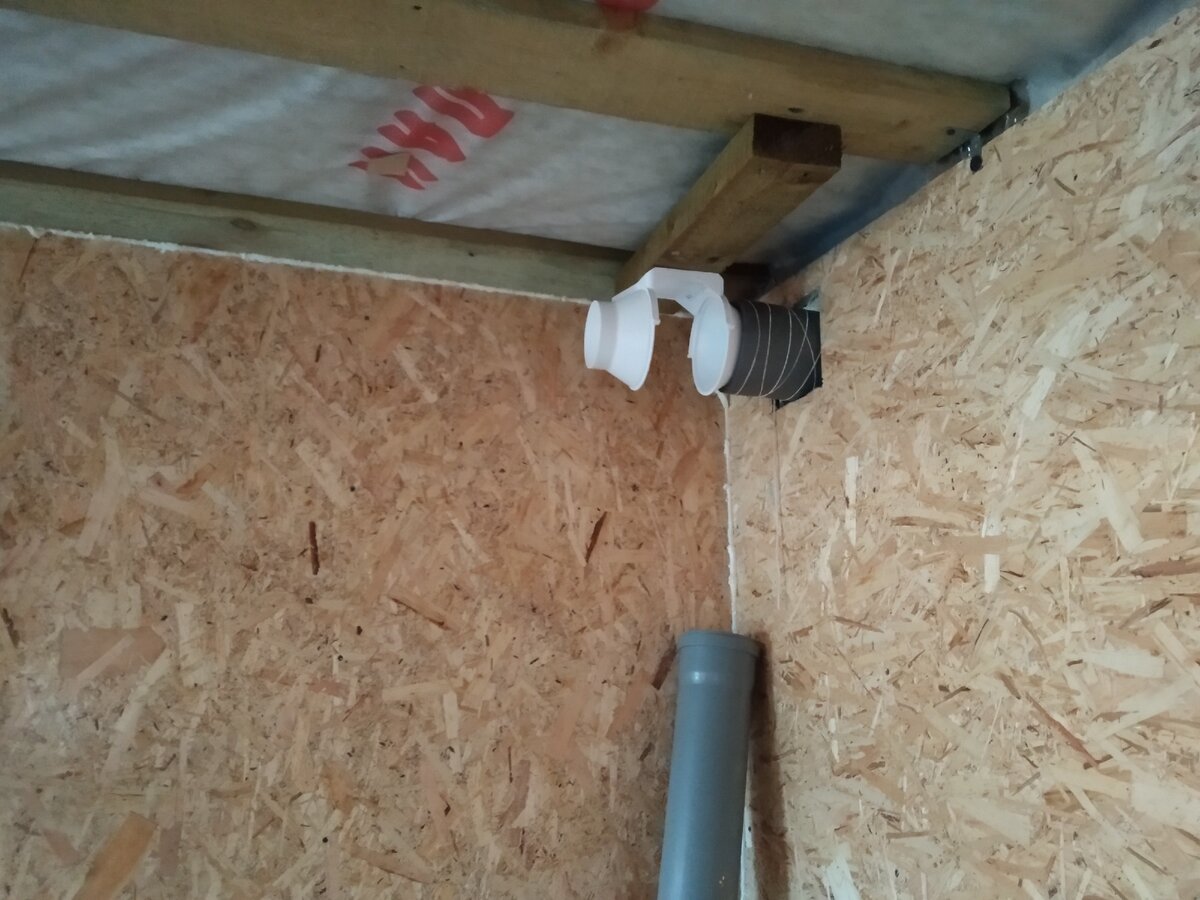
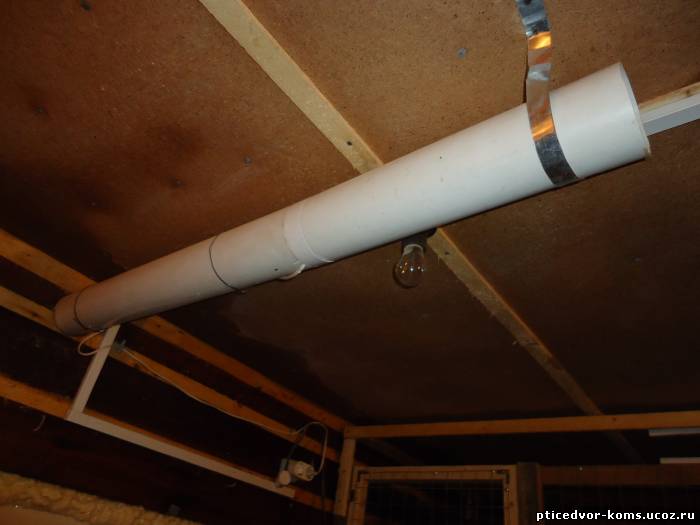

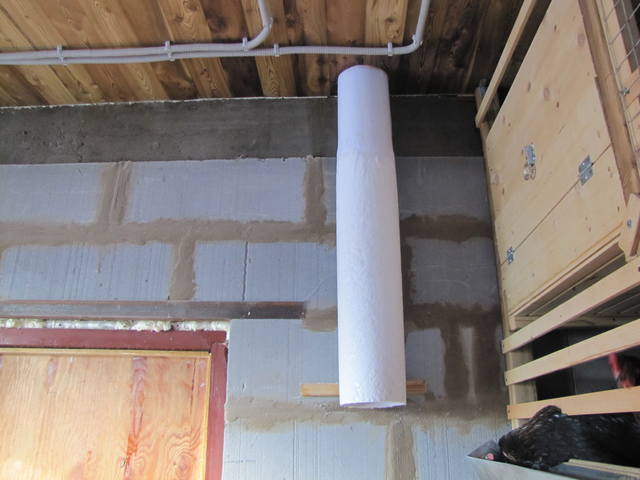
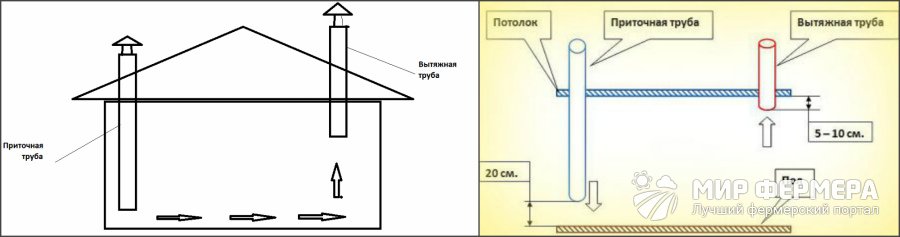

- Supply and exhaust ventilation is most often used in cold weather. You can make it yourself, for example, for a chicken coop with an area of 9 m2, you will need 2 pipes Ø200 mm about 2 m long.
One will be needed to supply fresh air into the room, the second - to ensure its removal to the outside.
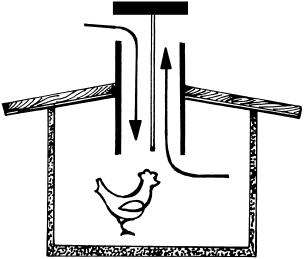
schematic chicken coop ventilation system
- make holes in the roof for pipes and install them in turn;
- fix the first chimney close to the chicken perch, 200mm from the ceiling. Ensure that it rises 1-1.5 m above the roof;
- place the supply air away from the perch, then the outside cold air will not disturb the chickens. Hang it at a level of 200-250 mm from the floor. It should protrude 300 mm above the roof;
- bend the end of each pipe with the letter "G" so that atmospheric precipitation in the form of excess moisture does not get into them.
- Forced ventilation is used for large rooms that contain a large number of chickens. Usually these are poultry farms, as well as large manufacturing enterprises.
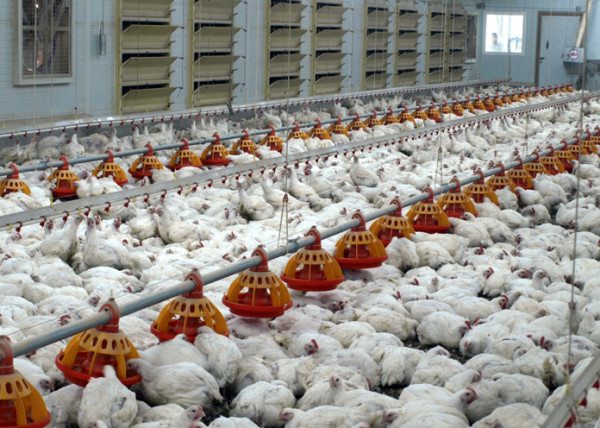
For poultry farms, it is necessary to develop a special forced ventilation system
Reminds the method of an improved version of supply and exhaust ventilation, only differs in that the circulation of air masses occurs due to special axial fans. It can work in automatic or remote mode. In the first case, you can connect various controllers to the system that will run the fan at different speeds to eliminate certain negative factors in the chicken coop.
Chicken coop lighting
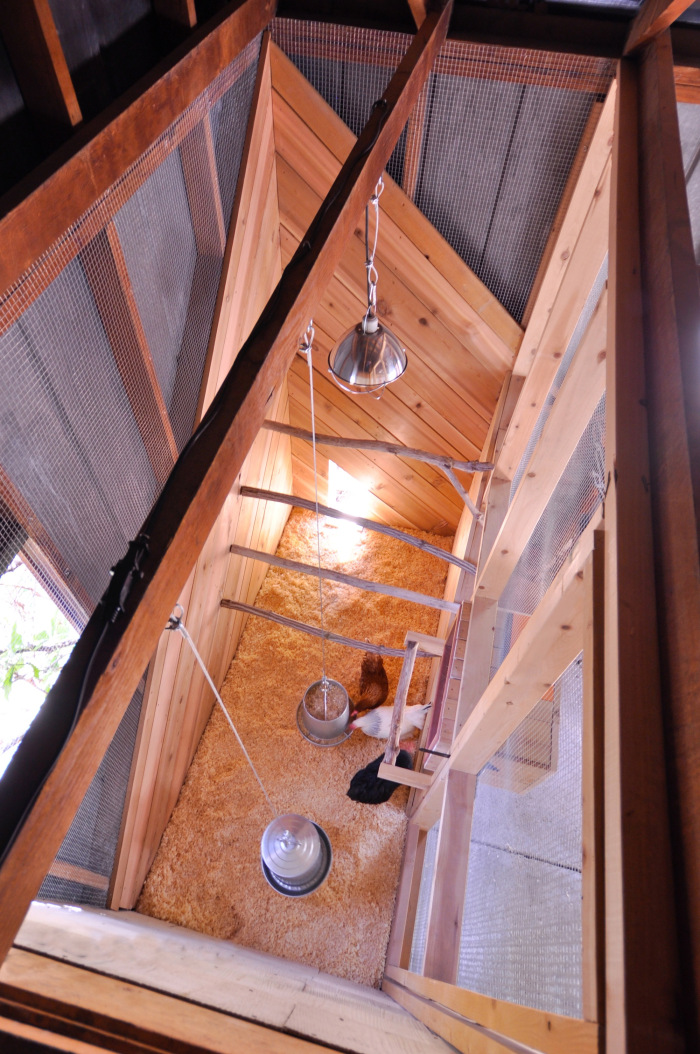
Natural and artificial lighting of the poultry house plays an important role in maintaining the egg production of birds. This condition is especially true in winter, when birds do not have enough sunlight for normal productivity (Figure 5).
To preserve the egg production of poultry, it is recommended to install conventional incandescent lamps and turn them on at night. However, at night the light is still turned off, reducing its intensity gradually. In winter, daylight hours for normal egg production should be at least 14 hours.
You can determine the correctness of lighting by the behavior of birds. If they are lethargic, do not lay well and eat little, it makes sense to make the light more intense. Conversely, in case of manifestations of aggression or pecking, it is necessary to reduce the lighting so that the birds behave calmer.
Automatic poultry house lighting
For lighting, you can choose any lamp: incandescent, fluorescent or fluorescent. In small poultry houses, the light can be turned on manually, but for large farms it makes sense to equip an automatic system.
Figure 6. Ways to light a poultry house in winter
Its essence is that the light automatically turns on and off at a given time without human intervention. To do this, the system is connected to a timer, which is programmed to turn on and off at certain time intervals.
Chicken coop lighting in winter: video
You will learn more information about how to light a chicken coop in winter, the features of installing a do-it-yourself system, and the benefits of artificial poultry lighting in winter from the video.
Features of poultry house ventilation
Ventilation in the poultry house is equipped taking into account the conditions:
- the volume of supply air flows depends on the number of birds that are kept in the chicken coop (with average calculations, there should be 4–5 birds per 1 sq. M of area);
- so that in winter the birds do not freeze, the ventilation system of the room must be controlled, making the air flow to a minimum;
- poultry is quite sensitive to drafts, so the air outflow should be regulated;
- in order to reduce heat loss on the supply pipes in winter, a special grate with small openings is mounted, and if the days are very frosty, then the air supply must be completely blocked.