

- How to properly preserve a septic tank for the winter
- Important Conservation Points
- How to avoid mistakes?
- Complete pumping out of the tank - a fatal mistake
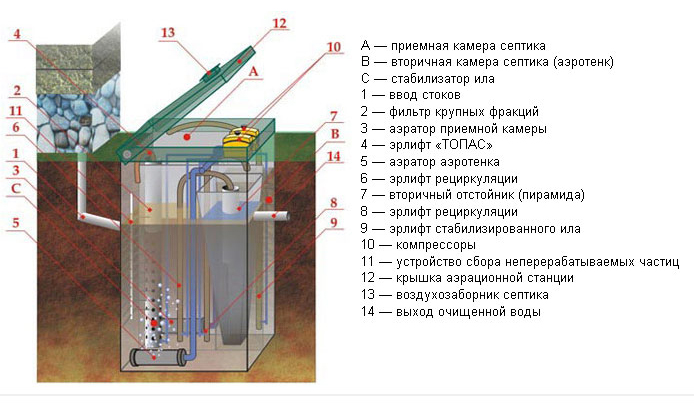
- The principle of operation of the septic tank Topas
- What should the owners of a homemade septic tank do?
- Rules for the conservation of treatment facilities
- Preservation of industrial plants
- Conservation homemade design
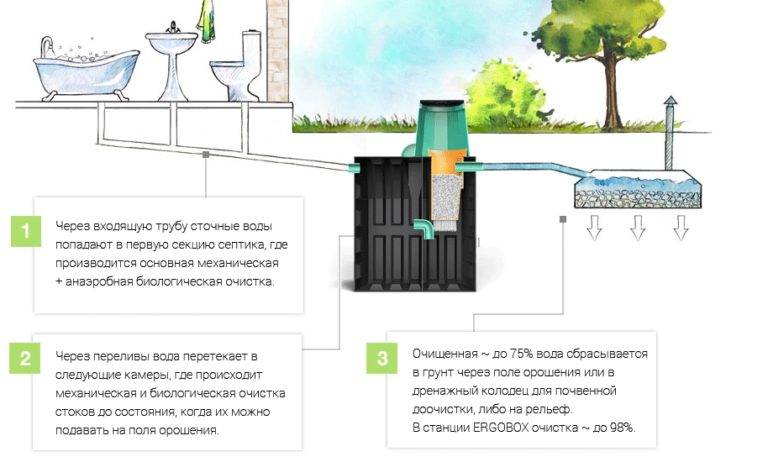
- Why is a septic tank needed?
- How to preserve a septic tank for the winter
- Conservation stages
How to properly preserve a septic tank for the winter
If the treatment plant was purchased ready-made, it should be accompanied by an instruction detailing the winter preservation of the septic tank. Here is the sequence of actions that are recommended by the manufacturers of Topas septic tanks:
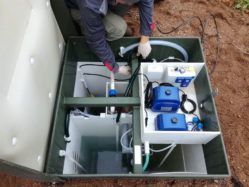
- First you need to de-energize the station. To do this, you need to use an automatic switch mounted somewhere in the house, and / or press the on / off button right on the station case.
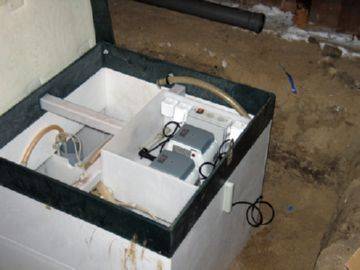
- The air compressor must then be removed. Since this device is mounted in the working compartment of the station using special clips, it will be quite easy to detach it.
- If the treatment plant is equipped with a forced ejection system, it is necessary to dismantle the pump, which removes clean water from the system.
- Then you need to check the liquid level in the septic tank.The optimal size for loading a septic tank before winter conservation is ¾ of the total volume.
- If the amount of liquid in the septic tank does not reach this value (which happens quite often), you need to add ordinary water to the container to make up for the missing volume.
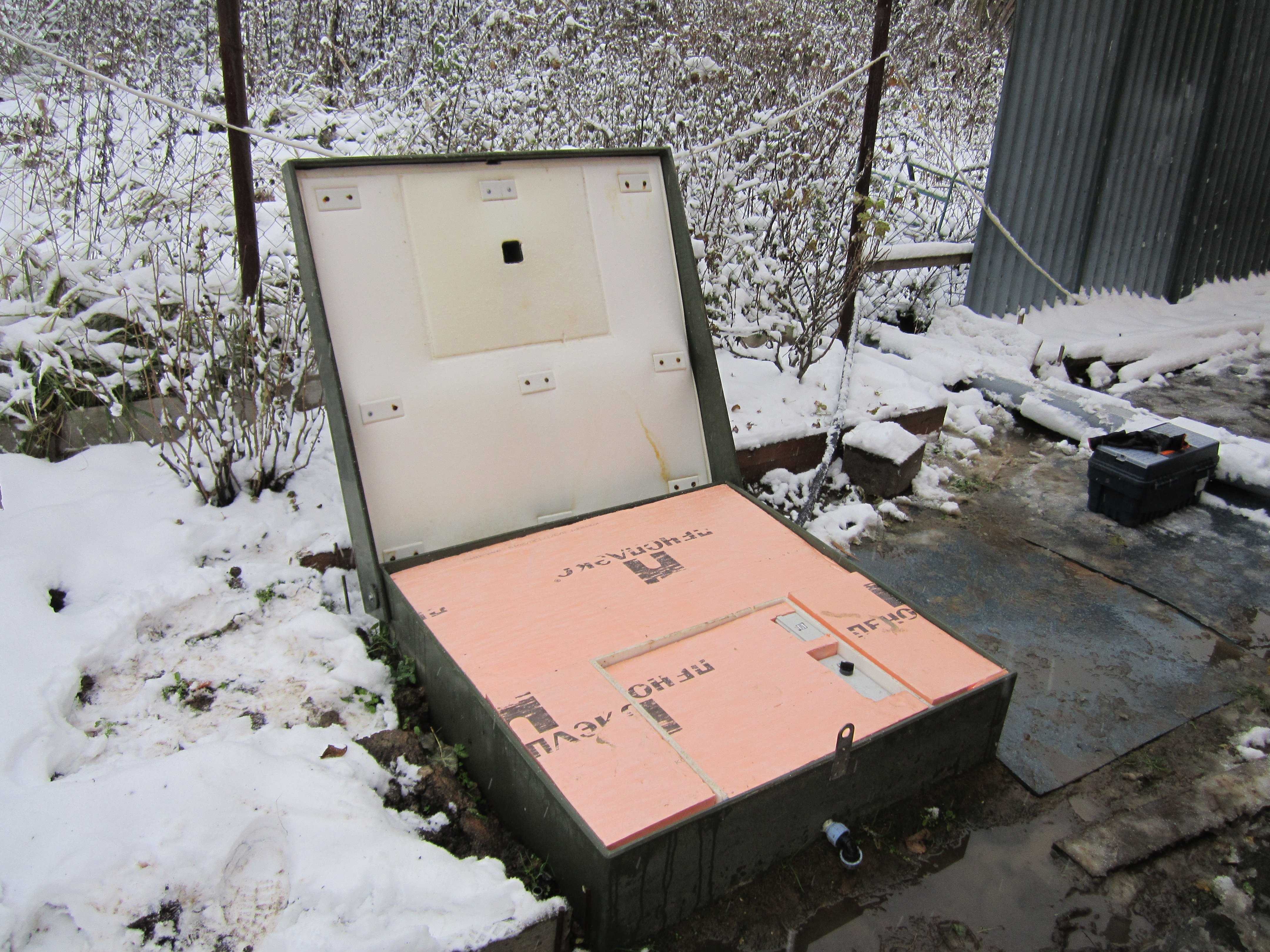
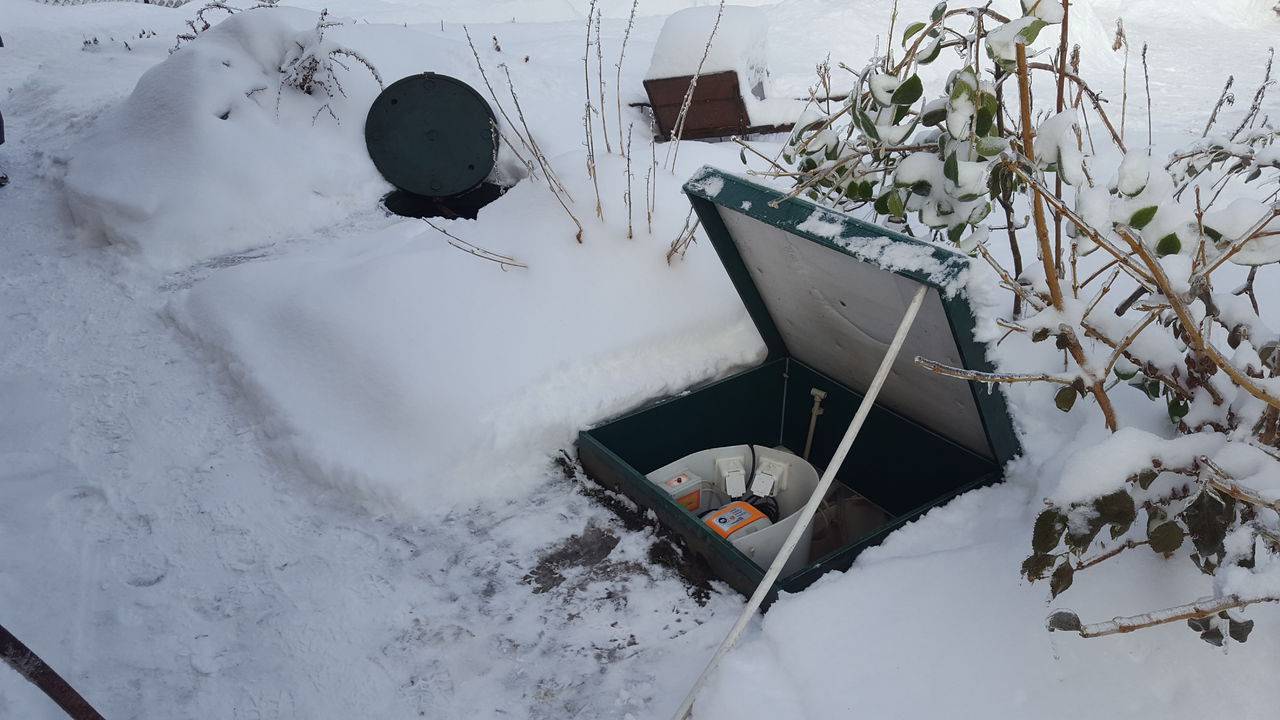
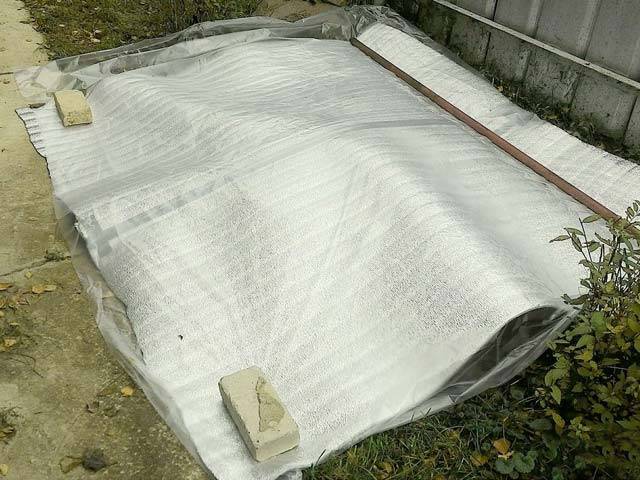
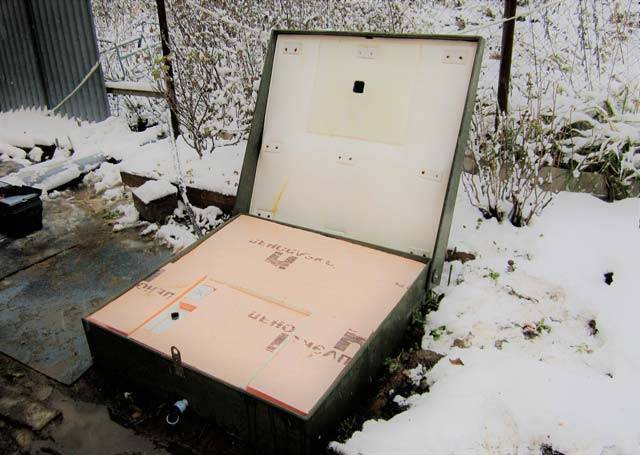
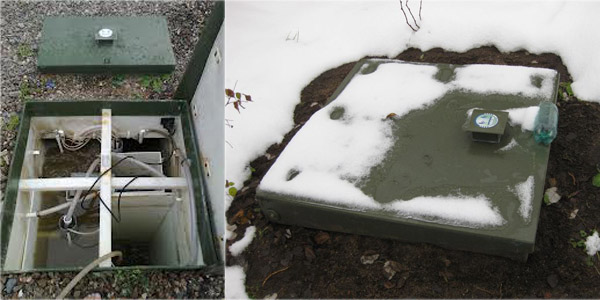
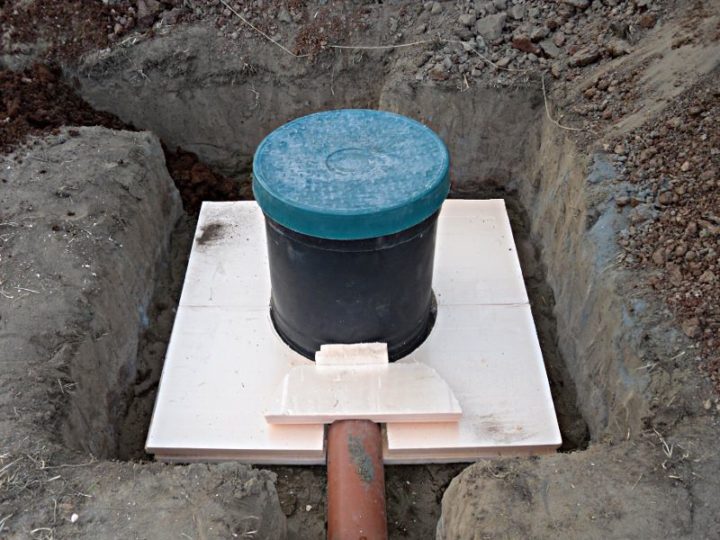
- It remains to insulate the septic tank lid by placing a layer of insulation (for example, polystyrene foam or polystyrene foam) under a layer of stones hiding the septic tank lid.
The last point is not necessary if the winters in the area are not severe. A properly preserved and insulated septic tank will endure the winter cold without much damage to its inhabitants, since the temperature of the liquid inside the system will remain quite high.
In more detail, the process of warming the lid of the septic tank is presented in the video:
A few more useful tips for owners of industrial models of septic tanks:
- if the treatment plant is equipped with a sludge stabilizer with a built-in airlift, it is recommended to clean this section before preserving the septic tank;
- the receiving chamber of the septic tank should also be cleaned of solid accumulations;
- if foam plastic is not available, insulate the lid of the cleaning station with other suitable materials, such as dry grass, straw, mulch, etc.
Please note that the conservation of the septic tank should begin closer to winter, when the ground is cold, possibly slightly frozen. This will slightly reduce the impact on the septic tank of changes in the soil caused by a cold snap. When preserving industrial septic tanks, de-energize the device and remove all electrical appliances
Usually they are mounted in accessible places, dismantling requires minimal time and effort.
When preserving industrial septic tanks, de-energize the device and remove all electrical appliances. Usually they are mounted in accessible places, dismantling requires minimal time and effort.
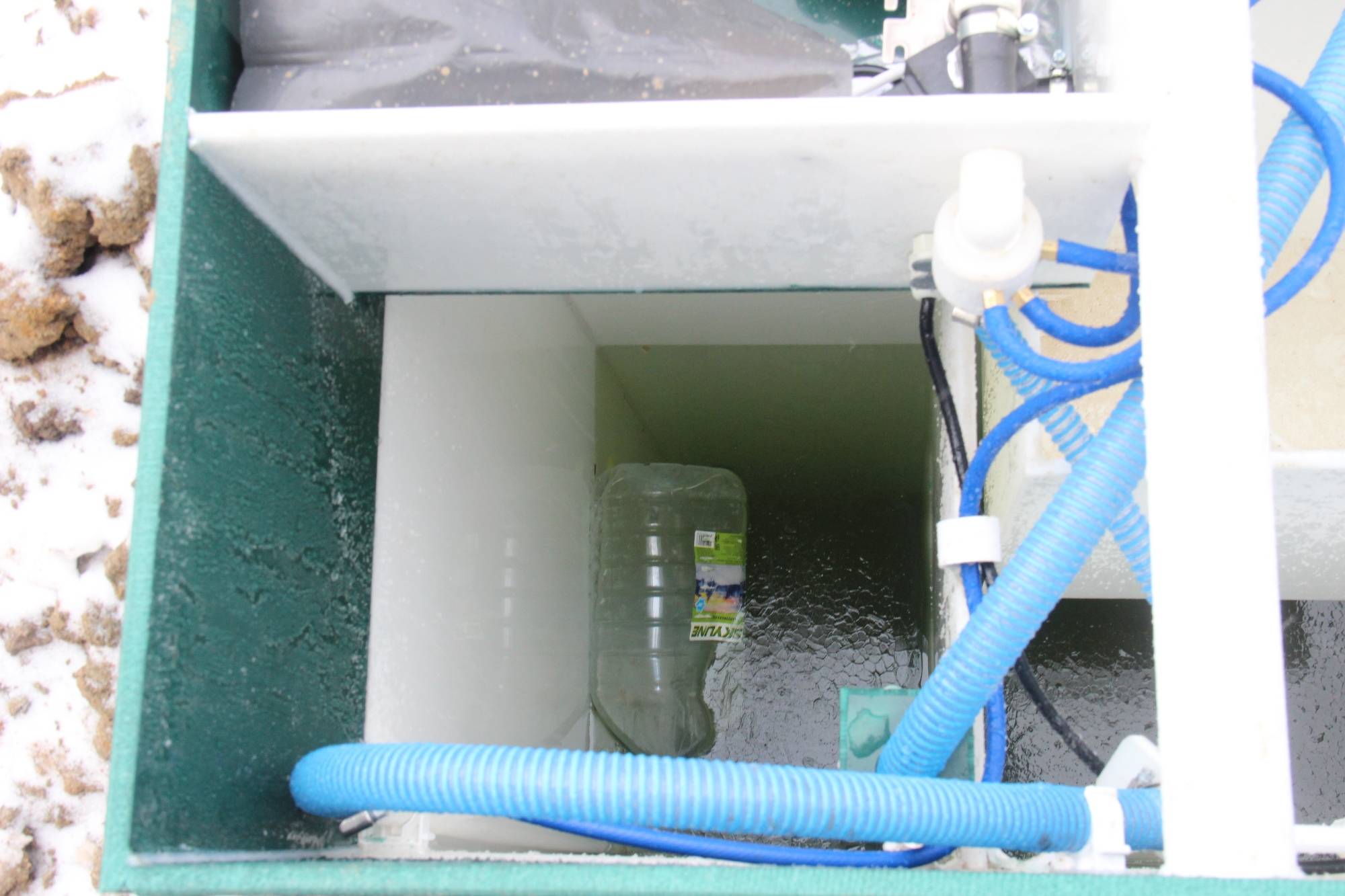
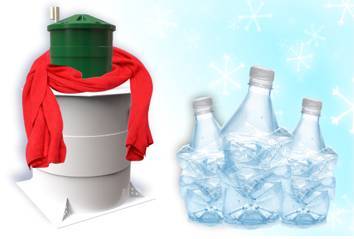
Some owners are worried that an ice crust will form on the surface of the liquid inside the plastic container and damage the walls of the septic tank. These fears are justified only in areas with a sufficiently large depth of soil freezing. To prevent such a nuisance, several floats should be made for the septic tank. Making them is very easy:
- Find several plastic bottles with a volume of 1.5-2 liters.
- Pour a little sand into each bottle so that part of the float remains on the surface when immersed in water. In this case, the bottle must remain vertical.
- Tie a long rope to the neck of each float.
- Lower the floats into the container.
- Fix the rope so that when the septic tank is reopened, the floats can be easily removed.
These simple actions will protect the septic tank from damage even during very severe frosts.
Important Conservation Points
The appeal of the owners of local septic tanks of an industrial design to specialists is connected, first of all, with the mistakes made during conservation. Theoretically, there is nothing complicated in this procedure, but in practice, beginners often make the following mistakes: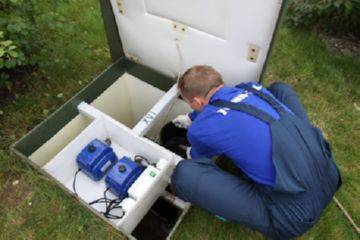
- Complete draining of the device. Doing this is strictly prohibited! An empty station is light in weight and floats when the groundwater level rises in the spring, that is, even before the septic tank is put into seasonal operation. As a result, the owners completely fail the entire sewer system.
- Incorrect insulation is another common mistake. Soil or sand is poured onto the hatch, which, when snow melts and rains, penetrates into the station. In the spring, this complicates the start-up of the system - it is necessary to repeatedly flush the filters and chambers of the structure.
- Refusal to use containers with sand can cause the destruction of the septic tank body. With possible freezing of water remaining in the chambers, plastic bottles prevent critical deformation of the body.
How to avoid mistakes?
Like any technique, local treatment facilities or LOK require regular maintenance, which 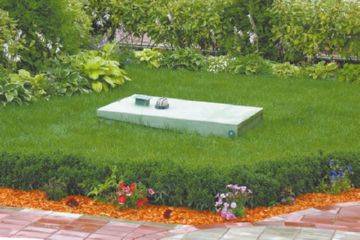
Owners must be sure that the mechanisms of the system are not damaged. The integrity of the filters, hoses and other parts of the septic tank will avoid long-term flushing of the device during the conservation process and ensure its uninterrupted operation when starting up in the spring. Visual inspections are carried out regularly (about twice a month). To do this, turn off the power supply and open the cover of the structure. During normal operation of the system, the surface water in the chambers is clean, free of turbidity and unpleasant odors.
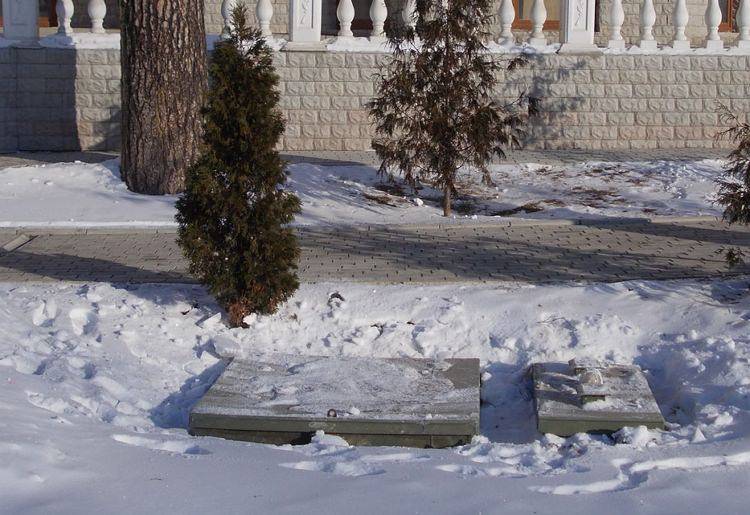


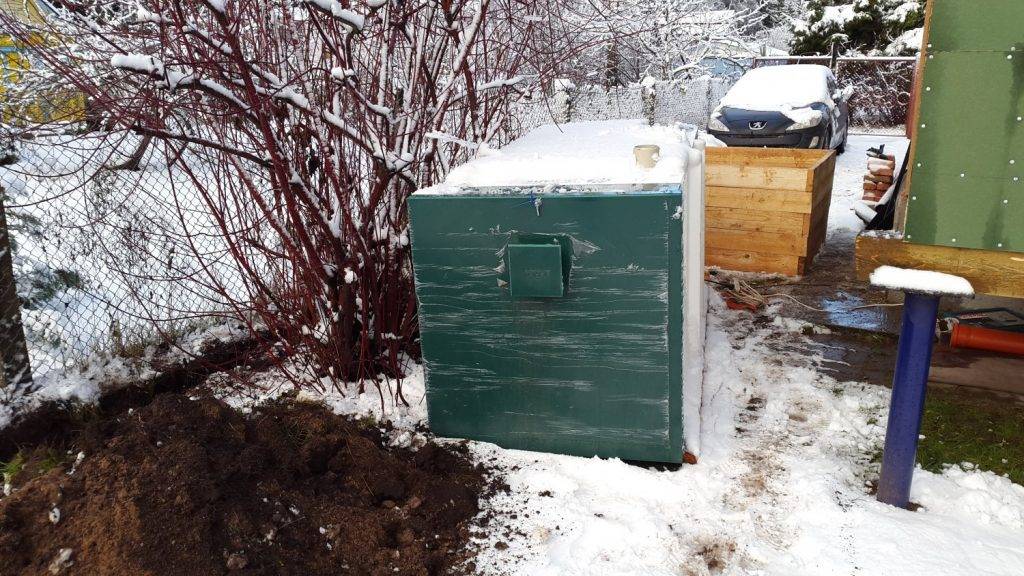


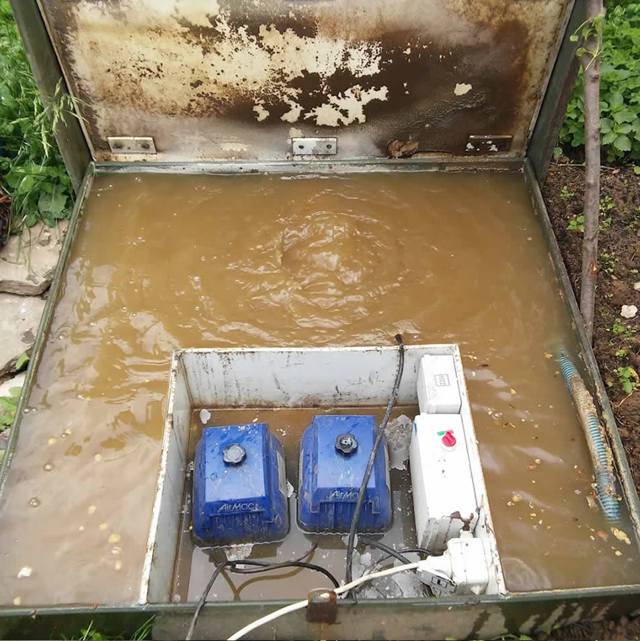
Sludge is removed quarterly by a built-in pump by pumping into a previously prepared container. If this procedure was missed during maintenance for six months, pumping is done using a drain pump.
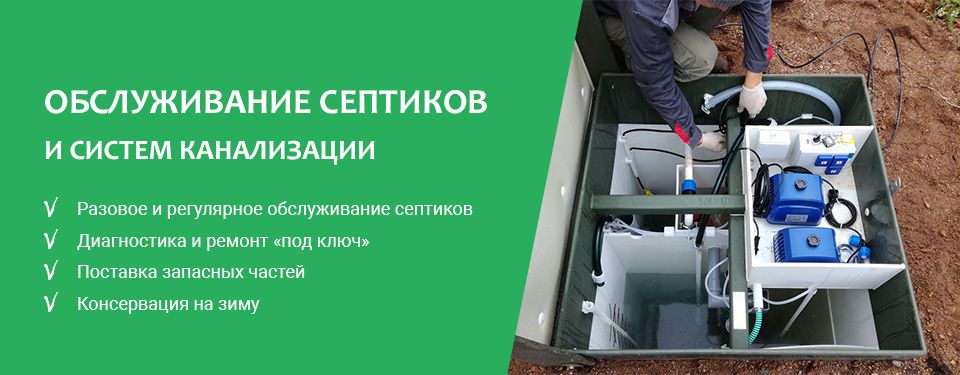
Experts strongly recommend not to neglect the quality service of the purchased treatment plant! If you can’t regularly carry it out on your own, you can contact a specialized company and conclude a service agreement.
Preservation in accordance with the rules of maintenance means:
- incomplete pumping of water;
- use of sand bottles;
- thorough insulation.
At the same time, all parts and filters must be in working order for quick depreservation of the system in the spring and its launch.
Complete pumping out of the tank - a fatal mistake
A common mistake of septic tank owners during conservation is pumping out tanks. If there is no liquid left, the bacteria quickly die from lack of food. In this case, in the spring, you may encounter big problems in the operation of the sewer, if measures are not taken in a timely manner to increase the number of microorganisms.
The treatment plant will cease to perform its functions: the water will go into the ground simply clarified, and not purified. This threatens to contaminate fertile soils, spread pathogenic bacteria, and even cases of disease among people and domestic animals.
Do not assume that one malfunctioning septic tank "means nothing" for the environment. Groundwater travels great distances and feeds many hydraulic structures, incl. wells and wells. Consequences of dumping untreated sewage into the soil are unpredictable
If an underground aquifer comes close to the surface in a site, infiltration is possible: fecal bacteria will quickly find themselves in drinking wells and begin to spread further. Under adverse circumstances, this is fraught with real epidemics and death of livestock.
The logic of the owners of septic tanks draining water for the winter is understandable: they are afraid that the liquid will freeze and break the tank body, however, with the correct installation of the structure, this probability is extremely low.The damage that a complete evacuation of the septic tanks can cause can be much greater, so you should not make this mistake.
The wishes of the owners of septic tanks do not affect the laws of physics. If the light bulk tank is empty, it may float during spring floods.
If you remove water from the chambers of a plastic or fiberglass septic tank, then in the spring you can get an unpleasant surprise: the structure will float to the surface, breaking pipelines and raising the soil. Proper installation reduces the risks of ascent, but not as critical as the owners expect. A step by step installation guide is provided below.
Image gallery
Photo from
After the septic tank is delivered to the site, you should carefully inspect the body and make sure that there are no manufacturing defects and damage during transportation. If the model includes an electronic control system, you need to make sure its functionality
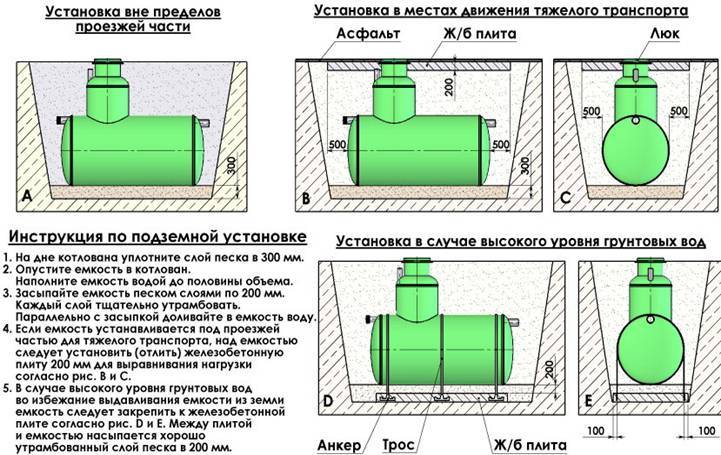
A pit is being dug under the septic tank. It must be of sufficient size so that a concrete slab can be installed under the structure and backfilled with mandatory protection against soil heaving.
A sand cushion is arranged at the bottom of the pit, and a finished or home-made concrete slab is installed on top. Special belts are attached to it on the anchors, with which the septic tank is firmly fixed. This prevents the structure from surfacing during periods when the GWL rises, but such measures are not enough if the septic tanks are empty



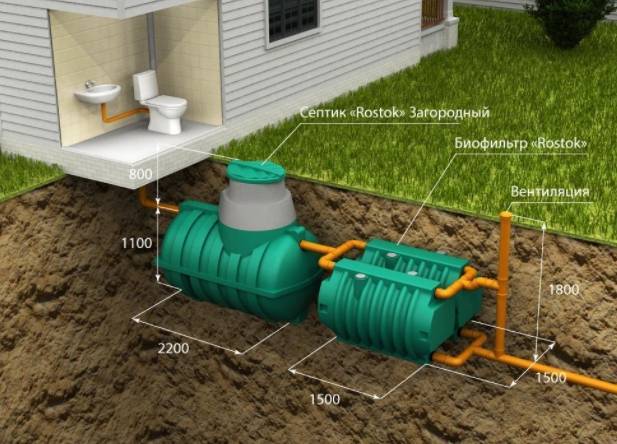

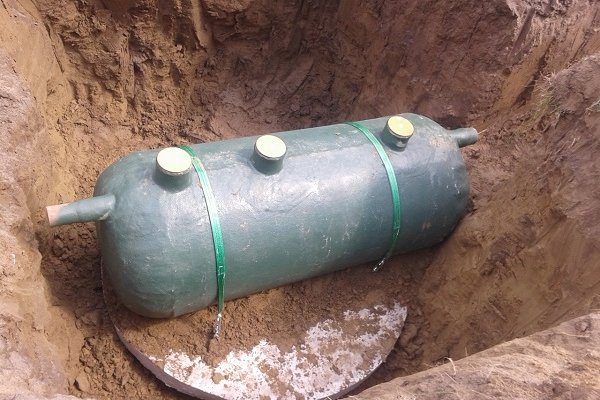
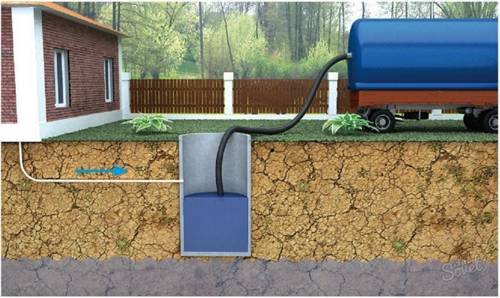
The distance between the tank body and the walls of the pit is filled with a cement-sand mixture. It must be dry. It is laid in layers and rammed. Only then can the structure be covered with soil. This protects the body of the septic tank during ground movements.
The first stage - inspection of the septic tank for damage
The second stage is the preparation of the pit
The third stage - fixing the septic tank to the concrete slab
The fourth stage - backfilling the structure
Soils are not static, their movements are always possible, especially during periods of sudden temperature changes, changes in groundwater level, or under the influence of other factors. Loads on the side walls and bottom of the tank can increase significantly.
Under ground pressure, an empty septic tank can either float or deform. In both cases, you will have to spend effort, time and money to restore the sewerage system. If the building is beyond repair, you have to buy a new treatment plant.
When installing a septic tank, they provide for the possibility of soil movements and protect the structure. Such measures are needed only when installing fiberglass and plastic structures, because. concrete structures are heavy and much less susceptible to external influences
All these problems, unnecessary expenses and worries are easy to avoid. You just need to properly preserve the septic tank and take into account that in winter it may be necessary to put it back into operation.
If the owner plans to visit a country house or dacha at least once a month, the treatment plant can be left "as is" - fully functional. Even a volatile septic tank with running compressors will not burden the budget too much.
The principle of operation of the septic tank Topas
In this unique device of domestic production, wastewater treatment is carried out in several steps. The result of filtration is water that can be used without restrictions for technical purposes.
The first chamber of the system is designed for mechanical cleaning of the incoming liquid.Here, all solid impurities are removed from the water, which are deposited on the filter grids. After pre-filtration, the water is fed into the aerobic chamber.
Microorganisms come into action in the aerobic chamber, converting wastewater into energy, water, methane and solid sludge. To collect the sediment, sludge is used, which is loaded into the tank in a certain amount. Together with the sludge, the liquid moves to the sump.
In the sump, sediment is deposited to the bottom and the water is completely purified. As the sludge is consumed, it is gradually replaced. Waste material is successfully used as fertilizer.
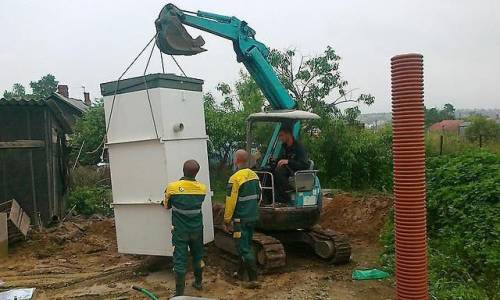
The installation works offline, without requiring special control and human intervention. It is necessary to ensure that solvents and oil products do not enter the sewer. These substances can completely destroy all beneficial microorganisms. Also, do not throw plastic bags, newspapers and toilet paper down the toilet. These items clog the filters and dry out the aerobic chamber.
What should the owners of a homemade septic tank do?
Many owners of country houses, especially summer residents, in order to save money, made a septic tank on their own, using improvised means. Of course, no special instructions are attached to such a structure. How to preserve such a septic tank for the winter?
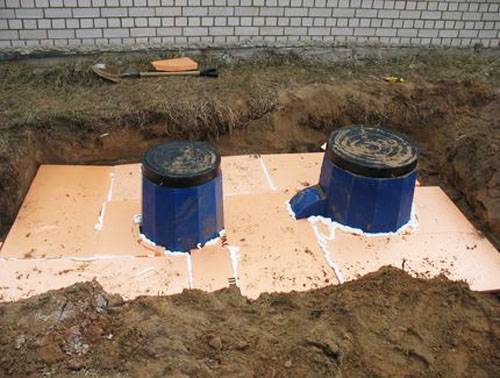


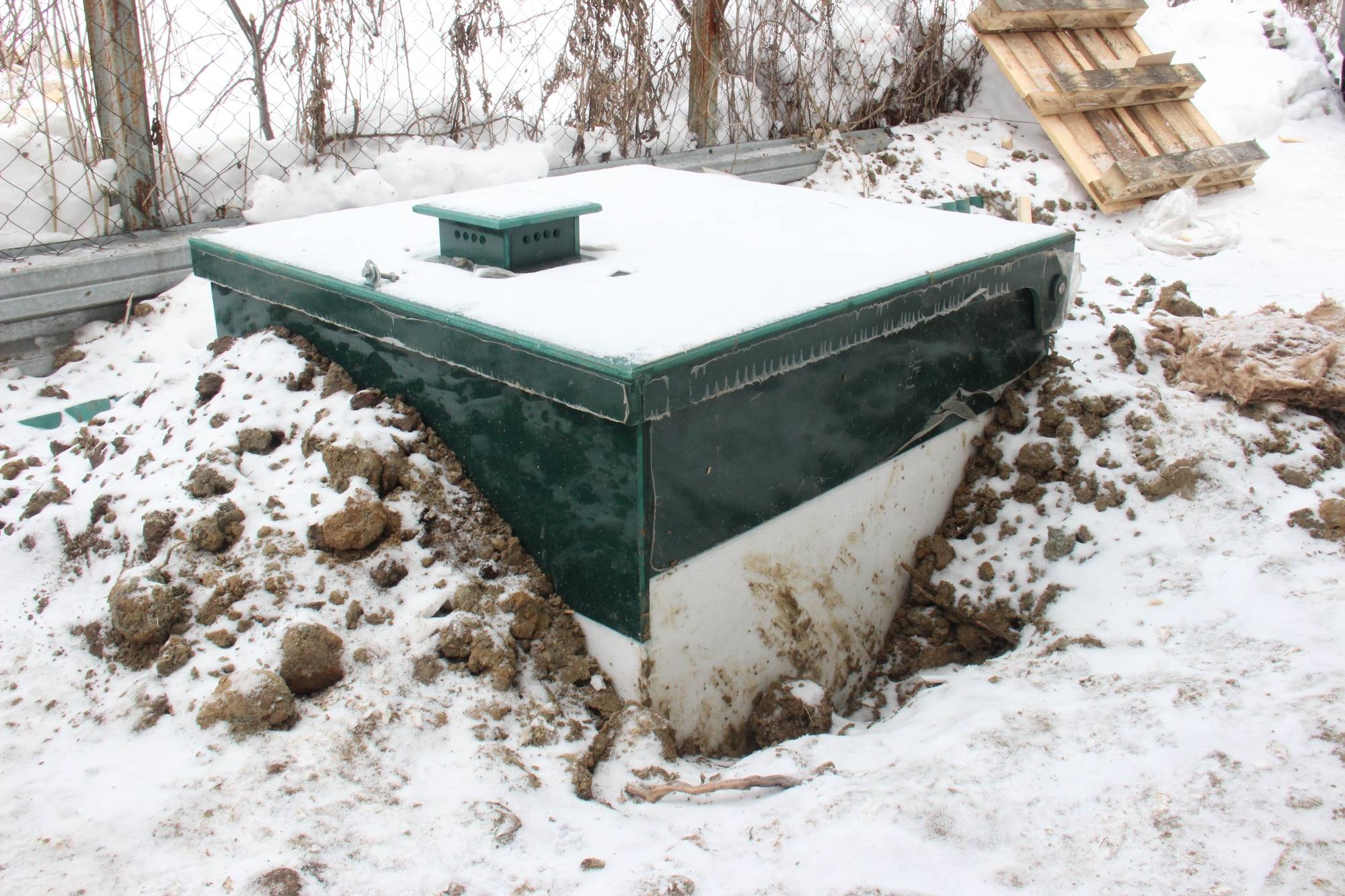


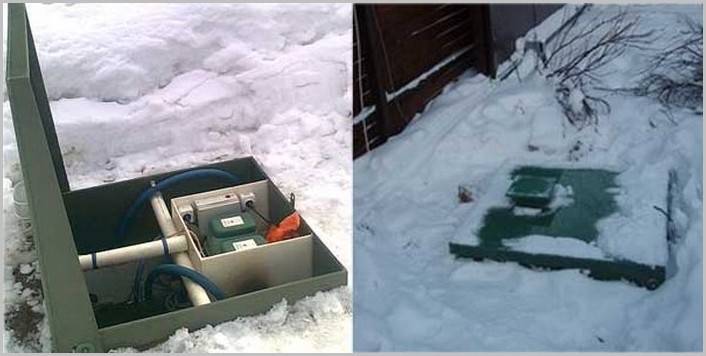

Expanded polystyrene is an excellent material for insulating a septic tank, but expensive. It can be replaced with dry leaves or straw. However, it is impossible to insulate the septic tank with sand or earth, as this can damage the equipment.
Usually home-made treatment facilities do not have complex control and management systems, so the conservation process will be easier here. For this you need:
- Disconnect electrical equipment from the mains, if any.
- Remove pumps, compressors and other devices from the septic tank that may deteriorate during a long winter. (Of course, if there are no such devices in the septic tank, this item can simply be skipped).
- Fill the volume of liquid in the septic tank to a level of ¾ volume (some experts consider filling 2/3 of the volume to be quite sufficient).
- Insulate the top of the septic tank with improvised materials: a layer of insulation, straw, dry foliage, etc.
Usually such preparation is enough for the septic tank to winter safely.
If expanded polystyrene or polystyrene plates are used to insulate the septic tank, it is not necessary to strive for the most complete insulation of the septic tank from frost, since air should be provided for the normal functioning of aerobic bacteria. To do this, you can even make a number of special holes in the insulation. If the expanded polystyrene is protected by polyethylene on top, it will also need to make appropriate holes in it.
Rules for the conservation of treatment facilities
There are several general rules for preparing a septic tank for winter. The sequence of actions is as follows:
- if the device is volatile, then de-energize it and remove the electrical equipment;
- if necessary, clean the receiving compartment from large debris and solid sediment. This is necessary in order to stop the process of further decomposition in the conditions of a mothballed system. Otherwise, after starting, a persistent unpleasant odor will appear;
- rinse filters and hoses, if any;
- adjust the water level in the compartments.The indicator varies depending on the model. The average value is ¾ of the volume;
- insulate the lid if necessary.
The above rules for the conservation of treatment facilities can be adjusted for certain types of septic tanks.
Preservation of industrial plants
Industrial biological treatment plants, which include the popular Astra and Topas septic tanks, are accompanied by instructions that describe in detail and consistently how the system is put into standby mode. The procedure for such devices is approximately the same. The initial service is:
- mandatory pumping of sludge from the stabilizer chamber and filling it with clean water. To do this, the system is turned off for 20 minutes, then the standard fecal pump located on the wall above the stabilizer chamber (to the right of the compressor box) is removed from the clip. The plug is removed from the nozzle tip, the power is turned on, the system is transferred to the direct pumping phase (by an additional button on the electronic unit for Astra or by raising the float in the receiving chamber for Topas). In total, you need to choose about 4 buckets of silt, instead of which clean water is poured. At the end of the process, the plug returns to its place, the power is turned off;
- septic tank chambers (walls), pipes, filters and nozzles are cleaned;
- from each chamber (except for the already cleaned stabilizer) in turn (first the aeration tank with a sludge dampener, then the receiving chamber) with the help of a drainage pump, approximately 40% of the contents are gradually pumped out and clean water is poured. The process continues until it is all light.Upon completion, the height of the liquids should be at least 1.8 m from the bottom for Topas, and 1.4 m for Astra.
Mineralized sediment from the bottom of the receiving chamber in industrial models is removed every 5 years, so this is not necessary every year before conservation. It is enough to catch large debris.
Pre-winter preservation of a septic tank is carried out as follows:
- the station is de-energized, and it is advisable to do this not just by pressing a button on the distribution block, but turn off the corresponding machine on the electrical panel in the house;
- the clips of the air compressors are disconnected, after which the equipment is turned off from the sockets and removed from the box. It is advisable to immediately clean the filters located under the covers;
- a number of models provide for the forced removal of treated effluents using a drainage pump. In such cases, it is also turned off and removed. It is recommended to rinse before storage;
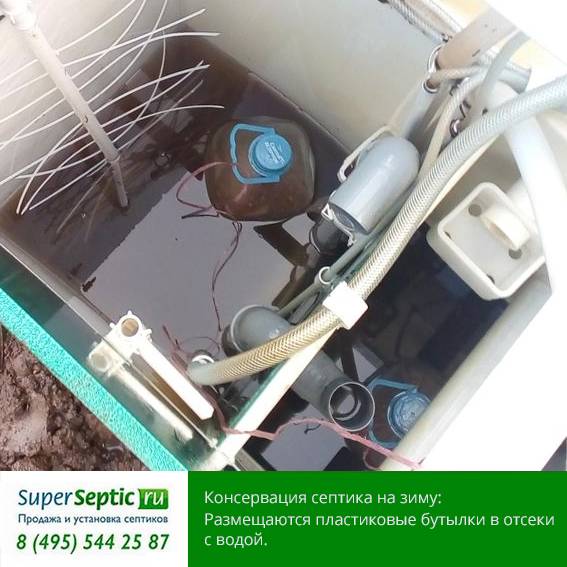
- fill 4 plastic bottles with sand about 1/2, tie ropes to the necks and lower one into each section. This measure will prevent the formation of an ice crust;
- the cover can be insulated if necessary. Topas-type septic tanks do not need additional insulation if the average temperature does not fall below 20 degrees.
Properly mothballed industrial cleaning stations will survive the winter without hull damage or misalignment.
Conservation homemade design
For a homemade septic tank, conservation for the winter takes less time and is simpler in technique. Initially, electrical equipment is removed from the tanks, if any, then it is desirable to clean the bottom of the receiving section from sediment
It is important to keep the level of liquids in the chambers - 3/4 or 2/3 of their height. Top up clean water if necessary.
Why is a septic tank needed?
The effective operation of a septic tank is possible only if the bacteria in it regularly receive the necessary portion of nutrients, which are fecal effluents. In the absence of energy supply, the death of microorganisms may well occur.



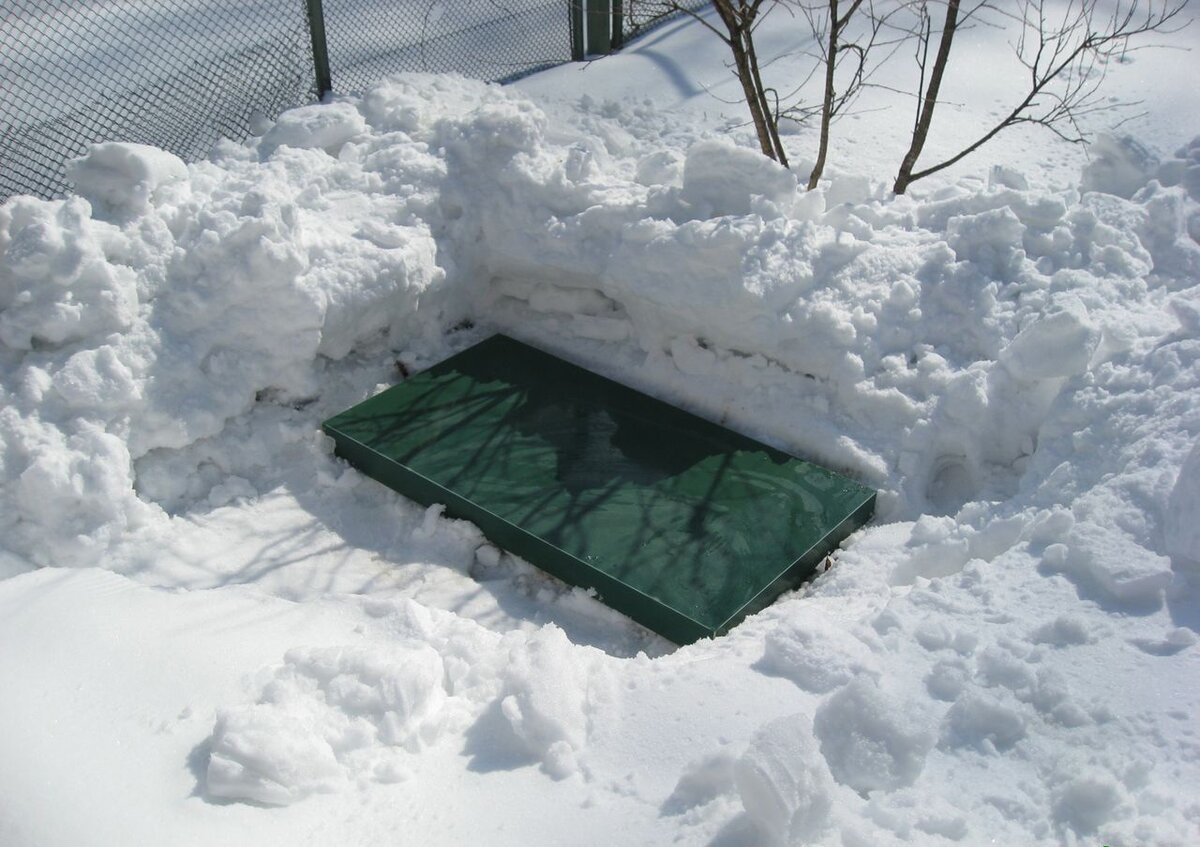

If the installation of the sewer station was carried out correctly, then nothing threatens it even in extreme cold. When the device is below the freezing point of the soil, it will properly fulfill its purpose. A septic tank is just as necessary for the inhabitants of the house in winter as it is in summer.
For this, a sealing material such as hay, straw, foam plastic or mineral wool is used. The opening time of the hatch should be minimized to prevent freezing of the liquid in the containers. You can not completely drain the septic tank in winter. The ground is in constant motion. This is caused by temperature fluctuations, changes in groundwater levels and snowmelt. The septic tank is light in weight, which is fraught with its extrusion to the surface and breakage of sewer pipes. But the removal of individual components, mechanisms and assemblies is necessary. Once on the surface, they can be torn apart by frozen water.
Conservation of Topas for the winter is carried out only in cases where the house or cottage will not be used for several months. Even if the use of sewerage is carried out 1-2 times a week, this will be enough to maintain the vital activity of bacteria.In addition, warm drains will not allow the water in the cells to freeze during severe frosts.
How to preserve a septic tank for the winter
In the absence of living in dachas or country houses in winter for more than one month, it is necessary to conserve an autonomous sewage system. Events are held before the onset of cold weather. A common mistake is the complete draining of liquids from the chambers. An empty station can be deformed or simply be pushed to the surface when soil freezes, ground or flood water rises.
When purchasing factory-made purification plants, they are guided by the attached instructions, which describe in detail how to preserve the station. In general, conservation includes the following operations:
- removal of sewage sludge, to simplify the process, special types of bacteria are introduced into the chambers 2 weeks before the start of cleaning;
- lowering the liquid level in the chambers to 2/3 of their volume with sludge pumping out or, if necessary, topping up to the specified value;
- power outage
- dismantling the compressor and pump
- to avoid damage to the walls of the tank, with the theoretical possibility of the formation of ice crusts on the surface of the drains in unusually severe frosts, peculiar floats are placed in the chambers. These are 2-liter plastic bottles with sand and long ropes tied to the necks. Sand is poured in quantities that ensure the immersion of the bottles in the liquid by about two-thirds, and their upper part should be above the surface of the water. The sand keeps the bottle upright. Plastic under ice pressure is compressed, thereby reducing the pressure on the walls.After lowering the floats into the chambers, the ropes are fixed in such a way that in the spring the bottles can be easily pulled out;
- close the building with a lid;
- additional insulation of the structure using any heat insulators;
- in the northern regions, it is recommended to preserve the septic tank with additional insulation from the outside using any heat-insulating materials. You can lay a layer of fallen leaves, sawdust, moss, needles, dry grass or straw. From above, everything is covered with a dense plastic film with pressing it down with earth. For the normal functioning of aerobic bacteria, air flow is needed, therefore, holes must be left in the insulating layer and the film.
In self-made structures, there are no complex control and monitoring devices for the work process, therefore, conservation is carried out more simply in compliance with a similar procedure. These activities allow you to maintain the temperature in the treatment plant ≥ 4 degrees.
Conservation stages
So, you have decided that the septic tank will not be used in winter, and you need to conserve it. It is quite possible to do it yourself. If you have purchased a ready-made cleaning structure, you should not neglect the instructions for describing the canning process that came with the equipment. With a self-made septic tank, or if the instructions have been lost, you should know the basic principle.
To preserve the septic tank, it is recommended to do the following steps:
De-energize all elements;
Remove the air compressor, which is located in the working compartment. If there is a pumping unit that removes purified water, remove it as well. It is best to store the removed elements in a warm room.If this is not possible, then at least all parts must be thoroughly dried. It will not interfere with the performance of routine maintenance prescribed by the manufacturer, such as cleaning, lubrication and adjustment.
Measure the volume of liquid in the existing compartments and bring it up to 75% (it is allowed to leave 2/3 of the volume). To do this, it is necessary to drain the water from the septic tank or, on the contrary, add a certain volume;
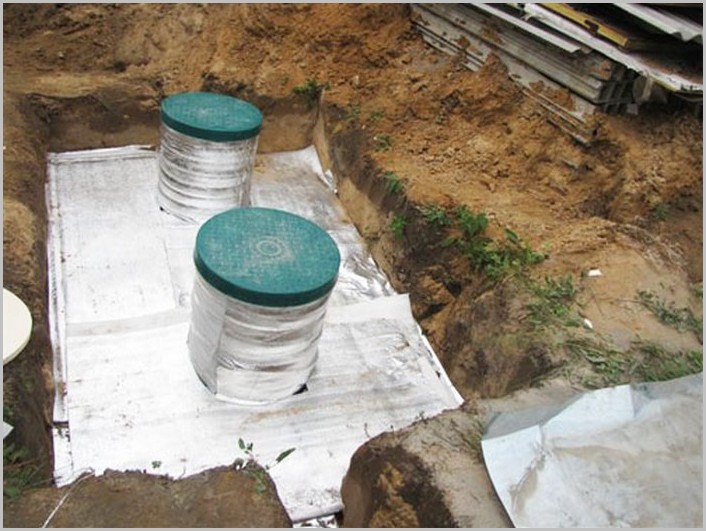
Insulate the outer cover using insulating material (styrofoam, polystyrene, straw, dry leaves and pour a layer of stones and sand)
It is important to remember that the aerobic microorganisms inside the chamber remain for the winter and require oxygen to survive. Therefore, holes should be provided for air intake or straw and dry leaves should be used as insulation.
It is also required to clean the receiving compartment from solid accumulations and debris. If the station is equipped with a stabilizer or a built-in airlift, then preliminary cleaning of these devices will be required.
All operations are best performed when cold autumn sets in and the ground is slightly frozen. This helps to reduce the impact of altered soil on the working chambers.
In areas where the soil freezes to a great depth during frosty weather, an ice crust may appear in the installed station. As a result, they will put pressure on the walls of the container, deforming them. How to preserve the existing sewerage in such a situation? Then you should additionally place floats from polyethylene bottles in the compartment. This will protect the walls of the chamber from ice pressure, because it will act on the floats inside.




To make floats, you should take several plastic bottles with a capacity of 1.5-2.0 liters and pour sand into them. Moreover, some part of the bottle must remain empty to ensure a vertical position when in the water. With the help of a rope, the manufactured parts are lowered into a container, and the ends of the rope are attached so that they can be easily reached in the spring.



