- Types of siphons according to the principle of operation
- Preventive measures
- Plunger application
- Causes of clogged sinks
- Ways to eliminate blockage
- store means
- By mechanical means
- Folk methods
- Special cases
- How to remove fat deposits in the drain siphon
- How to clean a corrugated drain pipe
- Cleaning the drain mechanically
- First aid for blockages - 6 easy ways
- Method 1. Cleaning pipes with boiling water or hot water
- Method 2. How to clear pipes from clogging with a plunger
- Method 3. How to clean grease pipes in the kitchen with soda and salt
- Method 4. Eliminate blockage with vinegar and soda
- Method 5. Elimination of blockage ... Alka-Seltzer
- Method 6. How to clean the blockage in the pipes with a vacuum cleaner
- How to choose the right cleaning agent?
Types of siphons according to the principle of operation
According to the principle of operation, manual, semi-automatic and automatic siphons are distinguished. Let's take a closer look at each type:
- Manual siphons are characterized by simplicity of design. They consist of a thin chain or flexible cable. A lid is attached to them, which serves as a constipation for the drain hole. When you need to drain the water, you just need to pull the chain, after which the lid will rise and release the drain. This system is very cheap and easy to use, but it can be somewhat inconvenient to use.In particular, not everyone likes to wet their hands in the process of uncorking the drain hole;
- Semi-automatic siphons consist of a more complex mechanism: a movable handle and a locking cap. The handle is connected to the lid with a flexible hidden cable. When you want to drain the water, just turn the handle, it will move the lid and the drain hole will open. When collecting water, you must also turn the handle and clog the drain. The principle of operation allows once again not to wet your hands in water. A siphon with such an overflow (water drainage) costs a little more than a manual one, but it is considered more convenient to use;
- The automatic siphon has no competitors in terms of comfort. There are two types of this design: click-clack and with a handle. Such systems consist of a special control mechanism, a cable, a locking element and a handle. The click-clack machine is a flat cover connected to a cable. When pressed, it changes its position. For example, if you press it twice, the shutter will open, if it is pressed once, the lid will close the drain hole. The device with a handle completely repeats the design of a semi-automatic device, but is equipped with an additional protection system.
The main advantage of the automatic siphon is its “smart” principle of operation. Automation can be configured in such a way that when the pressure in the bathroom reaches a certain level, the drain hole opens and excess water flows into the sewer. This protects against flooding and problems with the horizontal overflow (which often cannot handle large amounts of water due to its diameter). For example, click-clack siphons are also capable of “self-closing” after the pressure reaches an acceptable level.
Preventive measures
In order not to think about how to clean the sink from clogging, you should regularly carry out preventive maintenance:
- Do not pour leftover food and grease from dishes into the kitchen sink.
- Use plastic or metal mesh catchers.
- At least once a week, flush the drain with hot water (metal pipes - with boiling water), use special prophylactic agents once every 2-3 weeks.
- Change or flush corrugated siphons in a timely manner.
Prevention is the best way to deal with clogged kitchen sinks
If none of the above methods helped to cope with the blockage, most likely, the plug formed in the depths of the sewer system or the reason lies in a serious violation of technology. In this case, you need to contact professionals.
Plunger application
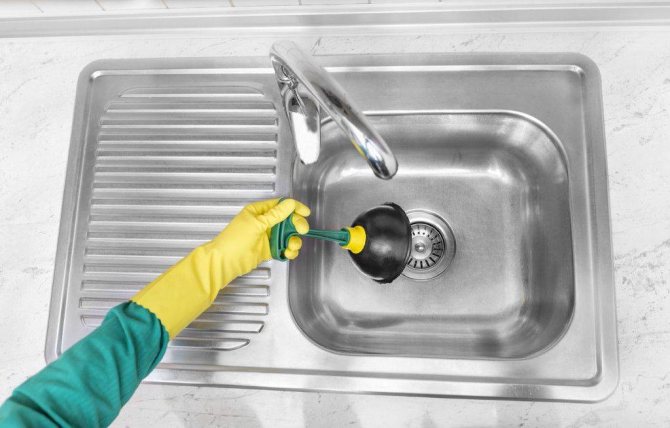
Any blockage in the sink and siphon should begin to be cleared with the simplest and most affordable methods. It is necessary to move on to more complex methods in case of the futility of the first. So, first of all, when a congestion forms, you should use a plunger. Cleaning the siphon with a plunger is the easiest way. Quite often, it is the plunger that helps solve the problem of congestion. A plunger is a device consisting of two elements - a rubber nozzle and a wooden handle.
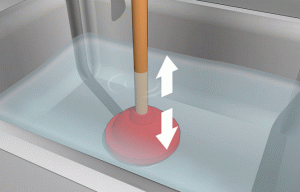
Plunger cleaning
The cleaning procedure consists of several steps:
- firstly, it is necessary to block the drain in the sink, which is necessary to prevent overflow of water;
- secondly, it is recommended to start up hot water;
- thirdly, you should firmly press the rubber nozzle of the plunger to the drain hole;
- fourthly, it is necessary to turn off hot water as soon as its amount reaches the wooden handle;
- then it is necessary to make several pumping up and down movements, and they should be done sharply and vigorously. These actions are designed to create pressure drops with which the congestion will collapse;
- at the end of the pumping action, the plunger must be torn off the drain with a sharp movement;
- with the correct algorithm of actions and a weak congestion, the water will go away.
Causes of clogged sinks
Pictured is a clogged sink
Any sinks become clogged over time and stop passing dirty water into the sewer system. A non-working drain creates discomfort for residents: food cannot be cooked, an unpleasant smell appears in the room. The owners begin to worry and decide what to do if there is a blockage in the sink. To fix the problem yourself, it is necessary to study the weak points of the design.
The reason for the recurring trouble is a special form of draining the device. The design consists of the following parts:
- water intake. Directly adjacent to the outlet of the tank and designed to drain water. It is equipped with a coarse filter that traps large items.
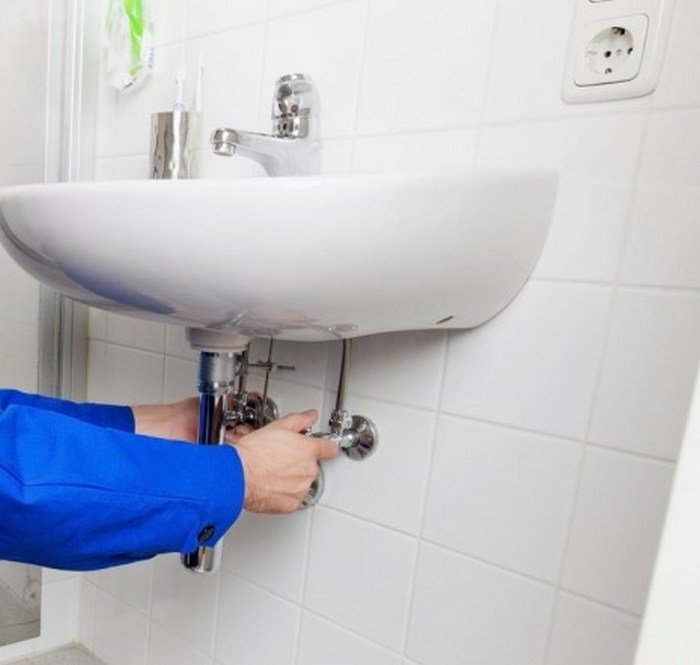
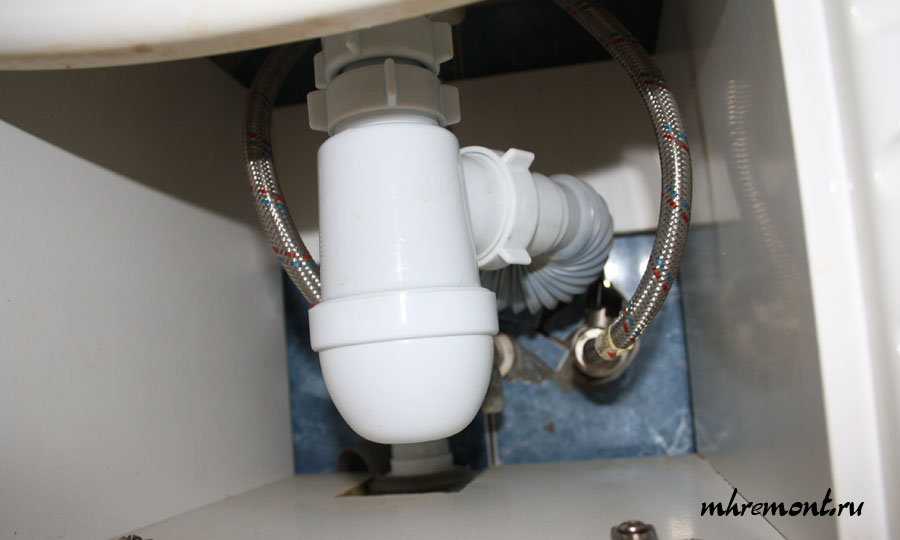
- Hydraulic seal (siphon). It has a U-shaped or other shape in which the flow of water abruptly changes direction. There is always liquid at the bottom of the part to prevent fumes from the sewer system from entering the room. The siphon is considered the most vulnerable to clogging. Potato skins, napkins or other waste that fails to pass through this bottleneck block the passage of drains.
- Branch connecting the hydraulic seal to the sewer riser. It is usually made from a corrugated pipe, on which debris also accumulates.
There are such types of stocks:
- Pipe. They are U-shaped and replace traditional siphons. They are filled with water to create a hydraulic seal. The parts are not disassembled, so they clean it with special tools.
- bottled. The product has a removable part resembling the bottom of a bottle. To clean it, you must unscrew it and remove the contents manually. This is the most successful design for sinks.
- Corrugated. They are designed for use in places where standard fixtures cannot be installed. It is usually made from bent corrugated pipe. However, debris collects in the folds of the outlet, which quickly clogs the device. In addition, the pipe does not withstand hot water.
- Hidden. The design is disguised in a box.
- with overflow. The siphon is connected to the sink by a second tube through which excess water is removed.
- Double or triple. The siphon has additional inputs for a washing machine or dishwasher.
- Flat. They are placed in the case of installation under the sink of large household appliances, for example, a washing machine.
A blockage in the sink can happen for the following reasons:
- On the walls of the parts of the drain appeared a thick coating of fat released from food waste. Often the flow area is blocked after a long operation of the device and the lack of preventive maintenance.
- Waste products of organic and inorganic origin have accumulated in the siphon and pipes near the sink.
- Unsuccessfully selected design of the device and drain for this point.
- The water in the plumbing system is poorly purified or of poor quality.
- The siphon is installed incorrectly, or the slope of the sewer pipe is too small.
You can get rid of blockage mechanically and chemically. Chemical cleaning is carried out using special reagents that dissolve organic matter. But they will not eliminate the cork from inorganic elements. The tool will remove plaque on solid debris for a short period of time, and then it will reappear.


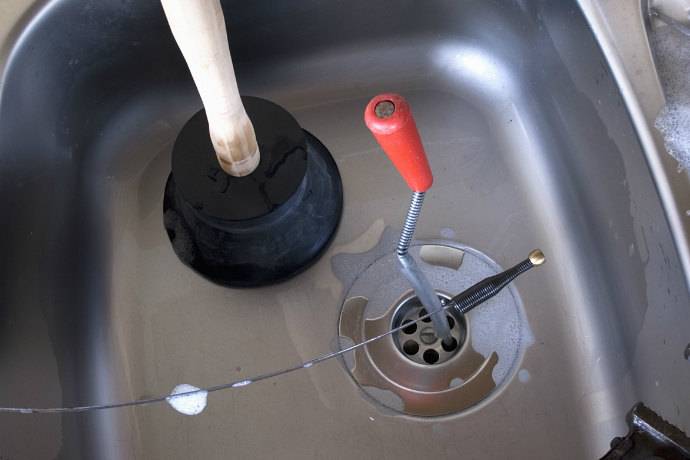


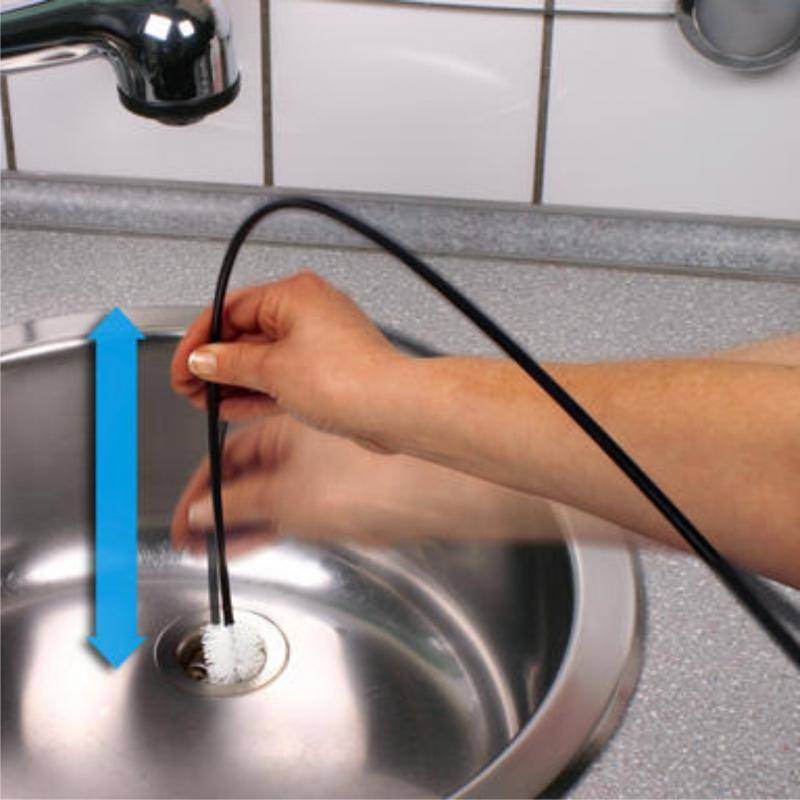


It is possible to free the drain and the line from solid elements only mechanically: using a plunger, a plumbing cable or hydrodynamic action. Under the action of an external load, the plug is pushed into the wide part of the sewer pipe or removed by a device. The mechanical cleaning method has a number of disadvantages: it is ineffective for structures with a large number of turns and dangerous for plastic lines.
To keep your kitchen sink clogged as little as possible, do the following:
- Install a protective mesh at the outlet of the sink to hold large objects.
- Periodically carry out preventive work: flush the drain with special compounds that dissolve fats, but do not damage the sewer pipes.
- Once every few days, drain hot water for 10 minutes to remove accumulated fat from the walls.
- Install a grinder in your kitchen. It grinds the smallest particles of randomly caught debris, which passes through all bottlenecks without any problems.
Ways to eliminate blockage
There are many methods to deal with the problem. You can choose for yourself the one that seems the easiest and least time-consuming and effort.
store means
On sale you can find different types of products - on a liquid and gel basis, in powders.
Consider the most effective options.
The popular Tiret Turbo is characterized by versatility: it is suitable for both metal and plastic pipes. Pour 250 ml of the composition into the drain, leave it for 20 minutes. After the expiration of the period, we use the consistency again, but in a smaller volume: up to 125 ml, we wait the same amount of time. We fill the washbasin with boiling water, about 1.5 liters, to wash off the remnants of the product with dirt from the pipes.
DEBOUCHER, successfully fights blockages of various degrees, suitable for all pipes except aluminum. In standard cases, we use 500 ml of the substance, wait up to 2 hours. If the situation is difficult, you will need a volume of 1 liter - fill it in the evening and leave it until the morning, then turn on the strong pressure of water, rinse thoroughly.
"Bagi Potkhan" is available in the form of a powder, suitable for removing blockages of any complexity. We first free the sink from water, its level should be 50 mm below the drain. Pour 100 g of mass into the hole, wait 3 minutes. Pour 1 glass of boiling water into the drain, leave for the same period. Rinse off debris with warm water.

By mechanical means
To begin with, we will use an ordinary plunger - it will help to cope with a small amount of pollution.
If there are holes in the washbasin other than the drain, cover them with a damp cloth. Then we place the device on top of the drain, with sharp translational manipulations we press and pull - 3-4 times. You may have to repeat the procedure three times to break up debris stuck in the siphon. At the end of the work, a jet of hot water should be started to wash out the remaining litter.




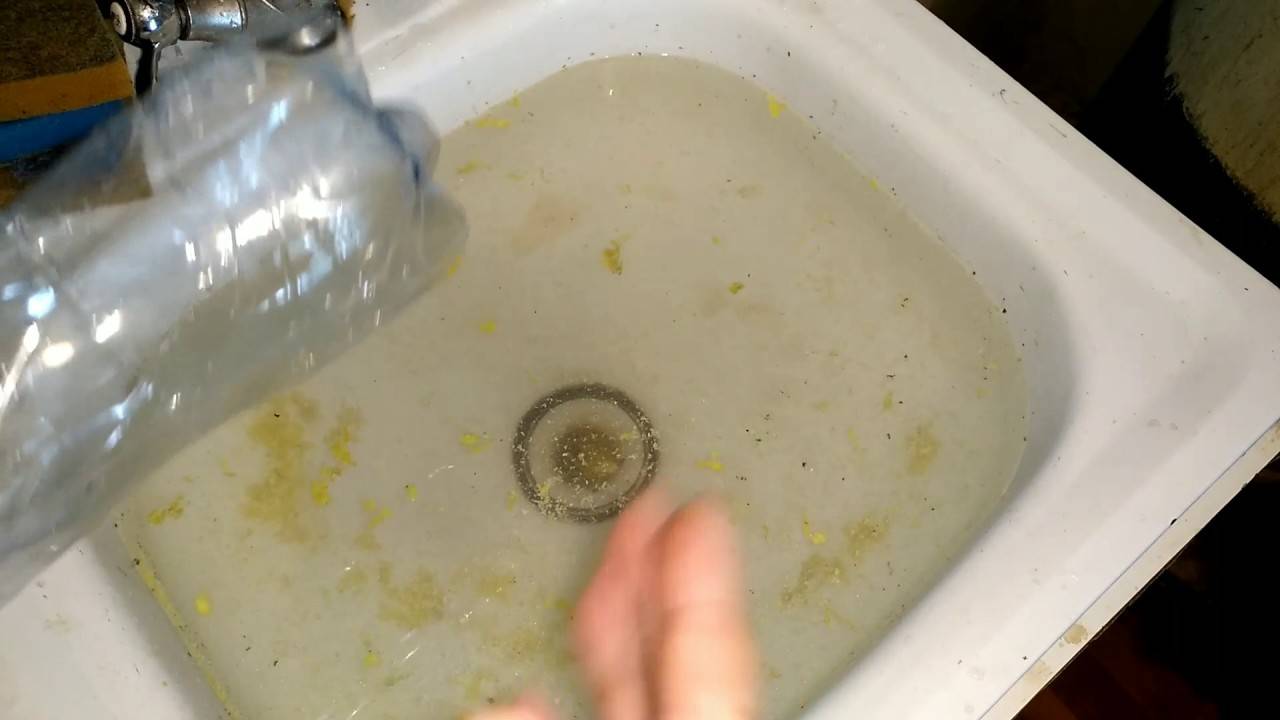



You can use a vacuum cleaner with an air blowing option - this method will work if the amount of dirt is small. Before the procedure, carefully wrap the vacuum hose with a dense cloth, put it in the drain slot. We launch the desired function and blow through the pipes until the result is obtained.
The hydraulic pump is often used in fixing plumbing problems.
First, we fill the washbasin hole with a warm soda solution to soften the accumulations. Pour hot water into the container of the device itself, connect it to the drain. The pressure has enough power to get rid of the blockage. If the first time it was not possible to achieve the desired effect, repeat the process.
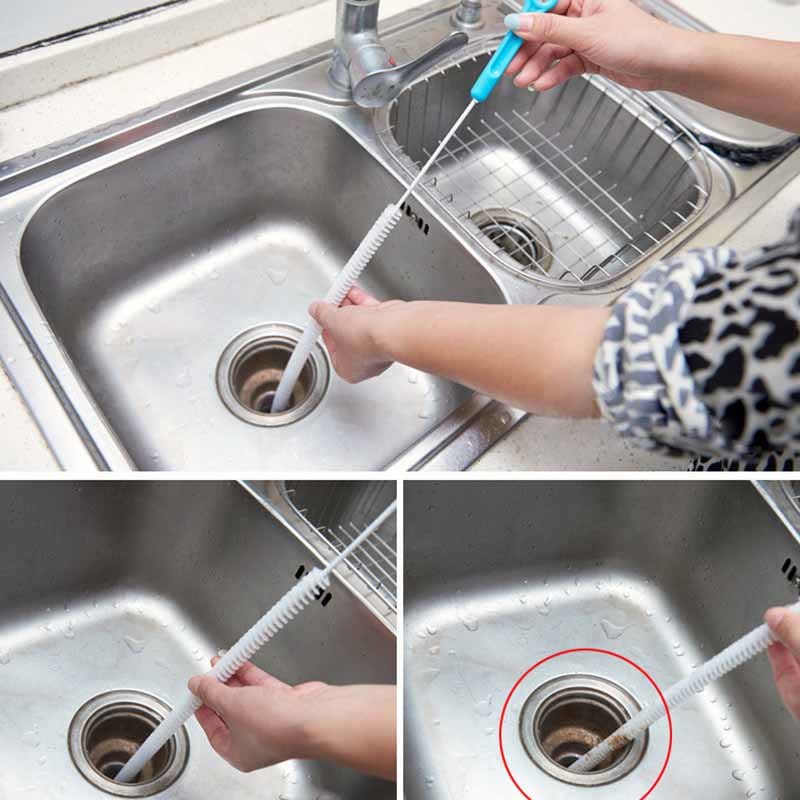
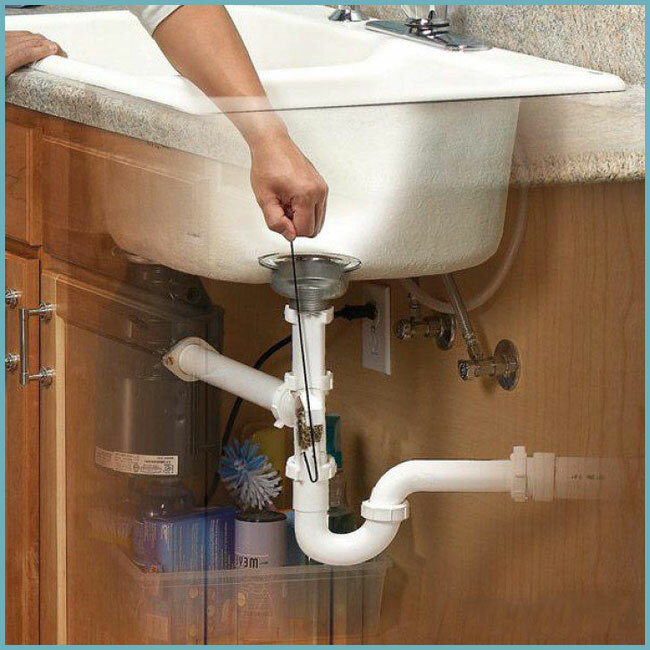
The drill will help in the most difficult cases, when the water has completely stopped passing. It is a cable (length 3 m or more), equipped with a handle.
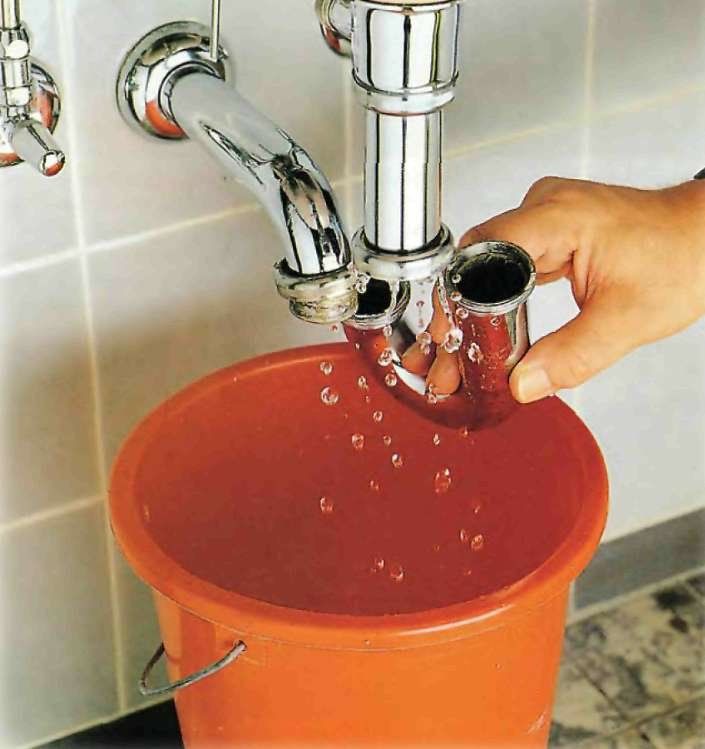
It is necessary to put a container under the washstand - the remaining liquid will merge into it.
We remove the siphon and insert the tool into the sewer socket with careful movements, turning it counterclockwise. With heavy pollution, you will need to remove the device from time to time and clean it. Upon completion of the work, we return the siphon to its place, start warm water under pressure sufficient to flush the system.
Folk methods
There are time-tested methods that were used by our grandmothers.
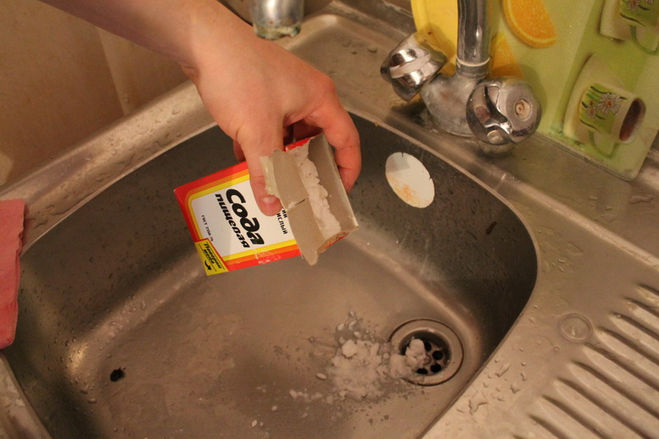
A baking soda and vinegar mixture is an effective remedy that can remove any kind of dirt.
Pour up to 200 g of soda into the hole and add 100 ml of 9% vinegar. The resulting liquid will begin to foam strongly, and so that it does not leak out, close the drain with a tight stopper. We wait 15 minutes, remove the cork and rinse the sink with boiling water.





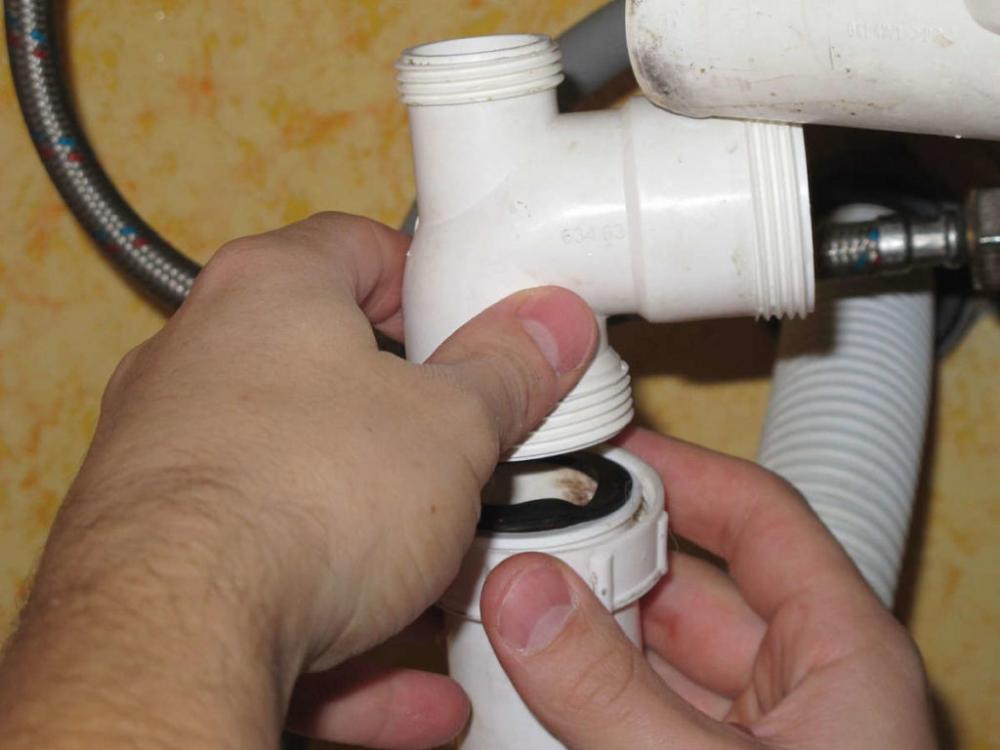
A solution based on salt and soda eliminates blockages of varying complexity.
Mix 200 g of soda and 90 g of salt in a warm liquid. We fill the drain opening with the resulting consistency, detect 20 minutes. Then, using a plunger, we clean the dissolved debris and rinse the plumbing with a hot jet. If the technique did not work on the first attempt, repeat all the steps.
Special cases
How to remove fat deposits in the drain siphon
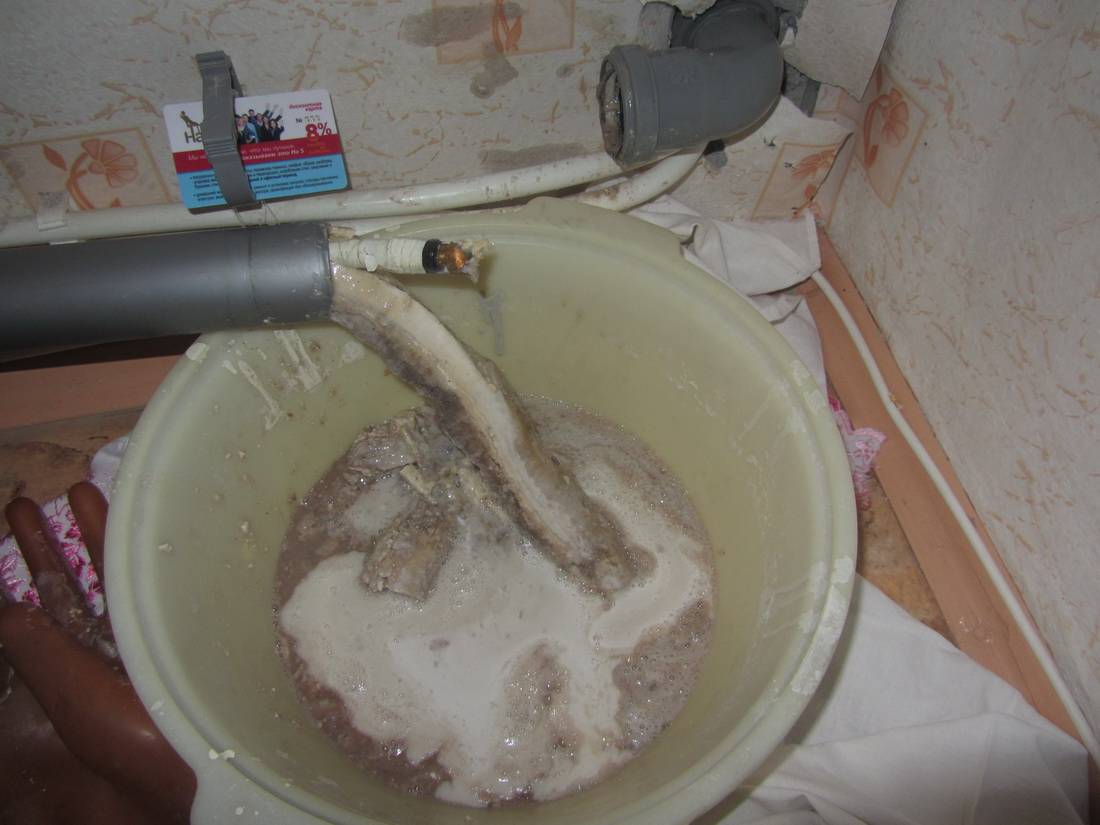
The fat that settles in the drain siphon accumulates over time. In connection with this unfavorable process, the lumen of the pipe narrows, and as a result, its permeability becomes insufficient for the flow of water.
You can clear fat deposits in fairly simple ways:
- for various pipes except plastic - you need to regularly pour a pot of boiling water into the sink, and also clean the drain with a plunger,
- if the pipes are plastic, then the washing powder is diluted in moderately hot water (a glass of powder per 5-liter pan), the solution is stirred well and poured into the sink drain in a slow stream (repeat the procedure if necessary).
Siphon - an element very prone to blockages
Pro Tip: Grease in the trap is a common cause of sink clogs, so simply rinsing the trap for 20 seconds with hot water every time you wash your dishes is an effective clog prevention measure.
How to clean a corrugated drain pipe
On the corrugated surface, the deposition of fat, soap, detergents and various contaminants occurs very intensively. Therefore, corrugated pipes must be periodically cleaned and washed. Otherwise, the risk of clogging becomes very high.
The rules require:
- before removing the blockage, it is necessary to unscrew the pipe from the funnel located in the sink;
- disconnect the top pipe from the drain into the sewer;
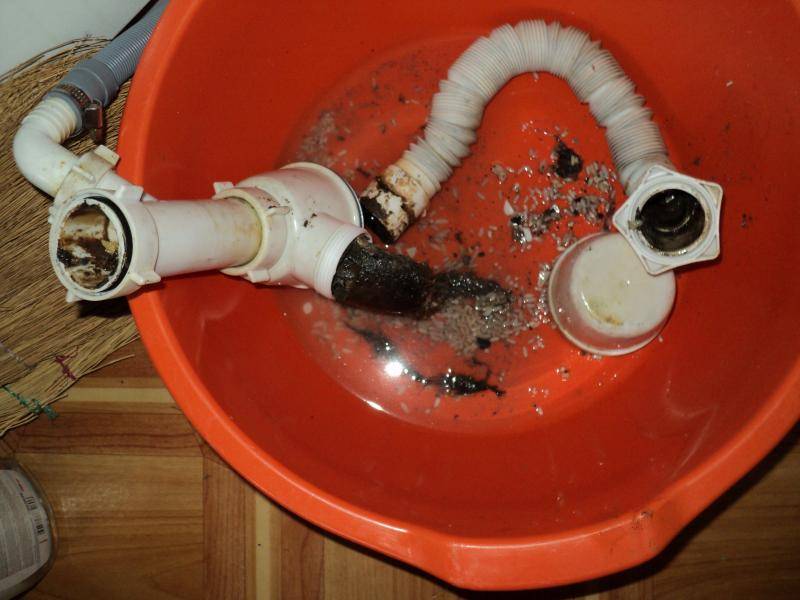
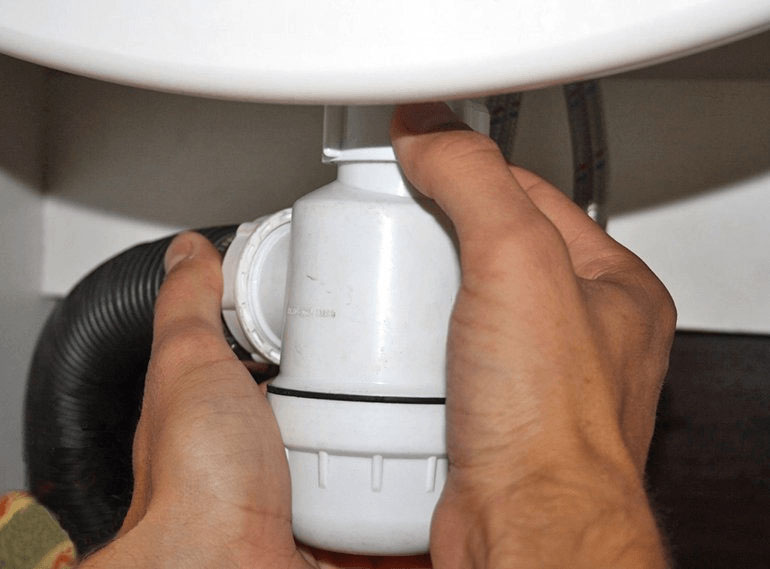
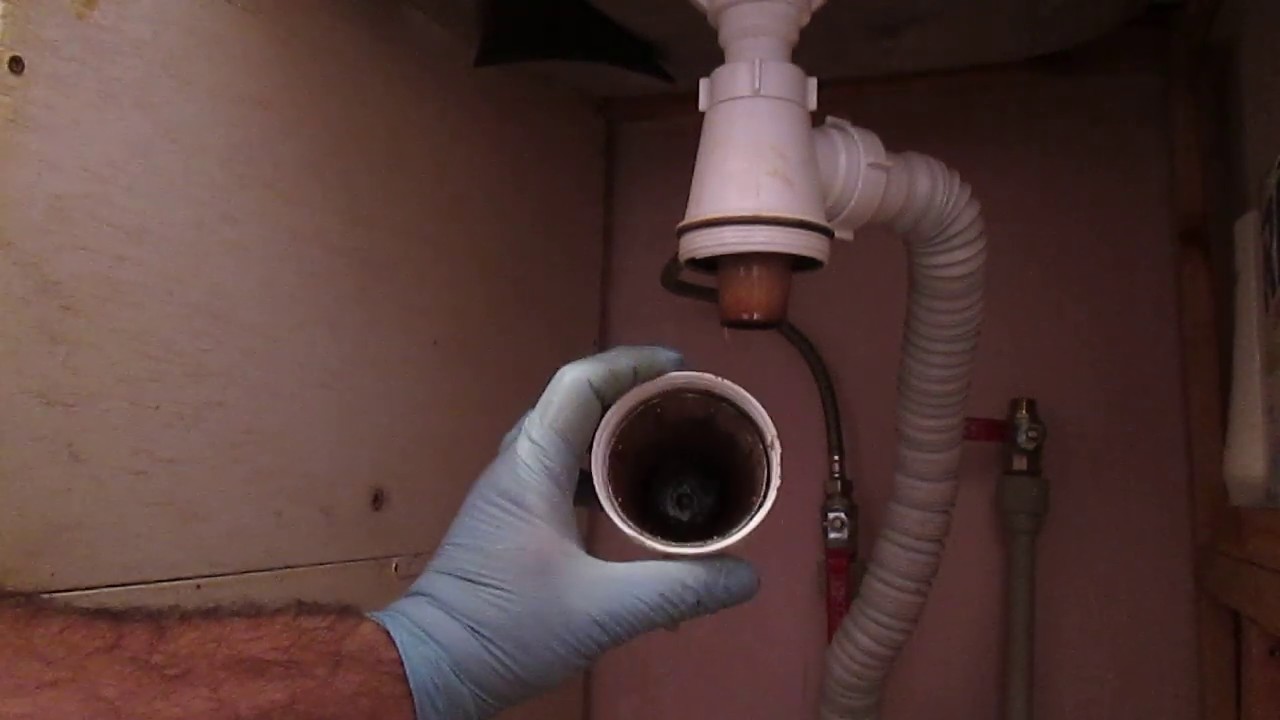
- carefully remove the cranked fold (siphon);
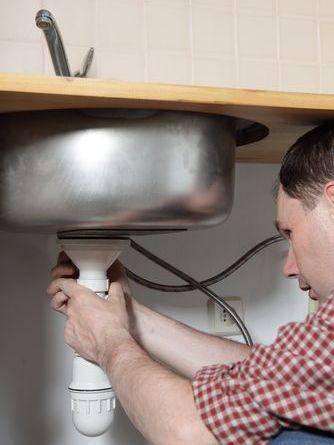
Siphon disassembly
- stretch the pipe so that all the edges straighten out, and rinse it with water;
- a more thorough cleaning of the pipe is carried out as follows:
- with the help of a piece of cellophane and a rope, one end of the pipe must be closed;
- pour hot water into the pipe, and close the other end in the same way as the first;
- taking the pipe with your hands from both ends, carry out circular movements; if you repeat this action several times, the cleansing effect will be much higher;
- the siphon is cleaned, as well as the pipe, sometimes the tank is specially cleaned, designed to settle the water;
- after completion of the cleaning procedure, all parts are tightly screwed.
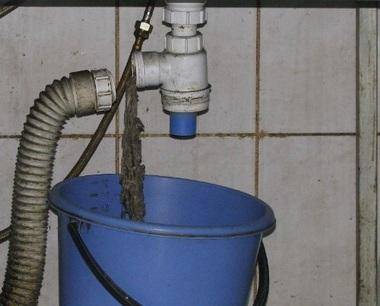
Corrugated pipe is also prone to contamination due to its shape.
Cleaning the drain mechanically
When a plunger, folk and special chemicals can not cope with clogging the sink, you have to resort to radical cleaning methods. You can perform them with a plumbing hook or cable, and even using a washing vacuum cleaner.


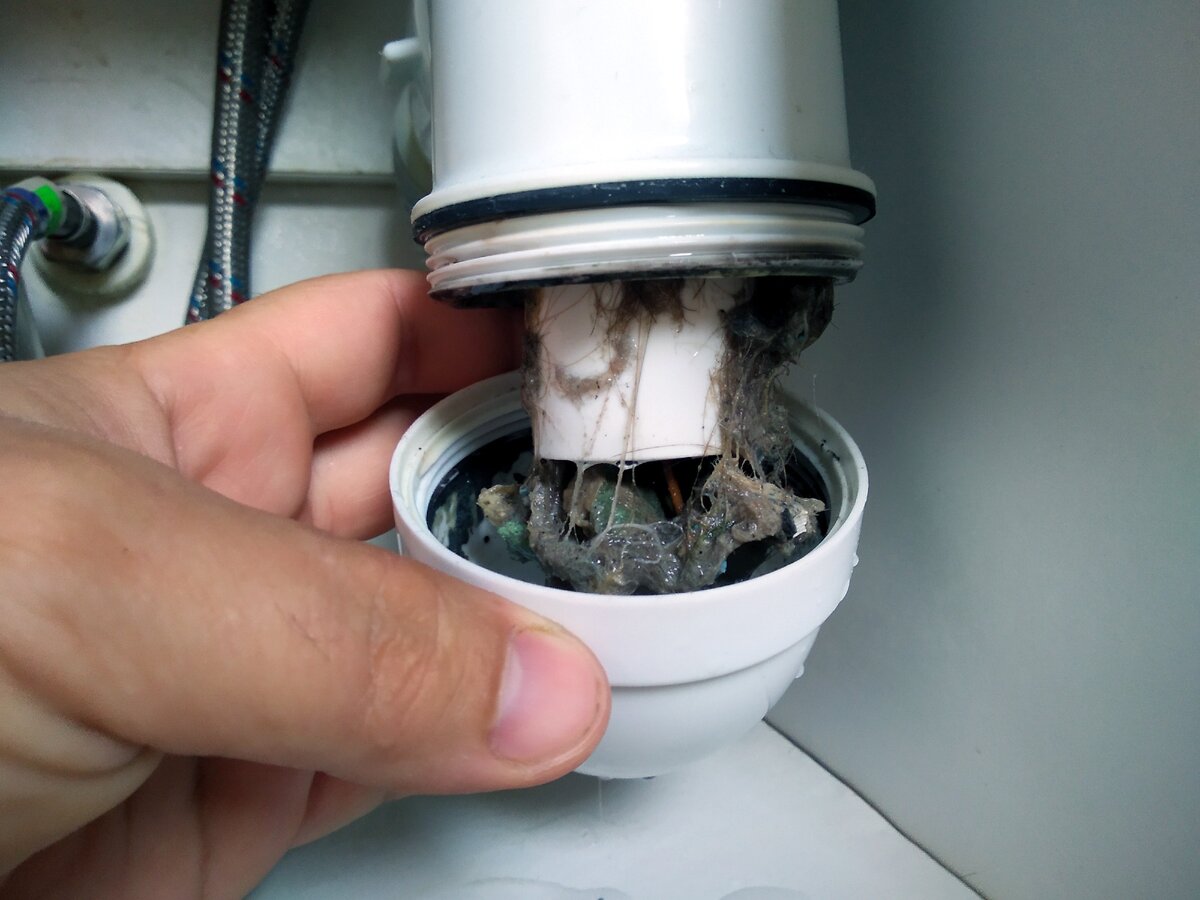



To use the vacuum cleaner for this purpose, you will need a special nozzle. Outwardly, it looks like a plunger cap. The nozzle is pressed against the drain hole, and the vacuum cleaner is turned on for blowing. It will take a few seconds to clear the blockage. You can also use a home car mini-wash. After cleaning, the drain is washed with cold water.
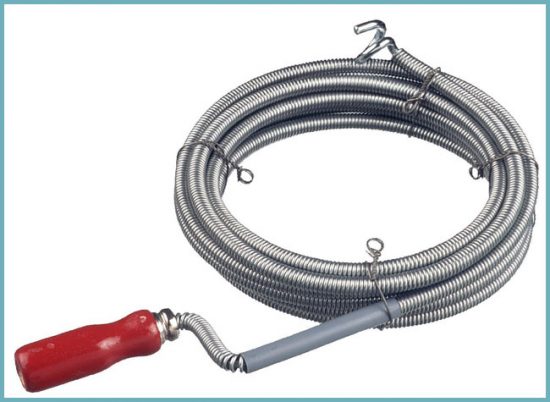 Cleaning rope drain hole
Plumbing hooks and cables must be used very carefully so as not to damage the siphon and pipes.
- The cable is lowered into the drain hole until it hits the accumulation of debris.
- When the movement of the cable is limited, they begin to turn it, while simultaneously making pushing movements.
- When the blockage is eliminated, the drain is washed with plenty of water.
In some cases, you will have to disassemble and clean the siphon. This is not difficult to do, but you need to remember that there is always water in the siphon, and the most dirty and fetid. Before spinning it, be sure to substitute a bucket or other container.
First aid for blockages - 6 easy ways
Perhaps the following simple and completely harmless to pipes (of any kind) steps will be enough to clear a blockage in your kitchen sink, and you will not need to read the article further.
Method 1. Cleaning pipes with boiling water or hot water
Perhaps this is a measure of the very first aid, which is often enough to eliminate blockages.
- If the pipes are steel, pour about 1 liter of boiling water into the drain hole and wait 20 minutes. To clean plastic pipes, we simply run hot water from the tap for 20 minutes as well (water temperature should not exceed 60 degrees). A plug that is not too tightly set should drain into the sewer.
- We check the result by letting a small stream of water. Did not help? Let's try another method.
Method 2. How to clear pipes from clogging with a plunger
- We tightly plug all overflow holes in the sink with a wet rag to block the passage of air and provide a hydraulic column.
- We press the plunger to the drain hole, then sharply pull it towards us.We repeat these steps several times in order to properly “stir up” the cork and break it into small pieces.
- We check the result by releasing a small stream of water.
- Let the hot water flow for a few minutes so that the plug safely goes down the drain.
Hints:
- If there is no plunger at hand, and the blockage is not too complicated, then you can replace it with a glass or a rag. The actions are the same: we press it against the drain - we pull it out sharply.
- If you have a two-section sink, then you need to have two plungers and use them at the same time. That is, when cleaning the drain in one bowl of the sink, you need to close the drain in the second. This will create more suction power. If there is no second plunger, then cover the second drain hole with a damp cloth and press it with your hand.
Method 3. How to clean grease pipes in the kitchen with soda and salt
A blockage in the sink in the kitchen is often formed due to the abundance of fat frozen in the pipes. In this case, regular salt and soda can fix the problem.
- Dissolve half a cup of salt and 1 cup of soda in a glass of water and pour the resulting mixture into the drain, wait 5-10 minutes.
- With a plunger (or a rag), we act as described above (see method 2).
- Rinse pipes with hot water.
Method 4. Eliminate blockage with vinegar and soda
Another popular way to clean pipes in the kitchen at home is with vinegar (9%) and soda. The caustic foam formed as a result of the chemical reaction of these components should corrode the blockage.
- Pour 150 grams of soda into the drain hole, and pour the same amount of 9% vinegar on top.
- Close the drain with a stopper so that the foam does not come out.
- Wait a couple of minutes, then turn on the hot water with full force - this will help push the cork.
Method 5. Elimination of blockage ... Alka-Seltzer
If there was suddenly no soda in the house, but there is Alka-Seltzer, then he will also be able to clean a moderately clogged siphon. By the way, this tool has another bonus - the unpleasant smell from the sink will disappear.
- Pour a couple of Alka-Seltzer tablets down the drain hole, and then pour 1 cup of 9% vinegar.
- After 2 minutes, run the hot water all the way down to help push through the dirt.
Method 6. How to clean the blockage in the pipes with a vacuum cleaner
Do you have a blower vacuum cleaner? Excellent! We wrap the vacuum cleaner pipe with a rag so that it fits snugly into the drain hole. The strong airflow from the vacuum cleaner will push through the stagnation.
How to choose the right cleaning agent?
It would seem, what could be easier than buying a ready-made chemical to remove blockages? But, given the widest choice offered to the consumer, making the right choice can be difficult.
To understand this, we note that on the shelves of specialized stores you can find products whose active ingredient can be both alkalis and acids.
Acid-based products should be treated with extreme caution, since the concentration of acid in them is sometimes high enough to damage plastic sewer pipes that are not compatible with it.
In addition, it is important to remember that it is forbidden to pour alkaline and acidic agents into the drain hole at the same time, since as a result of their mixing, a chemical reaction may occur, during which an explosion will occur or poisonous gas will be released. This will not only eliminate the blockage, but also lead to damage to the sewer pipes.