
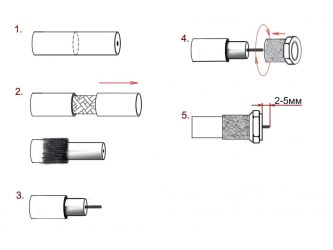
- Steps
- Antenna connection
- Connecting the cable to the antenna
- How to connect the antenna cable to the plug (option 2)
- Which antenna plug is better
- How to lengthen a TV cable
- Via adapter or plug and socket
- Solder connection
- Twisting
- Connecting multiple cables through a splitter
- Antenna connection for 2 TVs
- Connecting to a splitter (splitter)
- Frequently asked Questions
- Is it possible to connect a TV cable with your own hands without losing quality
- TV Interference Elimination
- Which antenna plug is better
- Where should you start?
- View overview
- winding
- Crimp
- Compression
- The operation flow of the electrical connector attachment
- Conclusion
Steps
Antenna connection
Determine how to connect the antenna to your TV.
It will probably be the so-called F connector
or round threaded with a small hole at the end. There are older types of connectors, such as the Belling Lee connector or flat connectors, but the F connector is best for a digital signal.
Please note: If you have an old type connector, go to a radio parts store or a TV store and buy an appropriate adapter.Digital TVs have a dedicated digital input, usually labeled "DTV" or "DTT"
They will not be able to directly connect the connectors of the old types.
Connect the antenna to your TV using an RF coaxial cable (also known as an "F" cable).
There are two main types: with screw and regular plug. Both options are good, but the screw connection is still more reliable.
Set up your TV.
Using the settings menu of your TV (see the operating instructions for specific steps), set the signal reception to “From Antenna” or “Over the Air.”
Some TVs have multiple inputs: make sure you are using the correct input during setup. If you have cable TV and multiple inputs, you can use one for the cable and the other for the antenna.
Adjust the antenna.
Scan all TV channels to see which channels are in range. If you see a fuzzy picture, turn the antenna so that the signal is clear.
Please note that some antennas are motorized, so you don't have to go up to the roof to adjust the antenna.
Digital TVs may have special menu options for full scan and manual scan. To optimize the position of the antenna, you should perform a full scan every time you change its position.
Each time write down all the settings, do a full scan and count the number of channels found.
Define all broadcast sources.
Locate each channel's broadcast source (distance and angle) using the appropriate map for your area.If all channels are transmitted from the same direction (within 20 degrees), then it is better to use a directional antenna.
- If you need different settings to receive different signals, then write down not only the number of received channels after scanning, but also which channels.
- Determine the main parameters you need and write them down.
- To add all the channels to your TV's menu, do a manual scan after each setup and point the antenna appropriately for each channel you watch.
- Some TVs memorize channels that are received well enough for a clear picture. You can use this when looking for broadcast sources.
- You can buy a better outdoor antenna. You can also purchase a steerable motor that will rotate the antenna to the optimum position to receive each channel.
- If you need to run a cable, make sure you use a double-shielded coaxial cable with two layers of foil and two layers of braid around the dielectric (these are the parts of the cable). This will give you a better quality signal and reduce interference - which means a good picture!
- Cable TV companies also use RF cable to transmit their channels. You can buy a simple switch to connect your cable TV and antenna to the same input at the same time.
- In the US, on the FCC website, you can find station reception maps for most American cities, as well as signal ranges.
- The VCR also has an RF connector on the back, usually even two. If you want to have a VCR plugged in, connect the RF antenna to the Entrance
VCR to send the signal directly to the VCR.- The VCR also has a built-in tuner for selecting channels and a mini transmitter called a modulator. It outputs a low power radio signal to the output of the VCR.
- You can set up this modulator to transmit different channels. The signal will go through the RF cable connected to the connector Exit
and go to your TV tuner. - Tune in to the channel you chose to transmit on the modulator. Leave your TV tuned to this channel and use the VCR's remote control to select channels.
- The best place to buy an antenna is an electrical wholesaler. There you can buy the same antennas that installers use. In addition, you can learn more about antenna pointing methods.
Connecting the cable to the antenna
Connecting the TV cable to the antenna should be carried out with the obligatory observance of the rules for switching electrical appliances, guided by the diagrams available in the technical passport of the TV. To complete the work you will need:
- splitter;
- antenna cable;
- antenna amplifier;
- wire cutters;
- a sharp knife or scalpel;
- soldering iron.
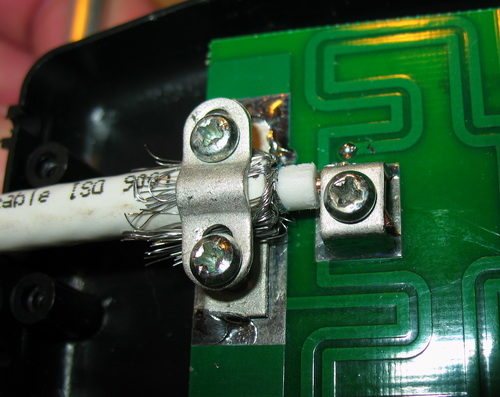
The cable is connected directly to the TV antenna using screw clamps.
The cable, splitter and amplifier must be installed next to the routed cable. In an individual house, the best place to place all appliances is the attic. The end of the cable coming out of the antenna is connected to the amplifier through a special terminal. From the amplifier, the signal comes to the splitter, to which the television receivers in the house are connected.When connecting to a satellite dish, you will need to use a receiver to which the cable is connected via the antenna connector. The preparation of the cable is carried out in the same way as cutting it before connecting it to the plug.
How to connect the antenna cable to the plug (option 2)
An earlier version of TV plugs was a combined metal-plastic design. Something like that.
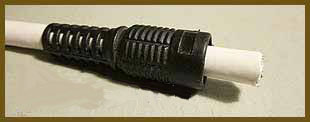
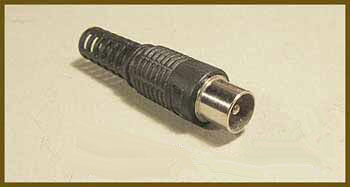 If you purchased a similar plug, then you should mount it according to the following algorithm. First of all, we disassemble the plug and pull the plastic part onto the cable. This part must be on the cable when mounting the metal component in order to wind it up afterwards. If you miss this nuance, then it will be impossible to put the plastic case on the cable, after that it will be impossible.
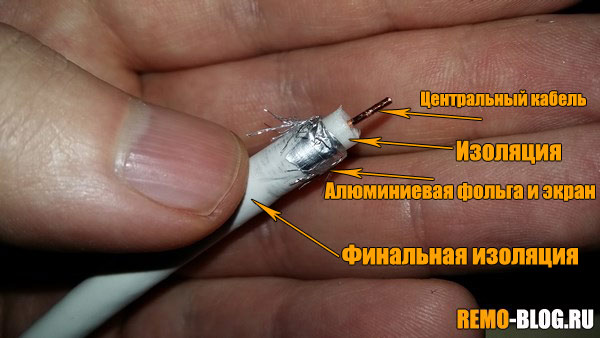
Now we remove the insulation, about 15 mm. At the same time, we also cut off 5-7 mm from the shielding foil with a braid.

Next, we take the metal part and crimp the shank around the braid. For this, it is better to use small pliers. In this case, it is necessary to guarantee the installation of the central core in its place.
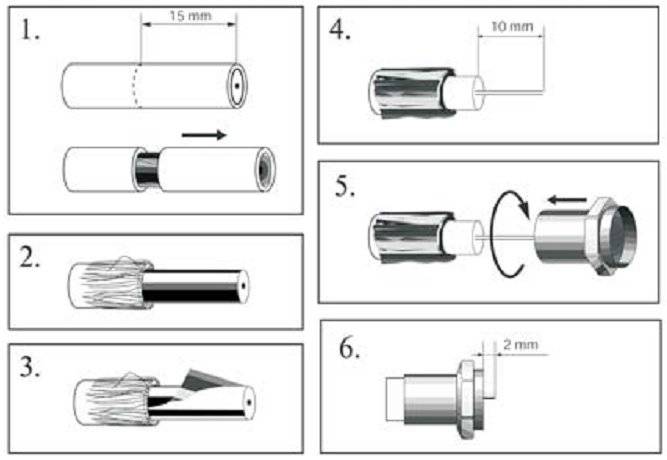


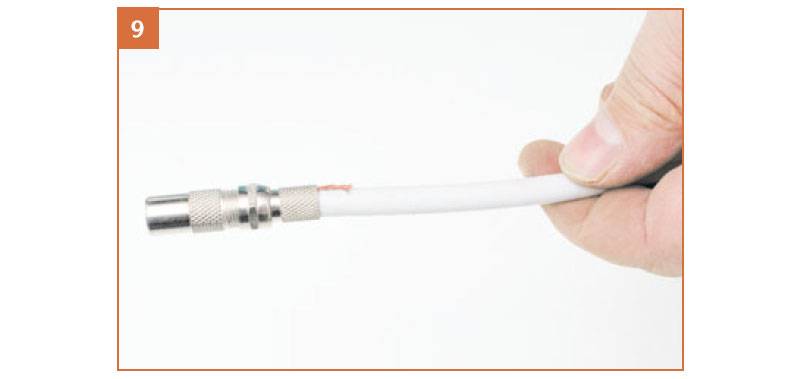


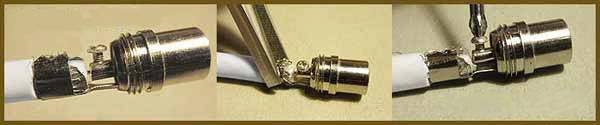
We clean the central core from insulation and insert it into the hole designated for it. We tighten the fixing screw. After that, what remains is to screw the plastic case onto the metal part of the plug attached to the television cable.
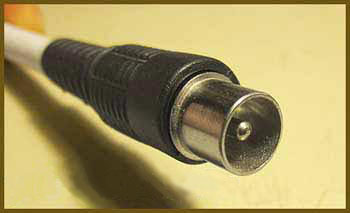
That's all. The plug is ready to be connected to the TV.
Which antenna plug is better
If we consider plugs, then the user must proceed from his needs and capabilities. It is clear that it is necessary to choose modern F - plugs, and not Soviet, old options.
If a person does not have knowledge of how to properly connect such structures, then he should choose the simplest first type. If he has special devices for connection, then it is advisable to give preference to the third option. It will provide the user with a stable connection, as well as fast conduction, unlike the first option, which can work intermittently.
Ask an expert
Can the cable be connected without a plug?
Yes, there are options for such a connection, but they should not be practiced on an ongoing basis, as the connection will be unstable and poor.
Where to buy plugs?
Any TV store. There will be no problems with the search.
Can I connect the plug myself?
Yes, if the user has basic knowledge, then the connection can go through without a professional.
How to lengthen a TV cable
Cable extension, like connecting TV cables together, increases signal resistance, so they should be kept to a minimum. The number of connections should be no more than 1-2. If necessary, this can be done in different ways.
Via adapter or plug and socket
How to connect the antenna cable to each other
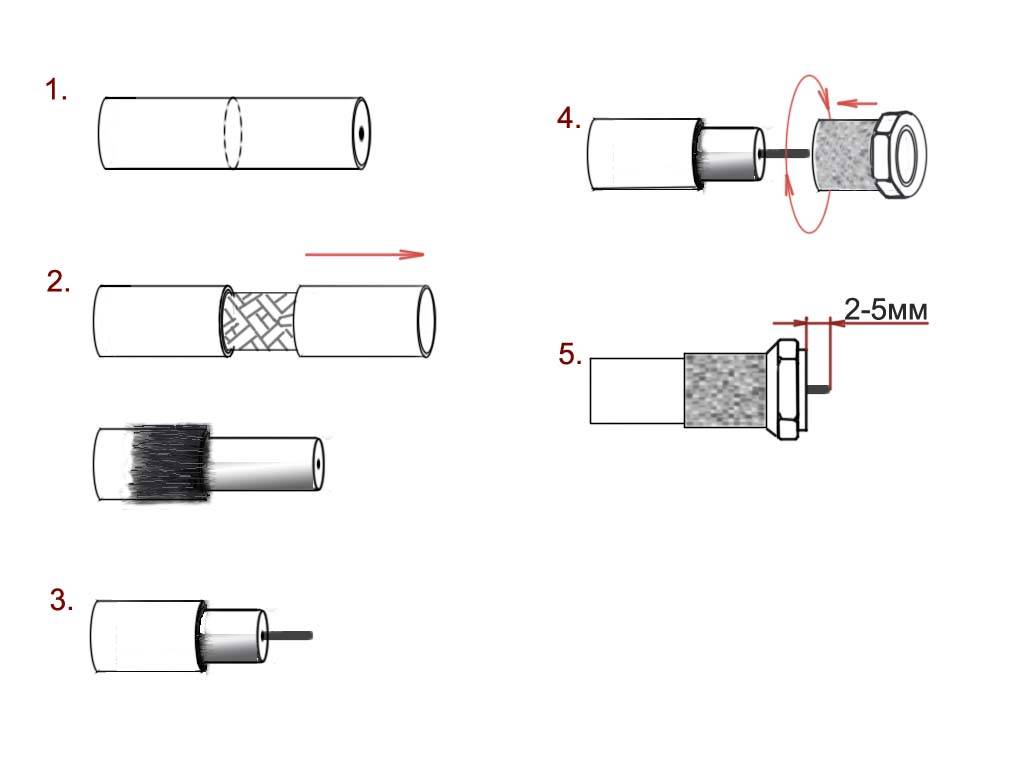
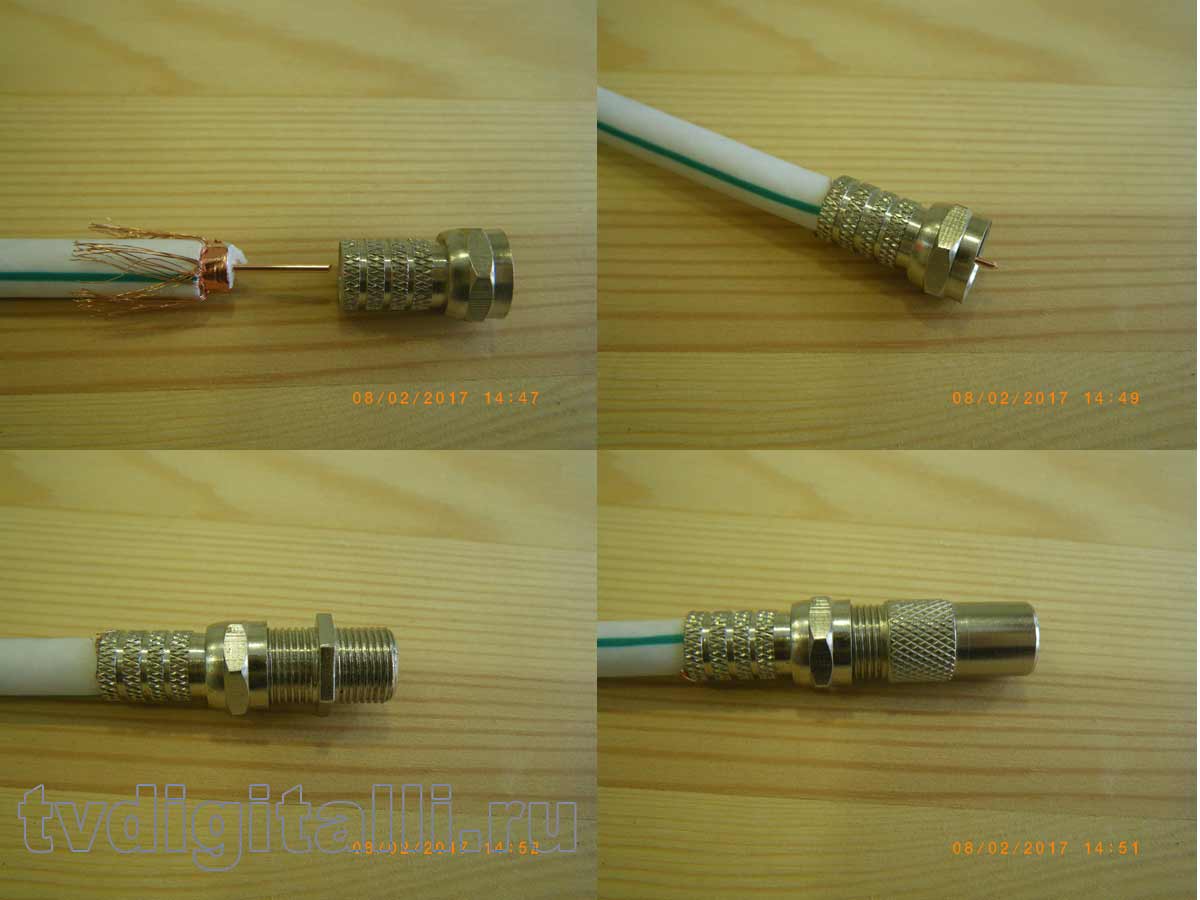
The easiest and fastest way to connect a TV cable is F-plug and F-socket:
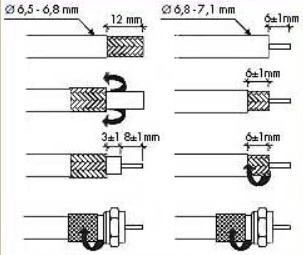
- Remove the outer layer of insulation on one of the wires at a distance of 25-30 mm;
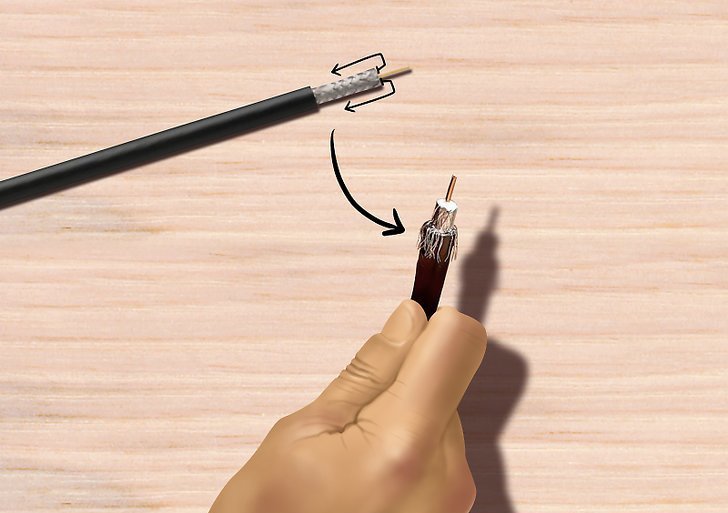
- Wrap the braid in the opposite direction. The inner side of the aluminum foil is covered with lavsan or polyethylene for strength, therefore, to ensure contact, part of the screen is folded back;
- Strip the end of the central core to a length of 10 mm. This must be done without damaging it, otherwise the wire becomes brittle;
- An F-plug is screwed onto the TV cable through the foil. The central wire should protrude 0.5 cm. The excess is cut off with wire cutters or side cutters;
- Operations 1-4 are repeated for the second end of the cable;
- The prepared F-plugs are screwed into the F-socket.
The connection with a TV plug and a TV socket is carried out in the same way. The difference is in the lower mechanical strength, so the finished joint is wrapped with electrical tape, or a piece of heat shrink tubing is put on it and heated with a hairdryer or a lighter.
Interesting. Connectors are available in both straight and 90 degree angles. Curved are used when there is no room for a smooth bend of the cable. The installation method does not change with the use of the angled connector.
Solder connection
Another way to securely and efficiently connect wires is soldering. This is cheaper, but more difficult and longer than using a connector:
The outer shell is cut with a knife to a length of 50-60 mm;
Carefully! The shielding braid must remain intact.
- Like the skin of a banana, the outer insulation and shield fold back;
- The central core is cut to a length of 20mm;
- The insulation is cut to a length of 10 mm on one side. As shown in the photo, it is necessary to leave the “step”;
- The central core is bent at an angle of 45 degrees. The ends are tinned;
- Operations 1-5 are repeated for another cable;
- The central cores of the connected wires are soldered “overlapped”. Irregularities and streaks of tin are removed with a needle file or soldering iron;
- The place of soldering is closed on both sides with the remaining uncut insulation of the central core, and is wrapped with electrical tape for strength;
- The aluminum foil of the screen is put back in place;
- The shielding braid is put in place one by one.For better contact, the screens can be soldered;
- The previously bent outer insulation is applied to the connection on both sides;
- The finished structure is wrapped with electrical tape, or a previously worn piece of heat shrink tubing is pushed onto it and warmed up with a hairdryer.
Attention! On the inside, the shielding foil is covered with a layer of insulation, so the layer laid on the outside turns inside out
Twisting
This is the worst way to connect. In the place of twisting, contact is lost, it is oxidized, mechanically fragile and has an unaesthetic appearance. There are two ways to connect with a twisted cable:



- Similar to a solder joint. Instead of soldering, twist the central cores together;
- Strip the outer insulation by 40-50mm, and the inner one by 20-25mm. Twist the central wires and screens in pairs, insulate the twisting points with electrical tape.
Connecting multiple cables through a splitter
When connecting one antenna to several TVs, the connection is made through a special device - a splitter, or “crab”.
It's a small box with one input marked "IN" and several outputs marked "OUT". TV cables are connected via F-connectors or TV-plugs.
Inside the splitter is a ferrite ring with windings, and in cheaper models - resistors. These elements distribute the input signal evenly across the outputs, so it is not recommended to install a “crab” with spare outputs.
With more than four outputs, an active splitter is installed - the device in which the amplifier is located.
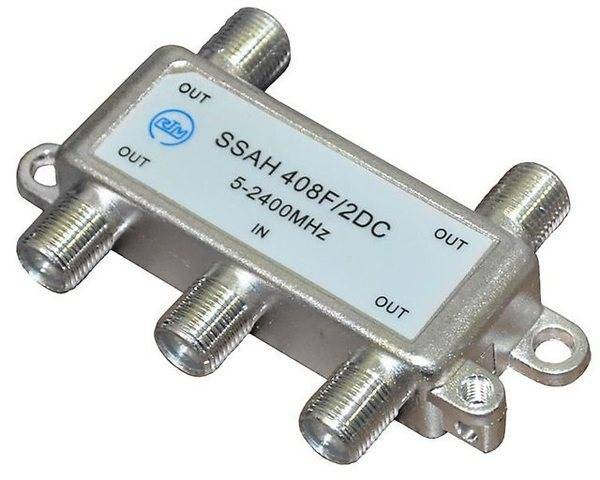
Splitter
Antenna connection for 2 TVs
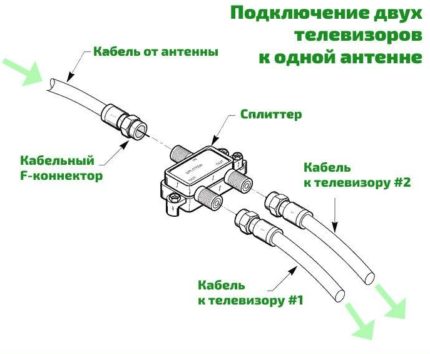
Often, several television receivers are installed in the apartment, one in each room.To split the signal into several devices, a special splitter is used - a splitter.
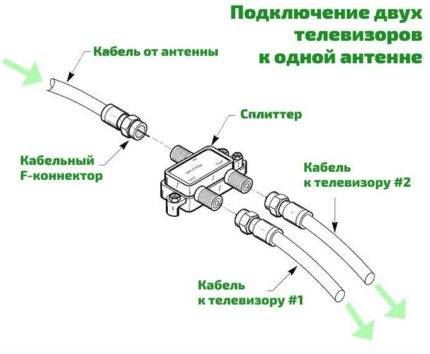 Scheme for connecting a splitter to an antenna and TVs. The F standard plug is connected on one side to the coaxial cable, on the other - to the input connector of the splitter
The choice of a splitter depends on the number of receivers: how many TVs, how many outputs on the device. But we must not forget that the signal arriving at the antenna will be divided into as many parts as there are broadcast receivers connected.
And if the signal quality is not the best, then when even a second TV is connected, the image or sound can suffer greatly. It is realistic to fix the problem with an amplifier installed near the antenna (if it is passive).
We talked about the principle of operation of the amplifier in our next article.
Connecting to a splitter (splitter)
Nowadays, no one can be surprised by the presence of a TV in every room. A small problem is to feed the TV signal to all receivers, since in most cases the signal source is the same. The solution to this problem is to use an antenna splitter. The quality of the picture when connecting TV receivers through a splitter may deteriorate somewhat, but the connection process itself is not difficult and takes just a few minutes.
The step-by-step connection scheme can be represented as follows:
- choosing the location of the splitter and fixing it in it;
- removing plugs from used connectors;
- cutting and connecting TV cable.
Frequently asked Questions
Question number 1.Is the F-plug for digital for digital TV signal transmission, or only for analog?
Despite the fact that this type of plug has been used for a long time, both its connector and characteristics allow you to fully enjoy not only analog (by the way, in the near future, permanently stopping broadcasting) television, but also digital and satellite TV signal.
Question number 2. What to do and what to do if the cable diameter turned out to be slightly smaller than the diameter of the internal thread of the plug? Indeed, in this case, reliable compression will not work.
In this case, it is recommended to wrap the required number of layers of electrical tape on the cable to fit the cable diameter close to the inner diameter of the plug.
Question number 3. If you install the plug in the appropriate socket, the TV cannot be placed close to the wall. What is the way out of this situation?
In this case, you should use an angled plug, which can be bought at almost any store selling electrical household appliances.
Question number 4. In old Soviet-made TVs, the cable was connected to the plug by soldering. How to connect a modern type of cable to it?


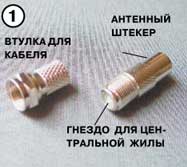
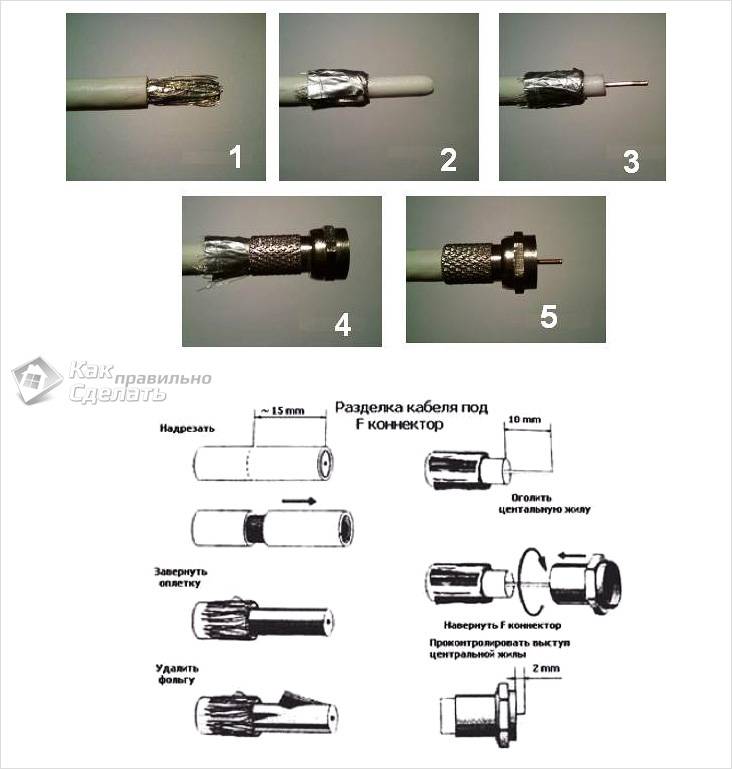
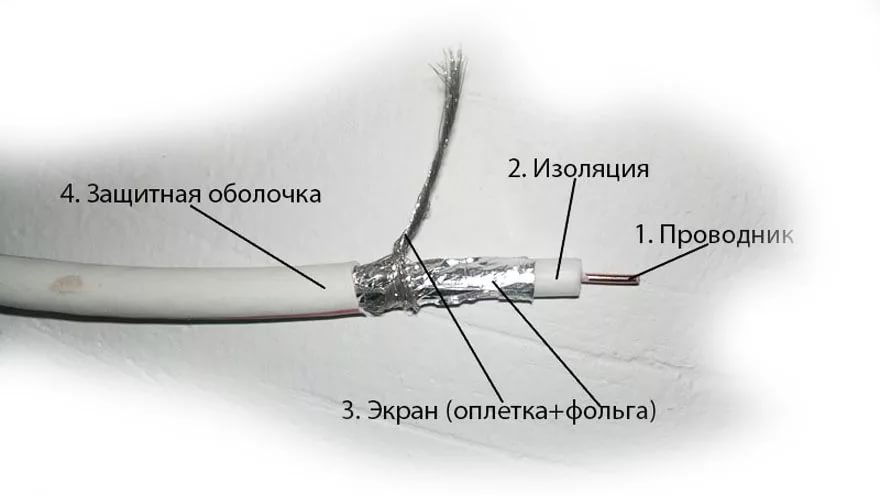


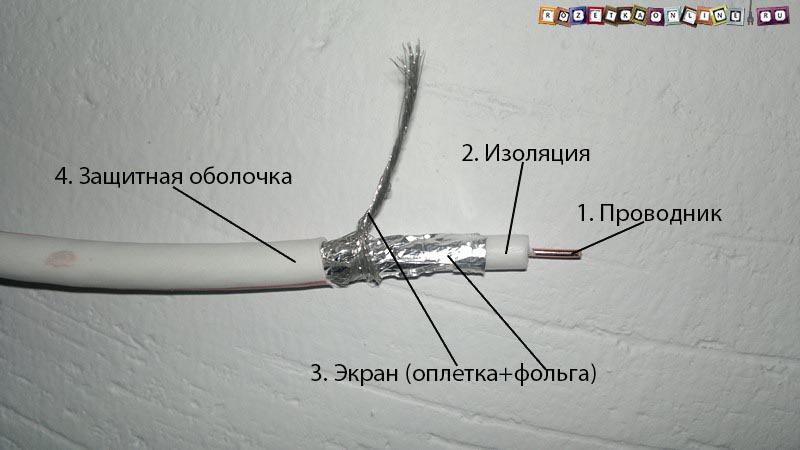
If the signal quality deteriorates or the cable needs to be replaced due to poor contact, the plug and cable can be connected as before by soldering.
Question number 5. How can I connect several TVs to an antenna or cable TV network at once?
To connect several television receivers, you can use a special device - a splitter, also called a "divider" or "splitter".
Using splitters to connect multiple TVs to one TV cable
Is it possible to connect a TV cable with your own hands without losing quality
To correctly connect a telecommunications wire with a coaxial cord, one of the following methods should be used:
- Purchase a regular extension cable of standard length, with which you can increase the length of the antenna cable up to 20 meters;
- Use special F-sockets that allow you to connect antenna wires without soldering;
- Modern technologies allow you to extend several wires at the same time using splitters;
- Solder the wires together to create an inseparable connection.
 Connecting the Antenna Wire
You should also pay special attention to choosing the right coaxial cable, since the antenna wire has a resistance of 75 ohms. The outer braid must have maximum elasticity, as this property will allow it not to break on bends.
In addition, in order to avoid loss of image quality, it is necessary to purchase products that have a dense inner braid to guarantee reception of a stable continuous signal.
Note! The dielectric that acts as an insulator must be made of polyethylene and foil to prevent signal failure due to external interference during operation. The cable core can be made of copper, aluminum or steel
The frequency signal settings should be low.
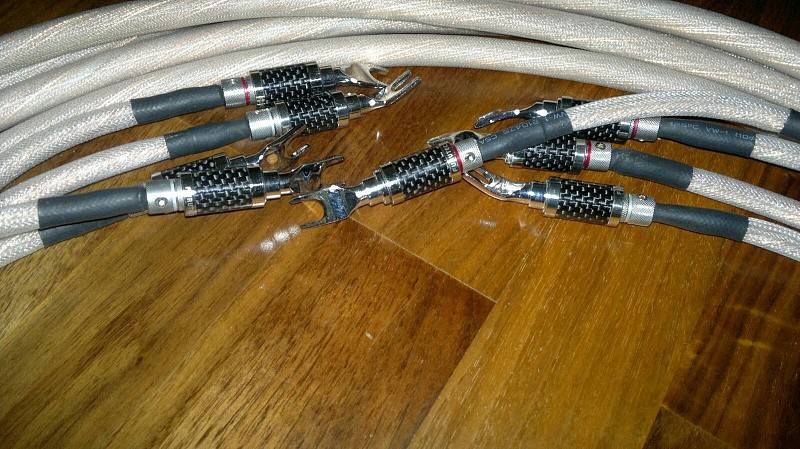 Cable connection without network loss
TV Interference Elimination
The external electromagnetic effects on the wire lines that occur during the operation of the TV are eliminated by increasing the self-induction coefficient, using a special ferrite filter, which is used to suppress high-frequency interference in electrical networks.
The ferrite ring is a node of the electrical network of the power supply, filtering, absorbing high-frequency interference. Their impact allows you to:
- single-core wires absorb radiation, convert them into heat, heating the conductors; amplify, returning a fraction of the high-frequency magnetic field to the insulated conductor, incoming pulses;
- stranded to act as a common-mode converter, passing signals through one signal and common wire, extinguishing commensurate ones.
The need to receive a simultaneous normal TV signal for the likes of a mounted TV requires the use of a "crab". The separator from the antenna, a common dish is used in residential multi-apartment buildings, places of temporary residence, sports facilities. The power of the incoming television signal is divided into equal shares between all connected devices.
A properly mounted "crab" retains the necessary power, provides high-quality digital, audio signal transmission during the long-term operation of the television unit.
Which antenna plug is better
The answer is unequivocal: the best of the three plugs considered for a television coaxial cable is the F-plug. This is easy to see in the photographs above, even without special knowledge.
As you can see, the antenna plug of the old design and the Soviet antenna plug have a small section of the central core of the cable that is not covered by a shielding braid. This violates the uniformity of the wave impedance, which leads to insignificant losses in the television signal.
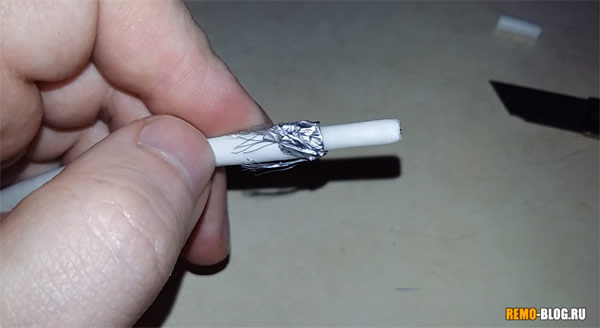
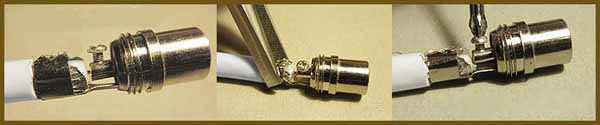


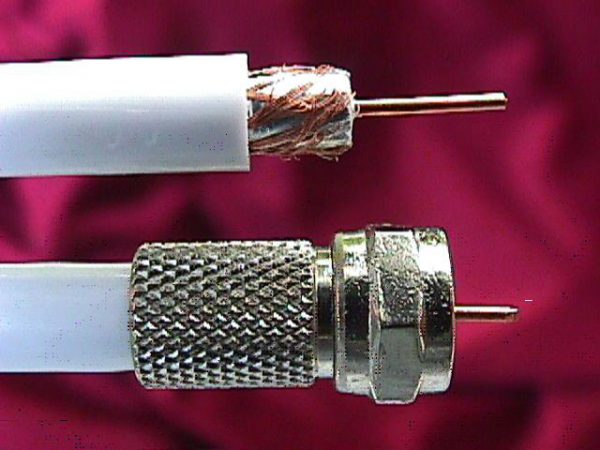



The F-plug does not have an open section of the central core of the antenna cable. Another advantage of the F-antenna plug is the ease of installation. With a minimum set of standard tools, without skills, almost anyone can correctly put the antenna F-plug on the cable.
Where should you start?
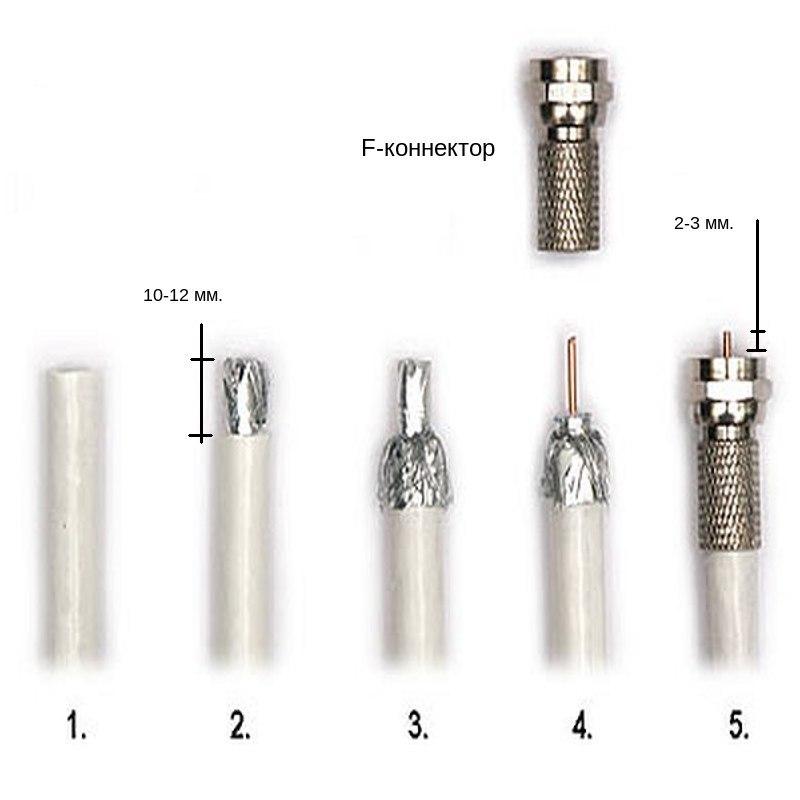
Before connecting the antenna cable to the plug, you need to carry out preparatory work. The connection is carried out in two ways: the shielding braid is wrapped, but you can also do without it. Judging by the numerous reviews, the best and most reliable contact is achieved with a wrapped braid. The cable is cut with a knife or cutter. To do this, one and a half centimeters recede from its end. Next, carefully cut the outer insulating layer in a circle.
It is important that the braid and aluminum foil remain intact. The cut insulation is removed
As a result, both the braid and the foil should be open. Then they turn back.
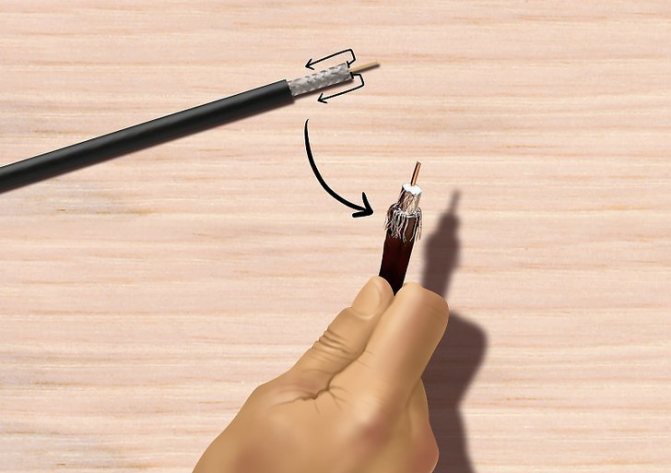
In order to improve the strength of the foil, it is wrapped with polyethylene from the inside. According to experts, during stripping, the foil is often damaged. If the plug is put on a cable with the foil turned away, the contact will be of poor quality. Therefore, some craftsmen bend part of the foil back with a conductive part from above. After that, it is necessary to remove the insulation from the central core. In this case, they also recede from the end of the wire, but by 10 mm
It is important not to damage the cable itself
View overview
Let us dwell a little more on the review of the main types of television plugs.
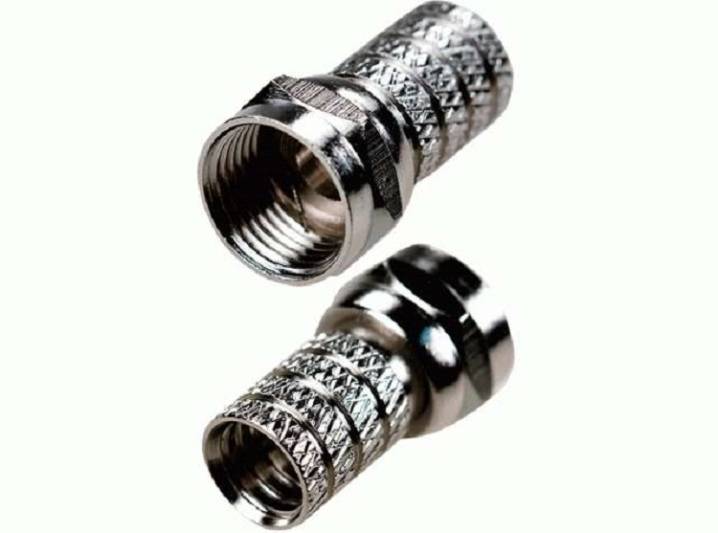
winding
This model with an amplifier in the form of a pressed nut has received quite a wide use among modern users. Its popularity is explained very easily - connecting such a plug is very simple. At the same time, connectors of this type have their drawbacks:
- insufficient thickness of the crimp ring often causes damage to the plug during installation;
- shortened internal thread, which does not allow the wire to be fixed tightly in the connector;
- during the winding of the connector on the cable, the conductors of the braid often break and the protective layer twists.
Crimp
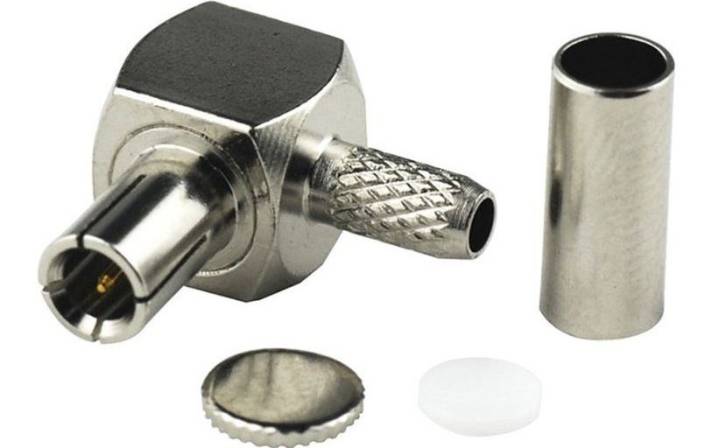
The crimp F-plug for the TV is characterized by a simplified mounting method. To do this, in accordance with the basic rules, prepare the cable, then insert the main wire into the narrow hole of the convector, cut through the foil and winding well and fix it to the outer wall using a crimped movable sleeve
We pay special attention to the fact that before clamping it is necessary to distribute the bent layer as evenly as possible around the entire circumference of the wire.
Compression
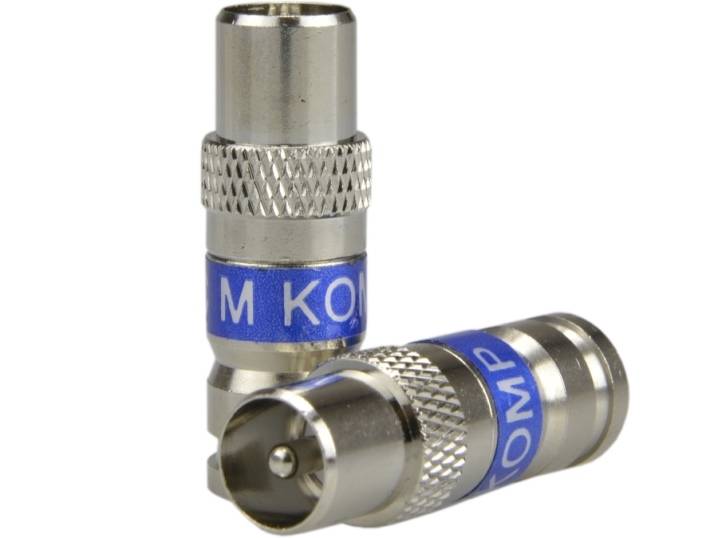
These antenna connectors for television equipment are considered the most reliable in this series. However, their installation requires professional tools, as well as the specifics of understanding the features of fastening. The fact is that the prepared cable is inserted into the compression connector using special clamping pliers, while the crimp sleeve itself is pulled towards the functional end.
The operation flow of the electrical connector attachment
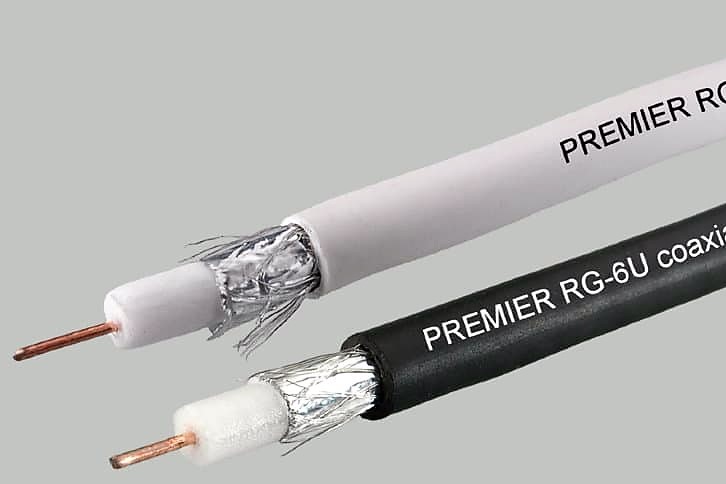
The television cable is cut by carefully releasing it from the outer sheath. Aluminum foil, copper braid are bent, insulation is removed from the main conductor. The plug fits tightly onto a thin metal braid, without creating the possibility of connecting to the main core. A socket-sleeve is attached to the structure.

In many TVs, the connection takes place with Soviet-made antenna plugs. The appearance of a bad TV signal requires resoldering tinned contacts. The place of soldering, the end of the central core is cleaned with a file, the terminals - with sandpaper and tinned. The plastic part of the connector is put on the cable, the upper sheath of the cable is removed. The shielding braid is untwisted, divided in half and woven. The insulation from the main core is removed, the conductor is shortened and threaded into the central contact of the plug. Shielding conductors are fixed in contact petals tightly pressed to the cable. When soldering, the solder layer should be small so that the plug sleeve is put on. After checking the quality of the contact obtained, a plastic cartridge is put on.




Conclusion
First of all, before buying an antenna, you should analyze some features of the environment in which the TV is located. So, you need to take into account: the distance from the TV tower, the severity of the obstacles, the amount of the budget and the required number of channels. Now you know how to connect the antenna to the TV and you can easily do it. Good luck!
It is grounded, before connecting it, be sure to disconnect from the mains (and not just turn it off) not only the TV, but everything connected to it: VCRs, DVD players and recorders, audio amplifiers, etc. If this is not done, then if you simultaneously touch the metal parts of the plug and the device with the cable disconnected, you can get a very painful electric shock. It is usually safe on its own, but it can cause the hand to jerk back sharply, which can cause it to accidentally touch a hard or sharp object, and if there is a soldering iron nearby, burn yourself on it.
If you do not have a VCR or DVD recorder, plug the antenna plug directly into the appropriate socket on your TV. Some devices have separate sockets for MV and UHF antennas. In this case, connect two separate antennas of these ranges to them, or use a special frequency band separator.
If you have a VCR or DVD recorder, connect the antenna plug to the antenna input jack of the respective unit. Connect the antenna output jack of this unit with the cable supplied with the antenna jack of the TV (if the jacks are separate, to the one designed for the UHF antenna). If the TV does not have a remote control, but the VCR or recorder does, set the first button on the TV to the output modulator frequency of the device. Remember that the signal from the input of the device to its output in some models does not pass even without frequency conversion if it is not connected to the network.
If the antenna cable is not equipped with a plug , purchase one. It is desirable that it does not require soldering, even if you know how to solder well.The fact is that at the slightest overheating of the coaxial cable, the central core closes on the braid. First, thread the cable through the connector cap, and only then connect the cable sheath to the ring contact of the plug, and the central core to the pin. Then put the cap on the connector.
If you don't have the antenna cable that came with your VCR, make one. Buy a piece of thin 75-ohm coaxial cable about one and a half meters long. Connect the antenna plug to it in the manner described above on one side, and the antenna jack on the other.
Remember to connect your VCR or DVD recorder not only at high but also at low frequency with a special cable with SCART, DIN-6 or RCA connectors in all cases where the TV allows it.
The digital method of image transmission has many advantages over analog devices, but it also has its own characteristics. The fact is that an ordinary analog TV cannot accept an encoded image. That's why antenna
to the usual TV
for this method of broadcasting, you will have to connect through a prefix - a decoder.
Do you want to get rid of the cable, but still enjoy watching local TV channels? Broadcast stations transmit their programs in the MV and UHF bands both in the old analog form and in the new one - in the form of a digital and HDTV signal. To pick up this signal, you will need an antenna. We'll show you how to connect it. Read!



