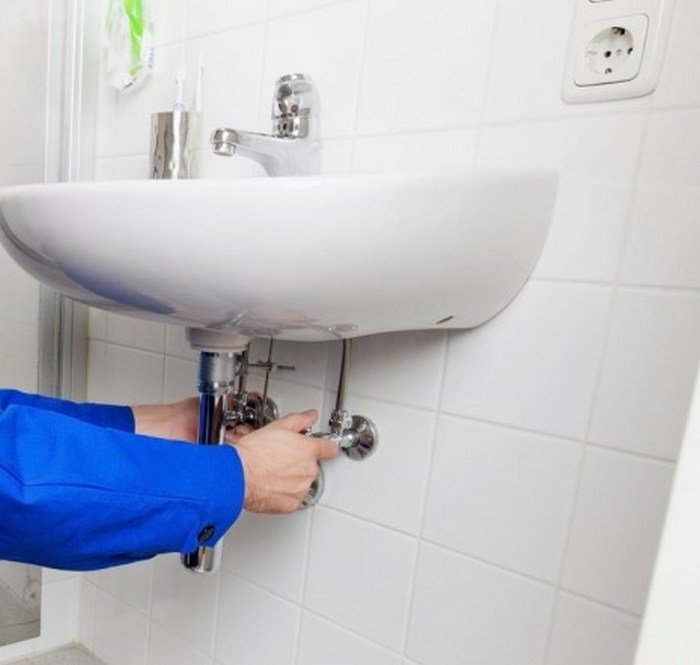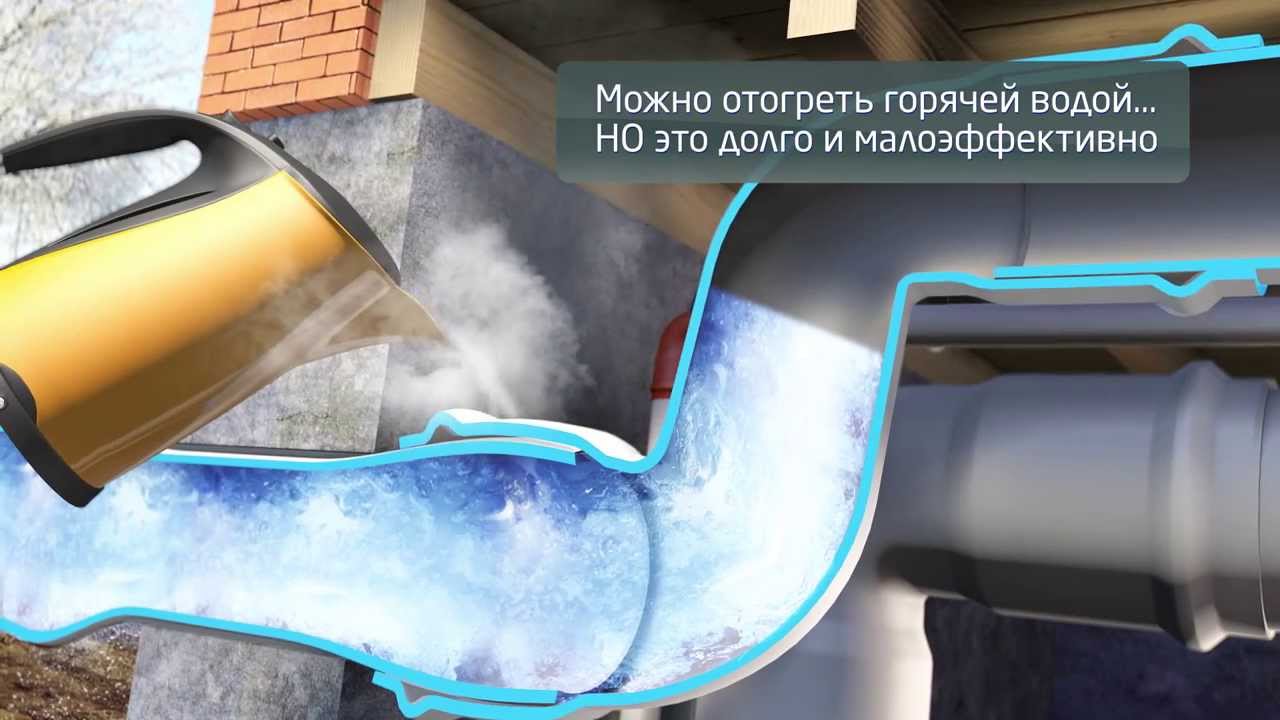
- What will be required?
- defrosting
- Tip 1: Warm up a frozen house
- Tip 2: the fire will warm the pipes in the ground
- Tip 3: Welding can be used for heating
- Tip 4: Get the blowtorch out of the attic
- Tip 5: heat plastic pipes with a cable
- How to prevent system freeze?
- Effective ways to solve the problem
- Hot water application
- Heating with a hair dryer
- Anti-icing with electric current
- Soldier's boiler for plastic pipes
- What to do if the hose in the well is frozen?
- How to defrost a pipe indoors
- The main methods of heating pipes with water underground
- Bonfire
- Hot water
- Use of hot water and pump
- Brine
- Steam Generator Application
- How to defrost a plastic pipe?
- Heating of metal-plastic pipes
- Causes of pipeline freezing
What will be required?
So, let's look at several ways to defrost these plastic pipes and determine the tool that we need:
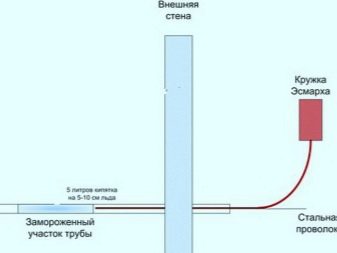
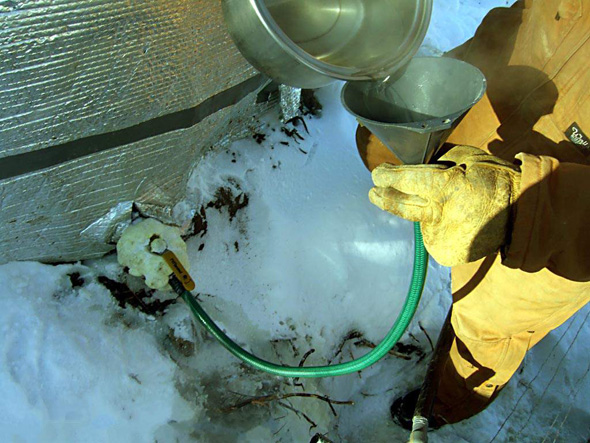
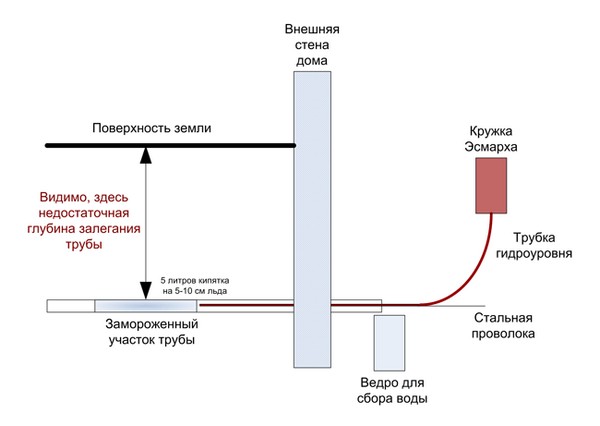
Reception using Esmarch's medical mug. Many years of struggle with defrosting pipelines have improved the “tactical technique” and significantly reduced the cost and simplified the design of the device that will help save the house from lack of water.For this method, we need: an Esmarch mug (popularly referred to as an enema, preferably 1-2 liters), a hose from the water level or its equivalent similar in strength, hardened steel wire, and also a container to collect water.
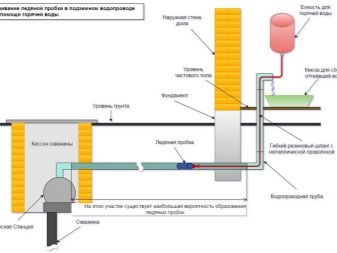
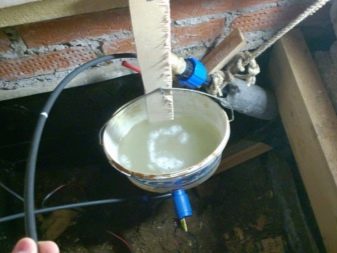
defrosting
First - a few simple ways to thaw frozen pipes.
Tip 1: Warm up a frozen house
How to defrost water pipes inside the house:
Very simple: heat the whole house or its separate room. To do this, it is not at all necessary to melt the stove or start the boiler: to warm up a small kitchen or bathroom, a fan heater, oil radiator or even a gas stove is enough.
To restore the water supply, heat the kitchen or bathroom with a fan heater
With hidden pipe laying in walls or screed, an infrared heater is an ideal tool for defrosting them. If it is equipped with a reflector, direct the heat flow to the surface under which the water supply is hidden. It is enough to hang a wall panel or a flexible picture heater on a nail driven into the wall.
The picture-heater will help you warm up the pipes in the strobes
Tip 2: the fire will warm the pipes in the ground
How to thaw a frozen plastic (polyethylene or polypropylene) water supply inlet, laid at a shallow depth underground:
The simplest instruction: build a fire directly above the entrance.
The fire will warm the soil and pipes in it to a depth of up to a meter
This is how the soil was warmed up for decades for the repair of underground highways in the conditions of Siberia and the Far East. It is better to use firewood for kindling, but coal is the main fuel: it can smolder for hours, releasing a large amount of heat.
Tip 3: Welding can be used for heating
How to defrost a steel pipe laid in the ground:
The easiest way to use it to defrost is ... a welding inverter.
A compact welding machine is able to heat a steel water pipe by passing a large current through it.
Install a grounding crocodile at the input in the water meter well or at any other water supply point outside the house;
The welder's earth is connected to the water supply
- Close the electrode holder with the water supply in the house (for example, by winding it with a wire to a pipe stripped of paint);
- Turn on the welder and set the current to 20 amps;
- If the ice does not melt within 20-30 minutes, step by step increase the current by 10 amperes with an interval of at least 15 minutes until the water supply warms up.
Tip 4: Get the blowtorch out of the attic
How to defrost an openly laid steel water pipe with your own hands?
This is done using the simplest heating tools:
Blowtorch;
A blow torch will help reanimate your plumbing
- Improvised gas burner from a canister with a nozzle;
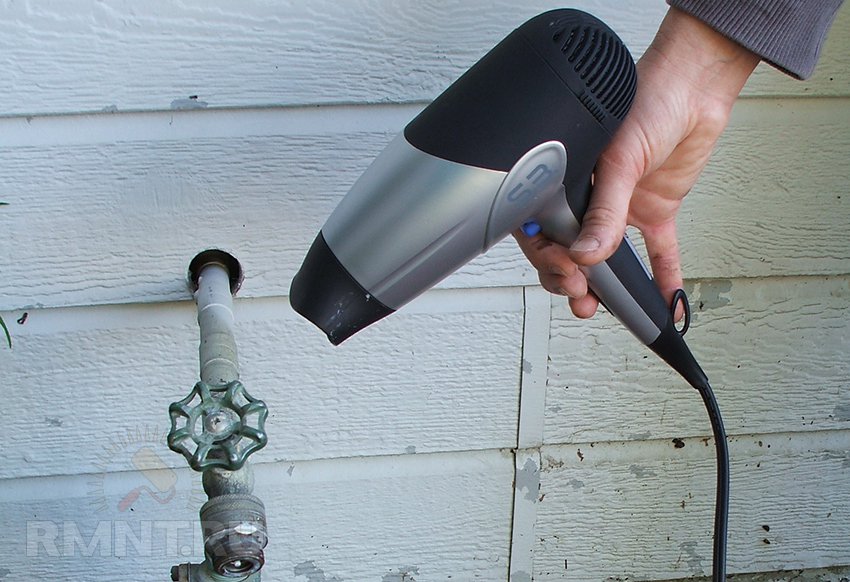
- Building hair dryer.
AT lack of building hair dryer you can use a normal hair dryer
The algorithm of actions is simple and clear:
- Open any water supply faucet in the house;
- Heat the pipe in sections of half a meter to a temperature of at least 50-60 degrees, until water begins to flow to the mixer.
What to do if during the defrost process your cold water pipe burst:
Water expands when it turns into ice, and the volume of ice decreases when it melts. However, until the moment of melting, ice behaves in the same way as any other physical body - it expands when heated. Therefore, frozen pipes most often break during thawing.
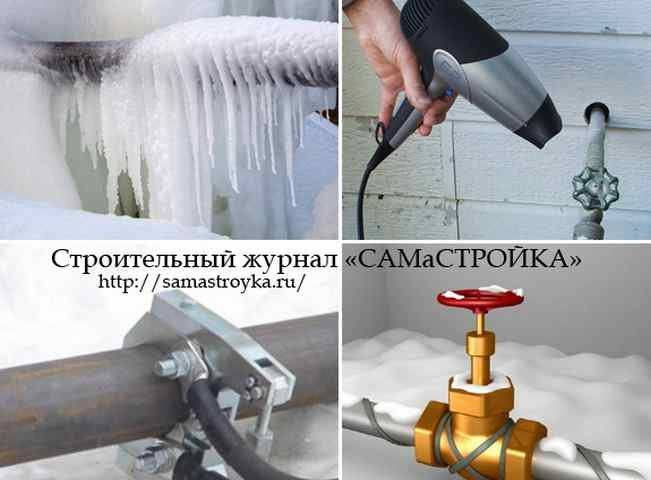


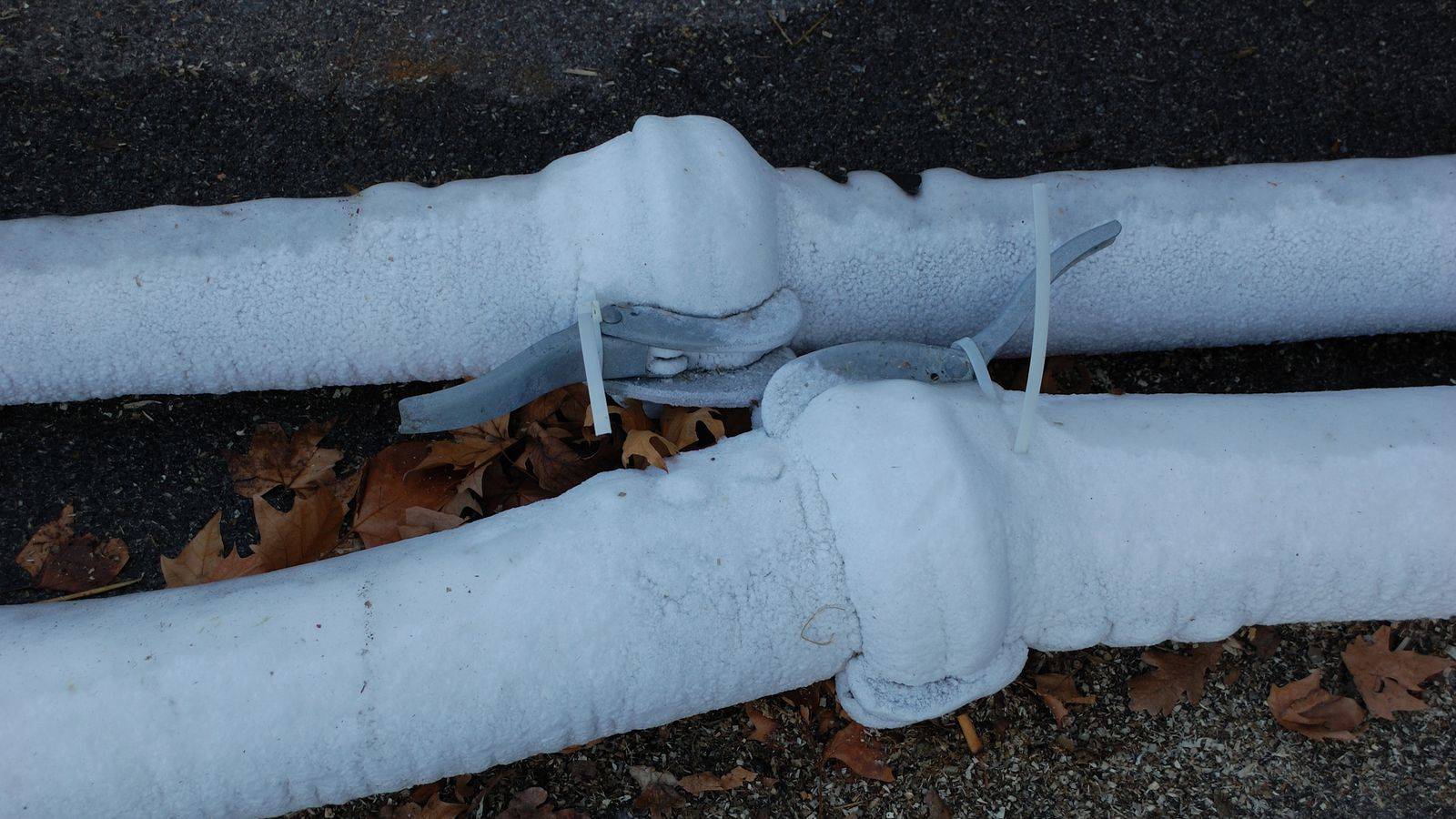

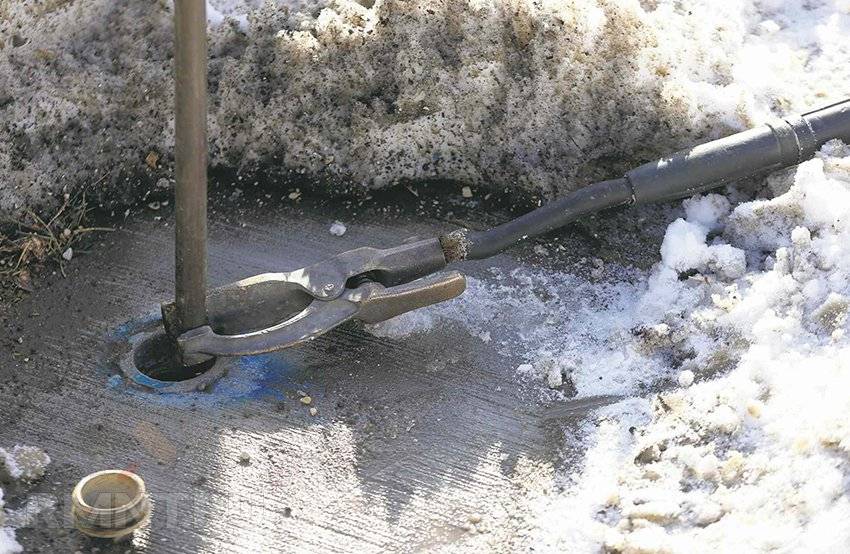
Gusts most often occur when defrosting the water supply
Use the gust to blow off the water and dry the plumbing completely. Heat the pipe along its entire length, making sure that there is no ice left in it. And only after that proceed to repair - welding a broken seam or replacing a section of the water supply.
The bandage will help eliminate leaks with small gusts
Tip 5: heat plastic pipes with a cable
How to warm up a plastic pipe laid along the street:
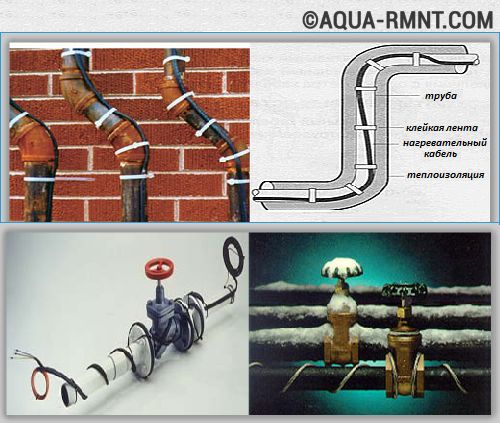
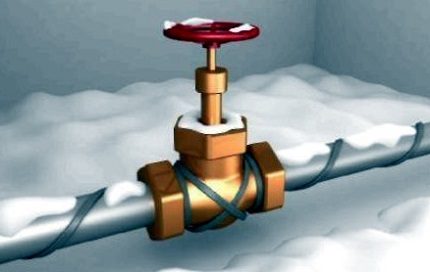
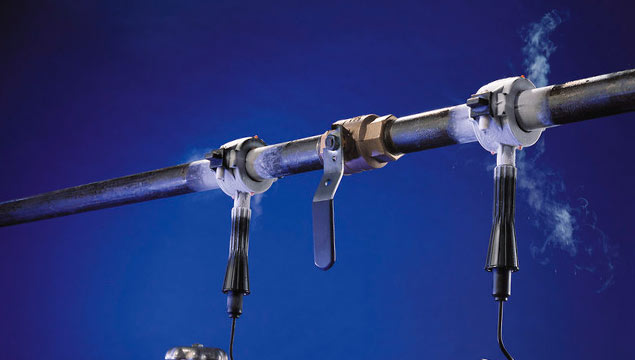
The most reasonable solution is to use a section of heating cable to warm it up. Best of all - self-regulating: its device completely eliminates overheating and damage to the insulation of the cable or the water supply itself. The heating cable is wound around the pipe in a spiral and connected to the network; defrosting takes from 15 minutes to an hour, depending on the diameter of the water pipe.
Wind the heating cable around the frozen pipe and connect it to the power supply
How to prevent system freeze?
The issue of the probability of freezing of the pipeline must be foreseen at the stage of its laying. According to the current norms of SNiP, pipes must be laid below the freezing depth.
 For regions located in middle latitudes, the depth of freezing of the earth is on average 1.0 - 1.5 meters from the day surface
The depth of freezing of the soil layers is determined empirically in the coldest period for the region, taking into account the maximum soil moisture index and provided that there is no snow cover. If it is not possible to lay pipes at a sufficient depth, it is worth taking care of the thermal insulation of the structure.
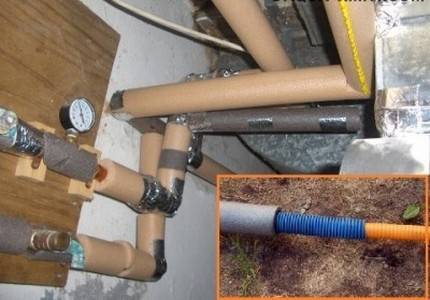
The place where the pipe enters the house is the most vulnerable and therefore needs effective insulation with waterproofing materials.
Ideal as a heat insulator
- foam strips;
- mineral wool;
- glass wool.
It is not necessary to use rags, sawdust and paper as a winding even for temporary insulation. These materials, when the temperature changes, easily absorb moisture from the air, preventing the formed condensate from evaporating.
On sale you can also find chemicals that prevent the freezing of water. But their aggressive composition makes them unacceptable for the plumbing system. It is better to use a concentrated saline solution, which corrodes ice perfectly. It is fed through a hose, the diameter of which is slightly smaller than the cross section of the pipeline.
In addition, salt water does not freeze at temperatures below zero, so the formation of a cork behind a salt solution is definitely not expected.
Alternatively, lay a heating cable along the pipeline. It is equipped with thermal sensors that, when the system is heated to a certain temperature, turn it off. The main advantage of self-heating cables is that they are able to adapt to external conditions. And this in no way affects the work of its other parts.
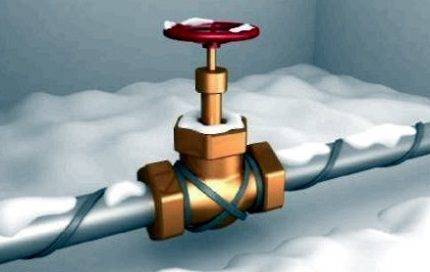
The self-regulating heating cable will turn on as needed, and turn off when the set temperature mark is reached
The length of the heating cable can reach 20 meters, thanks to which it can be used to heat both individual sections of the pipeline and the entire system located in the zone of soil freezing.
Keep in mind that water freezes faster in pipes with a small diameter. Therefore, when arranging autonomous water supply, it is preferable to use pipes with a diameter of 50 mm or more.
Since concrete freezes much faster than soil, in places where the pipeline passes through the basement or basement, it is desirable to place pipe sections in sleeves - pipes with a slightly larger diameter. The resulting voids can be blown out with polyurethane foam.
In the future, with irregular use of engineering networks during downtime during the cold season, it is necessary to completely remove water from the pipes and keep them dry.
It is necessary to insulate not only the pipeline itself, but also the source of water itself, and other structural elements passing outside the house and in unheated premises.
Despite the wide range of effective equipment for removing ice blockages from pipes, it is best not to bring the situation to such problems. After all, heating frozen pipes is a rather problematic process, which is aggravated by the complexity of performing work in the cold.



By adhering to simple recommendations, you can prevent pipes from freezing and stopping the system, thereby extending its service life.
Effective ways to solve the problem
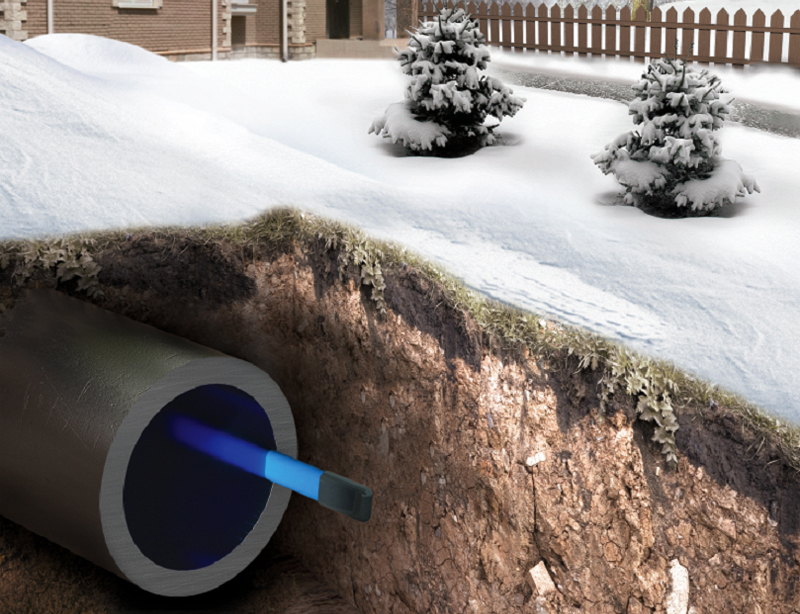
It is difficult to warm a water pipe located in the ground. In this case, it is not possible to apply external defrosting methods. We'll have to defrost the system from the inside. Consider common ways to eliminate ice plugs.
Hot water application
Prepare a metal-plastic pipe, the cross section of which is 2 times smaller than the diameter of the main pipe. Carefully bring it inside the pipe to the frozen area and pour boiling water, which will gradually wash away the ice.When defrosting water pipes in this way, do not forget to open the tap so that the pressure in the system remains low.
Heating with a hair dryer
This method of heating is suitable for water supply, which is located in the public domain. A stream of air is directed to the icy area. To avoid deformation of the plastic, the temperature of the hair dryer should be set to the minimum level. After heating with hot air, wrap the section of the pipeline with insulation.
Anti-icing with electric current
It is permissible to deal with the freezing of pipes using a welding machine. But it should only be used to thaw a water supply system made of steel, copper and other metal products.
Metal is a conductor of electric current. Electrons and ions under the action of an electric field, moving and colliding with each other, form energy. The latter turns into heat. Plastic does not conduct electricity. Therefore, it is pointless and irrational to use a welding machine on plastic products.
Soldier's boiler for plastic pipes
Water is an electrolyte due to its salt content. Therefore, to heat it, you need a pair of electrodes under voltage. This method is only suitable for a water supply system made of polyethylene and is based on the principle of the boiler.
You will need: two-core copper wire and steel wire, tools. The strands of the wire are stripped and wrapped around the wire. Make sure that the turns do not touch each other, as a short circuit may occur. A plug is attached to the free end of the wire. Lower the homemade boiler into the pipe to the ice plug, plug it into the network. After a while, the water supply will warm up, the icing will melt.
What to do if the hose in the well is frozen?
It is necessary to solve such problems immediately so that by winter the water supply system does not become unusable at all. If the water in the well is frozen, then there are effective methods on how to warm up or how to defrost the water.
If the water in the well freezes, first of all you need to look at the ice film. If it is dark and has cobwebs, then the coating of water from frost is thin and breaks with a crowbar. It is necessary to act very carefully so as not to break anything, but only to break the ice on the hose leading to the mine. Water must be gently stirred with a bucket to mix all the particles of the ice crust.
You need to purchase and install it in the spring-summer period. You can use other types of such devices, but for this you need to consult with a specialist. Only he knows exactly what the hose should be for pumping water from the well.
In the event that the ice crust has become very thick, it is necessary to melt the water through a touch with heat. How to warm up in this way? You will need a special building hair dryer, you can use a heating element or other similar devices. It is recommended to cover the defrosted surface with something from above - boards or film.
You need to find out more about this in the store at the time of purchasing the product. All this will speed up the process of thawing ice, which will then turn into water flowing down into the well.
In order not to suffer every autumn and winter over the question of how to defrost the hose from the well and the water in it, you need to take care of the water equipment even in the warm season.
Water structures in adverse weather conditions require additional protection.You need to protect the well near the base of the soil and from all sides.
It is best to use a material called polystyrene foam, it is perfectly cut into pieces. This allows you to make the required number of sheets and plates, wrapping them around the well completely. But before installation, the expanded polystyrene must be given to the workshop or independently coated with oil paint, then wrapped in foil.
From the sheets obtained, you need to make protection by digging a trench around the perimeter of the well. It is necessary to insert material into it, and then bury it. The earth needs to be regularly rammed, this will create additional protection. Additionally, you can wrap the pipes and hose with special heat-insulating substances.
The lack of water in the water supply in a private house can be due to various reasons. One of them is the formation of an ice plug in the pipe. Such a nuisance occurs if the temperature is very low outside, and the rules were violated when laying the water supply. You can try to fix the problem yourself, but it requires considerable effort. Consider the answer to the question: water froze in a pipe underground - what to do in this situation?
Before figuring out what to do if the water in the water pipes froze, let's figure out why this can happen. Main reasons:
- laying pipes at insufficient depth;
- a small layer of insulation, its poor quality or complete absence;
- insignificant or zero water consumption during severe frosts;
- abnormal weather conditions.
As a rule, pipes passing on the street - outside or underground - freeze. But in the absence of heating and significant sub-zero temperatures for a long time, the problem may occur indoors or at the point where the pipe enters the wall.
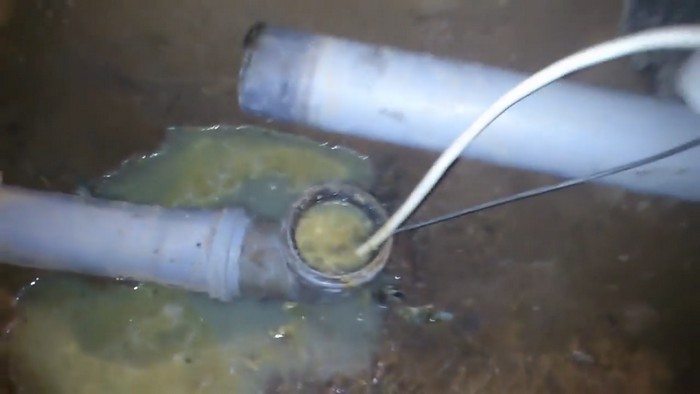
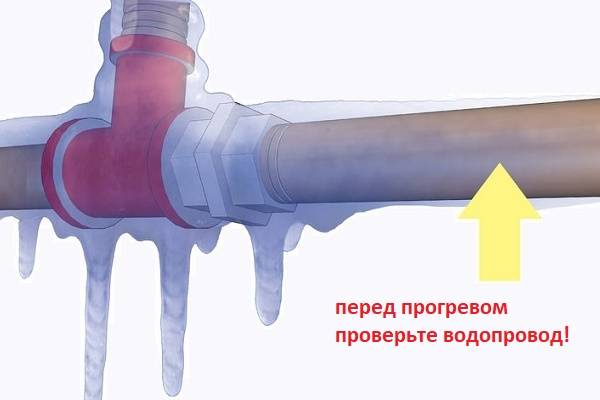
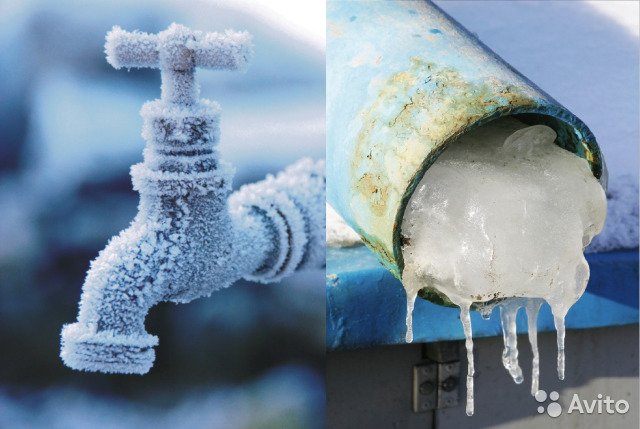
How to defrost a pipe indoors
The methods used to defrost utilities directly depend on where exactly the pipeline is located. So if it is mounted indoors, then you can get rid of ice jams using:
- hot water;
- building hair dryer;
- electricity.
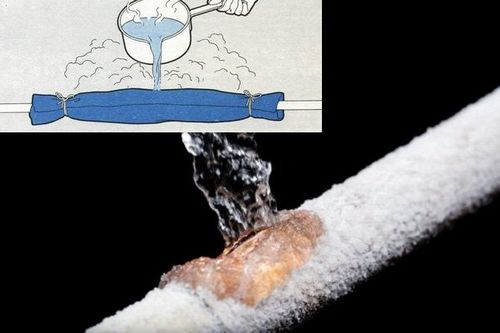
Hot water is used to warm pipes in open sections of highways, while this method can be used to clean products, both metal and plastic. In this case, it is best when it is boiling water, since it is it that allows you to melt the ice the fastest. In addition, rags and rags are also used to speed up the process.
- To begin with, rags and rags are placed on the pipe.
- The place of the alleged congestion begins to be poured with boiling water or hot water. The process is lengthy, since the surface of the line will have to be constantly irrigated with new portions of hot water.
- The heating process stops only after water does not start flowing from the open taps.
- Complete removal of ice from the system can be completed in a few hours and during this time the valves should not be closed.
Rags and rags are needed here to increase the area of contact of the pipe with boiling water, as well as to extend its impact on it.
Rags and rags increase the area of contact of the pipe with boiling water, and also prolong its effect on it.
Frozen plumbing can also be warmed up with hot air by exposing it to open areas of the system. For this purpose, a heat gun or a powerful building hair dryer is usually used.At the same time, a temporary canopy from improvised materials is erected over the problem area. In the same case, when the homeowner does not have industrial equipment, he can use any device that generates warm air. So they can be a regular household hair dryer.
The third common way to defrost pipes is the use of electricity. It is considered one of the most effective and can be used to get rid of ice from both metal and plastic products.
At the same time, it should be noted separately that this method requires the adoption of certain precautionary measures.
Metal lines are heated in this way using a welding transformer.
- The output cables of the device must be connected to a suspicious area at a distance of at least half a meter from the blockage.
- Voltage is applied so that a current of 100 to 200 amperes passes through the metal.
- Usually, a few minutes of such exposure causes the ice to melt, thereby restoring the patency of the pipe.
As for plastic communications, they are heated using a two-core copper wire with a cross section of 2.5 - 3 mm:
- One of the cores is partially stripped and 5 turns are made around the cable.
- The second vein falls below the first and the same manipulations are performed on it. Trying to make a spiral winding at a distance of 3 millimeters from the first winding. The resulting device is the simplest homemade boiler.
- The finished product is inserted into the pipe and the current is turned on. Under the influence of the potential that has arisen between the coils, the water heats up, and the ice begins to melt.
This method is good because when using it, the system does not heat up and the plastic does not deteriorate.
The main methods of heating pipes with water underground
Warming communications with a fire
Polyethylene pipes for water are able to withstand freezing, which is why they are so popular when laying the street (external) part of the water supply. And yet, the water in them is capable of turning into ice at fairly sub-zero temperatures, especially if there is no high-quality insulation on the line. You can overcome the problem, unfreeze communication. It will take enough time, but if the master acts carefully, the HDPE pipe material will remain intact.
Bonfire
The simplest method of heating water pipes in the ground. It is good if the owner of the house has identified an area of ice formation. In this case, you can try to remove the top layer of soil with a crowbar and a shovel. Firewood is laid at the supposed point of ice and a fire is lit. You need to burn the fire for at least 2 hours. This should be done during the day in order to have, albeit weak, but the support of the winter sun. Smoldering coals can be covered with slate sheets to keep the heat as much as possible. The bonfire blazing before this should warm up the soil and the pipeline.
Hot water
This method works if the water is frozen at the exit from the well. Hot water, used gradually, helps well. A rag is wound on the frozen section of the line and water is started to be poured over it. First, the temperature of the liquid should be up to 15 degrees. With every third liter, it is gradually increased, bringing it to 70 degrees. Gradually, the ice in the pipe will begin to thaw and open access to running water.
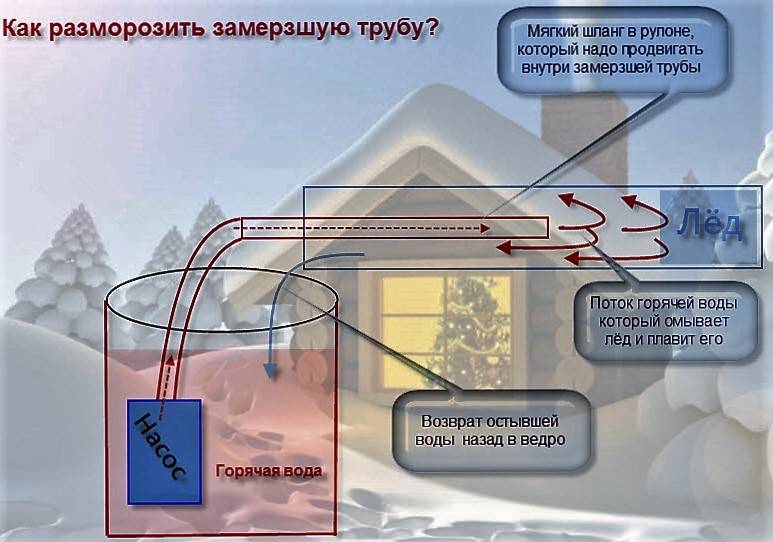
Use of hot water and pump
A hose, a large barrel and a household pump will come in handy. Defrost is carried out according to the following scheme:
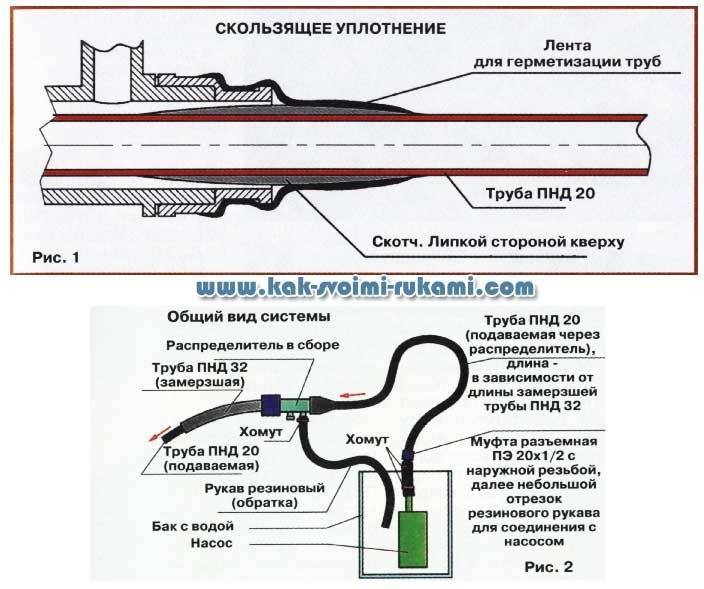
- Hot water is poured into a large tank and maintained at a constant temperature.You can use a large boiler for this, a blowtorch, a fire built under the container, a pressure cooker or a simple kettle.
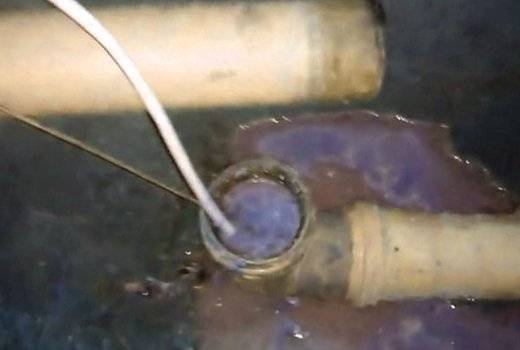
- They take a hose, the cross section of which should be less than the diameter of the water pipe, and introduce it into the main from the side of the water supply source. The flexible tube should rest against the ice plug.
- The second end is put on the pump and lowered into the barrel. The faucet in the house must be open.
- When the equipment is turned on, the unit will supply hot water to the pipeline. Together with it, you need to push the cable deeper, as the ice thaws.
- Periodically, it is worth turning off the unit and letting the water drain through the hole available in the pipe.
When the cork is completely defrosted, water will drain from the tap. After that, you can reassemble the water supply unit at the source.
Brine
Rapa is used to neutralize ice in pipes. To do this, you need to prepare a strong solution. Water and salt are mixed in the proportion of 3 tablespoons per 1 liter of water. It is desirable that the liquid be at room temperature.
To complete the work you will need:
- Esmarch's irrigator;
- hydraulic level;
- hardened steel wire.
You need to do the following:
- The hydraulic level tube and steel wire are connected along the length. A fold can be made at the end to provide greater rigidity to the flexible structure. In this case, the edge of the hose should protrude slightly beyond the bend of the wire.
- The second end of the tube is joined to Esmarch's mug.
- The hose is gradually introduced into the plastic / polypropylene / metal water supply system until it stops at the stopper.
- Esmarch's mug is filled with brine and lifted up. The brine flows into the line and gradually defrosts / corrodes the ice. Water must be constantly added to the enema.
Steam Generator Application
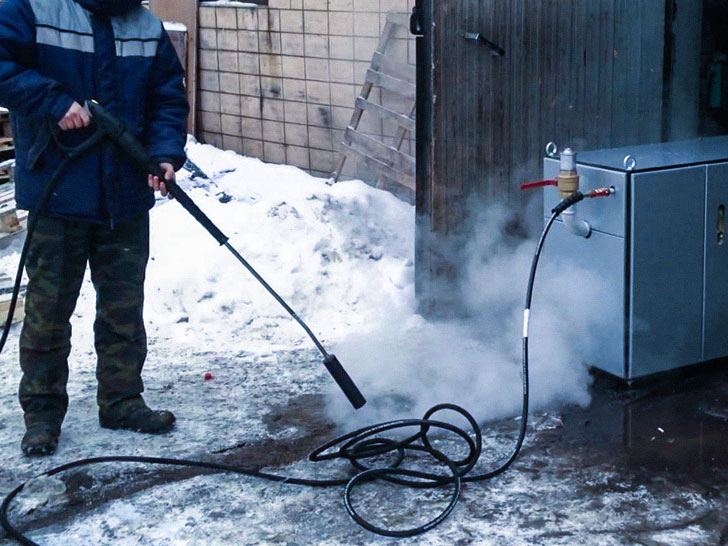
Heating pipes with steam
In this case, the sequence of actions will be as follows:
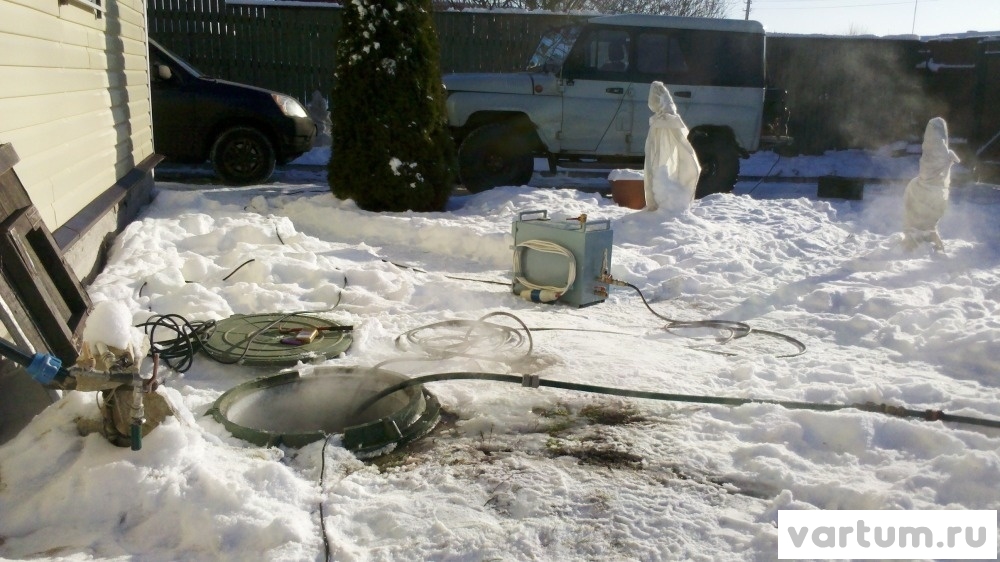
- Water is poured into the steam generator tank and a hose with a small cross section (smaller than the diameter of the water pipe) is connected to it.
- The second end of the flexible tube is inserted into the line until it stops.
- A bucket is placed under the open faucet of the system to collect melt water, which will drain when steam begins to act on the ice.
- The steam generator is turned on and hot air is fed into the tube.
Complete defrosting of a cork 10 cm thick takes up to 5-10 minutes. Periodically, you need to pause so that the inner wall of the communication can withstand the generated voltage.
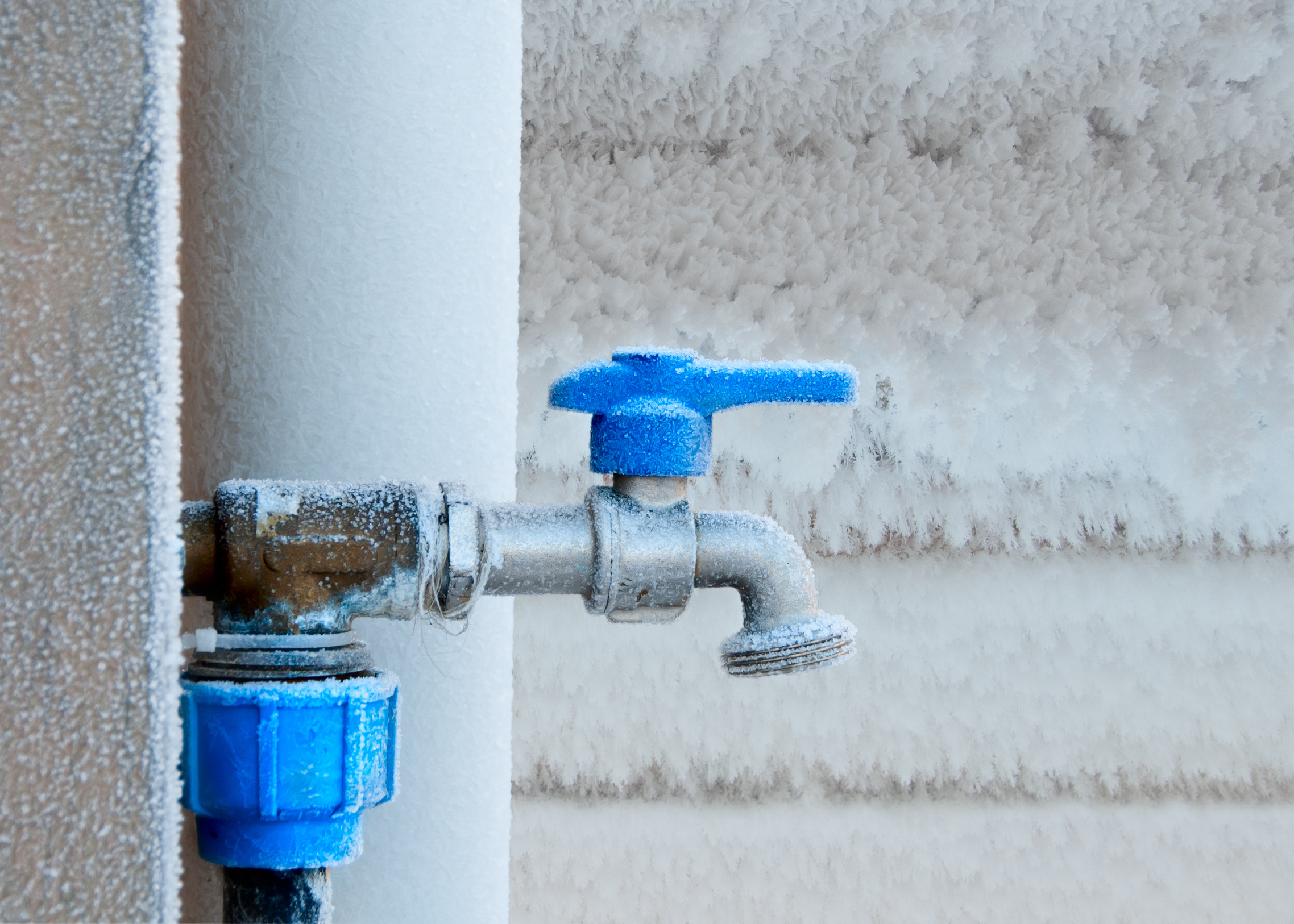

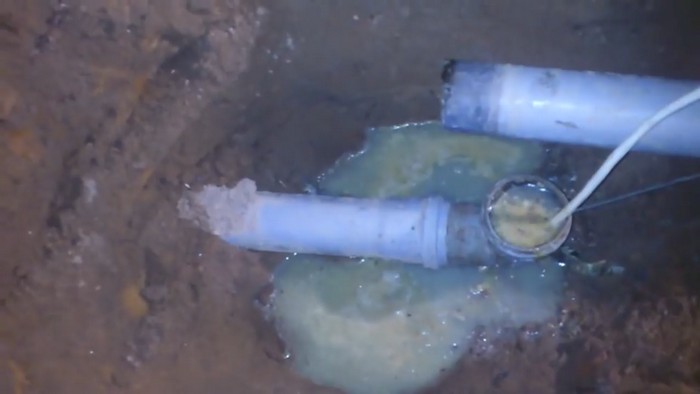
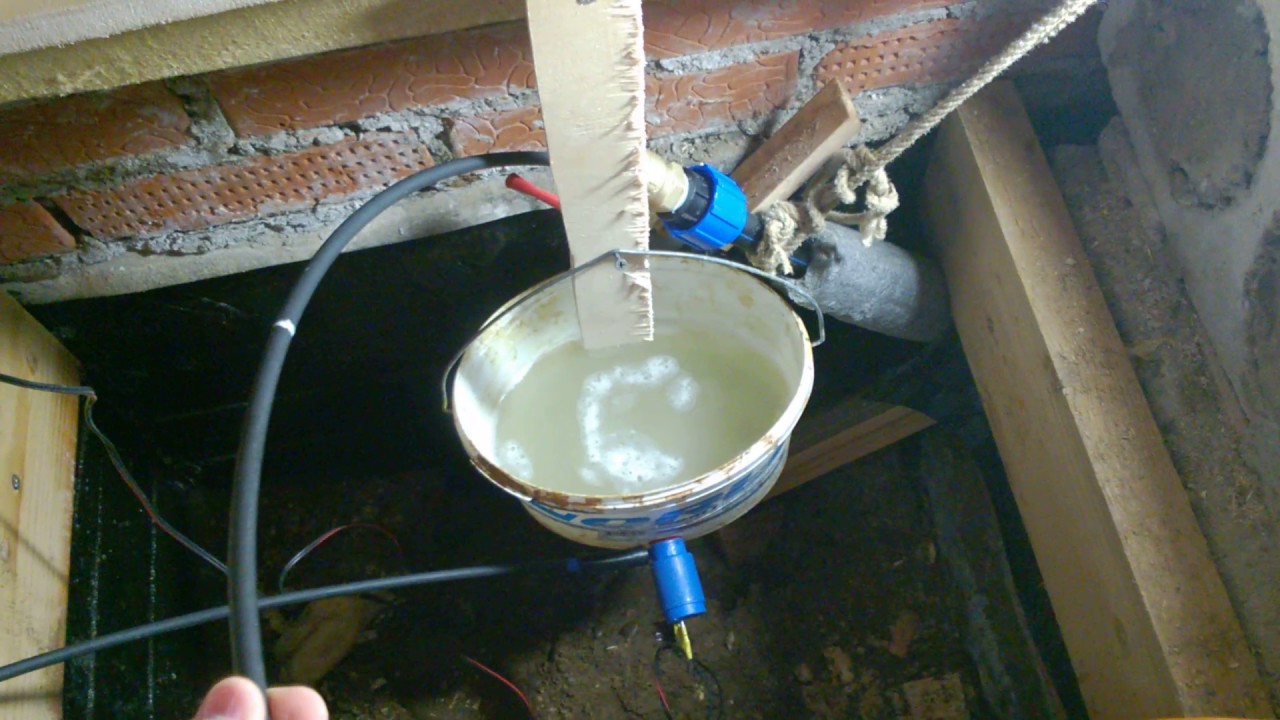


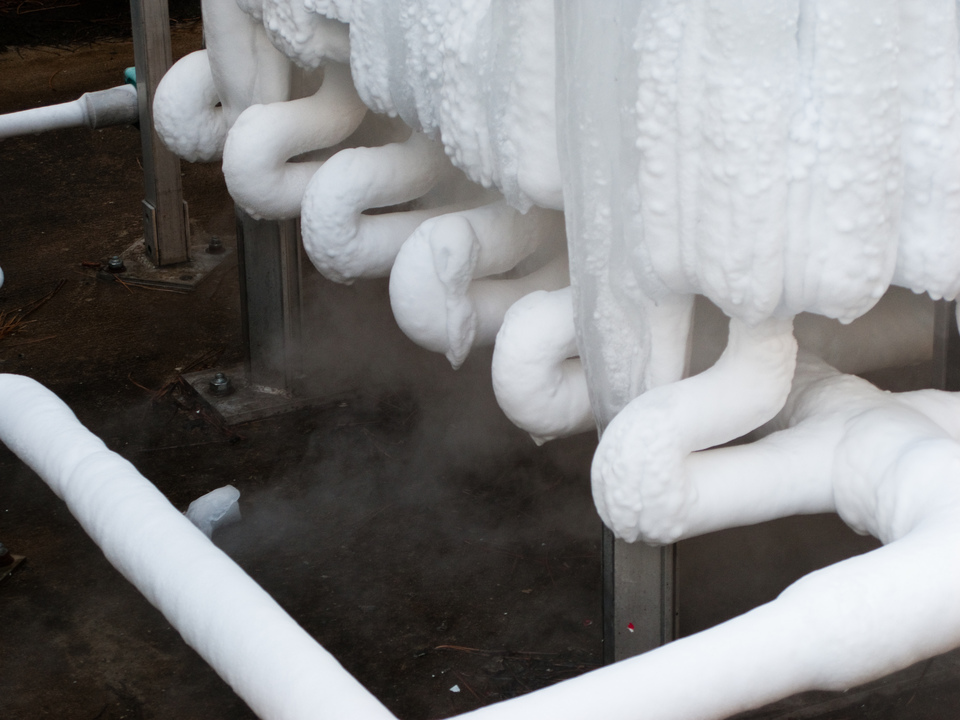
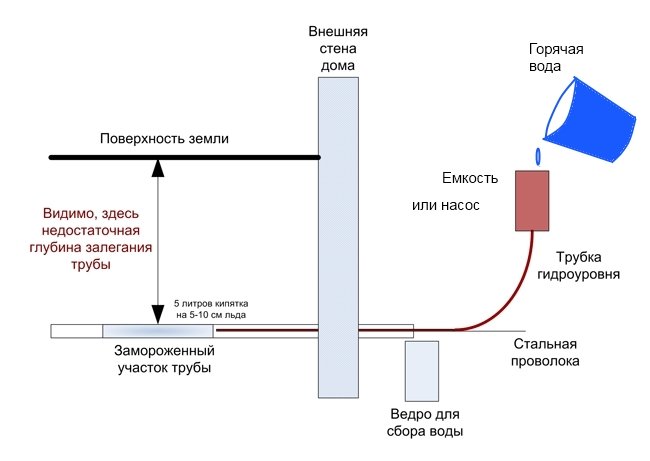
If you don’t want to mess with the system in this way, you can dig out the frozen section of the line and warm it up with a building hair dryer or welding machine.
How to defrost a plastic pipe?
Recently, steel pipes for plumbing are used less and less, they have been replaced by plastic pipes. Such pipes are not subject to corrosion and do not collapse if water freezes in them.
However, if an ice plug appears in them, practically all methods of external influence cannot be applied to them. Naturally, the use of open fire to heat the plastic will lead to the destruction of the pipe, and the use of a building hair dryer often turns out to be ineffective, since plastic does not conduct heat well.
Connecting a welding machine to such pipes is also completely useless, since the pipes do not conduct electricity.
The mechanical method of action, that is, the removal of the ice plug by inserting a steel bar inside, can be effective with a small freezing area, however, its use creates a serious risk of damaging the pipe.
Thus, if it is necessary to defrost plastic pipes, the only way remains - the use of hot water poured inside.
The first way to defrost is to organize the supply of hot water to the place of freezing.
It is done like this:
To defrost a plastic pipe, a pipe or hose of high rigidity with a smaller diameter should be prepared.
For defrosting use gas or oxygen hoses.
- Metal-plastic pipes are sold, as a rule, rolled into coils. Therefore, the pipe should first be unbent, and then begin to move along the pipeline, pushing the ice plug all the way.
- Now you can pour hot water into the pipe, trying to maintain the highest possible temperature.
- Defrosted water will flow out at the pipe connection, so a collection container should be placed there.
- As the ice melts, the plastic pipe will need to be pushed further and further until the problem is completely fixed.
This defrosting method is good if an ice plug has formed in an area located near the entrance to the pipe. If the pipe is frozen far from home and there are turns and bends in the pipeline section, then the pipe cannot be pushed into the pipeline.
- To carry out the work, you will need a hydraulic level, a coil of steel wire with a diameter of 2-4 mm, and an Esmarch mug, that is, a device that is used in medicine for cleansing enemas.
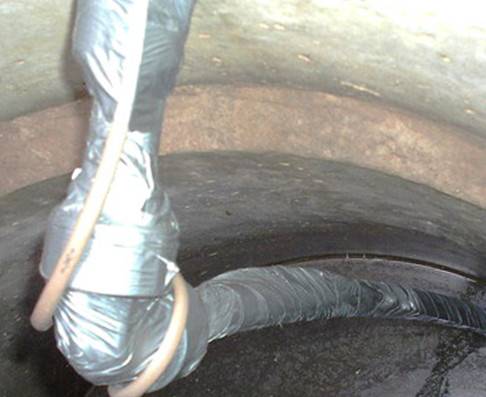
- We take the tube of the hydraulic level and wrap it with wire or attach the wire to the tube with adhesive tape or electrical tape.This must be done so that the wire does not stick out in different directions, while the tip of the tube should protrude by one centimeter.
- Now we connect the second end of the hydraulic level tube to the outlet pipe of the Esmarch mug and begin to push our structure into the pipe.
- Since the hydraulic tube has a small diameter and weight, there are no difficulties when pushing through, even if there are turns along the way.
- Push the tube until the tube hits the ice plug.
- Now pour hot water into Esmarch's mug and open the supply valve.
- As the ice plug decreases, push the tube further.
- A suitable container should be installed at the junction of pipes to collect the escaping water.
This method of defrosting is quite effective, but it takes time. For one hour of work, you can have time to free from ice about 0.8-1.0 m of the pipe.
So, there are several fairly effective ways to help solve the problem of how to defrost water pipes. However, all of them are time-consuming, so it is more correct to take the necessary measures, for example, to prevent freezing of water in the pipeline.
The lack of water in the water supply in a private house can be due to various reasons. One of them is the formation of an ice plug in the pipe. Such a nuisance occurs if the temperature is very low outside, and the rules were violated when laying the water supply. You can try to fix the problem yourself, but it requires considerable effort. Consider the answer to the question: water froze in a pipe underground - what to do in this situation?
Before figuring out what to do if the water in the water pipes froze, let's figure out why this can happen. Main reasons:
- laying pipes at insufficient depth;
- a small layer of insulation, its poor quality or complete absence;
- insignificant or zero water consumption during severe frosts;
- abnormal weather conditions.
As a rule, pipes passing on the street - outside or underground - freeze. But in the absence of heating and significant sub-zero temperatures for a long time, the problem may occur indoors or at the point where the pipe enters the wall.
Heating of metal-plastic pipes
Before you warm up a plastic pipe, you need to study well the algorithm for performing this work, which includes several stages:
- The first step is to localize the frozen part of the pipeline. To do this, you need to carefully examine the pipes located right next to the house. As a rule, the problem area is located tactilely - it is usually much colder to the touch than the functioning part of the pipe.
- After the localization of the ice plug, the pipe is wrapped with a rag. Next, you need to open all the taps of the water supply, having a supply of hot water with you. If not, you can melt the snow.
- The pipe is poured with water in two stages: first it is cold, and after it - hot. A gradual increase in water temperature is necessary so that the pipe is not damaged due to sudden temperature changes.
- Water that has changed from solid to liquid will exit through open taps.
So that the thawed pipe does not freeze in the future, it is better to immediately take measures to insulate it - then in the future you will not have to think about how to warm the pipe with water.
If the water is frozen in plastic pipes located under a layer of soil or foundation, then to warm them up you will need a barrel, a pump and an oxygen hose, with which you need to carry out the following steps:
- The barrel is filled with hot water, the temperature of which is constantly rising.
- The hose is inserted into the pipeline exactly until it hits the ice crust.
- The tap opens and connects to the hose, which must be brought into the barrel. If the barrel itself or the possibility of installing it near the tap is not available, then an ordinary bucket will do.
- The pump starts, after which the water heated in the barrel is pumped into the plastic pipeline. The hose must be constantly pushed inside the pipe so that it defrosts all the ice in the system. The pump periodically turns off to drain excess water.
- When the blockage has resolved, the hose is removed and the water is drained from the pipeline.
Heating a plastic pipe can be done in other ways. For example, you can always use a hydrodynamic machine for these purposes. Her hose is launched into the pipe, after which the device starts. The ice in this case will break with the help of pressure.


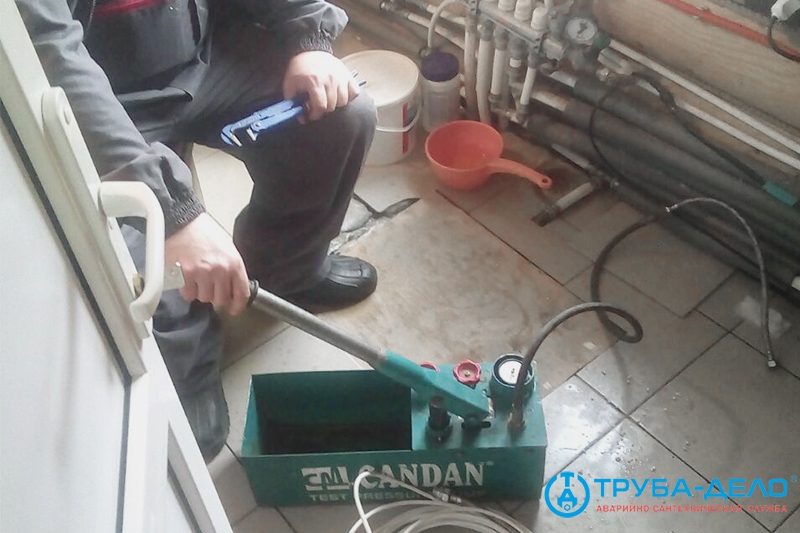

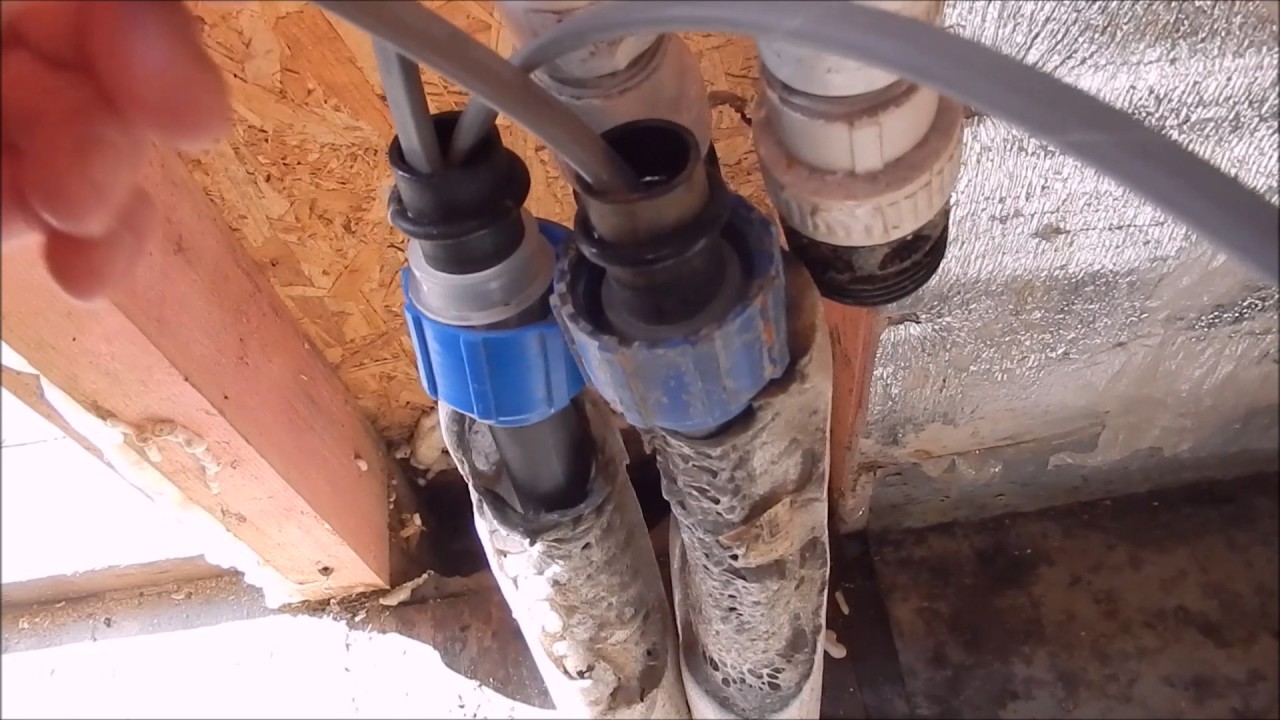
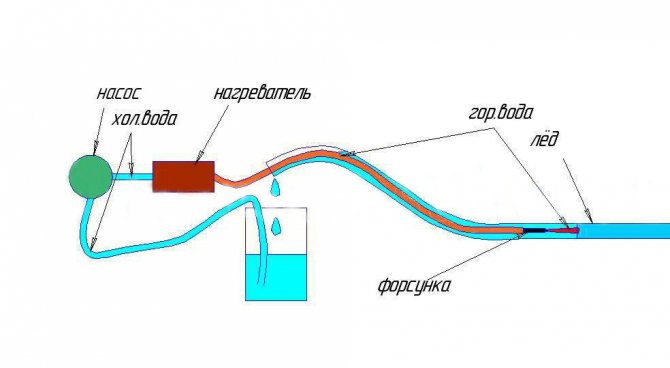


A safer option for plastic pipes is a steam generator, which eliminates ice by turning it into a gaseous state. A pressure gauge and a valve designed for a pressure of 3 atm are attached to the thick-walled pipe of the device. When working with a steam generator, you must strictly follow the instructions in order to avoid possible troubles.
Conclusion
Questions like “a pipe froze underground - what to do?” quite common among owners of private houses.Solving the problem with a frozen pipeline is not so difficult, but the task itself is quite troublesome and time-consuming. It would be much better to design the pipeline in advance so that the water in it does not freeze even in the coldest times.
Are you familiar with the situation when, at a negative temperature outside, the water supply from the tap stops? Such a problem occurs in your home with the onset of a cold season, and you do not know how to quickly fix it? To fight, it is required to choose an effective method for resuming the working capacity of the water supply network. Do you agree?
We will tell you how to thaw a frozen pipeline and how to prevent a problem situation in the future. Let's talk about effective ways to quickly restore water supply on a cold winter day for sanitary purposes and cooking.
Our article provides a selection of the best ways to help deal with this trouble on your own. Methods for pipelines made of various materials are considered. So that you can better understand the nuances of warming, we have selected visual photos and thematic videos detailing recommendations for saving water pipes from ice captivity.
Causes of pipeline freezing
Wisely observed: the problem is better to prevent than to solve it later. Therefore, if you are only conducting communications, and do not want to deprive the house of water with the onset of winter, frantically looking for tips on how to unfreeze a pipe in the ground, it is better to mount the engineering network wisely, taking into account the climate and relying on the advice of professionals.
So why do pipes in the ground freeze?
- errors in the design and / or installation of the network;
- shallow laying depth (the norm is below ground freezing, about 2 meters);
- ignoring climate data (you may not assume that winter temperatures are so low in your area);
- insufficient water consumption (the pipeline does not like downtime, if you use it occasionally, you can ruin the system);
- lack of insulation or its poor quality.
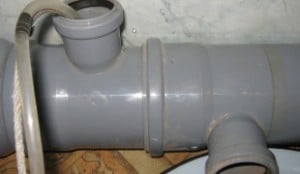
Meanwhile, plastic pipes tolerate frost better than their metal counterparts.