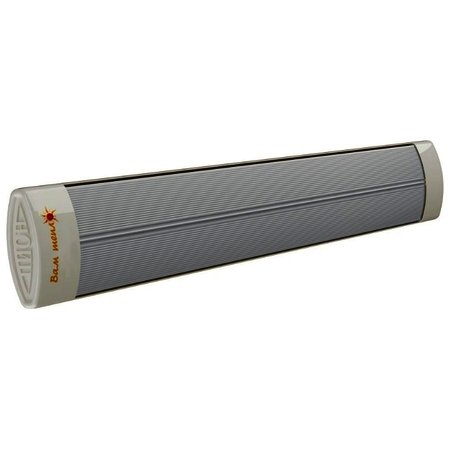
- Classification
- Basic rules for installation and operation
- Helpful Hints
- Selection tips ↑
- Price
- Blitz Tips
- Principle of operation: the effect of the Sun ↑
- Description
- What criteria to choose
- Principle of operation
- Instrument selection
- How people are fooled (video) ↑
- Infrared heater "Peony"
- Popular manufacturers
- TM Pion
- TM Almak
- TM EcoLine
- TM Bilux
- Conclusion ↑
Classification
All climate equipment can be divided into 2 main categories, each of which has 2 types of devices:
1. Glass:
- Peony Thermo Glass.
- Armstrong.
2. Metal:
- Ceramic (ceramic).
- Peony Lux.
Series Description
1. Thermo Glass.
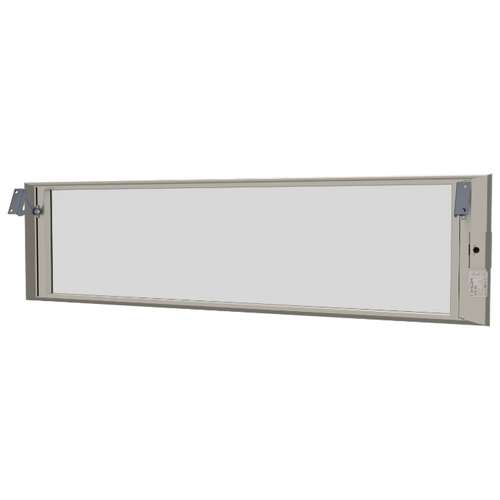
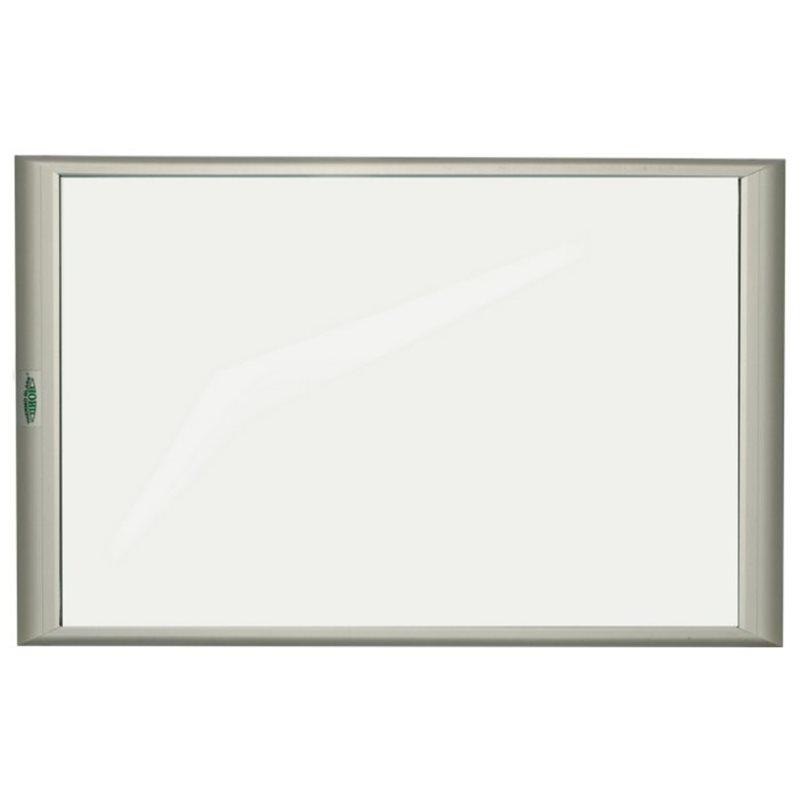
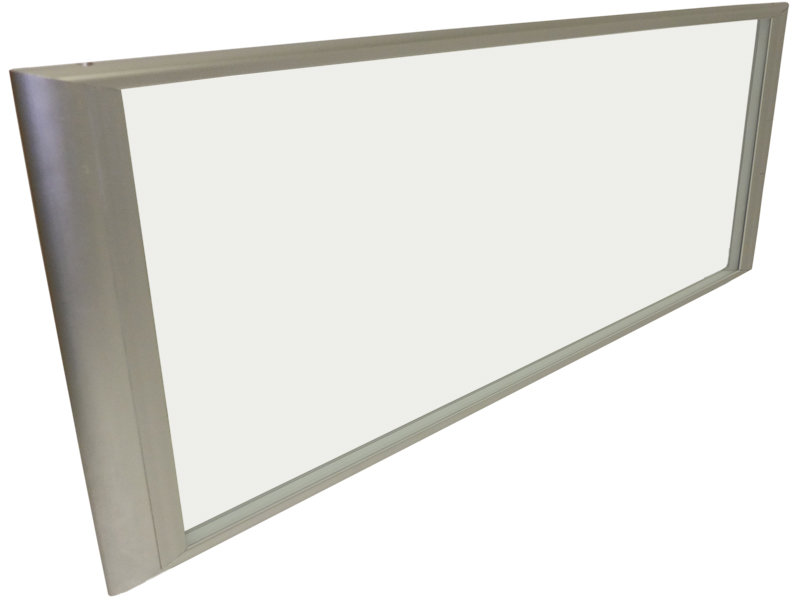
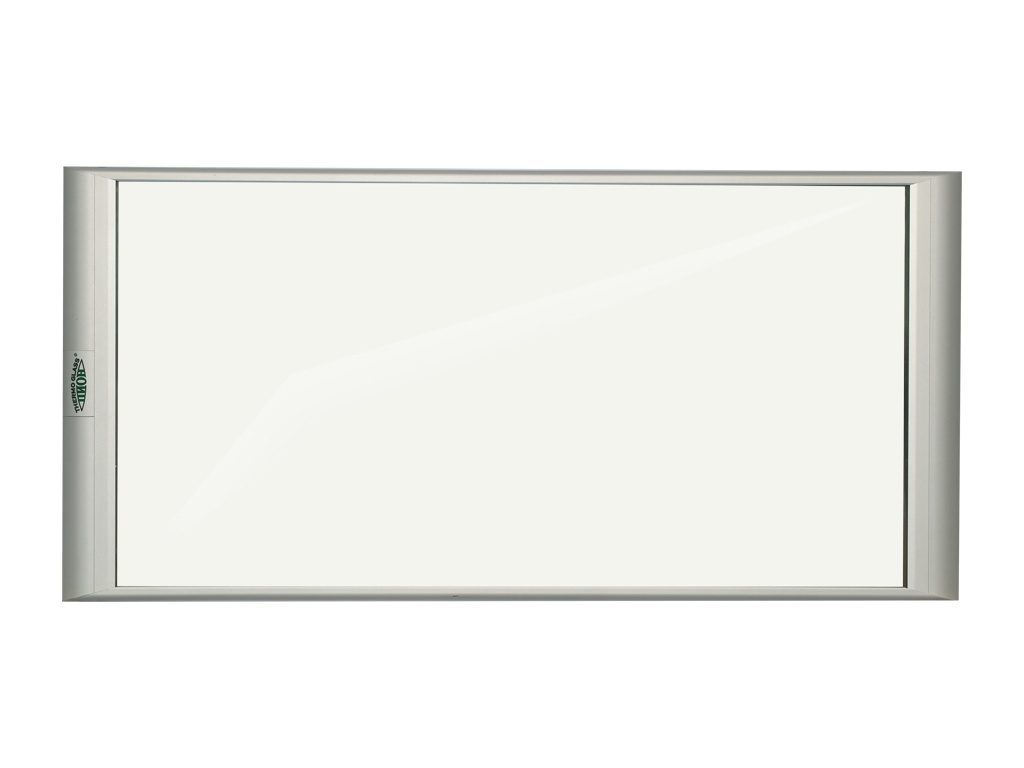
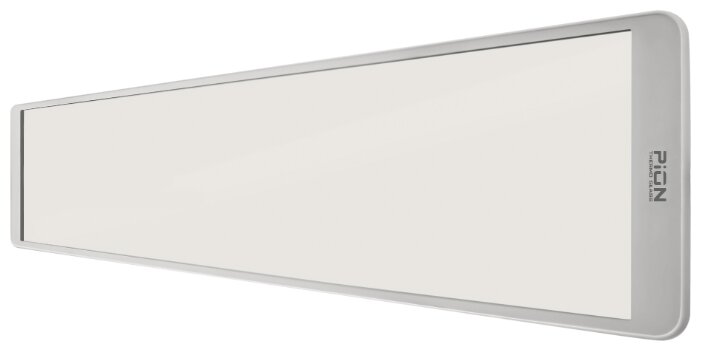
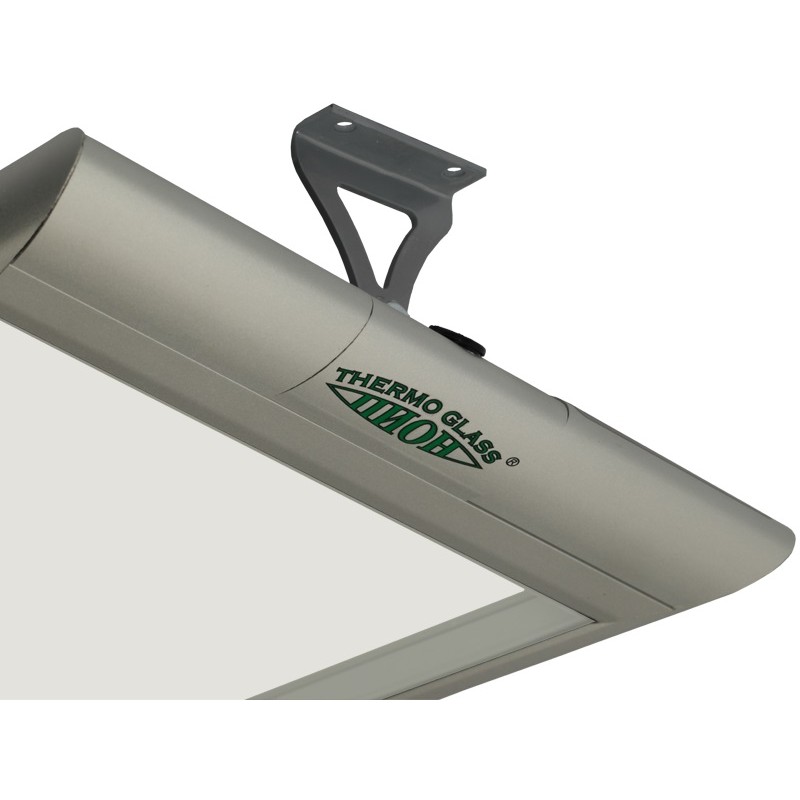
Infrared heaters Thermo Glass, household and industrial, are equipped with a non-standard heating element - tempered thermo glass with a special applied layer of NANO Energy. Glass is one of the most efficient emitters. The degree of its radiation reaches 97%. When heating a room, the Efficiency of such an element is as large as possible.
Peony Thermo Glass can be divided into 3 types:
- Wall.
- Shelf.
- Floor.
Peony Thermo Glass is represented by a wide range of models, which allows you to choose and purchase a device that meets all the needs of the owner.Some units can be classified as combined because they can be installed and look equally good on the wall and ceiling.
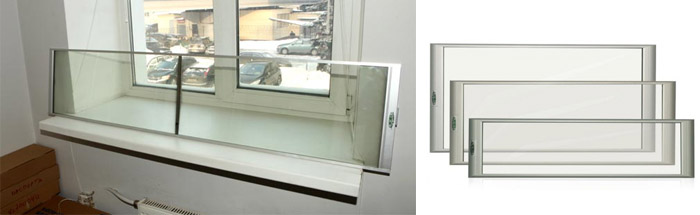
Advantages:
- Organically fit into any interior.
- Very reliable, as there is practically no wear to such a heating element.
- Moisture resistant, can be installed in the bathroom and other rooms with a high level of humidity.
2. Armstrong.
This variety is good for use in offices, government agencies, schools, kindergartens, because they:
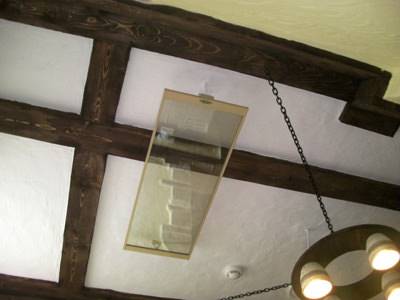
- are installed on the ceiling and receive automatic protection against physical contact and damage;
- safe for children due to its location;
- do not take up useful space;
- over a large area, they can be installed in such a way as to heat only selected areas (working places, training places) without overheating the entire room.
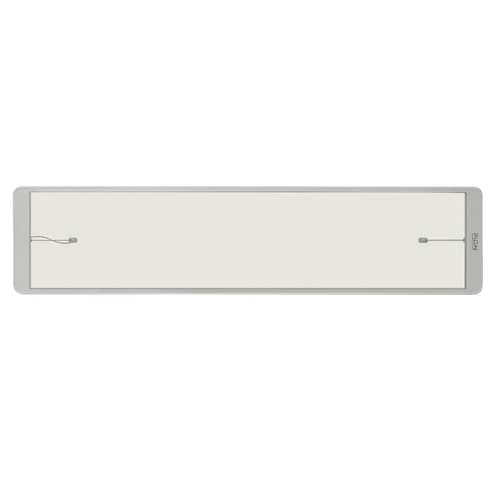
As an installation site for infrared heaters Armstrong, both a regular ceiling and an Armstrong-type suspended ceiling are suitable. In the case of a false ceiling, these climatic devices can be formed into a single series to warm up the entire area of the interior space. The Armstrong radiant plate is also made of tempered glass, but unlike the Thermo Glass brand, you can choose from only 2 models.
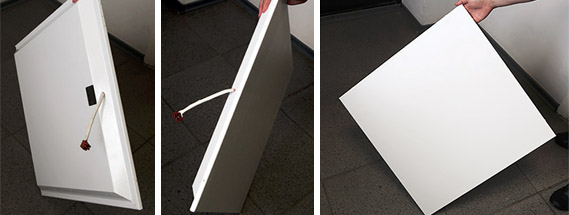
3. Ceramic.
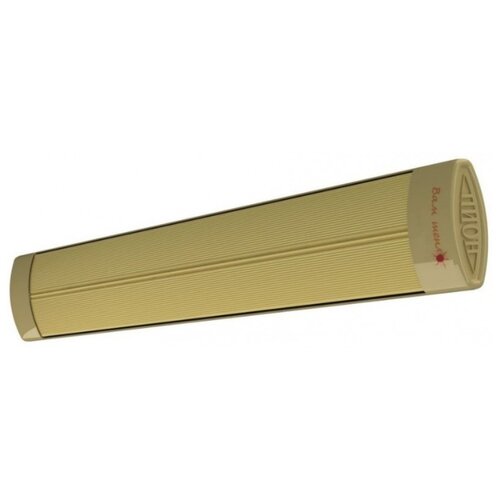
If we omit boring technical details, then the process of creating a Pion heater with a ceramic plate is as follows. On the surface of the metal from which the device is made, a very thin layer of ceramics is applied by a special method. With the help of a complex chemical reaction, these two materials are bound into an unshakable metal-ceramic structure.The resulting plate is close to a perfect 100% heat emitter, which increases the degree of its efficiency in space heating at the lowest possible cost of electricity. And its semi-cylindrical shape, which increases the heat dissipation angle up to 120 degrees, brings the efficiency to the maximum value.
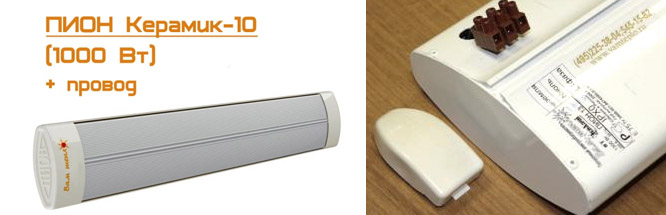
4. Suite.
There were cases when negligent sellers passed off the Lux brand as Ceramic, selling it at a higher price. Metal and ceramic plates are distinguished as follows:
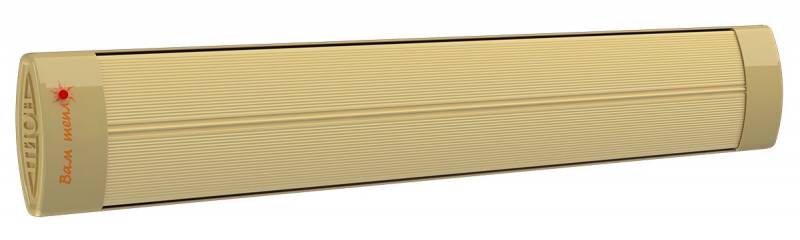
- By color: the ceramic plate can be either snow-white marble or the color of coffee with milk, the metal one has a gray or golden hue.
- To the touch: the ceramic surface is rougher.
Basic rules for installation and operation
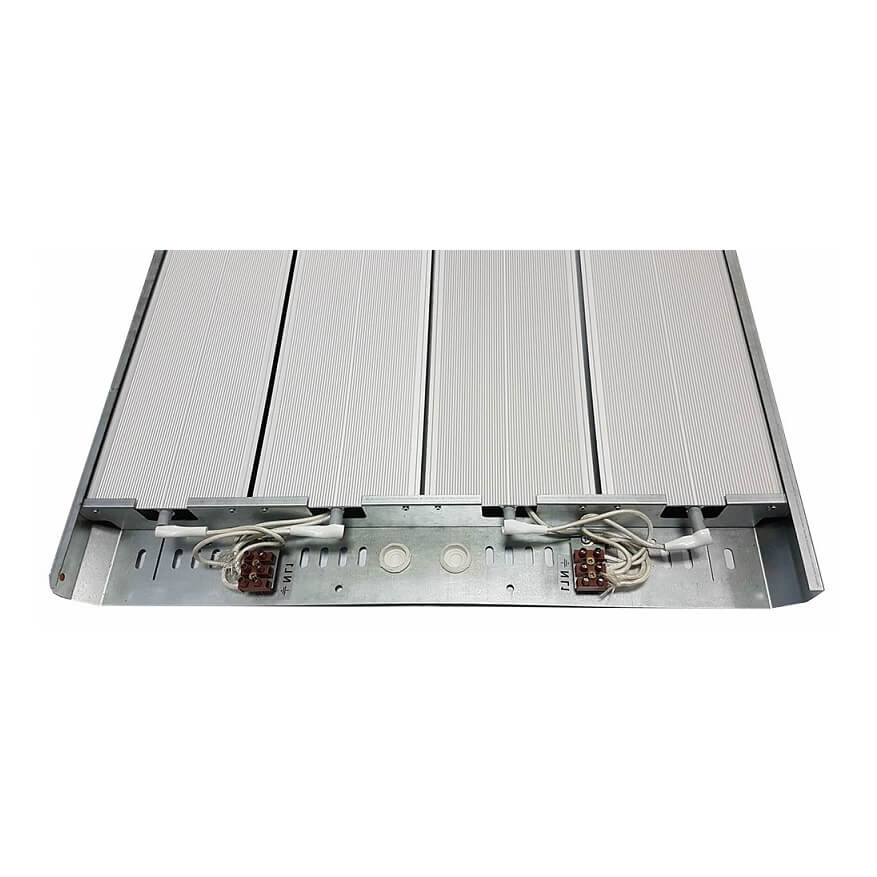
Installation must be carried out with cotton gloves to avoid getting sebum and dirt on the heat-radiating plate. After removing the device from the packaging, it should be placed horizontally with the plate down. According to the installation plan, mark the location of the heater, make holes for the corners and screws.
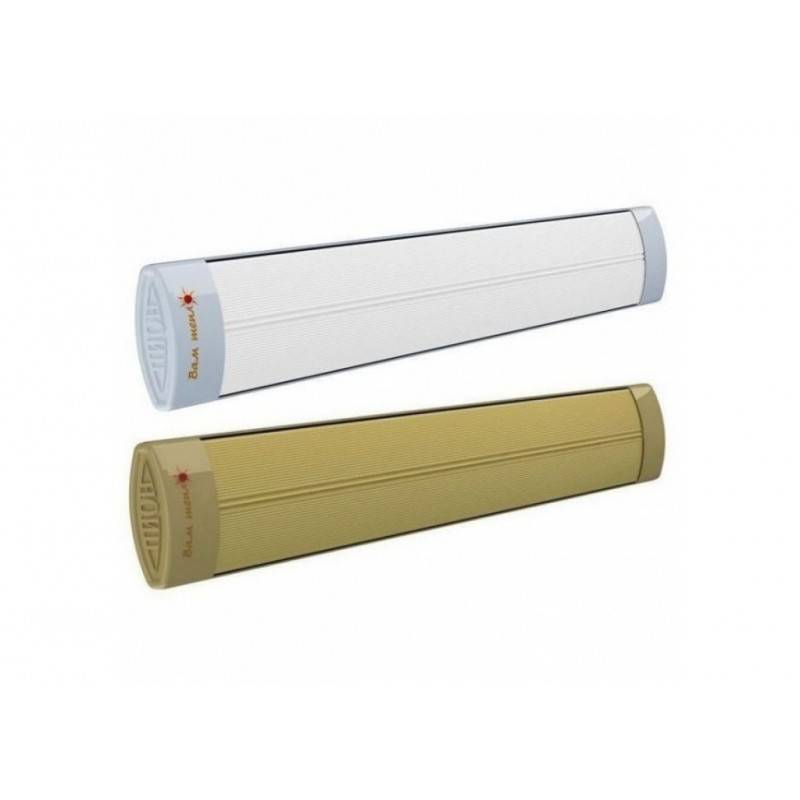
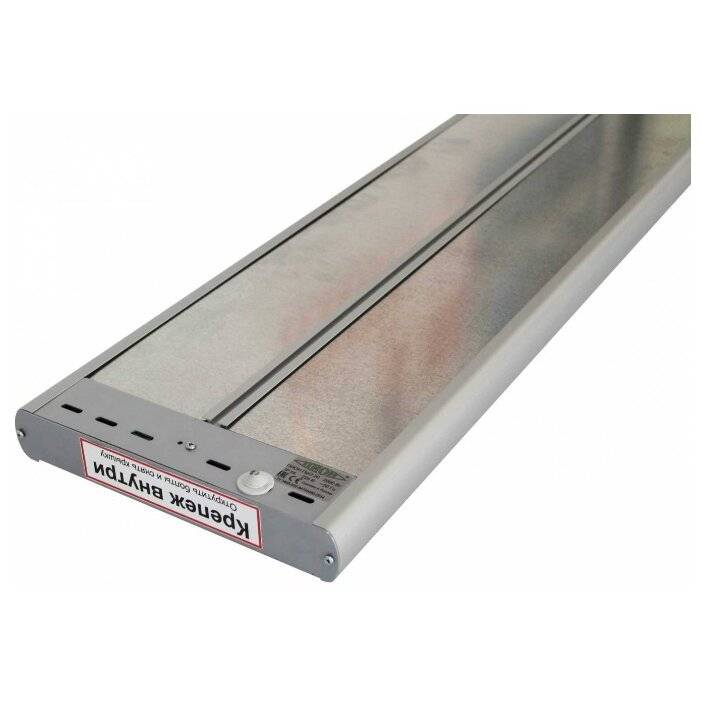



If a standard suspension kit is used, it is necessary to attach the equipment to the chain links, having previously screwed in the ring screw (here the height of the chain may vary depending on the surrounding conditions). If rigid brackets, purchased separately, are used, their grooves must be aligned with the screws.
The heat radiating plate must be wiped with alcohol immediately before connection.
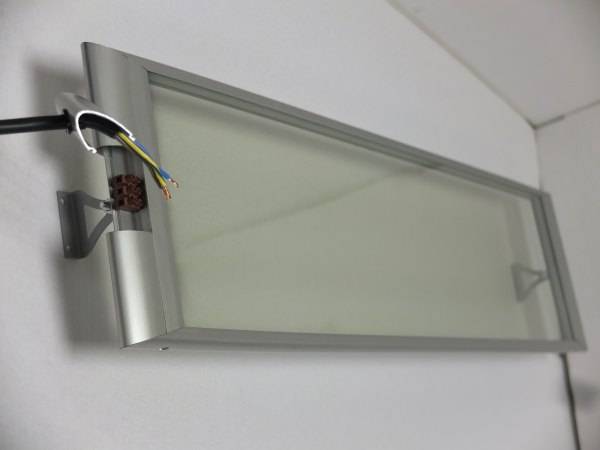
You will need a three-core supply cable, it is important that its cross section is suitable for the electrical load
Its ends are connected to the terminals on the heater, adhering to the specified polarity.
Pion electric heaters do not require specific maintenance. To ensure maximum operating life, the manufacturer recommends adhering to the following rules (they apply to unplugged, completely cooled devices):
- to remove dirt from the case, it is enough to wipe it with a damp cloth; to clean the heat-radiating panel, you must use alcohol;
- annually check the tightness of the terminal connectors, the operability of the contacts of the supply cable.
If the device does not heat well, you need to make sure that the thermostat is working and check the voltage at the terminals. If the device does not work, you need to check if the power cable is broken, inspect the contacts in the heater and network blocks, make sure that there is voltage and that the thermostat is not broken.
Do not touch the build plate with your fingers. It is desirable that high-quality thermal insulation be organized in the serviced room, otherwise drafts will reduce the efficiency of equipment use.
Helpful Hints
Pay attention to the following points:
- When choosing an infrared heater, the calculation of the required power is of particular importance. There is a certain standard: 1 kilowatt of energy per 10 square meters. m. premises. But purchase a device with a power reserve, as heat can leak through cracks, windows and doors.
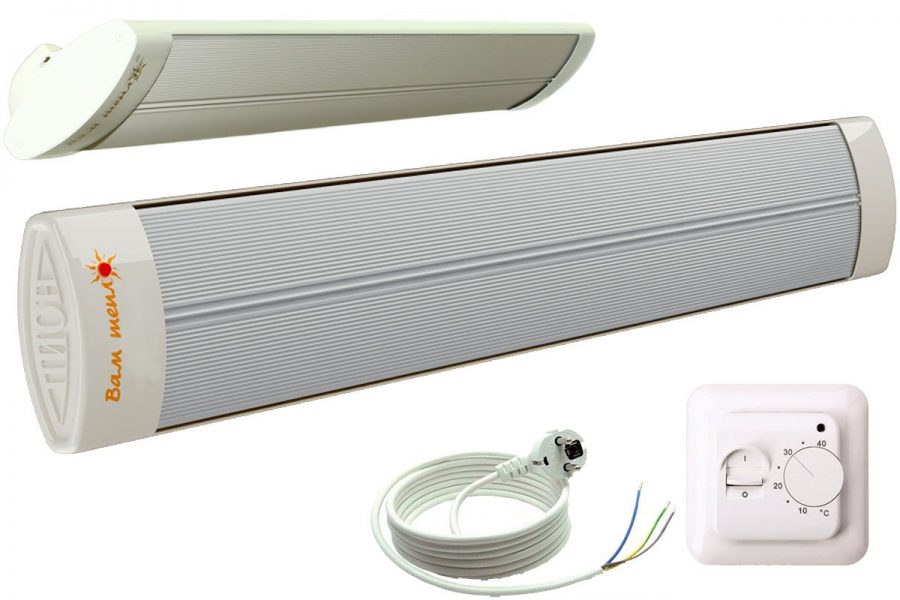
- To heat a house or apartment, a heater with a thermostat is required. Regulators are mechanical and electronic. Due to the complexity and inefficiency of the first, it is better to give preference to the second option. Electronic allow you to set the temperature program for the whole day and rationalize energy consumption.
- An infrared heater must be installed at a certain distance from a person, otherwise he cannot avoid a headache. The length of the required distance should be determined by the power of the device. If it is equal to 700 or 800 W, then the radiation source can be located at a distance of 0.7 m. With a power of more than 1 kW, it is required to remove it by a meter or more.
You may find the article about IR garage heaters useful.
Read an article about the features of the PLEN heating system here.
Selection tips ↑
We have collected for you a number of useful recommendations from manufacturers and users. These tips can be used if you are thinking about buying a heater.
First, the type of execution. Many are lost immediately: which of the devices to choose - ceiling, wall or floor?
It depends, firstly, on the size of the room. And secondly, on the terms of use. First of all, decide whether you will use your device permanently or intend to move it to different places. Mobile (movable) heaters, as a rule, are smaller in size and have a relatively low power. Stationary samples make wall, ceiling and baseboard.
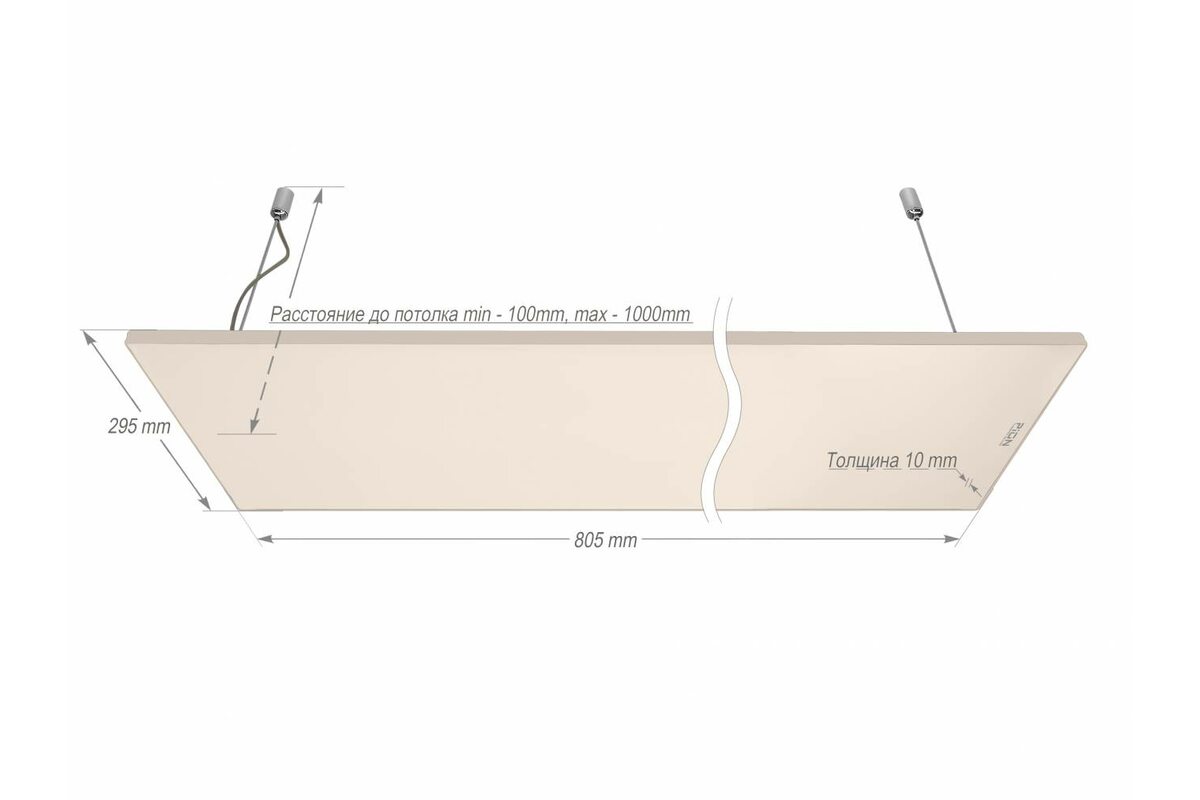
The most convenient type of device, perhaps, can be considered a ceiling IR heater. It will not take up extra space in your room, and the radiation range of ceiling heaters is quite extensive. There are models that are mounted in false ceilings - built-in. And there are those that are attached to the most ordinary ceiling with the help of special brackets - suspended. The distance from the instrument case to the ceiling is approximately 5 cm.

The nature of the dissipation of heat rays from the ceiling IR heater
Weak power and not so efficient floor heaters, when radiating heat, encounter more obstacles in their path than ceiling heaters.
If you make a choice from them, it is better to pay attention to models with a tubular heating element or carbon fiber. A ceramic heater, according to our experts, is unlikely to last as long
Price
The price for heaters of this class can vary significantly and depends primarily on the power of the device:
For example, a Pion Thermo Glass PN-12 heater worth 10,000 rubles can heat a room up to 20 m2. The power of the device is 1200 W, and given the fact that such devices will work for decades, the money invested in this type of heater is the most profitable investment. During the period of operation of one infrared heater, dozens of oil heaters or devices that use a hot metal coil as heating can fail.
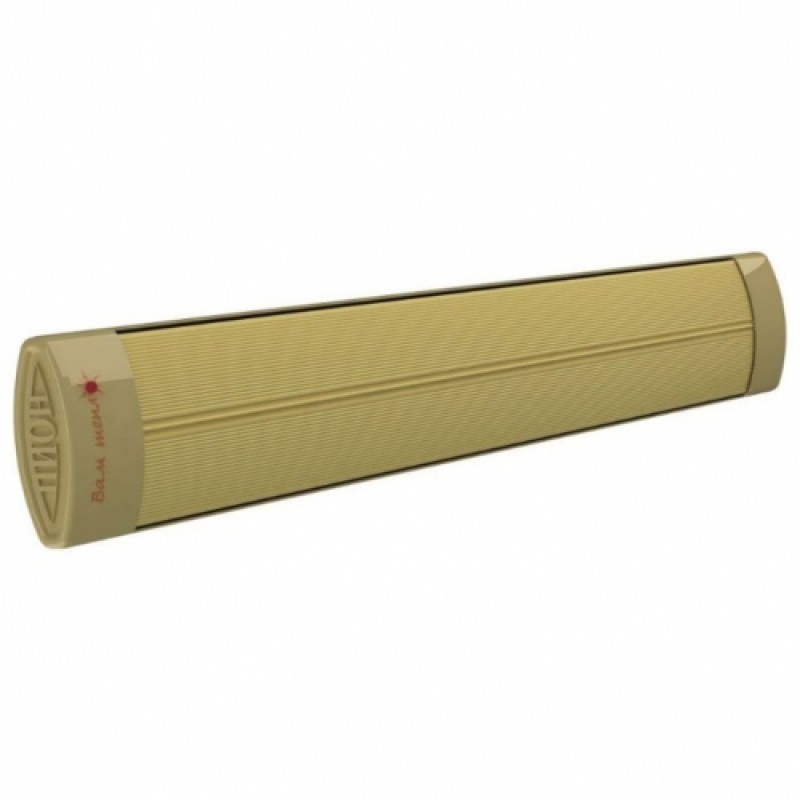
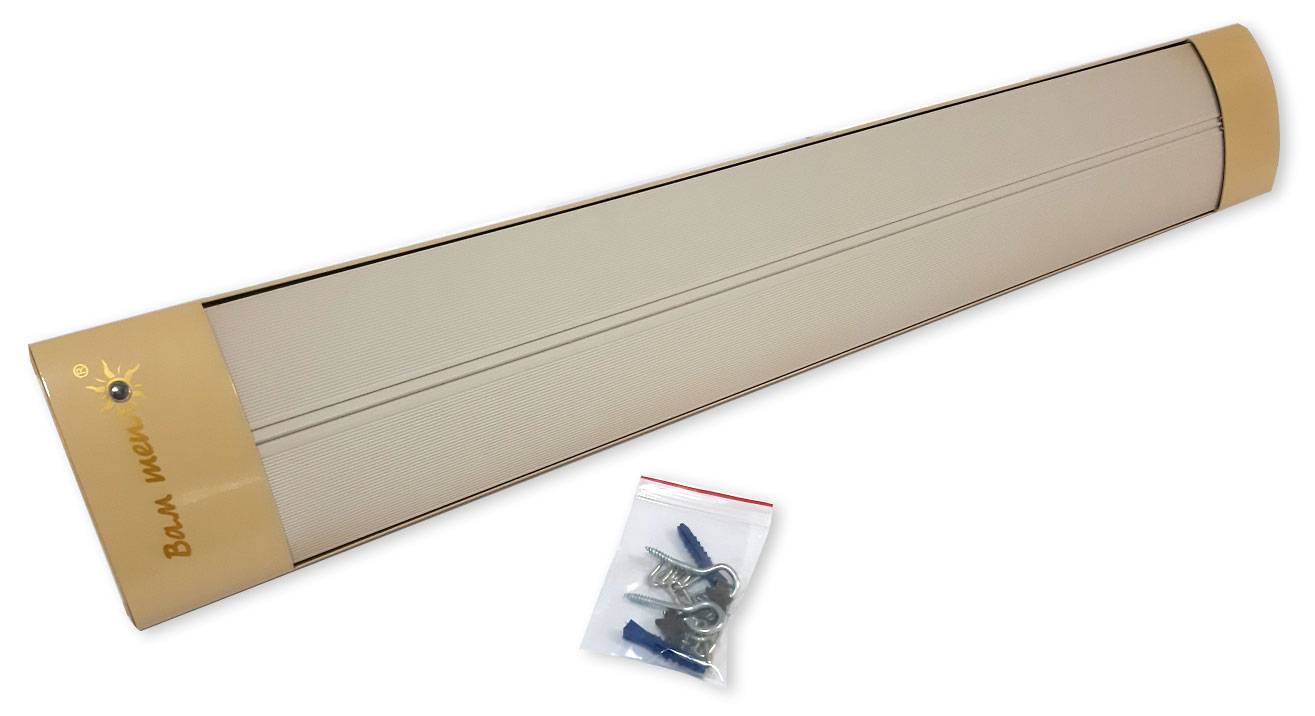
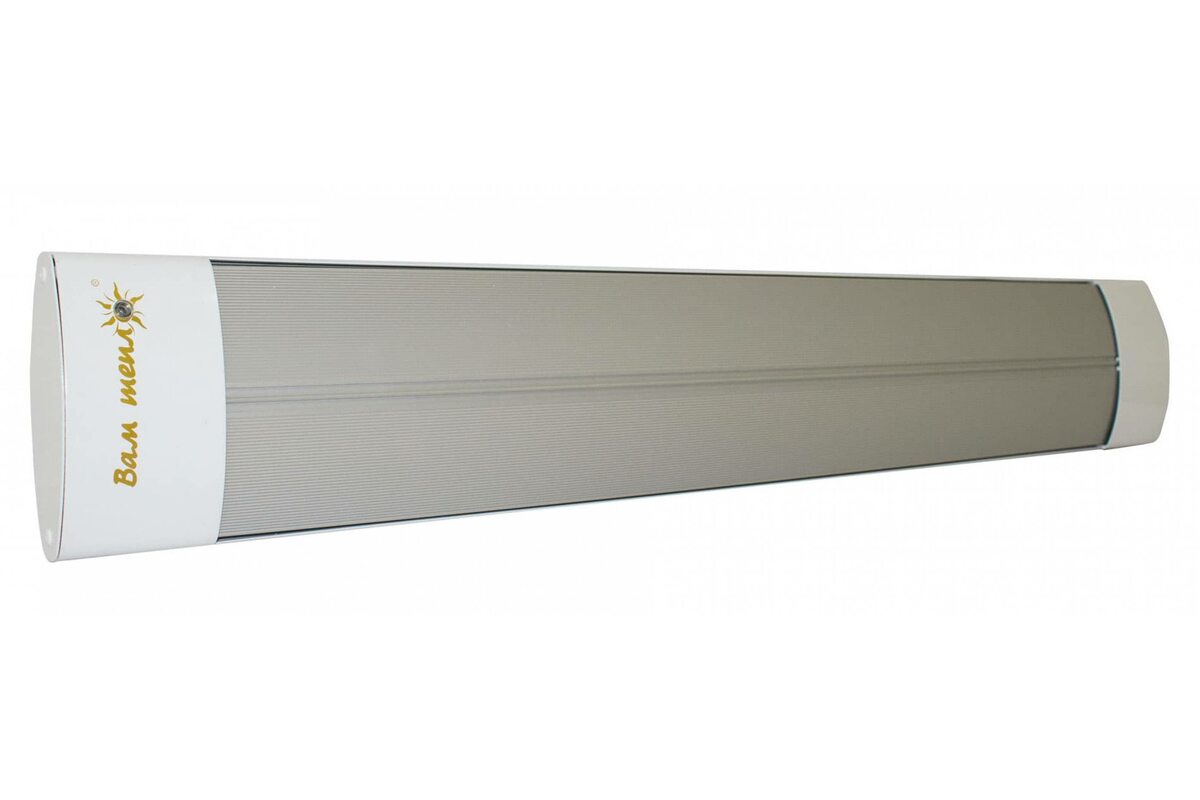


Infrared heaters are very reliable and safe to use, so even a device of such low power can be operated non-stop, and heated objects from infrared radiation will additionally warm the air in the room. Therefore, if the room area does not exceed 20 m2, then this product can be used both as an additional means of heating, and as the main heating element in spring or autumn.

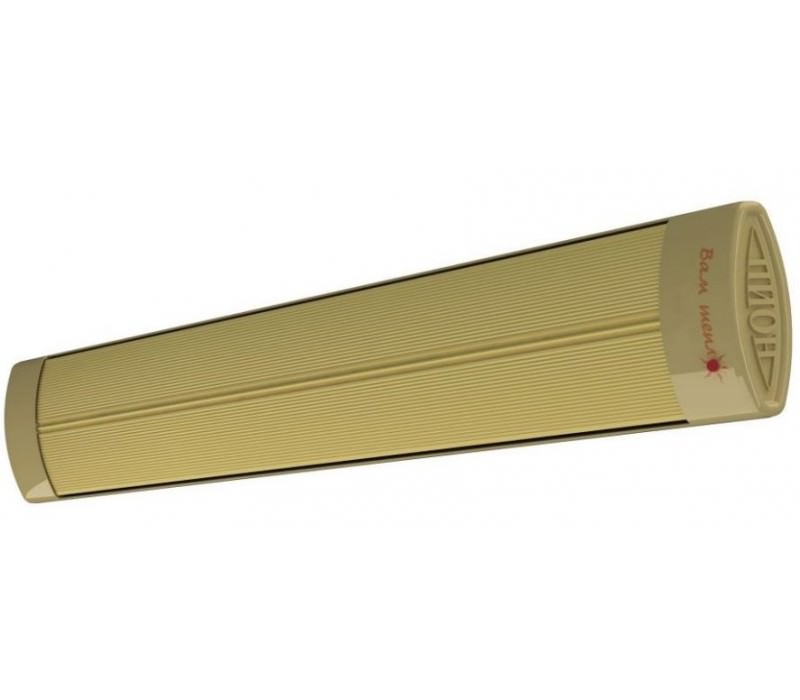
Peony 06 Lux can be purchased for 2500 rubles, but such a device can only be used as an additional heat source.The power of this product is 600 W, which is quite enough to heat a small room.
The device can be installed on the wall in such a way that the thermal radiation that this device reproduces is directed to that part of the room where people are usually located and at low power this product will heat only this sector, increasing the level of thermal comfort.
Blitz Tips
- When buying, be sure to carefully inspect the body of the product. Even if there are minor dents or scratches, this indicates careless handling of the device during transportation, so you should not purchase a device with such defects.
- Before purchasing an infrared device, you should study all documents that indicate the safety of the device. If the seller does not have such documents, then the purchase should be abandoned.
- Installation of the device on the ceiling should be entrusted to professional installers who will install the device in accordance with all the rules.
Principle of operation: the effect of the Sun ↑
The first question arises: what is the difference between such devices and convectors? And they differ radically from each other. Infrared heat doesn't heat the air, it heats objects in the room, including walls, floors, and ceilings. Not without reason, this type of heaters are often compared with the domestic sun. Their radiation, similar to the sun's rays, seems to penetrate the surrounding air, without heating it. But when the beam reaches an object that does not transmit light, it immediately absorbs it, while, of course, heating up. Infrared waves are different in that they have a long wavelength. They are just perceived by us (our skin) as heat waves emanating from the sun's rays.We feel this warmth, although we do not see it. These rays warm us, regardless of whether winds and drafts are walking nearby - they are not a hindrance. Also, drafts are not exactly afraid of infrared-type heaters used for domestic purposes - the wavelength of such heat, one might say, is similar to the wavelength of the IR spectrum of the Sun. Hence the analogy.
None of the known convectors will heat the room instantly - if only because the warm air inevitably rises upwards. That is, the space near the ceiling is heated first of all, while people are just below. Until the warm masses of air finally mix with the cool ones, not so little time will pass as we would sometimes like. Willy-nilly, you have to freeze in anticipation of the temperature in the room rising to a comfortable one.
Not so with infrared heaters. The heat from them just begins to be felt immediately after turning on the device. True, it is not felt throughout the room, but locally - only where thermal radiation is produced.

Heating with an infrared heater occurs according to this principle
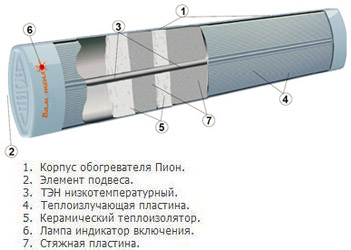
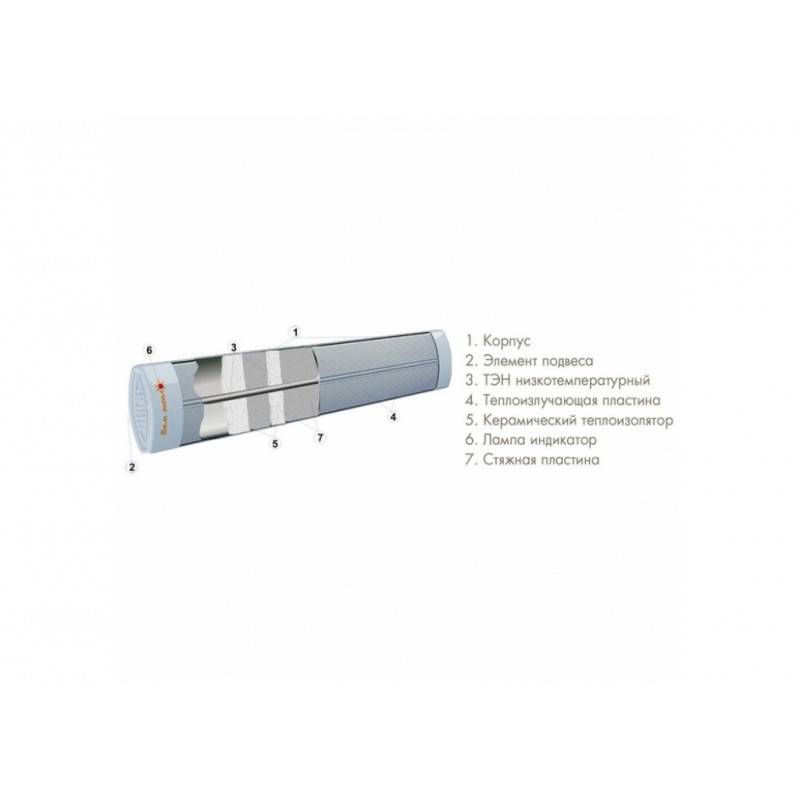
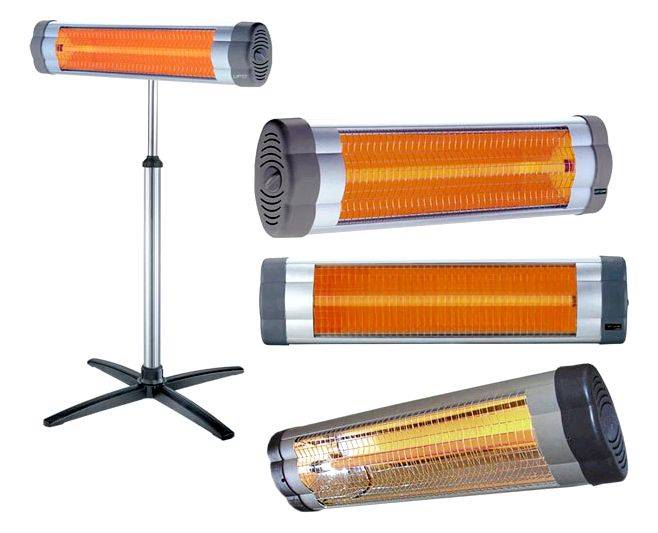
The infrared type device does not have any clever elements inside. Powder-coated steel body, aluminum reflector. The latter has a basic structural element - a heater. Only four different types of these elements are known:
- halogen;
- carbon;
- ceramic;
- tubular (the so-called heating element).

How air masses move during convection
Infrared heaters have a thermostat to adjust the temperature, as well as a sensor with which the device will turn off to prevent overheating. Floor models are equipped (and without fail) with a special tipping sensor in case of unforeseen situations.
Description
Heater "Peony" is of two types:
- glass;
- ceramic.
Glass devices are often mounted on a wall or ceiling. Thermal glass is used as a heating element. It allows you to convert electrical energy into heat. Radiation should not occur at windows or doors, as this may cause loss. This type of heater is used for heating apartments - it provides a comfortable temperature even in a country house. A transparent surface will make the heater fit into any interior.
Ceramic devices are used for wall or ceiling mounting. They have a heating device, which is created using micro-arc oxidation technology. It allows you to increase the ability of the heater to give off heat. The heat that is transferred from the ceramic surface warms the air, but does not dry it out. The plates have a high level of resistance to mechanical stress - they do not form chips or cracks.
What criteria to choose
Having picked up a model with an acceptable power for you, try to find out the following about it:
The thickness of the anodized coating of the emitter.
It is desirable that it be at least 15 microns, and preferably 25 microns. In the latter case, the service life of the plate is up to 25 years.




Foil reflector thickness.
Acceptable value - 120 microns.With a smaller thickness of the reflector, a significant part of the thermal radiation will go to the ceiling.
TENA material.
The best option is stainless steel. Ordinary steel, even with an air humidity of 40% - 60%, will rust quite quickly.
Heat insulator material.
The main criterion is environmental safety. The best heat insulators have hygiene certificates confirming the possibility of their use in cooking devices - microwaves and ovens.
Terminal block material.
The least resistant is polyamide. Fiberglass and ceramics tolerate heat much better.
Principle of operation
The heater can operate within a certain range and radiate heat energy. Its action is based on the principle of infrared light emission. Such radiation comes from a source and has a specific purpose - it heats local areas and objects located in the room.
It is believed that such heaters are very economical and do not run idle. The mechanism of such a device consists of a heating element containing ceramic parts assembled in one volumetric plate.
Light beams can be directed to pieces of furniture, due to which they heat the entire room. You need to make sure that the heat does not go outside.
Such mechanisms differ from traditional ones in that they do not reduce the amount of oxygen and do not dry the air. Such devices are used in private houses, apartments, in trading and office halls. They are also installed in workshops with high ceilings and in warehouses.
Instrument selection
First of all, you should decide in what mode this product will work.If you need constant heating of the room by means of infrared radiation, then you should purchase a heater with a power of at least 1200 W, which will provide the most comfortable microclimate in the room around the clock.
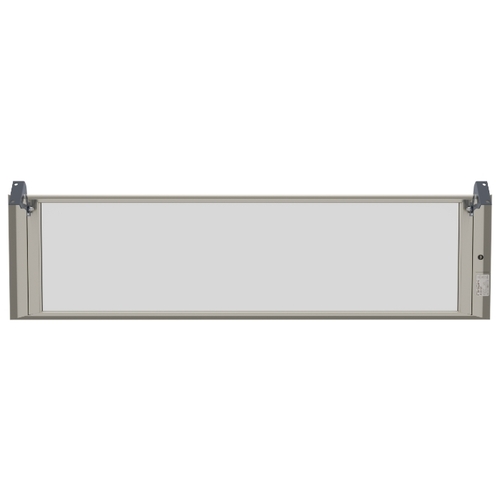
The Pion Thermo Glass PN-12 model will ideally cope with this task. Such devices can be installed both in a horizontal plane on the ceiling and in a vertical wall position.
There are floor models of infrared heaters, but such devices are convenient only if the device is used as an additional heat source and is often moved from room to room.
When the type of device and its power are correctly determined, attention should be paid to the thickness of the anodized layer of the emitter. If this indicator is less than 15 microns, then it is better to refuse to purchase the product.
The best option would be to use a product with an anodized coating of at least 25 microns. Such devices, even with daily use, can last more than 20 years.
An equally important indicator of the operation of Pion heaters is the thickness of the foil layer of the reflector. This indicator should not be less than 120 microns, otherwise a significant part of the radiated energy will not be directed to the sector of the room that needs to be heated in this way
The heat insulator material should not emit harmful substances when heated, so a hygiene certificate is required. This document confirms the safety of using the product in residential areas.



How people are fooled (video) ↑
As you can see, how many people, so many opinions. In order not to leave you on such a pessimistic note, I will give one more review:
“As for ceiling heaters (as in your video), I heard a lot of negative feedback. I've never used one myself, so I won't lie. But at home and at work I quite successfully use an infrared heater of a different type (in my opinion, carbon, floor / wall). It actually heats up the surrounding objects. I don't think we should expect fantastic results from him either. Although it is much easier to warm up with it in the cold and, most importantly, faster than with an oil cooler. I use like this:
Infrared heater "Peony"
Heaters of this brand have already managed to become famous all over the world and prove themselves only on the positive side. The production of such devices is based on ecological materials, and since they are assembled very high quality, the service life of such a heater can be more than 25 years. This product has a large assortment - you can choose a mechanism that fits the size of your room, and will also have optimal power.
More recently, Pion heaters used electric heaters, which over time began to crack and break. Devices currently being produced no longer have such disadvantages, since they combine all the elements.
This ensures quiet operation of the heater. Many models have a rounded shape that provides excellent radiation and tolerates any temperature deformation. The manufacturer "Peony" gives a guarantee for products for 3 years. If the device breaks down during this time, you can contact the service center and fix it for free.
Popular manufacturers
TM Pion
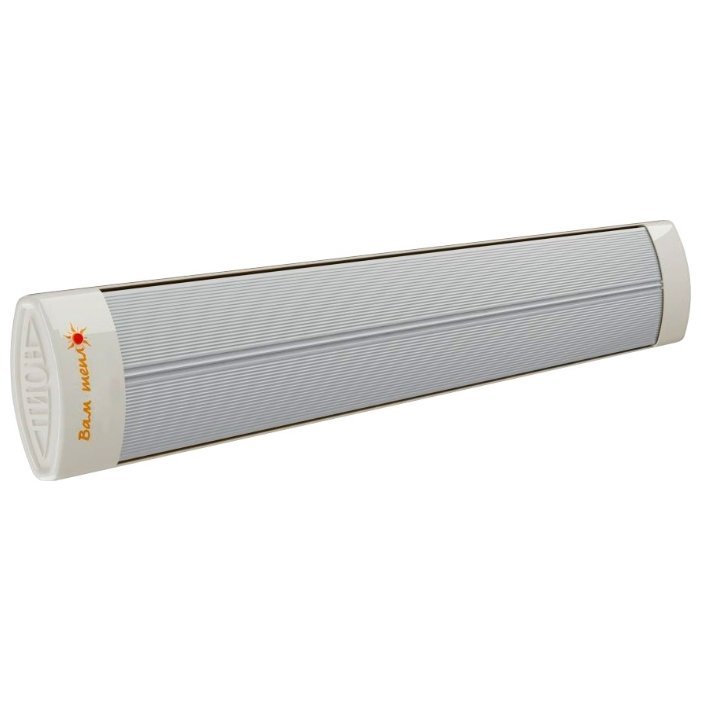
Among the products that have been tested by time and have proven themselves from the best side, one can confidently include the Pion brand heater. The production of these devices is based on the use of only the most impeccable materials from the point of view of environmental safety, and thanks to high-quality assembly, their service life reaches 25 years. The products are presented in a wide range: based on the size of the area to be heated, the buyer can choose the Pion model with a power of 400 W to 2 kW.
Watch a video about Peony brand products:
Until a certain time, in heaters of the Pion brand, the radiator was heated by electric heaters, which, when the device cooled down, became a source of characteristic crackling. Today, this disadvantage has been eliminated: the heater and the emitter are combined in a single element (the so-called monoplate), which operates absolutely silently. Having a special rounded shape, it provides a wide radiation angle (up to 120 degrees) and tolerates temperature deformations well. The manufacturer's warranty is valid for 3 years.
At the moment, the manufacturer supplies its products in three versions:
 1. Peony luxury.
In devices of this series, the emitter is made of aluminum. The temperature of its heating is only 240 degrees, which eliminates the possibility of the smell of burnt dust.
Corresponding to the IP53 moisture and dust protection class, the Pion Lux infrared heater can be used in rooms with high humidity.
2. Peony Ceramic.
By applying a ceramic coating to the aluminum emitter, the developers of the Pion Ceramic infrared heater managed to increase the efficiency and intensity of thermal radiation.
3. Peony Thermoglas.
The Pion infrared heater of the Thermoglas series is equipped with a special emitter made of laminated heat-resistant glass.
 Models of this line are the most reliable and have the highest efficiency. The heating temperature of the heater emitter Pion Thermoglas does not exceed 180 degrees.
TM Almak
A feature of Almak IR devices is a spectacular aluminum case that will decorate any interior. The standard version of the device is white, but the buyer can order any color according to his own preferences. Almak's heater is characterized by high reliability, which is confirmed by a long warranty period - 5 years.
Watch a video about this product:




From the presented assortment, you can choose both a low-power model, designed for heating a bathroom or hallway, and a more serious device with the ability to cover up to 40 square meters. m of heated area.
TM EcoLine
Infrared heaters Ecoline are focused mainly on use in urban apartments. In addition to a long service life and high efficiency, these devices are characterized by such dignity as mobility. Well-thought-out fastening in Ecoline brand heaters allows for quick installation and dismantling in any of the premises. At the same time, the device has a very small weight, which makes it easy to carry it from room to room.
One of the most popular models - infrared heater Ecoline ECO-10 - has a power of 1 kW and is designed to heat an area of 10 square meters. m as the main heating and 20 sq. m as an extra. The device should be placed at a height of 2.5 m.In addition to the classic version, there is a special “wood effect” version for interiors of the corresponding type.
TM Bilux
Infrared heaters Bilyuks are issued under the AOX Glass trademark. The body of the device is made of anodized aluminum and has an attractive appearance that blends well with any modern interior.
The emitters of Bilux infrared heaters are made of a special type of glass, which has a high heat transfer coefficient. The surface of this element is covered with a layer of conductive material, due to which the glass is heated.
Bilux infrared heaters are available in a wide range and can be used to heat rooms ranging from 4 to 40 square meters. m.
Conclusion ↑
There are experts who categorically assert: infrared heaters are the future. Those, judging by the statistics, are gradually pushing electric convectors and boilers out of the market. If we mean heating with electricity, then it is the infrared type heaters that are efficient and energy-saving devices. On average, the temperature of a room where infrared ceiling heating is used is always a couple of degrees lower than when another heating system is used.
Such an aspect as the durability of infrared (ceiling-type) heaters is also captivating - there are models that have been working without interruption for almost 15 years.
The simplicity of the equipment (including installation and no operating costs) is also a plus. Maintenance of devices is minimal - except to wipe the dust once a year).
Perhaps, almost the only "cons" for some consumers is the lack of the necessary power and more ... ceiling placement (yes, many perceive this as a violation of the design and style of the house). And then even such important criteria as reliability, durability, economy and efficiency do not motivate people to completely switch to ceiling infrared heating devices. However, one should not think that this situation is only in our country - it is typical for other countries, believe me. As for the notorious "future", I personally had big doubts about it after watching the following video. The first of the proposed commercials partly reflects, perhaps, the advertising goals of manufacturers. The second is the personal experience of consumers, and, as you know, it is not always so successful. You will have to choose for yourself what you like.
Valentina Maltseva