- Advantages and disadvantages of a mini-boiler room in an apartment building
- Mini-boiler room in an apartment building and its advantages
- Advantages
- Flaws
- What factors should be considered
- Heat exchanger material
- Burner type
- Electronics and automation
- Operation features
- Requirements for a room for installing a gas boiler
- Let's carry out the calculation
- Power correction factors
- Negative attitude of housing and communal services
- Pros and cons
- Advantages
- Flaws
- Shutdown of district heating
- Safety regulations
- Basic requirements for the premises for the placement of gas boilers
- To the kitchen
- To the apartment
- To a private house
- To the boiler room
- Conclusions and useful video on the topic
Advantages and disadvantages of a mini-boiler room in an apartment building
Energy resources are becoming more expensive - this is a fact, therefore, the issue of saving energy resources has become especially acute recently. This also applies to the heating systems of apartment buildings. The cost directly depends on the method of supplying heat to residents, of which there are currently two: centralized and autonomous.
Mini-boiler room in an apartment building and its advantages
If everything is more or less clear with centralized heating, then with autonomous heating - not quite.Of course, in addition to the advantages, mini-boiler rooms in apartment buildings have a number of disadvantages. Let's look at the issue one by one.
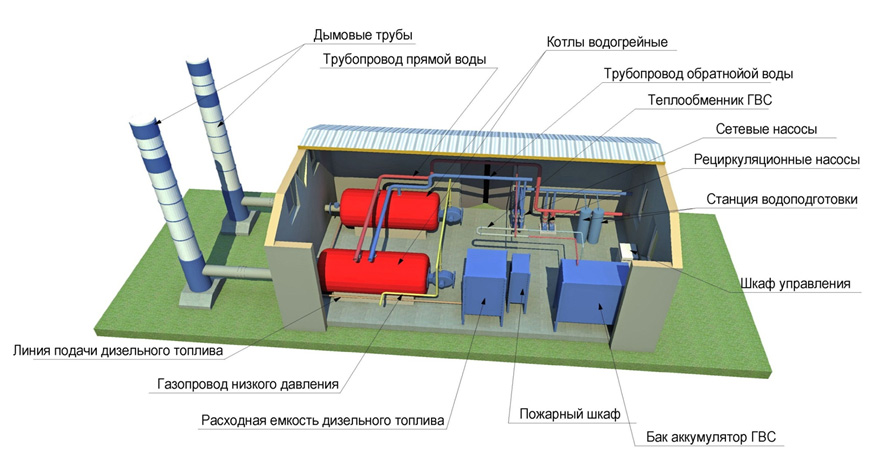
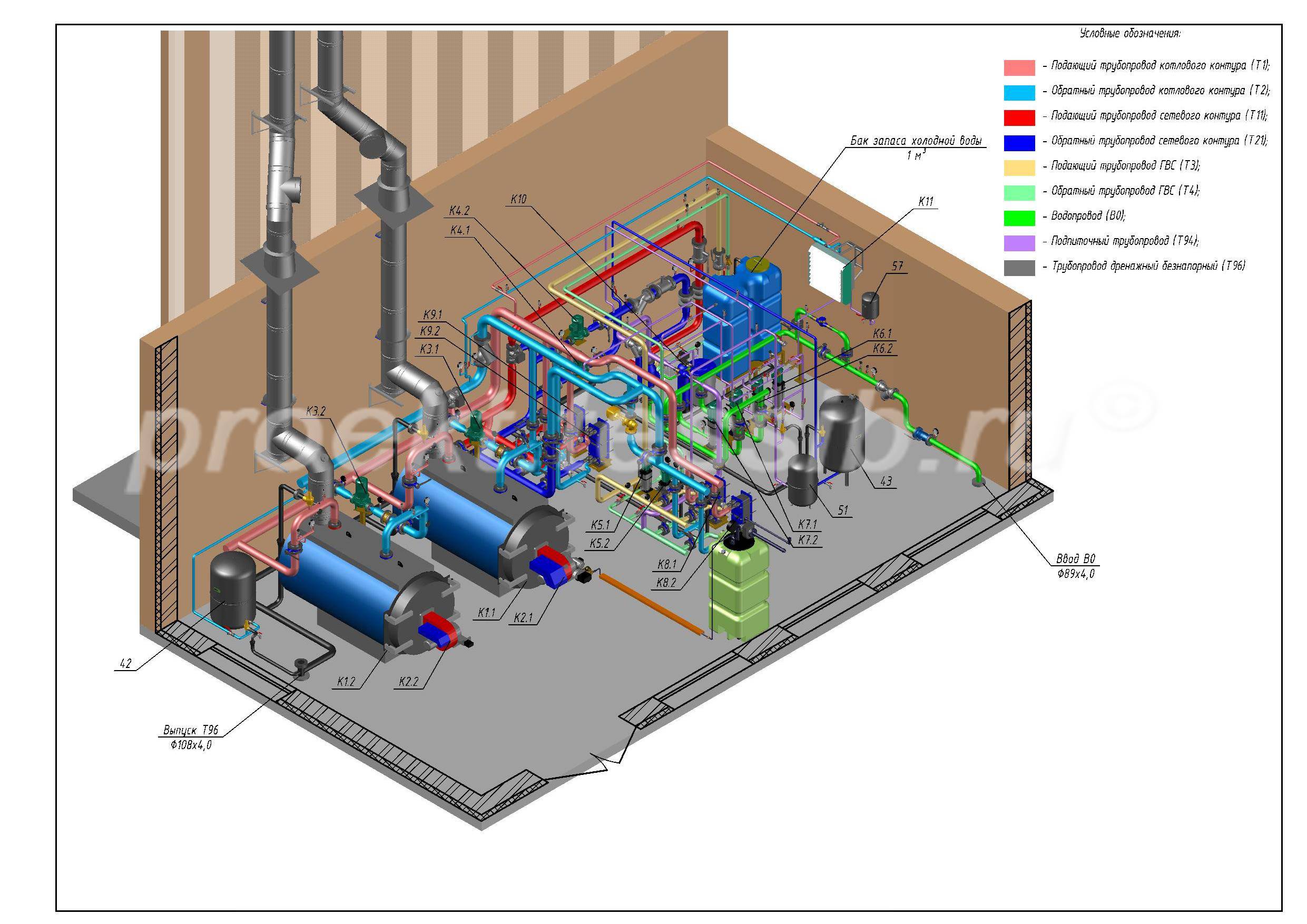
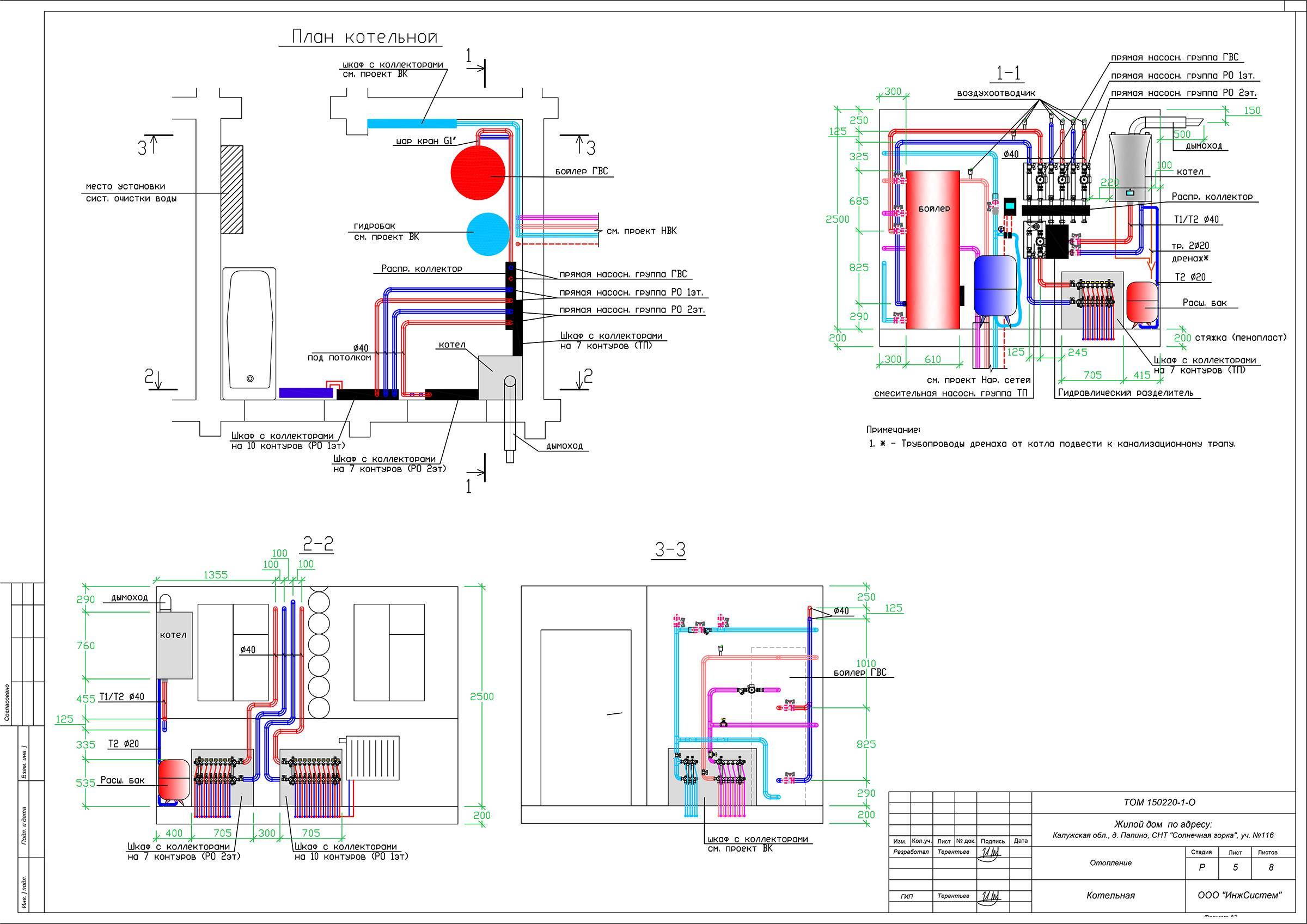
By her own an autonomous boiler room for a residential high-rise building is a separate room
, in which equipment of such power is installed, which is enough to provide heat and hot water supply to the whole house.
Advantages
- A shorter "path" from the generator to the consumer. Heat is less wasted along the way, because the distance itself from the mini-boiler house to the apartment building decreases.
- The distance is shorter, which means that the consumer receives heat faster.
- Mini-boilers are a relatively new thing: they are not as worn out as centralized heating mains, they require fewer resources for maintenance and repair.
- The cost of such a boiler house is much lower just because of the previous three points.
- We can say that the main and main advantage of a mini-boiler house in an apartment building is its proximity to a heated facility. In addition, turning on / off the heating can be adjusted to the actual air temperature outside the window, and not to accepted standards.
- Another "plus" is the absence of the need to obtain numerous permits for tapping into centralized heating networks. Often the process is delayed, and tenants are not able to move into the purchased housing in a timely manner.
Flaws
Let's talk about the disadvantages of such systems.
- An autonomous mini-boiler room must be placed in a separate room: it is located in close proximity to the object, sometimes in the form of a stationary building, sometimes in the form of an extension.
- Cleaning systems need to be considered.Any boiler room in one way or another pollutes the environment, which is unacceptable for the courtyards of residential buildings. Therefore, it must be equipped with cleaning systems in accordance with the rules and regulations. This increases the cost of construction.
- High cost associated with the low prevalence of autonomous boiler houses - they have not yet been put on stream. Therefore, not all developers can afford them.
However, modern engineering solutions can eliminate some of the shortcomings. For example, an autonomous boiler room can be installed on the roof if the building complies with the standards prescribed in SNiP. It is good if the roof boiler house is included in the project at the construction stage.
Do you need a reliable project for an autonomous mini-boiler house for an apartment building? Fill out a questionnaire at AllianceTeplo - we will help with the design and construction of a boiler room of any kind.
Advantages and disadvantages of a mini-boiler room in an apartment building
Check out the materials on the topic "Advantages and disadvantages of a mini-boiler room in an apartment building" provided.
What factors should be considered
In addition to the class and price segment, other aspects also affect the duration of operation of gas equipment.
Heat exchanger material
Why is the service life of a wall-mounted appliance shorter than a floor-standing appliance? Perhaps the type of placement matters? No, just floor units are equipped with cast-iron or steel heat exchangers. For the same period of operation, their percentage of wear is significantly lower than that of copper radiators, which are installed in mounted boilers.
Copper is thinner than steel, and during operation it lends itself to oxidation and corrosion. Backlash in the heat exchanger can be soldered, but the unit will not last long.The average term of work is from 5 to 10 years maximum. Practice shows that copper radiators serve no more than 7 years, after which they must be repaired or replaced. They are more sensitive to the quality of tap water.
The type of heat exchanger also matters. An ordinary coil can be descaled on its own, and the boiler will continue to work. Bithermic radiators are not subject to cleaning, and the replacement of the node is almost equal to the cost of a new device.
Burner type
Gas appliances have two types of burners:
- Atmospheric - take air from the room to maintain the flame. Combustion products are discharged naturally with the help of traction.
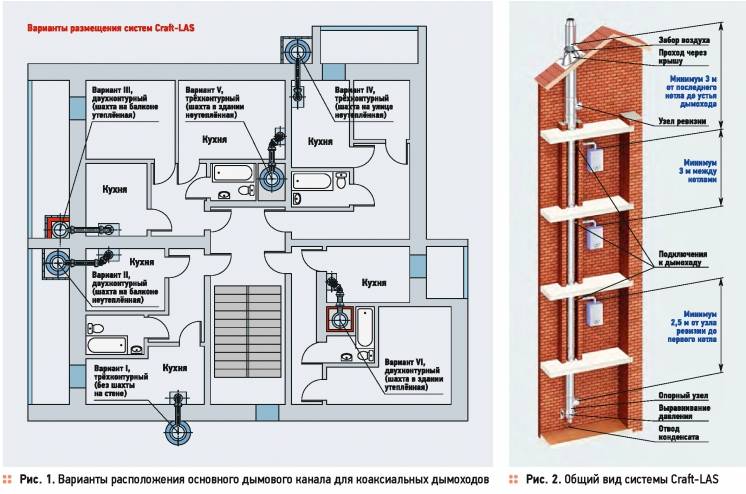
- Supercharged or forced (turbo chambers) - clean air is taken from the street through a coaxial chimney. The power of the flame can be adjusted, the smoke is removed by a fan.
What about operating time? Forced removal of combustion products is more efficient. The boiler works with greater efficiency, which increases the efficiency and reduces the load on its units.


In devices with an atmospheric combustion chamber, a lot of soot accumulates in the holes and on the elements. As a result, the equipment spends more power to maintain operation, heating temperature, so the nodes fail faster.
Electronics and automation
Electronic models are equipped with control sensors, self-diagnostics and require connection to the network. Instability in the network, power surges lead to damage to the elements. We recommend installing a voltage stabilizer.
Operation features
The service life of heating equipment initially depends on the right choice.To do this, it is necessary to select the boiler, taking into account the characteristics of the room in which it will work, and the planned peak loads. It is recommended to choose a boiler with a power reserve of 15-20%.
Choose a room for the installation of equipment in accordance with the regulations. It shouldn't be damp inside. Corrosion quickly destroys the heat exchanger, so install an air vent to bleed excess air.
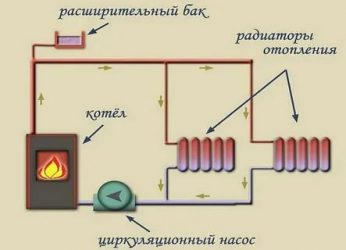
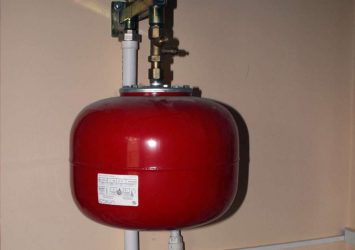
Also, the pressure affects the life span of the unit. To keep the performance stable, include an expansion tank in the piping.
Recommendations for choosing heating equipment:
- Devices with steel and cast iron radiators have the maximum service life.
- Devices with forced draft burner are more efficient.
- With a voltage stabilizer, the equipment will last a longer time.
It does not depend on the manufacturer's forecasts how many years the boiler will work. Its maintainability is of great importance. Therefore, it is better to choose brands of domestic production, so that if necessary it would be easier to find service centers and spare parts.
Today, gas boilers to maintain a comfortable temperature in winter are widely used. On the market for such equipment, you can choose any model that is ideal for both the size of the consumer's wallet and his personal preferences. These can be wall and floor units, single and double circuit, with forced and natural draft. However, the undeniable majority of people buy floor standing gas heating boilers.
Requirements for a room for installing a gas boiler
Comprehensive information on the proper preparation of the premises is contained in one of the above documents. In particular, there are regulations on the dimensions of the boiler room, the arrangement of the front door, the height of the ceiling and other important parameters (see key requirements below).
It is immediately worth noting that if the maximum thermal power of a gas boiler is more than 30 kW, then a separate room must be allocated for its installation. Models with a lower capacity and with an appropriate location for the chimney outlet can be installed, for example, in a kitchen room. It is strictly forbidden to install a gas boiler in the bathroom.
You can not install it in the bathroom, as well as in rooms that are considered residential for their intended purpose. As an alternative, it is allowed to equip the boiler room in a separate building. At the same time, their own norms are taken into account, about which there is information below.
A boiler room in a private house can be equipped at the basement level, in the attic (not recommended) or simply in a room specially equipped for these tasks.
In accordance with the rules for installing a gas boiler in a private house, it must be equipped with the following criteria:
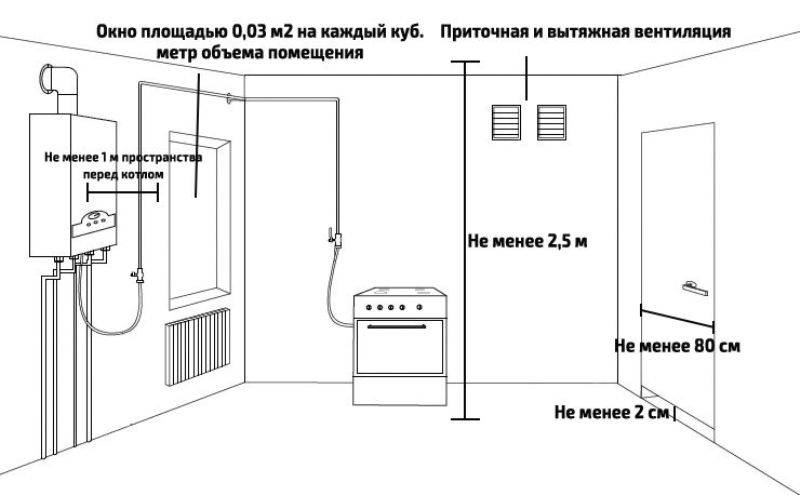
- The area is not less than 4 m2.
- One room is calculated for no more than two units of heating equipment.
- Free volume is taken from 15 m3. For models with low productivity (up to 30 kW), this figure can be reduced by 2 m2.
- From the floor to the ceiling should be 2.2 m (not less).
- The boiler is installed so that the distance from it to the front door is at least 1 m; it is recommended to equip the unit near the wall, which is located opposite the doorway.
- On the front side of the boiler, at least 1.3 m of free distance must be left for setting up, diagnosing and repairing the unit.
- The width of the front door is taken in the region of 0.8 m; it is desirable that it opens outwards.
- The room is provided with a window with a window opening outward for emergency ventilation of the room; its area must be at least 0.5 m2;
- Surface finishing should not be made from materials prone to overheating or ignition.
- A separate power line is introduced into the boiler room to connect lighting, a pump and a boiler (if it is volatile) with its own circuit breaker and, if possible, with an RCD.
Particular attention should be paid to the arrangement of the floor. It must have a solid base in the form of a rough screed with reinforcement, as well as a top coat of absolutely non-combustible materials (ceramics, stone, concrete)
To make it easier to set the boiler, the floors are made strictly according to the level.
On a curved surface, the installation of the boiler may be difficult or impossible due to insufficient reach of the adjustable legs. It is forbidden to place third-party objects under them to level the unit. If the boiler is installed unevenly, it may not work correctly, with increased noise and vibrations.


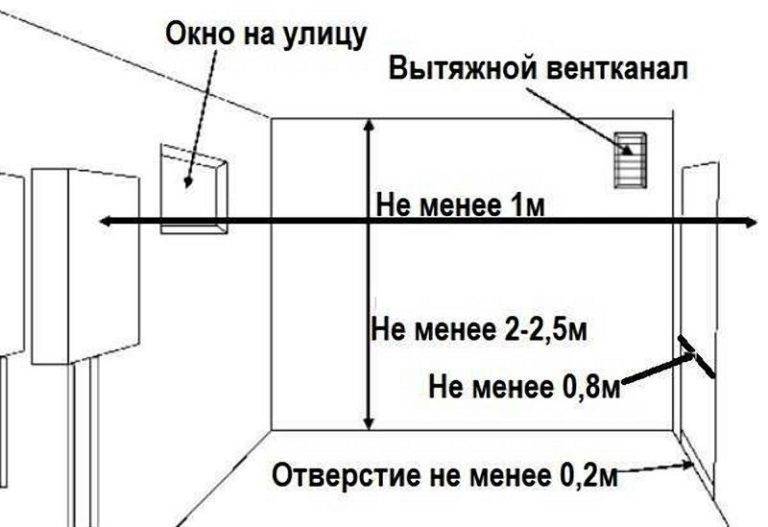

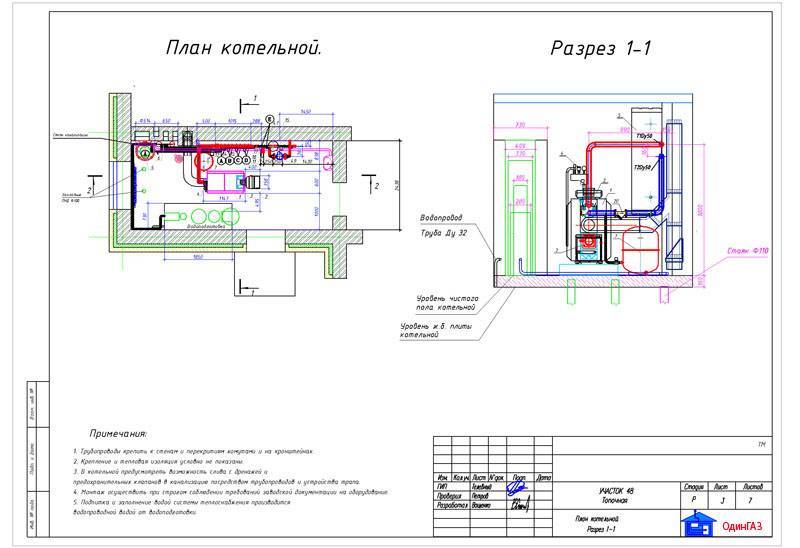


To fill the water heating system and feed it during operation, it is necessary to enter a cold water pipeline into the boiler room. To drain the system for the period of maintenance or repair of equipment, a sewer point is equipped in the room.
There are special requirements for the chimney and ensuring air exchange in the boiler room of a private house, therefore this issue is considered in a separate subparagraph below.
If the room for the installation of a gas boiler is equipped in a building separate from a private house, then the following requirements are imposed on it:
- your foundation;
- concrete base;
- the presence of forced ventilation;
- doors must open outward;
- the dimensions of the boiler room are calculated according to the above standards;
- it is allowed to install no more than two gas boilers in the same boiler room;
- the presence of a properly equipped chimney;
- it must be freely accessible for cleaning and other operations;
- for supplying piece lighting and heating equipment, a separate input with an automatic machine of the appropriate power is provided;
- the water supply must be organized so that the mains do not freeze during the cold season.
Mini-boiler room mounted near the house.
The floors, walls and ceilings of a separately equipped boiler room must also be made and finished with materials that correspond to the class of non-combustible and heat-resistant.
Let's carry out the calculation
Knowing that 100 watts of heat is needed per 1 square meter of the room, it is easy to calculate the number of required radiators. Therefore, first you need to accurately determine the area of \u200b\u200bthe room where the batteries will be installed.
Be sure to take into account the height of the ceilings, as well as the number of doors and windows - after all, these are openings through which heat escapes the fastest. Therefore, the material from which doors and windows are made is also taken into account.
Now the lowest temperature in your region and the coolant temperature at the same time are determined. All the nuances are calculated using the coefficients that are listed in the SNiP. Taking into account these coefficients, the heating power can also be calculated.
A quick calculation is made by simply multiplying the floor area by 100 watts. But it won't be accurate. Coefficients are used for correction.
Power correction factors
There are two of them: decrease and increase.
Power reduction factors are applied as follows:
- If plastic multi-chamber double-glazed windows are installed on the windows, then the indicator is multiplied by 0.2.
- If the ceiling height is less than the standard (3 m), then a reduction factor is applied. It is defined as the ratio of the actual height to the standard. Example - the ceiling height is 2.7 m. This means that the coefficient is calculated by the formula: 2.7 / 3 \u003d 0.9.
- If the heating boiler operates with increased power, then every 10 degrees of heat energy generated by it reduces the power of heating radiators by 15%.
Power increase factors are taken into account in the following situations:
- If the ceiling height is higher than the standard size, then the coefficient is calculated using the same formula.
- If the apartment is a corner apartment, then a factor of 1.8 is applied to increase the power of the heating devices.
- If the radiators have a bottom connection, then 8% is added to the calculated value.
- If the heating boiler lowers the temperature of the coolant on the coldest days, then for every 10 degrees of decrease, an increase in battery power by 17% is necessary.
- If sometimes the temperature outside reaches critical levels, then you will have to increase the heating power by 2 times.
Negative attitude of housing and communal services
Most often, all well-known heat supply organizations are absolutely against the fact that residents of apartment buildings install autonomous gas heating for themselves, even if the house was originally calculated specifically for a centralized heating system. In the case when one of the residents nevertheless decided to install an autonomous boiler for himself, he knocks down the balance of the entire heating system in a residential building.
In addition, there are cases in which, during the separation and installation of personal heating in a house where there are apartments from the post-Soviet era, there are numerous violations of safety requirements and paperwork.
As a result, those residents who are separated from the general heating system receive economically beneficial living conditions, while the rest suffer negative consequences.
Economically favorable living conditions
There is a huge drawback - a violation of the hydraulic balance. Therefore, certain apartments heat their premises quite strongly, while the rest, on the contrary, sit in the cold. In such situations, thermal workers intervene and try to fix the entire heating system. There is also the so-called environmental nuance.
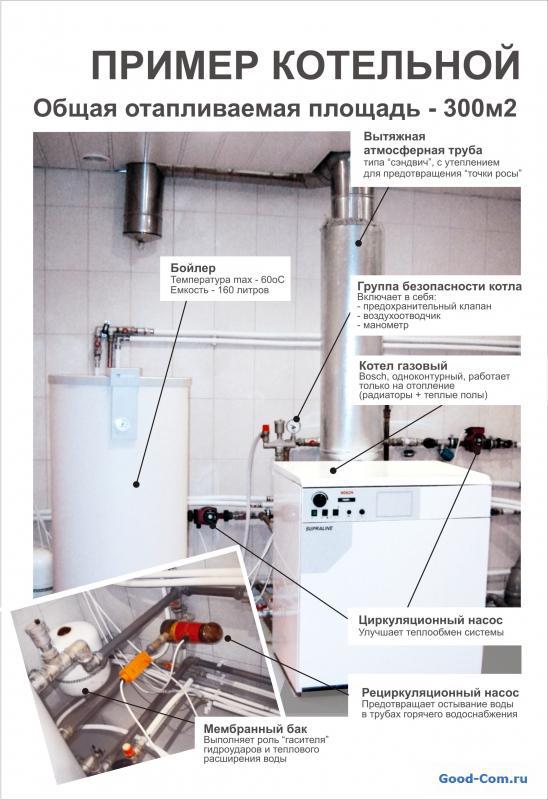




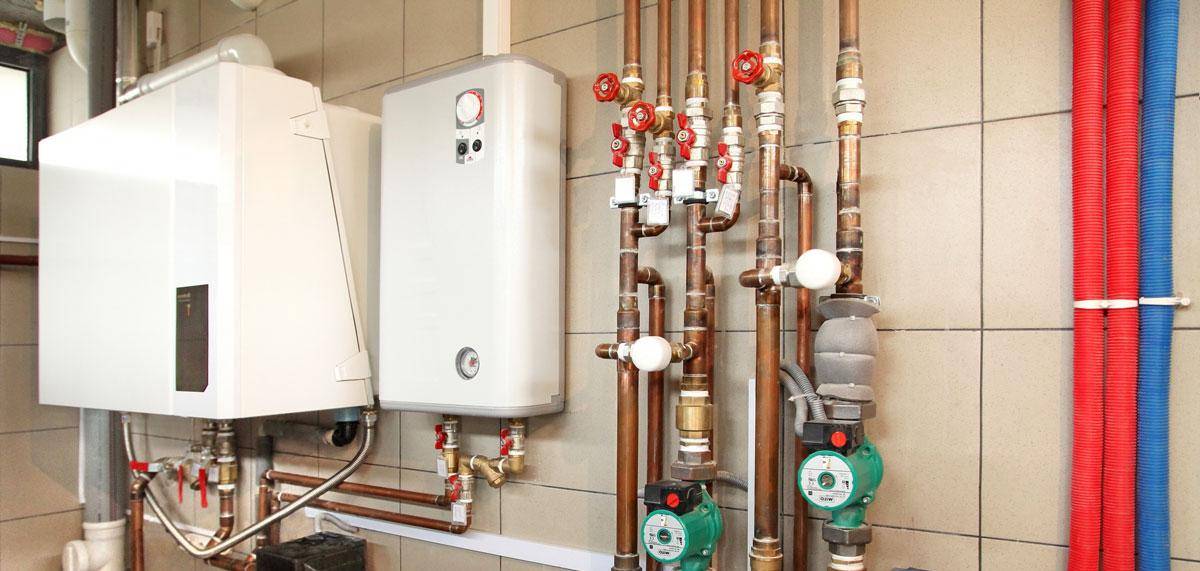
Of course, if individual heating is installed, which is designed for the entire building, and is considered an old structure that provides for a chimney, this is good. But the whole problem is that today every multi-storey building of this type is not designed for ventilation ducts, they are only in the toilet room and in the kitchen.
Most often, residents install gas boilers without chimneys, but with a coaxial pipe that runs under the window through the wall. This pipe serves to remove the products of gas combustion.As a result, the products of gas combustion (carbon and carbon monoxide, oxides of a combination of sulfur) through the open windows of the owner of the apartment enter his own apartment or the premises of neighbors. Today, heating boilers are equipped with a closed chamber of combustion products, but this does not give a 100% result of protection against negative consequences.
Pros and cons
Advantages
Let's take a closer look at the second option and determine its positive and negative sides. To begin with, let's figure out what an autonomous heating point is. This is a separate room where boiler equipment is located, the power of which is enough to provide heat and hot water to the entire apartment building. This is a kind of mini-boiler room with a full range of necessary appliances, fixtures and systems. Modern technologies for providing heat to residential buildings began to be used in autonomous systems. The latter worked for one or more houses, which was doubly beneficial. Why?
- Firstly, the distance from the heat generator to the heating devices in each apartment has been significantly reduced. This means that heat losses have decreased due to the transportation of the coolant.
- Secondly, the time of heat supply to the consumer was reduced, which is again associated with a decrease in distance.
- Thirdly, the costs of maintenance of heating networks, their repair and installation have changed downwards.
- Fourth, the economic performance stemming from previous benefits has declined. This means that the cost of the supplied coolant has changed to a minimum.
Autonomous System Diagram
There is another advantage of the system.When a house is being built, the developer is required to obtain a large number of permits that will allow him to crash into the central highway.
Bureaucratic delays sometimes take more than one month. Yes, and the installation of a meter will cause a lot of disputes between developers and the host, that is, the operating company. So for builders, the option with, even for the largest house, is ideal.
And the last advantage - the boiler house for the microdistrict occupies a place where not only buildings and water tanks will be erected, but also an electrical substation, access roads, warehouses, office buildings, office buildings and so on. That is, under it will have to allocate a fairly impressive area. And if there is no need for a boiler room, the district administration can use this area for its own needs. For example, to build another residential building, a school, a clinic, and so on.
Flaws
gas boilers
Cons exist in any system, but they are usually less:
- An autonomous boiler room should be located in a separate building, so it is necessary to allocate a site near the house for it. Sometimes such a building looks like an extension.
- Mini-boilers pollute the environment to a certain extent. Therefore, modern cleaning devices are indispensable here. And being inside microdistricts obliges to create conditions for environmentally friendly performance indicators. They exist and are stipulated by the norms and rules of SNiP. Hence the increase in the cost of the equipment itself.
- An autonomous heating system is not yet as popular as a centralized one, so the production of equipment and related components has not yet been put on stream.Hence the high cost of such systems. So, not all developers can afford them.
Heating regulator
However, experts say that engineering developments today can eliminate some of the shortcomings. For example, if an autonomous boiler room is used to heat only one apartment building, its equipment can be placed in the attic - the dimensions of the devices allow this. In addition, the attic immediately becomes heated, which is undoubtedly a plus. In addition, the area in the territory between the houses is freed up. The only requirement for such options is the presence of a flat roof, which is not a problem. If you plan to install just such a heating system, then you can add a flat roof to the project. Experts have already carried out preliminary calculations, which showed that even if the cost of equipment and installation costs are high, all this will pay off in a few seasons.
Shutdown of district heating
To transfer an apartment to autonomous heating, you must first submit an application for refusal to use district heating. When a positive decision is received, you can proceed to the installation of a boiler and other related equipment in the apartment.
To disconnect an apartment from central heating, you need to find out who is responsible for the pipes and batteries. If they are owned by the owners of the house, then permission should be obtained from the neighbors.If the apartment building is served by special services, then an application should be submitted with a request to disconnect from the heat supply networks.
You need to contact the home maintenance company and get permission. The approved scheme must be recorded in the document and there must be permission to transfer the apartment to individual heating. Only after that you can proceed directly to the dismantling of the old system and the installation of an individual heating scheme for the apartment. It takes a lot of time to switch from one to the other. The experience of many apartment owners suggests that this takes 3-6 months.
Safety regulations
In any construction, it is necessary to follow the established standards. It is thanks to compliance with these standards that people gain confidence in the safety of their home or their stay at industrial facilities. For example, the gas supply rules give instructions on where to lay the pipeline to the houses, its distance from the ground or underground.



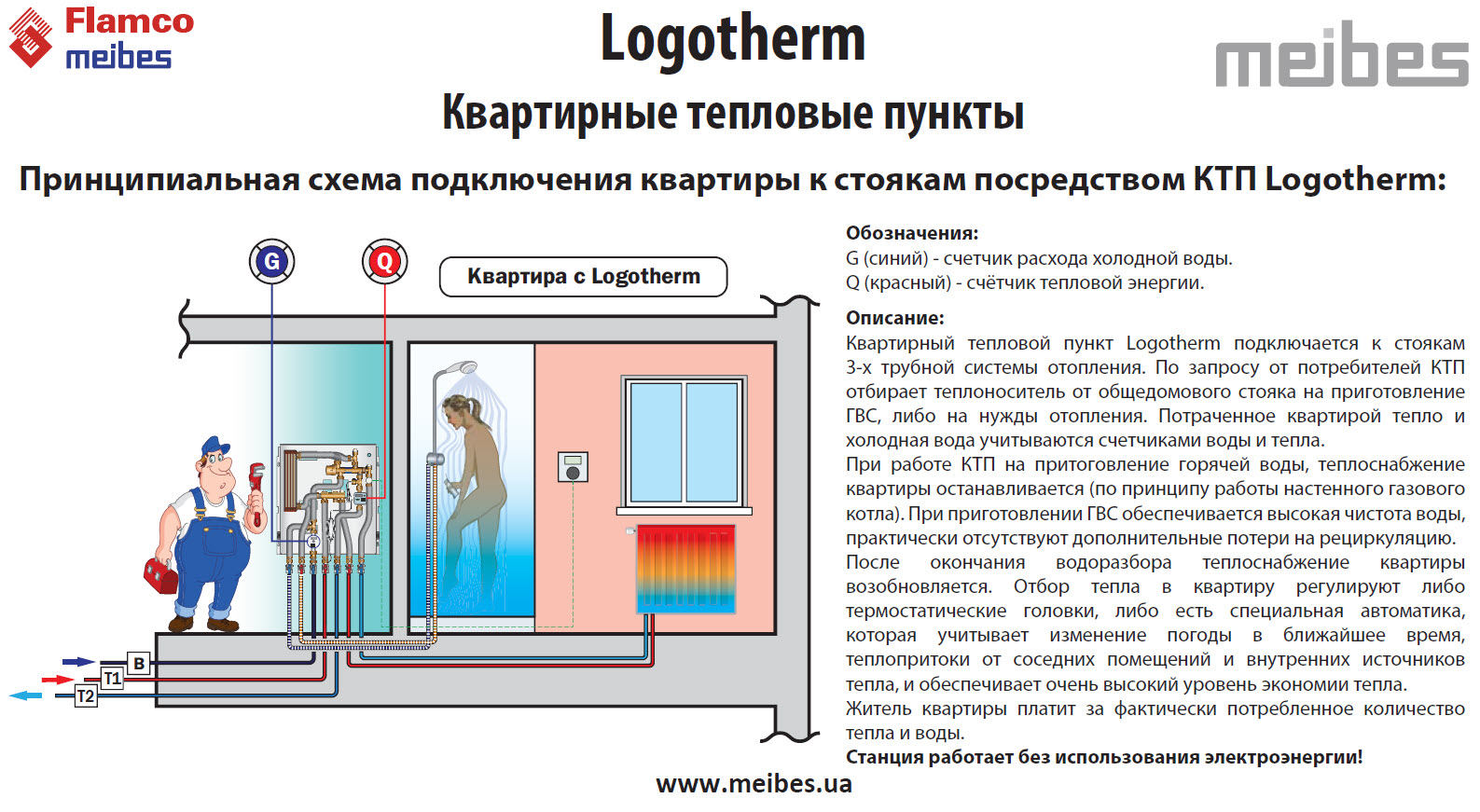


The rules must be followed when installing gas equipment, as well as operating the facility. Gas supply will be laid in residential buildings only when building standards are met during their construction.
All components must meet certain requirements. For example, steel pipes installed indoors must be different from those installed outside the home. Rubber or rubber-fabric hoses may be used if they are sufficiently resistant to the passing gas. The pipes are connected by welding. A threaded connection can also be used, but then a shut-off valve is mounted.
To ensure the safety of gas supply, special rules have been developed for the design, construction and operation of supply systems, as well as the production and use of equipment. According to them, the requirements are set:
Basic requirements for the premises for the placement of gas boilers
The fire safety of the premises is ensured by the fire resistance of the walls and floor, as well as by reliable triple natural air circulation.
The minimum room volumes depend on the heat output of the units:
- Up to 30.0 kW - 7.5 m3;
- from 30.0 to 60.0 kW - 13.5 m3;
- over 60 kW - 15 m3.
For units with a power of more than 60 kW, 0.2 m3 of volume is added for each additional kW, for example, for a gas boiler with a power of 150 kW, the volume of the furnace room should be equal to:
150-60 = 90 x 0.2 + 15 = 33 m2.
To the kitchen
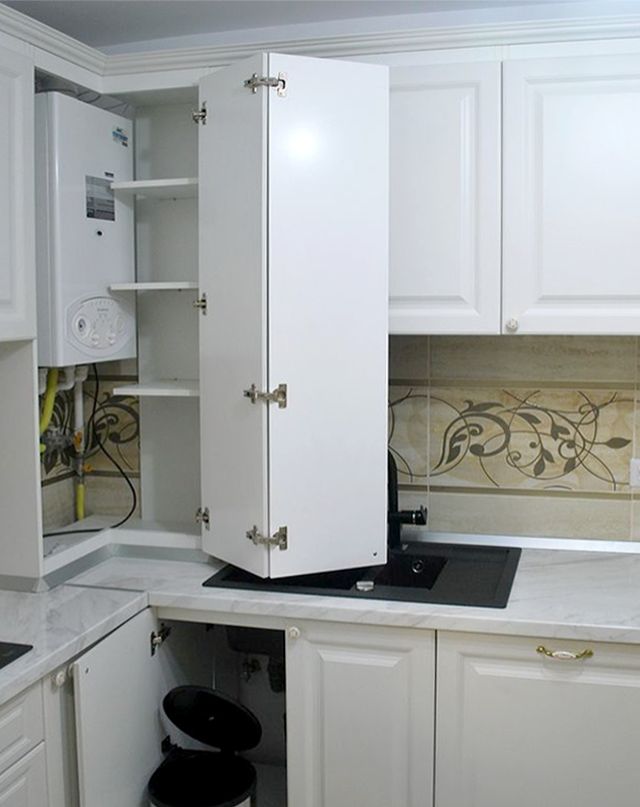
This room today is the most applicable for arranging gas boilers, especially the wall-mounted version. Many users try to close the boiler from public view, so they install it either in a special box or cover it with a decorative panel.
The boiler in the kitchen can also be beautifully placed
In order for the gas service not to impose a ban on such an installation, it is necessary to know and comply with the rules for placing boilers in the kitchen.
In terms of the main parameters: the height of the ceilings, the minimum area and the presence of three times the air circulation, the requirements for kitchens are similar to other furnace rooms.
To the apartment
Installing a gas heating boiler in an apartment is much more difficult, especially in a multi-storey building with access to central heating. The owner needs to be very reasoned in order to obtain permission from the local administration for such an installation.
Next, you will need to obtain technical specifications from all engineering services: city gas, heating network and balance holder of the house. Further, according to the general scheme, the project is carried out, coordinated with the architectural department of the local administration, and the boiler is installed by a specialized organization.
The rules allow the installation of boilers in multi-apartment residential buildings no higher than 3 floors and with a power of up to 30 kW. In kitchens integrated into the living room, installation of closed-type units is allowed.
All these actions will become impossible if the room for installing a gas boiler in an apartment does not meet the general requirements. The most difficult will be to make a through hole in the wall to connect the chimney pipe.
To a private house

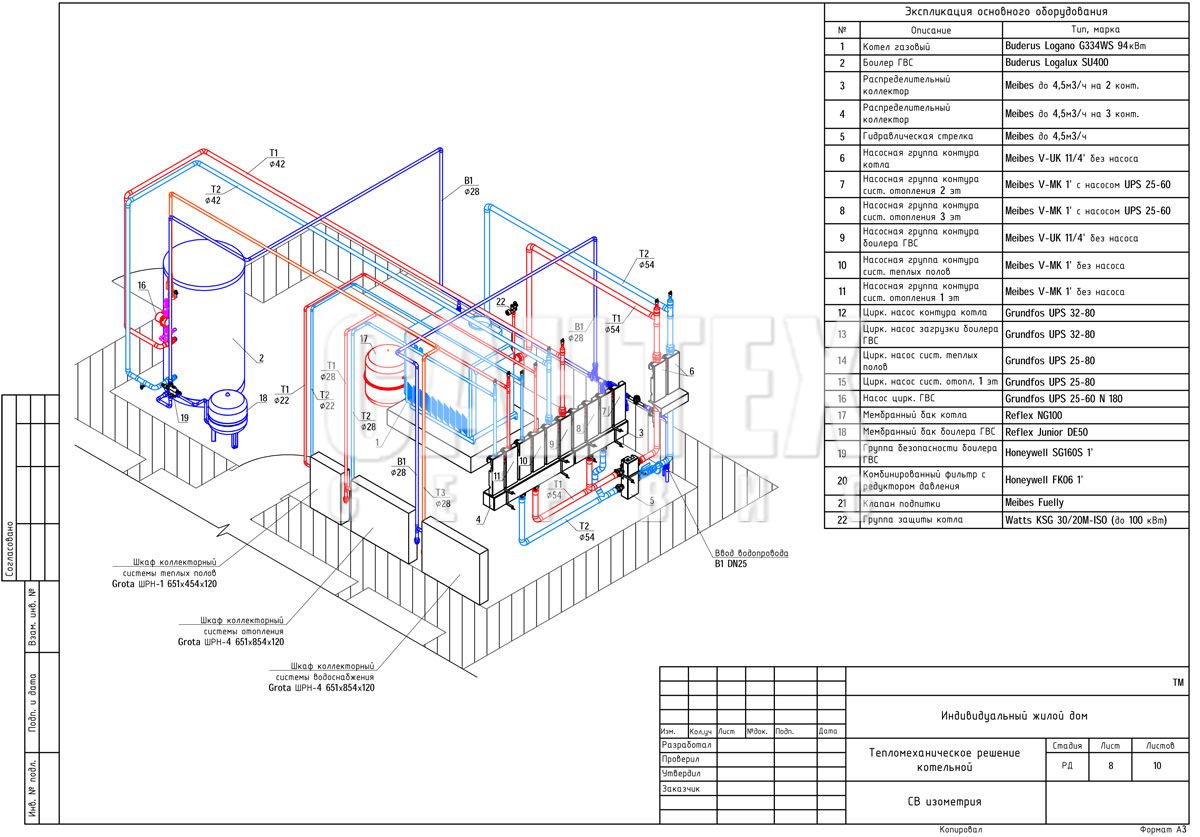

In a private house, there are more opportunities for the safe installation of gas heating equipment. In accordance with current regulations, gas equipment is allowed only in rooms with good natural ventilation.
They may be located:
- On the 1st floor.
- In basements or basements.
- In the attic.
- In the kitchen units up to 35 kW.
- Thermal power up to 150 kW - on any floor, in an individual building.
- Thermal power from 150 to 350 kW - in extensions.
To the boiler room
The boiler room attached or equipped inside the house is built from fire-resistant building materials. The interior finish is also heat resistant.
The gas boiler room must have:
- Individual foundation and concrete floor covered with ceramic tiles.
- Adjacency to a blank solid wall of an object.
- Be at a distance of 1 m from the window and door.
- Have natural ventilation with three air changes per hour.
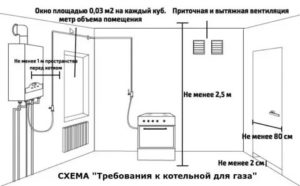
- Have an opening window with a glazing area of 0.03 m2 per 1 m3 of the furnace volume.
- Ceiling height over 2.2 meters.
- Have a separate power supply with devices: sockets, switches, machines.
- For power below 30 kW, the volume of the furnace should be more than 7.5 m3, and for 30-60 kW - more than 13.5 m3.
- Air intake for the gas combustion process must be carried out through a coaxial chimney, a window, ventilation holes.
Conclusions and useful video on the topic
The video will introduce the basic requirements of gas services for the ventilation equipment of boiler houses in the Russian Federation:
Installation of exhaust equipment requires precision. But you need to understand that each gas service has its own interpretation of norms, standards and laws.
Before installing the heating equipment of a private house and the ventilation system in a gas boiler room, it is better to consult the gas service in which you will have to obtain permission for commissioning.
Tell us about your own experience gained during the arrangement of a gas boiler house. Share the technological nuances that helped you in her trouble-free air exchange system. Please leave comments in the block form below, post photos on the topic of the article, ask questions.