

- Which is better to choose?
- To relax in the country
- To secure a home
- For an apartment
- For hot water supply
- reverse osmosis system
- Flow systems for cartridge type washing
- Barrier Expert Standard
- Aquaphor Crystal
- Geyser Max
- Selection rules
- Video description
- Briefly about the main
- Sink filter (desk type nozzle)
- How this filter works
- Do I need a water analysis to select a filter?
- Tips for Choosing a Filtration System
- Recommendations for the operation of filters
- What you need to know about water filters?
- What did the comparison of Barrier and Aquaphor water filters show?
- 6 Typhoon Geyser 10
- Which company is the leader in the production of water treatment systems?
- Conclusions and useful video on the topic
- conclusions
Which is better to choose?
Clean water is needed:
- for drinking,
- economic purposes,
- provision of household appliances,
- filling hot water pipelines,
- technical needs.
In each case, the depth of required cleaning is different, which complicates the choice of filter for an unprepared consumer.
To relax in the country
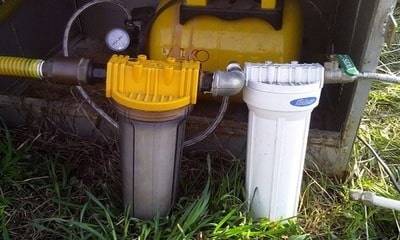 For a short stay in the country, the possibilities of a filter jug are enough.
It takes up little space, is convenient for transportation, and can supply a small family with drinking water.
If the country house has a water pipe with a good pressure of cold water, you can take a nozzle on the faucet with you. Its resource is small, but quite sufficient for travel.
To secure a home
With permanent residence in a country house that does not have a centralized supply of cold water, you will have to stock up on more powerful units.
- Firstly, to ensure optimal water pressure from the well, an additional pump must be installed before being supplied to the house.
- Secondly, for water from underground layers, multi-stage fine purification will be required. At the preliminary stage, it can be cleaned by mechanical filtration. Then it is desirable to pass the water through a container with a bulk sorbent, and then subject it to membrane filtration.
You can install one powerful complex with a large resource, which includes all types of filtration, including fine cleaning.
For an apartment
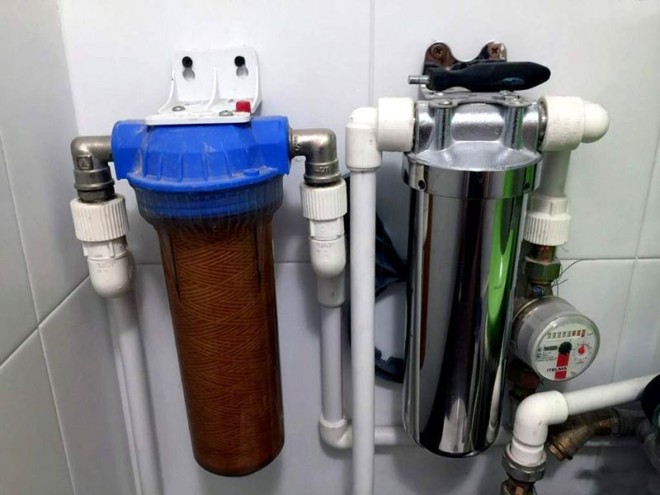
When living in a city apartment, it makes sense to put a main filter on the inlet pipe. In the presence of a filler with a high degree of porosity, it will provide cleaning from:
- chlorine compounds;
- organics;
- mineral impurities.
The convenience of some models lies in the possibility of washing the filter material for the purpose of regeneration.
Important! When planning to buy a filter for your home, it is advisable to do an analysis of tap water. This will greatly simplify the choice.. To supply good drinking water, you can additionally install a final filter under the sink.
Having two units in the apartment will reduce the frequency of replacing expensive finishing cartridges
To supply good drinking water, you can additionally install a final filter under the sink.Having two units in the apartment will reduce the frequency of replacing expensive finishing cartridges.
For hot water supply
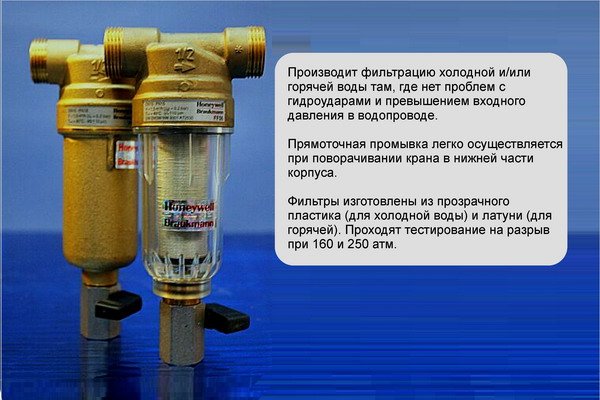
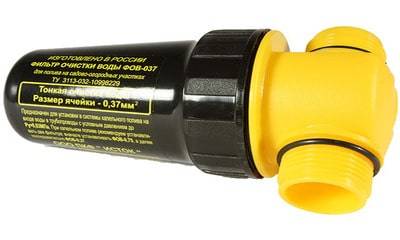 Depending on the nature of the filter elements, they can carry water at different temperatures.
High-quality polymers and metal alloys show heat resistance.
According to the recommendations, devices with such fillers can be used for centralized flows with any temperature values.
The hot water filter will keep the plumbing in good condition and eliminate the appearance of scale.
Attention! In many localities with rusty and muddy hot water, it becomes a necessity.
reverse osmosis system
A reverse osmosis filter is the best but expensive water treatment plant. In the unit, in addition to the cartridges, a reverse osmosis membrane is used that traps bacteria and viruses. This design provides a degree of purification up to 0.0001 microns, which brings water closer to distilled. In household systems, after the reverse osmosis component, a post-treatment filter and a mineralizer are placed. The result is water saturated with substances necessary for human health, similar to bottled water.
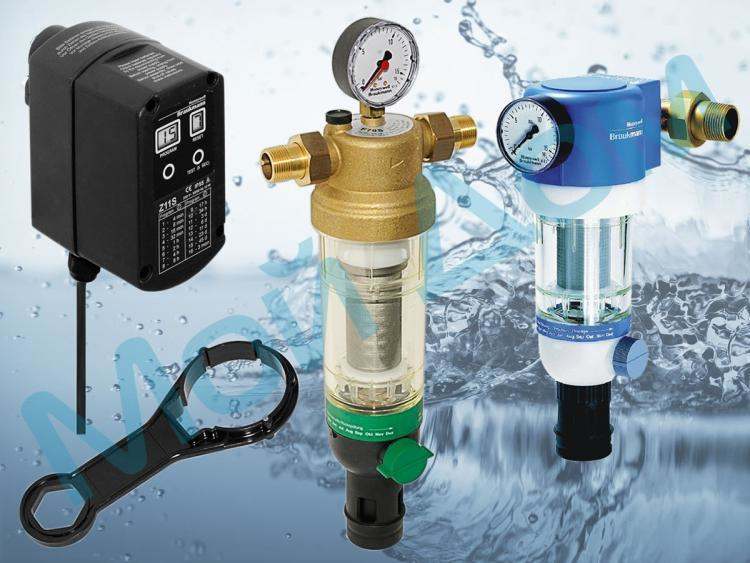


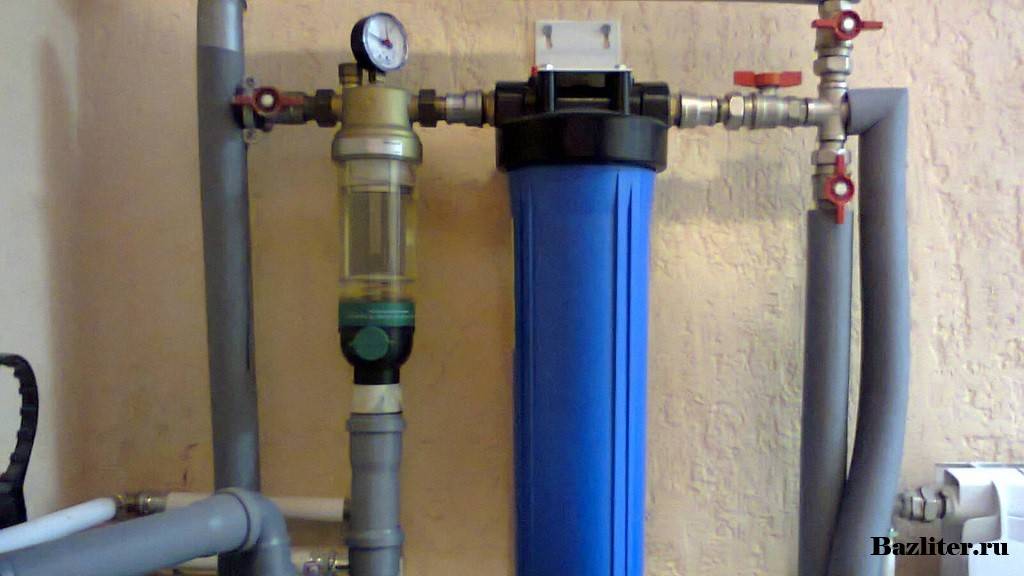


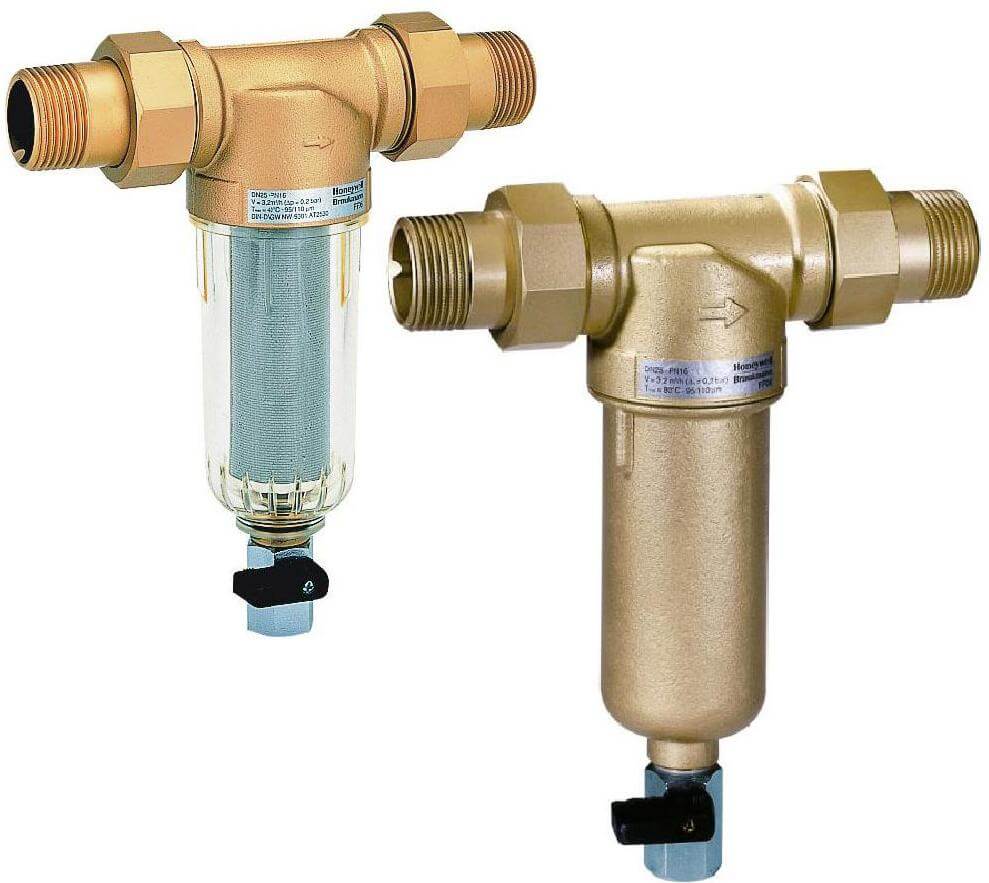

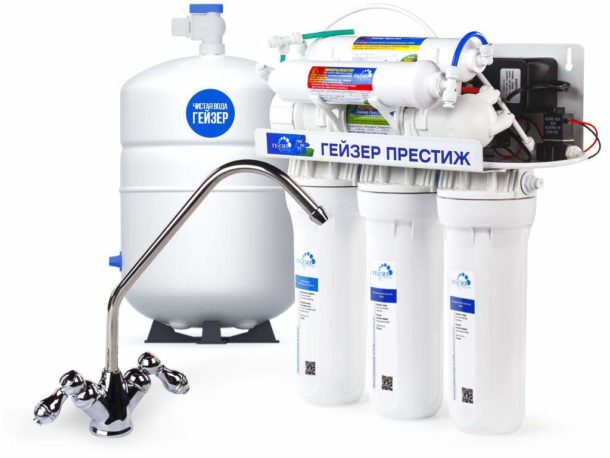
The service life of the reverse osmosis membrane is three years, the cleaning and post-cleaning cartridge is one.
Reverse osmosis systems are divided into flow and storage. The second type is more convenient to use (the collecting tank provides a constant supply of clean water) and is cheaper. But in addition to the filter installation, a 10-liter tank will have to be installed in the space under the sink, so this option is not convenient for every kitchen.
Flow systems for cartridge type washing
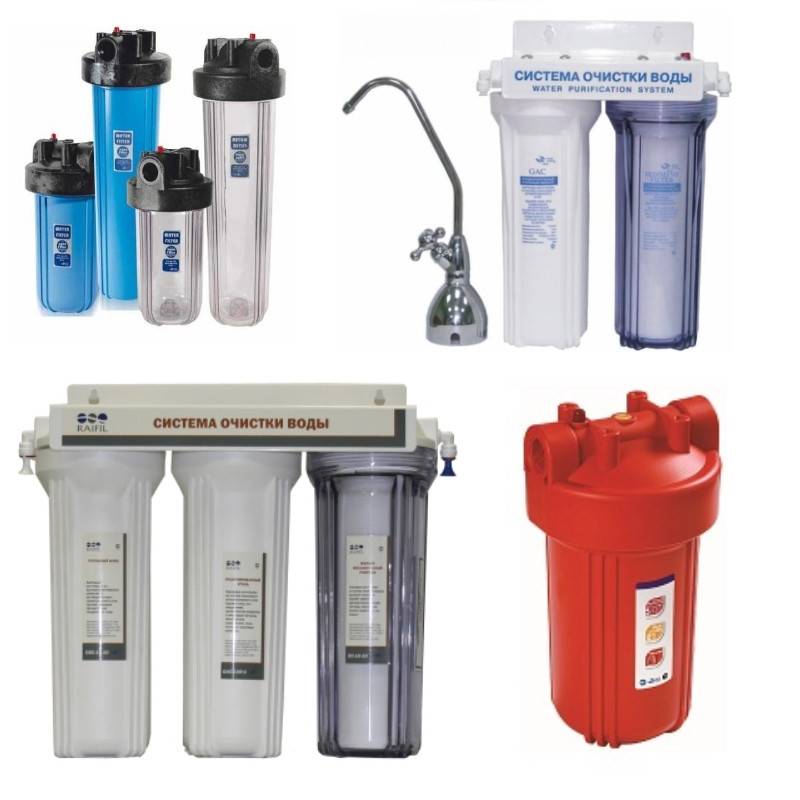
This group is represented by flow-through multi-stage devices with relatively small dimensions and weight.
The standard cleaning scheme sequentially includes:
- prefilter,
- ion exchange and sorption module
- postkarbon, with the possibility of replacing any of them on their own.
Attention! Such systems function well at low pressure and are generally unpretentious.
Features and prices of the best models are presented below.
Barrier Expert Standard
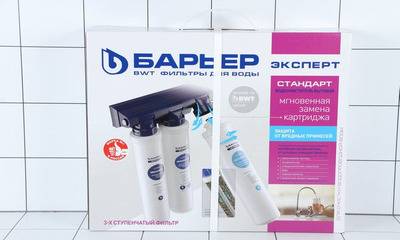 A comprehensive system for standard purification of tap water from all major harmful impurities.
The system consists of:
- a mechanical filter for trapping particles with a size of up to 5 microns,
- ion-exchange and post-carboxylic stages with a total filtration rate of up to 2 l/min.
Among the possible disadvantages are the high cost of filtration elements with annual replacement (from 1770 rubles for 3 blocks with a service life of up to 10,000 liters).
Read more about the Barrier Expert Standard filter here.
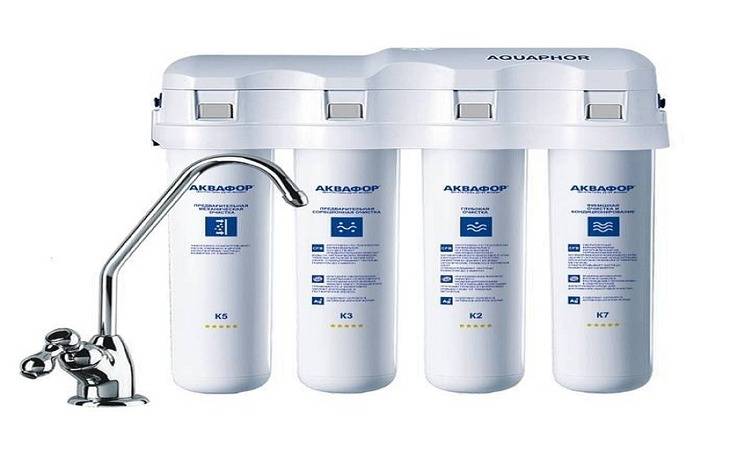
Aquaphor Crystal
A universal water treatment system similar in principle and number of stages with the possibility of deeper cleaning, simple replacement of any of the three cartridges and reliable protection against leaks.
- budget,
- efficient,
- sealed.
But the frequency of changing cartridges declared by the manufacturer (once a year at price from 1720 rubles and an average resource of 8000 l) is not always confirmed.
Reference! In regions with excessive rigidity, the standard set of Aquaphor Crystal A is not enough.
Geyser Max
The system includes:
- three-stage filter for purification and softening of hard and extra hard water with AquaSoft composite cartridge,
- unique filtration element based on ion-exchange resins Aragon Mask
- a block of pressed coconut charcoal with silver additives to provide a bacteriostatic effect with a total service life of up to 7000 liters.
These systems are more expensive than analogues (from 3900 rubles, with the price of cartridges from 2700), but in regions with increased water hardness, their installation is more justified.
The opinion of owners about Geyser Max systems is ambiguous, the effectiveness of protecting household appliances and utensils from scale in most cases is confirmed, as stated by the manufacturer high filtration rate (2.5-3 l / min), but not everyone is satisfied with the taste of the purified water.
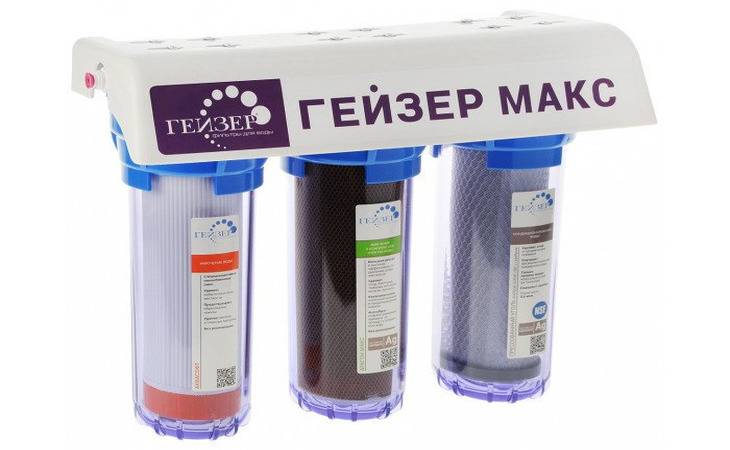
More details about this filter here.
Selection rules
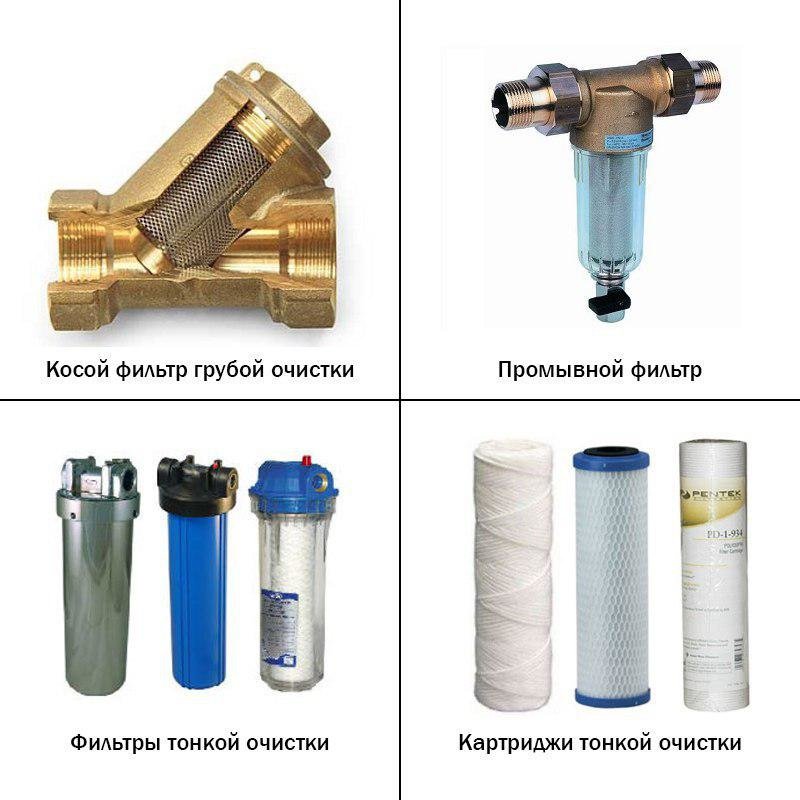
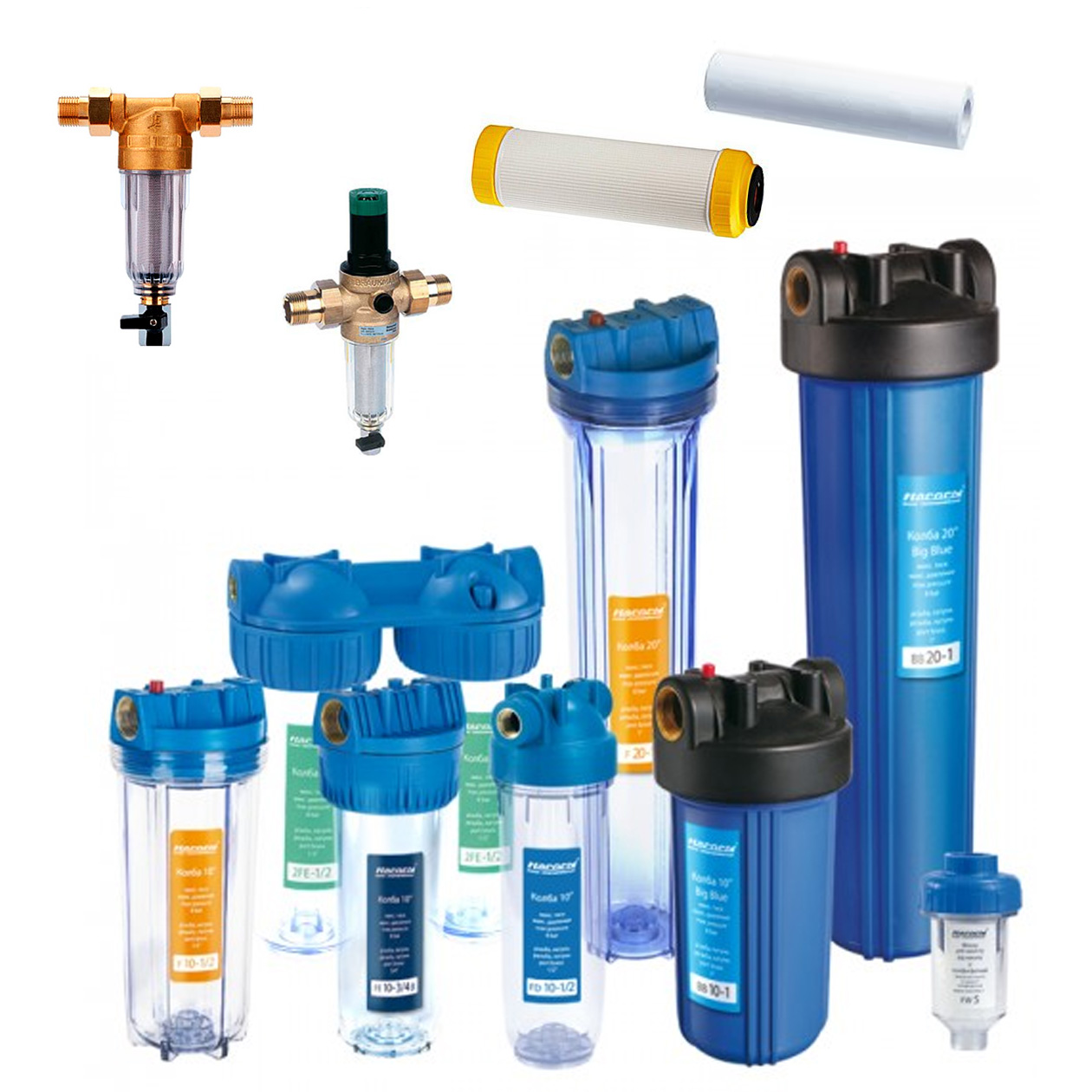
So, we have dismantled water filters for water purification in a private house. As you can see, the classification of devices is considerable, there is plenty to choose from
But here another question arises - what, in addition to the above, should be additionally paid attention to in order to make the right purchase. There are three positions here:
- Number of cleaning steps. In this case, the more, the better. But this increases the cost.
- Instrument performance. Everything will depend on how many people live in the house. The more, the more powerful the filter installations will have to be installed. And this will again affect the budget.
- Filtration features. Again we return to the analysis of water. For each impurity, you will have to select your own filter. And the more pollution there is in terms of diversity, the more the water filter installation kit in a private house expands. And this again will affect the increase in cost.
Video description
The video talks about a softening column, as a type of filter for cleaning water in a private house from a water pipe, well or well:


Briefly about the main
Summarizing the topic, I must say that today living outside the city, far from the fruits of civilization and getting clean water at the same time, is not a problem. There are a wide variety of filters on the market. The main thing is to make the right choice. And it should be based on common sense. For example, you can hardly expect clean water from the nozzle within 5-10 years.
Sink filter (desk type nozzle)
The desktop filter nozzle is a flow-through version of the device with an increased (compared to the nozzle on the tap) sorbent layer. The cartridge is located inside a vertical cylindrical body, which is placed next to the sink and tightly connected to the faucet with a flexible hose.
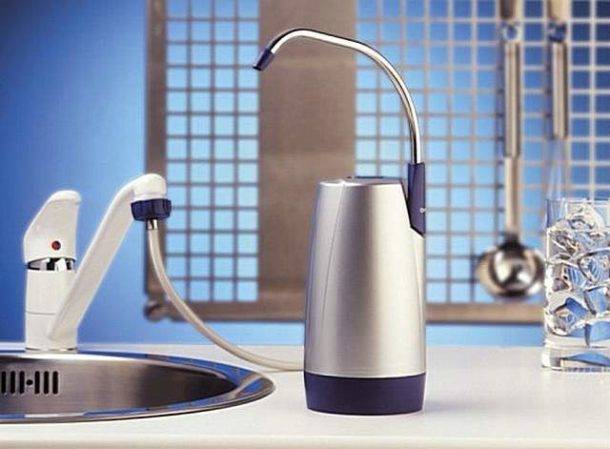
Due to the increase in the sorption layer, the productivity of the unit increases to 1.5 l/min, the life of the cartridge is extended, and the quality of cleaning is improved.
For permanent connection of the device to the crane, a diverter is used, which turns such a structure into a stationary one.
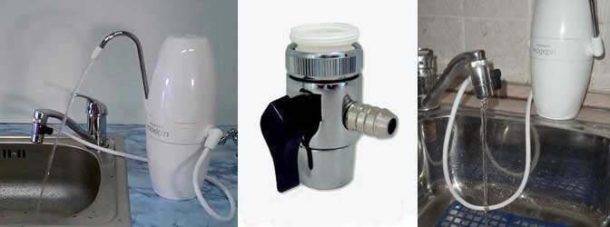
Advantages of a desktop filter nozzle (in comparison with a nozzle on a faucet):
- increased productivity - 1.5 l / min;
- increased resource and cartridge service life - approximately 7000 l;
- does not clutter up the space above the sink.
The disadvantages of such a device repeat the shortcomings of the nozzle on the tap:
- inconvenience in operation - the need to connect the filter every time, in the case of a diverter, the connecting hose serves as an obstacle;
- a volumetric flask with a spout occupies the surface of the countertop near the sink;
- the need to adjust the flow, start-up control through the hot water filter.
How this filter works
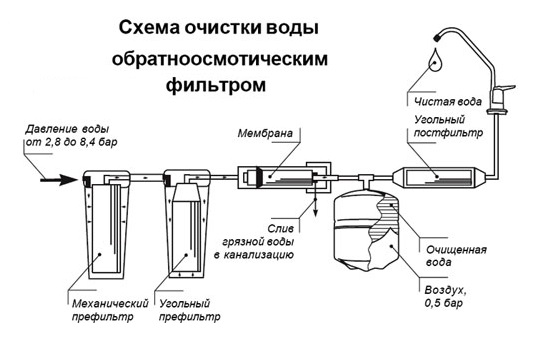
Cleaning principle water using reverse osmosis is based on the fact that a concentrated aqueous solution is fed under pressure into a container separated by a semi-permeable membrane. Water filtered through the membrane enters the second part of the tank, minerals remain outside it, and then go into the sewer.
The filters consist of easily replaceable modules during operation. Each of them has a certain service life.
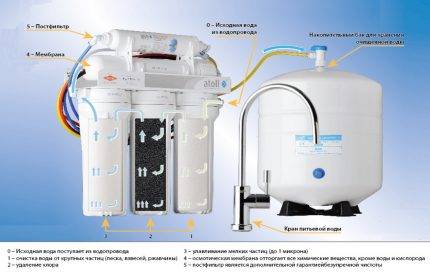 Stepwise purification of water. Passing through all the modules, the water is purified from all impurities, including useful ones, so experts advise purchasing systems with mineralizers
The design of the system includes several filter cartridges with activated carbon and porous polypropylene inside. With their help, water is freed from solid particles and organic impurities. At the first stage, when passing through a polypropylene filter, water is freed from particles with a minimum size of 0.5 microns.
The second filter is carbon, with its help organic and chemical impurities are separated from the water, including oil products, pesticides, heavy metals and other substances. Last before reverse osmosis membrane filter, retains microscopic mechanical impurities, their size does not exceed 1 micron.
The main element in the system is a membrane, where water enters under pressure after a rough pre-treatment. Its pores of 0.0001 microns in size do not let through anything except water molecules. When it passes through the post-filter, the final purification and stabilization of water occurs.
Here the flow is divided into two parts: crystal clear water and a concentrated solution that is drained into the sewer system.Clean water that does not require boiling enters the storage tank, and then through a separate tap to the consumer.
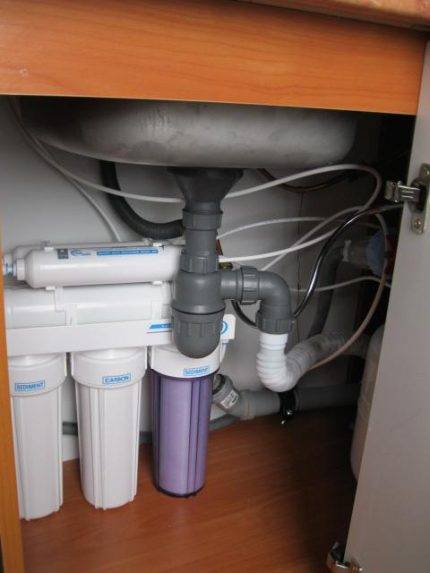
Only a reverse osmosis system is able to provide ideal fine water purification, but the result of their work depends on many factors.
The system is designed so that as purified water is consumed, its reserves are replenished automatically. From the inside, the tank consists of 2 chambers, the partition between which is a silicone membrane. Water enters the upper compartment, and compressed air enters the lower compartment.
When the volume of water decreases, the membrane expands, maintaining pressure until the water is completely drained. The air pressure can be adjusted by means of a nipple installed on the side of the lower chamber.
For individual selection of drinking water, a special tap is inserted into the countertop or kitchen sink, which does not depend on the flow that is used for other purposes.
Some manufacturers supply their products with additional functionality:
- a mineralizer that introduces useful trace elements into the water that the membrane did not miss;
- ultraviolet lamp that kills harmful microbes;
- a structurizer that rids the water of "negative" information.
Water consumption during such cleaning cannot be called economical - when you get 1 liter of potable water, 3 liters of dirty water goes into the sewer. The system requires pressure in the range of 2-6 bar, so sometimes it needs to be increased using a pump or lowered using a reducer.



Do I need a water analysis to select a filter?
Many cottage settlements provide centralized water supply. Moreover, in ready-made modern houses, coarse filters have already been installed at the inlet of communications - this is already the norm.They save household appliances from breakdowns due to visible debris, which for various reasons necessarily appears in the pipes. But besides "physics" there is a lot of "chemistry" in the water. It happens, in the spring, that the water smells like manure or gasoline, which means that local water treatment plants “do not pull”. Another option is when the water treatment is normal, but the communications are old, and tea has to be drunk with a taste of iron. All this is not just unpleasant, our senses warn of danger to the body. But sometimes seagulls also contain extremely dangerous contaminants, invisible to the eye and inaudible to taste and smell ... So, before spending money on a filter, take the water for analysis and find out what kind of trouble you need to get rid of.
Tips for Choosing a Filtration System
When choosing a cleaning equipment, it should be remembered that it requires a large free space for its correct functioning. This area should be prepared in advance and equipped accordingly.
If you plan to buy high-performance semi-professional modules, you need to allocate a separate heated room for them.
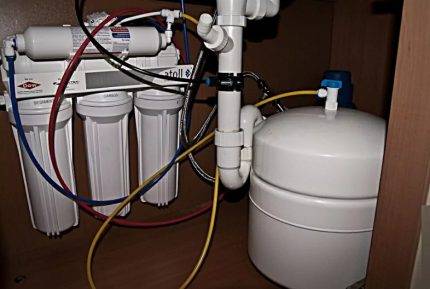 It is necessary to install the cleaning system in a convenient place. Access to it should always be open. This will allow you to comfortably and effortlessly change used filter cartridges for new ones.
It is desirable that furniture elements or any other items that could damage the overall integrity of the structure do not adhere closely to the treatment complex. There should not be very hot things nearby.
The outer filter flasks are made of plastic and may melt if exposed to excessively high temperatures.
It is absolutely not necessary to subject all the water entering the house to multi-stage purification. The main processing complex should be placed in the kitchen, where the purest drinking water is really required.
At the entrance to the main communication system, it is enough to install coarse filters that prevent the penetration of solid, insoluble elements into the system.
It is not necessary to buy the most expensive treatment system, designed for 4-5 working flasks at once. Such units will need to be equipped with several specific filters, and these are serious material expenses, and not always justified.
It is more reasonable to conduct a laboratory analysis of the water in your tank and surroundings before buying, carefully study this important information and clearly define what is really required to purify the water.
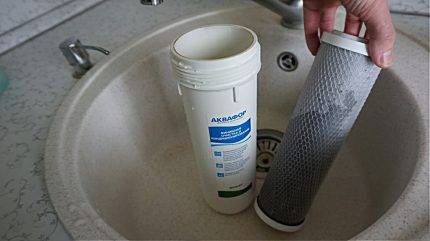 All filters have a certain working resource. Experts recommend not to exceed it. To ensure that high-quality, fresh water always flows from the tap, used cartridges must be immediately replaced with new ones. Otherwise, there is a risk of penetration of harmful, waste elements into the liquid for drinking.
When the water is defined as soft, there is no need to install an additional softening filter. Consistent consumption of overly processed liquids can cause significant health damage in the future.
If, during the test, an excess of iron and fragments of salts of heavy metals are detected in the water, it is worth equipping the treatment system with filtration units aimed at removing precisely these aggressive components.
 The presence of 0.1-0.3 mg of iron in one liter well or well water considered normal. If this indicator is higher, the liquid must be cleaned.Otherwise, users may experience allergic reactions, irritations and skin diseases.
The following filtration tools are best suited to remove glandular compounds:
- softeners with special fillings, equipped with a saline tank for recovery;
- disinfectants operating on the basis of manganese dioxide;
- reverse osmosis modules that separate impurities from water at the molecular level;
- coal blocks made of coconut shells with pronounced adsorbing characteristics;
- magnetic elements that change the structure of heavy salts with the help of a magnetic field and stimulate their precipitation into an insoluble precipitate retained by the final post-filter insert.
Ultraviolet and ozonation, despite their modernity and effectiveness, can only eliminate bacterial iron. Get rid of rust with their help will not work.
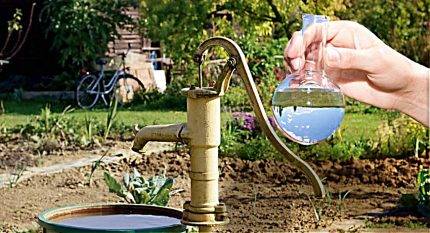 If a shallow well is located on the site, it is advisable to conduct a water analysis every year. This will help to fix all changes in the composition of the liquid in a timely manner and more accurately select the right cleaning filters for the system.
Some purification systems have separate filters for cold and hot water. From the cold stream, they remove impurities that are harmful to humans and negatively affect various household appliances, and in the hot stream they reduce the level of scale and eliminate the decay products formed as a result of heating the liquid.
When planning the purchase of a treatment system, it is necessary to take into account its throughput. If it is too low, full use of water will not work. With the simultaneous opening of two or more taps, the pressure will definitely sag.
To prevent this from happening, you can equip the cleaning system with a capacious storage tank. This will make it possible to take water from the source not according to the schedule, but according to personal needs and requirements.
Recommendations for the operation of filters
The service life, in addition to the quality of the system itself, is also influenced by the conditions of its operation, the timeliness of the replacement of individual elements. The main condition for a long and trouble-free operation of the system is optimal pressure. If it is within 4-6 atm, then the membrane works clearly, and the ratio between clean and dirty water is 1:2 or 1:3.

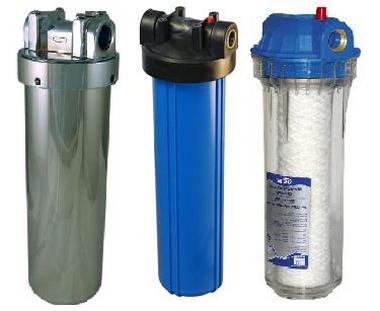
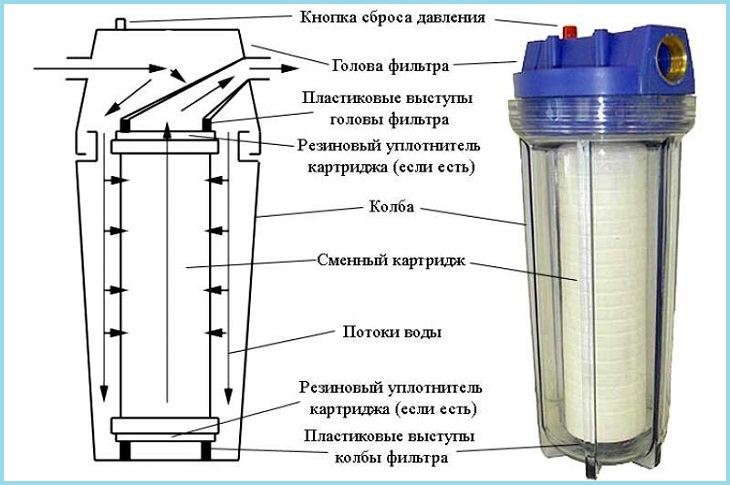


With a decrease in pressure, there is not enough effort to force water through the membrane and a larger volume of water goes into the sewer, and the resource of the membrane itself decreases.
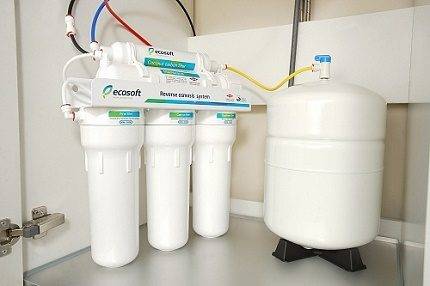
Reverse osmosis systems are the best option for solving the issue of obtaining really clean water, but subject to proper installation and timely replacement of the main elements.
There are other side effects: pre-cleaning cartridges quickly become dirty, the storage tank is not completely filled, wasteful water consumption increases, housing filters are intensively silted up.
You can recognize failures in the reverse osmosis system by the following signs:
- A constant murmur of water, indicating that water is continuously being discharged into the drain.
- An increase in meter readings by 2-3 cubic meters per month from the usual.
- Contamination of primary cleaning cartridges within 2-3 months.
- A one-time drain from the storage tank in a volume of less than 7 liters or the complete absence of water in it.
- No flow of water through an open faucet when the tank is full.
- The appearance of scale in the kettle and the water tastes salty.
- Extraneous sounds in the form of clatter during pump operation, indicating frequent turning on and off of the pump.
- The pump does not turn on.
- When the tank is completely filled, the pump does not turn off and it gets very hot.
- Hot power supply when the pump does not turn on.
- The water supply is off, but the pump is running.
Incorrectly functioning filters give consumers a negative opinion of some good filter systems. And sometimes you can correct the situation by simply installing a booster pump if the pressure is below 3 atm.
What you need to know about water filters?
To avoid coal dusting, manufacturers recommend starting work with any filter with 2-3 empty water drains.
Filters with too long - compared to analogues - service life can also be dangerous: either such a filter is ineffective and passes a lot of unnecessary, or part of the time you will work with a clogged filter. Before buying, you need to figure out what we want to filter.
If the problem is only in chlorine, this is one thing, if elevated levels of iron are another. No need to filter water unnecessarily. Along with screening out harmful impurities, powerful systems such as reverse osmosis deprive the liquid and useful substances. Therefore, it is better to immediately do a water analysis.
What did the comparison of Barrier and Aquaphor water filters show?
An experimental study of the operation of the filters "Barrier" and "Aquaphor" was carried out to determine the dependence of the change in the concentration of ammonium nitrogen in the filtrate on the volume of the filtered model solution. A model solution was prepared by adding a stock solution of ammonium chloride NH4Cl to tap water. The basic solution of ammonium chloride NH4Cl with a volume of 1 cm3 contained 1 mg of NH4+ ions.Tap water was used to prepare the model solution. The concentration of NH4+ in the model solution was 3.65 mg/L.
The studied brands of filters consist of a receiving funnel, a replaceable cartridge with a filter load and a container for collecting the filtrate. During the experiment, 1 liter of the initial test water was poured into the receiving funnel of the jug. The water flowing through the filtration loads of the cartridge entered the filtrate collection tank.
The filtrate was taken for analysis after passing through filters 1, 2, 3, 5, 8, 10, 15, 20, 25, 30, 40,
50, 60, 70, 80, 100 130, 150, 180, 200, 250, 300, 350 liters of test water. In the selected water samples, the residual concentration of ammonium cations was determined by direct neslerization.
The maximum decrease in the concentration of ammonium nitrogen from the beginning of the experiment was observed for the Barrier filter. Filter manufacturers recommend not to use the first 2 liters of water for drinking purposes. Thus, the value of NH4+ concentration in the third liter of filtrate for the filters "Barrier" and "Aquaphor" is 0.40 and 1.40 mg/l, respectively.
The interval of the filtrate volume, which corresponds to the sanitary and toxicological indicators of the safety and quality of drinking water in terms of the content of ammonium nitrogen (up to 0.5 mg / l), is for the Barrier filter - from 3 to 15 liters. Complete depletion (by NH4+) of the Barrier and Aquaphor replaceable filter cartridges was recorded at a filtrate volume of 250 and 100 liters, respectively.According to the results of experimental studies, the specific ion-exchange capacity of the cartridge loading was determined, which is, respectively, for the filters "Barrier" and "Aquaphor" - 1.12 and 0.44 mg NH4 + / G of loading.
6 Typhoon Geyser 10
It is known that one of the most common water supply problems is the formation of scale. It harms health with constant consumption as part of water, spoils household appliances and plumbing fixtures. At the same time, the complete removal of calcium salts from the water turns it into a tasteless liquid, which is difficult to quench your thirst. The research department of the Geyser company managed to find a solution - a method of softening water by changing the structure of salt deposits and suspensions.
Thanks to the use of the patented design of the Aragon-3 cartridge, conditions are created for the recrystallization of compounds from calcite to aragonite. Unlike carbonate, calcium aragonite is released as a friable substance that does not linger on surfaces. The mineral composition remains the same, but the liquid you drink does not create a burden on the kidneys. The water turns out delicious, filter buyers also praise its high-quality assembly and affordable price.
Which company is the leader in the production of water treatment systems?
Aquaphor is one of the leaders in the production of water filters and offers several options for water purification systems with a separate faucet, which are suitable for various types of premises.
The Favorit series is characterized by high performance and small size at the same time. Such a water purification system is suitable not only for an apartment or a country house, but also for public catering facilities, various institutions or centers.
The Trio series has several configurations at once, depending on the functionality. First of all, this is a small and high-quality water purification system that can even fit in a kitchenette. Depending on your goals, you can choose between standard filtration or hard water filtration. The Trio Norma package is also provided, which is designed to remove solid impurities and the Trio Norma Softening package - such a filtration system, in addition, softens the water.
The Aquaphor Crystal family of filters is unique in that it purifies water from bacteria without the use of any antimicrobial substances. Water purification from bacteria occurs mechanically thanks to a new Japanese-made membrane. Another advantage of the Kristall series is the convenience of replacing cartridges - it only takes you a few seconds to do this!
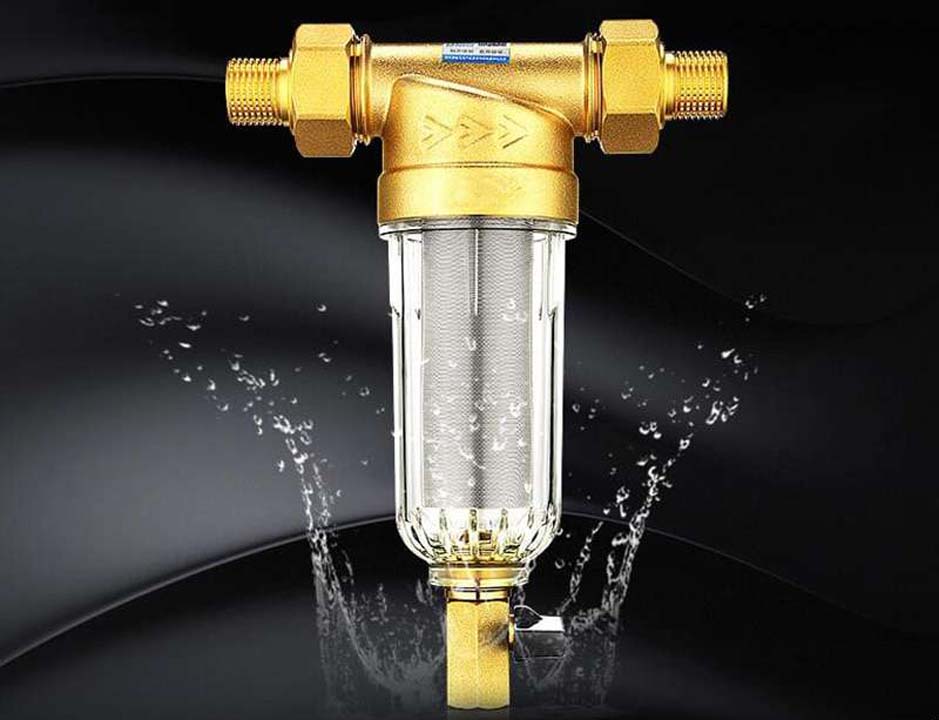
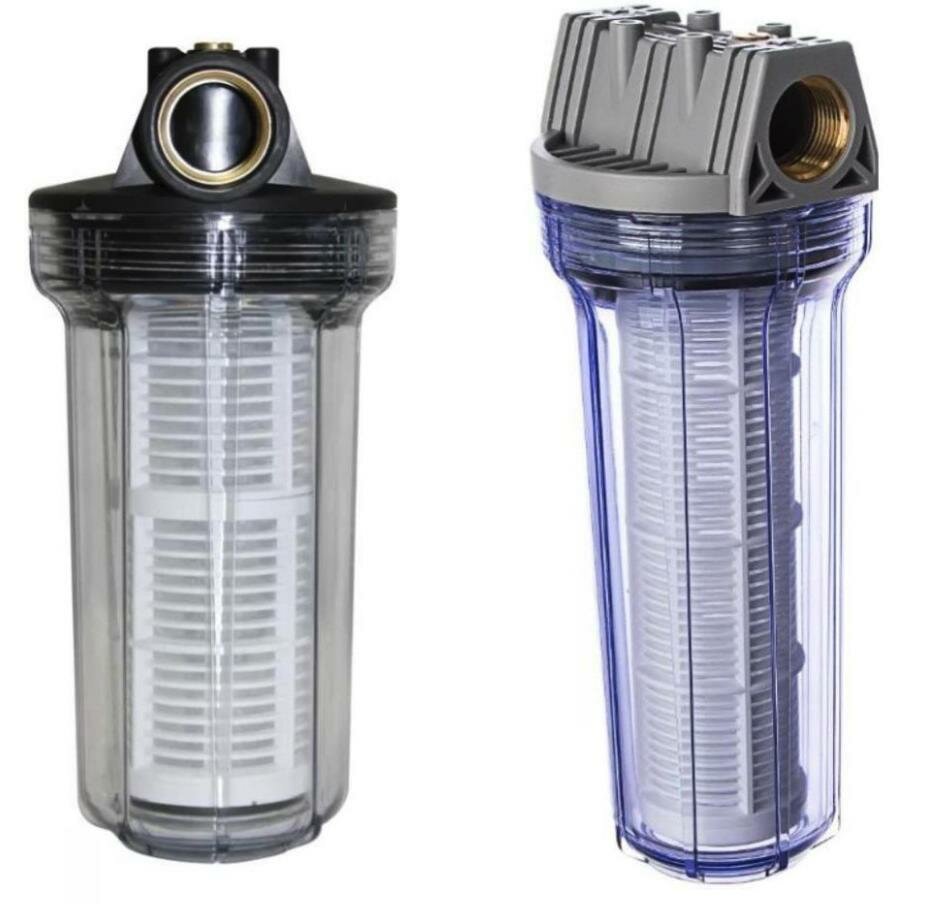
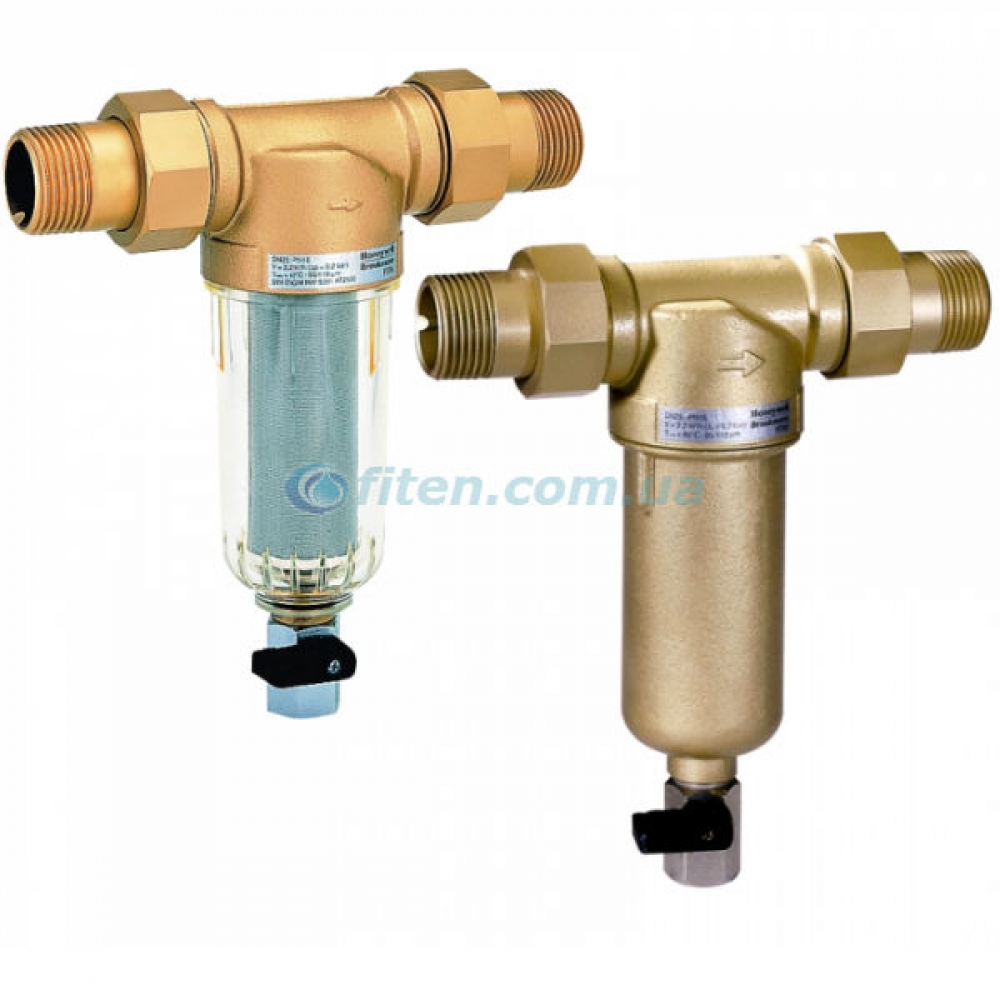
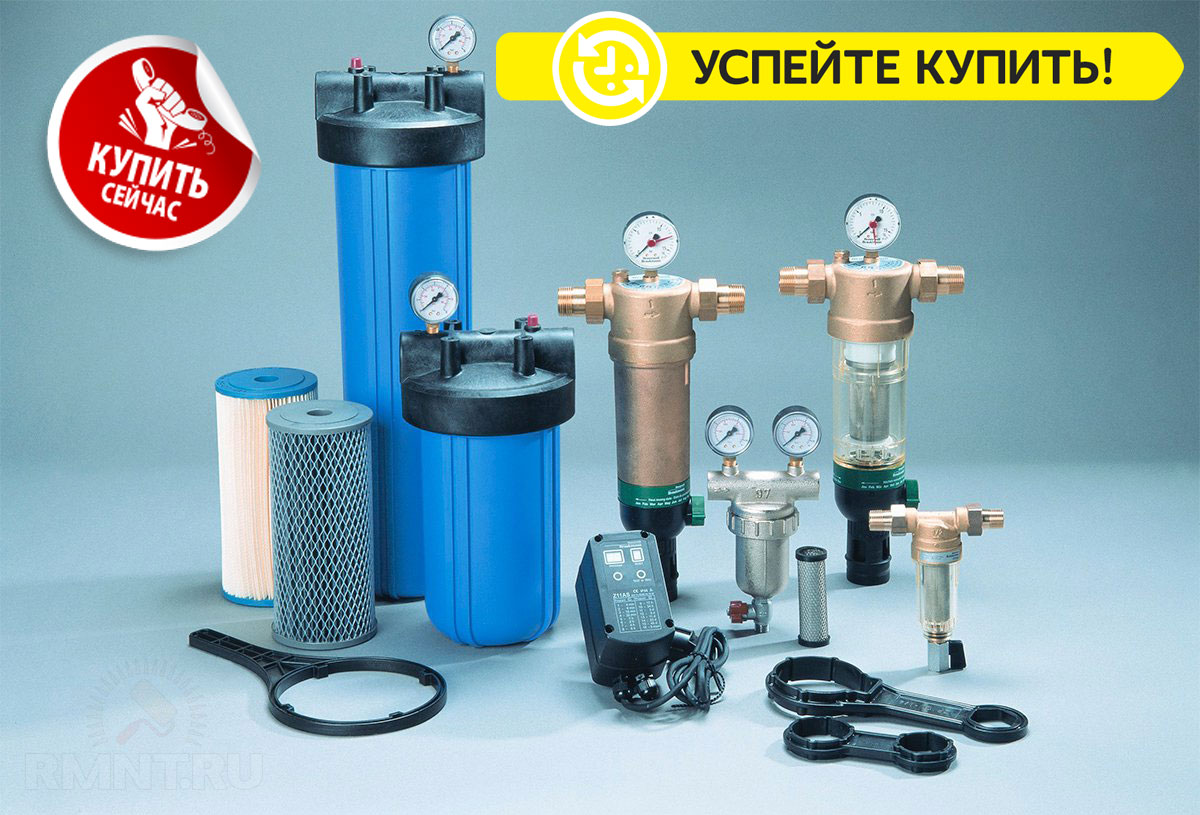

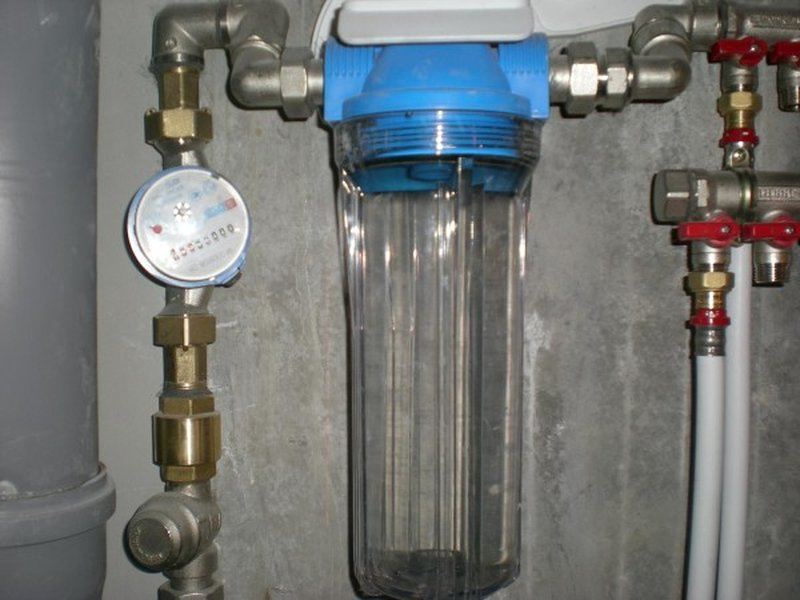
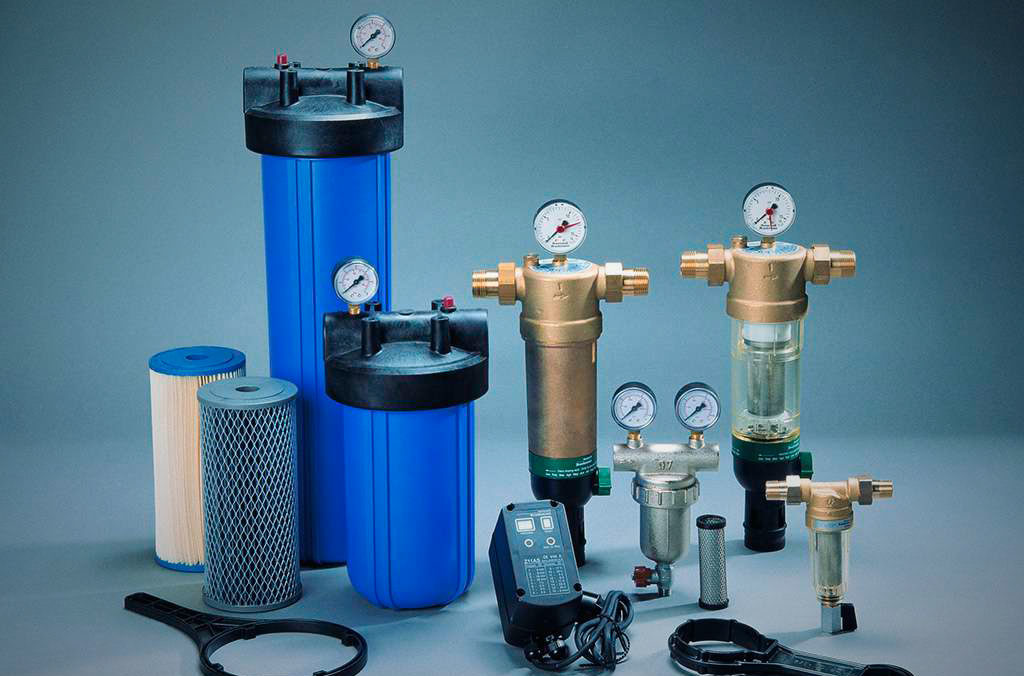

When choosing such a filter, it is advisable to first do a water analysis, this will help you find out exactly what contaminants are present in your water and choose the right filter.
Conclusions and useful video on the topic
To fully understand the specifics of reverse osmosis filters and study the rating of manufacturers of water purification devices, we offer a selection of videos.
Video #1 Acquaintance with the principle of operation of the double osmosis filter:
Video #2 Recommendations for choosing a filter for drinking water treatment:
Video #3 Instructions for those wishing to independently install reverse osmosis filters:
It is impossible to single out one of all reverse osmosis systems and say that it is the best. Their parameters are determined by the throughput of the membrane, the volume of the tank. It is believed that 3 stages of purification are sufficient for good water quality.And the choice depends on the individual needs of each.
Would you like to share the intricacies of selecting filters for installation in a reverse osmosis system known only to you? Do you have any recommendations for using the drinking water treatment system or have questions? Please write comments.
conclusions
The filtered volume of liquid, which corresponds to the sanitary and toxicological indicators of safety and quality of drinking water in terms of the content of ammonium nitrogen, for the Barrier filter is from 3 to 15 liters. Complete depletion (by NH4 + ) of the Barrier and Aquaphor replaceable filter cartridges was recorded in terms of the filtrate volume, respectively, 250 and 100 liters. The specific ion-exchange capacity of the cartridge loading is 1.12 and 0.44 mg NH4+/g, respectively, for the Barrier and Aquaphor filters.
So, as a result, we were able to find out that there are currently a large number of water filters on sale, but many models are not able to significantly improve the quality of tap water. In addition, overtime use of the filter further pollutes the water. Therefore, before installing the filter, find out its composition and select a filter for specific water.
Not only in different cities, but also in different houses, the water is different. Somewhere - a new house, and somewhere - an old man with rusty pipes. It is very difficult to individually develop a cartridge for each person. And no company does this. Therefore, before choosing a filter, you need to consult with experts in their use. And in order not to spend money on buying a filter that will prematurely stain the water with harmful impurities, we advise you to check the quality of the source water (water should also be checked before and after filtration).It is advisable to do this during the various stages of the filter's life, so that you know if the filter has contaminated your water ahead of time.
Watch the video film "Comparison of household water filters":



