- Tips & Hacks
- Wall mounted infrared heater
- Mistakes when choosing a heater
- Trying to save
- Buying a brand instead of a product
- Ignoring fire safety
- Choosing a too noisy heater
- Buying a heater that does not fit into the interior
- The best ceramic energy-saving heaters for the home
- Nikaten series NT 330/1 - for 8 m2
- Nikapanels 330 - with the first class of protection
- Classification of heaters
- Place of installation and type of fastening
- The principle of heat transfer
- A kind of automation
- Price
- Dimensions
- Advantages and disadvantages
- Construction of ceramic heaters
- Energy saving ceramic heaters
- Ceramic heaters for cottages and tents
- Types of ceramic heaters
- Ceramic wall models
- Floor and table ceramic heaters
- Ceiling heaters
- Which brand of ceramic heater is better to choose
Tips & Hacks
Using the following recommendations, you can correctly organize heating in any room:
- if there is a need to heat a large room, then before purchasing an infrared heater, you need to make calculations and determine how many devices you need for one room.In this case, it is necessary to take into account that the heat will be directed only to objects that are within the range of the device;
- It is worth remembering that infrared heaters emit light energy during operation. This point should be taken into account when installing equipment in the bedroom;
- it is not recommended to install the equipment near wooden surfaces in order to prevent overheating;
- Infrared heaters can be used not only in rooms in the house, but also, for example, in a sauna, on a veranda or in a garage. The equipment is not afraid of conditions of high humidity;
- if the area of the room that needs heating is more than 12 m2, then the above devices act only as additional heating.
Wall mounted infrared heater
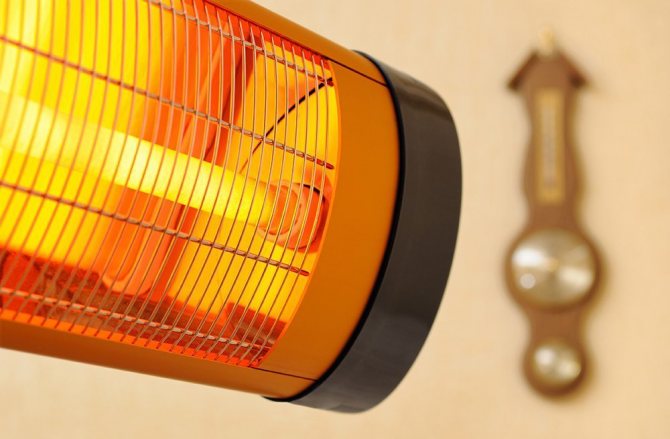
Infrared heater device
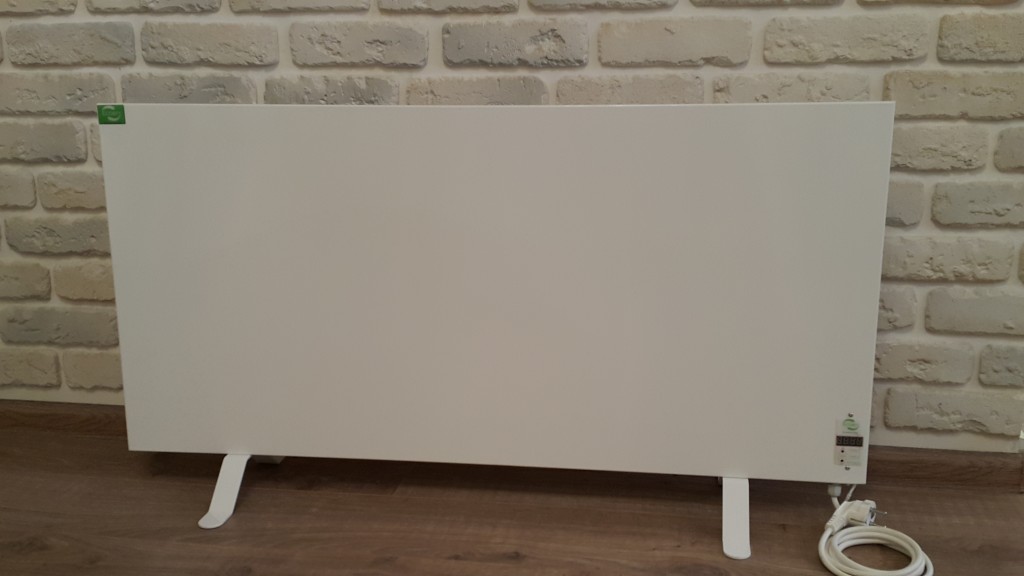
This type of electrical appliance differs from others in the principle of operation. When connected to the mains, the fireplace emits thermal energy, which it spends not on heating the air in the room, but on objects. Comfortable temperature quickly stabilizes in the room.
The heat emitted by the heater instantly warms up the walls and ceiling as well. From here the heat is transferred to the air masses. Regardless of whether an open or closed space is to be heated, the heater does not waste energy.
The design of an electric infrared fireplace consists of important details:
- reflector;
- heater;
- emitter;
- insulator;
- frame.
The reflector has a special foil, which has a thickness of at least 130 microns. The electrical appliance insulator is made of basalt material.
Mistakes when choosing a heater
Trying to save
A negative result is often the result of ill-conceived savings.One example of this is a fan heater, as a budget replacement for a heater. The joy of buyers from one-time savings on the heater over time is overshadowed by the fact that the fan heater at times covers the amount of the heater in terms of energy consumption.
Buying a brand instead of a product
In contrast to the previous point, many buyers, instead of talking about the positive qualities of the product, and what is suitable for them personally, think about which company's heater is better and which brand is better to buy. In most cases, this only leads to unnecessary spending.
Ignoring fire safety
Electric heaters are often the cause of fires, so the approach to choosing a device with a heating mechanism must be serious and meet fire safety standards.
Choosing a too noisy heater
Noise-canceling devices are worth their weight in gold, but most heaters simply don't make any sound. Fan heaters are considered the loudest, but models with metal cases also periodically make noise.
Buying a heater that does not fit into the interior
The device, in addition to meeting the technical parameters, must be suitable for the appearance of the room, this must be paid attention to even at the stage of selection in the store. This applies not only to the functional features of the device in interaction with the environment, but also to design features.
The best ceramic energy-saving heaters for the home
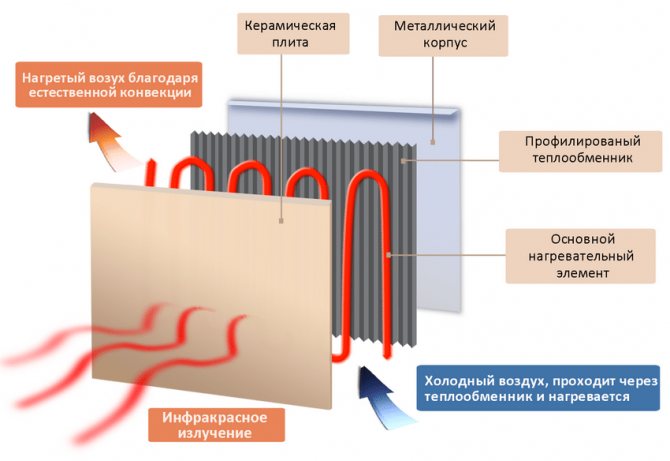
This type of heater combines infrared radiation from a monolithic ceramic panel and the circulation of warm air through the back side with a grill.
As a result, heating occurs quickly, does not dry the air and is as economical as possible due to the long-term retention of heat by the stone.
Nikaten series NT 330/1 - for 8 m2
This is the best energy saving heater for at home to completely heat a small room up to 8 m2 or work as an additional heating medium on an area of 10-18 m2.
The device has a thickness of 40 mm, which contains a ceramic plate with a heating element that scatters infrared radiation. The reverse side of the housing is metal and promotes air convection.
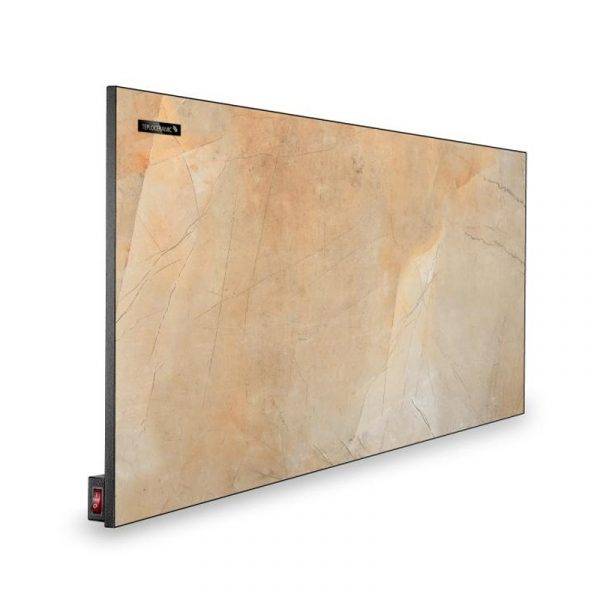

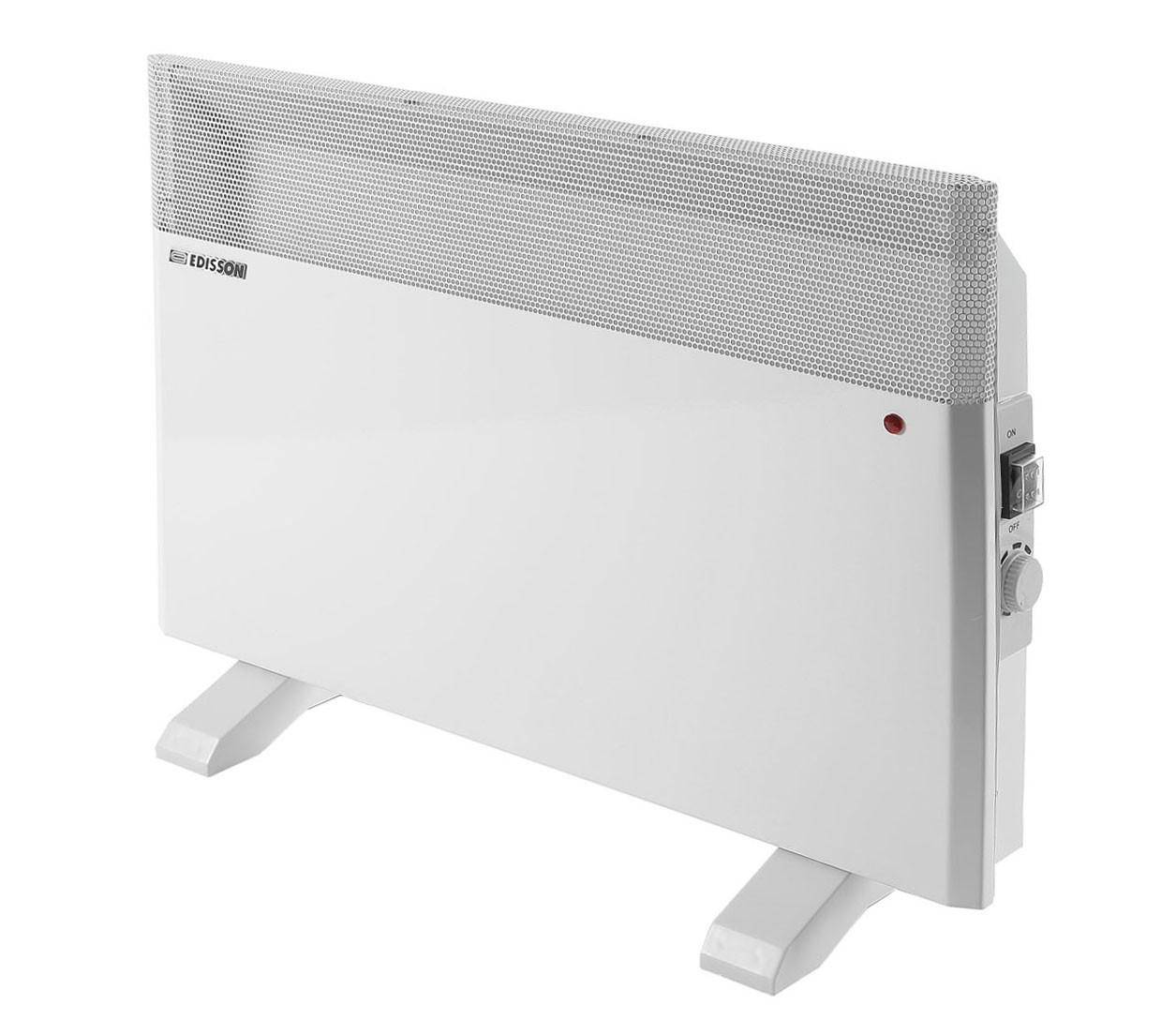
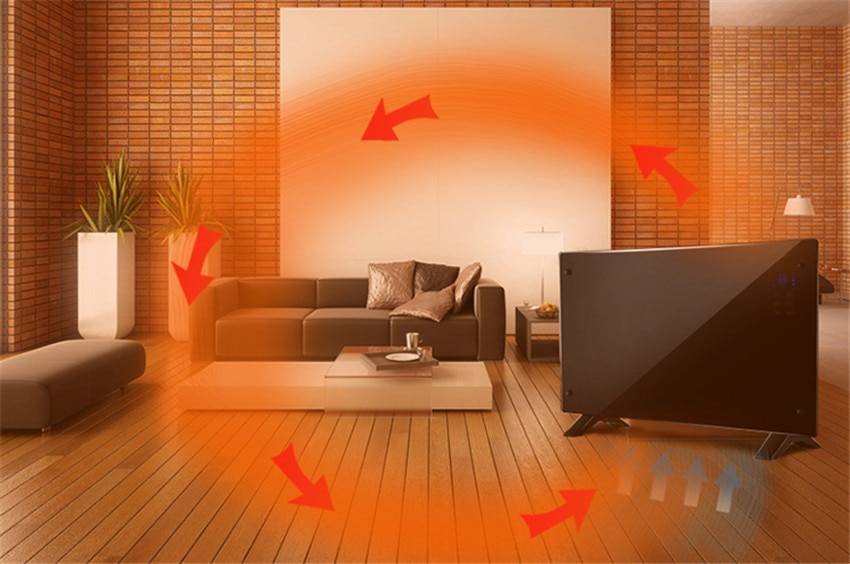
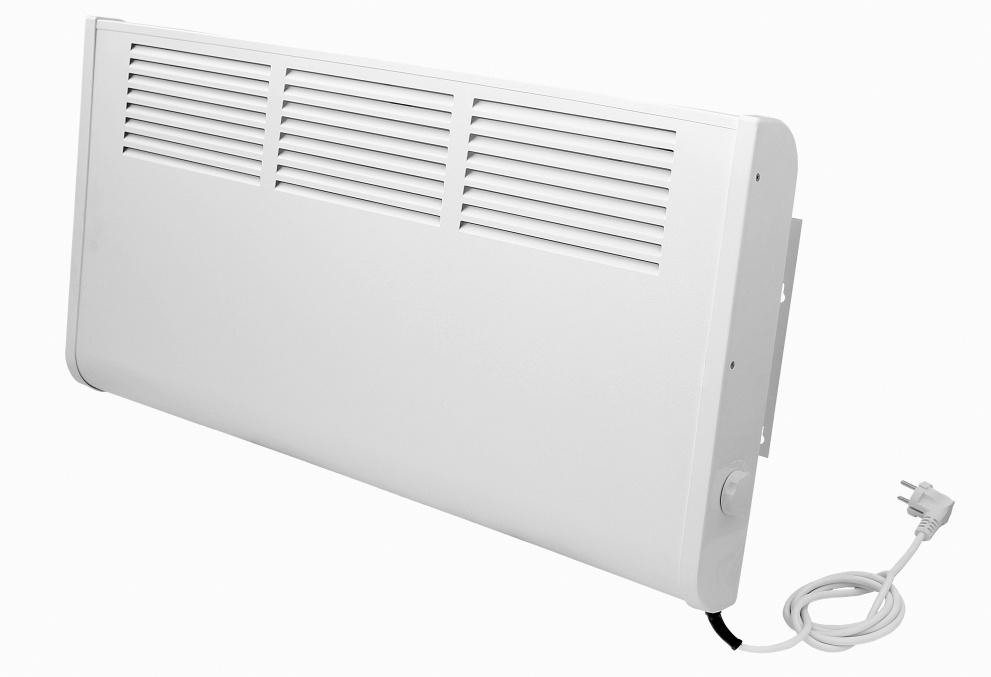

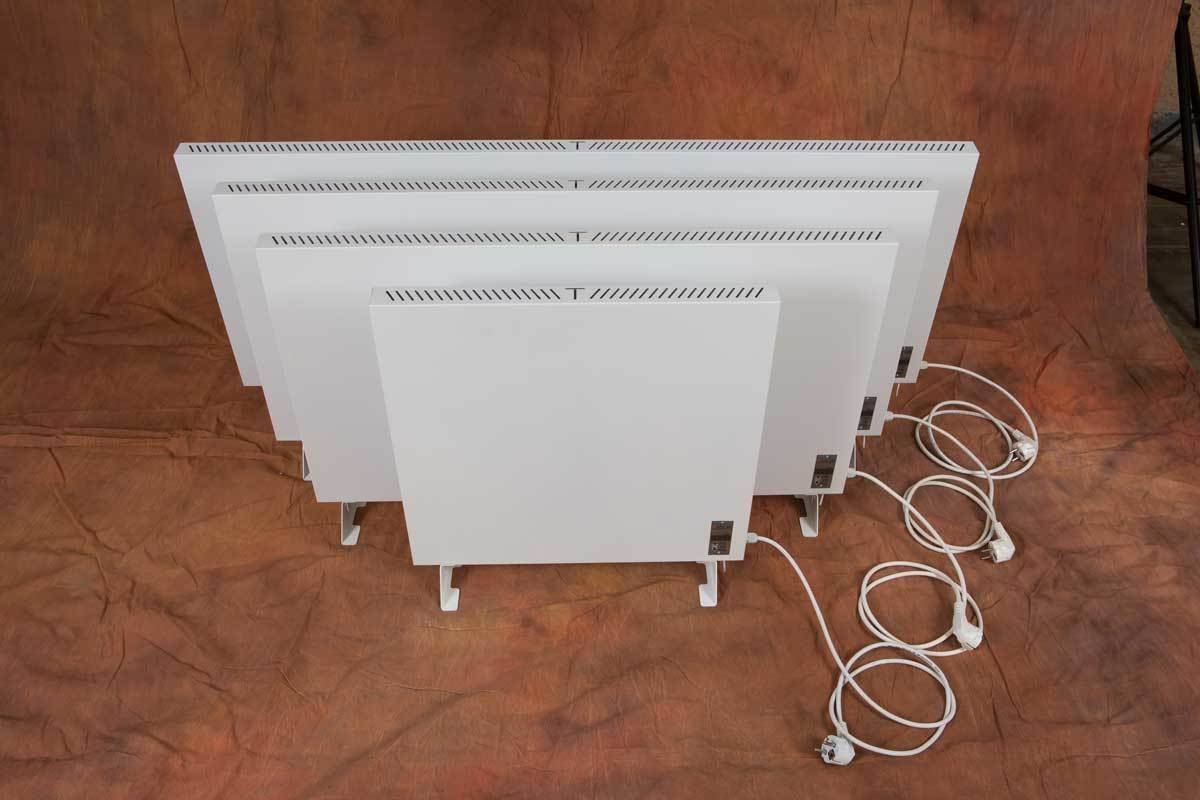
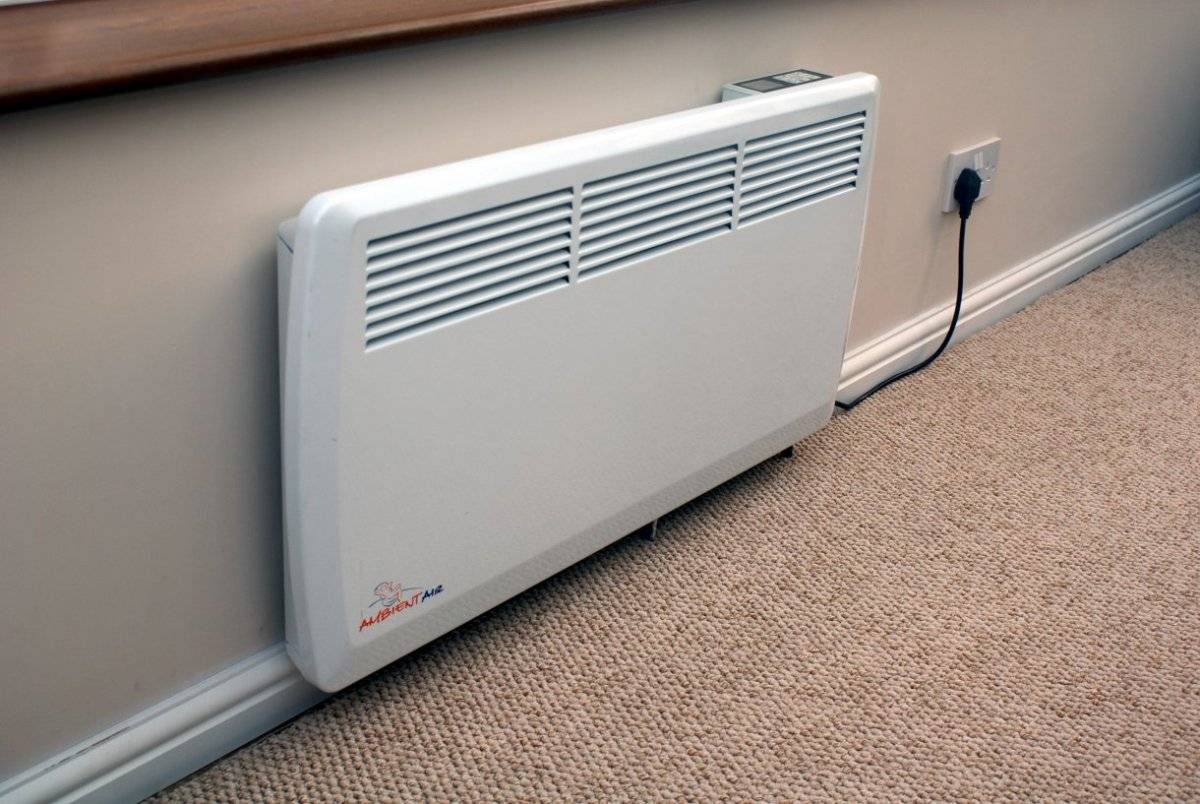
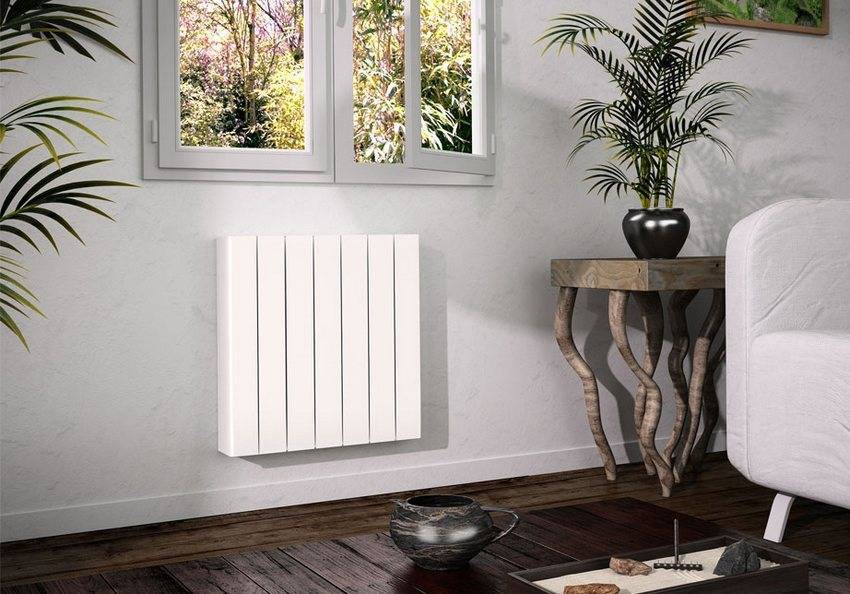
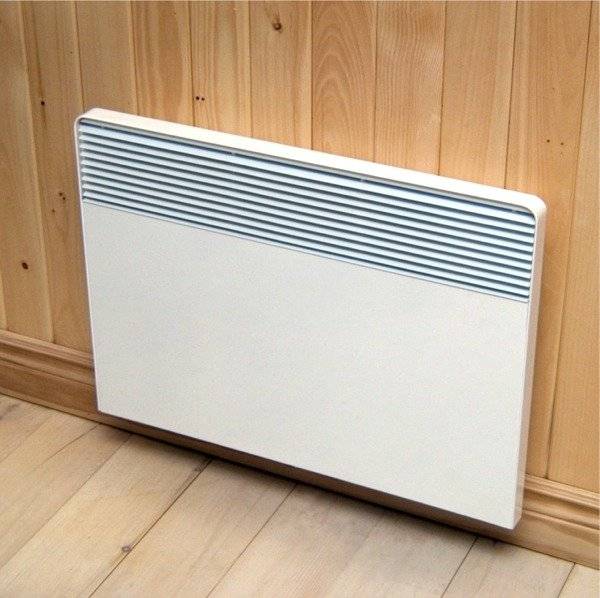
The color of the panel can be beige or dark brown, which is convenient for matching the equipment with the interior of the room.
Pros:
- long work due to the alternation of heating the heating element and cooling the stone panel;
- consumption of 330 W per hour, which is equivalent to three light bulbs;
- compact dimensions 1200x300 mm fit under a window or on a short wall;
- simple installation on two plates;
- two types of heating in one device;
- does not require powerful wiring, since it consumes less current than most kitchen appliances (slow cooker, microwave, coffee grinder);
- heating natural stone to 85 degrees is not dangerous for upholstered furniture and toys left in the immediate vicinity of the heater;
- no air drying effect;
- soft thermal radiation, comparable to the work of a thick-walled Russian stove;
- long-term activation is allowed;
- durable case;
- safe, in terms of burns, for short-term touches;
- can be used in wet areas.
Minuses:
- cost from 4700 rubles;
- weight 14 kg needs a solid non-plasterboard wall.
Nikapanels 330 - with the first class of protection
This energy-saving home heater will be the best one to heat your bathroom or lavatory due to its first class protection and water splash resistance.
The domestic manufacturer produces devices in an ultra-thin case of 40 mm and compact dimensions of 600x600 mm, which can easily fit in a small room.
Outside, the heater has a porcelain stoneware panel that provides the distribution of infrared rays and long-term heat retention.
Pros:
- beautiful panel design with fine embossed grooves;
- a large selection of brown shades;
- 0.33 kW power saves electricity by 70% compared to classic 2 kW oil heaters;
- compact dimensions of 600x600 mm easily fit into any room;
- 5 years manufacturer's warranty;
- the first class of electrical protection and not fear of moisture allow operation in a humid environment;
- suitable for an area of 3-5 m2 for the purpose of full heating or for 7-12 m2 as an additional one;
- works with power surges and is not afraid of overloads;
- durable metal case on the back with ventilated structure to promote air convection;
- service life up to 25 years;
- the effect of heat accumulation;
- heating up to 85 degrees;
- uniform heating of the room without hot and cold zones;
- does not burn oxygen.
Minuses:
- cost from 5000 rubles;
- weight 14 kg needs fastening with dowels and a perforator.
Classification of heaters
Energy-saving heaters are classified according to six main parameters:
Place of installation and type of fastening
- Floor. They are divided into stationary models, such as the "warm floor" system, and mobile - portable, on wheels, suspended.
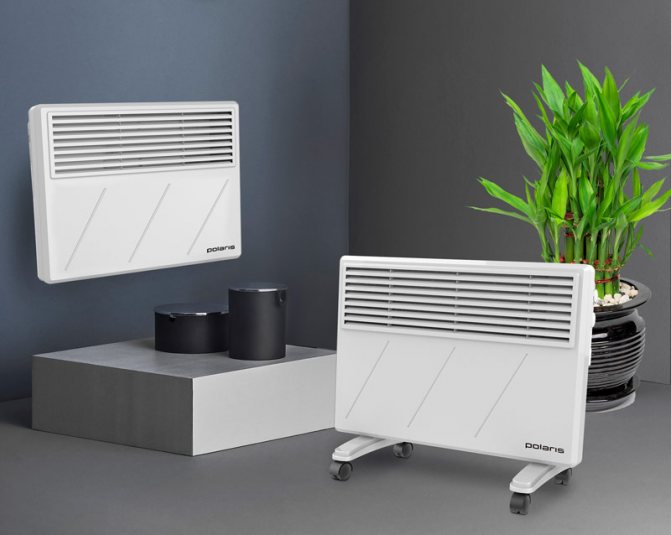
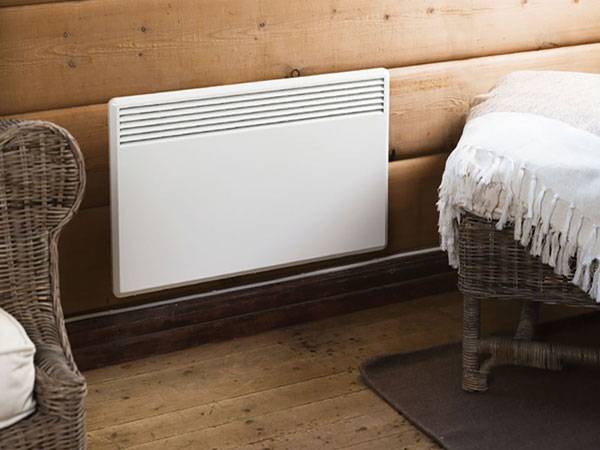
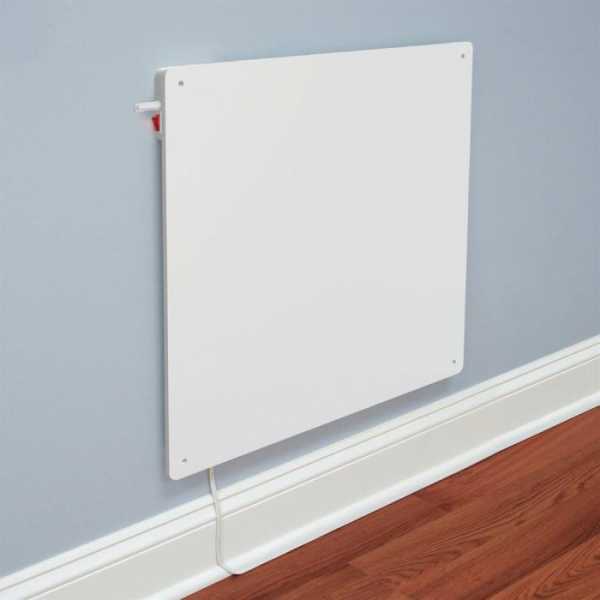
- Wall.Mounted motionless on the surface of the wall above the floor level. They are characterized by optimal distribution of heat throughout the room and a good combination with interior decoration.
- Ceiling. The main properties are installation in the ceiling space, space saving, fast heating, combination with any interior, a wide variety of models.

Ceiling convectors in a private house
The principle of heat transfer
- Oil. The air is heated through contact with the hot surface of the radiator.
- Thermal flow. Heating is carried out by passing the air flow through the heating elements.
- Convection. Heat transfer occurs by natural convection.
- infrared. Heating occurs due to the infrared radiation of the surface. These are primarily halogen, carbon, ceramic, mikathermic, film and quartz heaters for the home.
A kind of automation
Energy-saving household radiators are equipped with various automation systems - from a manually adjusted mechanical thermostat to an electronic self-regulating sensor and integration into a single climate control system of "smart home" technology.

smart control radiator
Price
The price of modern economical heaters varies quite a lot - from budget inexpensive models, costing several hundred rubles, to popular branded ones equipped with advanced technologies, for several tens of thousands of rubles and more.
Dimensions
The dimensions of radiators, as well as prices, vary over a wide range and depend on the type, power, design and purpose - from fan heaters 200x220 mm to thermal panels 1200x600 mm and more.
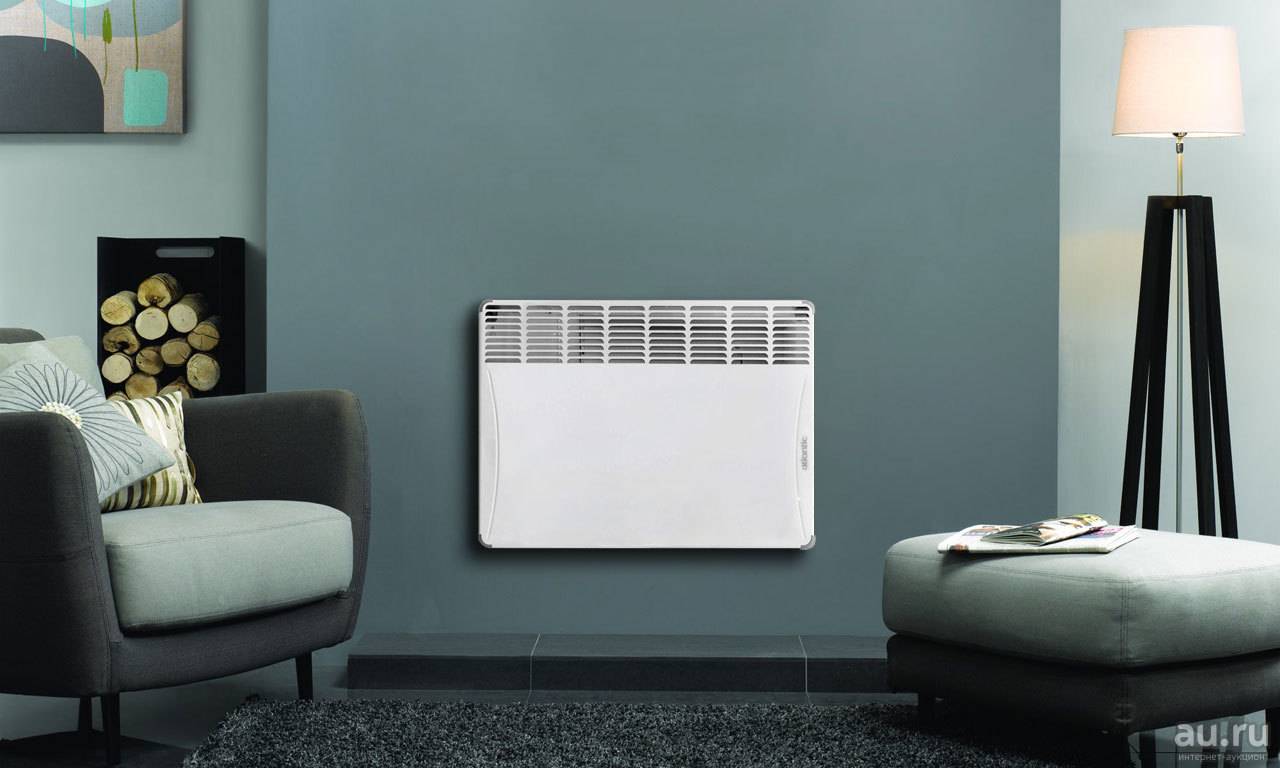
In addition, economical radiators vary by manufacturer.Today, the market has the widest offer in recent years from more than two dozen popular manufacturers. Each of them has its own characteristics. Next, we will analyze the most popular types of heaters, as well as the TOP-5 models from the best manufacturers.




The best radiators for home and garden
Advantages and disadvantages
The following advantages are characteristic of devices that provide heating in the house:
- have reliability and long service life;
- do not make noise during operation;
- safe;
- it is possible to use both indoors and outdoors;
- connected to a single heating system and thermostat;
- give the effect of a warm floor;
- the possibility of providing zone heating;
- are energy-saving, energy consumption is 5-7 times less in comparison with other types of heating equipment;
- for installation in a house or apartment, there is no need to draw up project documentation;
- equipped with special programs that allow you to adjust the work depending on the desires and needs;
- a working infrared heater additionally has a beneficial effect on the human body, prevents the occurrence of colds and flu;
- in winter compensates for the lack of sunlight;
- there is no need to resort to any maintenance measures for the equipment throughout the entire period of operation. In the event of any problems in the performance of the heater, service is provided by the manufacturer;
- the price of energy-saving infrared heaters for the home is acceptable;
- devices officially have the status of environmentally friendly.During their work, there is no release of any harmful substances for the human body and animals.
Among the shortcomings are such as:
- the need for stationary placement of the device;
- if you want to purchase a wall or ceiling variety, the room should have high ceilings;
- limited ability to control equipment.
Construction of ceramic heaters
The main components of the design are a heat-reflecting screen and ceramic heaters. They are combined into a monolithic structure, which is why they are often called ceramic heating panels. From manifestations of the external environment and mechanical damage, the internal components of the device are protected by an all-metal case.
The operation of devices can be based on the principle of infrared radiation or on air convection. Ceramic heaters heat the air inside the room, as well as objects that are located in the immediate vicinity.
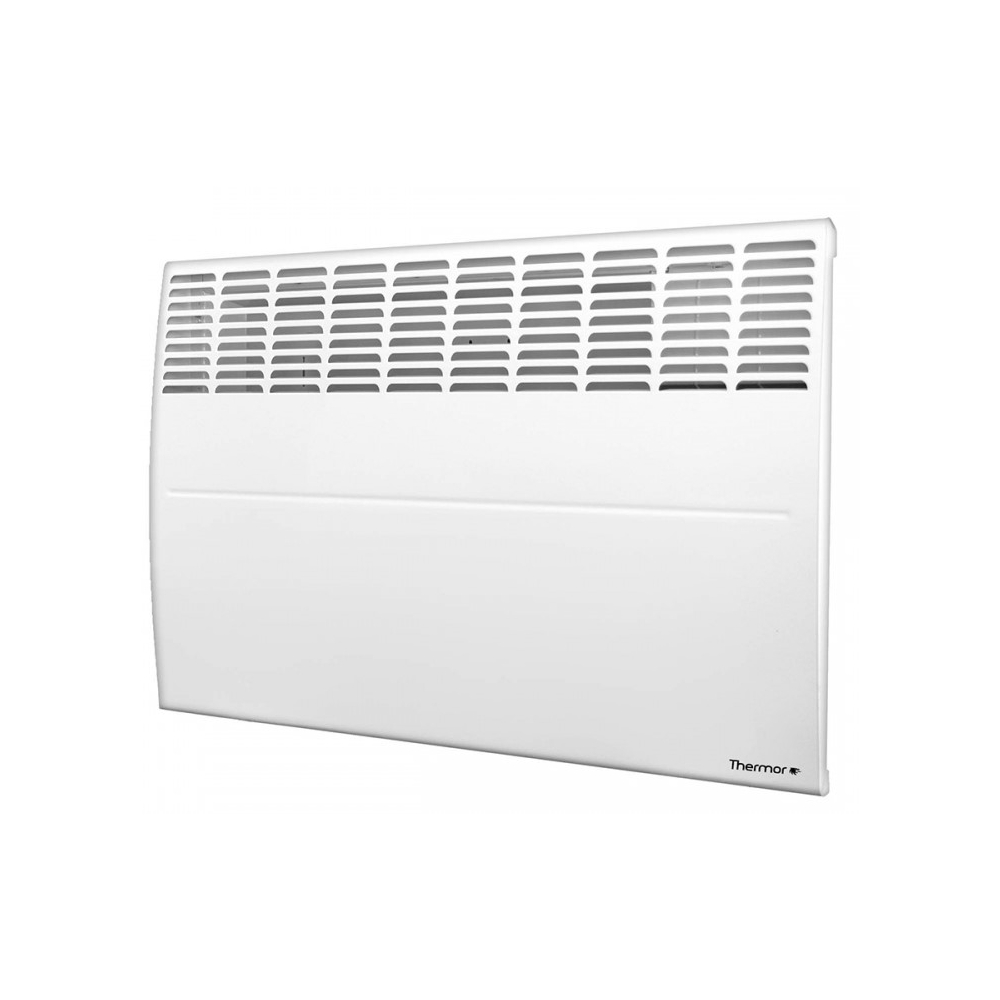
Allocate infrared and convector heaters. The work of convectors is based on the principle of air convection. Hot air rises and cold air sinks down. The case of convection structures has holes in the lower and upper parts, while the heating element is located at the bottom of the case. Cold air is sucked in through the bottom holes, where it heats up, expands and exits through the top holes. This mechanism of operation allows you to provide heat to a large area of \u200b\u200bthe room. Ceramic panels can work not only from electricity, but also from gas.
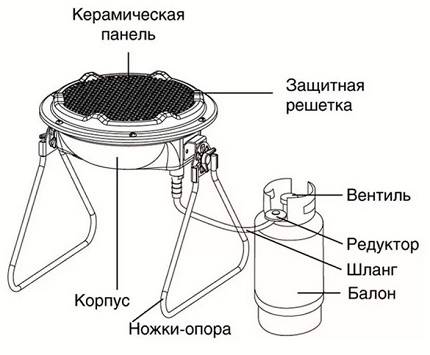
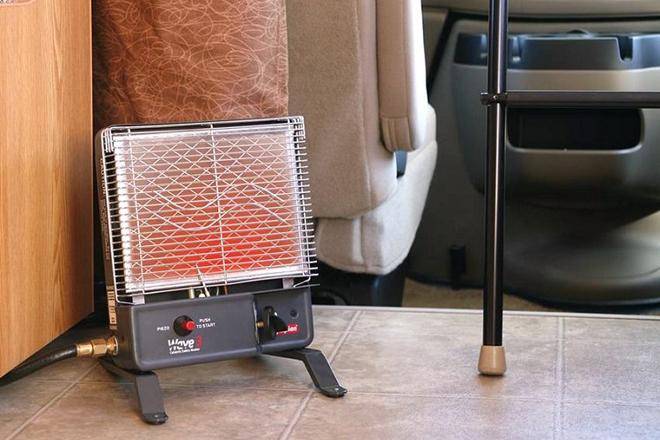
Gas ceramic heater
Electric models are more common - such ceramic heaters are most often installed at home. Devices using a gas heat source are in demand where there is no possibility of connecting to electricity.
Infrared heaters, unlike convector ones, do not heat the air in the room, but the surfaces - the floor, walls, furniture, any objects in the room. Those, in turn, give off heat to the surrounding space. The heating elements of IR devices are a nichrome-chrome spiral enclosed in a ceramic tube. Under the action of current, the coil heats up. There are 3 types of infrared heaters: gas, volumetric and hollow. According to experts, the latter is the most preferable. Hollow structures heat up quickly and cool down quickly.
How does an infrared heater work?
Energy saving ceramic heaters
Many ceramic heaters for the home are equipped with a special microprocessor control unit, due to which the device acquires energy-saving properties. As you know, in models with mechanical control, the temperature is regulated in steps. And in budget options, there are only 2-3 temperature regimes.

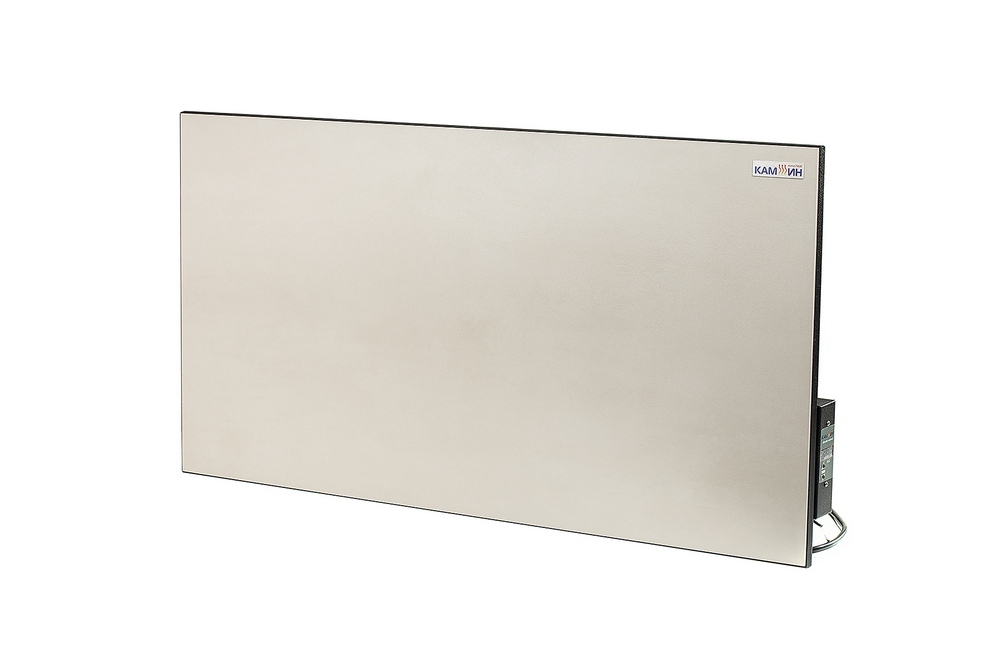

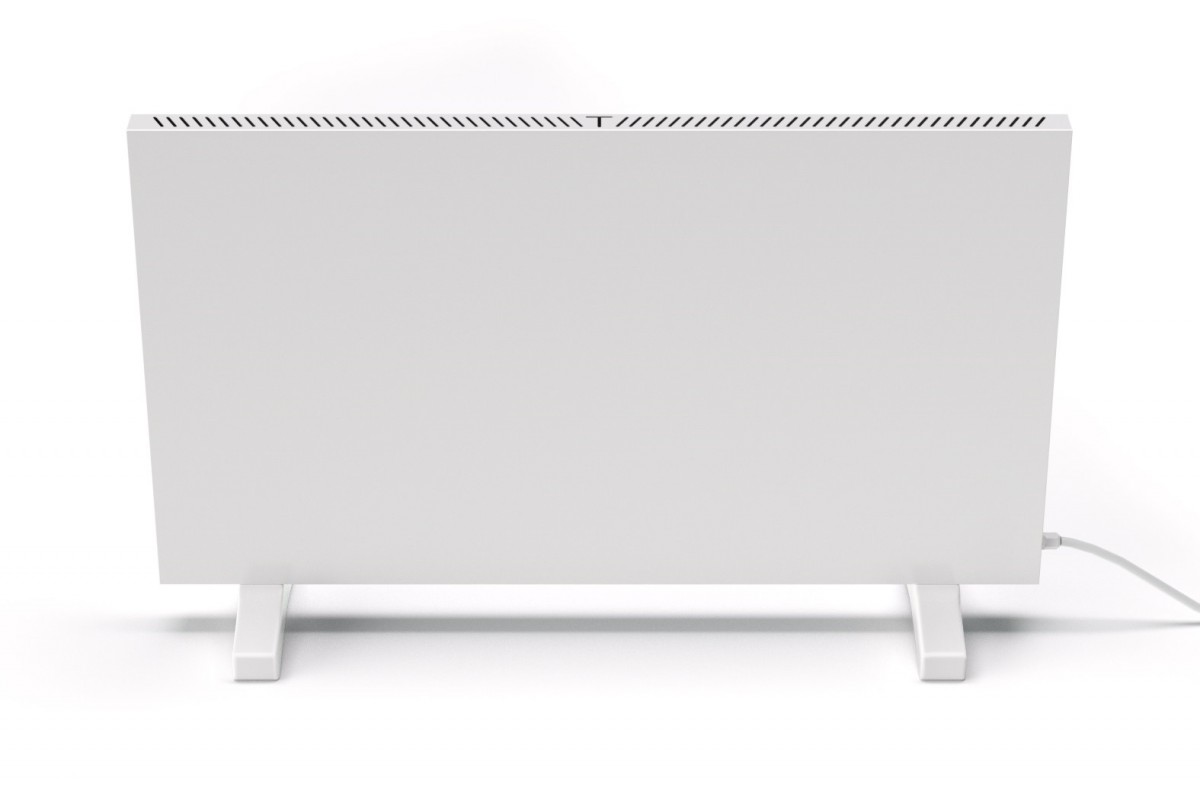

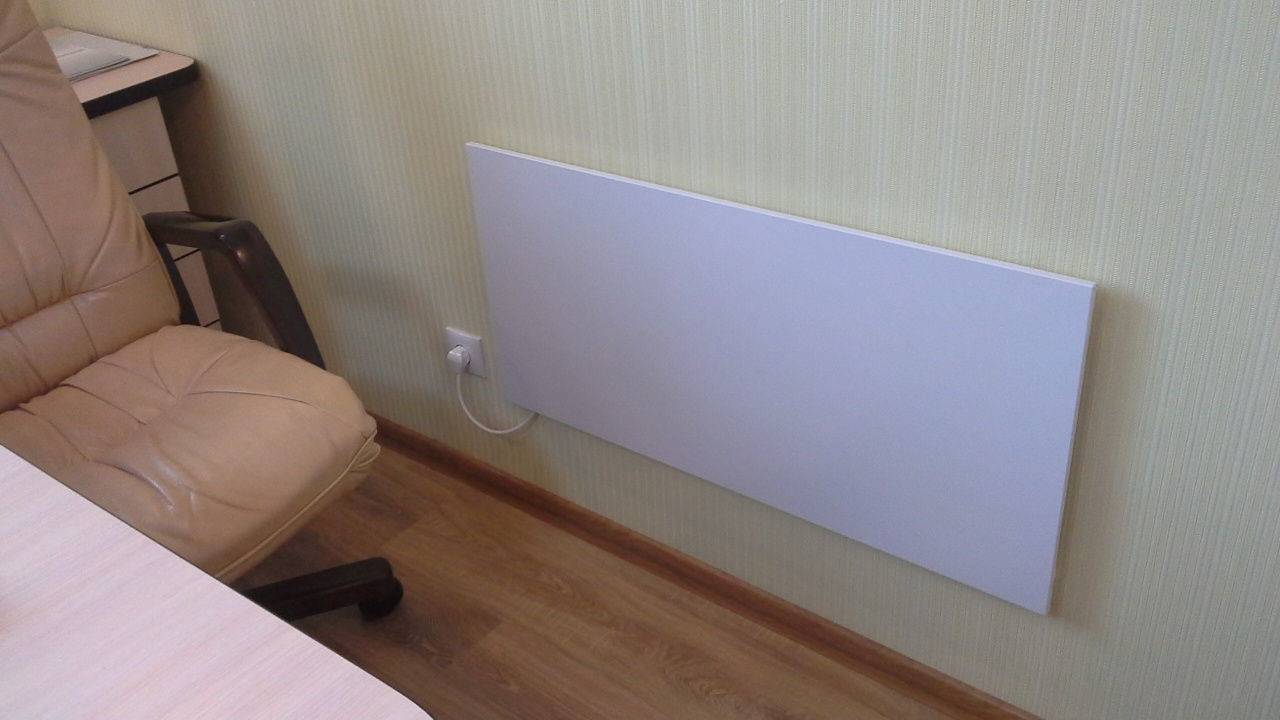


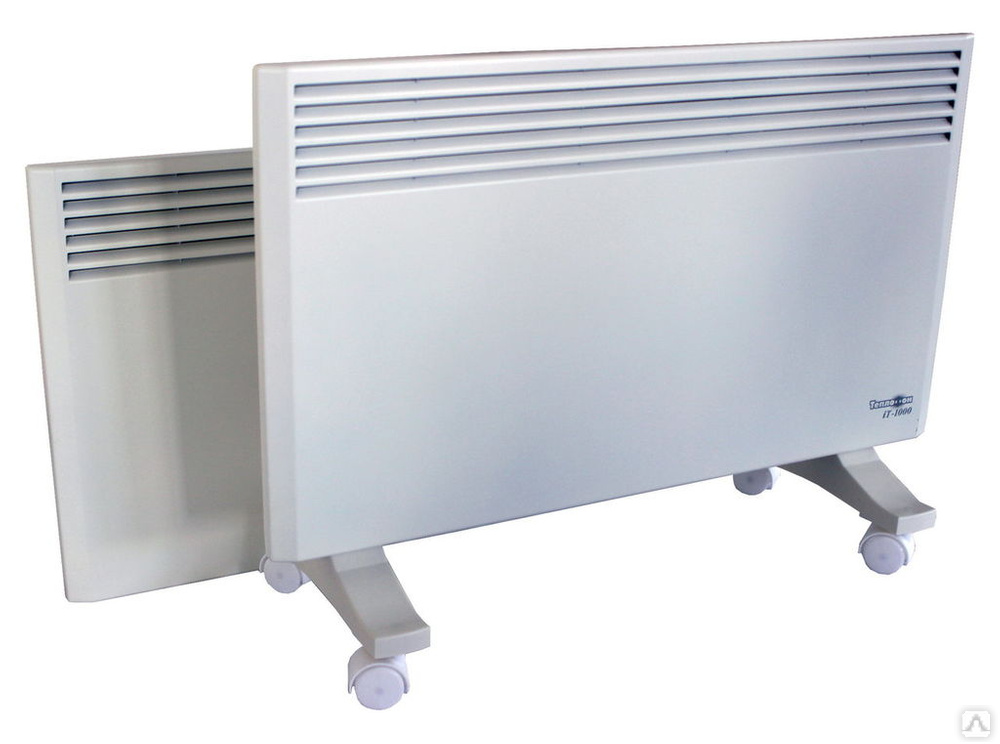
Using modern designs of a new generation, you can set the required temperature to the nearest degree. Throughout the operation, the device maintains a given temperature regime, errors and deviations from the set values are practically excluded. The timer function, implemented in models of the middle and high price range, will allow you to pre-set the time to turn off and on. All these features can significantly reduce energy costs.
Ceramic heaters for cottages and tents
Sometimes there is a need for heating cottages, personal plots, storage facilities, open balconies, terraces. Alas, not everywhere there is an opportunity to connect to the mains. In other cases, the power supply is located very far away. Using power strips is expensive and not always possible.
Manufacturers of ceramic heaters have solved this problem by creating a gas appliance. If you are a fan of winter fishing or hiking in the cold season, you also cannot do without a heater. Of course, you can use the old-fashioned ways. For example, light a fire. But these methods are ineffective and will not provide comfortable conditions. To make your outdoor activities enjoyable at any time of the year, take a gas-type ceramic heater with you. Such a device is installed directly in the tent, which will ensure a comfortable sleep.
Gas travel heater
In such devices, a special outlet is provided for connecting gas fittings. A gas cylinder serves as a source of energy. Gas combustion occurs inside the structure. Despite this, there is no open flame during combustion, which ensures safe operation. Some models are able to heat up to 800-900 degrees Celsius.
Gas infrared heaters are especially popular among tourists. After all, compact and functional appliances can be used as a stove. Now it is not necessary to kindle a fire at all.
Types of ceramic heaters
All ceramic heaters that exist today can be divided into 4 main groups.Depending on the features of installation and installation, they are wall, ceiling, floor or desktop.
Ceramic wall models
Wall-mounted devices have the largest dimensions and weight. But this is not a disadvantage. Outwardly, some models look like an air conditioner, but, unlike climate technology, it is not recommended to hang the plate near the ceiling. The reason for this is known to many since the school physics course: warm air, on the contrary, rises up to the ceiling. Accordingly, placing products near the ceiling is not effective.
Wall mounted ceramic heater
Wall models are the most powerful and often have many additional features. For example, the device can be used instead of a fan in the summer. And some models - even instead of air conditioning. To do this, you need to specify in the settings the rotation of the blades without heating or set the required temperature value that the device must maintain.
Floor and table ceramic heaters
Floor and table heaters, unlike wall heaters, do not require installation and are complete mobile devices. You can put them anywhere in the room. As a rule, the sizes of desktop models are much higher than desktop models. You can install floor models anywhere in the room.
Some models rotate in different directions, which allows you to heat the air in all directions. Particularly powerful models can be used as the main source of heat in the apartment. This is true for rooms in which there is no centralized heating system.Almost all models are equipped with timers, electronic thermostats, screens that display the temperature, remote controls.


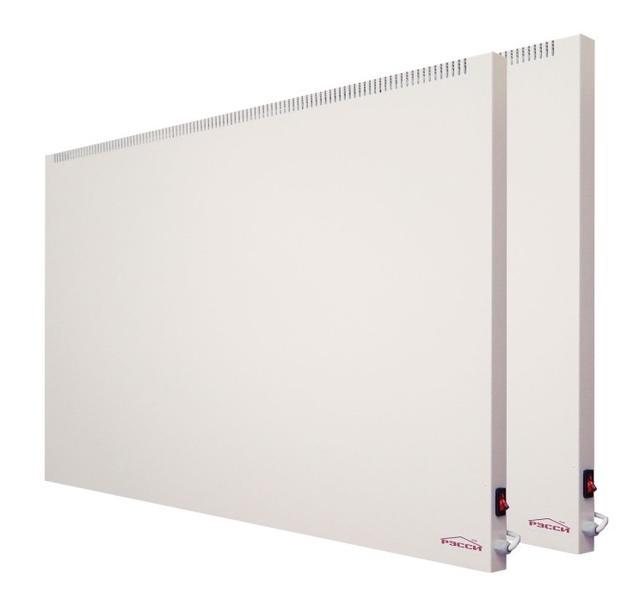

Floor heaters
Desktop models are the most compact and convenient devices. They are distinguished from floor counterparts by the method of installation. Products can be placed on a desktop, window sill, or other protruding surface.
Tabletop Ceramic Heater
Ceiling heaters
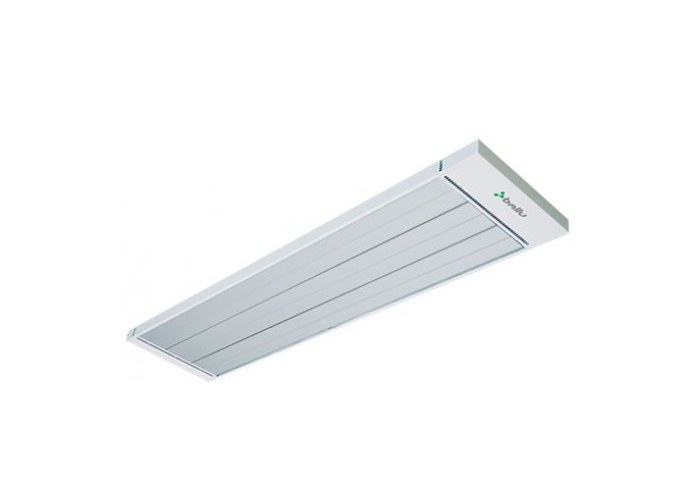
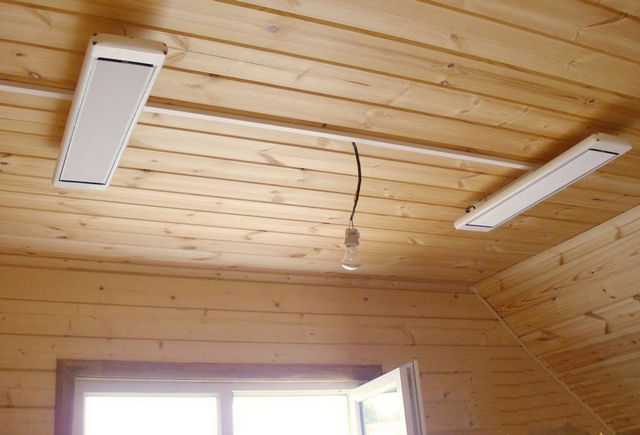
Ceiling heaters, as the name suggests, are installed on the ceiling and can only be of the infrared type. Unlike desktop and floor models, such products have a large heat dissipation radius. They can be used as the main source of heating. And the connection takes place through a thermostat, which allows you to save electricity and provide comfortable microclimate conditions in the room. As a rule, ceiling heaters are controlled by a remote control.
Which brand of ceramic heater is better to choose
The simplest heaters are based on a heating element and a ceramic reflector. These components are available in all models of devices, but the best of them are additionally equipped with advanced controls and auxiliary technologies for maintaining a comfortable indoor climate.
For economical and environmentally friendly heating, you should pay attention to products from reliable manufacturers. The rating includes companies that produce extremely safe and energy-saving products for heating apartments, summer cottages, private houses and tents.
Here are the top producers:
- Nikaten is a domestic company that has managed to develop an economical heater with a ceramic base.The power consumption of the device is 30-50% less compared to analogues. The 300 W model is comparable to 700 W devices from other manufacturers, and 650 W to 1.5 kW. It was possible to achieve such savings by combining the infrared and convection principles of operation.
- Nikapanels is a new company that has been on the Russian market since 2015. Its main activity is the production of ceramic heaters. The advantage of brand products is fast heating, 20 minutes are enough to reach the specified temperature. After turning off the device, it gives off heat for another hour, not allowing the room to cool down quickly.
- Pion is a Russian company engaged in the production of tempered glass with a unique Energy coating. This technology provides fast heating of objects in the room, not air. Emitter plates are usually covered with laminated heat-resistant glass, its efficiency and strength are higher than that of metal. Heaters "Peony" are produced with protection class IP54, that is, they can be used in rooms with a high percentage of humidity.
- Teplopit is a company that specializes in the development of quartz and ceramic heaters. All models of the manufacturer use energy-saving technologies. Among other advantages of its products: an affordable price, a high degree of safety and the absence of a negative impact on the microclimate in the room.
- Kovea is a Korean manufacturer that has been producing heating appliances since 1982. The orientation of this product is tourism use. Floor ceramic heaters are compact in size, they can be easily placed in the center of the tent and provide warmth in all its corners.
- Ballu is a large international company producing climate equipment. The advantages of Ballu electric convectors are: energy efficiency, a wide range for home and commercial use, complete safety and high manufacturability of devices. The company creates heating devices with an interesting design in the styles of loft, minimalism, hi-tech, art deco, classic, etc.
- Pathfinder is a company engaged in the production of all kinds of products for tourism and fishing. Although the company does not specialize in the development of heaters, it still has one good model. It is compact (fits in a regular backpack for hiking), generates a lot of heat and is simple in design.
The best gas heaters