- Operating modes
- Types of wall batteries
- infrared
- Convector
- Oil radiator
- fan heaters
- Vapor drip heater
- Carbon heaters
- Lithium bromide heaters
- An example of calculating the power of heating batteries
- Heat transfer rates for space heating
- Full formula for accurate calculation
- Installation of electric radiators
- Video - Electric heating "Hybrid"
- Oil coolers
- Technical specifications
- Electric convectors for summer cottages
- How to calculate the number of radiators for a single pipe circuit
- Installing a wall convector
- Another calculation example
- Calculation of electricity consumption by an economical convector
- Advantages and disadvantages
- Calculation by area
Operating modes
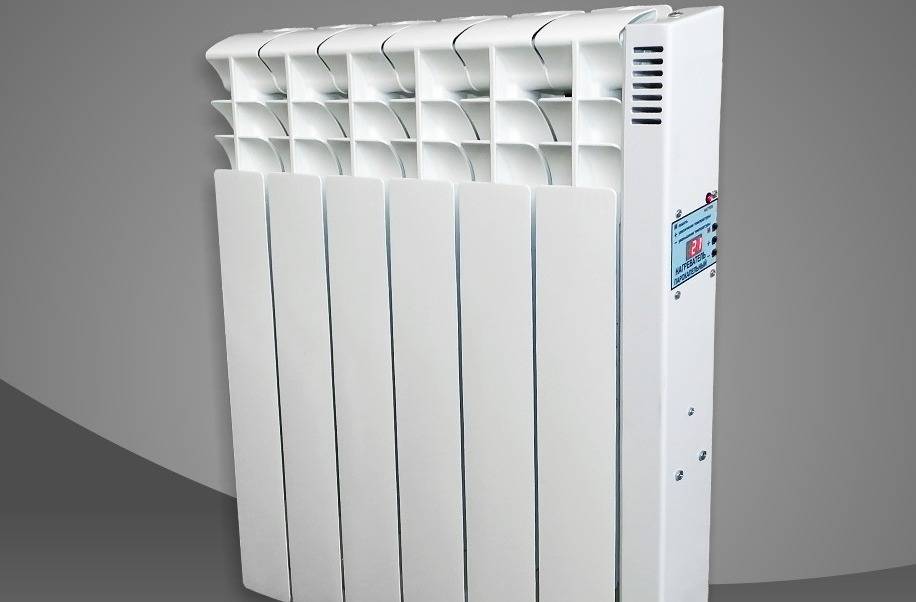
When choosing a radiator that is best suited for specific operating conditions, the buyer needs to pay attention to the number of modes of operation, as well as a description of each mode. Modern radiators involve the following modes of operation:
- Main mode. The radiator heats up to the set temperature, after which it turns off. When the air temperature decreases by a certain amount (usually 0.5 - 1.0 ° C), the heater is switched on again.
- Economy mode. Tuned a few degrees below the main. Turns on if the room is empty for some time.The difference between main and economy mode can be adjusted.
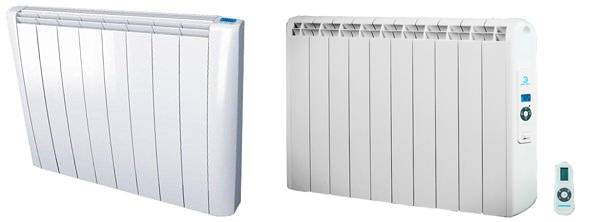
- Programmable mode. The radiator switches from mode to mode depending on the set time of day. The program can be set for a specific time (day, week). The control unit allows you to set up several operating modes, after which it is easy to switch between them.
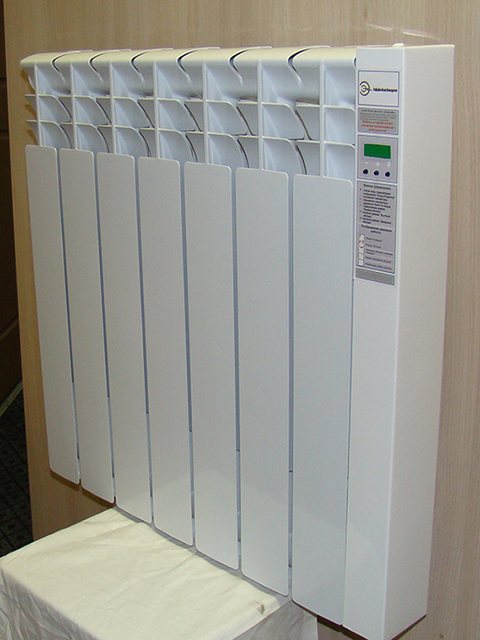
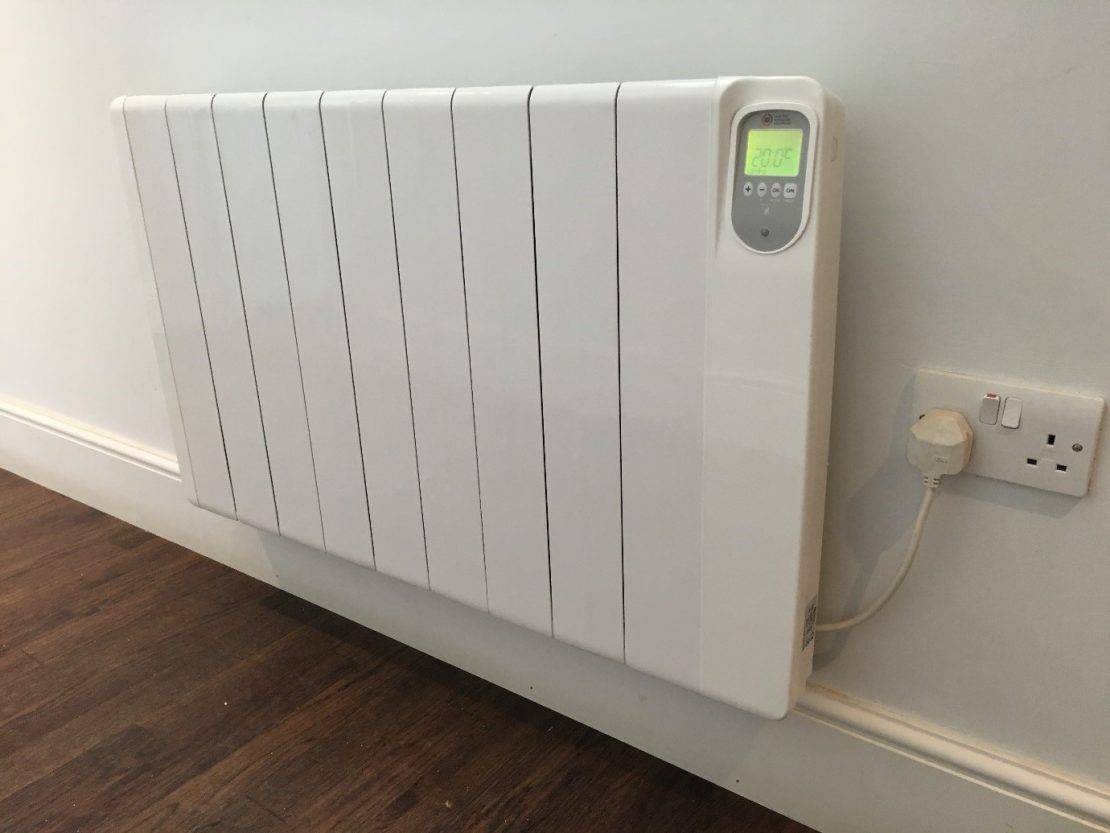
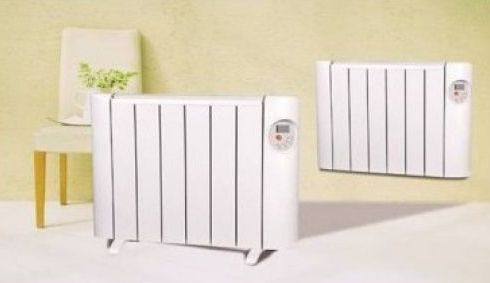
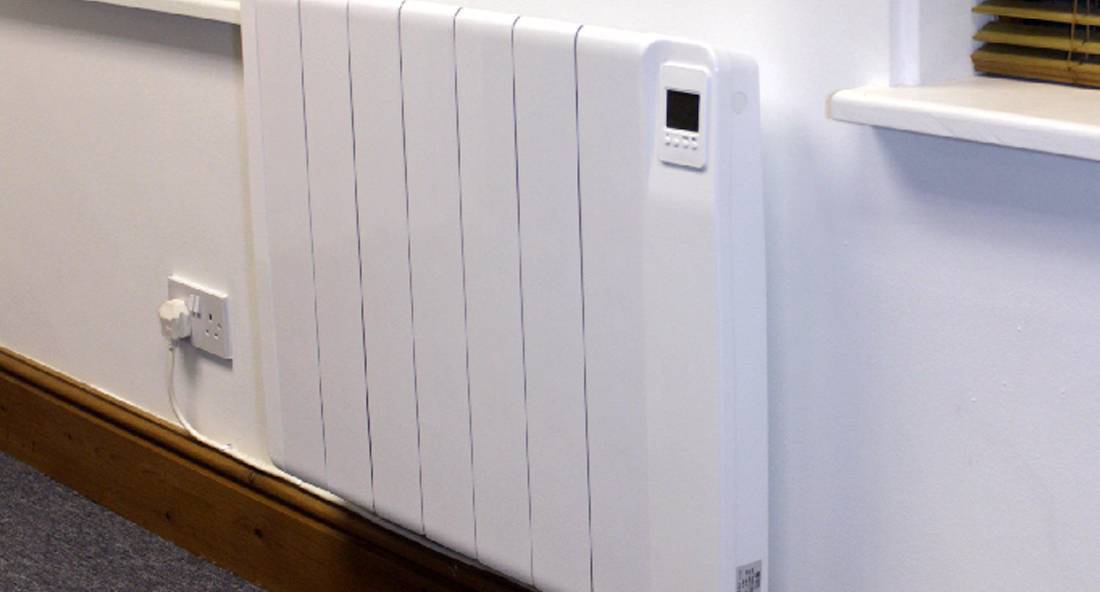
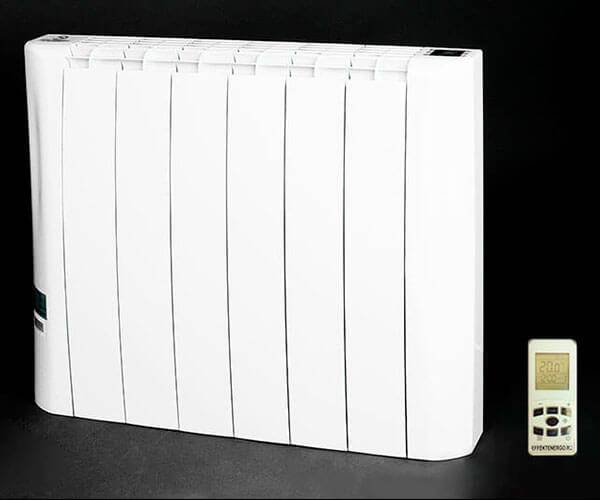
Six-section radiator with programmable timer.
Types of wall batteries
There are several types of electric wall-mounted batteries that differ in the principle of operation.
infrared
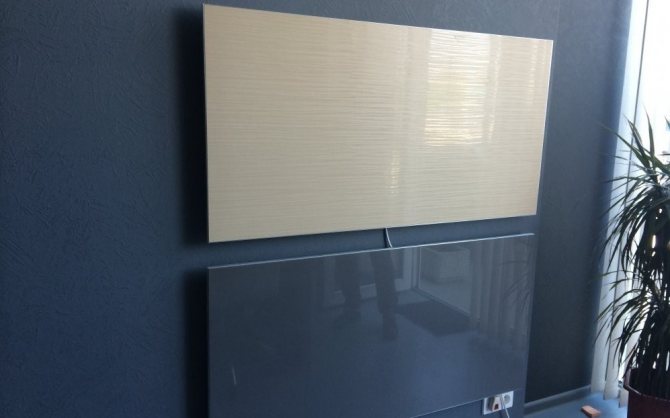
The principle of operation of infrared batteries is to convert electrical energy into thermal radiation. Due to long-wave radiation, the floor and objects on it are heated, which serve as heat transmitters. Heating objects, not air, retains heat longer, allowing you to save energy.
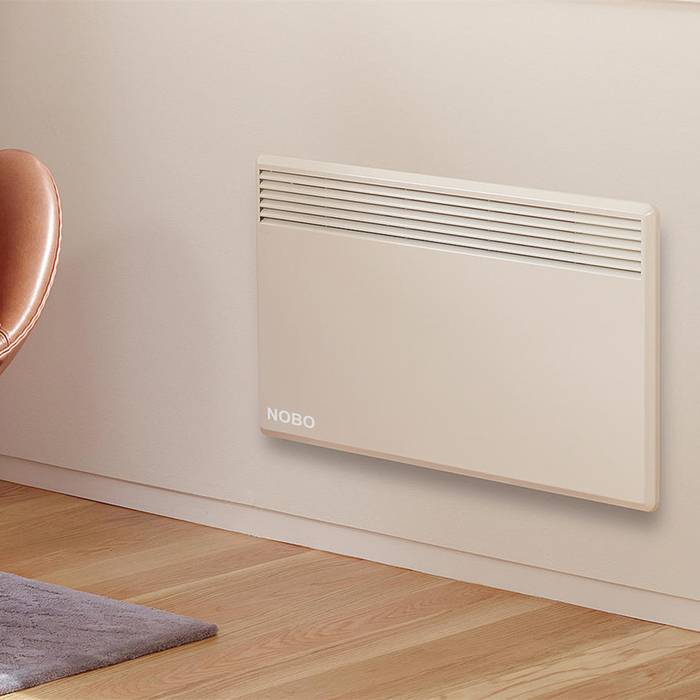
Convector
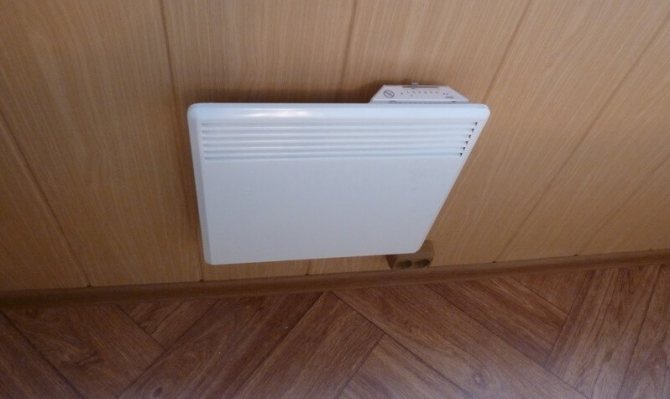
In electric convectors, heat transfer is carried out by heating the air passing through the device. Warm air increases in volume and exits through the grilles of the device, and cold air enters in its place. Thus, the room warms up very quickly.
It is important to prevent the presence of drafts so that the convector does not work without use.
Prices for an electric wall convector
Electric wall convector
Oil radiator
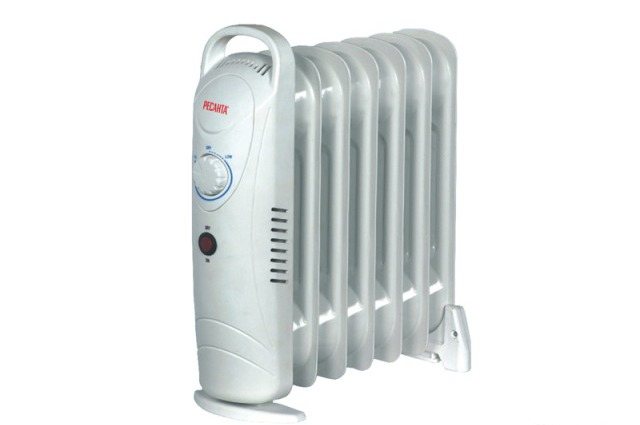
The element located inside the radiator heats the intermediate coolant (mineral oil), which then warms up the unit body. The oil used retains heat for a long time, allowing you to save on electricity. Oil radiators are cheaper than other types of heaters and have small dimensions. However, heaters of this type warm up the room rather slowly, especially a large one.
The surface of the radiator warms up to 150 °, this requires careful handling of the device
fan heaters
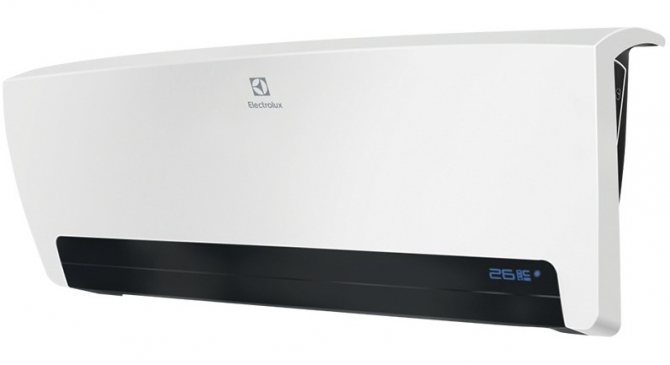
The essence of the operation of fan heaters is to warm up the air flow that passes through the heating element. Air is supplied to the device by a built-in fan. Most often, fan heaters are used in rooms where maintaining a constant temperature is not required. Many models can be used as a conventional fan.
Prices for electric fan heaters
Electric fan heaters
Vapor drip heater
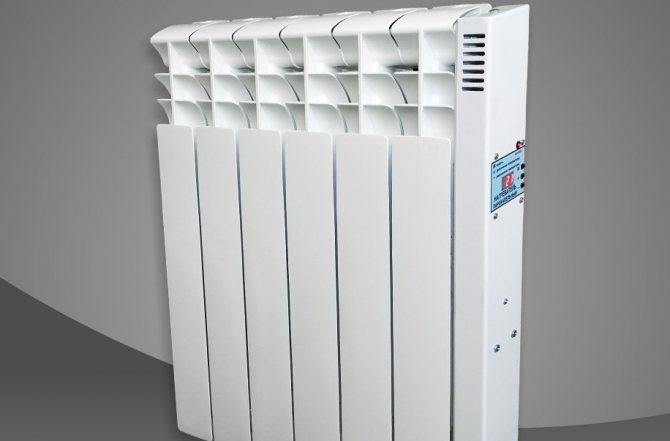
In the system of the para-drip heater, there is water in a closed space, which is heated by electricity and turns into steam. Condensation then occurs and the water is returned back to the carrier liquid system. This principle of operation of the heater allows you to use two types of energy at once: from the coolant and from steam condensation. After turning off the power, the device retains heat for a long time.
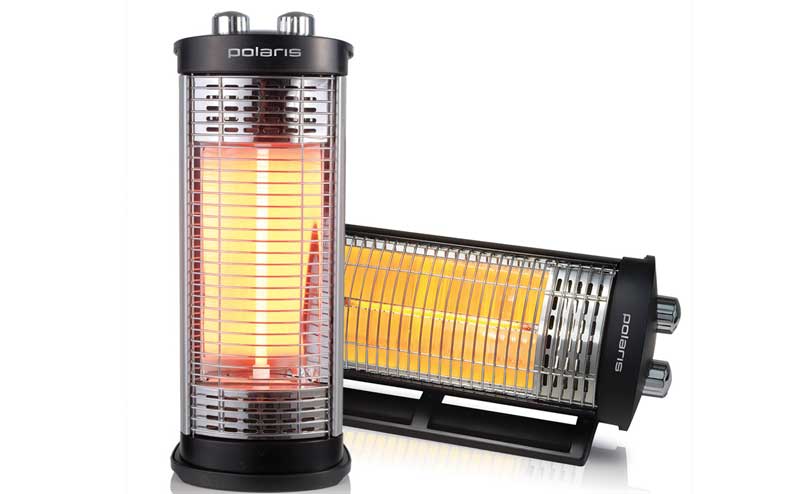
Carbon heaters
Carbon heaters use carbon fiber as a heater, placed in a quartz tube. This is a long-wave emitter that warms up objects in the room, not the air.
Lithium bromide heaters
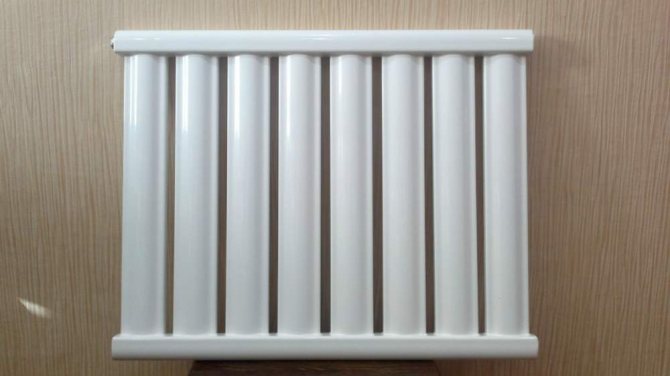
The lithium bromide radiator consists of vacuum sections filled with lithium and bromide liquid, which turns into steam at a temperature of 35°. Steam rises to the top of the sections, giving off heat, and warms up the radiator.
An example of calculating the power of heating batteries
Let's take a room with an area of 15 square meters and with ceilings 3 meters high. The volume of air to be heated in the heating system will be:
V=15×3=45 cubic meters
Next, we consider the power that will be required to heat a room of a given volume. In our case, 45 cubic meters. To do this, it is necessary to multiply the volume of the room by the power required to heat one cubic meter of air in a given region. For Asia, the Caucasus, this is 45 watts, for the middle lane 50 watts, for the north about 60 watts. As an example, let's take a power of 45 watts and then we get:
45 × 45 = 2025 W - the power required to heat a room with a cubic capacity of 45 meters
Heat transfer rates for space heating
According to practice, for heating a room with a ceiling height not exceeding 3 meters, with one outer wall and one window, 1 kW of heat is enough for every 10 square meters of area.
For a more accurate calculation of the heat transfer of heating radiators, it is necessary to make an adjustment for the climatic zone in which the house is located: for the northern regions, for comfortable heating of 10 m2 of a room, 1.4-1.6 kW of power is needed; for the southern regions - 0.8-0.9 kW. For the Moscow region, amendments are not needed. However, both for the Moscow region and for other regions, it is recommended to leave a power margin of 15% (by multiplying the calculated values by 1.15).
There are more professional valuation methods, described below, but for a rough estimate and convenience, this method is quite sufficient. Radiators may turn out to be slightly more powerful than the minimum standard, however, in this case, the quality of the heating system will only increase: it will be possible to more accurately adjust the temperature and low-temperature heating mode.
Full formula for accurate calculation
A detailed formula allows you to take into account all possible options for heat loss and the features of the room.
Q = 1000 W/m2*S*k1*k2*k3…*k10,
- where Q is the heat transfer index;
- S is the total area of the room;
- k1-k10 - coefficients that take into account heat losses and installation features of radiators.
Show coefficient values k1-k10
k1 - number of external walls in the premises (walls bordering the street):
- one – k1=1.0;
- two - k1=1,2;
- three - k1-1.3.
k2 - orientation of the room (sunny or shady side):
- north, northeast or east – k2=1.1;
- south, southwest or west – k2=1.0.
k3 - coefficient of thermal insulation of the walls of the room:
- simple, not insulated walls - 1.17;
- laying in 2 bricks or light insulation - 1.0;
- high-quality design thermal insulation - 0.85.
k4 - detailed accounting of the climatic conditions of the location (street air temperature in the coldest week of winter):
- -35°C and less - 1.4;
- from -25°С to -34°С - 1.25;
- from -20°С to -24°С - 1.2;
- from -15°С to -19°С - 1.1;
- from -10°С to -14°С - 0.9;
- not colder than -10°C - 0.7.
k5 - coefficient taking into account the height of the ceiling:
- up to 2.7 m - 1.0;
- 2.8 - 3.0 m - 1.02;
- 3.1 - 3.9 m - 1.08;
- 4 m and more - 1.15.
k6 - coefficient taking into account the heat loss of the ceiling (which is above the ceiling):
- cold, unheated room/attic - 1.0;
- insulated attic / attic - 0.9;
- heated dwelling - 0.8.
k7 - taking into account the heat loss of windows (type and number of double-glazed windows):
-
ordinary (including wooden) double windows - 1.17;
- windows with double glazing (2 air chambers) - 1.0;
- double glazing with argon filling or triple glazing (3 air chambers) - 0.85.
k8 - taking into account the total area of glazing (total area of windows: area of \u200b\u200bthe room):
- less than 0.1 – k8 = 0.8;
- 0.11-0.2 - k8 = 0.9;
- 0.21-0.3 - k8 = 1.0;
- 0.31-0.4 - k8 = 1.05;
- 0.41-0.5 - k8 = 1.15.
k9 - taking into account the method of connecting radiators:
- diagonal, where the supply is from above, the return from below is 1.0;
- one-sided, where the supply is from above, the return is from below - 1.03;
- double-sided lower, where both the supply and return are from below - 1.1;
- diagonal, where the supply is from below, the return from above is 1.2;
- one-sided, where the supply is from below, the return is from above - 1.28;
- one-sided lower, where both supply and return are from below - 1.28.
k10 - taking into account the location of the battery and the presence of the screen:
- practically not covered by a window sill, not covered by a screen - 0.9;
- covered by a window sill or ledge of the wall - 1.0;
- covered with a decorative casing only from the outside - 1.05;
- completely covered by the screen - 1.15.
After determining the values of all the coefficients and substituting them into the formula, you can calculate the most reliable power level of the radiators. For more convenience, below is a calculator where you can calculate the same values by quickly selecting the appropriate input data.
Installation of electric radiators
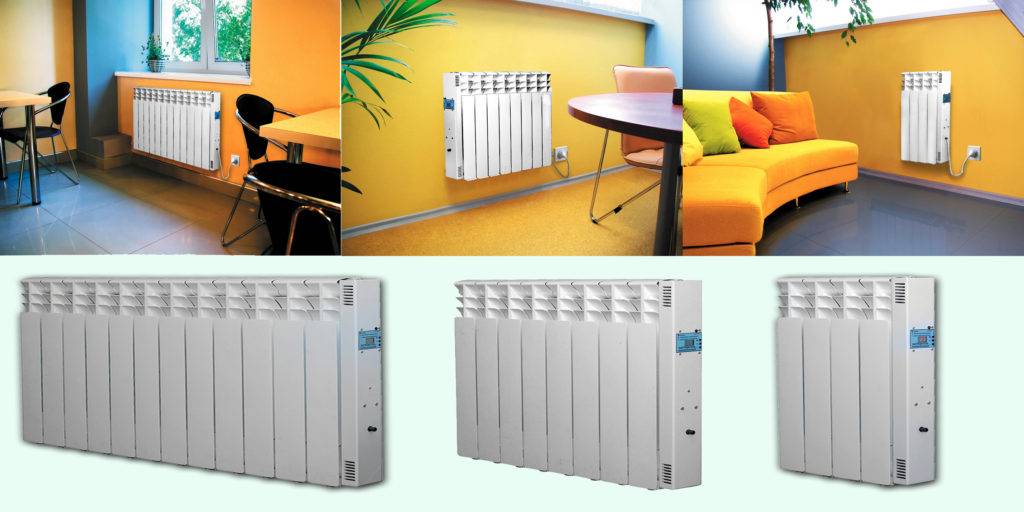
The range of modern heating equipment is quite wide. We note that only one electric heating battery is required to heat one room. And if you install it under the window, you will be able to avoid heat loss - a thermal curtain is formed in this place, thanks to which comfortable conditions in the room will be created.
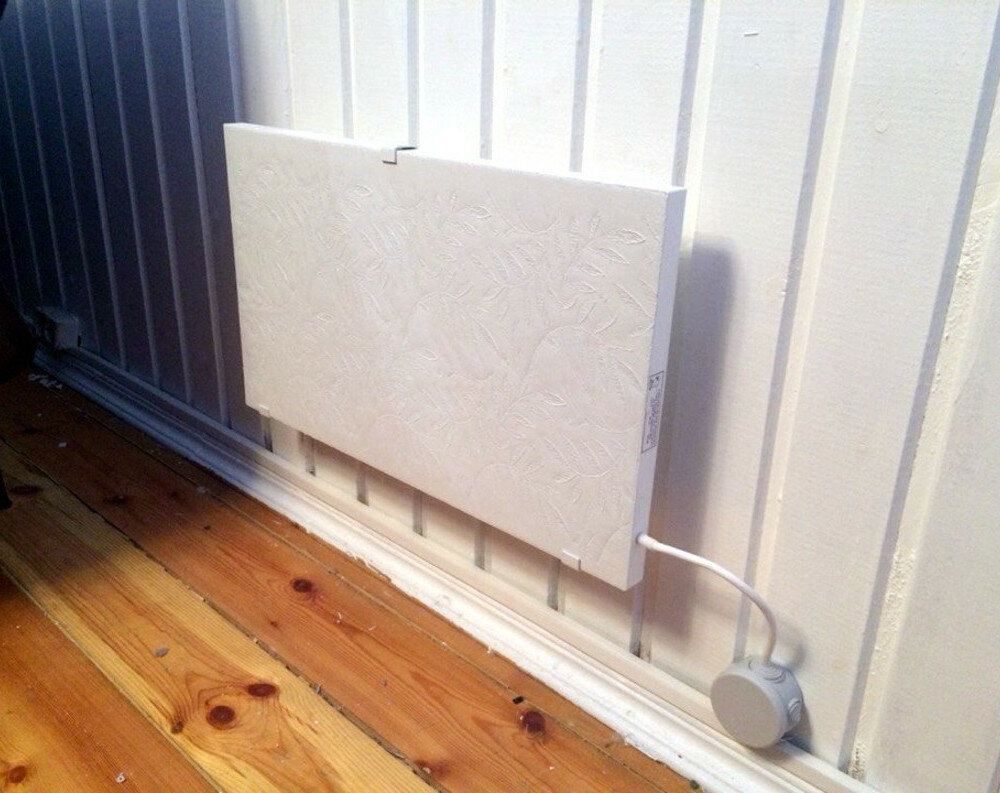
Such radiators are hung on the walls in the same way as water batteries; they weigh a little, so a pair of brackets is enough for one section. By the way, you do not need to pay for expensive services for installing a chimney channel, installing a heat generator or making holes for a pipeline.
Video - Electric heating "Hybrid"
As a result, we note that electric radiators may well be used as the main source of heat. So you can optimize your heating costs. That's all, warm winters to you
Oil coolers
Structurally, oil coolers are presented in the form of metal batteries with hermetically connected sections and built-in electric heating elements. Increased performance is provided under the influence of anti-corrosion coating. To transfer heat, technical oil with the 4th is the safest class of action on the human body.
Oil wall batteries are supplied with a wire and a grounding plug. On the side of the case there are LED blockers and elements for adjusting the power. The power cord is located at the bottom of the device. And the temperature sensor is located inside it. A number of models are completed with two types of clamps (floor and wall). This allows you to put the wall-mounted appliance on a stand or wheels.
Technical specifications
Battery performance varies between 0.5-3 kW. This indicates the possibility of full-fledged heating of a room of 5-30 m2.
- power level adjustment (2 or 3 steps);
- a ventilating device to accelerate the heating of the room;
- temperature sensor to maintain the set temperature (from 5 to 35 gr.);
- timer for programming the device at a convenient time;
- decorative panel to increase traction (vertical channels form a convection effect without the use of fans, this improves traction and ensures quiet operation).
- removable frame support for linen.
- humidifier;
- ionizing device;
- heated towel rail.
- unprotected option - IP20;
- drip protection - IP21;
- from splashes - IP24.
- Size - 500-700 mm high, 600 mm wide (narrow designs have a width of 300 mm). The depth of the devices is 150 - 260 mm, but ultra-thin devices are presented with a thickness of 100 mm.
- The number of sections - their number (5-12) directly affects the power of the device.
- Weight - from 4 to 30 kg.
- Configuration - oil coolers are produced in a flat (compact) form and sectional.
The cost of devices varies in the range of 500 - 6000 rubles.
Electric convectors for summer cottages
With electronic thermostat
With mechanical thermostat
Electric convector for giving
- Country Korea
- Power, W 1500
- Area, m² 15
- Thermostat Mechanical
Electric convector for giving
- Country China
- Power, W 1000
- Area, m² 15
- Thermostat Mechanical
Electric convector for giving
- Country China
- Power, W 1000
- Area, m² 10
- Thermostat Mechanical
Electric convector for giving
- Country Russia
- Power, W 1000
- Area, m² 15
- Thermostat Mechanical
Electric convector for giving
- Country Bulgaria
- Power, W 500
- Area, m² 5
- Thermostat Mechanical
Electric convector for giving
- Country Sweden
- Power, W 1000
- Area, m² 13
- Thermostat Mechanical
Electric convector for giving
- Country Sweden
- Power, W 200
- Area, m² 2
- Thermostat Mechanical
Electric convector for giving
- Country Russia
- Power, W 1500
- Area, m² 20
- Thermostat Mechanical
Electric convector for giving
- Country France
- Power, W 500
- Area, m² 7
- Thermostat Electronic
Electric convector for giving
- Country China
- Power, W 1000
- Area, m² 10
- Thermostat Mechanical
Electric convector for giving
- Country Korea
- Power, W 1000
- Area, m² 13
- Thermostat Mechanical
Electric convector for giving
- Country China
- Power, W 1000
- Area, m² 15
- Thermostat Mechanical
Electric convector for giving
- Country Sweden
- Power, W 1500
- Area, m² 15
- Thermostat Mechanical
Electric convector for giving
- Country Norway
- Power, W 1000
- Area, m² 10
- Thermostat Mechanical
Electric convector for giving
- Country China
- Power, W 500
- Area, m² 8
- Thermostat Mechanical
Electric convector for giving
- Country Sweden
- Power, W 1000
- Area, m² 10
- Thermostat Mechanical
Electric convector for giving
- Country Russia
- Power, W 2000
- Area, m² 25
- Thermostat Mechanical
Electric convector for giving
- Country Korea
- Power, W 1500
- Area, m² 18
- Thermostat Mechanical
Electric convector for giving
- Country China
- Power, W 1500
- Area, m² 15
- Thermostat Mechanical
Electric convector for giving
- Country: Germany
- Power, W 1000
- Area, m² 12
- Thermostat Mechanical
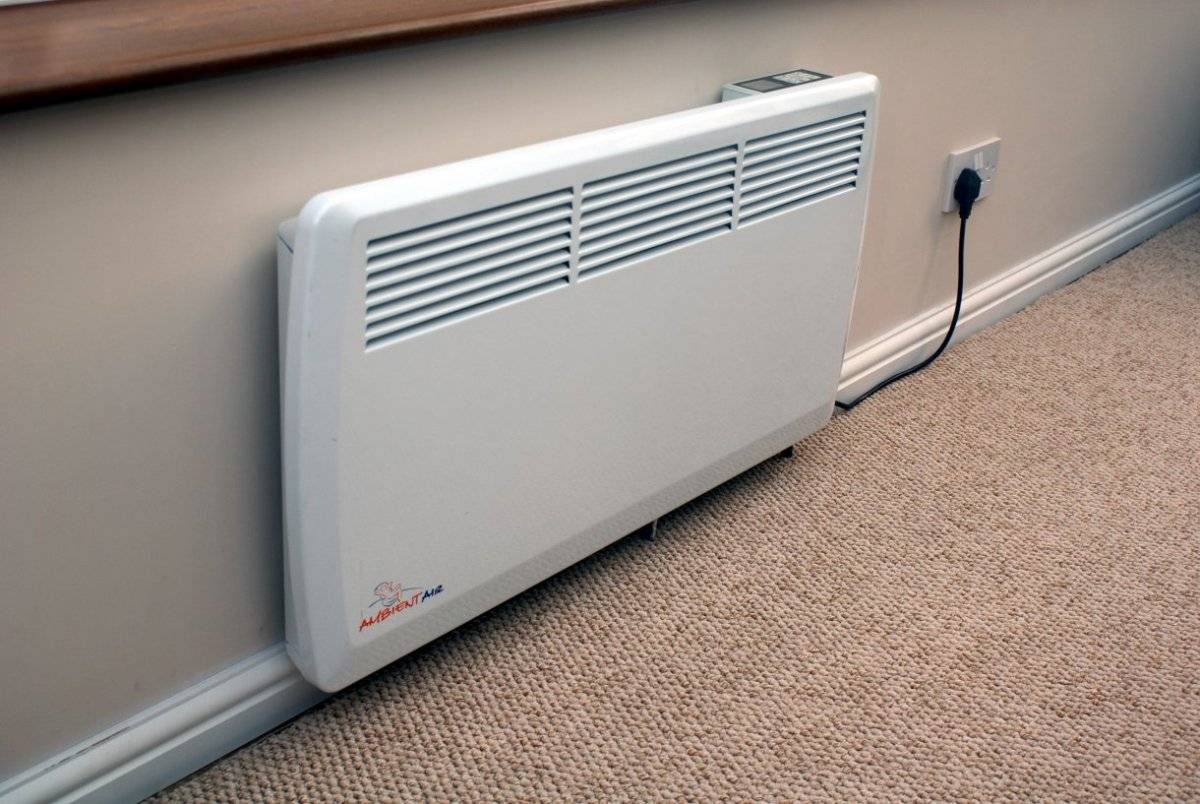
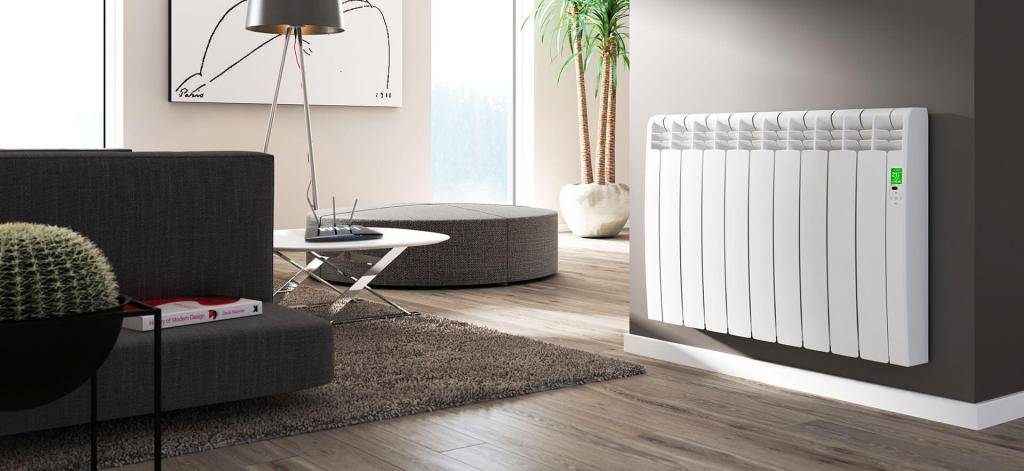
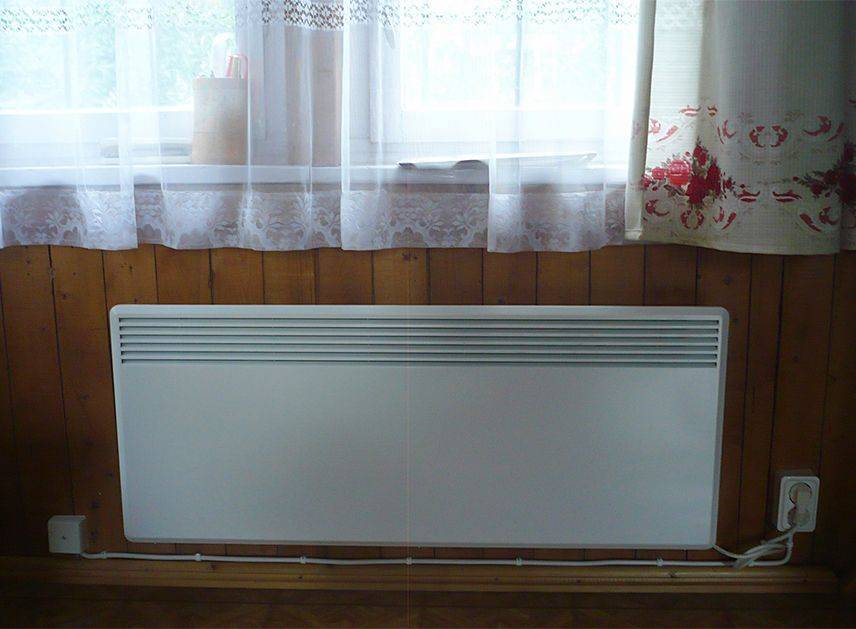
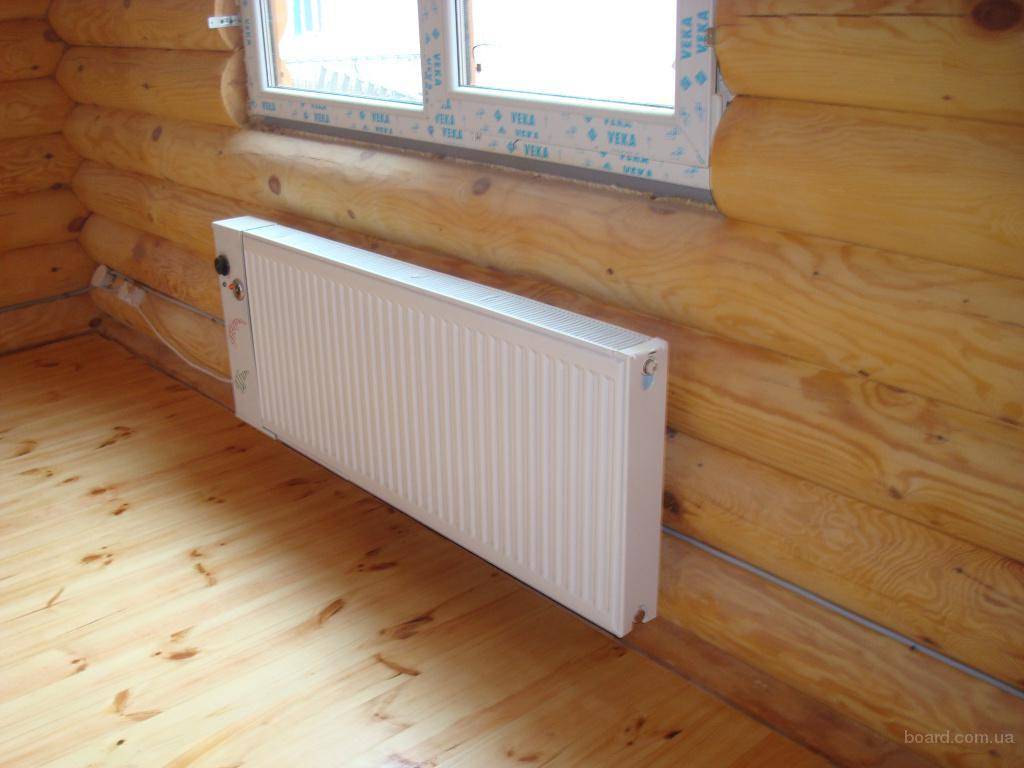
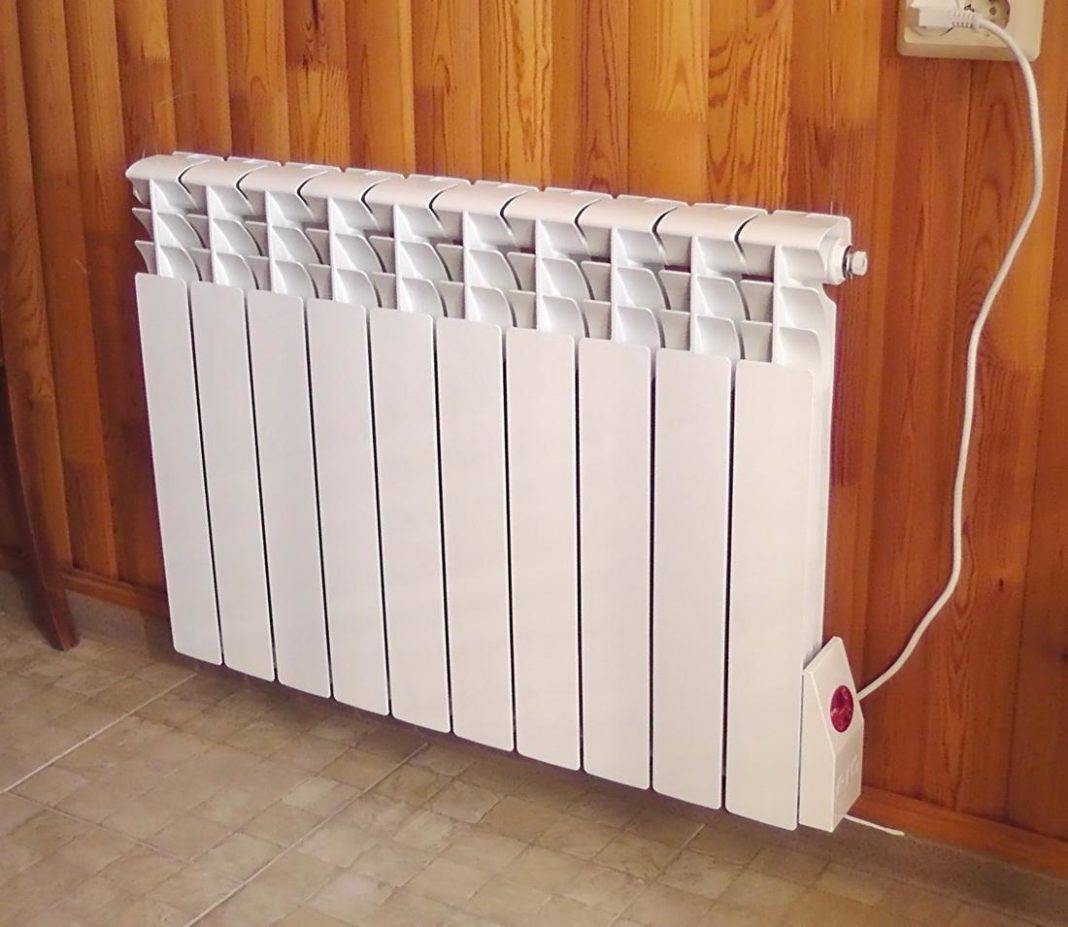
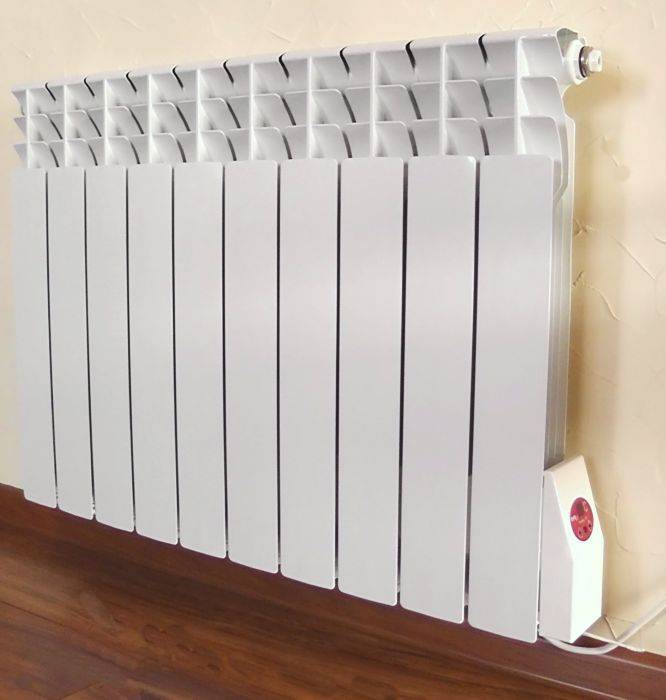
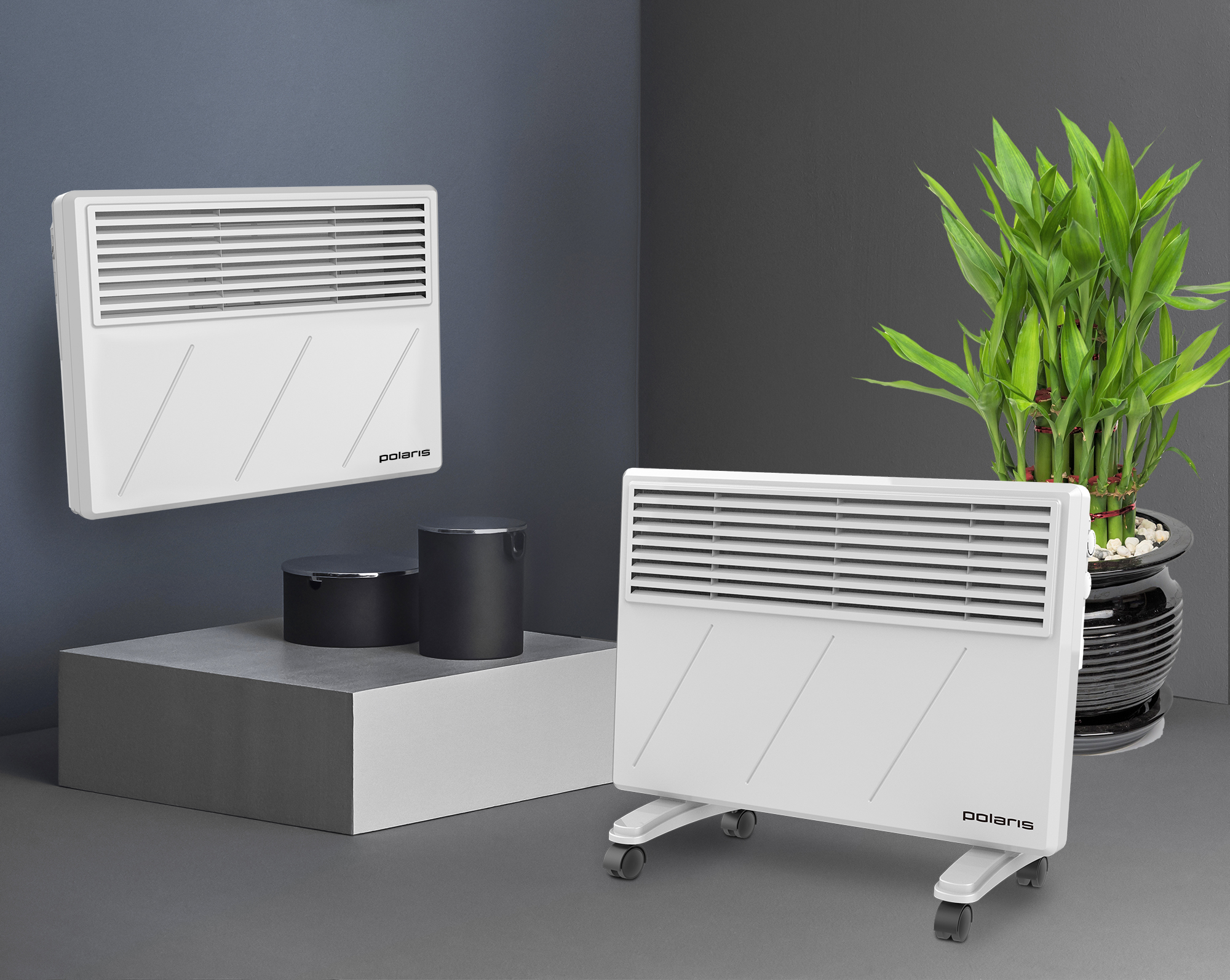
Convectors for summer cottages can be both conventional and with special modes of operation. They are household heaters for heating, equipped with a control system with the ability to adjust the temperature and a protective system that will prevent overheating of the equipment. Installation can be carried out in different ways: on the wall or on the floor.
How to calculate the number of radiators for a single pipe circuit
It should be taken into account the fact that all of the above applies to two-pipe heating schemes, assuming the supply of coolant of the same temperature to each of the radiators.Calculating sections of a heating radiator in a single-pipe system is an order of magnitude more difficult, because each subsequent battery in the direction of the coolant is heated by an order of magnitude less. Therefore, the calculation for a single-pipe circuit involves a constant revision of the temperature: such a procedure takes a lot of time and effort.
To facilitate the procedure, such a technique is used when the calculation of heating per square meter is carried out, as for a two-pipe system, and then, taking into account the drop in thermal power, sections are increased to increase the heat transfer of the circuit in general. For example, let's take a single-pipe type circuit that has 6 radiators. After determining the number of sections, as for a two-pipe network, we make certain adjustments.
The first of the heaters in the direction of the coolant is provided with a fully heated coolant, so it can not be recalculated. The supply temperature to the second device is already lower, so you need to determine the degree of power reduction by increasing the number of sections by the obtained value: 15kW-3kW = 12kW (the percentage of temperature reduction is 20%). So, to make up for heat losses, additional sections will be needed - if at first they needed 8 pieces, then after adding 20% we get a final number - 9 or 10 pieces.
When choosing which way to round, take into account the functional purpose of the room. If we are talking about a bedroom or a nursery, rounding up is carried out. When calculating the living room or kitchen, it is better to round down.It also has its share of influence on which side the room is located - south or north (northern rooms are usually rounded up, and south rooms are rounded down).
This method of calculation is not perfect, as it involves increasing the last radiator in the line to a truly gigantic size. It should also be understood that the specific heat capacity of the supplied coolant is almost never equal to its power. Because of this, boilers for equipping single-pipe circuits are selected with some margin. The situation is optimized by the presence of shut-off valves and the switching of batteries through the bypass: thanks to this, the possibility of adjusting the heat transfer is achieved, which somewhat compensates for the decrease in the temperature of the coolant. However, even these methods do not relieve the need to increase the size of the radiators and the number of its sections as they move away from the boiler when using a single-pipe scheme.
To solve the problem of how to calculate heating radiators by area, a lot of time and effort will not be needed
Another thing is to correct the result obtained, taking into account all the characteristics of the dwelling, its dimensions, the method of switching and the location of the radiators: this procedure is quite laborious and lengthy. However, in this way it is possible to obtain the most accurate parameters for the heating system, which will ensure the warmth and comfort of the premises.
Installing a wall convector
You can install the convector by contacting professionals, or on your own in accordance with the manufacturer's recommendations.
If the installation of the electric battery is carried out independently, then you can use the following step-by-step instructions:
- Remove the device from the packaging and turn it over to the back.
- Unscrew the bracket if it is not packed separately.
- Attach the mount to the wall and mark the place for the holes with a marker. Consider the manufacturer's recommendations for the distance from the floor and walls. If these are not included in the instructions, use the following parameters: height from the floor and distance to the nearest objects - 20 cm, the gap between the wall - 20 mm, from the outlet - 30 cm.
- For a wooden wall, use self-tapping screws. For concrete, drill holes with a perforator and drive in the dowels. Next, screw on the mounting frame.
- Attach the heater to the frame.
- Plug in the power.
- Set a comfortable temperature.
Another calculation example
A room with an area of 15 m2 and a ceiling height of 3 m is taken as an example. The volume of the room is calculated: 15 x 3 \u003d 45 m3. It is known that 41 W / 1 m3 is needed to heat a room in an area with an average climate.
45 x 41 \u003d 1845 watts.
The principle is the same as in the previous example, but heat transfer losses due to windows and doors are not taken into account, which creates a certain percentage of error. For a correct calculation, you need to know how much heat each section produces. Ribs can be in different numbers for steel panel batteries: from 1 to 3. How many ribs the battery has, the heat transfer will increase by that much.
The more heat transfer from the heating system, the better.
Calculation of electricity consumption by an economical convector
Recently, manufacturers have been producing convectors with improved characteristics and call them economical. Whether their use really saves electricity, the calculation will show.
For example, let's take a well-insulated room of 15 square meters. m., heated by a convector from the category of economical - Noirot with a power of 1500 watts. We set the temperature to 20 °C, at an outside temperature of -5 °C.
Convector Noirot Spot-E3
According to the manufacturer, the room will warm up in 20 minutes. The initial heating is used:
To maintain the set temperature, it is necessary that the convector work from 7 to 10 minutes. In one hour:
For 8 hours of work, electricity is consumed
If we take into account that in the absence of people, you can use the economy mode - from 10 to 12 degrees, the electricity consumption will be:
In general, per day will be spent:
Since a conventional convector, consisting of several elements, consumes from 6.8 to 7.5 kWh, then, according to the manufacturer, 2.58 - 3.28 kWh is saved.
The Termomir store offers customers a wide range of heaters of various types - electric, gas, diesel, etc. The most popular heaters are electric - convectors, infrared and oil heaters, fan heaters and electric fireplaces.
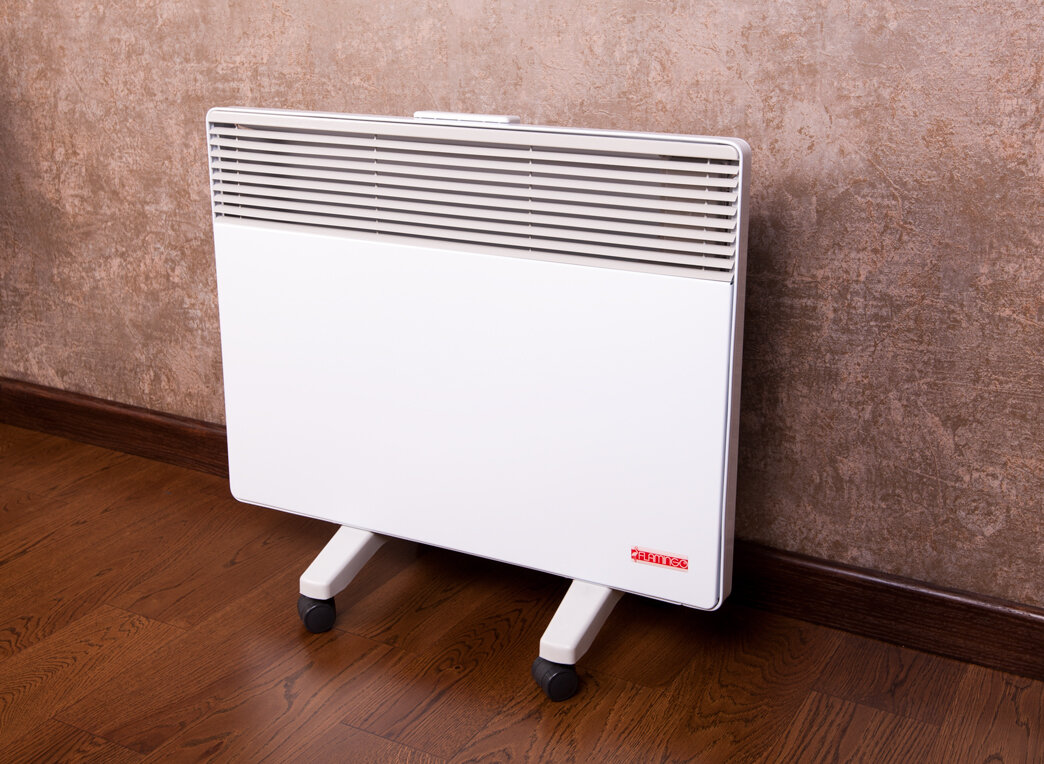
The most popular devices for apartments, country houses without gas, household, office, educational premises, as well as for summer cottages are recognized electric convectors (electric radiators) – silent and safe heaters with natural convection. Such devices are steel panels, inside of which there is a heating element, and are designed for both main and additional heating. The principle of operation of the convector is based on the laws of physics - cold air from below, from the floor, enters, warms up from the heating element and already warm air rises from the upper grate of the convector. Thus, the room is heated by air circulation.
Modern convectors are equipped with convenient touch panels and remote controls; by timer. Due to good protection against overheating, convectors are fireproof and can be installed in children's rooms, as well as in garages and wooden houses. In addition, there are heaters for bathrooms and other wet areas with an IP24 rating and higher. Ergonomic design, quiet operation, accurate temperature control - these are the advantages of such heaters. Convectors can be installed both on the wall and on the floor on legs or wheels, various sizes from small-sized, narrow vertical to wide plinth models allow you to place the device in any room. Heaters are automatically turned on and off by a thermostat - electronic or mechanical. An electronic thermostat ensures efficient and economical operation of the convector, while a mechanical one is more inexpensive and reliable.
A wide range of heaters of various types is presented below on the page and in the menu of the site. Which heater or convector is better to choose, our technical experts will prompt.
Contacts and store address
Types of heaters:
-
- Electric convectors
- Gas convectors
- Water floor convectors
- Electric infrared heaters
- Electric fireplaces with heating
- Electric heat guns (fan heaters)
- Oil coolers
- Control system for convectors
- By power:
- Low-power electric convectors up to 500 W
- Electric convectors 500 W (0.5 kW)
- Electric convectors 1000 W (1 kW)
- Electric convectors 1500 W (1.5 kW)
- Electric convectors 2000 W (2 kW)
- Electric convectors 2500 W (2.5 kW)
- Electric convectors 3000 W (3 kW)
By installation method:
- Wall heaters
- Floor heaters
By application:
- Heaters for an apartment
- Heaters for giving
- Heaters for children's room
- Bathroom heaters
- Garage heaters
By country of production:
- Heaters made in France
- Heaters made in Norway
- Heaters made in Germany
- Heaters made in Russia
- Heaters made in China
By manufacturer:
- Electric convectors Nobo
- Electric convectors Noirot
- Electric convectors Ballu
- Electric convectors Timberk
- Electric convectors Dimplex
- Electric convectors Electrolux
Need help choosing or haven't found the right model? Call!
Advantages and disadvantages
The electric heating battery has a number of both advantages and disadvantages. We will analyze them in more detail in paragraphs.
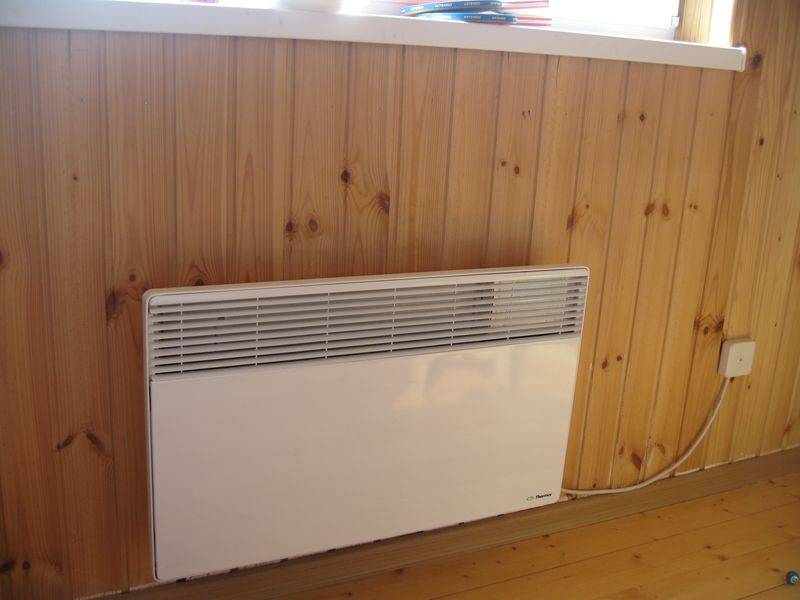
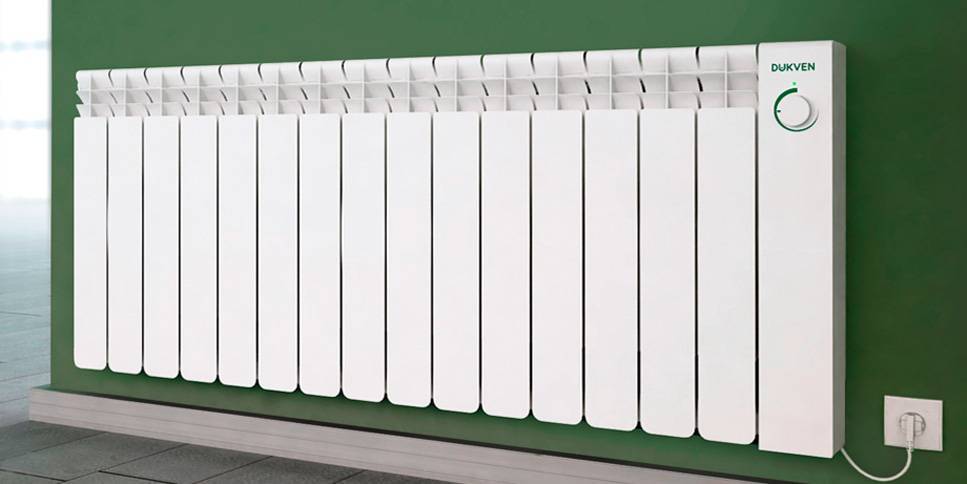
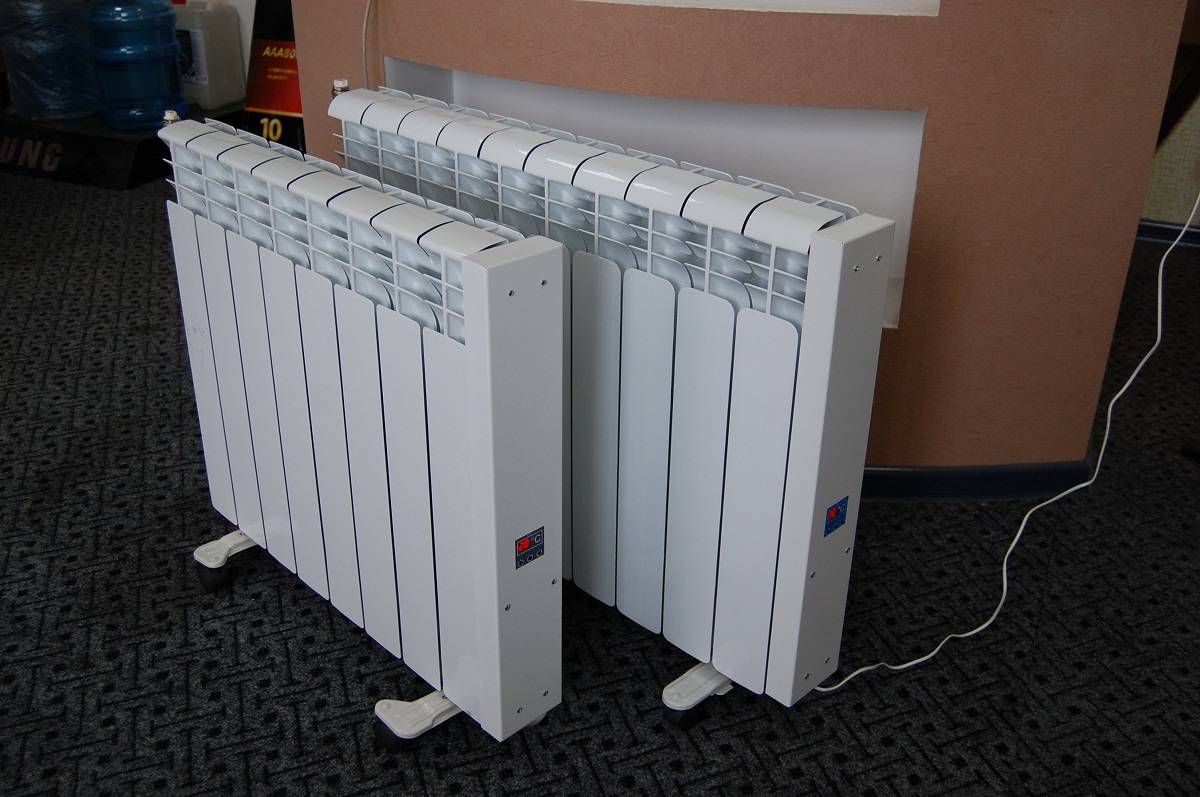
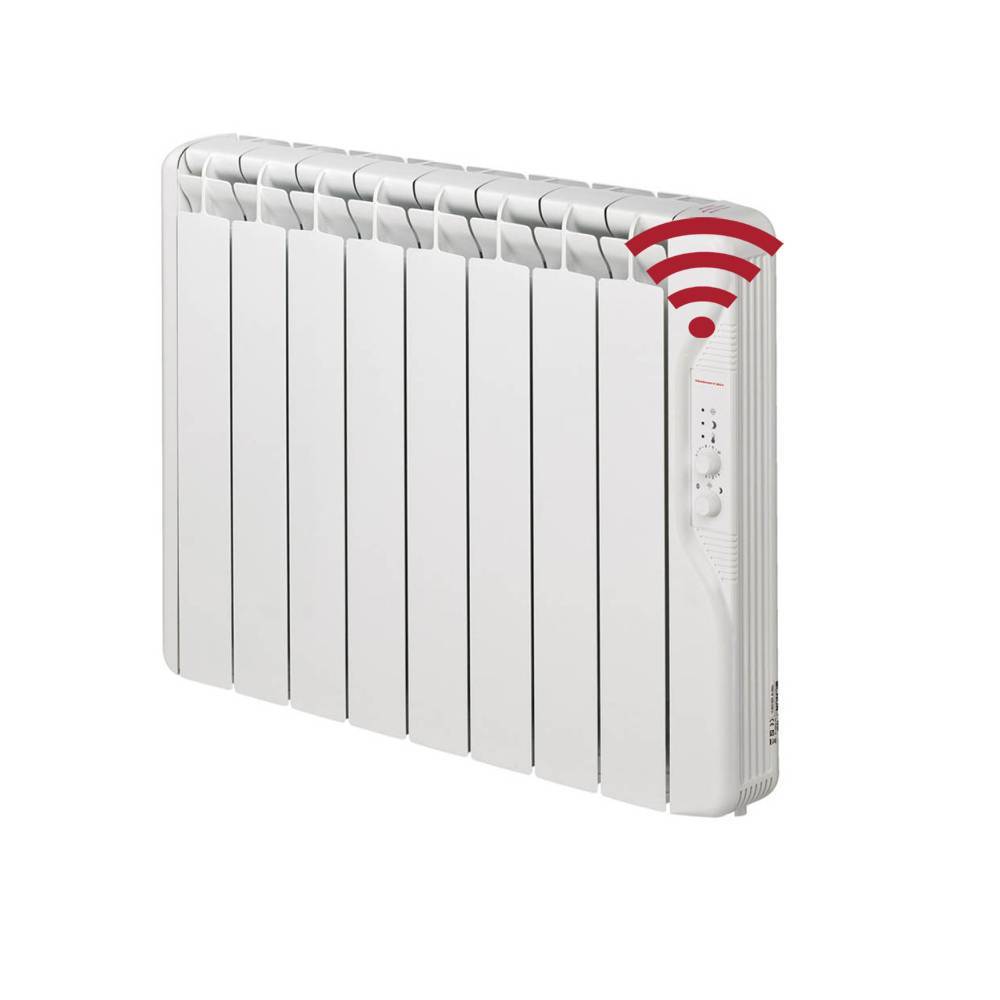
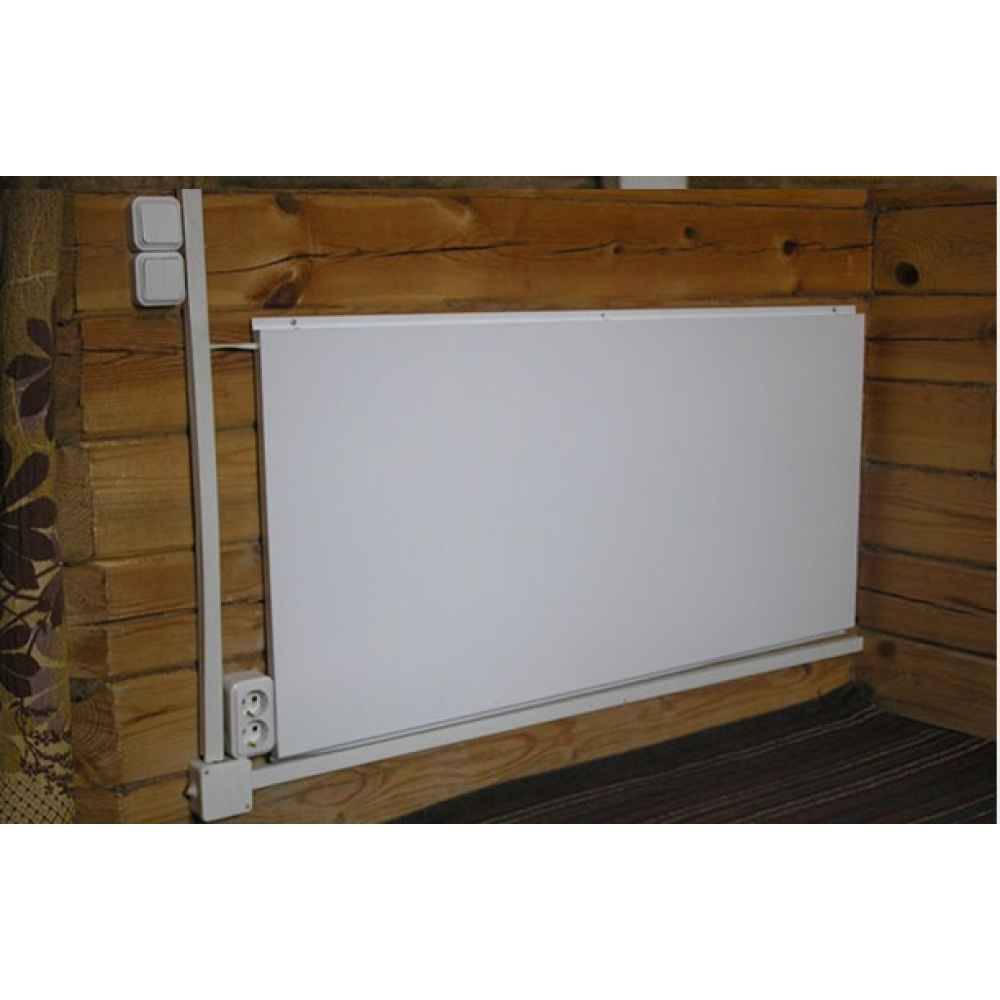
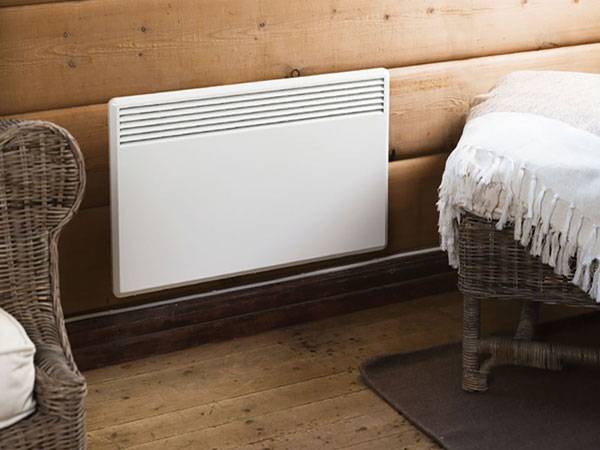
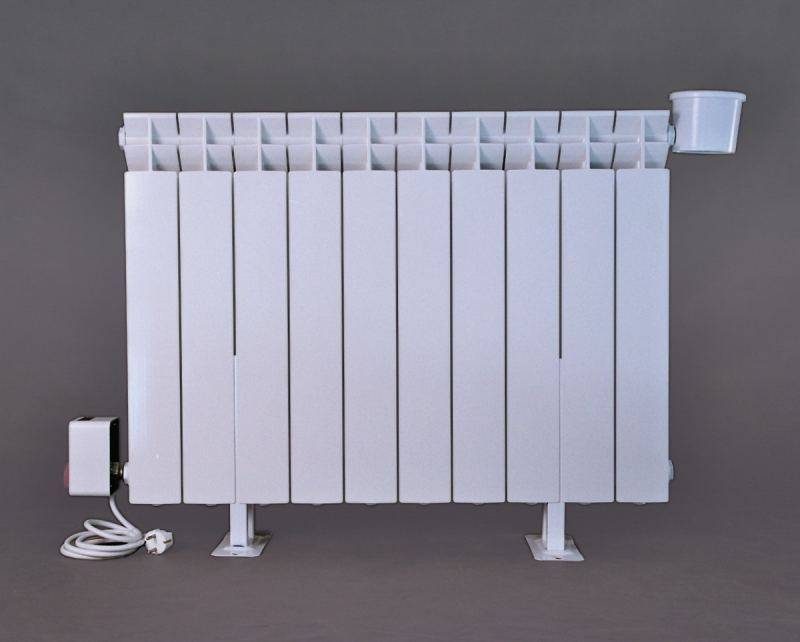
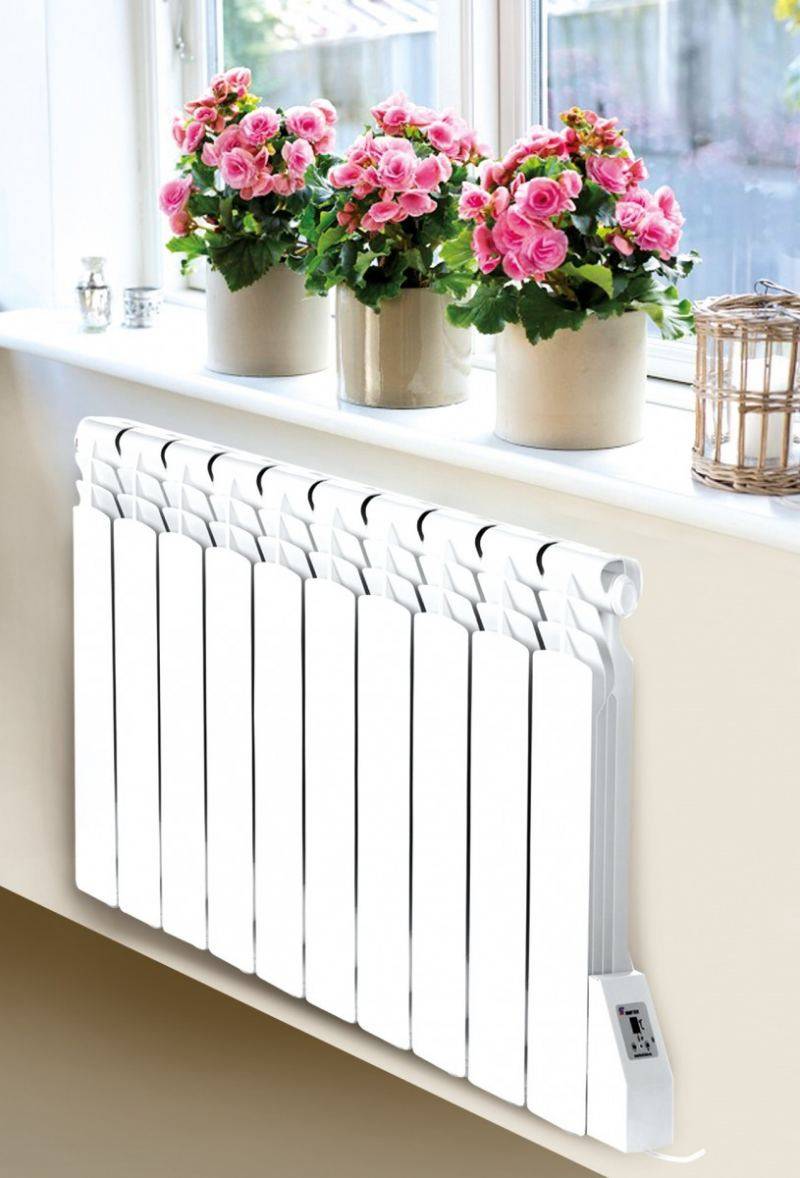
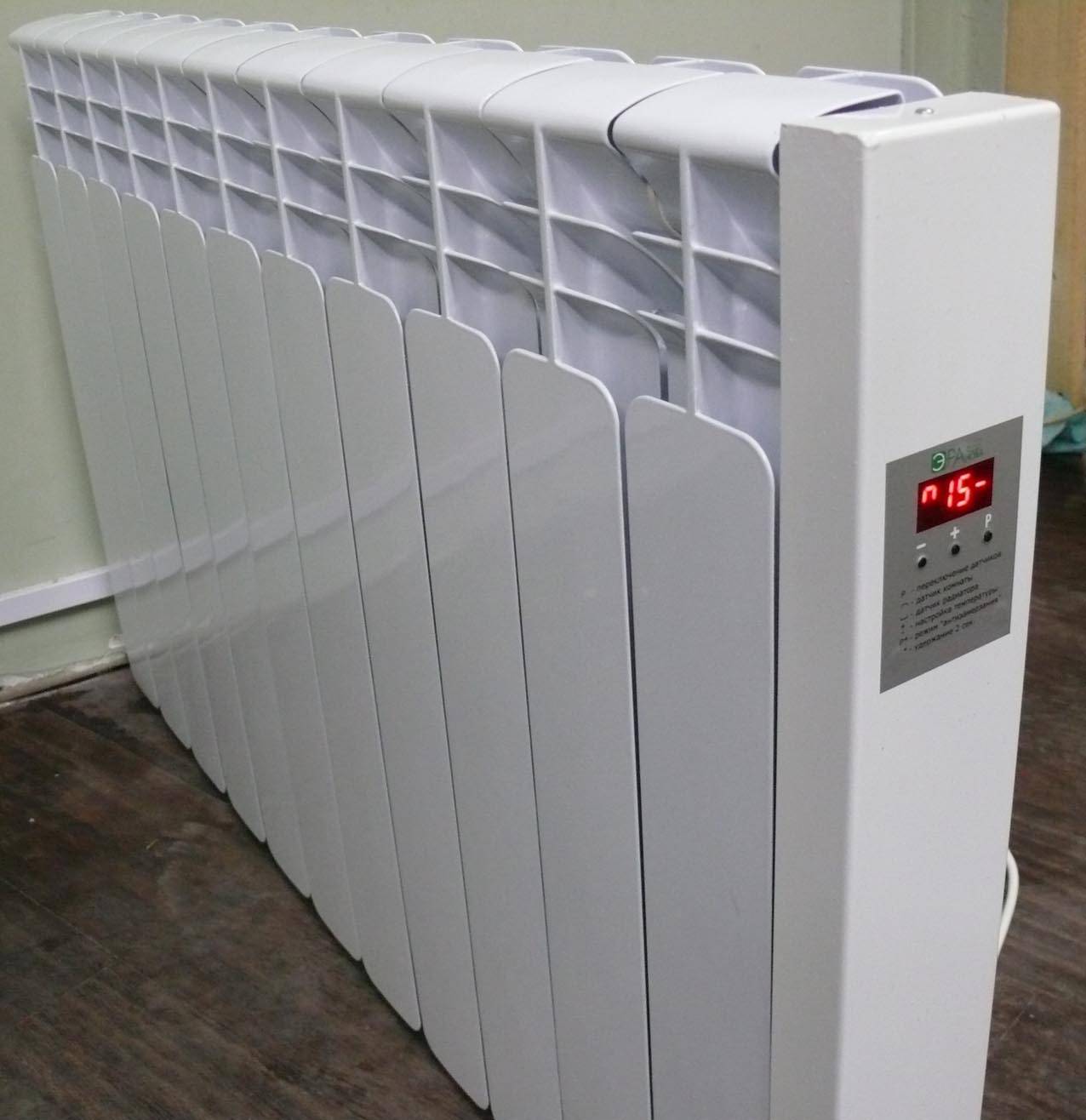
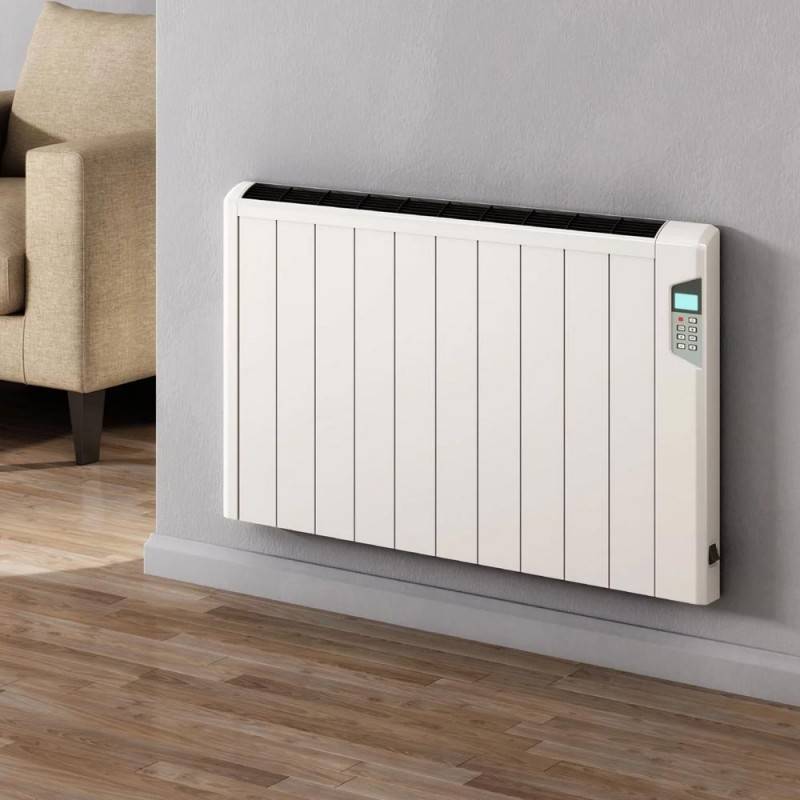
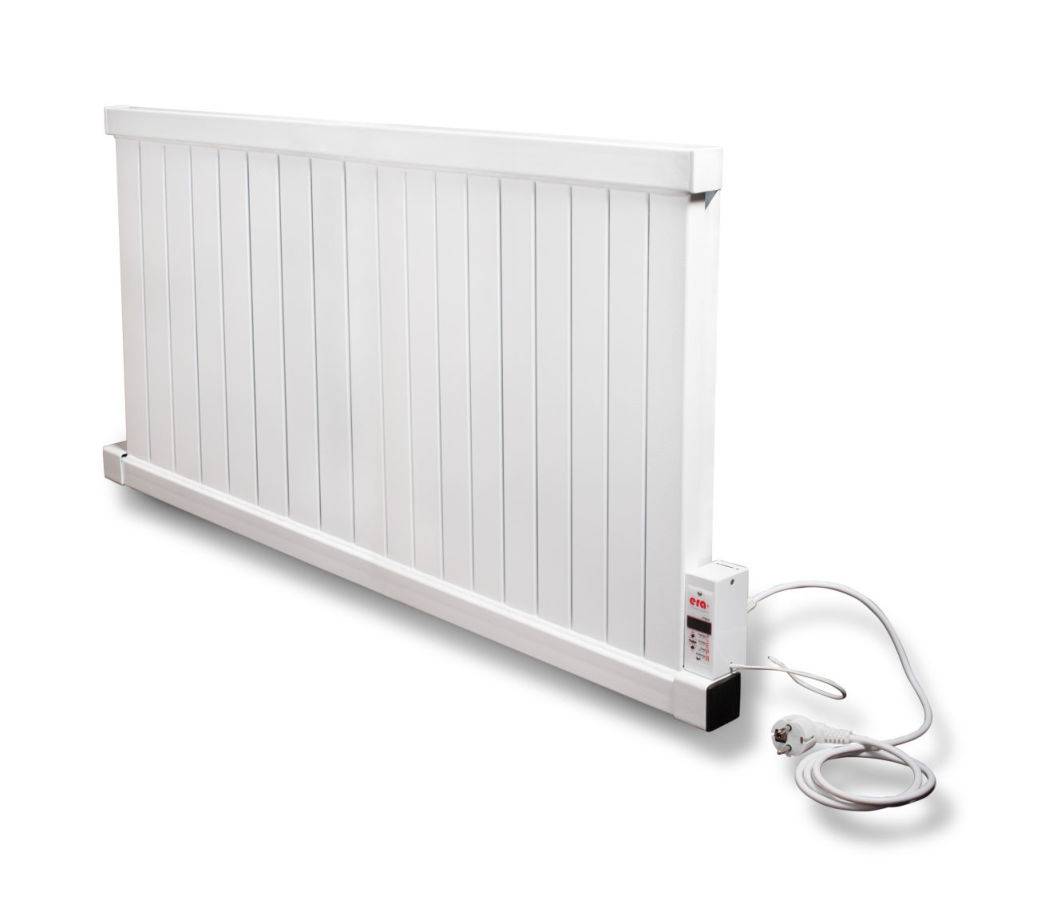
Floor electric radiator on wheels
The advantages of such electric radiators:
- Firstly, lower costs for the internal mechanism due to the unnecessary laying of pipes. You do not need to call laying specialists, and this is also a savings.
- Secondly, fast installation. Both the electric floor and wall-mounted radiators are installed in a couple of minutes and can already function.
- Energy-saving electric heating batteries can heat various premises, be it outbuildings or private houses.
- The devices work silently, so you can sleep peacefully and without discomfort at night.
- Easy to operate. They do not require registration and maintenance fees. You just need to install the required number of heating elements and enjoy comfortable warmth, paying only for the electricity consumed.
- Ease of repair. In the event of failure of one heating device, nothing will happen to the functionality of other radiators.
- Ease of setting the room temperature. At any time, non-working batteries can be turned off or their intensity of heat supply can be reduced.
- Ease of adjusting the power of the radiator. You can put electric heating batteries for the house, wall-mounted, economical, together with floor ones, they will work perfectly together in automatic mode and adjust to the temperature.
- Environmental friendliness. Such a radiator has no harmful emissions, it does not need a chimney.
- An equally important fact: in winter, you will not have to drain the coolant, which usually freezes.
Eco electric heating batteries have the following disadvantages:
- Since the devices are high-power, they require good electrical wiring that can withstand a large load. Still, more than one heating battery will work from the mains.
- What many owners forget about is that things cannot be dried on electric radiators! Whether it is electric heating batteries for a summer residence, for an apartment, for an office, they must work in dry rooms.
- High costs for electrical energy.Electricity has always been considered an expensive resource, compared to, for example, gas.
- An electric wall and floor radiator, if it has an open heating element, burns air. In addition, atmospheric dust is burned.
Calculation by area
This is the easiest way to determine more or less the exact amount of heat needed for heating. When calculating, the main starting point is the area of \u200b\u200bthe apartment or house where heating is organized.
The value of the area of \u200b\u200beach room is available in the plan of the apartment, and SNiP comes to the rescue to calculate specific values for heat consumption:
- For the average climatic zone, the norm for a dwelling is defined as 70-100 W / 1 m2.
- If the temperature in the region drops below -60 degrees, the heating level of each 1 m2 must be increased to 150-220 watts.
To calculate panel heating radiators by area, in addition to the above norms, you can use a calculator. The power of each heating device must be taken into account. Significant cost overruns are best avoided, tk. as the total power increases, so does the number of batteries in the system. In the case of central heating, such situations are not critical: there, each family pays only a fixed cost.
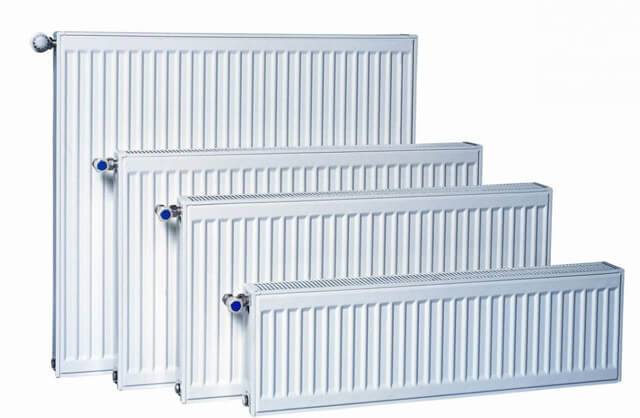
It is a completely different matter in autonomous heating systems, where the consequence of any overrun is an increase in payment for the volume of coolant and the operation of the circuit. Spending extra finances is impractical, because. for a full heating season, a decent amount can run up. Having determined with the help of a calculator exactly how much heat is needed for each room, it is easy to find out how many sections to purchase.
For simplicity, each heater indicates the amount of heat it emits. These parameters are usually contained in the accompanying documentation. The arithmetic here is simple: after determining the amount of heat, the resulting figure must be divided by the battery power. The result obtained after these simple operations is the number of sections required to replenish heat leaks in winter.
For clarity, it is better to analyze a simple example: let's say that only 1600 watts are needed, with an area of \u200b\u200beach section of 170 watts. Further actions: the total value of 1600 is divided by 170. It turns out that you need to purchase 9.5 sections. Rounding can be done in any direction, at the discretion of the owner of the house. If there are additional heat sources in the room (for example, a stove), then you need to round down.
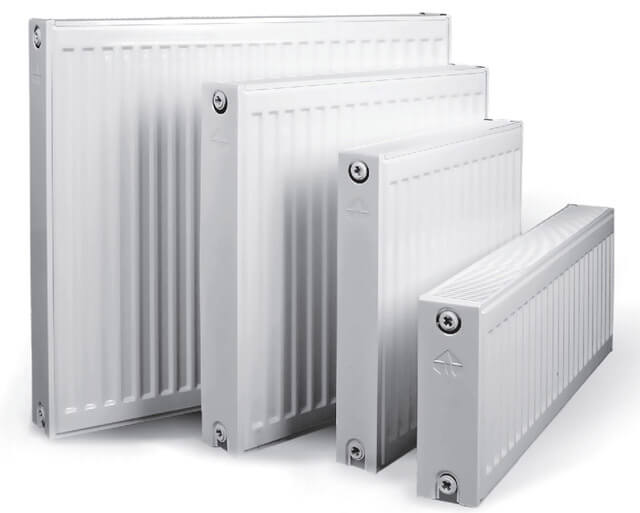
In the opposite direction, they calculate if the room has balconies or spacious windows. The same applies to corner rooms, or if the walls are poorly insulated. The calculation is very simple: the main thing is not to forget about the height of the ceilings, because. it is not always standard. The type of building material used for the construction of the building and the type of window blocks are also important. Therefore, the calculation data for the power of steel heating radiators should be taken as approximate. The calculator is much more convenient in this regard, because. it provides for adjustments for building materials and characteristics of the premises.