- Non-residential premises of MKD
- How is requalification done?
- Separately about basements and 2 floors
- Types of gas supply
- Non-volatile and volatile boilers
- The Ministry of Construction obliged developers to install gas sensors in houses
- What documents prohibit gas in high-rise buildings?
- Is it possible to build a house 150 meters from the gas pipeline?
- Yulia Dymova, director of the Est-a-Tet secondary real estate sales office, answers:
- The lawyer answers, Ph.D. n. Julia Verbitskaya:
- Commissioning works
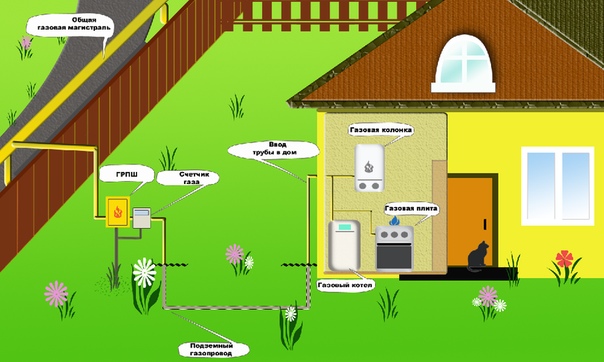
- Gas supply of an apartment building
- Which floor is best to live on. Where is the best place to buy an apartment? Personal experience
Non-residential premises of MKD
In apartment buildings of residential urban or rural stock, gas is often used as a fuel for heating and water heating equipment. Five-story buildings with water heaters and gas stoves still occupy a large percentage of the country's total housing stock, especially in the provinces.
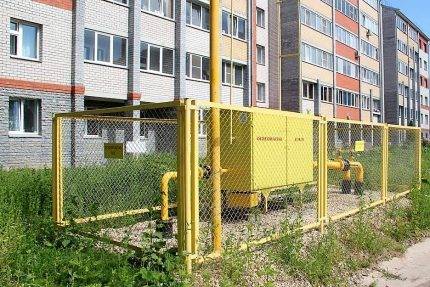 At the end of the last century, gasification captured almost all regions of Russia. Multi-storey buildings were connected to the central highways, according to the old version of SNiP 2.08.01-89 - 9-storey buildings inclusive
The new document SNiP 31.01.2003 (the current version of SNiP 2.08.01-89) says that even now it is forbidden to install gas stoves on floors above the 11th, but there are no clear wording on prohibitions.Hence - a lot of disputes about whether it is possible to carry natural gas to non-residential premises, and, as a result, a series of court cases.
How is requalification done?
We are also interested in non-residential premises - and these are areas that usually occupy 1-2 lower floors. When a residential building is put into operation, usually all apartments belong to the housing stock, therefore they are equipped with gas equipment, respectively, gasified. But the first floors are bought up and used for offices and various service companies.
Suppose you want to convert the 1st floor apartment into a hairdresser and leave the gas stove. Is it possible? Most likely not, for two reasons.
Firstly, you will have difficulties in the procedure for transferring residential premises to non-residential premises. According to the new rules, in order to organize an area for a pharmacy, a warehouse, an office, a shop, a workshop, etc. in an apartment building, it is necessary to collect a huge package of permits and involve organizations such as BTI, FMS, ZhEK, UK.
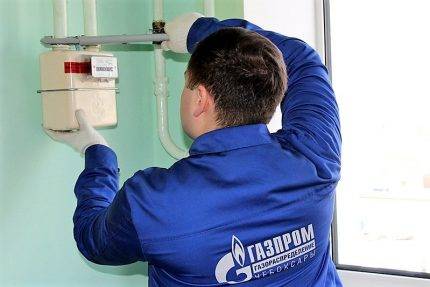 Payments by the owner of non-residential premises are made in the same way as the owner of the apartment - according to metering devices: how much water, electricity, heat he spent - he paid so much
But the most important obstacle that novice entrepreneurs may face is the impossibility of obtaining the consent of the residents of the MKD. Not everyone wants their entrance to turn into a "passage yard", and the benches on the playground were occupied by some suspicious subjects waiting for their turn.
Secondly, leaving gas equipment is likely to be banned. Moreover, at the expense of the owner of the non-residential premises, it will be necessary to cut off the gas supply pipe, and, if necessary, to lay a new one on the floors located above.Simply put, you must provide gas to all residents of the house, bypassing your non-residential area.
Separately about basements and 2 floors
With 2 floors it is even more difficult: in non-residential premises it is still impossible to use gas equipment, the line will have to be cut off and transferred. But there is one more point from which to start - it is possible to transfer an apartment on the 2nd floor to a non-residential premises only on the condition that there is also a non-residential premises under it on the 1st floor.
 In order not to complicate the process of transferring an area from residential to non-residential, many simply comply with the requirements: get rid of gas and install electrical equipment that is allowed in all types of MKD
For basements, the requirements are clearer. According to SNiP 21-01-97, which refers to fire safety, flammable gases and other flammable substances cannot be stored in basements and basements, and therefore gas pipelines cannot be laid.
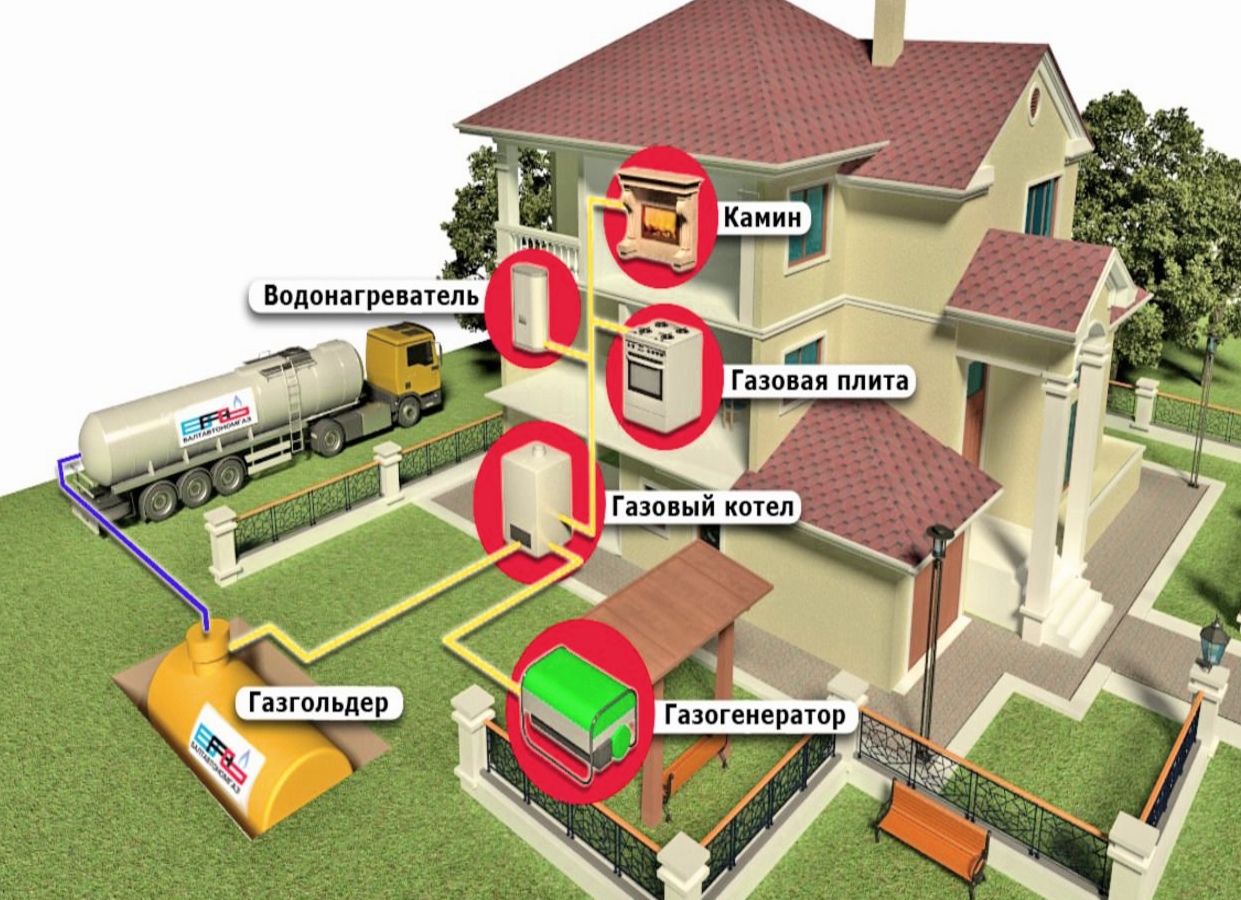
Types of gas supply
С¸ÃÂÃÂõüð ÃÂýðñöõýøàóð÷þü ÃÂðÃÂÃÂýþóþ ôþüð üþöõàñÃÂÃÂàÃÂõýÃÂÃÂðûø÷þòðýýþù øûø ð òÃÂþýþüýþù. ÃÂðóøÃÂÃÂÃÂðûÃÂýÃÂù òðÃÂøðýà÷ðúûÃÂÃÂðõÃÂÃÂàò ôþÃÂÃÂðòúõ ÃÂþÿûøòð ÿÃÂÃÂüþ ú ÿþÃÂÃÂõñøÃÂõà»ÃÂü (ÿÃÂþüÃÂÃÂûõýýÃÂü øûø ñÃÂÃÂþÃÂü). Ã]
- ÃÂúòðöøýÃÂ, óôõ ÿÃÂþøÃÂÃÂþôÃÂÃàôþ;
- Ãâering µâµã] ° °ã½ãããã · ãâering, ãâ bow, ãâãâãããµlace "ã] ã] ãâãã㵶¶¶ããâãããã ã] ã] ã] ²] µâ ã] ã] ã]
- ÃÂÃÂðýÃÂøø ÿþ ÃÂðÃÂÿÃÂõôõûõýÃÂøàÃÂðÃÂÿÃÂõôõûõýÃÂøàÃÂó°;
- ÃÂÃÂðýÃÂøø úþüÿÃÂõÃÂÃÂþÃÂýÃÂõ;
- óð÷þòÃÂõ ÿÃÂþòþôð üðóøÃÂÃÂÃÂð»;
- Ãâ³Pa ° · ãQi ãâ*ã²ã²QUALYQUALYAHYAHYAHYAHYAHYAHYKELAHYKYALAHYKEALAHYCHYAHYAHSYYAHSYAHIAN ° °Qi ° ãQUA · ãQUAL HERYAGY ãQUAL ãQUA ãQUA ° ° ° ° ²² "ã]
- ÿÃÂýúÃÂàÿþ õóþ ÃÂðÃÂÿÃÂõôõûõýøþ
- ÷ðÿþÃÂýðàðÃÂüðÃÂÃÂÃÂð.
àÃÂûÃÂÃÂðõ àÃÂðÃÂÃÂýÃÂü ôþüþü, ð øýþóôð ø àüýþóþúòðÃÂÃÂøÃÂýÃÂü ôþüþü üþöõàÿÃÂõôÃÂÃÂüðÃÂÃÂøòðÃÂÃÂÃÂàðòÃÂþýþüýÃÂù òøô ÃÂýðñöõýøÃÂ. ÃÂý ÷ðúûÃÂÃÂðõÃÂÃÂàò ÃÂÿõÃÂøðûÃÂýþü ÃÂÃÂÃÂÃÂþùÃÂÃÂòõ, ÿÃÂõôýð÷ýðÃÂõýýþü ôûàÃÂÃÂðýõýøàóð÷ð, Ãâºãâ bow bowlower ãâ¿ ãâ¿¿¿¿¿¿¿¿ular ã] ± ± ãâte ãâte ãâããããããããather ã¿¿¿ãããããã ° ° ^ãâââµããurse · ãââââââ ±ââ ã ã ã ã ã ã…. àýõóþ òÃÂþôøàóð÷óþûÃÂôõà(õüúþÃÂÃÂàôûàÃÂÃÂðýõýøàÃÂð÷ýÃÂàóðñðÃÂøÃÂþò, øüõÃÂÃÂðàÃÂø ûøýôÃÂøÃÂõÃÂúÃÂàÃÂþÃÂüÃÂ, ÃÂÃÂõýúø úþÃÂþÃÂþù ÃÂÿþÃÂþñýàòÃÂôõÃÂöøòðÃÂàôðòûõýøõ ò 1,6 üÃÂð) ø ÃÂÃÂÃÂñþÿ ÃÂþòþô. ÃÂÃÂð ÃÂøÃÂÃÂõüð þñÃÂþôøÃÂÃÂàôþÃÂþöõ, ÃÂõü ÿÃÂøüõýõýøõ üðóøÃÂÃÂÃÂðûÃÂýþóþ óð÷þÿÃÂþòþôð.àÿÃÂõøüÃÂÃÂõÃÂÃÂòðü ðòÃÂþýþüýþóþ óð÷þÃÂýðñöõýøàþÃÂýþÃÂøÃÂÃÂàÃÂûõôÃÂÃÂÃÂõõ:


- üðûðàø÷ýðÃÂøòðõüþÃÂÃÂÃÂ;
- Ã]
- Ãâ] · ãâ ° ° ° ²²²ããããããããããaper ãâteµ ãâ* bow bow bow ½â¸ãµ µech ã] ã] µ] ½] ° ° ã] ã] ã] ã]
- ÃÂúþûþóøÃÂõÃÂúðàÃÂþÃÂÃÂðòûÃÂÃÂÃÂðÃÂ;
- Ãâ bowry of
- Ã] ·] · ãâering ãâering ¾â¶¶¶¶¶¶¶aper ã] ã]
Non-volatile and volatile boilers
Non-volatile boilers, characterized by natural circulation, have a number of disadvantages: this is the large diameter of the pipeline itself, the presence of an open expansion tank, and the installation features of the system with its slope, but most importantly, it is the inability to regulate the air temperature in the room. At the same time, the room in which the boiler with an open combustion chamber is supposed to be installed must have both tidal and exhaust ventilation and a chimney.
As for volatile boilers, they have a closed expansion tank, circulation pumps and full electronic boiler control. Thus, they can rightfully be considered a mini-boiler room.However, it is necessary to take into account the fact that the uninterrupted operation of the entire heating system must be ensured by a stable mains voltage of 230 ± 10% in the presence of a voltage stabilizer.
Only a specialist can decide on the choice of a gas boiler, its power, as well as designate a piping scheme and determine the need for additional automation. To calculate the approximate power of a gas boiler, you can make calculations based on the fact that per 10 sq. m the premises require 1 kW of power boiler + from 15% to 20% of the reserve, designed to pay off unforeseen heat losses.
As for the removal of combustion products in gas boilers, this process can occur either naturally or by forced means (turbo). In boilers with natural draft, gas is removed by draft in the chimney; in boilers with forced draft - using a fan built into the boiler.
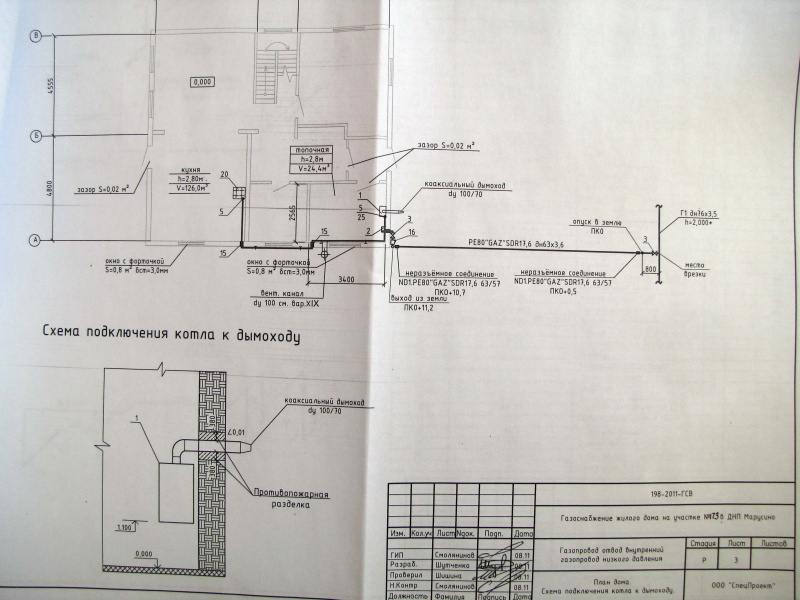
Gas boilers with a "turbo" system are in most cases installed at facilities that do not have a traditional chimney. Then, specialists install a coaxial chimney, which is a kind of "pipe in a pipe" leading out to the street through the wall.
The outer pipe is intended for air supply, and the inner one is for the removal of combustion products. A forced draft gas boiler is also installed in a house where it is undesirable to once again take air from the room.
What you should pay attention to when bringing the coaxial chimney to the street:
the chimney pipe must be at least 2 m from the ground;
even during the design of the gas pipeline, if a boiler with a coaxial chimney is installed in your house, you should pay attention to the fact that the output of combustion products from the boiler does not fall back into the open windows back into the house;
it should also be taken into account that condensate may form in the coaxial chimney;
the coaxial chimney must have an unimpeded discharge of combustion products to the street, for this it is necessary that the distance from the end of the outer part of the chimney to the buildings located near the house is at least 1.2 - 1.5 m.
The Ministry of Construction obliged developers to install gas sensors in houses
The Ministry of Construction and Housing and Public Utilities of Russia approved a new set of rules for designing gas supply systems in residential buildings. The document will come into force on June 6, 2020.



We are talking about the design of gas analyzers in new residential buildings, the Russian Ministry of Construction explained.
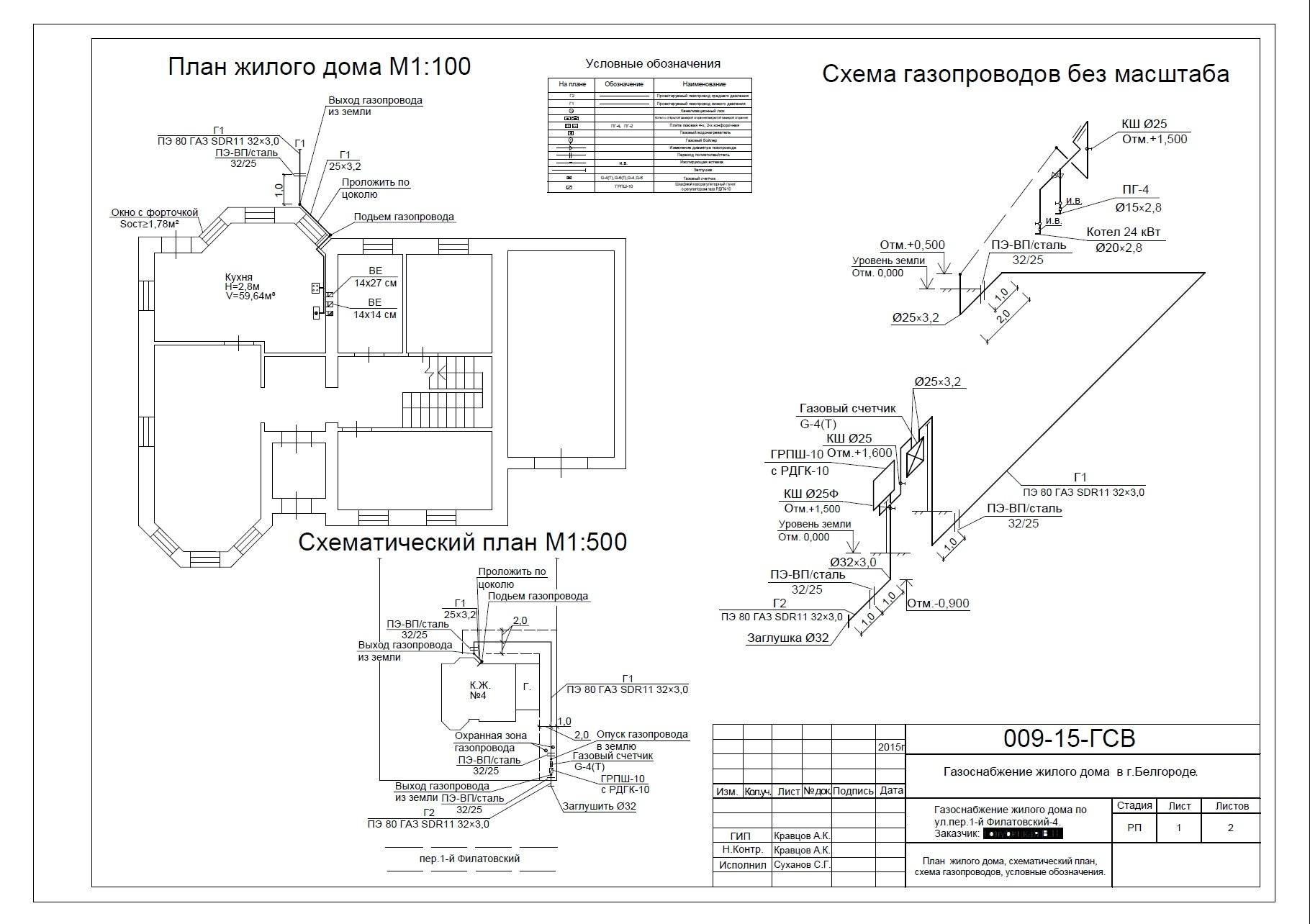
“The document establishes the rules for designing gas consumption systems (internal gas consumption networks) for single-family and block-built residential buildings, as well as residential multi-apartment buildings that use natural gas as fuel,” the department’s materials say.
The document, among other things, regulates the installation of gas pollution control systems with automatic shutdown of the gas supply.
They must be installed in heat generating rooms intended for built-in or attached public premises, and in apartment premises when gas-using equipment is placed in them.
“The gas stove must be equipped with a gas control system that stops the gas supply to the burner when the flame goes out,” the order says. Also listed are the requirements for rooms in which the plates are installed separately or built into furniture.
Among other requirements, the order regulates the installation of light structures in buildings with such equipment "to extinguish the pressure of the explosion and ensure the stability of the building in the event of an explosion of a gas-air mixture."
In other words, windows should be installed that would be easily knocked out by the blast wave.
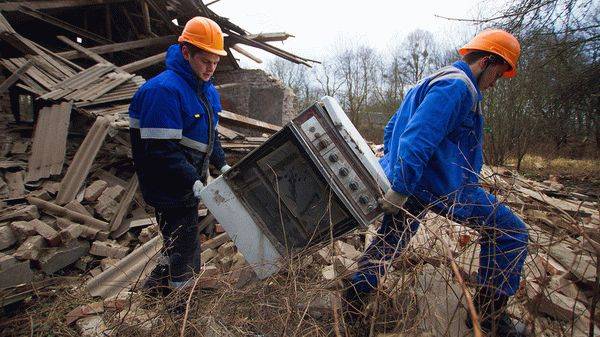
The problem of tightening requirements for gasified houses in Russia is very acute, especially in relation to the secondary housing stock, where explosions have become more frequent. Tragedies previously occurred in Izhevsk, Yaroslavl, in the city of Shakhty, Rostov Region. Also, according to one version, an explosion of household gas could cause an explosion in a high-rise building in Magnitogorsk.
As explained in the Ministry of Construction, in six months, when the changes come into force, new houses will be accepted only in accordance with the new rules for gas equipment. Appropriate equipment will be installed at the expense of developers.
Further maintenance may be provided by management companies. Now a draft law has been submitted to the State Duma, which gives the right to management companies the right on behalf of the owners to conclude contracts for the installation and maintenance of in-house equipment.
According to the amendments to the second reading, which are at the disposal of "", it is proposed to conclude not one contract between the management company and the service provider for servicing the gas system, but two: for intra-apartment and common house equipment.
The possibility of applying these particular rules is not excluded in the Ministry of Construction, they told "" in the department.
“It is fundamental that there will be two agreements for the second reading. The idea of the bill is to consider gas equipment as a whole, but due to the fact that these are two different owners (common house and intra-apartment), these are two contracts, ”deputy of the State Duma Ilya Osipov specified the author of the initiative.
According to him, the agreements that were concluded at the time the law came into force will continue to operate.
“If you entered into an agreement, and the equipment was not checked, but the money has already been paid, then this agreement will be valid until the moment when the check is carried out. Then the managing organization will be obliged to conclude a new agreement or include you in the general agreement, ”the source said.


In-house equipment will need to be checked once every few years or another set period.
If the management company receives such powers, then it is likely that this will be included in the payment to the owners, and the apartment owners themselves will pay for the check,
suggested the expert "Quality of Life" ONF Arseniy Belenky.
Earlier, the deputies introduced a bill that also involves the installation of automated control systems for gas safety in residential buildings at the expense of regional capital repairs funds.
According to it, the system should not only notify the emergency dispatch service of a high concentration of household gas in the apartment, but also automatically shut off the gas supply to gas equipment, open emergency ventilation hatches or turn on additional ventilation.
According to the Ministry of Construction, more than 60% of the housing stock in Russia is gasified.
Next
Housing and communal servicesAct of technical readiness of the heating system
What documents prohibit gas in high-rise buildings?
SNiP 2.08.01-89 operates on the territory of the Russian Federation. This regulatory document notes that it is prohibited to install gas boilers above the fifth floor, as well as to supply gas pipes under them. These rules are contained in paragraph 3.10. In the same SNiP, it is noted that gas stoves, in turn, can be used up to the ninth floor inclusive. The norm is contained in the appendix at number 9.
Another document that previously prevented the gasification of apartment buildings is SNiP 01/31/2003. It notes that it is forbidden to install gas stoves above the 11th floor on the territory of the Russian Federation. For more detailed information, please refer to paragraph 7.3.6 of the regulatory document. In SNiP on January 31, 2003, buildings of 11 floors, or a height of 27.5 meters, are not subject to gasification. It is noteworthy that the document was edited and this paragraph was abolished, but this does not mean that gas equipment can now be installed in homes without hindrance
Experts analyze the design of the building and pay attention to fire safety, as well as the characteristics of gas equipment. Since 2011, it is possible to formally gasify high-rise buildings, but in fact this permission is not provided to the developer
Is it possible to build a house 150 meters from the gas pipeline?
In order to find out, you need to order a detailed extract from the USRN. You can do this in the multifunctional center "My Documents" in the area where your site is located.
The extract will contain a plan of the site, encumbrances imposed on it, and characteristics of the land. Most likely, in the column "category of land" you will see "agricultural land", in the column "permitted use" - "personal subsidiary farm without the right to build."


Then you will be able to use this site only for conducting personal farming on it.
If you saw “settlement lands” and “personal subsidiary plots”, then do not rush to rejoice, go to the section of encumbrances. If it says “encumbrance – gas pipeline exclusion zone” (not exactly, but according to the meaning), then you need to look on the Internet what can and cannot be done in this zone.
The plan should show the exclusion zone and whether the entire site falls into it. If not all, then there is a chance to get a building permit. You can get the same information on the Rosreestr website: there is a cadastral map of Russia.
Type in the search the cadastral number of the site and get an image and information with all encumbrances.
Yulia Dymova, director of the Est-a-Tet secondary real estate sales office, answers:
Personal subsidiary farming involves construction, if it is located on the lands of settlements. Development is possible subject to obtaining the necessary permits in accordance with applicable law.
You need to apply to architecture and get a plan of the urban area with an indication of the building site, which will meet your wishes.
You also need to remember that there is a security zone, which is established by gas workers, so this issue will be resolved upon receipt of a building permit. I advise you to first prepare the necessary documentation, and then begin construction.
The lawyer answers, Ph.D. n. Julia Verbitskaya:
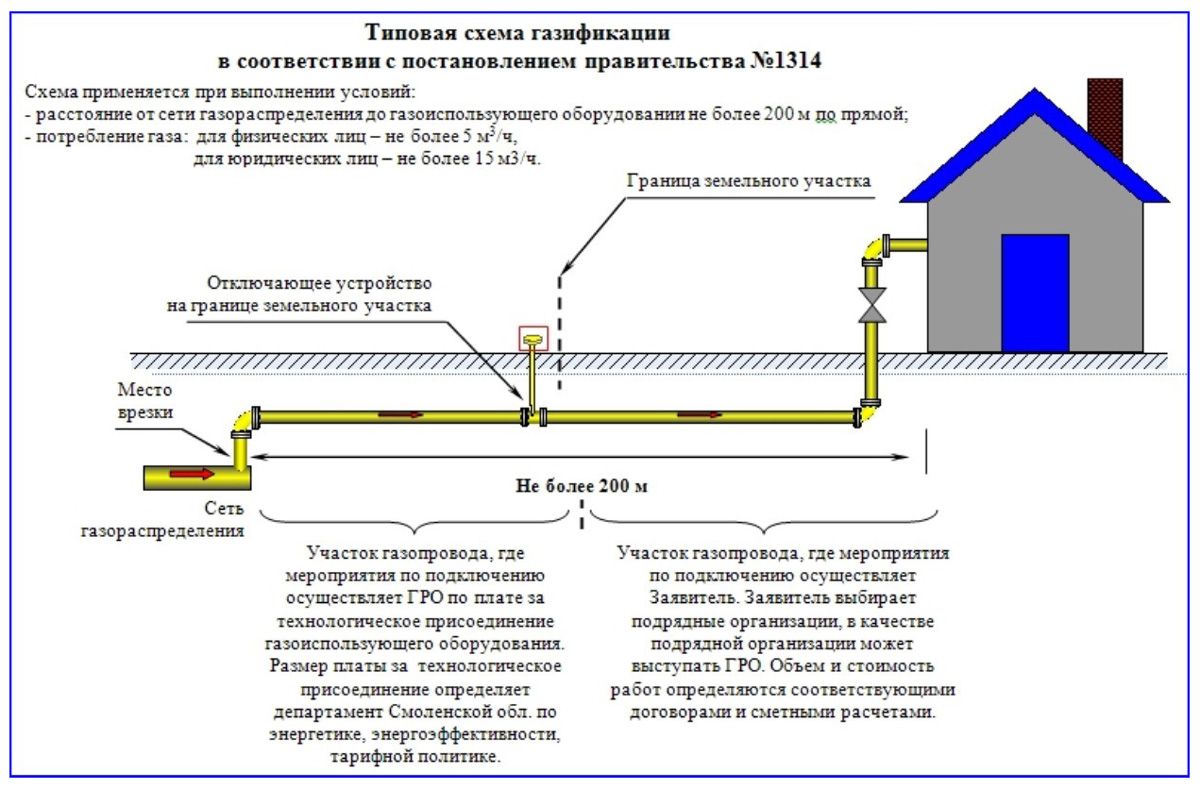
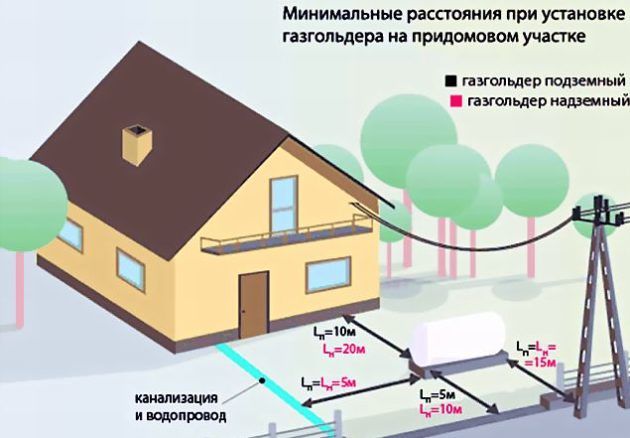
The maximum (permissible) distances between the house and the gas pipeline are regulated by the code of building codes and regulations (SNiP) 42-01-2002 and depend on the level of gas pressure. The greater the pressure in the pipe, the more dangerous the gas pipeline is, respectively, and the greater the distance from the location of the gas pipeline to the residential building.
For land plots located on the territory of settlements, including those presented for personal subsidiary plots, the minimum distance from the house to the location of the gas pipe is 7 meters.
If the gas pipeline is on the ground, this value is not regulated by law, while the degree of public danger (safety) is determined during the coordination of project documentation.
In addition, in both the first (underground pipe) and the second (ground pipe) cases, the security zone around the gas pipeline is 2 meters on each side.
Violation of these boundaries entails the illegality of construction and the obligation of the subsequent demolition of any buildings, except those necessary for organizing the operation of the gas pipeline.
Commissioning works
After starting the gas, you will need to contact the organization with which you have signed a service agreement for all provided gas equipment in order to put this equipment into operation. This will be one of the most important conditions for the warranty service of your equipment within the prescribed periods in the warranty service agreement (what warranty period will be set depends on your place of residence, on average, the warranty period for servicing gas equipment is from 1 to 3 years)
You will also need documents to perform a heat engineering calculation, which will help determine the required boiler capacity to provide heating and hot water supply to a private house (for this, you can contact the specialists from the housing and communal services):
- floor plans of all heated premises of the house with an explication, as well as an indication of heights and areas;
- types and number of points of hot water intake (such as washstands, baths, showers, etc.);
- description of the possible use of a gas boiler for technological needs.
The owner of a private house has the right to make all the approvals either independently or contact an organization that deals with the issues of gasification of the house and the installation of a gas pipeline.
Gas supply of an apartment building
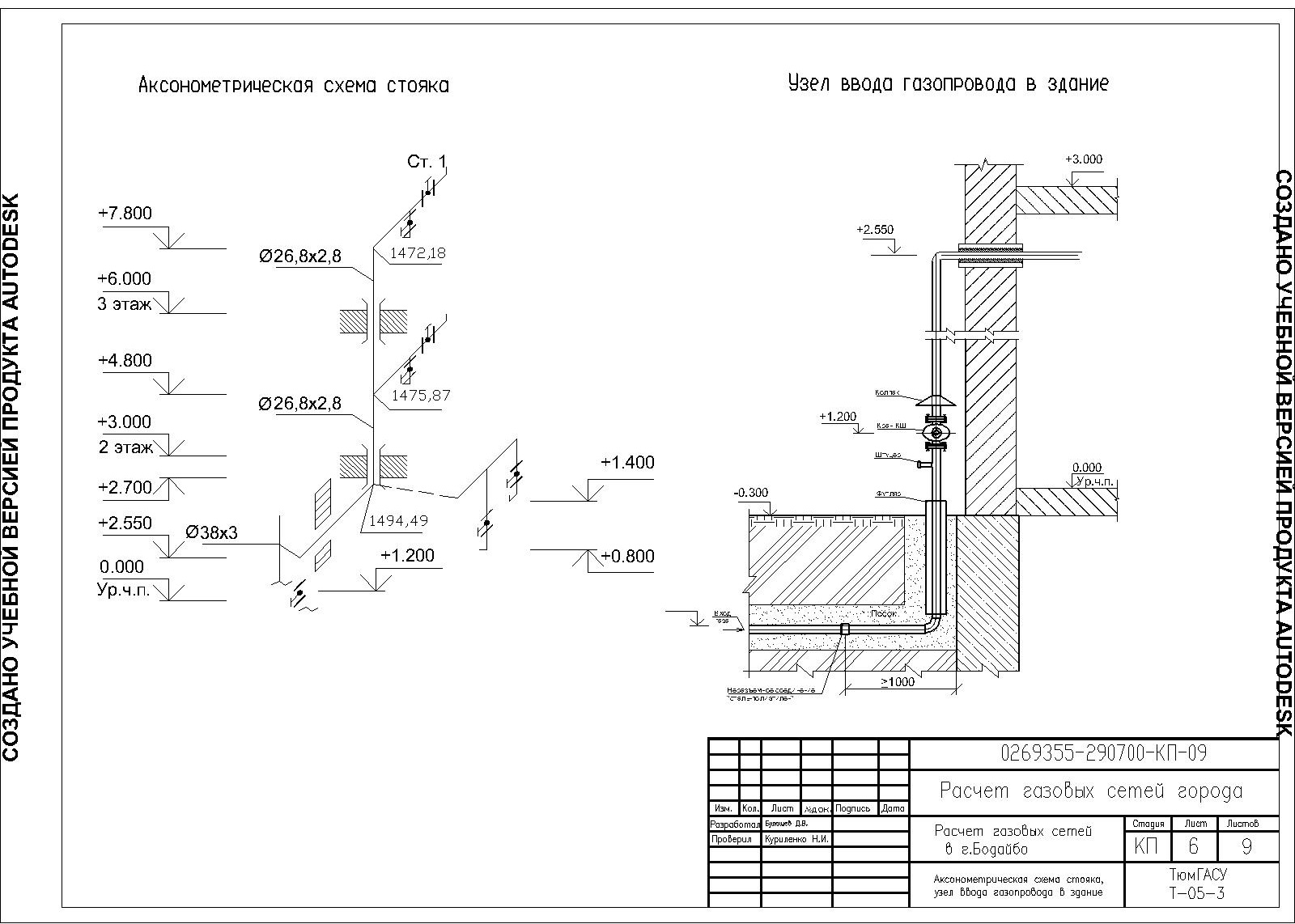
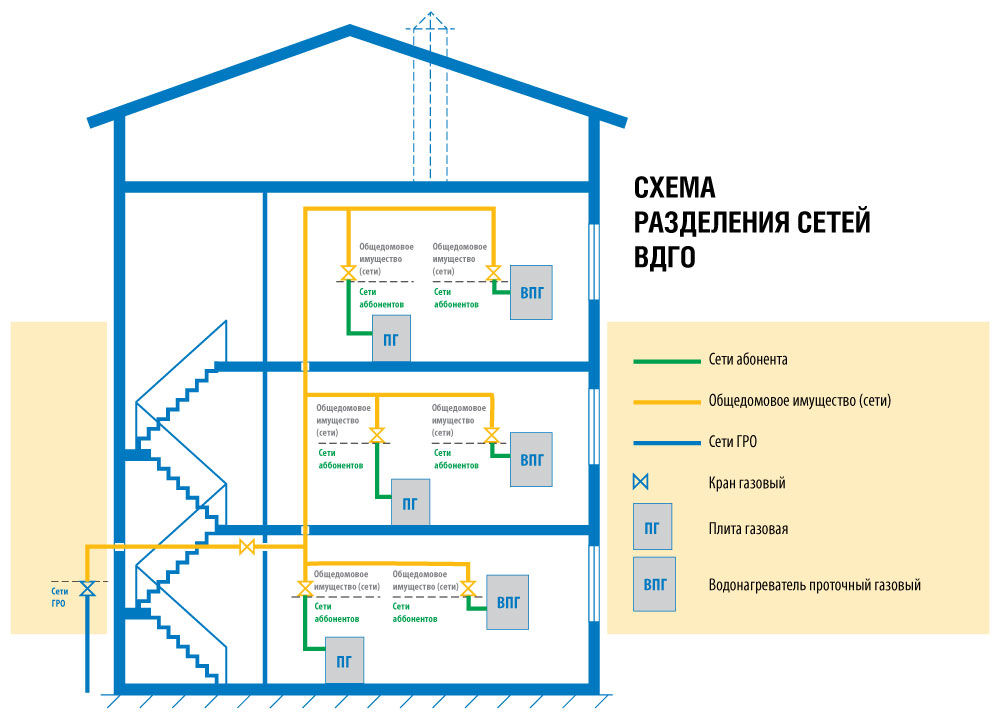
In this case, we are talking about providing a residential building through a gas wire passing inside the building. These are vertical risers through which gas is transported to the corresponding equipment in the living room.
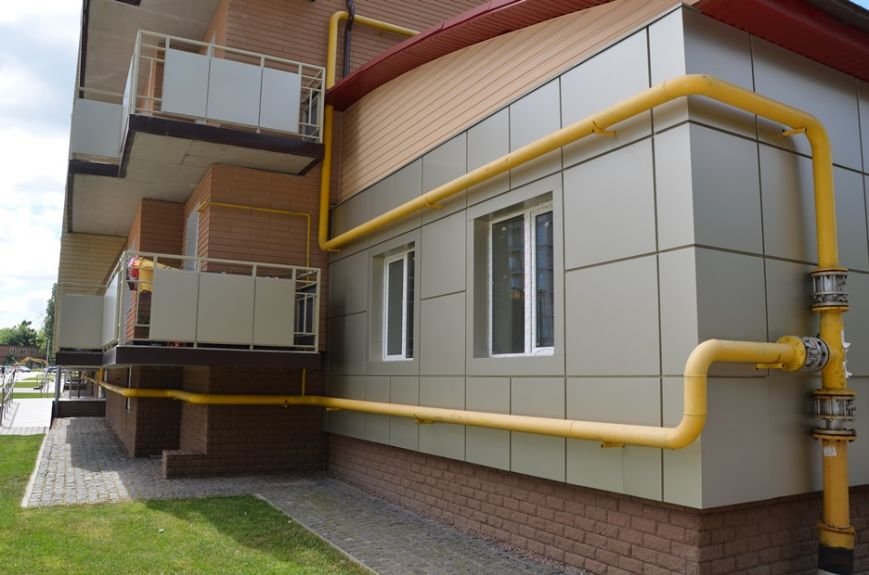
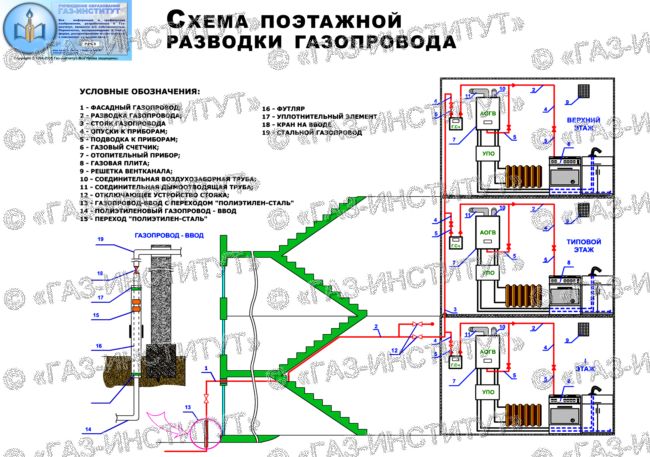




When moving it into the house, a number of safety requirements must be met. These include the following:
- the presence of independent, isolated premises;
- good ventilation with exhaust in hallways with high ceilings that are fire resistant;
- non-explosive device designed to inject natural gas.
Due to the fact that the gas is twice as heavy as air, if there is a leak, it fills the basement and is able to travel considerable distances. Even a small leak in an apartment can cause death by asphyxiation or cause a fire.
Which floor is best to live on. Where is the best place to buy an apartment? Personal experience
When a person buys an apartment, he does not really think about which floor he will live on. If only there was enough money and the area was good and shops within walking distance, etc. Only later, when the housewarming party has already been celebrated and the euphoria of the first month of living in the new house has subsided, a vile thought may appear: “What the hell have I done!”
When I chose the apartment myself, taking into account my previous experience, I very carefully approached the choice of the “correct” floor. Now, looking from the windows of my dwelling at a huge shining sunset, I do not stop congratulating myself on the fact that the floor was chosen well. Want to tell me why I think so?