
- Decorative LED lighting options
- What savings?
- Advantages and disadvantages
- How to choose the right LED lamps
- Instructions: how to replace one device with another
- What is the best lamp to choose to replace
- How is a 220 V LED lamp arranged?
- How to connect
- The device and types of T8 LED tubes
- Benefits of LEDs
- How to install a new
- How is recycling done?
- Comparison of energy saving and LED lamps
- Power consumption
- Environmental Safety
- Working temperature
- Life time
- Comparison results (table)
- What you need to know
- Conclusions and useful video on the topic
- Conclusion
Decorative LED lighting options
Decorative lighting gives completeness to the interior, a certain zest.
One way to focus on a particular subject is to highlight it with a directional light beam.

Light accent on paintings
Floor and ceiling lighting will visually expand the space. Miniature lamps and LED strips serve the same purpose: they will add extra volume to small rooms.
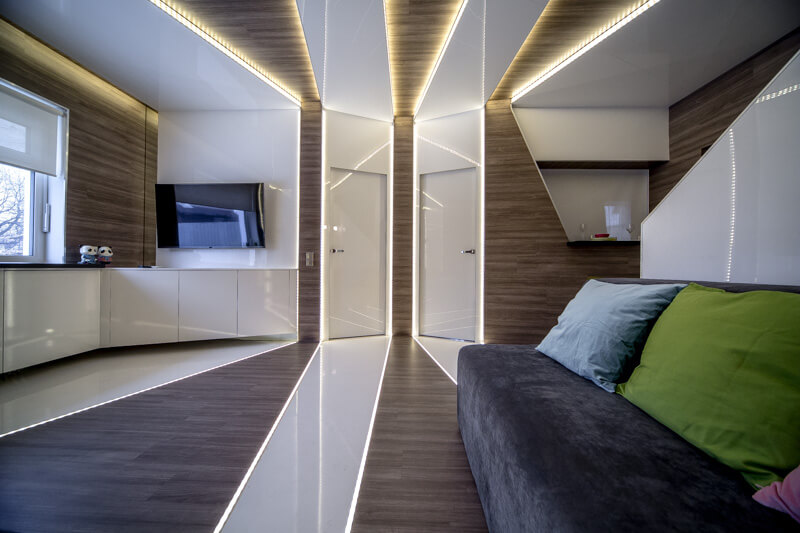
Floor and ceiling lighting
Multi-colored light will focus on niches and shelves.
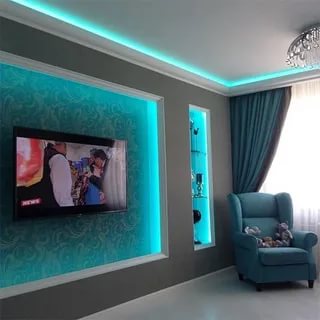
Niche lighting
It is convenient to zone the space with the help of multi-colored ceiling lighting.

multi-colored zoning
Lamps beautifully emphasize ceiling beams, columns and other protruding parts of the walls.

Ceiling beam lighting
LED retro lamps are widely used. LEDs have given a second wind to Edison lamps
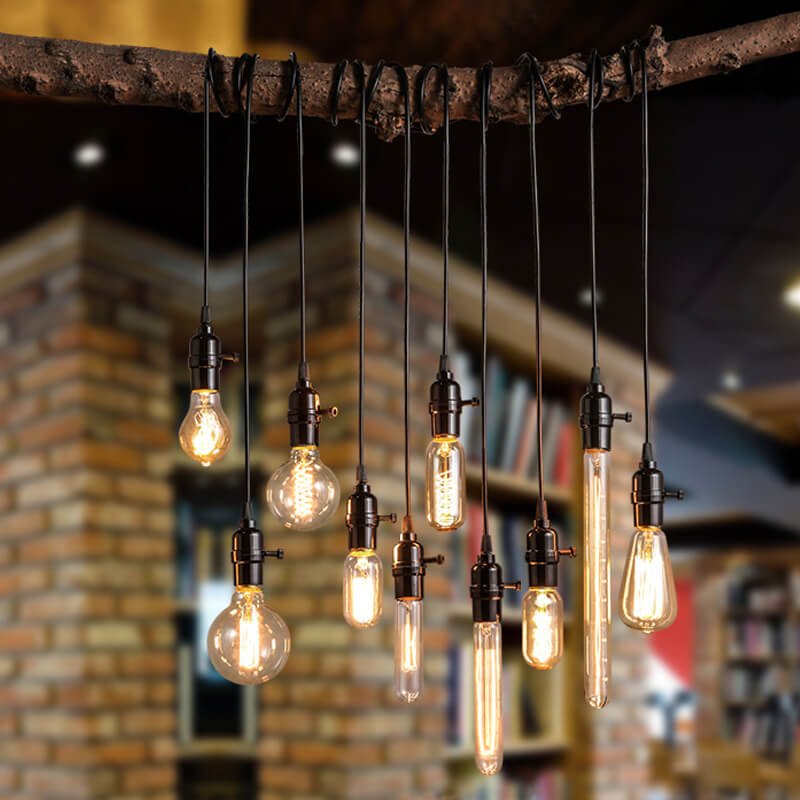
Edison LED bulbs
It is convenient to use for street decoration of houses and cities.

outdoor illumination
What savings?
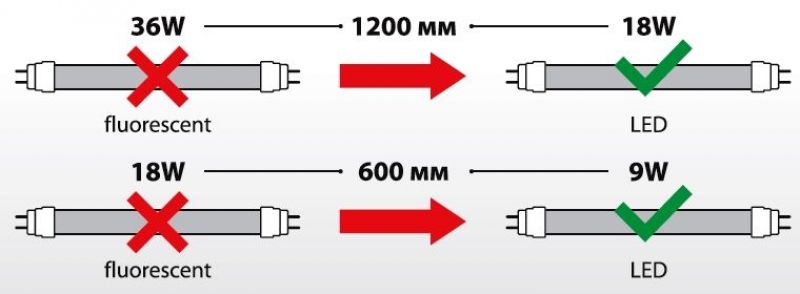
In order to calculate the savings from replacing fluorescent lamps with LED ones, you need to make an appropriate calculation, for this you can take two lamps of the same power as a basis, one of which is equipped with a fluorescent lamp, and the second with LEDs.
For the calculation, we take lamps with the same characteristics in terms of luminous flux, providing the required illumination at a given point in the room, and the power of the light source will act as an indicator on which the calculation will be based.
Comparative values, in terms of power, of fluorescent and LED light sources are given in the table:
| Source type | Power, W | ||||||
| luminescent | 5,0 – 7,0 | 10,0 -13,0 | 15,0 – 16,0 | 18,0 – 20,0 | 25,0 – 30,0 | 40,0 – 50,0 | 60,0 – 80,0 |
| LED | 2,0 – 3,0 | 4,0 – 5,0 | 8,0 – 10,0 | 10,0 – 12,0 | 12,0 – 15,0 | 18,0 – 20,0 | 25,0 – 30,0 |
A single-lamp fluorescent lamp, model Camelion WL-3016 36W 2765, with a power of 36 W will cost the buyer 820.0 rubles, plus the cost of the lamp itself and the starter - the total amount will be, on average, 900.00 rubles.
Recessed LED lamp, model Feron AL527 28542, 18 W, white glow, will cost the buyer 840.00 rubles.
At the initial stage of comparison, the initial parameters are approximately the same, these are: the strength of the luminous flux, depending on the power of the installed light source and the cost of the lamp itself. For comparative analysis, it is necessary to fill in a comparative table, compiled on the basis that the lamps work 10 hours a day, 365 days a year.




| Index | Fluorescent lamp | LED lamp |
| Luminaire power, kW | 0,036 | 0,018 |
| Electricity consumption per day, kWh | 0,36 | 0,18 |
| Electricity consumption per year, kWh | 131,4 | 65,7 |
| The cost of electricity for consumers in 2020, rubles / kWh | 2,97 | 2,97 |
| The cost of paying for consumed energy, rubles | 390,26 | 195,13 |
| Savings per year, rubles | — | 195,13 |
| Luminaire maintenance costs, rubles | 100,00 | — |
| Savings, total, rubles | — | 295,13 |
Notes:
As can be seen from the table, with the same initial indicators, the savings from the use of LED lamps, in terms of the cost of used electrical energy, in comparison with a fluorescent lamp, is 100%.
Of course, the resulting figure, which determines the savings in the use of an LED light source, is not large, because. only two lamps were compared, but even on the scale of a single apartment, when 5-10 fluorescent lamps are replaced, the savings will increase significantly, which will significantly affect the family budget. In the case when the replacement is carried out in an office space or a production workshop, the savings from the replacement of fixtures can be felt already in the first month after completion of the work.
Advantages and disadvantages
LED chandeliers with remote control have many advantages, for example:
- Convenience. Control over lighting is carried out from any part of the room thanks to the remote control, which is always at hand.
- Profitability. This advantage is due to the ability to control the level of lighting. In addition, energy-saving lamps such as LEDs also significantly reduce energy consumption.
- Effectiveness. A variety of chandelier modes contributes to the creation of the desired environment.
- Availability.Depending on their income, each consumer can find a specific model of LED chandelier with remote control.
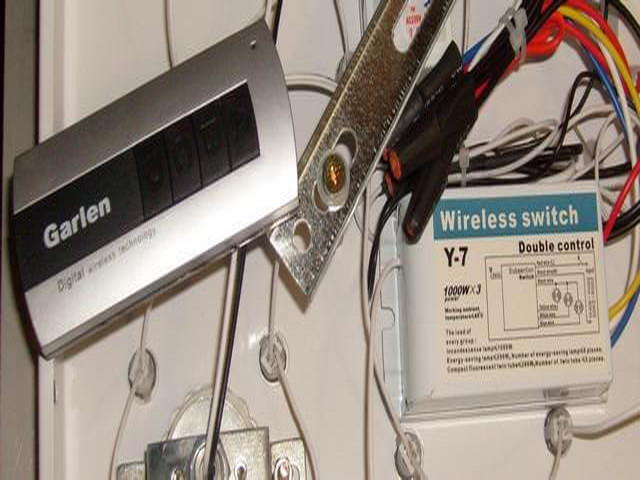
Despite all the advantages, such chandeliers have a significant drawback. This device is not recommended for use in rooms with high humidity. Also, in no case should the controller overheat, it is very dangerous. The limit of the norm is the heating temperature equal to 85 degrees. This figure is usually indicated on the packaging.
frequent lamp failures
How to choose the right LED lamps
When choosing an LED lamp, it is necessary to take into account the purpose, design and type of base
It is better to pay attention to the products of well-known manufacturers Armstrong, Maxus, Philips, etc.
Types of plinths
By appointment, the following types are distinguished:
- Household. Used in administrative or warehouse premises.
- Designer. Represented by functional ribbons and used to create spectacular lighting.
- Street. Illuminate roads, pedestrian areas and adjacent areas.
- Projector.
- Decorative. Compact models for installation in small fixtures.
Types of plinths
Construction types:
- Traditional. Devices with conventional plinths.
- Directed. Are established in searchlights and street lamps.
- Linear. Replace the usual cylindrical luminescent elements.
- With lenses. Mounted in incandescent devices.
Diode lamps are made according to a linear system
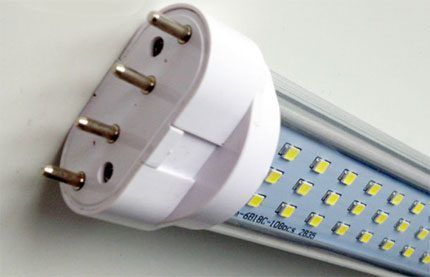
Bases on devices can be any. This parameter practically does not differ from that in other lighting fixtures. Connection to the chuck is possible with standard threads or pins (eg G13).
Instructions: how to replace one device with another
So, if the user liked the technical and operational characteristics of LED linear lamps and the option of replacing fluorescent devices is ripe, how to do it? It is conditionally possible to divide the replacement into two options:
- Complete dismantling of the old lamp and installation of a new one.
- Use a halogen chassis for LED installation.
With the first option, it is clear - you will have to perform the following work in sequence:
- turn off the power supply of the lamp;
- carefully remove fluorescent lamps and dispose of according to the rules;
- disconnect the power supply line;
- dismantle the chassis;
- install the chassis under the LED lamps;
- connect the power line.
For the second option, a characteristic feature is the selection of LED lighting devices that correspond to the dimensions of the fluorescent lamps that are supposed to be replaced. The base part of the LED lamps must also match (usually G13 base type).
Linear LED lamps the configuration is no different from traditional fluorescent lamps. As a rule, the plinth is optimally suited for installation on the chassis, where gas appliances used to be
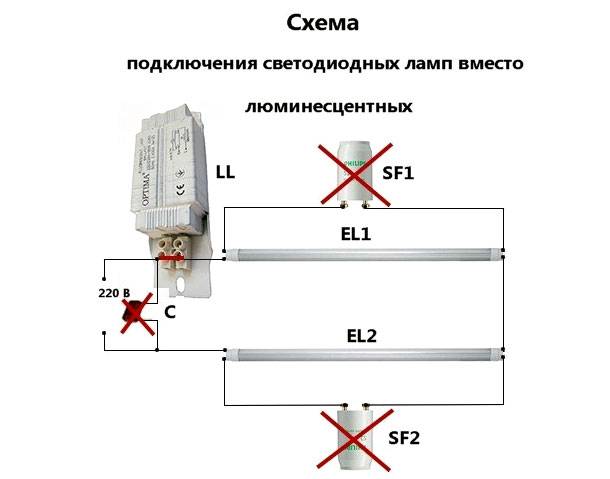
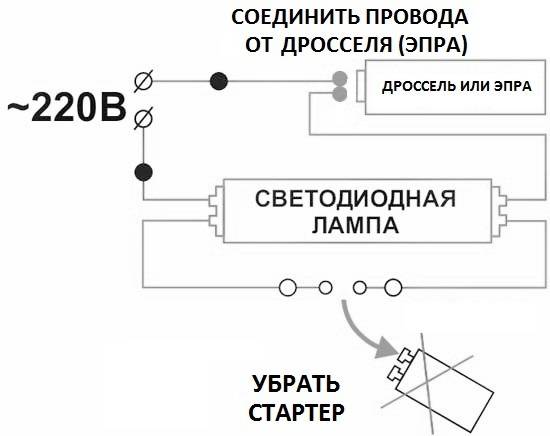
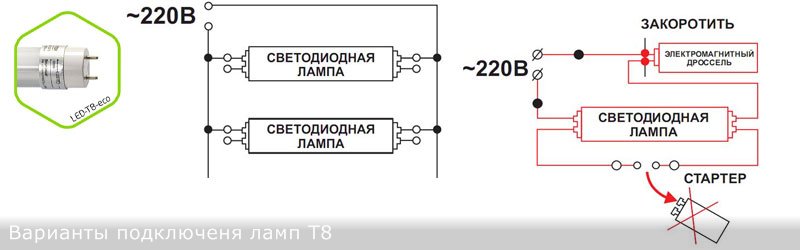
Next, on the old chassis, it is necessary to remove the entire auxiliary circuit set: a choke (EMPR), electronic ballast (in modified designs), a starter block, a smoothing capacitor.
The power lines of these elements are simply closed. That is, power is supplied to the base block of the LED lamp directly from the network, bypassing any additional elements.
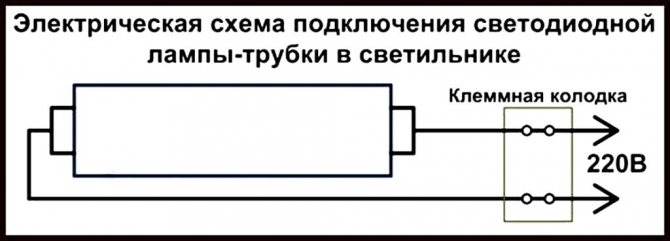
Scheme for switching on LED linear lamps. As can be seen from the figure, the connection here looks even simpler than that of fluorescent devices. There is no peripheral fittings in the form of EMCG, electronic ballast, starter elements
If the chassis is installed on two or more LED elements, in this case the base blocks for each device are connected to others according to the parallel connection scheme.
What is the best lamp to choose to replace
It is recommended to use a standard principle, repeatedly tested by the personal experience of many users. The first recommendation is to choose devices from a range of well-known manufacturers that guarantee a high quality product. Such devices are usually distinguished by high cost, but quickly pay off due to economical energy consumption.
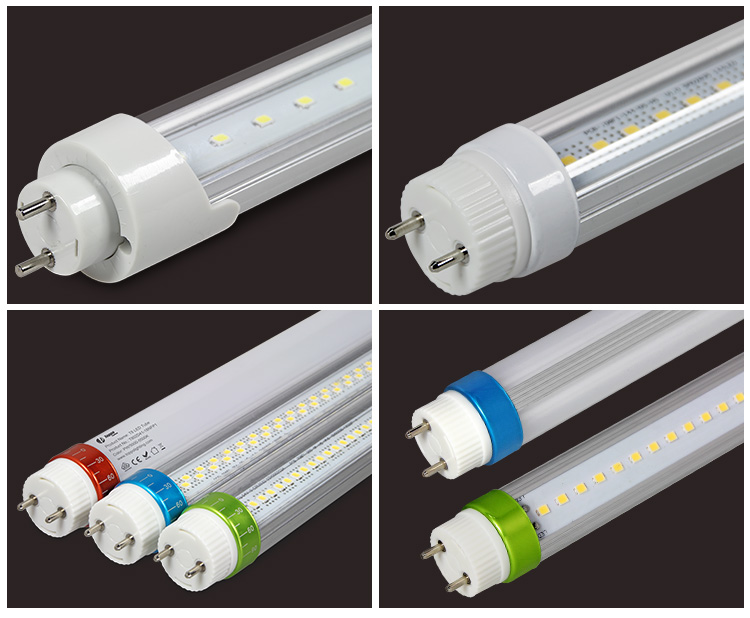


The second selection principle is the number of LED elements per unit area of the working surface of the lamp. The more LED elements placed on the surface, the higher the scattering power of the lamp. Therefore, if you need to illuminate a large area of \u200b\u200bthe room, you should choose products with the maximum possible number of LEDs.
Here is such an LED lamp, where the placement of working elements is noted in a three-row design, in terms of the level of light scattering it approaches fluorescent devices
Out of habit, a potential buyer chooses light fixtures with an eye on the power parameter. In this case, the power is determined a little differently - taking into account the ratio of 1 to 10, when compared with a conventional direct incandescent lamp. For example, if the power of a conventional device is 100 watts, then the LED counterpart will correspond to 10 watts.
Based on the operating conditions, lamps are selected according to the protection class. For domestic use, IP40 rating is usually a satisfactory option.For premises with higher requirements - protection class from 50 and above. High protection parameters are required for luminaires installed in special rooms with an explosive environment.
How is a 220 V LED lamp arranged?
It's modern LED lamp optionwhich is produced by advanced technology. Here the LED is one-piece, there are several crystals, so there is no need to solder many contacts. As a rule, only two contacts are connected.
Table 1. The structure of a standard LED lamp
| Element | Description |
|---|---|
| Diffuser | An element in the form of a "skirt", which contributes to the uniform distribution of the light flux coming from the LED. Most often, this component is made of colorless plastic or matte polycarbonate. |
| LED chips | These are the main elements of modern light bulbs. Often they are installed in large quantities (more than 10 pieces). However, the exact number will depend on the power of the light source, the dimensions and the characteristics of the heat sink. |
| Dielectric plate | It is made on the basis of anodized aluminum alloys. After all, such material in the best way performs the function of heat removal to the cooling system. All this allows you to create a normal temperature for the smooth functioning of the chips. |
| Radiator (cooling system) | It helps to remove heat from the dielectric plate where the LEDs are located. For the manufacture of such elements, aluminum alloys are also used. Only here they pour it into special forms to get plates. This increases the area for heat dissipation. |
| Capacitor | Reduces the pulse that occurs when voltage is applied from the driver to the crystals. |
| Driver | A device that contributes to the normalization of the input voltage of the mains. Without such a small detail, it will not be possible to make a modern LED matrix. These elements can be either inline or inline. However, almost all lamps have built-in drivers that are located inside the device. |
| PVC base | This base is pressed against the base of the light bulb, thereby protecting electricians who are replacing the product from electric shock. |
| plinth | Required in order to connect the lamp to the socket. Most often it is made of durable metal - brass with an additional coating. This allows you to increase the life of the product and protect against rust. |
LED Bulb Driver
Another difference between LED lamps and other products is the location of the high heat zone. Other light sources spread heat throughout the outer part, while LED chips only contribute to the heating of the internal board. That is why it becomes necessary to install a radiator to quickly remove heat.
If there is a need to repair a lighting device with a failed LED, then it is completely replaced. In appearance, these lamps can be both round and in the form of a cylinder. They are connected to the power supply through the base (pin or threaded).
How to connect
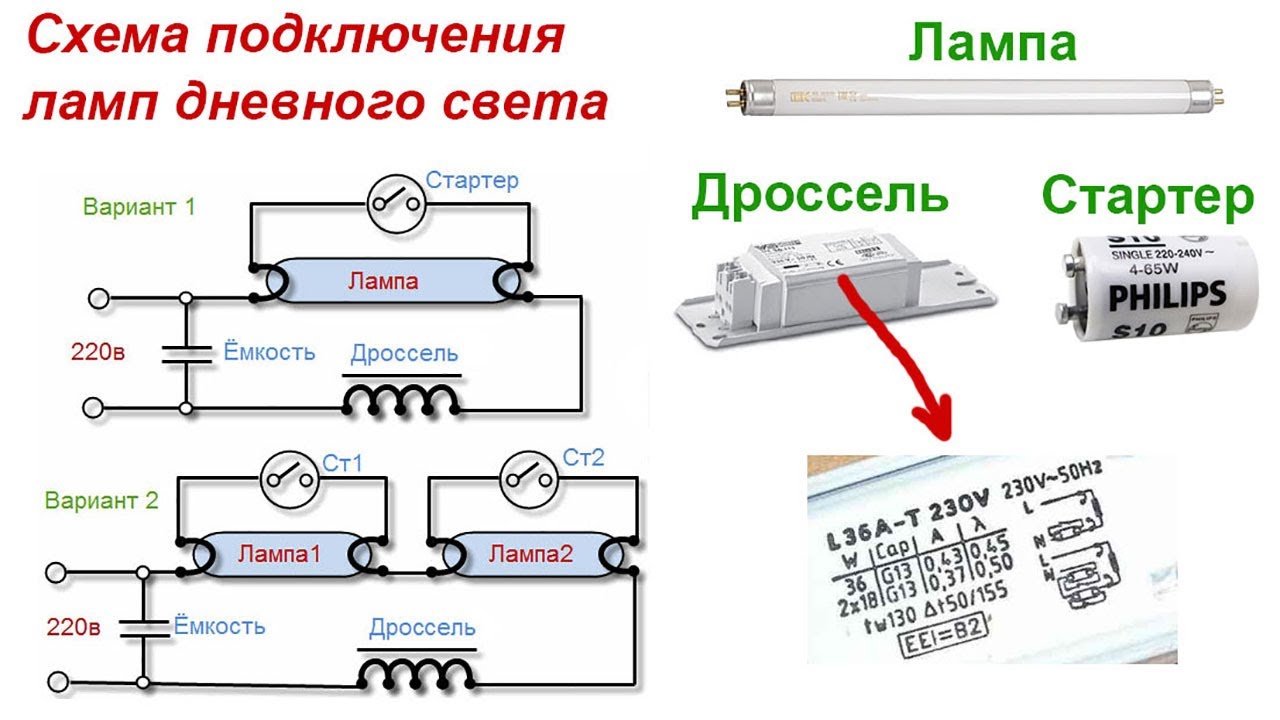
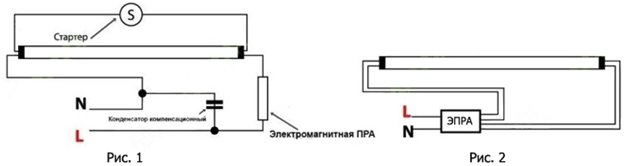
Fluorescent lamps have two connection schemes:
- with ballast (starter control automatics) including a throttle, starter, capacitor (1);
- based on electronic ballast, the ballast includes a converter operating at high frequencies (2).
The following elements are placed in raster lamps:
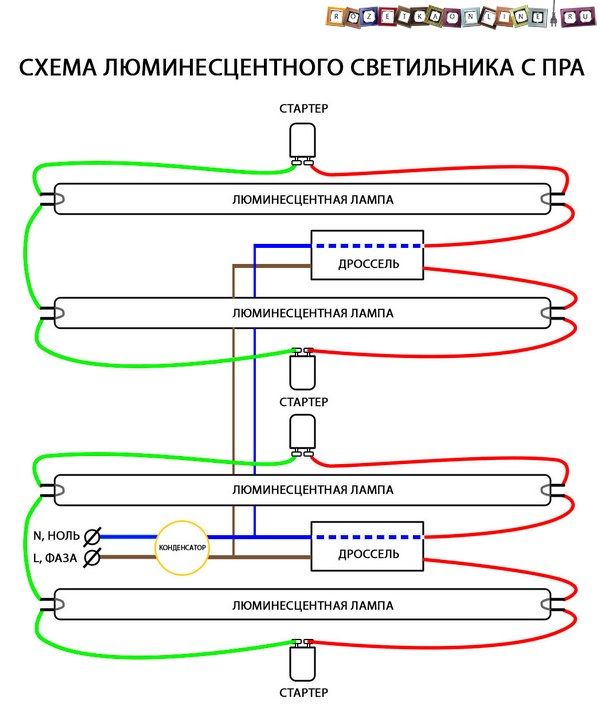
- 4 fluorescent tubes are connected to 2 electronic ballasts. Each electronic ballast is responsible for the operation of a pair of lamps;
-
or to the ballast of a combined type (the set includes 4 starters, a pair of chokes, capacitors).
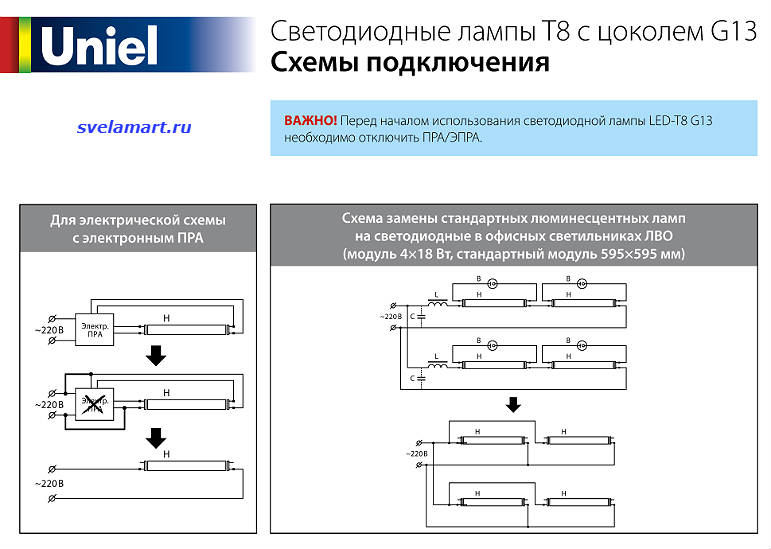
The wiring diagram for the T8 LED lamp does not imply the use of ballasts or electronic ballasts.
The illustrations clearly show how to change the connection diagram of a fluorescent lamp to LED.
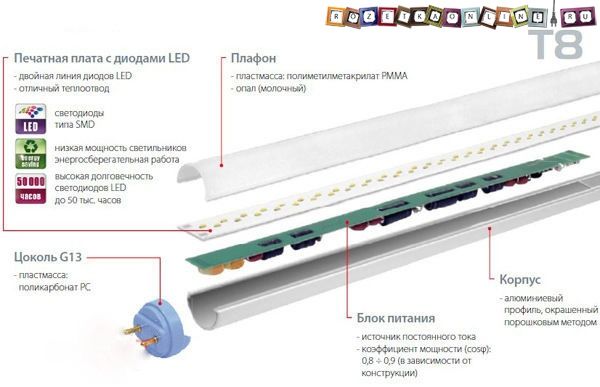
The stabilized circuit breaker is built into the case. With it, under a diffuser made of plastic or glass, there is a printed circuit board with LED elements, which is mounted on an aluminum radiator. The mains voltage is supplied through the base pins to the driver from one or both sides. If there is only one supply side, the pins will act as a fastener.
Before installing LED lamps instead of fluorescent ones and modifying, reconfiguring the old lamp, carefully read the connection diagram. It can be found on the housing of the LED lamp or in its documentation. An LED with phase and zero summing from different sides is the most commonly used option, therefore, we will consider how to change a fluorescent lamp using its example.
The device and types of T8 LED tubes
Lighting in offices and public buildings today is most often made of luminaires with daylight fluorescent lamps. And for the most part, these are compact “squares” on the ceiling with mercury tubes for the G13 base. These luminaires are standardized to fit 600x600 mm Armstrong ceiling systems and can be easily integrated into them.
Fluorescent tubes were once widely introduced as part of energy savings. Lights are often on around the clock in public buildings and buildings. Ordinary incandescent lamps in such conditions quickly burn out and consume too much electricity. Luminescent counterparts are 7–10 times more durable and 3–4 times more economical.
Ceiling lamps with T8 lamps - a classic in lighting modern offices, warehouses, trading floors, as well as educational, administrative and medical institutions
However, technologies continue to develop, and LEDs are gradually replacing tubes with harmful mercury. This novelty is even more durable and already consumes an order of magnitude less electricity than the old light bulbs with a tungsten filament.
"LED" (Light-Emitting Diode) outperforms competitors in all respects. The only drawback of such LEDs is the rather high price. But it is gradually decreasing as the market for LED lamps develops.
Outwardly and in size, the T8 LED tube completely repeats the electroluminescent counterpart. However, it has a fundamentally different internal structure and a different principle of nutrition.
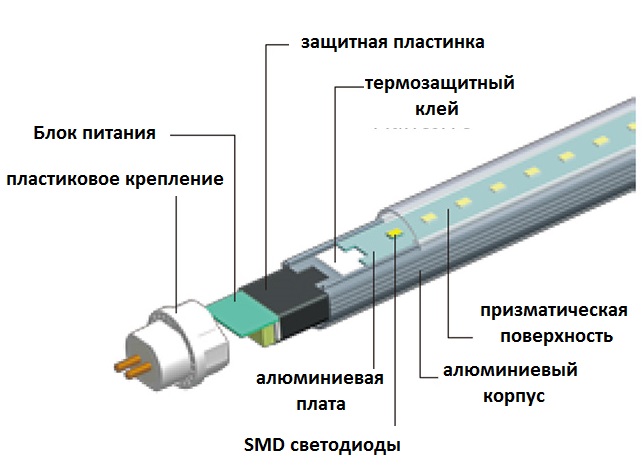
The considered LED lamp consists of:
- two swivel plinths G13;
- diffuser flask in the form of a tube with a diameter of 26 mm;
- driver (power supply with surge protection);
- LED boards.
The flask is made of two halves. One of them is an aluminum substrate-case, and the second one is a rear light-scattering plafond made of transparent plastic. In terms of strength, this design greatly exceeds conventional glass tubes with mercury. Plus, aluminum perfectly removes the little heat that is generated during the operation of LED elements.

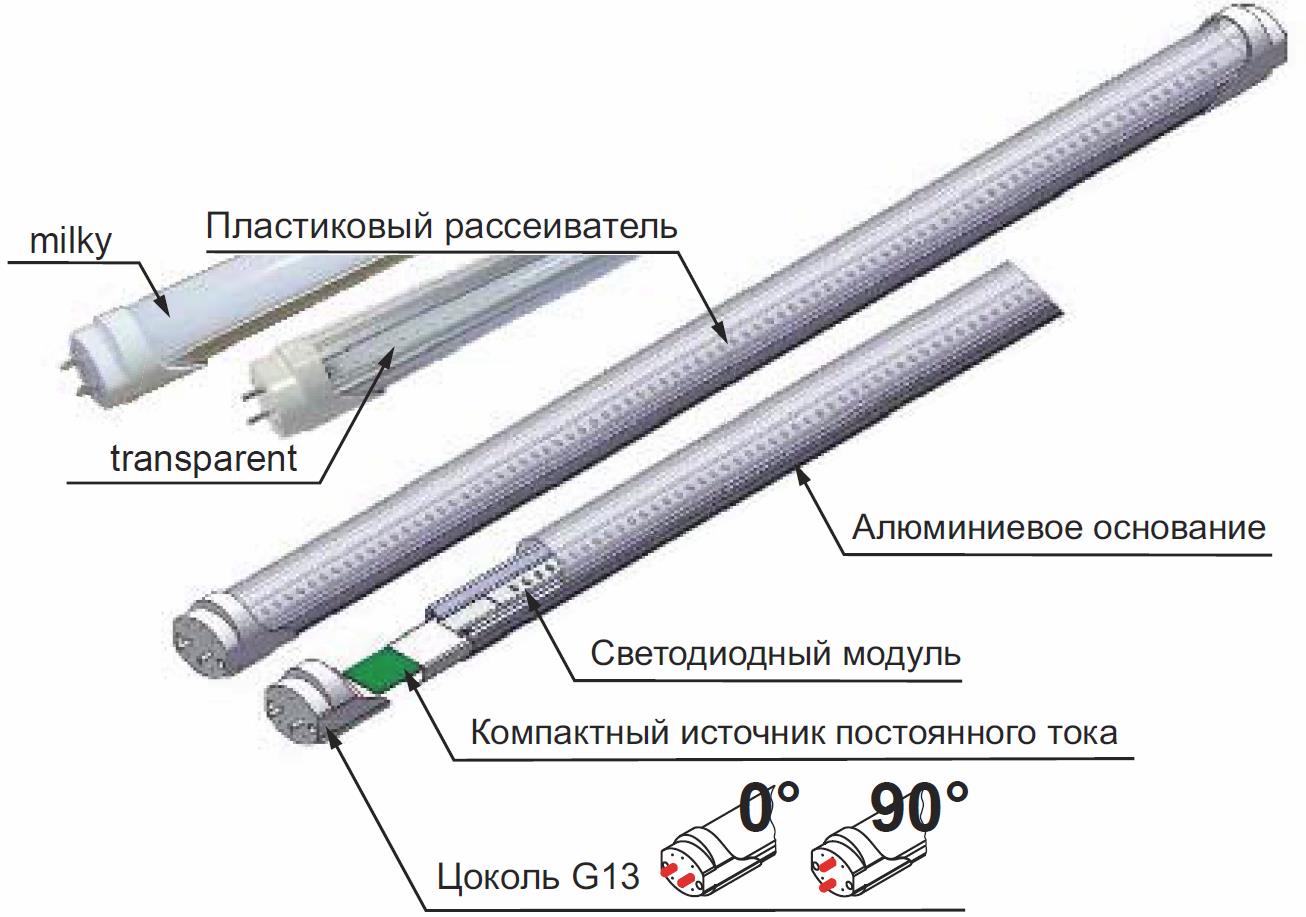


The diffuser can be transparent (CL) or opaque (FR) - in the second case, 20–30% of the light flux is lost, but the blinding effect of burning LEDs is eliminated
To power the LED, you need a constant voltage of 12–24 V. To transform the alternating electric current from which the lamps are powered, the lamp has a power supply unit (driver). It can be built-in or external.
The first option is preferable, as it simplifies installation. If the handset has a built-in driver, then you just need to insert it in place of the old one. And in the case of a remote power supply, it will still need to be placed and fixed somewhere. It is recommended to choose an external option only when all lighting is completely replaced. Then such a PSU allows you to save a lot, you can connect several tube lamps to it alone at once.
The number of LEDs on the board can be up to several hundred. The more elements, the higher the light output of the lamp and the more powerful it is. But a lot depends on the size of the tube.
T8 LED lamps in length come in:
- 300 mm.
- 600 mm.
- 1200 mm.
- 1500 mm.
Each option is designed for its own type of fixtures. The tube can be found under any size of the lighting device and on the ceiling, and for desktop models.
Benefits of LEDs
Fluorescent (energy-saving, as they are also called) lamps are gas-discharge structures that, in a short time, replaced the usual incandescent lamps due to their efficiency and durability. Now their dominance ends with the advent of LED designs.Initially, they appeared almost simultaneously with energy-saving ones, but the difference in price for some time limited their use.
Fluorescent types are a modern modification of the familiar fluorescent lamps. They have disadvantages:
- there is a small amount of harmful mercury inside the flask;
- starting fluorescent lamps is possible only with electronic ballast (electronic ballast);
- during operation, flickering occurs, noticeable to the naked eye, harmful and in some situations dangerous;
- disposal of failed lamps is carried out only by specialized organizations;
- during operation, the lamp may make a sound;
- the color reproduction of energy-saving devices is not of high quality, the light has a dead, unnatural shade.
LED designs are completely devoid of these shortcomings. Ice lamp has the following advantages:
- complete environmental safety;
- even, non-flickering light;
- the lamp turns on instantly, without delay;
- a wide choice of glow colors, from cold blue to warm red;
- durable flask, resistant to external influences.
As soon as the prices for LED lamps fell to an acceptable value, users actively began to replace them with this type of lamps.
How to install a new
Installation is usually the complete opposite of withdrawal in terms of technology.
- The threaded versions are screwed into the chuck clockwise until the sensitive stop. Do not be too zealous with screwing in so that the light bulb does not burst or the socket does not crack. We also replace halogen bulbs.
- Long lamps are inserted with contacts into the slots from which the old lamp was removed.After that, the lamp is rotated by hand along its axis by 90 degrees until a characteristic click is heard.
- Light bulbs in ceiling and other recessed fixtures are usually simply inserted back until the spring clicks, no levers need to be pressed to do this. With the help of such mechanisms, spot ceiling lights are replaced.
- After installation, make sure that the lamp is securely fixed in its socket and does not hang out in it, this is especially true when replacing it in a spotlight.
- Try to turn on the LED or other installed lamp - be sure to turn away from it, and for all those present, give the command "light" so that they also do not look. Take care of your eyes when you turn on new lamps - there have been cases when they, defective, burst with the first inclusion.
How is recycling done?
Each lamp contains a number of useful components that can (and should!) be removed and sent for recycling. This will not only protect the environment from pollution, but will also benefit the economy of the state.
So, the composition, as waste, includes the following materials:
- plastic;
- glass;
- metal details.
During the recycling process, each lamp is disassembled into small parts, which are then sorted according to the material. This is a completely safe process that does not require special protective equipment for workers, cleaning of the premises and other increased safety measures that are necessary when working with mercury-containing lamps.
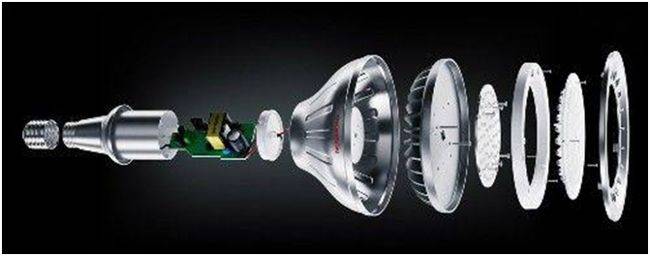 LED lamp device. As you can see, it consists of many parts, unlike a conventional incandescent lamp.
After sorting, each part that is part of the LED lamps is sent for further processing:
- The polycarbonate or aluminum case is melted down and reused for industrial purposes.
- The glass base is crushed and further this crumb is used for the production of building materials.
- Other components, including plastic, are also sent for recycling or reuse.
In addition, we advise you to read interesting articles about the recycling of polycarbonate and aluminum waste.
As a rule, recycling services in special firms and enterprises are paid. Despite the safety of processing, this process is quite labor-intensive and requires special equipment. Therefore, both individuals and legal entities accept lamps for recycling for money. As a rule, the “cost” of one lamp in this case ranges from 10 to 15 rubles, and for a large volume you can get a significant discount.
Comparison of energy saving and LED lamps
To determine which lamp is better: LED or energy-saving, it is not enough to get acquainted only with their characteristics.
It is important to pay attention to the operating conditions
Energy consumption of different types of light bulbs.
When it comes to environmental friendliness, the LED lamp is also preferred, since there are no harmful fumes inside it. It is worth considering that it is not advisable to install CFLs together with a switch that regulates the intensity of light. It can burn either at full power, or be turned off. This is due to the ionization of the gas, which cannot be controlled.




Power consumption
According to the results of the research, it turned out that fluorescent (energy-saving) lamps are 20-30% more economical than conventional incandescent lamps. LED, in turn, are more economical than CFL by about 10-15%. It all depends on the power and brands.
Comparison of indicators of profitability, service life and price of different types of lamps.
The only advantage of an energy-saving lamp in this case is the cost. LED will cost a lot more. But under proper operating conditions, it will last 2-3 times longer.
Environmental Safety
CFL contains approximately 5 ml. mercury, its amount may slightly increase or decrease depending on the size of the product. This metal is considered harmful to the human body. It belongs to the highest hazard class. It is forbidden to throw away such a light bulb along with the rest of the garbage, so it will have to be taken to a specialized collection point.
The effect of CFL on the body.
Working temperature
The maximum incandescent temperature of a fluorescent lamp reaches 60 degrees. It will not provoke a fire and is not capable of injuring human skin. But if there is a malfunction in the wiring, the temperature can rise significantly. It is believed that the likelihood of such a situation is extremely small, but the risk is still there.
Speaking of LED bulbs, they practically do not heat up. Especially if you choose high-quality products from popular brands. This is due to semiconductor technology based on LED crystals.For most people, the heating performance is insignificant, as they do not need to touch the lamp while it is working.
Life time
If the budget is unlimited and you need to buy a light bulb with the longest lifespan, it is better to purchase an LED one. But in order for the price to justify itself, you should buy products from popular brands, which will be discussed below.
Service life of different types of light bulbs.
Having studied the results of the research, we can come to the following conclusion: on average, LED light sources last 4-5 times longer than fluorescent ones. To check this information, just read the text on the package. An LED bulb, under proper operating conditions, lasts up to 50,000 hours, and an energy-saving one about 10,000.
Comparison results (table)
| Light bulb type | Energy saving | Lifetime | Safety and disposal | Case heating | Price |
| LED | + | + | + | + | — |
| energy saving | — | — | — | — | + |
| Outcome | 4:1 winner led lamp |
What you need to know
All lamps, which include a luminescent light source, are characterized by cylindrical and rectangular shapes. They are narrow and light in weight, so they can be installed in various places in the house.
In addition, this type of fixtures can be of different modifications:
- stationary. This group includes built-in, overhead and ceiling lamps;
- mobile or portable. This includes pendant lights that can be moved from one place to another or simply placed on the floor, table or shelf.
Lamp options
Making both options with your own hands is quite simple.If you understand a little about the device and know how to do everything, then even repairing such a lamp will not be a big deal for you. And our article will try to help you with this.
Conclusions and useful video on the topic
The video material clearly demonstrates the practice of replacing one type of lamp with another. Consistent actions for the dismantling and installation of working elements.
An example that is sure to come in handy in practice:
If we evaluate the technical characteristics, operating conditions and the functioning of devices in everyday life, LED light sources win. They also have their drawbacks, but even if they are available, they save energy and last a long time.
On an industrial scale, the savings are very significant if you choose reliable light bulbs from trusted manufacturers with a good warranty period.
Do you have experience replacing fluorescents with LED bulbs? Please share your opinion in the comment block. Or maybe you still have questions after reading our material? Ask for advice from our experts and other site visitors - competent users will gladly share their experience with you.
Conclusion
Despite the abundance of models that can be found in everyday life, you can replace them all with your own hands. The main thing is to observe safety precautions both when removing the old lamp and when screwing it in. Be careful not to squeeze the glass and do not be zealous with thin and fragile parts of lamps and halogen lamps - the damage caused can be dangerous to your health.
Instruction
Before starting work, make sure that the lamp power is off. Remove the transparent decorative cover, then remove lamp from the cartridges holding it. This can be done in two ways, depending on the cartridges used. In the first case lamp you need to turn a little around the axis, its contacts will come out of the terminals, and the lamp will be in your hands. In the second case, you need to press lamp along the axis to the stop to the right or left. The spring-loaded cartridge will allow it to move a little, while the lamp contacts on the other side will come out of the cartridge.





Do not rush to throw away the extinguished lamp, it may still be functional. Check both bulb filaments with a tester for an open circuit. A faulty lamp has one filament usually intact (its resistance is about 10 ohms), the second is burned out. If both threads are intact, the cause of the malfunction is most likely the starter - a small round aluminum “cup” inserted into a special cartridge. return lamp into place and substitute a known-good starter, then apply power. If the lamp lights up, the problem has been found and repaired.
In the event that the lamp still does not light up, then the inductor, capacitor or electronic control unit may be faulty. A defective choke should be replaced, it cannot be repaired (although hams sometimes rewind burnt chokes). You can try to fix the electronic control unit by checking its parts with a tester.
If the removed lamp is intact, but darkened near the socles, this indicates the proximity of the end of its service life. In the event that the fluorescent lamp Sveta blinks, it should be replaced, as it has exhausted its resource.
Any fluorescent lamp is a complex device that has many structural elements and a large number of contacts.Often there is a need to replace the lamp in such a lamp.
Instruction
Please note that removing the fluorescent lamp
out of the cartridge must be done with great care. Otherwise, you can easily damage the base or break the glass of the lamp. These lamps contain mercury vapor, which is very toxic.
They can cause great harm to the human body. A feature of the operation of such lamps is the presence in the switching circuit of auxiliary equipment - a choke and a starter. If the lamp does not ignite, then you must first check the health of the mains, as well as individual elements of the lamp switching circuit
These lamps contain mercury vapor, which is very toxic. They can cause great harm to the human body. A feature of the operation of such lamps is the presence in the switching circuit of auxiliary equipment - a choke and a starter. If the lamp does not ignite, then you must first check the serviceability of the mains, as well as individual elements of the lamp switching circuit.
Luminescent lamp must be used under normal conditions. There must be uninterrupted voltage in the supply network and a favorable ambient temperature. It should be noted that the nature of the gas discharge largely depends on the magnitude of the gas pressure, as well as in which the discharge occurs. If the temperature drops, the vapor pressure in the lamp will drop. Because of this, the ignition process, as well as combustion, will deteriorate. The fluorescent lamp can only be used at temperatures between 20 and 25°C. Even if the power supply and all its elements are working, the lamp may not light up. The reason may be the ambient temperature.Such lamps usually do not light up immediately, but after several starts of the starter. Full ignition usually occurs in 15 seconds. If during this time the lamp does not light up, then it is worth looking for the cause, which can be both in the lamp itself and in individual elements of the switching circuit.
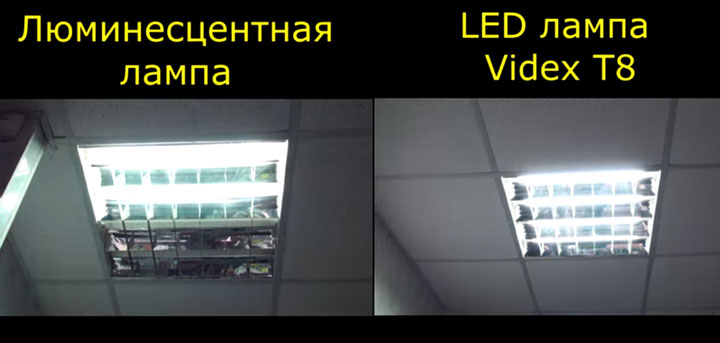
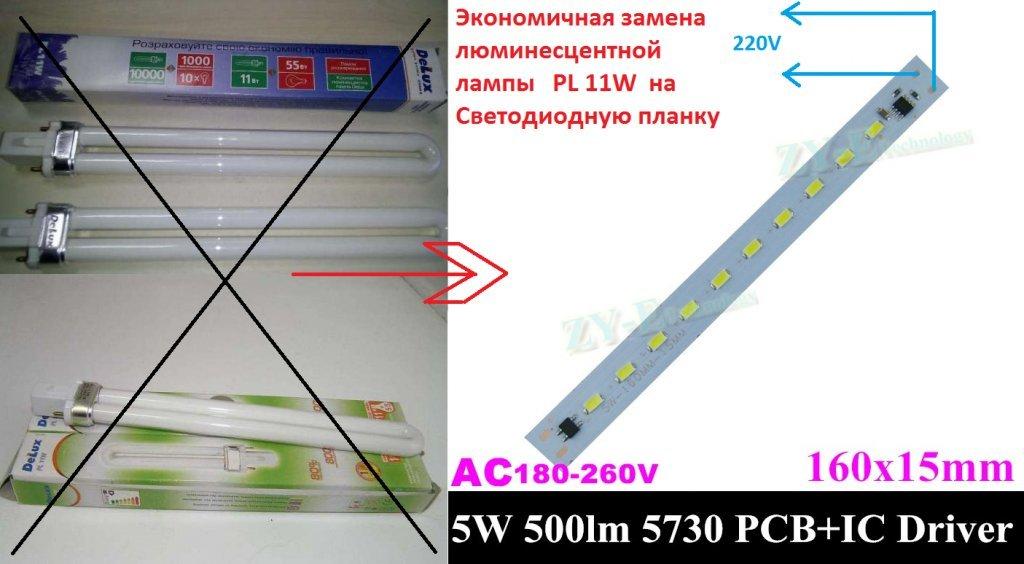
Improving lighting by replacing fluorescent lamps with LEDs saves electricity by two to three times. Absence flickering led lamps, and an almost natural spectrum of the light flux, LED lighting does not tire the eyes.
Replacing fluorescent lamps with LEDs



