
- How to wash and dry microfiber?
- WASH:
- DRYING:
- washing the car
- How to act?
- Microfiber yarn is a phenomenal synthetic!
- What kind of fabric, what is sewn from it?
- How to choose a microfiber floor cloth
- How to wash microfiber in the washing machine correctly
- Types of microfiber cloths or what to wash with
- Where are napkins used?
- Main varieties by material
- Cellulose
- microfiber
- Viscose
- Bamboo
- Care rules
- Types of microfiber cloths
- Myths about using microfiber to clean floors
- Microfiber floor cloth
- microfiber legends
- Myth one
- Second myth
- Features of fabric care
- Types of microfiber cloths or what to wash with
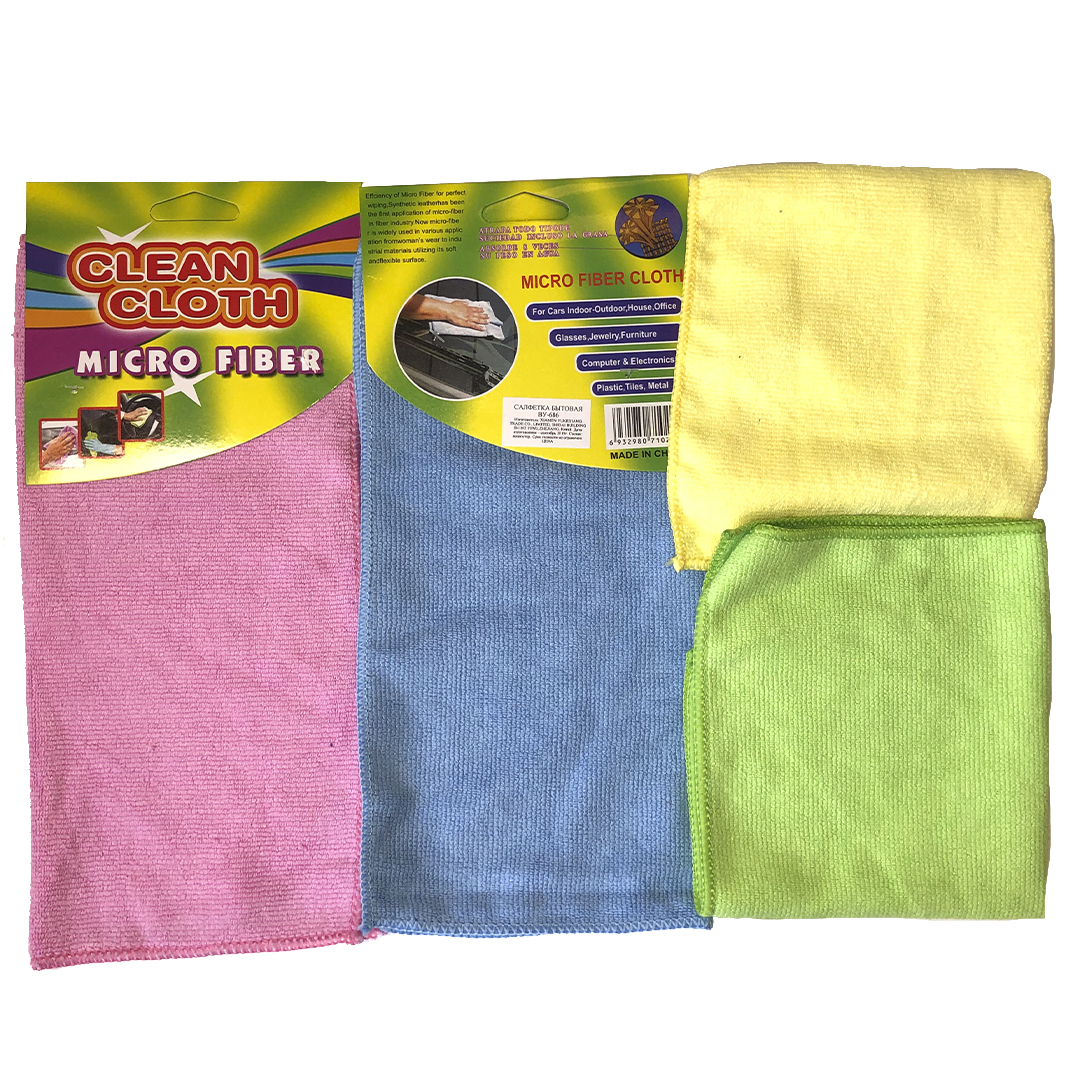
How to wash and dry microfiber?
Always follow the instructions on the packaging. However, often the instructions are either too vague or missing. Here are some tips for proper care:
WASH:
- wash wipes at a temperature of 60 ° C, up to 100 ° C for disinfection; - use an unscented detergent, without chlorine, bleach and softener; - fill the drum of the washing machine with wipes no more than 3/4, do not wash wipes in special laundry bags.
Some manufacturers write that can be used to wash their fabrics bleach.Do not use household bleach, such as (sodium hypochlorite). The destruction of microfiber by chlorine is not noticeable at first glance, but you should be aware that washing with bleach will reduce the life of the wipes. Chlorine in general can damage almost any type of polyester, and it will harm microfiber cloths by making the fibers brittle and causing them to break easily, thereby compromising the integrity and diminishing the usefulness of the cloth. Oxygenated bleaches (sodium percarbonate, peroxyhydrate) do not affect fabric lifespan and can be used.
Fragrances and softeners (rinse aids) in detergents “clog” microscopic fibers. Especially softeners that contain silicone. It coats the microfibers and interferes with their ability to clean. In addition, silicone works as an antistatic agent, reducing the microfiber's ability to attract tiny dust particles.
DRYING:
– microfiber can be dried at an air temperature of 80 ° C, up to 120 ° C. If the wipes are not gently disinfected, they can be washed at 60 ° C and dried at 80 ° C. Such a “soft” mode will help extend the life of microfiber. Those wipes that need to be disinfected can be safely washed at 100°C and dried with hot air at 120°C.
Wash microfiber with antimicrobial fiber or strips glued into the fabric according to the manufacturer's instructions. If there are no such instructions, use the same methods as for regular microfiber.Although antimicrobial fiber or antimicrobial strips kill bacteria, direct contact still requires proper cleaning and disinfection of these wipes. Although microfiber cleaning uses a small amount of water, the water level should be as high as possible when washing. A large number of water is needed to rinse out the dirt from the space between the fibers of each napkin.
During washing, water must pass freely through the microfibers to remove debris: - do not overload the washing machine; - do not pack microfiber cloths in special laundry bags; - do not wash fabrics with microfiber that leave their own fibers, such as cotton.
Also, it is important to dose the detergent correctly. The use of a large amount of washing powder is one of the first places in reducing the life of the fabric
washing the car
The car can also be washed with microfiber cloths, and at the same time, using this example, you can figure out how to use such wipes in general.
So you need:
- 2-4 microfiber cloths;
- a glove of the same material;
- bucket;
- hose.
How to act?
- Put the car in the shade.
- Rinse off dust and dirt - this is best done with a hose, just make sure that the jet is not too strong.
- If you can't use a hose, pour water into a bucket and put on a microfiber glove on your hand.
- Rinse off dirt from the bottom so you don't miss anything.
- Imagine that the car is divided into 4 sections - you can even mentally number them.
- Wash the wheels - this must be done before you begin to tidy up the rest of the parts.
- Wash the first section of the body - the rag should be wetted, wrung out as often as possible.
- Rinse the washed area.
- Wipe it dry with a second microfiber cloth, leaving no drips.
- Wash the remaining areas in the same sequence.
Microfiber yarn is a phenomenal synthetic!
To synthetic yarn, many needlewomen are, to put it mildly, with prejudice. It seems that microfiber should not be popular either, the composition of this yarn is 80% polyester and 20% polyamide, that is, pure synthetics. Nevertheless, microfiber yarn is very popular today, new original works using this ultra-thin yarn are constantly appearing on the Internet.
— said not for the red words. The birthplace of microfiber is Japan, it was there, in the middle of the twentieth century, that they managed to create a fiber ten times thinner than natural silk fiber, thirty times thinner than cotton, forty times thinner than natural wool and one hundred times thinner than human hair, besides, it is also triangular!
Due to its synthetic origin, microfiber is often associated with acrylic, but they are two completely different materials. Therefore, if the package says “microfiber-acrylic yarn”, it means that you have mixed yarn in your hands, with thin microfiber fibers and voluminous ones - acrylic, in a certain percentage. And not “acrylic yarn 100% microfiber”, as some needlewomen write in blogs.
microfiber fine absorbs more than just moisture, but also various fats and oils, and it can absorb an amount of liquid seven times the mass of the product itself. Both fabric and microfiber yarn have these properties. The properties of moisture and fat absorption are actively used by our needlewomen. Among them, various knitted napkins, tablecloths and microfiber towels are now in great fashion.Not standard, fabric, but knitted and decorated with great taste, with logos, exclusive inscriptions and even story drawings. Sometimes such products look like real art panels.
Which, importantly, do not shed, do not fade in the sun and do not "sit down". As for knitted clothes, one essential element is sometimes revealed during its manufacture.
made of microfiber fiber, which can be considered a continuation of its advantages. A product made of microfiber yarn will not hold its shape, smoothly fitting the body. And textured patterns from microfiber yarn are unlikely to work. Its polymer fibers are not flexible, but elastic, so they constantly strive to straighten up.


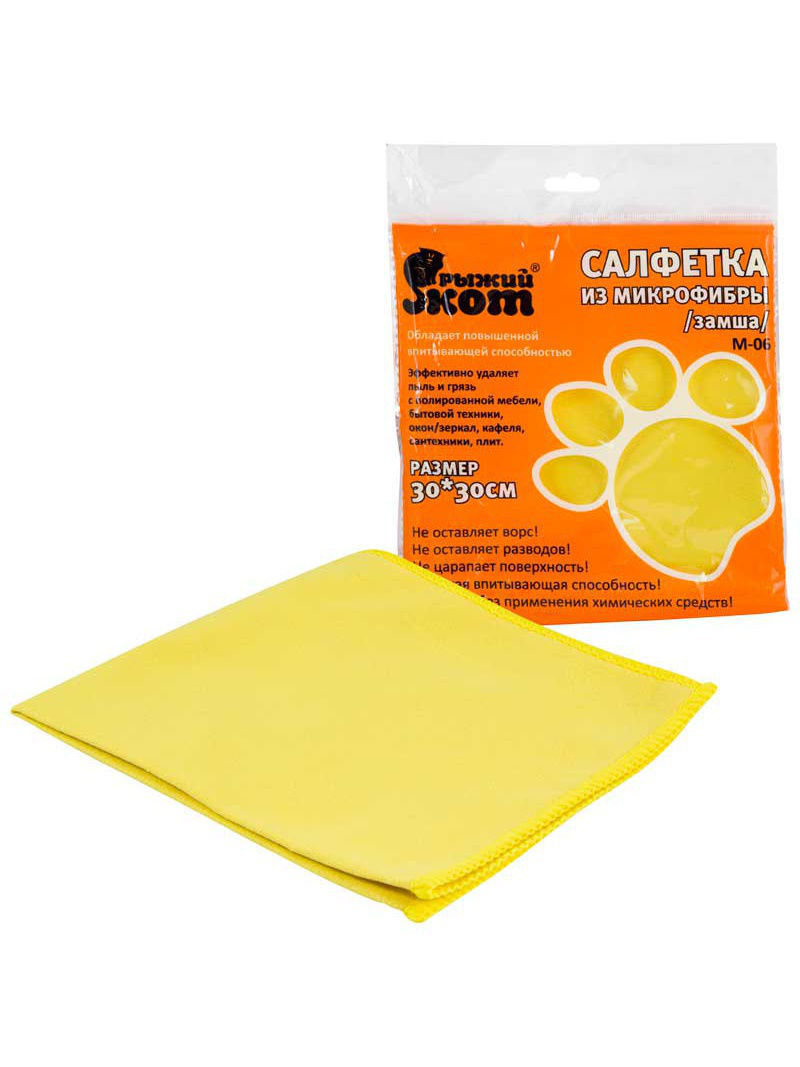
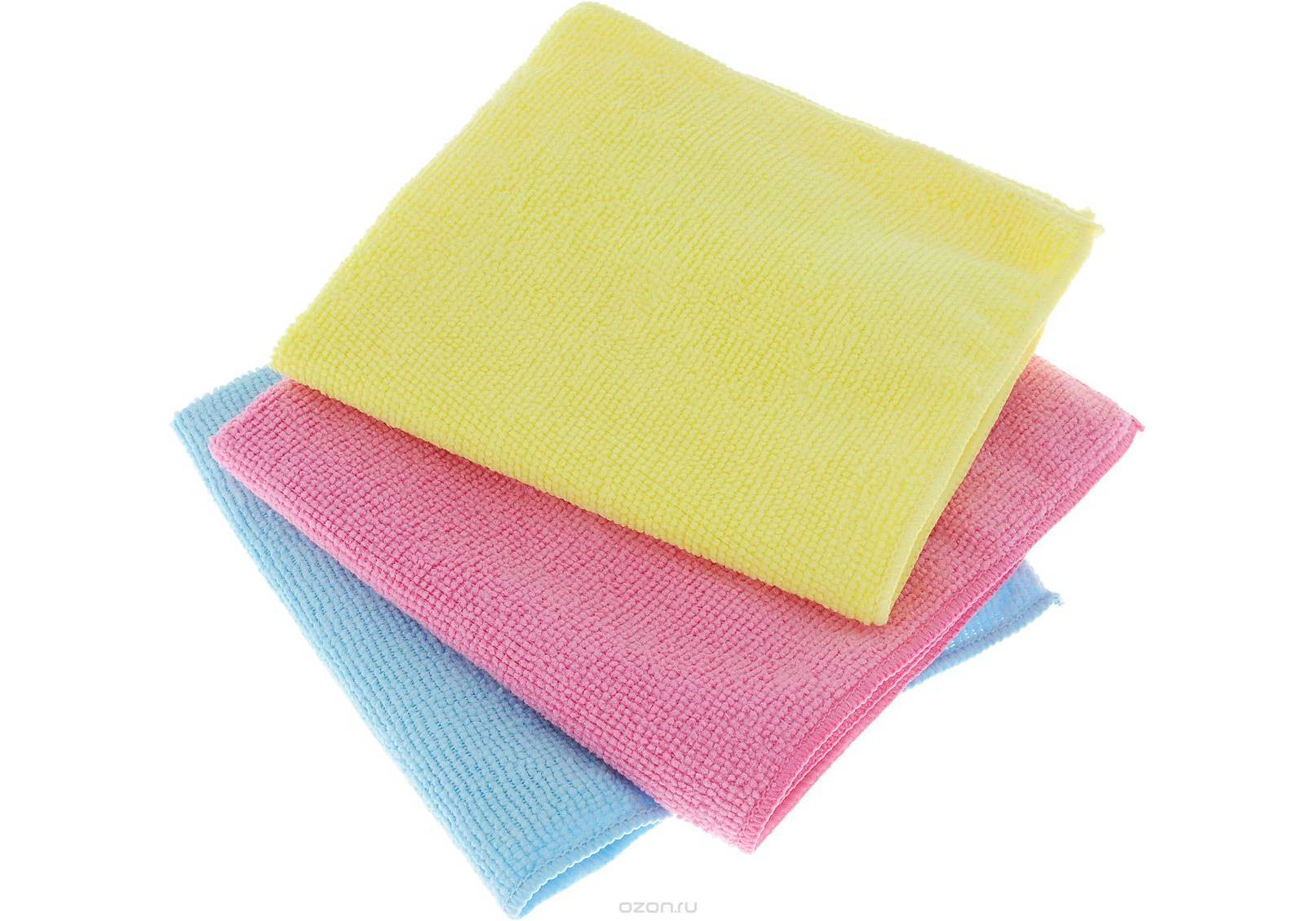


This drawback still does not prevent many needlewomen from using microfiber for knitting clothes, especially summer models, they just approach the choice of the models themselves and styles more carefully. Preference is given to those that consist mainly of linen - tunics, ponchos.
A couple of helpful tips:
• Before starting, it is better to rewind the thread on paper rolls, such as toilet paper cassettes. This can not only prevent unwinding, but also eliminate fragments with defective threads. Where the thread breaks, you should finish winding and move on to the next roll. Thus, in the process of knitting, you will be able to see when the thread ends.
• Microfiber thread tends to delaminate at the ends. Therefore, knots should be made on the edge of the thread, and the exfoliated ends should be cut off.
What kind of fabric, what is sewn from it?
Microfiber is an interweaving of the finest fibers, which are extremely durable.The composition of the fabric contains nylon, polyester, and other synthetic polymers.
The material is durable - even frequent use rarely leads to damage to the fibers. The fabric has enhanced properties to absorb moisture - even a tiny piece is able to absorb liquids almost 10 times its mass.
Various products are sewn from microfiber:
- bed sheets;
- tablecloths;
- cleaning wipes;
- curtains;
- car seats;
- upholstery for furniture;
- underwear items.
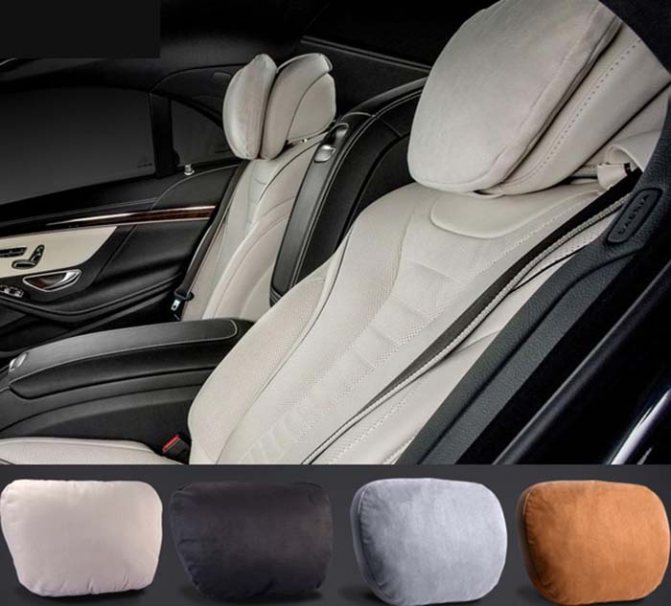
Car seats made of microfiber A special microfiber for glasses is also made from synthetic fabric - the material perfectly polishes the surface, leaving no particles of lint, streaks, or stains. Mop heads are another useful product that uses synthetics.
How to choose a microfiber floor cloth
Depending on the coating material, special fabrics are selected. Parquet, linoleum, laminate or tile require a different approach to cleaning from dirt. Using old towels for modern coatings is impractical. Modern microfiber rags have many advantages over rags:
- Easy to squeeze.
- Absorb dirt without smearing.
- Leave no streaks.
- Removed without re-grinding the surface.
- Do not crumble into threads and villi.
- Durable.
The cleanliness of the floor has an impact on the health of residents.
On a note! When choosing microfiber for the floor, they rely on the following requirements - the ability to quickly absorb moisture and remain soft.
The choice between natural and synthetic materials depends on the preferences and requirements of the hostess.
 Faux suede
Cotton does not crumble and does not stretch after repeated washings, but it is quickly rubbed and leaves stains.The addition of viscose only affects the life of the cloth.
Viscose does not leave fibers on the laminate, perfectly absorbs water, retains its shape and color, lasts a long time, but is unstable to high temperatures. May leave streaks on dark and polished surfaces. Successful combination of viscose and polyester.
Acrylic made from natural gas. Feels like wool. Reacts with acids and alkalis, but has low hygroscopicity and does not suitable for wet cleaning.
On a note! It is used for rubbing parquet or laminate.
Polyamide dries quickly without losing its shape and elasticity. Resistant to the formation of fungi and the process of decay. It has a high price justifying the quality of the material.




 Mop attachment
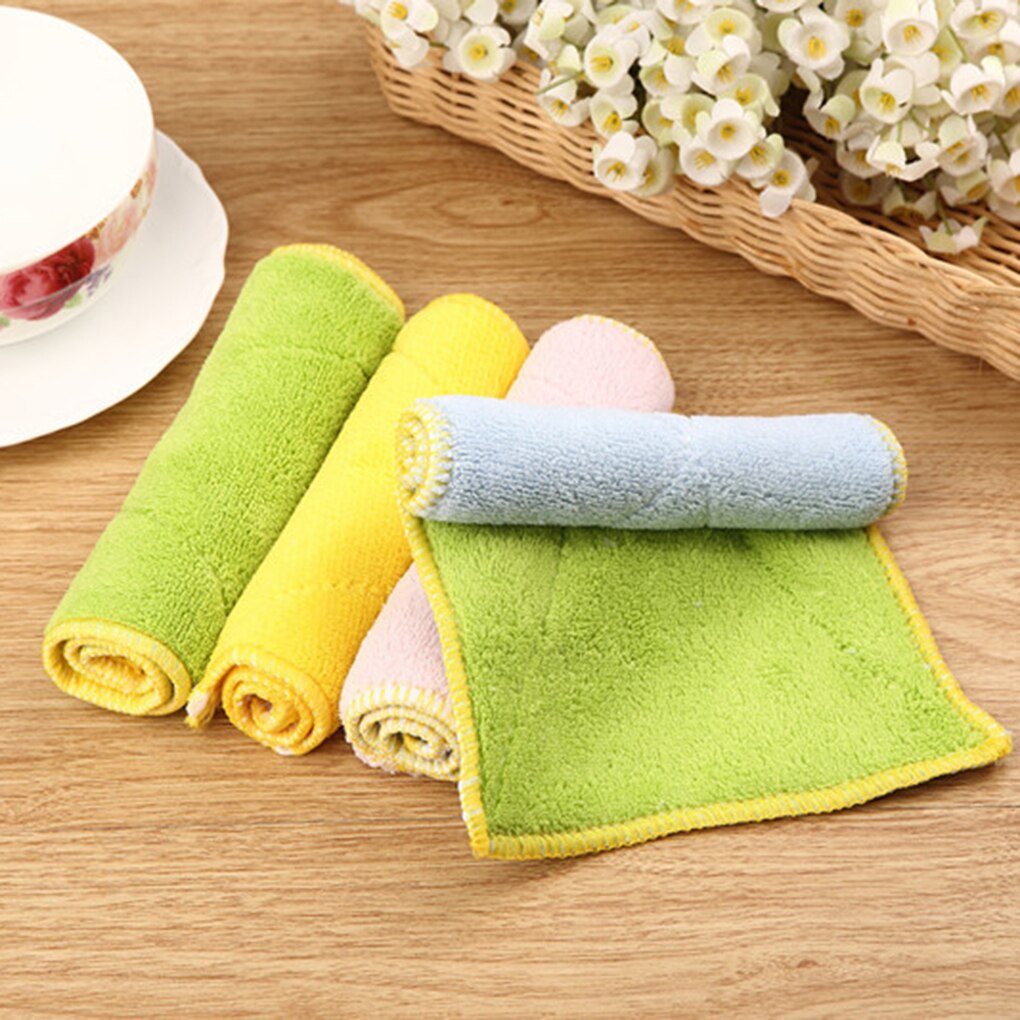
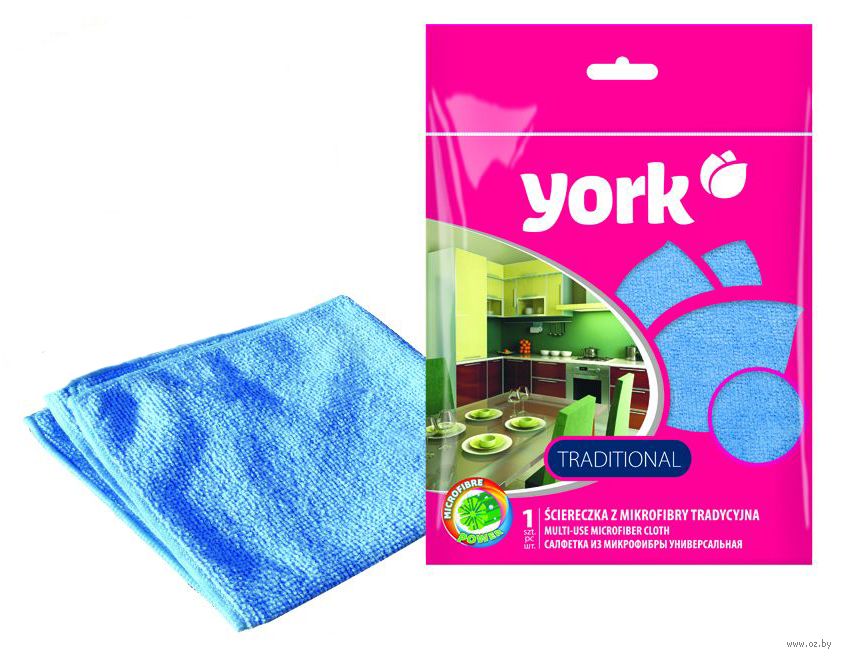
Microfiber remains a favorite among other fabrics for washing floors. Instant absorption of any type of contamination, except for kitchen fat, which reduces the quality of hygroscopicity. Use with detergents with warm water is possible. Afraid of hot processing and washing at high temperatures. Durable.
Important! Any of the selected fabrics should be periodically treated with disinfectants.
How to wash microfiber in the washing machine correctly
Time-bound housewives or those who do not want to wash by hand can use the washing machine. Rules for safe washing microfiber in a typewriter:
- Considering that the fabric is voluminous, it is not recommended to load the drum as much as possible, it is quite enough to fill it by 70-80%.
- You should study the manufacturer's information on the label, which indicates the temperature regime for washing microfiber products. Generally 40 to 60 degrees is recommended.
- Remove items from the drum that can stain fabrics made from ultra-fine fibers. The things themselves with the addition of synthetic threads do not stain other products, but they can easily absorb other shades into the fibers.
- It is necessary to strictly follow the manufacturer's recommended dosage of detergent.
- In case of heavy pollution, it is recommended to use the mode, which will allow you to achieve a good end result.
- Preference is given to a delicate wash cycle.
- It is necessary to refuse conditioners when rinsing.
- Drying products in the machine is not worth it.
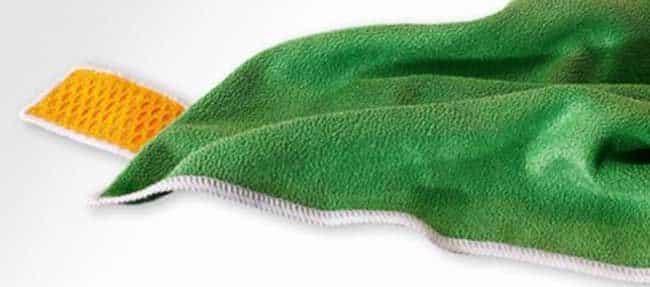
Following the above rules, housewives will extend the life of products made of super-strong fabric, while spending minimal effort.
Types of microfiber cloths or what to wash with
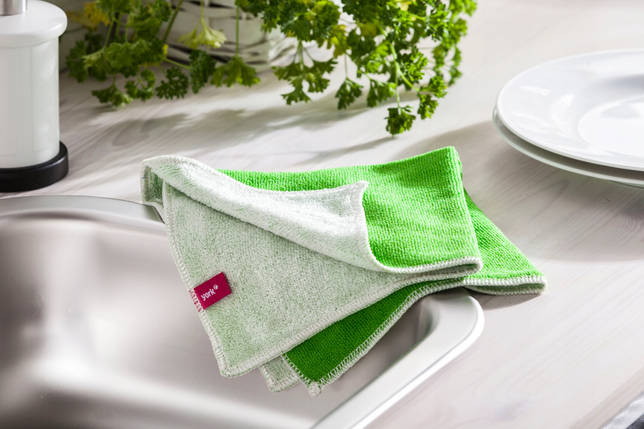
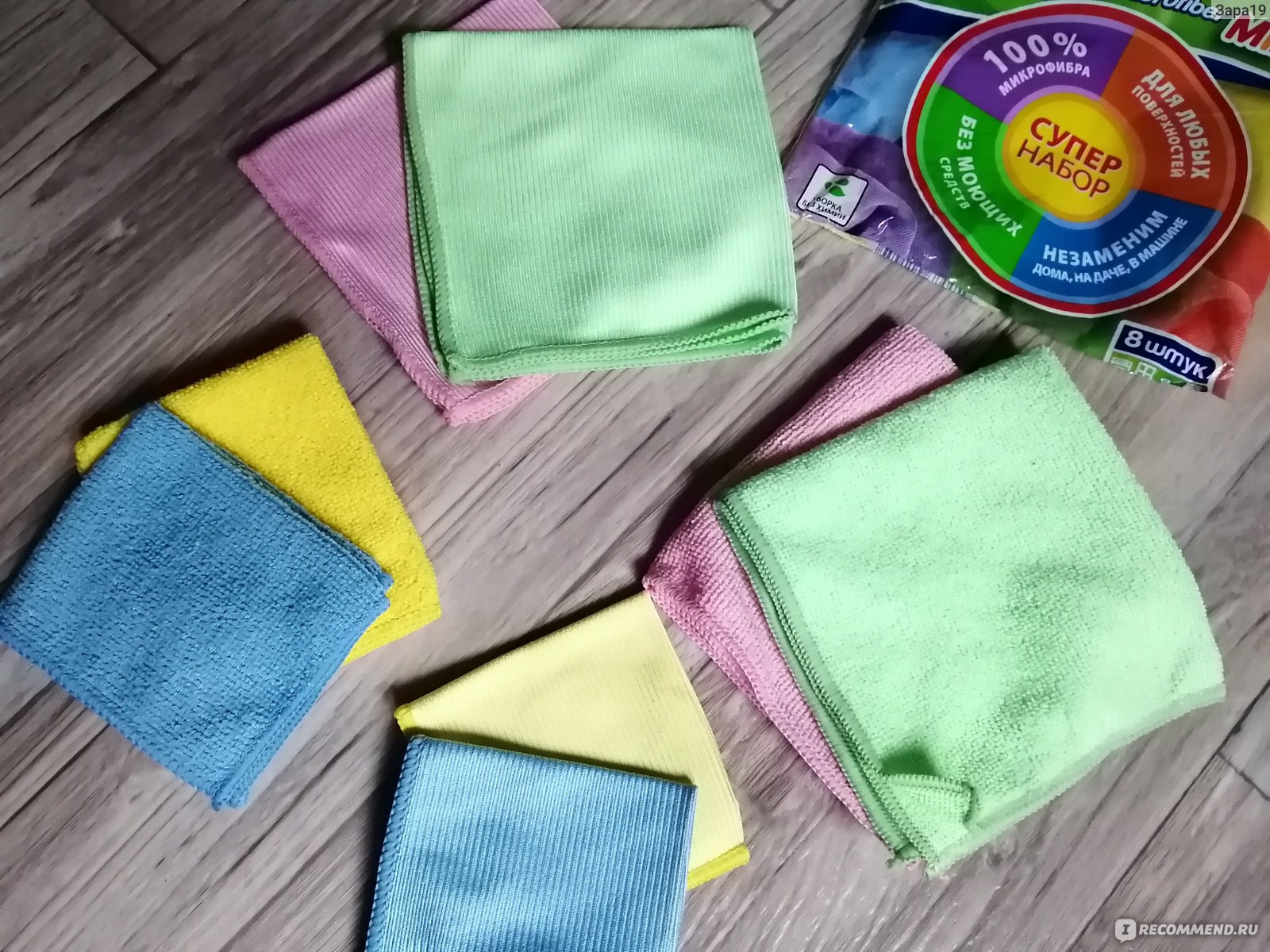
In total, several varieties can be distinguished:
- Universal (loop). Perfectly absorbs moisture. It is designed to moisten the surface to be cleaned well, and then immediately blot it and remove excess water.
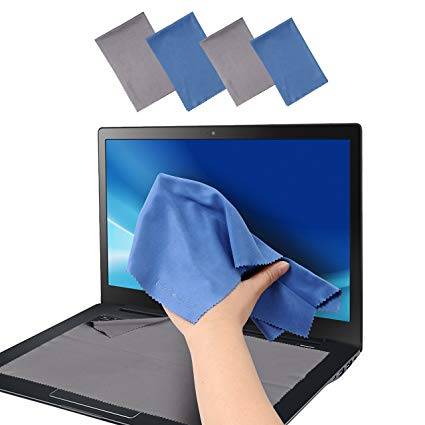
- Smooth, flat weave. Perfectly polishes mirror and glass surfaces, computer screens, gadgets and TVs.
- Made from faux suede. Suitable for polishing very delicate materials: ceramic tiles, chrome products, on which a coarser cloth can leave damage.
- Impregnated with PVA polyurethane. Combined option. It includes the properties of a looped and smooth fabric, which determines its rather big price. But it pays off with higher efficiency - cleaning is much faster and more efficient.
@fastbox.su
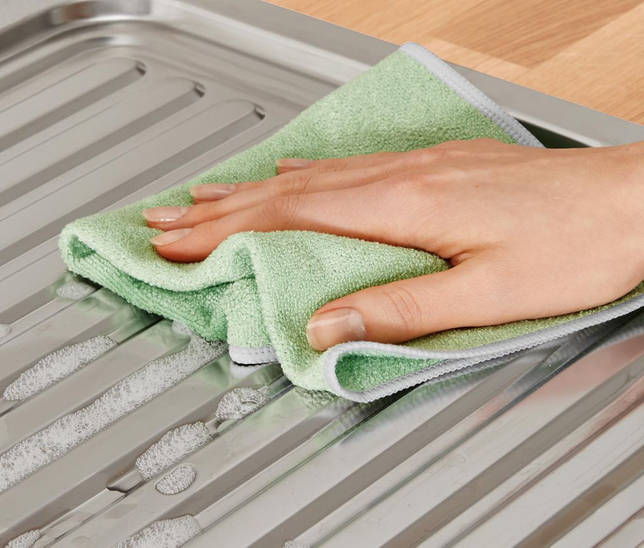
In fact, any of the types is designed for a variety of jobs. So, what can a microfiber cloth do?
- perfectly absorbs moisture, as well as fat and oil;
- does not leave streaks and microvilli;
- holds back dust due to static electricity;
- can be used without any household chemicals;
- during washing, all possible bacteria are removed from the wipes, so any cleaning in the house with their help becomes as hygienic as possible;
- They do an excellent job of cleaning windows.
- can be used to clean the skin of the face;
- dirt retained by microfibers does not spread further on the surface;
- copes with stains on mirrors, gloss and chrome;
- suitable for cleaning the screens of your gadgets.
As you can see, the scope of microfiber cloths is simply amazing. It seems that there is no such surface or object that could not be cleaned with this miracle remedy. This is what makes the product multifunctional and versatile.
Where are napkins used?
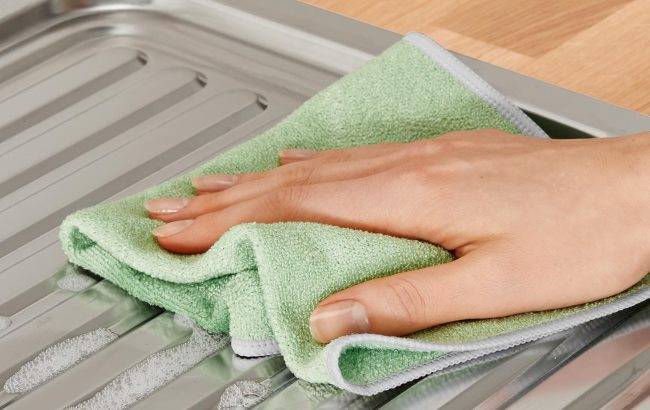
They differ not only in size, but also come in several types:
- Artificial suede is designed for dry cleaning of optics, TV monitors, jewelry, silverware. Wipe the computer keyboard, leather products, foliage of indoor plants with a damp cloth.
- Woven material is used to clean glass or glossy surfaces. They wipe glass and crystal dishes, chrome parts of sanitary faucets, car glass, and polished furniture with a damp cloth.
- With ribbed structure. Used for wet cleaning of the apartment, for all kitchen surfaces and car wash.
- With anti-dust effect - for dry cleaning of unvarnished wood, paintings, icons and antiques.
- With abrasive mesh - to remove stubborn dirt.These are burnt food, old grease stains, traces of insects and poplar buds on the car glass, remnants of building pollution: glue, water emulsion, plaster.
- Super absorbent. Matter quickly absorbs spilled water and other liquid substances, such as antifreeze, engine oil. Suitable for general cleaning of the apartment, car.
- Universal. They are used for cleaning from any contaminants. With their help, remove dust, wash off dirt, polish a glossy surface.
Microfibre cloths have a different purpose
The product is also available as sponges for washing dishes or a scrubber that replaces the metal mesh. Both are excellent at removing food debris.
Main varieties by material
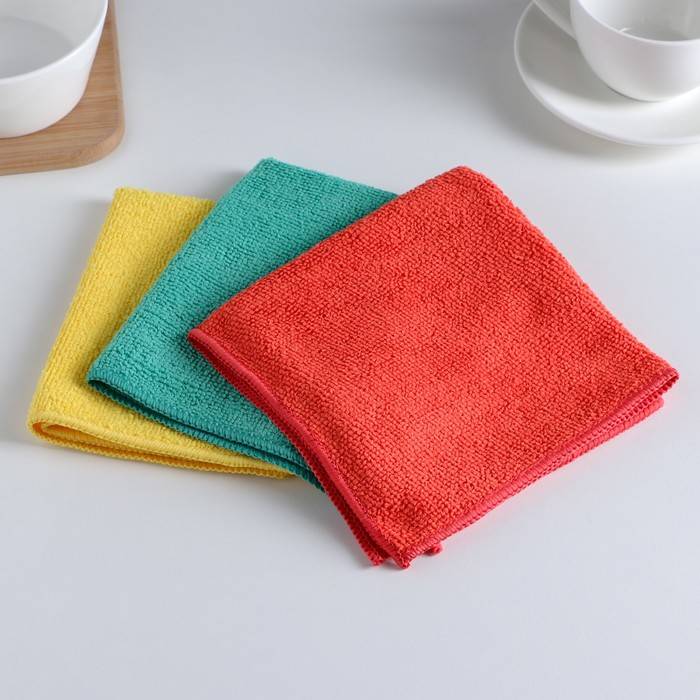
Materials for cleaning wipes differ in the composition of the feedstock. Napkins are made from cellulose, microfiber, viscose, bamboo.


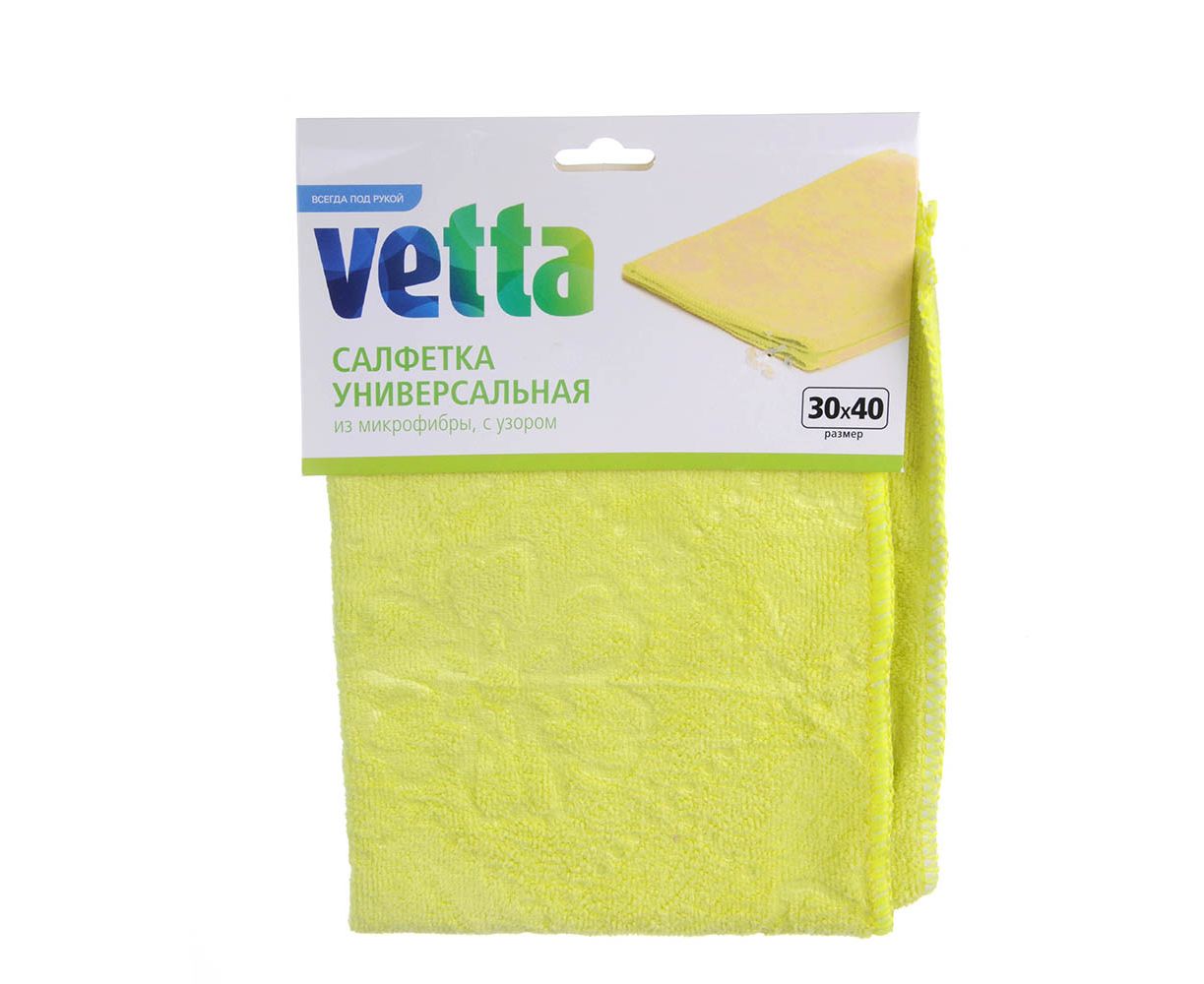


Cellulose
The natural raw materials from which the napkins are made meet the quality and environmental safety requirements. The hygroscopic material consists of 70% cellulose and 30% cotton. Cellulose fibers have the ability to swell when exposed to water. Cotton threads give the napkin elasticity.
A feature of the use of the material is that pre-moistening is required. A lightly dampened product easily absorbs and retains a large amount of moisture. Used to remove dust and dirt. At the end of cleaning, it is enough to rinse the napkin in soapy water. Drying, the material hardens, which prevents the growth of fungi and bacteria. When dry, it should not be deformed.
microfiber
The composition of the material includes polyester and polyamide.
Microfiber cloths are available in 2 versions:
- Woven. Synthetic threads have the same weave as cotton canvas. Napkins are similar to pieces of matter, they absorb water well, leaving no traces after drying. Recommended for wiping matte surfaces.
- Non-woven. Synthetic material obtained by processing fibers under pressure. Well absorbs moisture, has polishing properties. Allows you to remove grease marks without the use of cleaning products.
Non-woven material has a denser structure, hairiness is completely absent. Microfiber is used for dry cleaning and wet. Cloth products are effective at removing dust without wetting. Non-woven microfiber is more suitable for wet cleaning.
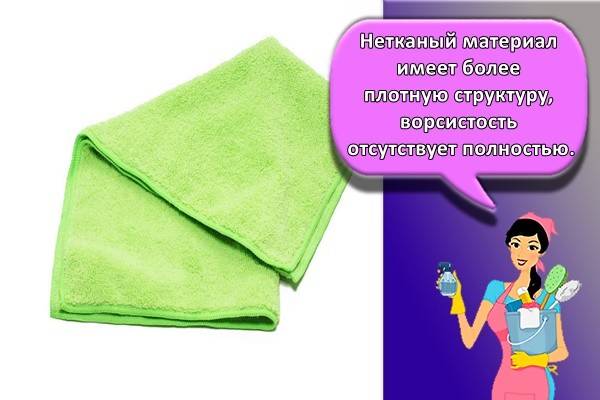
Universal wipes can be washed at 60-95 degrees in a washing machine or by hand with powder. Do not dry on the battery and iron.
Viscose
A viscose cloth is a modified version of a cellulose cleaning agent. Artificial fibers are obtained from natural raw materials (cellulose) as a result of chemical processing. The material can be used for dry and wet cleaning. A dry cloth in contact with plastic does not electrify the surface.
When wet cleaning, the napkin must be rinsed in water without detergents. Drying - with natural circulation air. The service life is limited compared to other types of materials. The advantage is low cost.
Viscose fabric is used in latex wipes. The cleaning agent resembles a three-layer sandwich: latex-viscose-latex. This fabric is more durable than pure viscose. Use wipes only for wet cleaning.Advantage - high-quality cleaning of any surfaces without streaks. Does not remove fingerprints on glass.
Bamboo
Bamboo canvas is a natural material without chemical impurities and additives, having a porous-tubular structure.
The advantages of bamboo products are explained by the structural features of the fiber:
- They remove fat deposits well and are easily degreased with hot water when washing. Products can be used for washing dishes without detergents.
- Hygroscopic.
- Leave no streaks.
- Not susceptible to microbial contamination.
- Service life is unlimited.
- Number of washing cycles - 500 times (machine wash - no conditioner; do not dry on a battery, do not iron).
- Environmentally friendly, do not cause allergies.
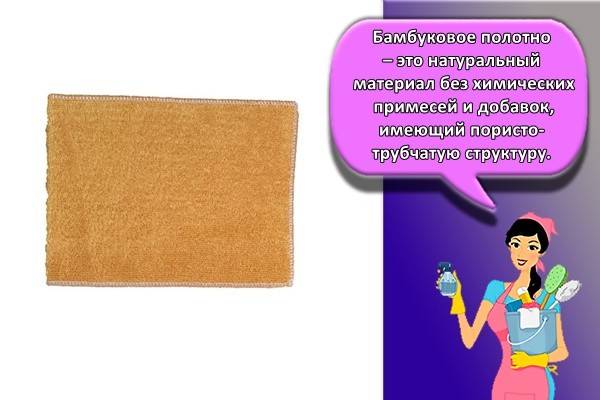
Bamboo napkins suitable for dry and a wet method of cleanliness in an apartment / house.
Care rules
Provide long service life microfiber is possible only if the instructions are followed during operation. After cleaning, particles of dust and dirt get stuck between the fibers of the fabric, the canvas loses its water-absorbing properties. Therefore, the product needs to be washed. The service life of the inventory is measured in the number of washes, which the manufacturer indicates on the packaging. On average, the declared period is 400 washes.
Wash the microfiber cloth in two steps. First, the product is washed in warm water at a temperature of 40-60 degrees without the use of detergents. After, for disinfection, washing is repeated at 60-100 degrees using a washing powder with low alkalinity. During the procedure, the use of laundry bags is not required.
Fragrances and rinses contain silicone and other substances that get stuck in fabric fibers.They reduce the static microfiber, so such products are not added during the washing of the product.

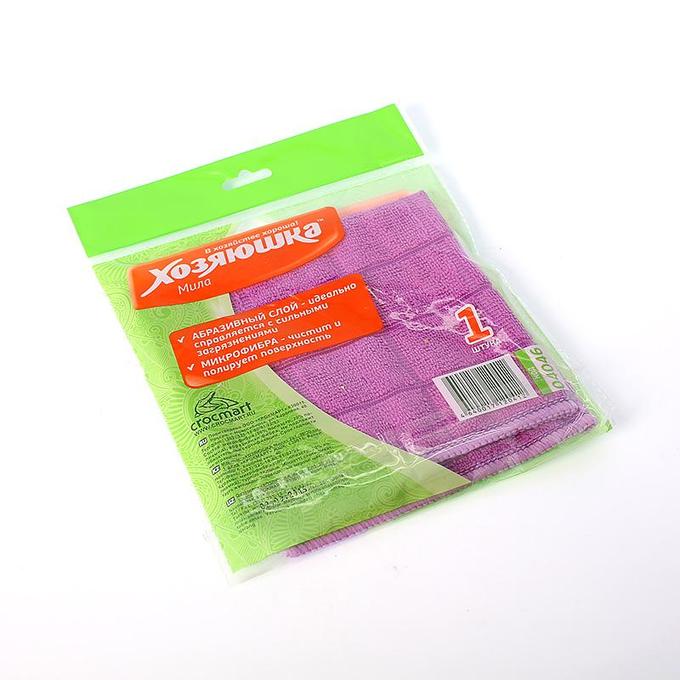

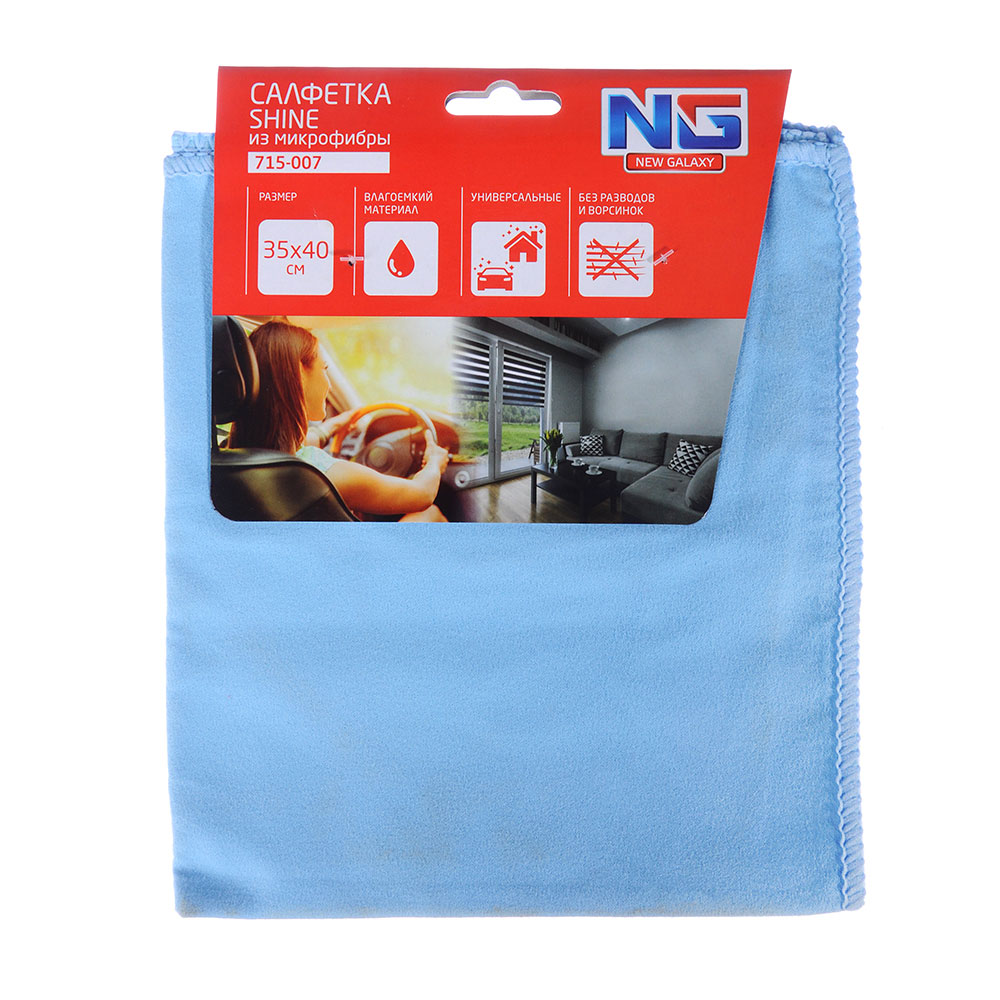
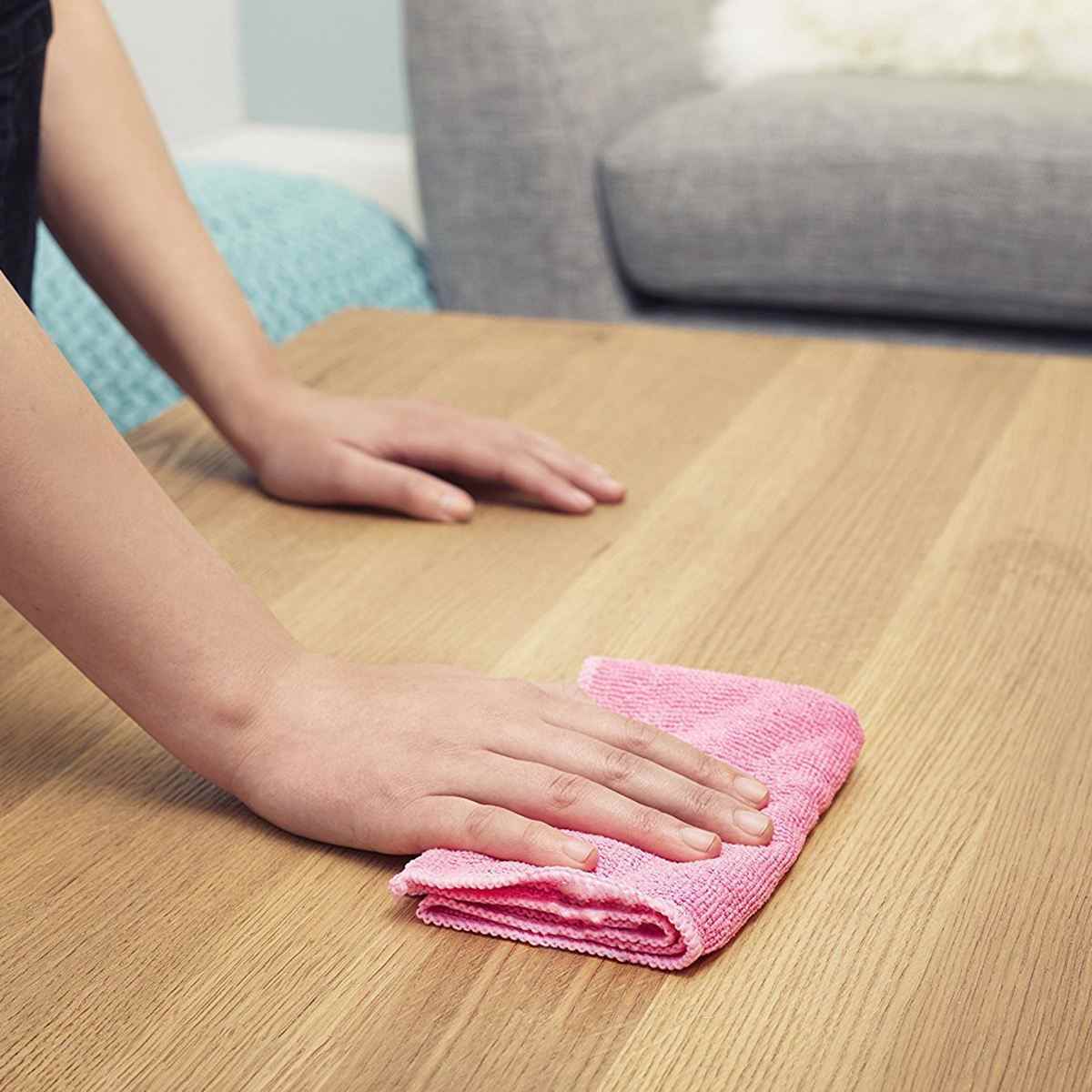

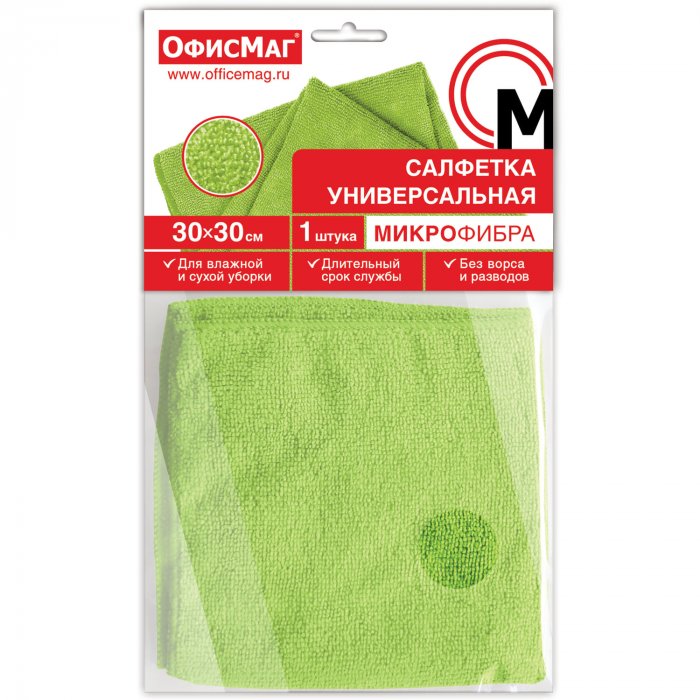

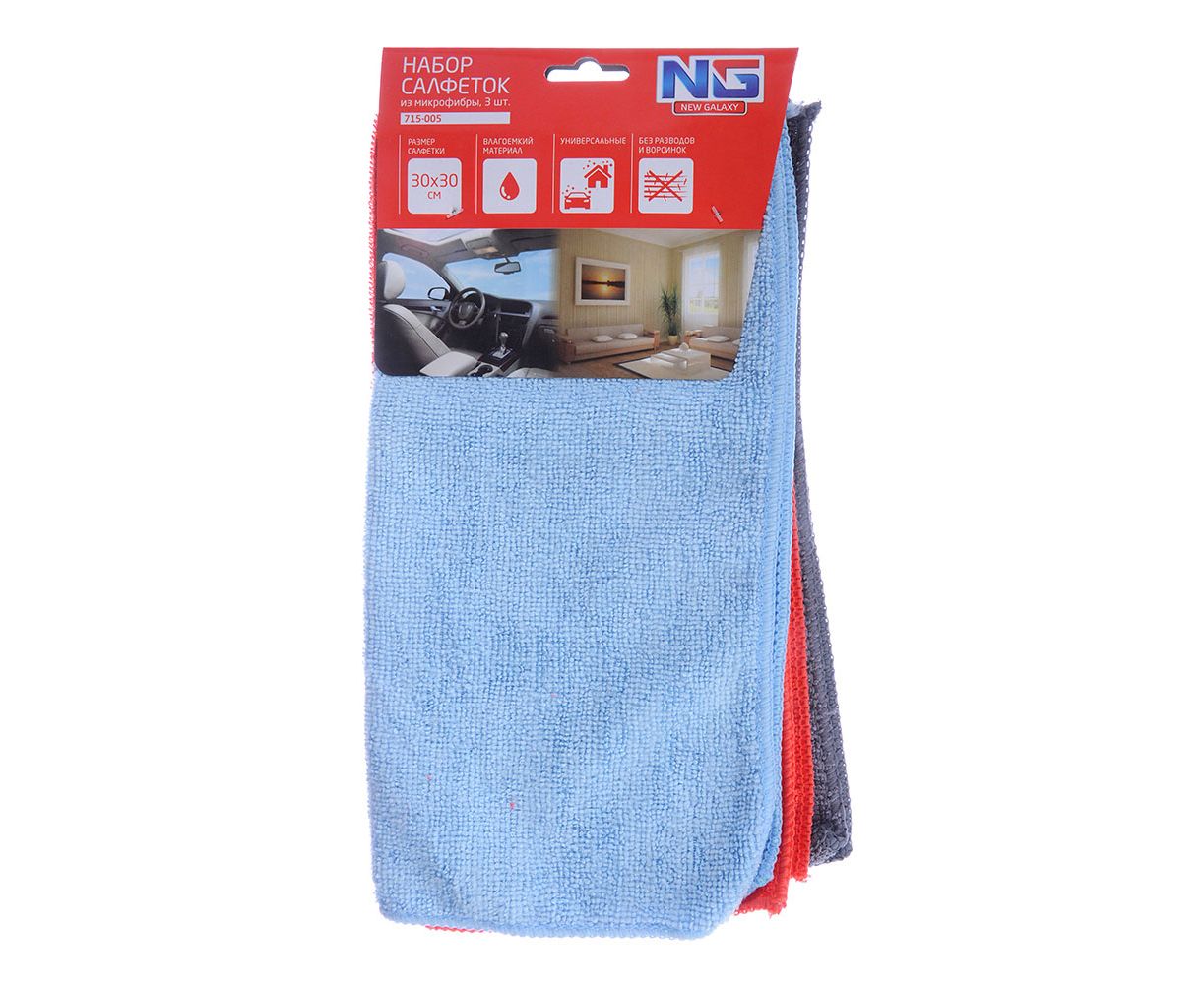
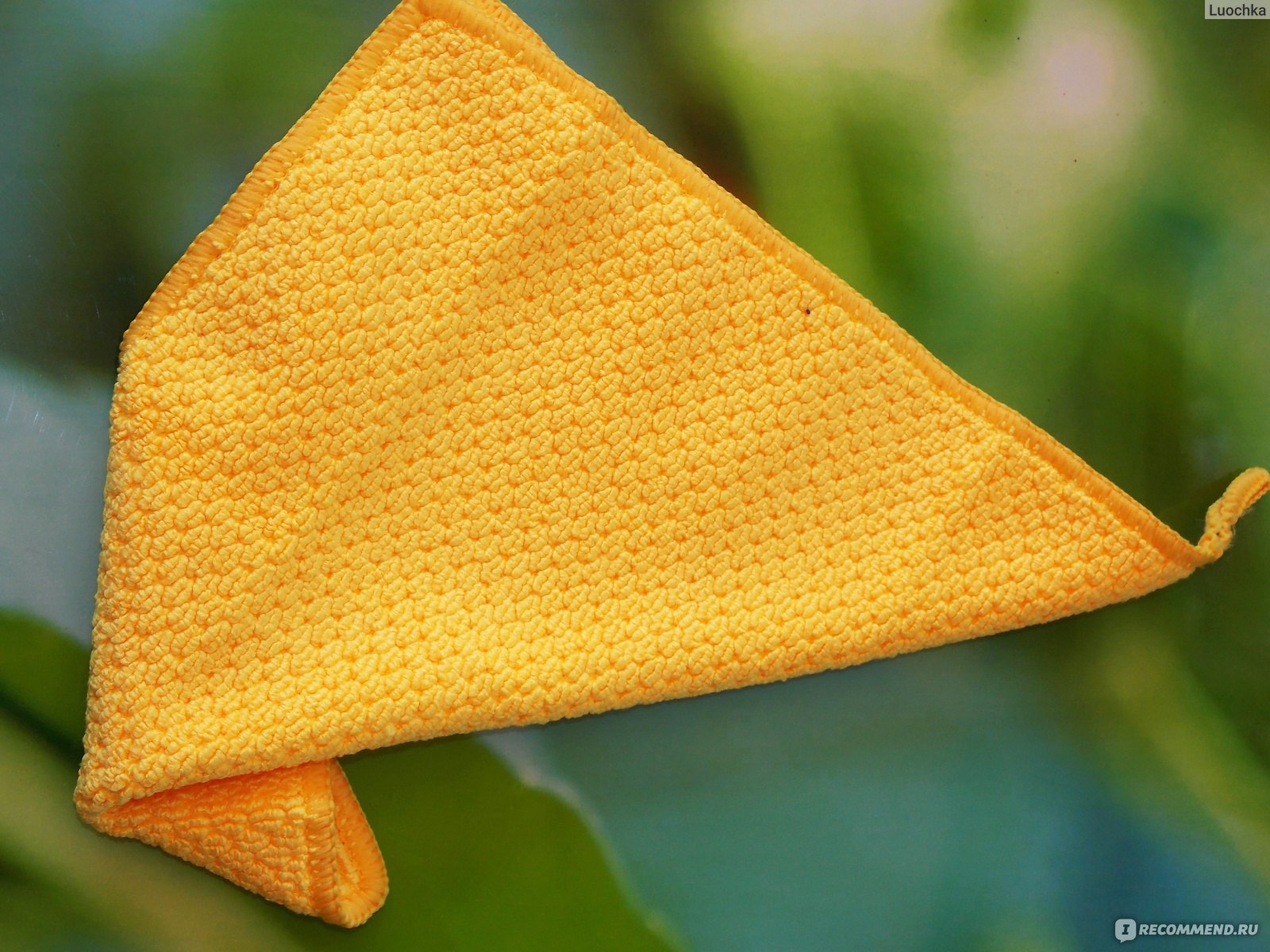
After washing, the microfiber is dried with hot air at a temperature of 80-120 degrees. It is desirable during operation to avoid rough surfaces, objects with burrs that can damage the fibers of the fabric.
A microfiber cloth is a universal assistant in the household, everyday life, the automotive sector, and industry. The innovative material has no full-fledged analogue, it has become a truly revolutionary product due to the extraordinary properties of the canvas.
Types of microfiber cloths
There are two types of microfiber: woven fabric and non-woven. For the production of cleaning wipes, non-woven fabrics are used, which are distinguished by the fact that they do not have a weave of threads and consist of fibers.
Types of wipes for cleaning
Note! Manufacturers offer a whole range of cleaning products from innovative materials, including household rags and napkins. to care for appliances, cars, polishing optics and other ultra-sensitive surfaces.
Based on the foregoing, not all laundry wipes have identical characteristics. They come in different densities, textures and sizes. In accordance with them, the scope of their application is determined:
- Rag for the floor. This type of wipes is characterized by hairiness, suitable for both wet and dry cleaning, as it catches dust, hair and wool well, which is especially important for pet owners. Leaves no streaks. When using detergents, it allows you to save on household chemicals.Reviews of such wipes are extremely positive, because after using ordinary cotton floor cloths, which wear out very quickly, microfiber becomes a great find for housewives and not only.
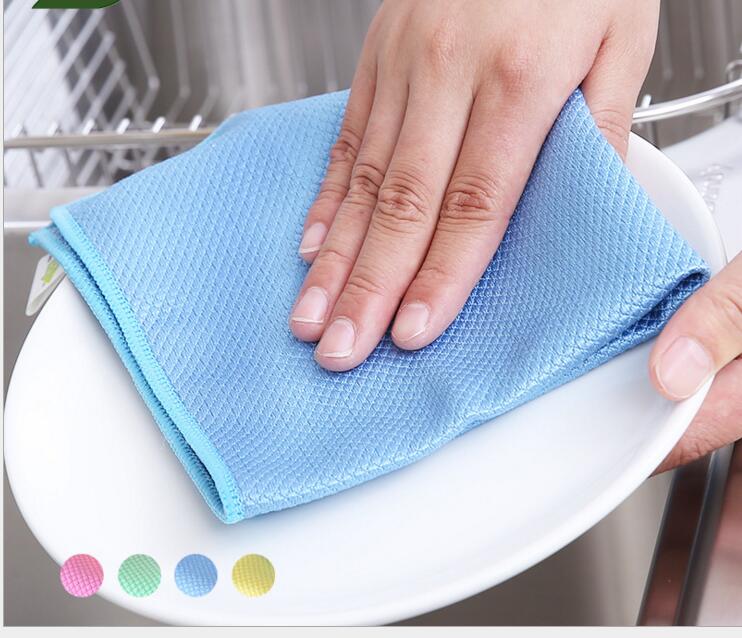
- Napkin for glass. This type of glass cleaning cloth is smooth and suitable for polishing glossy surfaces. It has a flat weave, due to which cleaning becomes many times faster and easier.
- Universal napkin, it is also a "loop" rag. It has a fleecy and smooth sides, which makes it possible to carry out cleaning on any kind of surface. In addition, thanks to the protruding villi, the fabric penetrates into all microcracks and scratches that exist on any plane, and cleans out all the dirt.
- Napkins for optics. This refers to those that have a very delicate structure that does not scratch the surface of the glass. The reviews note that it does an excellent job with traces of drops, dust and fingerprints on the lenses of cameras, screens, monitors and even laser discs (and they seem to be scratched by everything). A cloth will also be an excellent assistant to keep the phone screen clean, even when dry cleaning.
Myths about using microfiber to clean floors
The use of detergents will damage the microfiber. Only the content of chlorine and other aggressive components, which are supposed to be used in protective products for hands, can damage the structure of the fabric.
Microfiber scratches delicate lenses, mirrors and laboratory instruments. Specially designed for cleaning such surfaces, artificial suede copes with its tasks.Exemption from trapped solid particles of dirt is done by shaking.
 Slippers
The composition of microfiber does not include special additives to combat bacteria. Capillary effect properties allow harmful microorganisms to be removed along with absorbed moisture and dust.
On a note! Friction of twisted fibers in the material creates static electricity that holds dust until washed
Universal qualities are used for polishing furniture, window glass, mirrors, dishes, plumbing and tiles, car surfaces. Microfiber cloth is popular due to its antibacterial properties, which are provided by the high hygroscopicity of the fabric. A simple and durable household item is used in cosmetology, medicine, food and chemical industries.
Microfiber floor cloth
The freshness of the air and the state of health directly depends on the quality of floor cleaning. Modern tools exclude the use of old rags in the form of torn T-shirts or old towels. Increased hygiene requirements are associated with increased allergic diseases. High-quality general cleaning is provided by modern microfiber floor cloths. The presence of two or more types of funds is due to different floor coverings.
On a note! A microfiber cloth is a universal way to clean the surface of plastic, stainless steel, glass, and is distinguished by its affordable cost and long service life.
Microfiber is many times more effective than traditional cloths. Revolutionary microfiber is actively used in light industry, giving comfort and coziness.
Microfiber cloth is already used in everyday life and production, and demand generates an increase in production and improvement of products using new fabrics. Increasingly, purchases are made in bulk. Therefore, rolled fabric is sold per meter. The cost of one meter ranges from 600 to 3000 rub. depending on composition.
Finished raw materials and products meet all the requirements of world standards. The use of microfiber in many areas highlights its versatility.
microfiber legends
Not all people immediately perceive the new. Some people tend to doubt and believe in fairy tales. There are myths about microfiber.



Myth one
When cleaning with a microfiber cloth, do not use detergents. This is far from true. You can use it, but usually it is not necessary.
Second myth
It's about price. Some believe that microfiber is an expensive pleasure, available only to rich people. In fact, this has not been the case for a long time. Now many companies are engaged in the production of cleaning products from this material, which strive to make napkins, gloves and everything else accessible to everyone. And it succeeds.
Features of fabric care
Microfiber can serve for several years and practically not lose its visual appeal. For this statement to really work, experts advise:
- Do not dry nearby microfibres and other colored items. This material does not shed, but readily absorbs paint from neighboring poorly dyed wet things.
- An ideal place for drying is a balcony on the sunny side in warm weather. Microfiber does not burn out, does not deform under such extreme conditions. On the contrary, it dries quickly and becomes even softer.
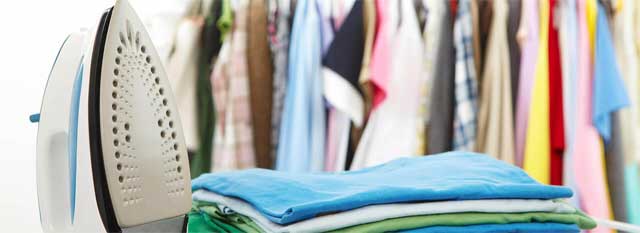
- Ironing is not prohibited.She is unwanted. Before going over the entire product with a hot iron, it is recommended to iron the inconspicuous edge. If it is deformed, then the procedure should be abandoned. Luckily, microfiber doesn't wrinkle, so there shouldn't be any problems.
- If you want to iron microfiber bed linen, it is recommended to do this through a dry cotton napkin. It is better to choose the delicate mode.
- All microfiber kitchen cloths and towels will last a long time if they are not washed as they get dirty, but daily during the period of use. It does not take a lot of time. It is enough to rub the product with soap and rinse under running water.
- If the stain appears on the furniture upholstery, it is also recommended to use a soapy solution. It is applied in a circular motion, waiting to dry, and then rubbed (but not too hard) with a soft brush.
Microfiber is an indispensable material these days. It is so convenient in everyday life that it is incredibly difficult to imagine life without it. Washing microfiber will not be an unpleasant procedure if carried out on time and taking into account the recommendations given in the article.
Types of microfiber cloths or what to wash with
In total, several varieties can be distinguished:
- Universal (loop). Perfectly absorbs moisture. It is designed to moisten the surface to be cleaned well, and then immediately blot it and remove excess water.
- Smooth, flat weave. Perfectly polishes mirror and glass surfaces, computer screens, gadgets and TVs.
- Made from faux suede. Suitable for polishing very delicate materials: ceramic tiles, chrome products, on which a coarser cloth can leave damage.
- Impregnated with PVA polyurethane. Combined option.It includes the properties of a looped and smooth fabric, which determines its rather big price. But it pays off with higher efficiency - cleaning is much faster and more efficient.
@fastbox.su
In fact, any of the types is designed for a variety of jobs. So, what can a microfiber cloth do?
- perfectly absorbs moisture, as well as fat and oil;
- does not leave streaks and microvilli;
- holds back dust due to static electricity;
- can be used without any household chemicals;
- during washing, all possible bacteria are removed from the wipes, so any cleaning in the house with their help becomes as hygienic as possible;
- They do an excellent job of cleaning windows.
- can be used to clean the skin of the face;
- dirt retained by microfibers does not spread further on the surface;
- copes with stains on mirrors, gloss and chrome;
- suitable for cleaning the screens of your gadgets.
As you can see, the scope of microfiber cloths is simply amazing. It seems that there is no such surface or object that could not be cleaned with this miracle remedy. This is what makes the product multifunctional and versatile.

@skylots.org



