- How to choose?
- We make ordinary batteries designer
- Originality of solutions
- Materials for decorative batteries
- Cast iron
- Bimetallic
- Steel
- glass
- Stone
- A bit of history
- Italian Design Radiators Global
- Handsome and economical. Italian Design Radiator Global Ekos & Ekos Plus
- Choice of stylish heaters
- Varieties of decorative radiators and applications
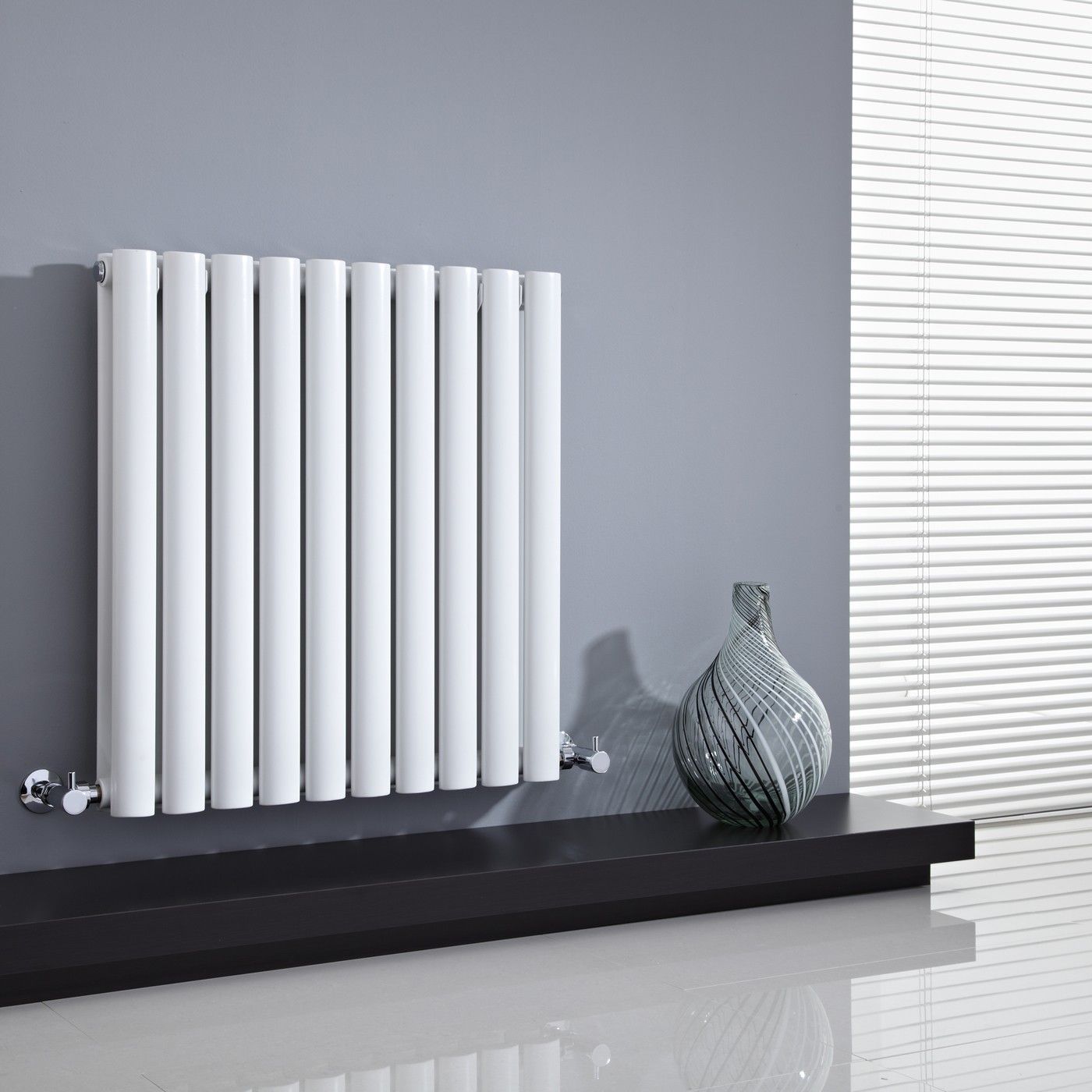
- vertical
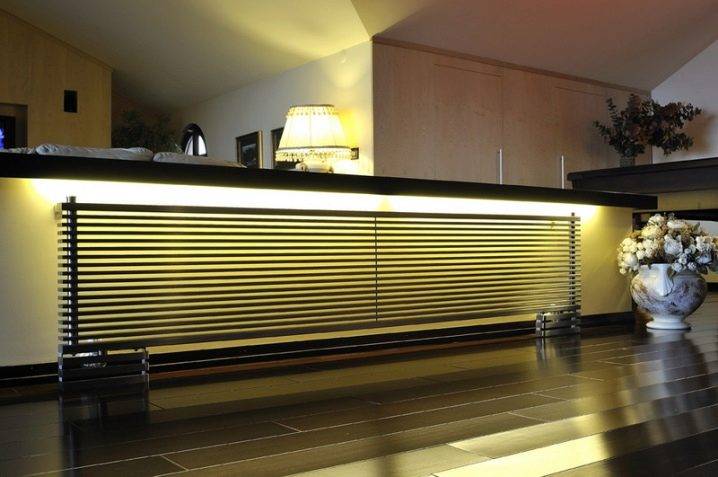
- Horizontal
- What radiator can we call designer?
- wooden radiators
- Decorative heating radiators: original design
- materials
- We make designer batteries ourselves!
- What are there?
How to choose?
You can choose and buy design radiators in a hardware store or specialized branded boutiques of heating appliances. Everyone chooses a product for the general style of the room.
However, radiators, in addition to design, differ in the following parameters:
- operating pressure and power, on which the possibility of using the battery in your heating system will depend;
- design and dimensions;
- manufacturing material.
The heat transfer efficiency of the radiator is its power.
This indicator is influenced by several factors:
- type of building (panel, brick or wooden);
- number of windows;
- window heat transfer;
- number of walls and doors.
Also, some additional conditions may affect the power:
- Rooms with not one, but two windows need extra power up to 20%.
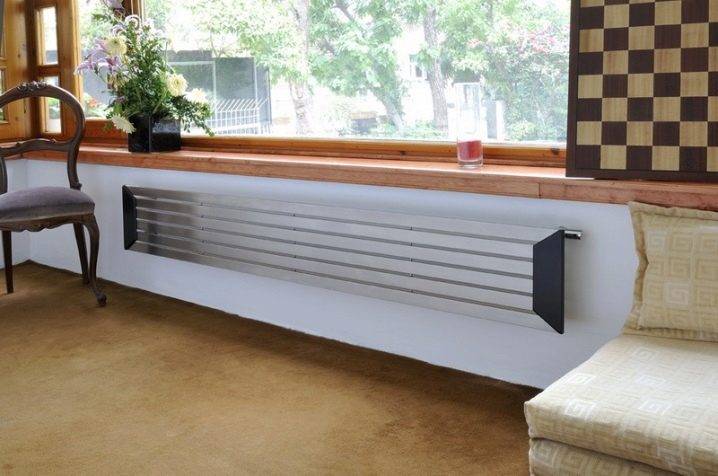
- If the designer radiator has a closed front panel with horizontal convection openings, then the power should be increased by 15%.
- In the presence of heavy multilayer curtains, the same 15% is required.
- A square room heats up faster than an elongated one, so an additional 10% of the power is needed in the latter.
When buying a designer battery, check the presence of instructions indicating all the technical characteristics, as well as the absence of defects
Pay attention to the thread at the junction with the pipe, it must not be broken
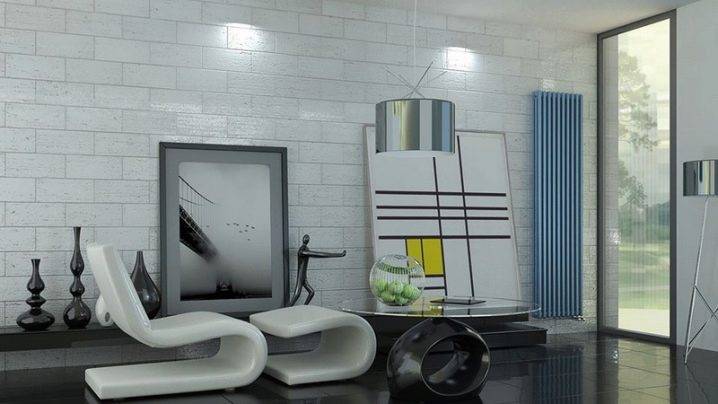
We make ordinary batteries designer
Cast iron designer heating radiators are pleasing to the eye and give people warmth. But you have to pay for their beautiful finish, and some models are quite expensive. What to do if you want to get beautiful and inexpensive heating batteries? In this case, you need to make designer batteries with your own hands. For this, the most common paint is used, and the transformation process comes down to three steps:

To restore radiators, first clean it from the old coating and rust, and only then apply the selected paint.
- We clean the radiators with sandpaper;
- We apply the chosen paint;
- We are waiting for complete drying.
The painting procedure is best done with the heating turned off so that the paint dries naturally.
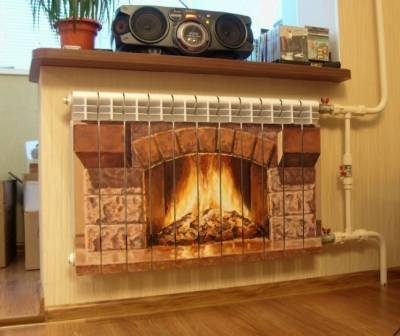
Even from the most ordinary heating devices you can make a work of art.
The appearance of many other radiators, for example, steel or aluminum, changes in a similar way.But we must remember that under the influence of heat, some types of dyes change their color. Therefore, it is necessary to use only the most resistant types of paints. By the way, using paints of different colors, you can draw any drawings or patterns on the batteries - to facilitate the process, preliminary contours are created with a pencil.
A good effect is the creation of a pattern using gilding - in this way you can create an interesting pattern that attracts the eye.
Originality of solutions
Today it is safe to say that the industry of heating appliances is one of the most developed. And here each manufacturer meets fierce competition. Among the manufacturers you can also meet those who specialize in the intake of such devices as non-standard heating radiators. The products of such manufacturers are usually identified with artistic and scientific experiments. Each model of radiators from such companies is a work of art that each consumer chooses for himself based on taste preferences.


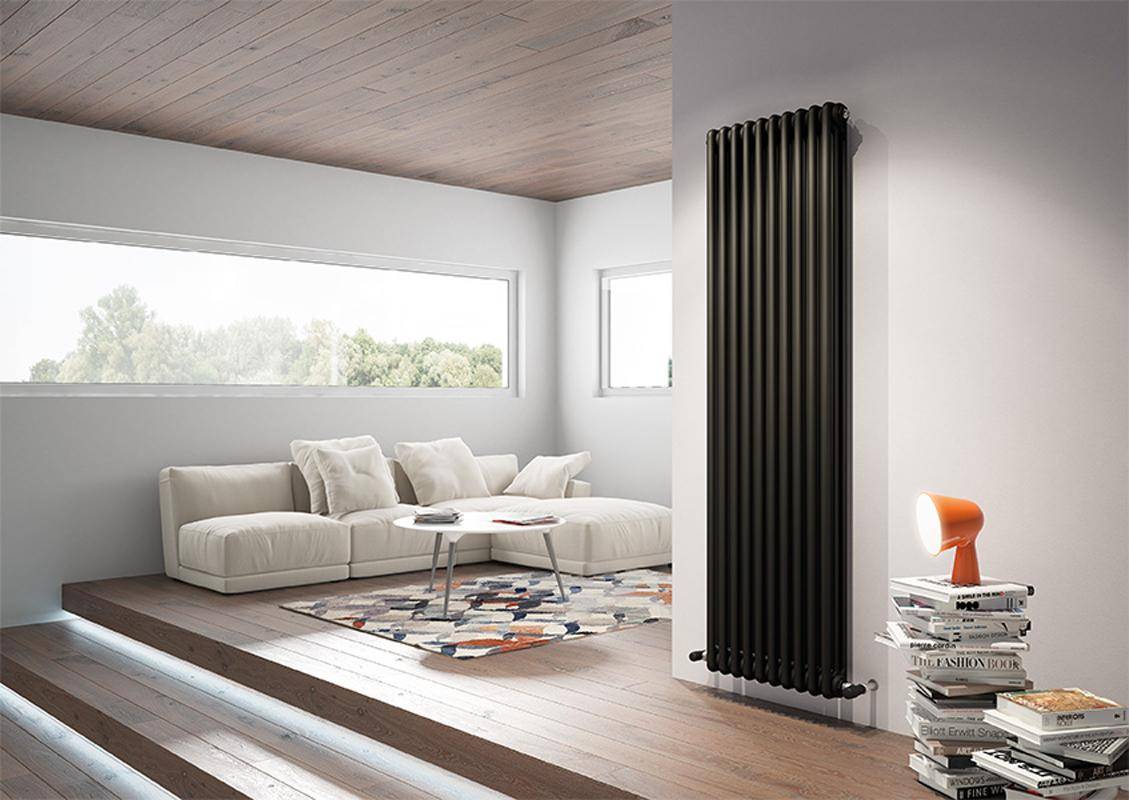


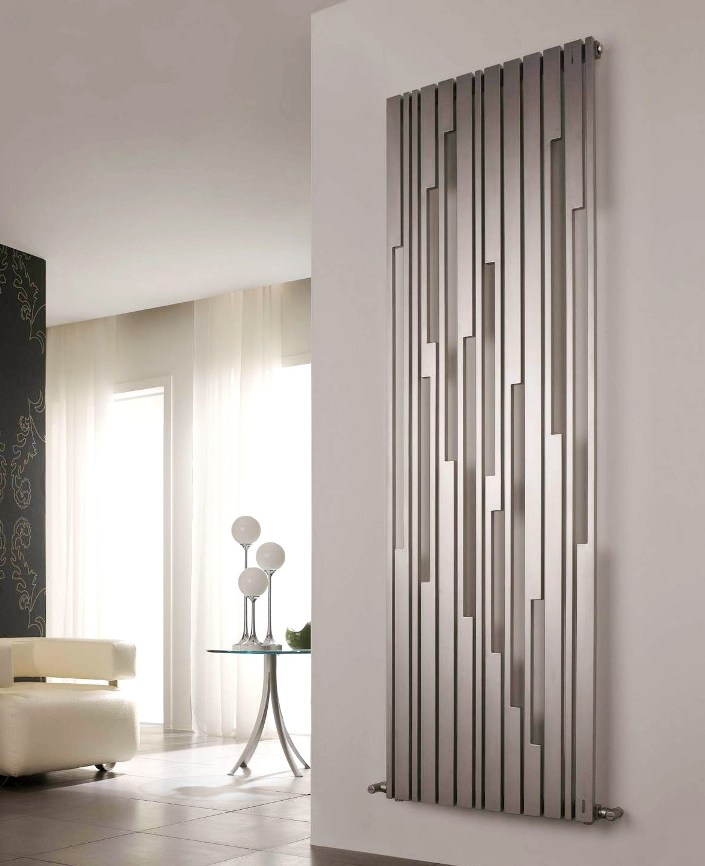

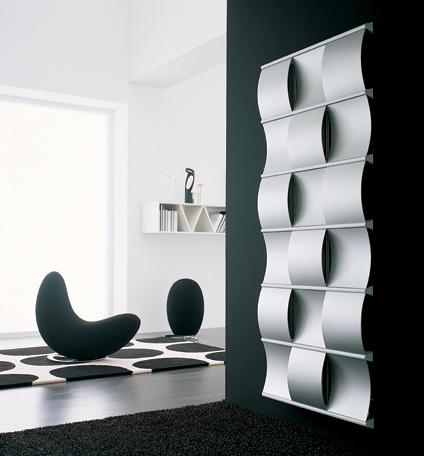 Original rotary radiator
Both the design of heating batteries and their technical characteristics are supported by the excellent quality of such batteries. After all, they are a kind of exclusive products that are not intended for everyone.
High-tech style heating radiator
In a modern high-tech interior, such a radiator will not only fit perfectly into the overall environment, but will also completely dissolve against its background. In addition to all this, such beautiful heating radiators are not only effective heating devices, but also can significantly save energy consumption.
It is also worth noting such a development as beautiful heating batteries that heat housing through painted paintings, canvases painted by a real artist. Such batteries are exclusive, they will take the most central place in the interior of your room.
Currently, a wide range of consumers can purchase a variety of decorative heating batteries. Almost everyone can now effectively decorate their homes with decorative radiators, which will be made in a single version.
Materials for decorative batteries
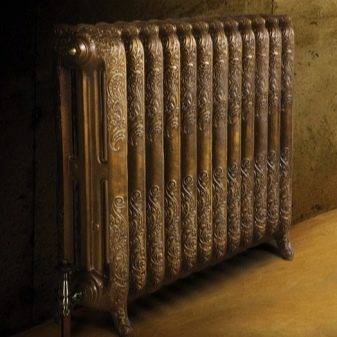
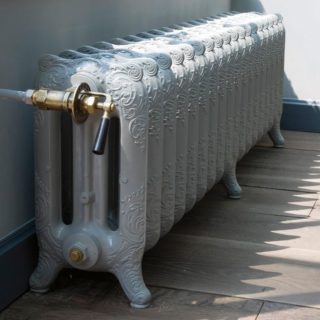 Cast iron design radiator
Interior heat exchangers are made from different materials, with the help of which any wishes of the customer are realized. Raw materials used for production: metal, glass, stone, wood.
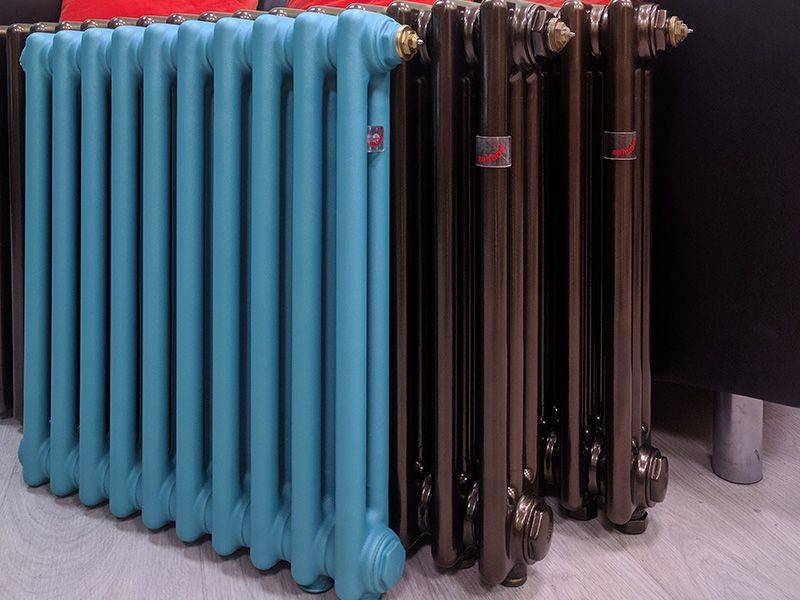
Cast iron
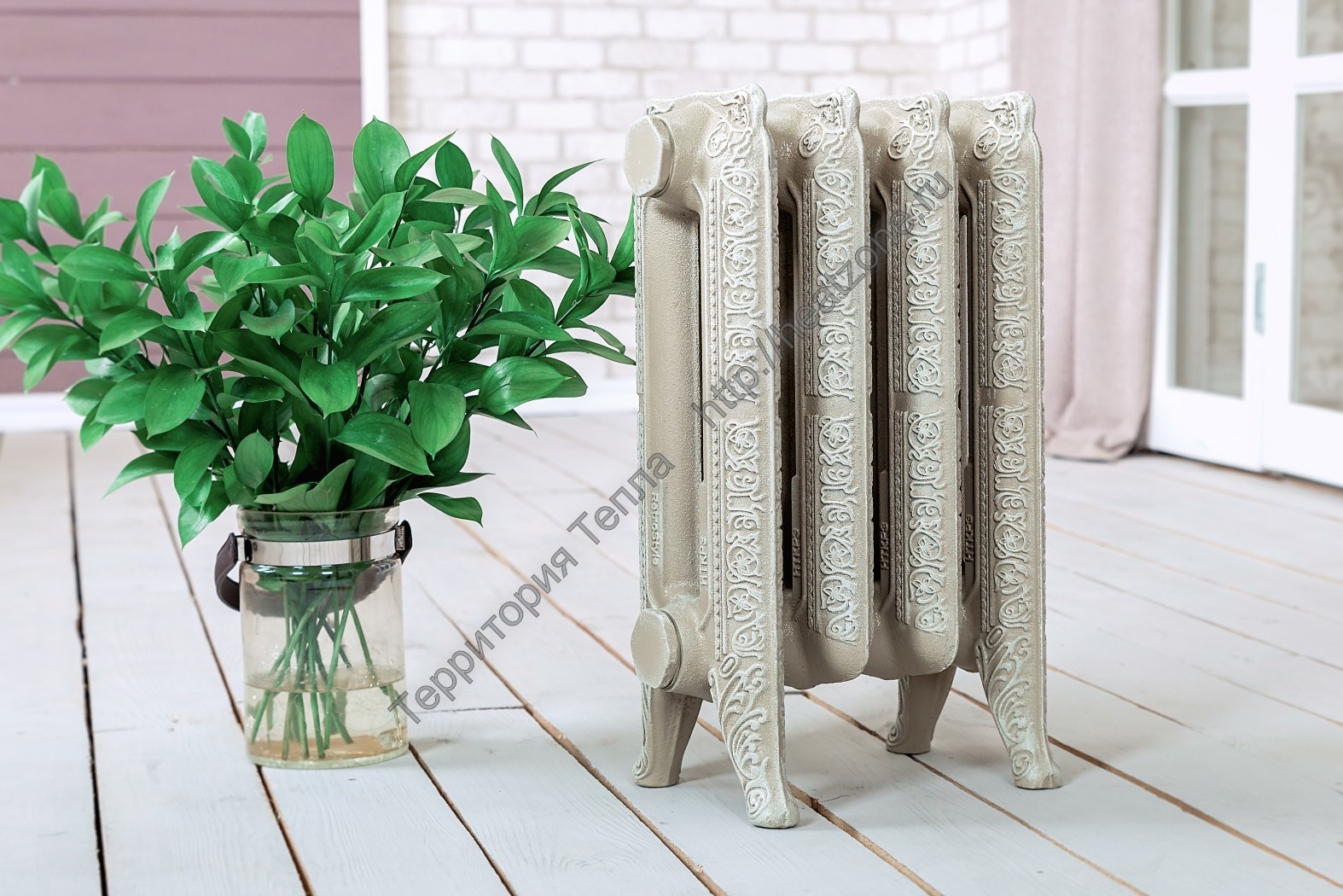
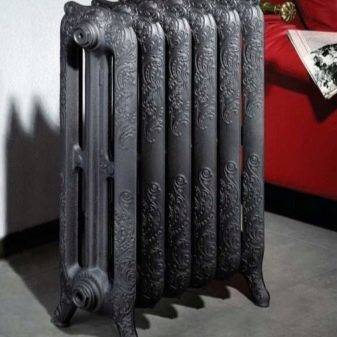
Designer cast iron radiators are expensive items, as they are most often made in a vintage style. When creating a three-dimensional drawing, labor-intensive metalworking techniques are used.
Heating products made of cast iron are durable and heavy. The latter characteristic complicates the installation process, as you have to work with a lot of weight. Cast iron also has a high heat capacity.
Bimetallic
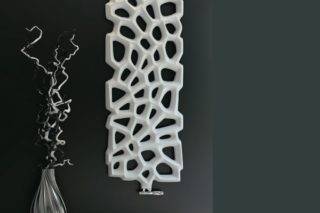 Bimetal radiator
Combined unit options have laconic forms to create a modern style of the room. Bimetal heat exchangers are made in the form of steel, copper, aluminum panels or sections. These materials are not amenable to corrosive processes. Bimetal is also capable of withstanding high pressure loads, allowing rooms to be heated efficiently and quickly.
Steel
Steel is a durable material, so designer radiators made of this metal are practical and at the same time are aesthetic interior items. They have the form of tubular and panel products. Heating steel systems almost do not oxidize, do not deform under mechanical and other influences, are relatively light in weight, which simplifies installation.
glass
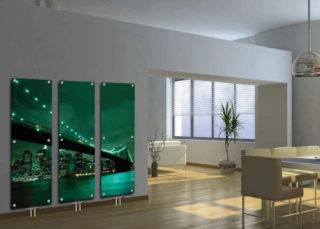 glass batteries
Unusual glass heating elements will suit consumers with exquisite taste. They consist of two plates, of which the lower one is a solid panel, as it receives heat, and the upper one has a decorative function.
Stone
Stone radiators are eco-friendly heating options. Batteries have an advantage over other analogues - slow heat dissipation. Thanks to this characteristic, the rooms warm up more thoroughly. Also, stone radiators do not create noise during operation, do not dry the air. Of the minuses - the high price.
A bit of history
The history of the creation of radiators goes far into the past, several thousand years ago, when people began to think about how to make their home warm and comfortable for living in the cold season. Then they were heated with an open fire, the smoke from which escaped through a special hole. The first heating battery appeared already in ancient Rome in the form of a stove with a pipe. Interestingly, some modern homes still use this type of heating system.
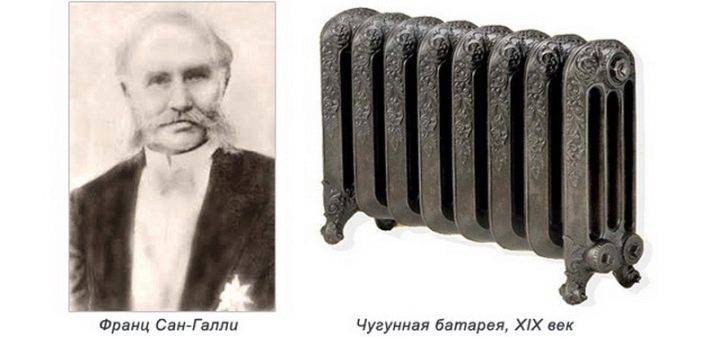
In 1855, the German entrepreneur Franz San-Gali created the first cast-iron radiator and called this device the "hot box".The cast iron radiator is widely used throughout the world, it was used in a steam heating system. This was a serious start for new inventions in the field of heating. The first tubular steel radiator, invented by Rubert Zehnder, appeared in 1930. This discovery was a triumph. The battery was named Zehnder and demonstrated excellent technical characteristics: lighter weight than cast-iron units and high heat transfer.


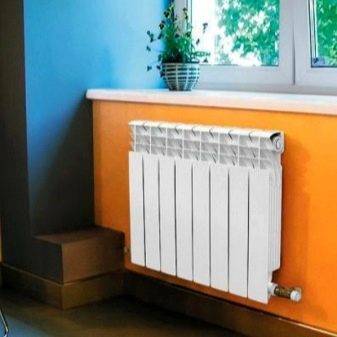
A little later, bimetallic radiators combining both steel and aluminum appear, embodying all the advantages of steel and aluminum batteries. Subsequently, this technology was mastered by many companies, and it is still successfully used in the modern world for the production of radiators. In Russia, cast-iron batteries came in the 20s, and already in the 40s, all Soviet apartments had cast-iron heaters. Aluminum and bimetallic radiators in Russia became popular much later than in Europe.
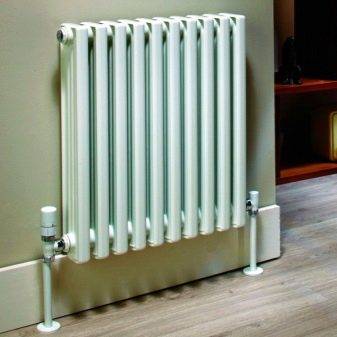
Italian Design Radiators Global
The Italian designer radiators Ekos & Ekos Plus models became popular immediately after the release and took the leading position among aluminum radiators. It is not surprising, since Global has been producing similar products since 1971, therefore each new model combines proven and verified technologies with new design innovations, and leading experts take part in the development.
As a base material in the production of radiators of this series, an alloy of aluminum and silicon EN AB-46100 is used. This design perfectly tolerates mechanical loads, is resistant to abrasion due to poor water quality.From the inside, the radiators are treated with a protective coating, which makes them resistant to corrosion and prevents them from being destroyed by the action of a poor quality coolant. The strength of the paintwork is given by a special two-stage staining method, which consists in anaphoresis and spraying of the coloring material.
As if proving that Ekos & Ekos Plus is a durable and reliable heating device, the company provides a 10-year warranty on it (counted from the date of issue). The warranty covers replacement of sections if the user discovers defects or proves the battery unfit for use.
However, it is important that the radiator is installed according to all the rules specified in the user manual.
Handsome and economical. Italian Design Radiator Global Ekos & Ekos Plus
Savings when using the Ekos & Ekos Plus models are achieved due to the high efficiency of the radiators. With a small size, which saves water consumption, the battery has a high heat transfer rate, which is confirmed by the tests of the Politecnico di Milano (according to the UNI EN 442-2 standard). This is facilitated by the properties of aluminum: it quickly heats up and gives off heat, slowly cools down. All this provides a comfortable environment in the room.
It is easy to regulate the temperature regime with these models: they can be equipped with thermostats and the temperature can be adjusted so that even the most demanding person is comfortable.
Below are the characteristics of the Ekos Plus radiator.
| Model | Height (mm) | Length (mm) | Depth (mm) | Interaxle distance (mm) | The size carving | Weight kg | Capacity l | ΔT 50°C Tue | ΔT 50°C kcal/hour | ΔT 60°C Tue | ΔT 60°C kcal/hour | ΔT 70°C Tue | ΔT 70°C kcal/hour | Exhibitor n | Coefficient km |
| Ekos Plus 2000 | 2070 | 50 | 95 | 2000 | 1″ | 3,34 | 0,65 | 196 | 169 | 250 | 215 | 307 | 265 | 1,33285 | 1,06514 |
| Ekos Plus 1800 | 1870 | 50 | 95 | 1800 | 1″ | 3,05 | 0,59 | 178 | 154 | 227 | 196 | 279 | 240 | 1,33883 | 0,94330 |
| Ekos Plus 1600 | 1670 | 50 | 95 | 1600 | 1″ | 2,76 | 0,53 | 160 | 138 | 204 | 176 | 251 | 217 | 1,34480 | 0,82963 |
| Ekos Plus 1400 | 1470 | 50 | 95 | 1400 | 1″ | 2,46 | 0,49 | 143 | 123 | 182 | 157 | 223 | 193 | 1,32938 | 0,78649 |
| Ekos Plus 1200 | 1270 | 50 | 95 | 1200 | 1″ | 2,16 | 0,44 | 126 | 109 | 160 | 138 | 196 | 169 | 1,31396 | 0,73725 |
| Ekos Plus 1000 | 1070 | 50 | 95 | 1000 | 1″ | 1,88 | 0,36 | 109 | 94 | 138 | 119 | 169 | 146 | 1,28835 | 0,70844 |
| Ekos Plus 900 | 970 | 50 | 95 | 900 | 1″ | 1,73 | 0,31 | 101 | 87 | 128 | 110 | 156 | 134 | 1,27555 | 0,68929 |
| Ecos 800/95 | 868 | 50 | 95 | 800 | 1″ | 1,77 | 0,68 | 87 | 75 | 110 | 95 | 134 | 116 | 1,29916 | 0,53732 |
| Ecos 700/95 | 768 | 50 | 95 | 700 | 1″ | 1,49 | 0,63 | 78 | 67 | 98 | 85 | 120 | 104 | 1,29022 | 0,49989 |
| Ecos 600/95 | 668 | 50 | 95 | 600 | 1″ | 1,36 | 0,58 | 69 | 60 | 87 | 75 | 106 | 92 | 1,28127 | 0,46027 |
| Ecos 500/95 | 568 | 50 | 95 | 500 | 1″ | 1,11 | 0,50 | 61 | 53 | 76 | 66 | 93 | 80 | 1,26879 | 0,42369 |
| Ecos 800/130 | 883 | 50 | 130 | 800 | 1″ | 1,92 | 0,66 | 108 | 93 | 137 | 118 | 168 | 145 | 1,29675 | 0,67867 |
| Ecos 600/130 | 683 | 50 | 130 | 600 | 1″ | 1,56 | 0,54 | 87 | 75 | 110 | 95 | 133 | 115 | 1,27355 | 0,59635 |
With favorable characteristics, Ekos & Ekos Plus are not inferior to other models in design. Also, these Italian design radiators have pleasant semicircular shapes and small sizes, so they will find their place in both classic and modern interiors.
Choice of stylish heaters
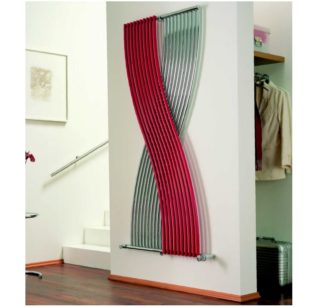 The choice of radiators depends on the design of the room
Designer heat exchangers are purchased at hardware stores, specialized boutiques or from private craftsmen. The choice of these or those units depends on many factors:
- the interior of the room;
- instrument power;
- shapes and sizes;
- material;
- ways of connecting to the heating system (water, electric, gas);
- prices;
- manufacturer.
It is worth paying attention to the power characteristic, which depends on the degree of heat transfer of the radiator. This is an important factor, since not only decoration for the room is chosen, but also a reliable source of heat.
To determine the required battery power, you need to consider the following features of the room:
- the number and thermal permeability of windows;
- the number of walls facing the street;
- the presence of doors;
- ceiling height;
- the shape of the room;
- completeness with furniture;
- house type.




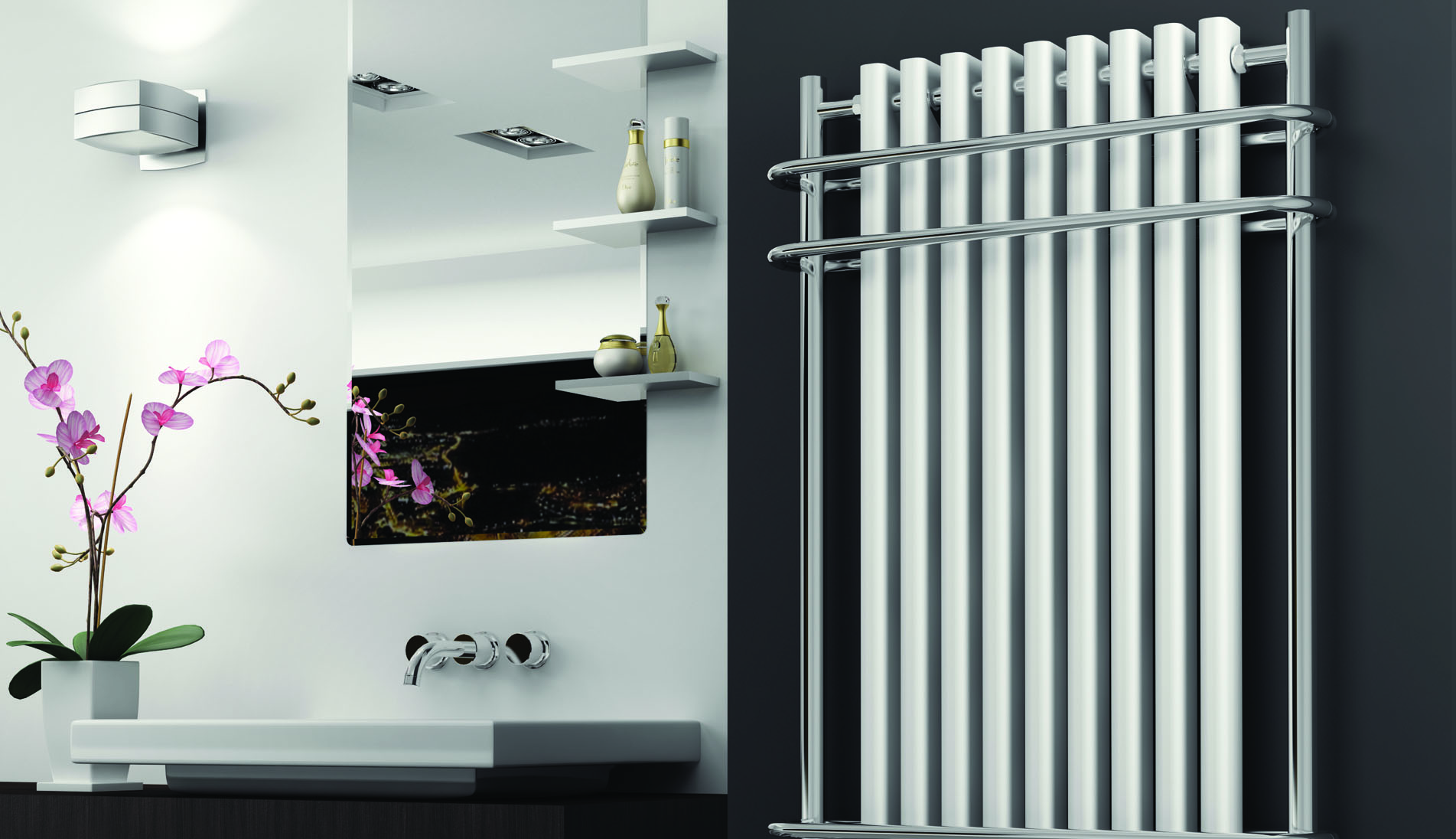
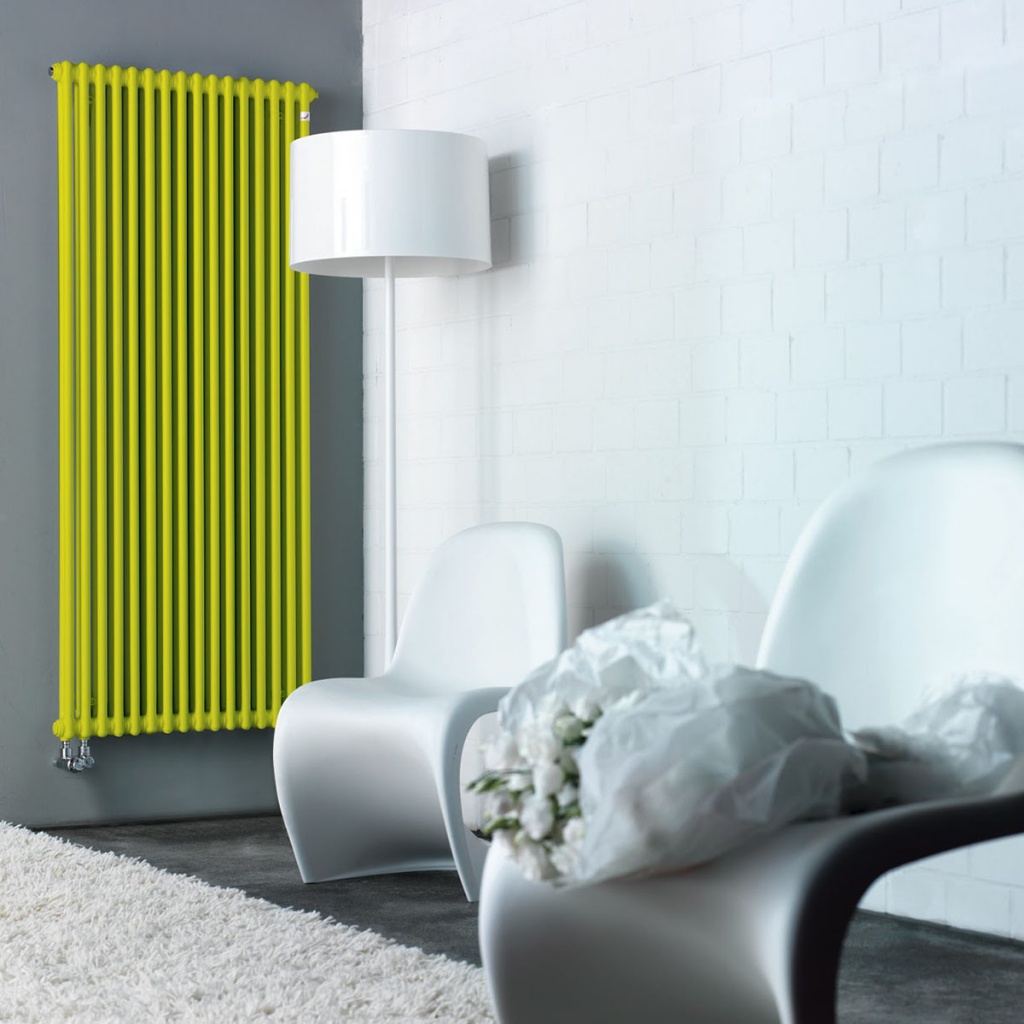
Varieties of decorative radiators and applications
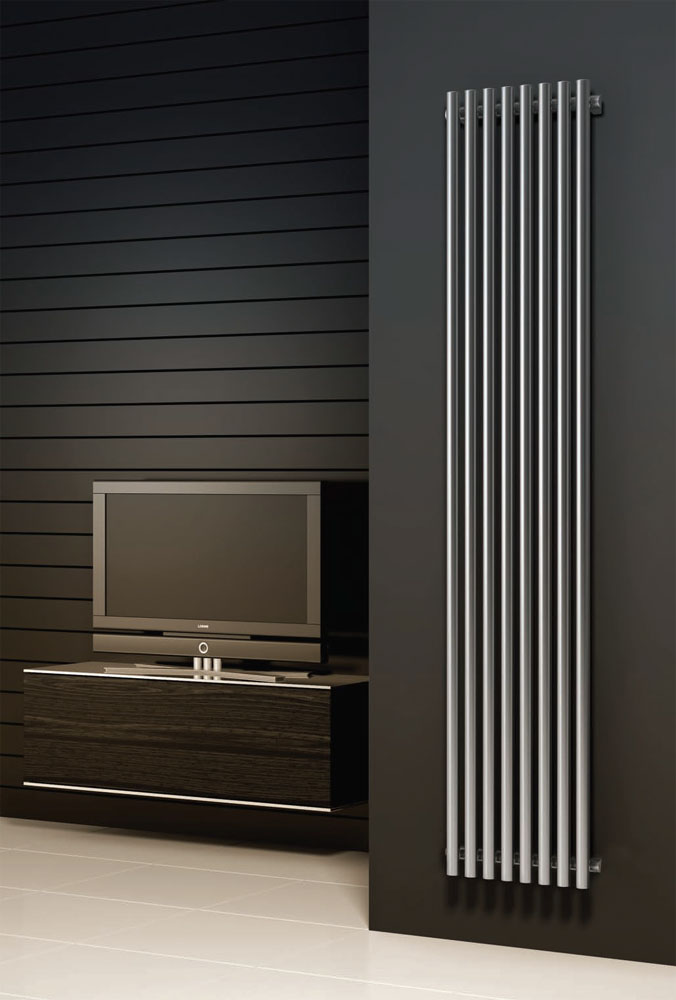
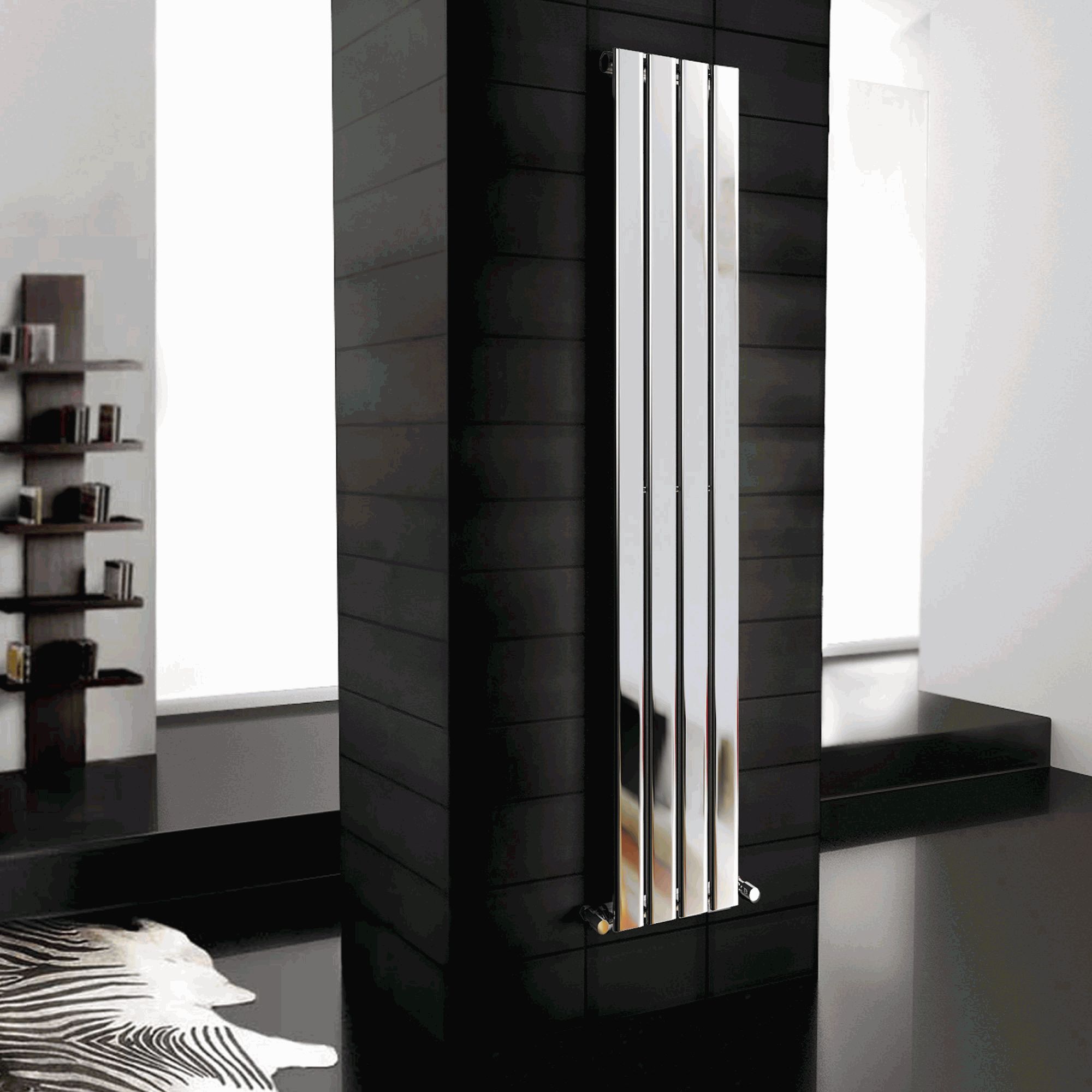
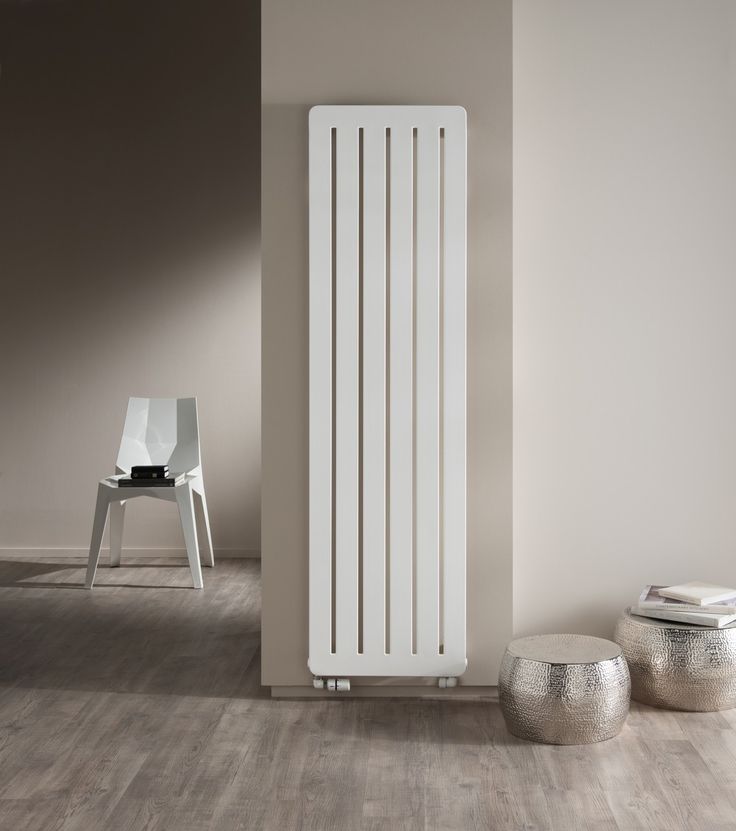
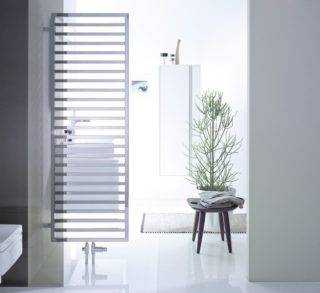 Vertical steel radiator
The most common and popular designs of design radiators can be called vertical and horizontal.Each of them has its own characteristics.
vertical
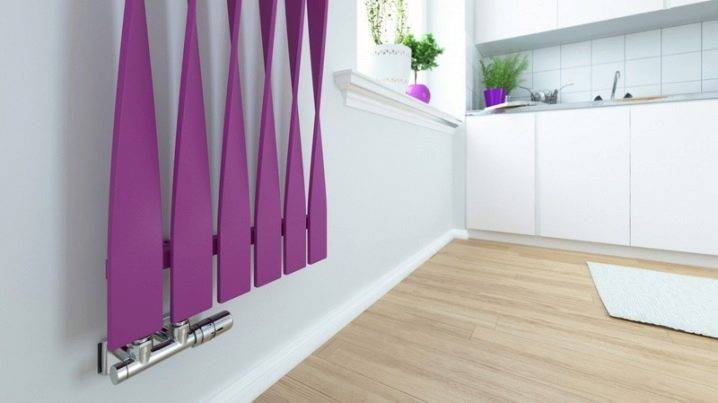
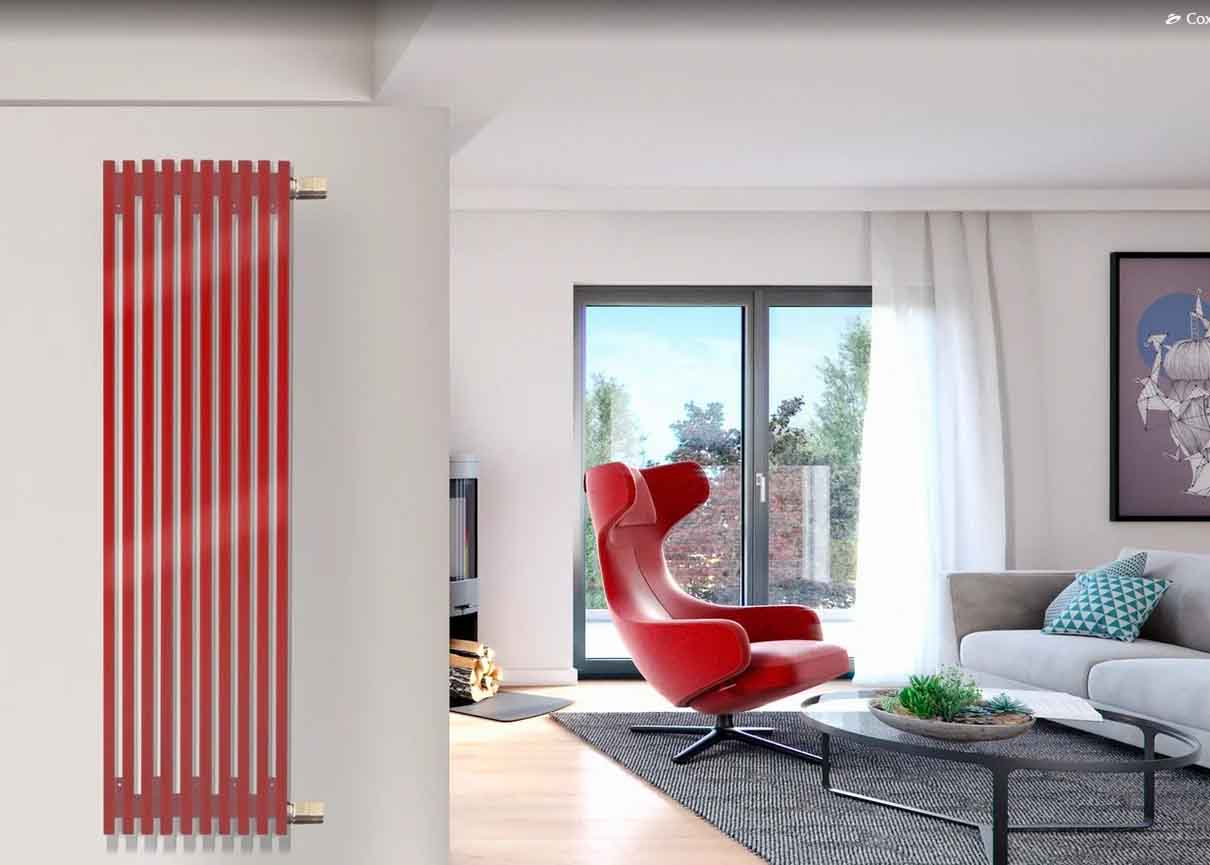
Batteries placed vertically on the wall make the room especially stylish. By design, such panels have a small width, but a large height. This allows the use of radiators in rooms with ceilings from 2.5 meters.
Units work from central heating or electricity. They can act as a full-fledged heating system or its additional elements.
Horizontal
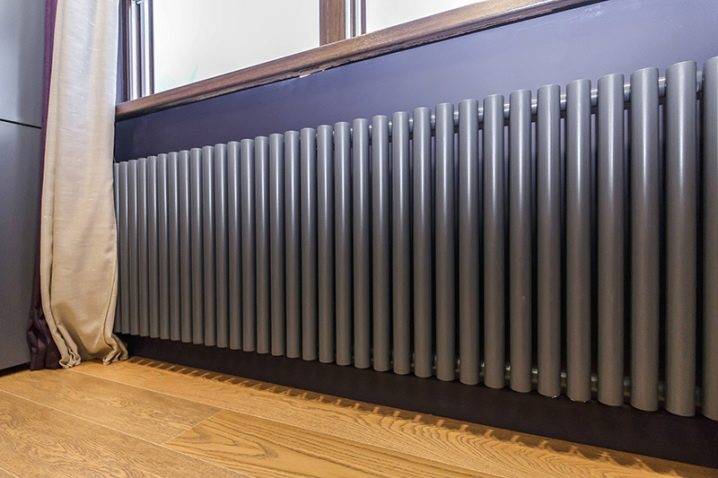
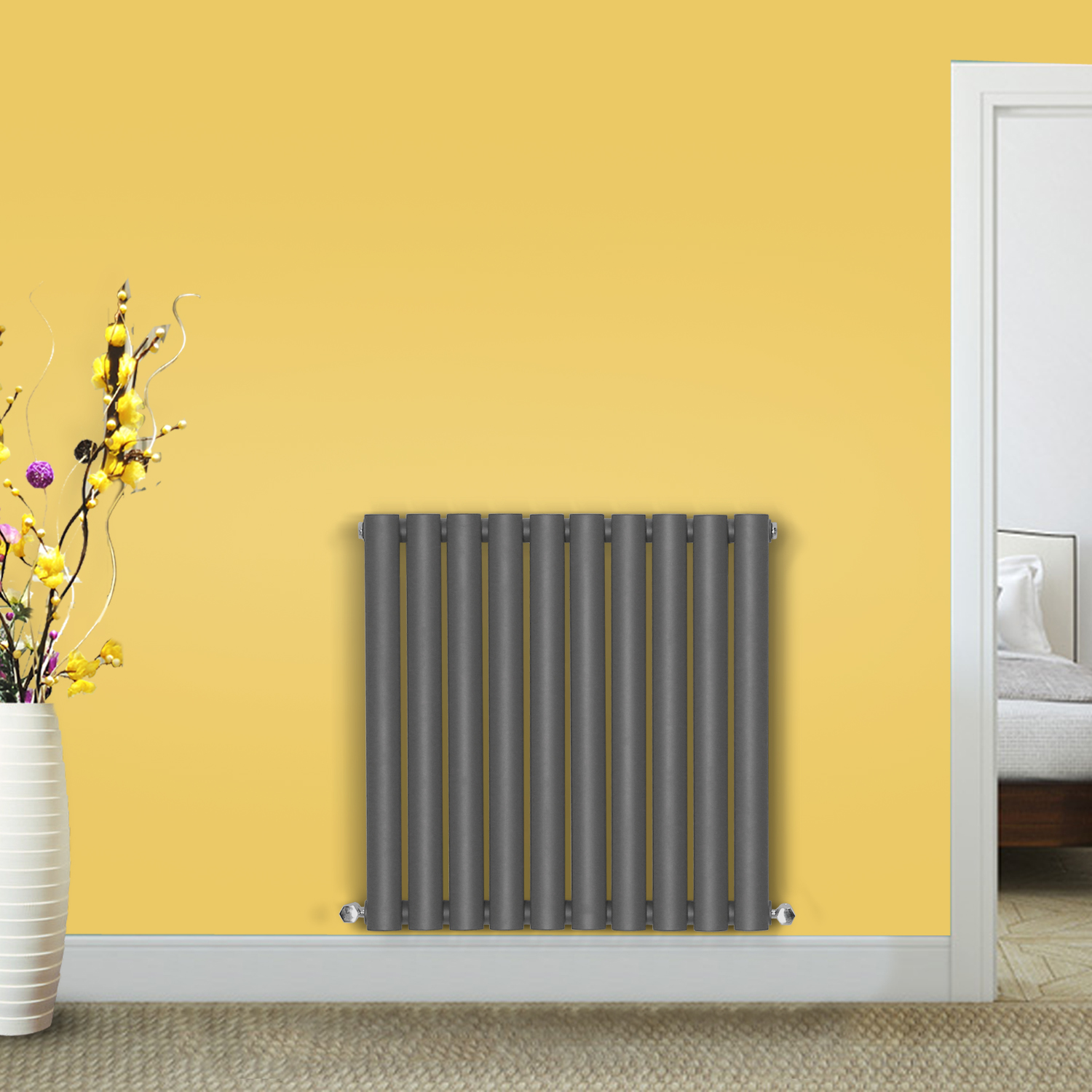
Horizontal batteries are divided into two types: tubular and panel. The first option involves steel products, and the second - from a copper-aluminum heat exchanger and a panel that is made of glass or wood.
During installation, such units occupy mainly the lower part of the wall. This is due to their small height, although sometimes, according to the design idea, a horizontal battery of an unusual shape can be located, for example, above a sofa. Allocate wall units and floor.
What radiator can we call designer?
In modern times, heating radiators have ceased to be just a source of heat in the house. Their appearance has changed a long time ago, although there are just similar models. Modern decorative heating radiators can be called designer when they can please fans of non-standard solutions and unusual things. Original and exclusive shapes, unusual design ideas - all this allows designers to create such radiators that will make your friends envy you.
That is why decorative additions should not interfere with radiators to perform their main function.
Designers and developers in this vein have to create the most incredible solutions in order to fulfill this important condition.After all, good radiators - conventional or designer heating batteries, are primarily distinguished by their technical characteristics - high heat transfer, long service life, resistance to damage
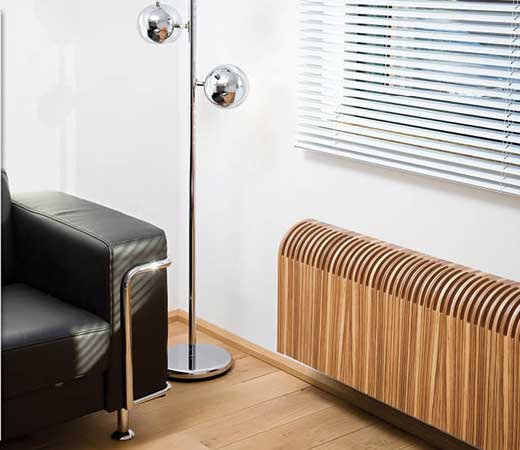 Designer heating radiators under the tree
The appearance of designer radiators is able to instantly attract attention and arouse admiration among your guests. The design of such batteries can take many forms, however, in their manufacture, existing standards are always observed, which apply to conventional radiators.
However, an added bonus is their easy installation. Very often, design heating radiators are installed in special niches or other non-standard architectural elements of the room. So, you can find such models as radius, angular, abstract - all this will effectively heat your home, while sitting comfortably and without interfering, without occupying usable space.
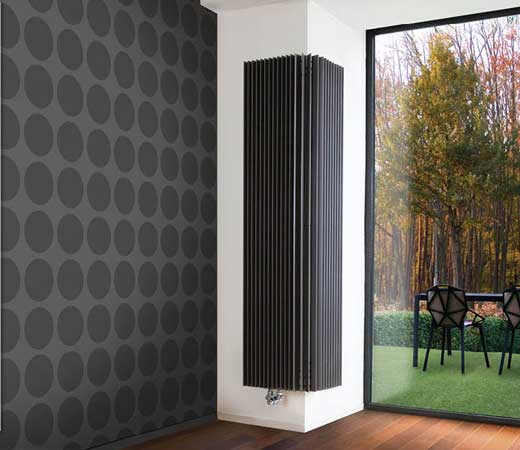 Corner heating radiators
wooden radiators

a unique collection of design radiators made of natural wood, performing the function of a heating device.
It is impossible to consider all the variety of designer radiators, the possibilities of translating artistic ideas into a rational course. But already from this little it is clear that designer radiators, being works of art, do not forget about their main purpose - space heating. And it remains only to correctly calculate the power for a particular room, so that they honorably fulfill their heating duties, and delight our eyes with beauty.
Decorative heating radiators: original design
Heating batteries designed by professional designers look unusual, original and well thought out. Decoration of heating radiators is carried out specifically in order to create an exquisite interior, to emphasize the originality and uniqueness of the design of the room design.
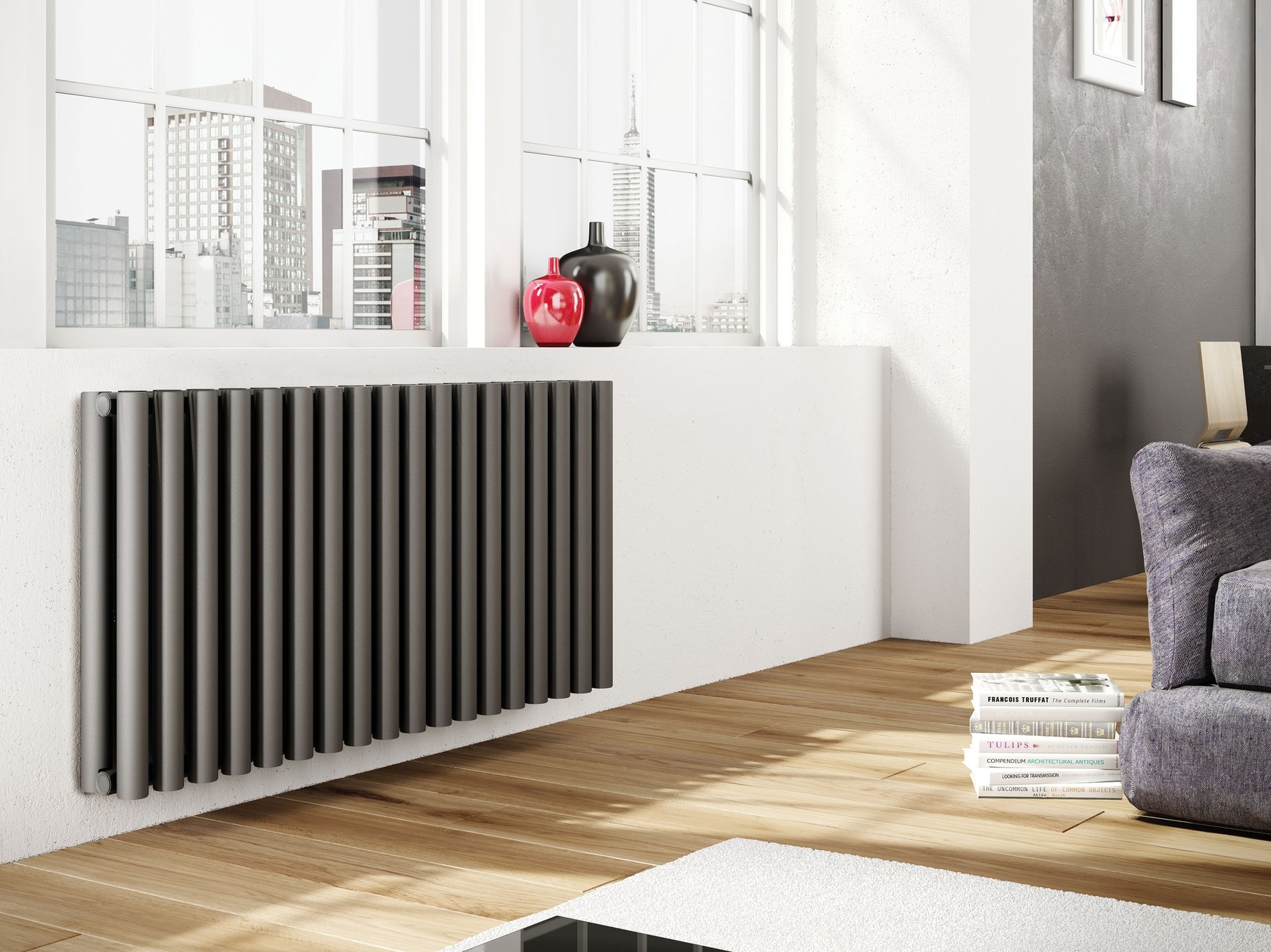


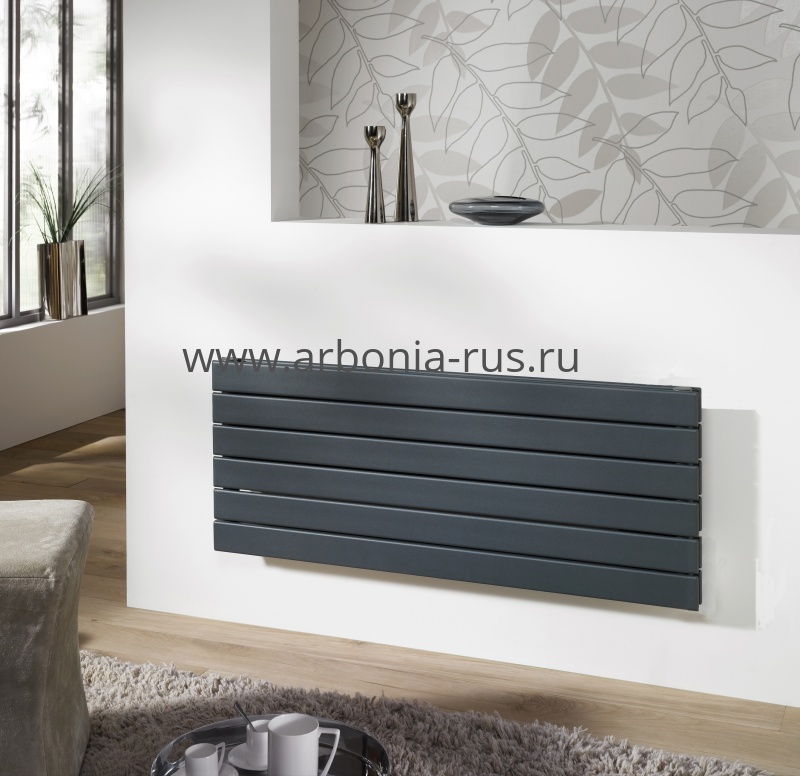


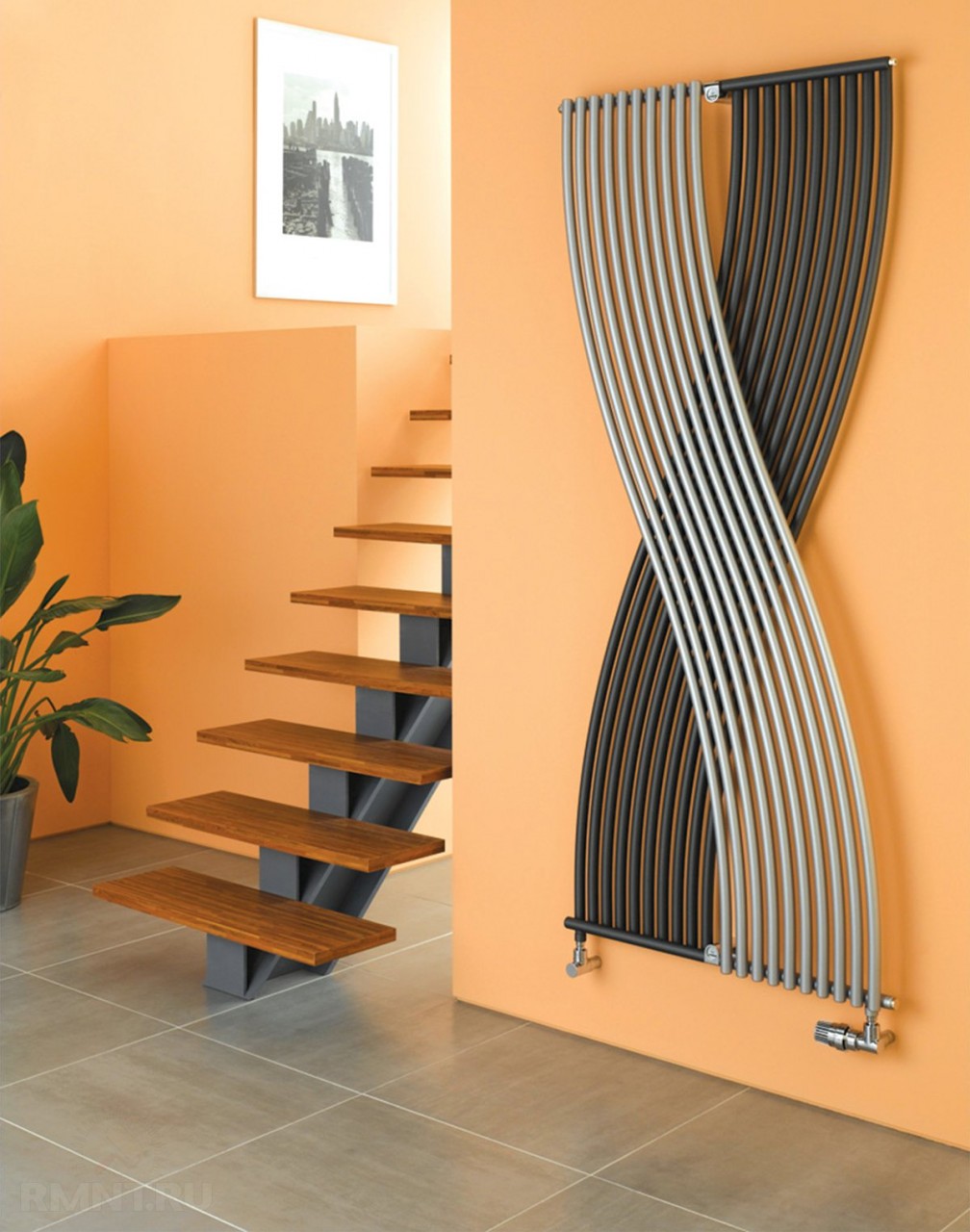

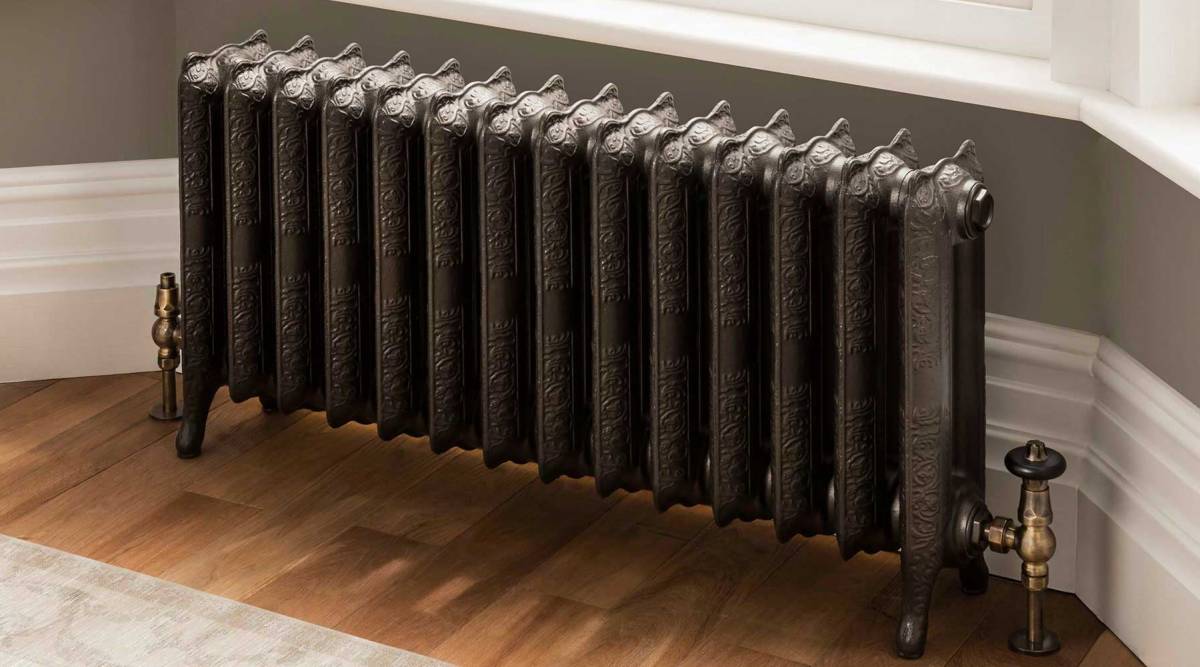
Designer heating batteries are created by installing a variety of decorative panels for heating radiators on them. At the same time, the variety of options for the execution of such heating devices is so great that it is advantageous to choose the best option for any house or apartment, taking into account the features of the interior decoration and heating system.
materials
Designer heating appliances are a sign of luxury. Products are made from various materials:
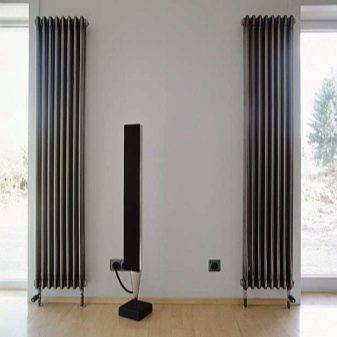
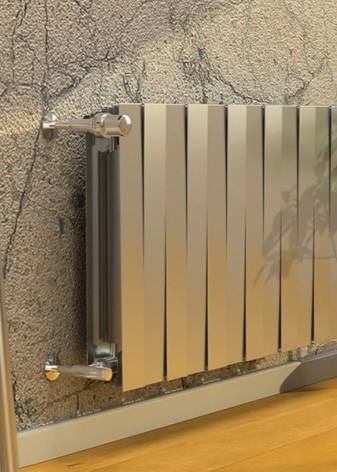
- Steel design radiators have high strength and aesthetics. Compared with other devices made of other materials, such products have several advantages: low oxidizability when using low-quality water, durability, lightness, affordable price.
- Aluminum models are made in two ways: by casting and extruding aluminum on an extruder (extrusion method). Such devices cannot withstand water hammer, but are distinguished by good heat dissipation and efficiency.
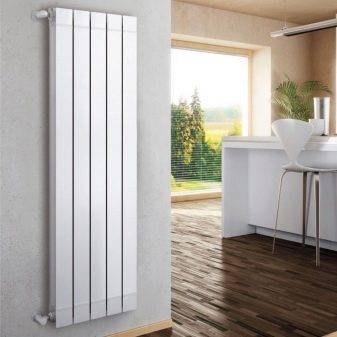
- Bimetallic. This variant is constructed from a core, which is made of copper or steel pipes and has an aluminum body. The advantages of bimetallic batteries is that this type is able to withstand pressure up to 100 ATM and does not corrode.
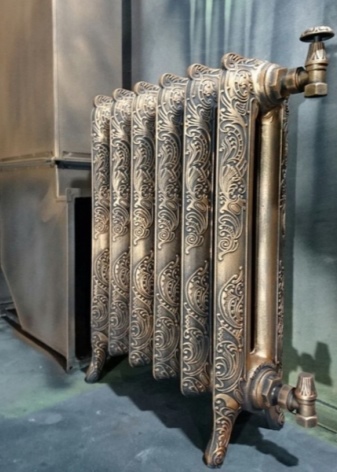
- Budget option - cast iron batteries. However, this does not apply to designer models.Cast iron radiators are practical, have a high level of heat capacity, but they are very heavy in weight, which causes inconvenience during installation.
- Copper models are not subject to corrosion, are durable and have an attractive appearance. Of the minuses, one can note their high price and the need to use special equipment during installation.
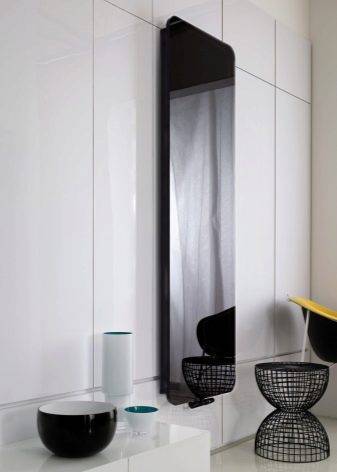
- Electric heaters are made of tempered glass. Such options look especially aesthetically pleasing.
- Radiators made of stone are real architectural works. The stone is able to radiate heat at low temperatures without releasing harmful substances.
- Glass. The French company Solaris is engaged in the manufacture of original glass heaters. The principle of operation is as follows: a plate of durable glass is connected to a power supply. When heated, it transfers heat to the second plate. It is the second plate that is made of special decorative glass, which serves to decorate the room.
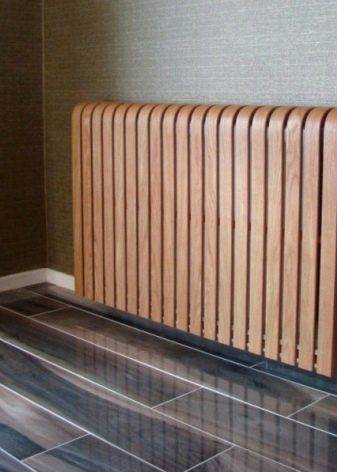
- Wooden. Designers have not bypassed the tree. Wooden batteries turned out to be no worse than traditional options, and in some ways even better. Their beauty is not commensurate with classic batteries, and they can be performed in various colors, including gold and silver. Radiators made of this material will fit perfectly into wooden houses made of timber or logs.
We make designer batteries ourselves!
Stylish heating radiators with an unusual design are not always objects of so-called high art.Even the most ordinary aluminum battery can be changed beyond recognition - and all this with your own hands and imagination. If you decorate each edge of the battery with a different color, such colored heating radiators will successfully fit into a children's room or a bright living room. And if you choose the colors that prevail in your interior for painting the battery, then colored radiators will create a cozy and comfortable atmosphere, of course, reinforcing it with a warm climate.
 It is very easy to give an ordinary battery originality
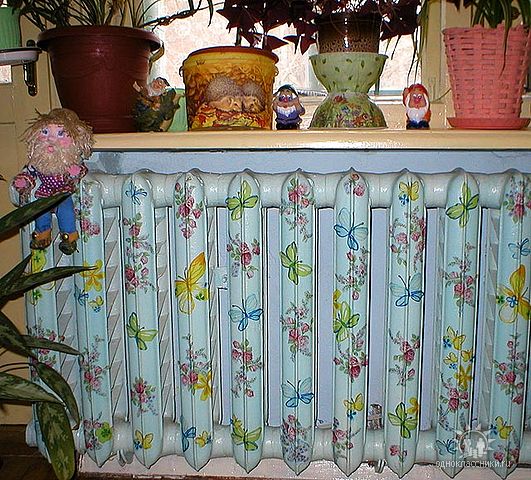
If you can draw, you can decorate the radiators with artistic drawings. Flying butterflies and blooming flowers will look beautiful. In addition, you can use a technique such as decoupage.
With the help of simple manipulations with improvised items, an ordinary cast-iron radiator can be turned into a design element, moreover, an exclusive one.
Here is a little instruction:
- First, you should rub the radiator fins with sandpaper so that the old paint is gone. Then the radiator needs to be wiped to remove dust and dirt. From above we paint our unusual heating radiators with white enamel.
- We are waiting for the paint to dry. After this period, we will do decoupage. First, we measure the width and length of each element of our radiator. Now we take paper with a pattern, turn it over and on the reverse side we denote the dimensions of each edge. Now you need to cut out the drawing, already taking into account the drawing that we applied.
- We glue our blanks onto batteries using ordinary PVA glue, which is first slightly diluted with water. The pattern is applied exactly to the middle of the battery ribs.And after this stage is completed, the original heating radiators are covered with heat-resistant varnish.
Thus, as a result of simple operations, we have exclusive heating radiators that will please the eye.
And in order to pay tribute to the old days, many use retro heating radiators in the interior, which are shown in the photo. Retro radiators are able to create an atmosphere of antiquity in your home - they will effectively heat your home and create a pleasant microclimate. If until recently, exclusive batteries were a novelty, now many have decided to decorate their interior in this way.
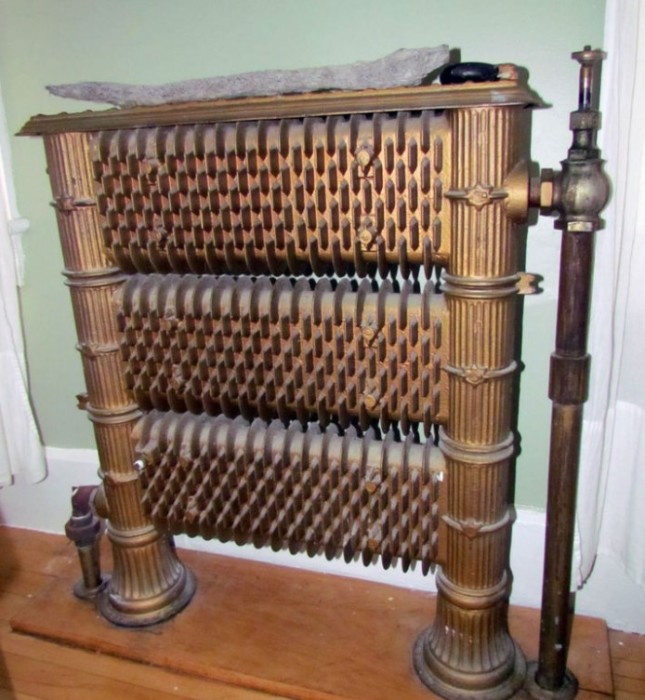 Heating battery in retro style
What are there?
Due to the variety of forms and design solutions, heating sources have long been part of the interior. They are able to emphasize the style and sophistication of any room. Today, heating appliance stores offer a huge number of design structures made of different materials and are not inferior in beauty to works of art that can create a favorable indoor microclimate.
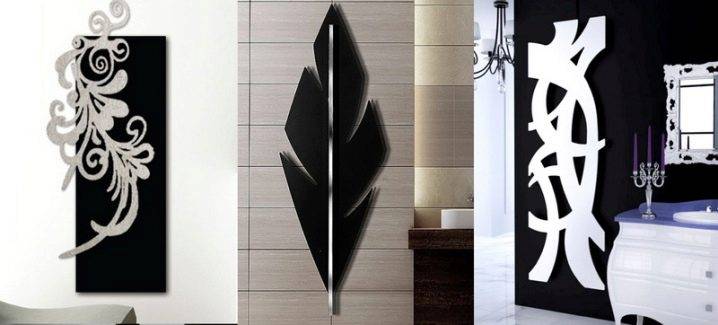
Decorative batteries can be wall-mounted, vertical and horizontal, spiral-shaped, assembled in the form of beautiful profile frames, imitate wood or panels on the wall. They can also be made in modern or retro styles. Some manufacturers create interesting models of heaters for dryers, clothes hangers, flower stands and decorative statues.
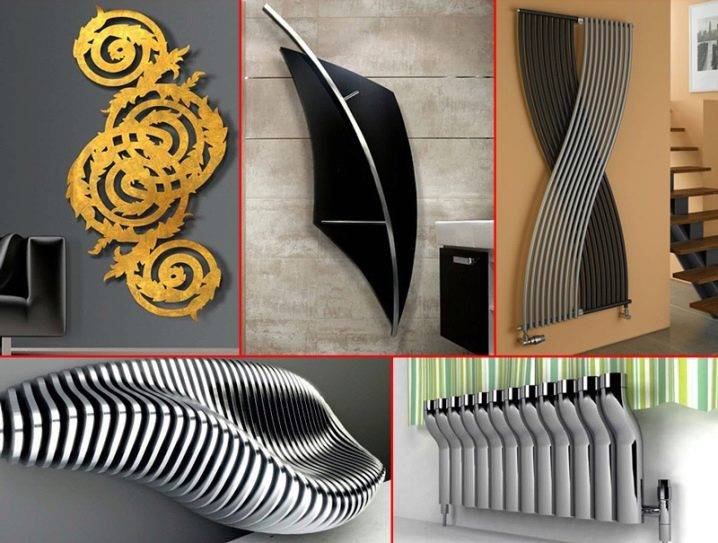
As a rule, cast-iron options are stylized antique. A massive structure with two or three channels, which is mounted on the wall, looks very interesting.The cast iron itself is blackened and covered with elements of gilding or bronze. The German company Guratec manufactures cast iron structures for heating with an additional ornament on the surface. There are completely abstract models that can be made of any material, but at the same time have a bizarre shape.
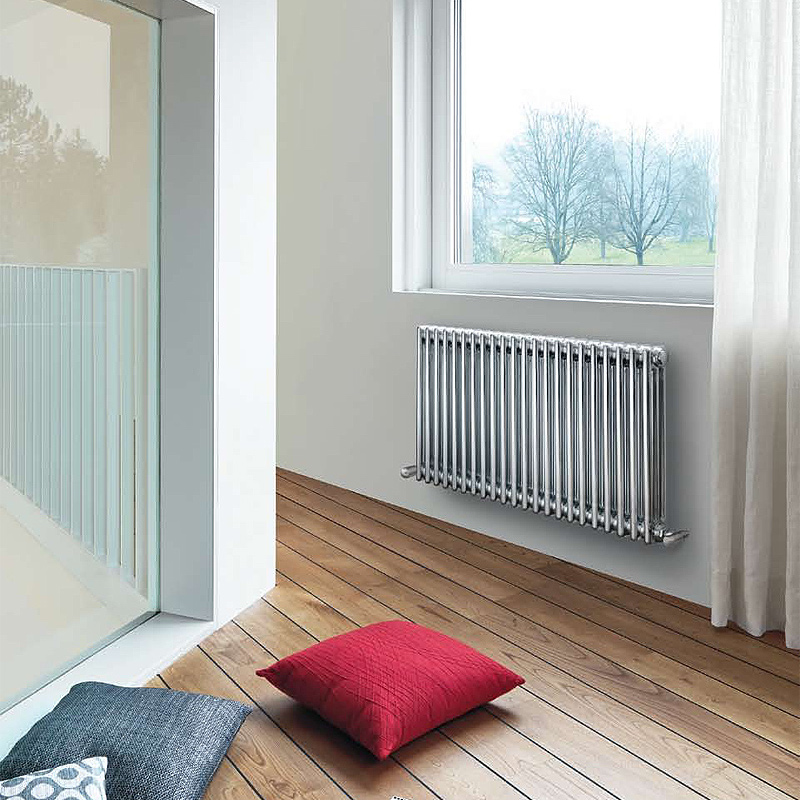
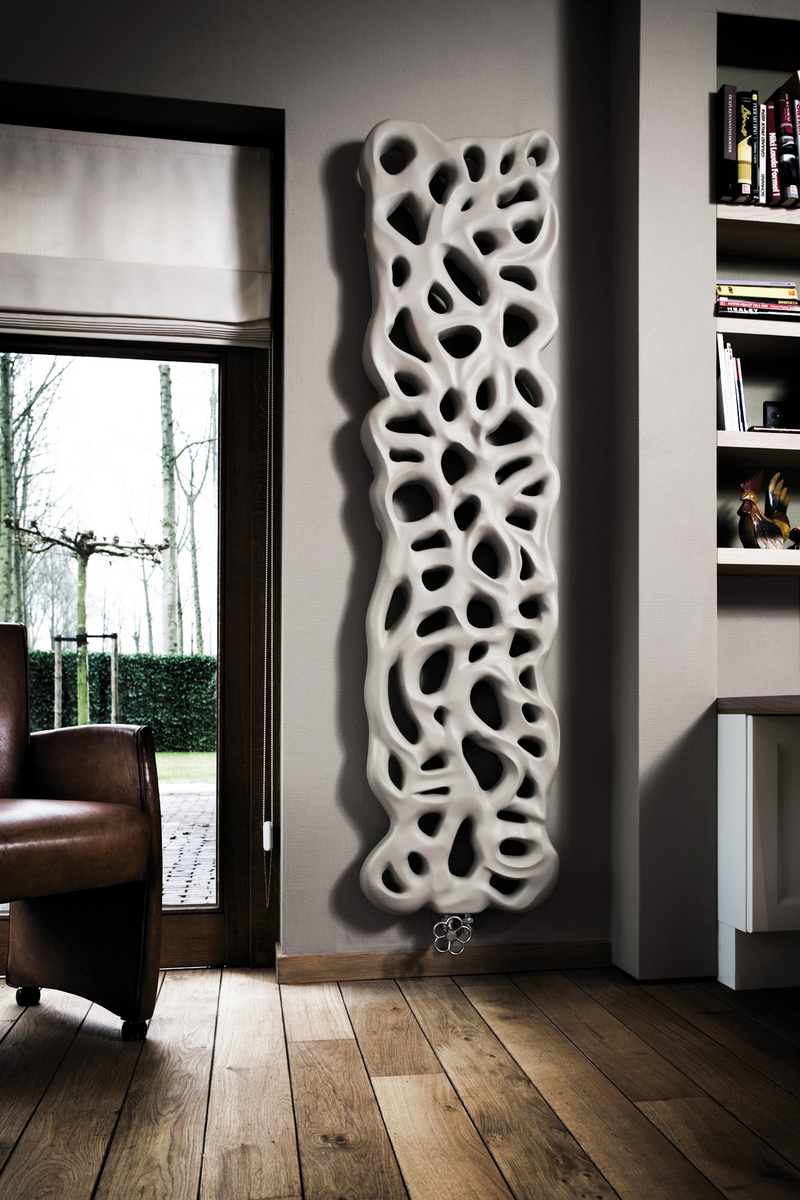



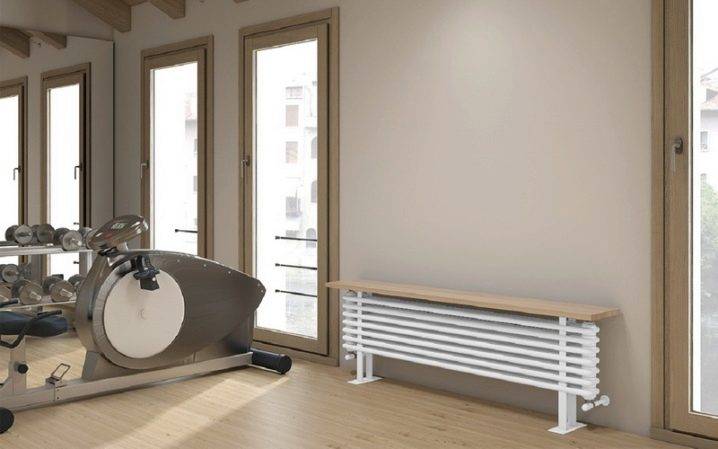
Convenient bench design radiators are both a seat and a heating device. Such models are often used in pools, greenhouses, baths and saunas. There are also designer heating devices in the form of a vertical illuminated mirror, streamlined heated towel rails for children's rooms, and stone units.
The surfaces of radiators are divided into:
- convective;
- convective-radiation;
- radiation.
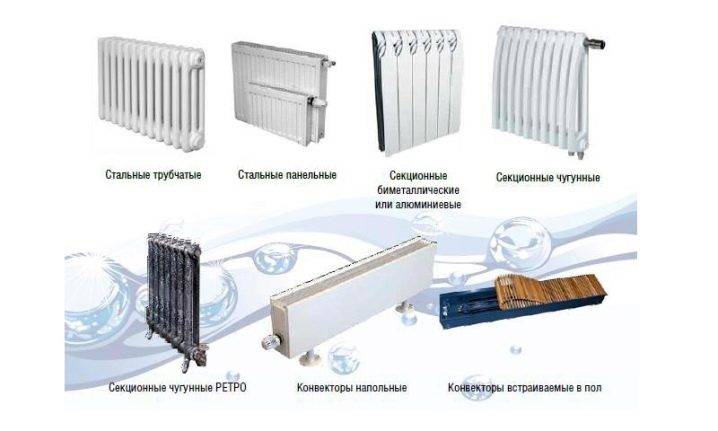
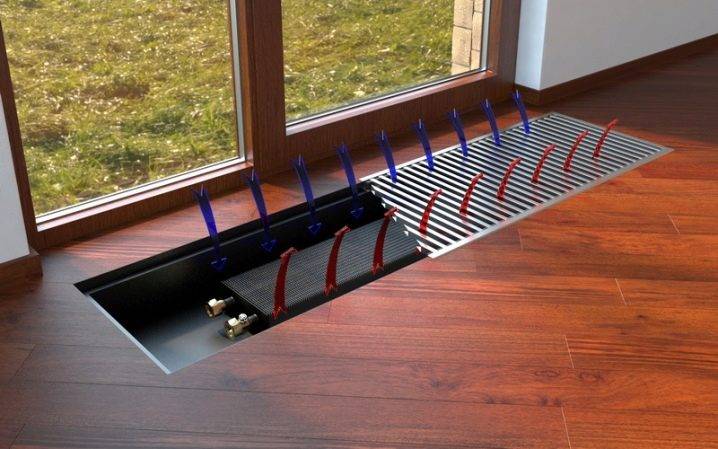
From a technical point of view, a convector is a standard pipe to which many plates are attached. A coolant enters the pipe, which simultaneously heats the plates. Between them, air runs, which, when heated, rises to the ceiling. There it cools down, goes down and, passing through the plates, rises again. In the radiative type of transfer, heat is transferred by thermal infrared rays. Their property lies in the fact that they, passing through the air, do not heat it, but at the same time heat other objects - the floor, walls, furniture, which, in turn, become heat sources.
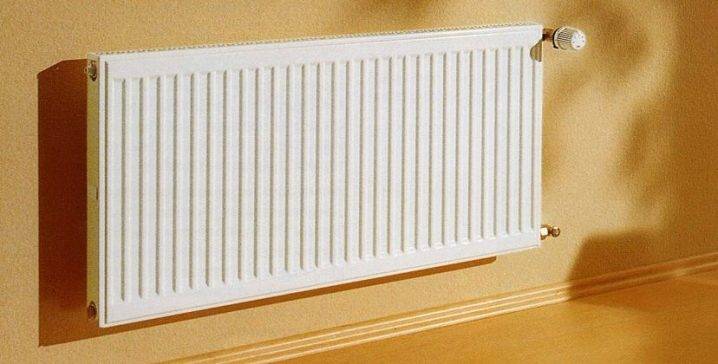
The most popular today are convective-radiation heating devices. The convective component of vodka radiators grows due to an increase in the area of the spores of the base of the device with air. By design, designer heating radiators can be panel, tubular or consisting of sections and blocks.Panel radiators are devices in the center of which there are two sheets welded together. On the sheets there are recesses in the form of channels through which the coolant circulates.
Tubular radiators are made up of tubes. The peculiarity and versatility of this type of batteries lies in the fact that all elements are welded by a laser and have practically no seams. Tubular structures are strong and durable. Sectional radiators are the most popular type of heating devices. They consist of several blocks connected in batteries.