- Features of gas sensors
- Purpose of the sensor
- The principle of operation of gas leakage sensors
- Cost of pollutant detectors
- Shut-off valves
- Compatible with other devices
- Installation, installation of a gas alarm
- Type of power supply
- Popular signaling models
- Washers for $5
- Advanced China for $17
- Mijia Honeywell Gas Alarm
- Kinds
- Semiconductor
- infrared
- catalytic
- Kinds
- With infrared sensors
- Semiconductor based
- With electrochemical method of determination
- Work principles
- Semiconductor
- infrared
- Catalytic
- Tips and tricks for choosing
- conclusions
- Vote for the best gas leak sensor
- Sapsan GL-01
Features of gas sensors
The form factor of some devices suggests the presence of a so-called electromagnetic relay, through which it is possible to connect the sensor to the gas pipeline valve plug system.
The main purpose of the system is that such a sensor, when an alarm is triggered, instantly shuts off the gas supply in the pipe, thereby ensuring complete safety.
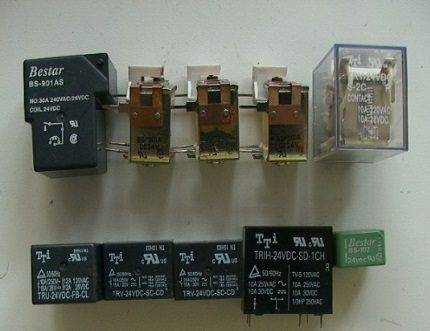
The relay can be connected as a separate element for damper control. Some devices already have this system.
Modern equipment also provides a number of functions for notification of an emergency using a conventional mobile phone. In most cases, systems of this kind are typical for imported devices and it is rather problematic to meet them among domestic analogues.
Nevertheless, some manufacturers have taken care of the possibility of connecting additional GSM peripherals to notify the owner of the house via SMS.

The mobile signal transmitter looks like a regular chip. The connection is made according to the instructions supplied with the CO detector.
Purpose of the sensor
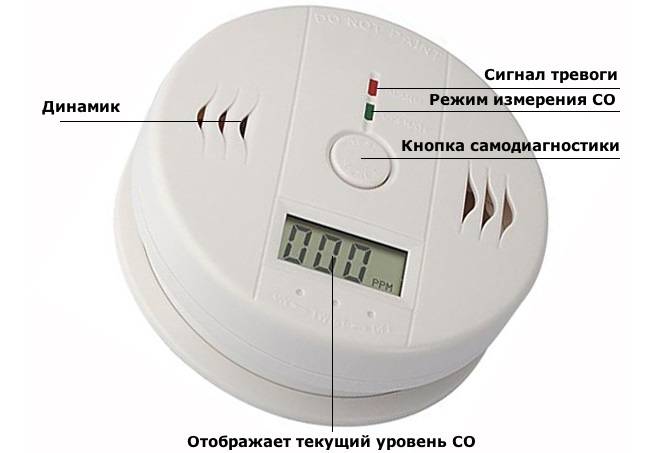
The gas analyzer, which determines the dangerous concentration of carbon monoxide in the air, is intended for installation in all places where stove heating is used, especially solid fuel, when firewood, coal, coke, peat are heated.
It can also be used where gas heating equipment is used on methane or propane.
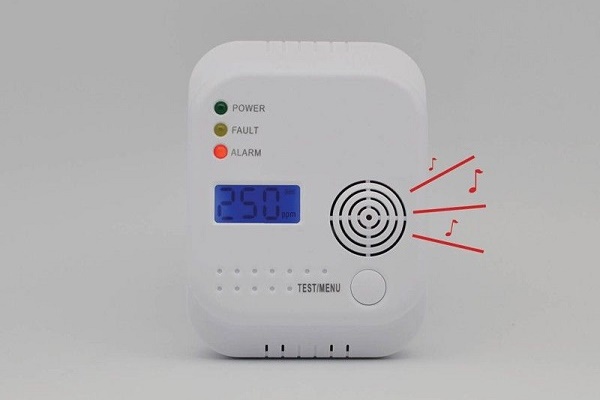
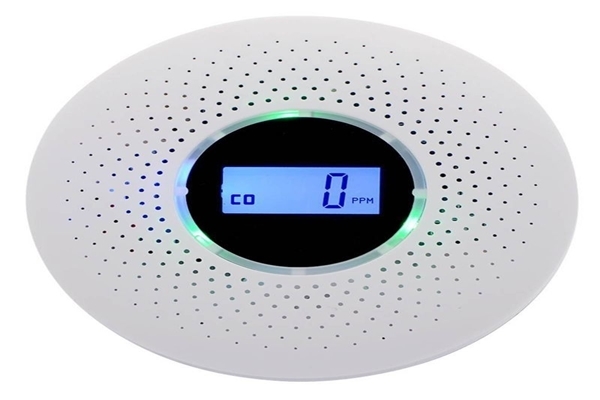
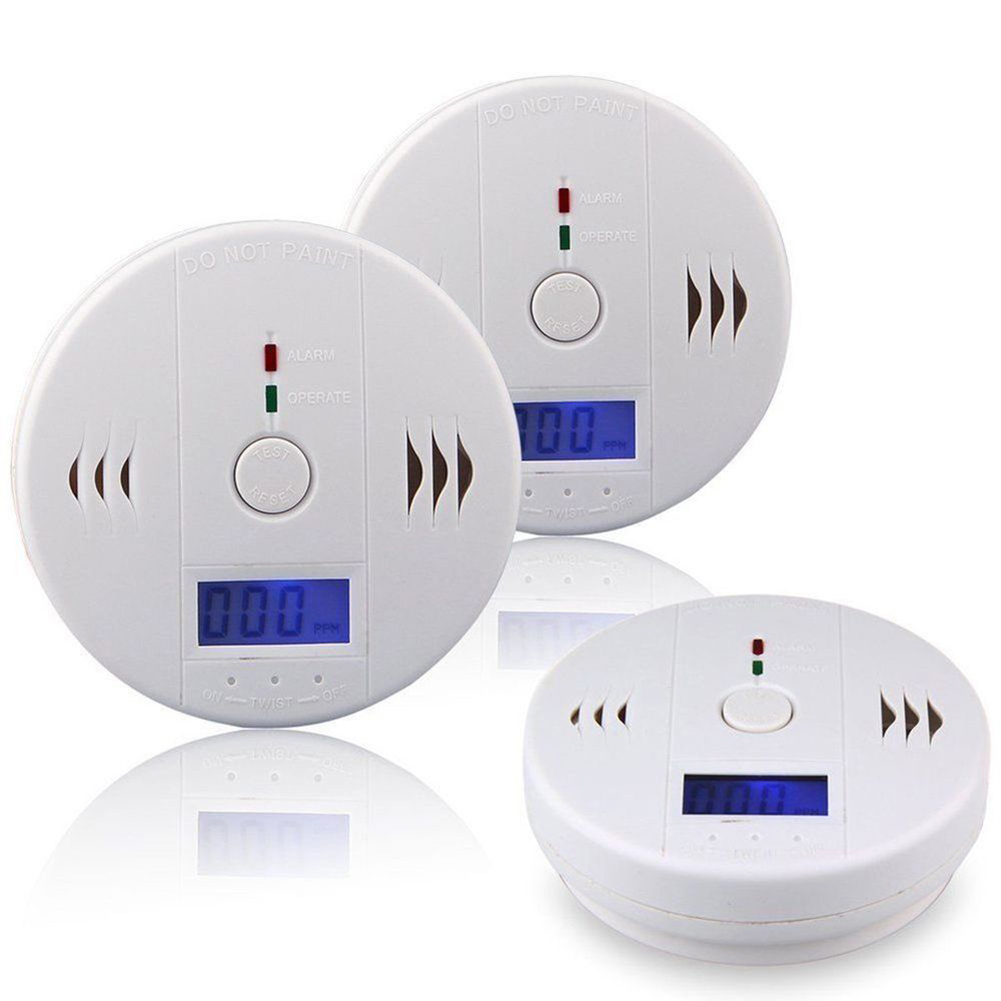
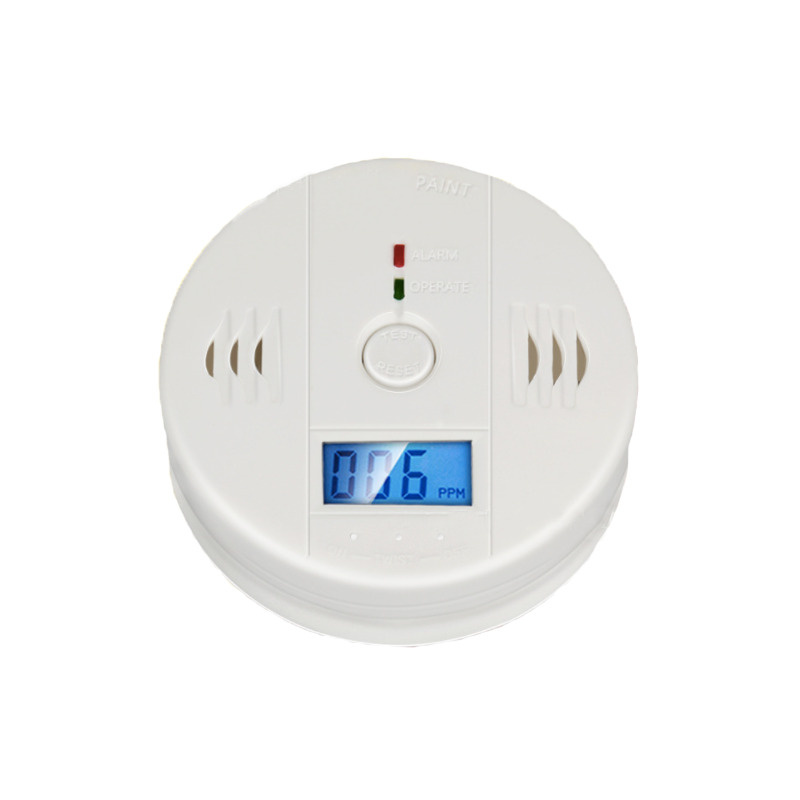
The main purpose of a sensor with an alarm (detector) is to give a light and sound signal indicating a dangerous concentration of CO in the air. Some models are capable of automatically shutting off the fuel supply.
It is very important to install such a sensor in the garage, since the exhaust of any car with a modern engine contains up to 30% CO, the engines of previous generations produced an even higher concentration. If the leak occurs at night, then people usually do not have time to wake up to take action.
And even a waking person does not always have time to figure out what is happening to him before he loses consciousness.
If the leak occurs at night, then people usually do not have time to wake up to take action.And even a waking person does not always have time to figure out what is happening to him before he loses consciousness.
To avoid this, the home fire system must be equipped with a gas analyzer designed to detect carbon monoxide. Sensors designed to detect other gases (domestic, carbon dioxide, methane, propane) are not suitable here, since these substances have different physical properties. A smoke detector cannot replace a gas analyzer either. The opposite rule is also true - the gas detector does not detect smoke. For example, there is practically no pure smoke in the exhaust gases of an internal combustion engine if the car is in good condition.
The principle of operation of gas leakage sensors
The principle of operation of different types is slightly different. Conventionally, all signaling devices are divided into wired and wireless. This speaks to the source of their nutrition. But behind the leak detection technique, there is another classification of sensors.
Types of gas detectors:
- Semiconductor;
- catalytic;
- infrared.
The principle of operation of the catalytic device is to change the platinum coil as carbon monoxide passes through the device. Another coil with a measuring device is used to detect the temperature increase. There is a direct relationship between resistance and the amount of carbon monoxide particles.
Semiconductor devices are a bit similar to catalytic devices in terms of how they work. Recognizing element coated with a thin film of metal oxide. When carbon monoxide touches the film, it absorbs the substance and changes the resistance to an inverse proportion. This option is great for the home, but rarely used in industry.It is believed that the signaling is not accurate enough. In addition, the device has a slow response.
Infrared sensors are widely used for industrial buildings. They are quite accurate, do not squeak unnecessarily, use little energy and quickly respond to a possible leak. They work under the influence of solar energy.




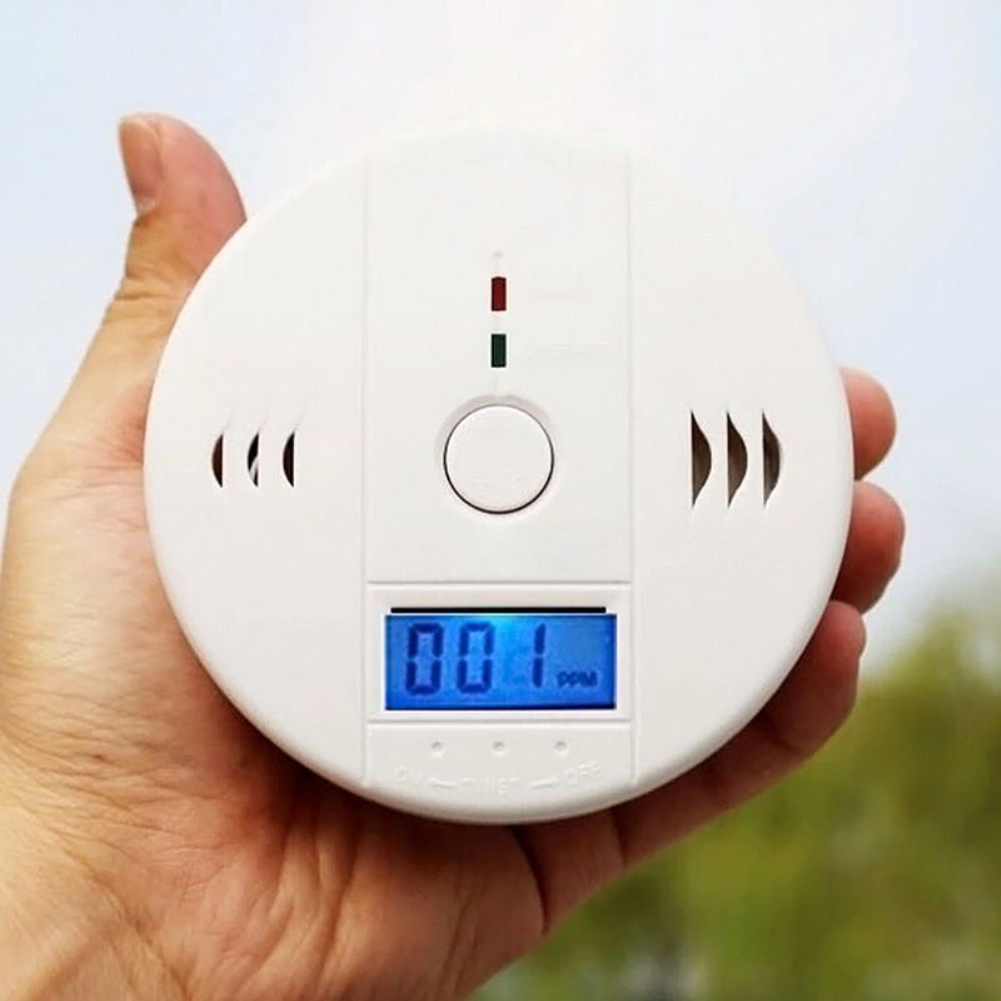
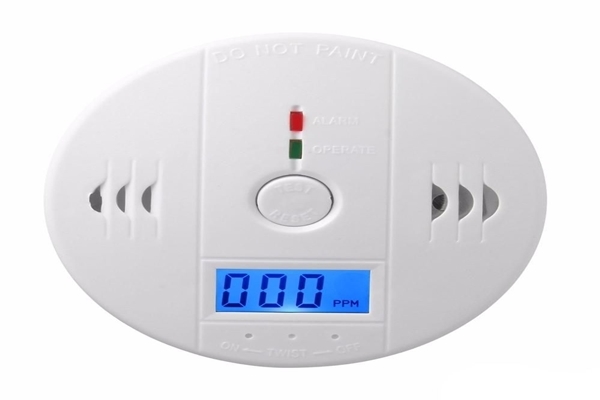
Cost of pollutant detectors
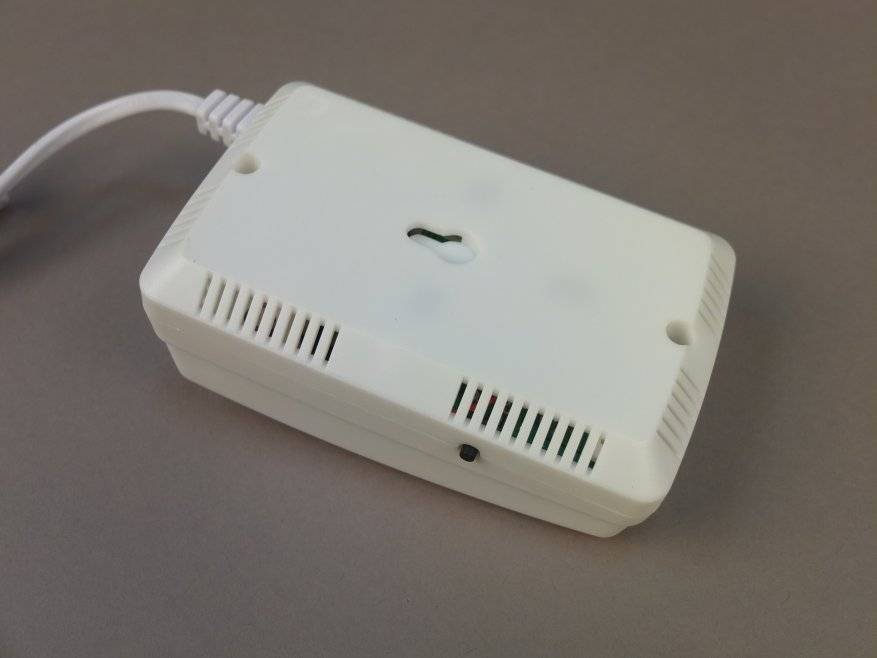
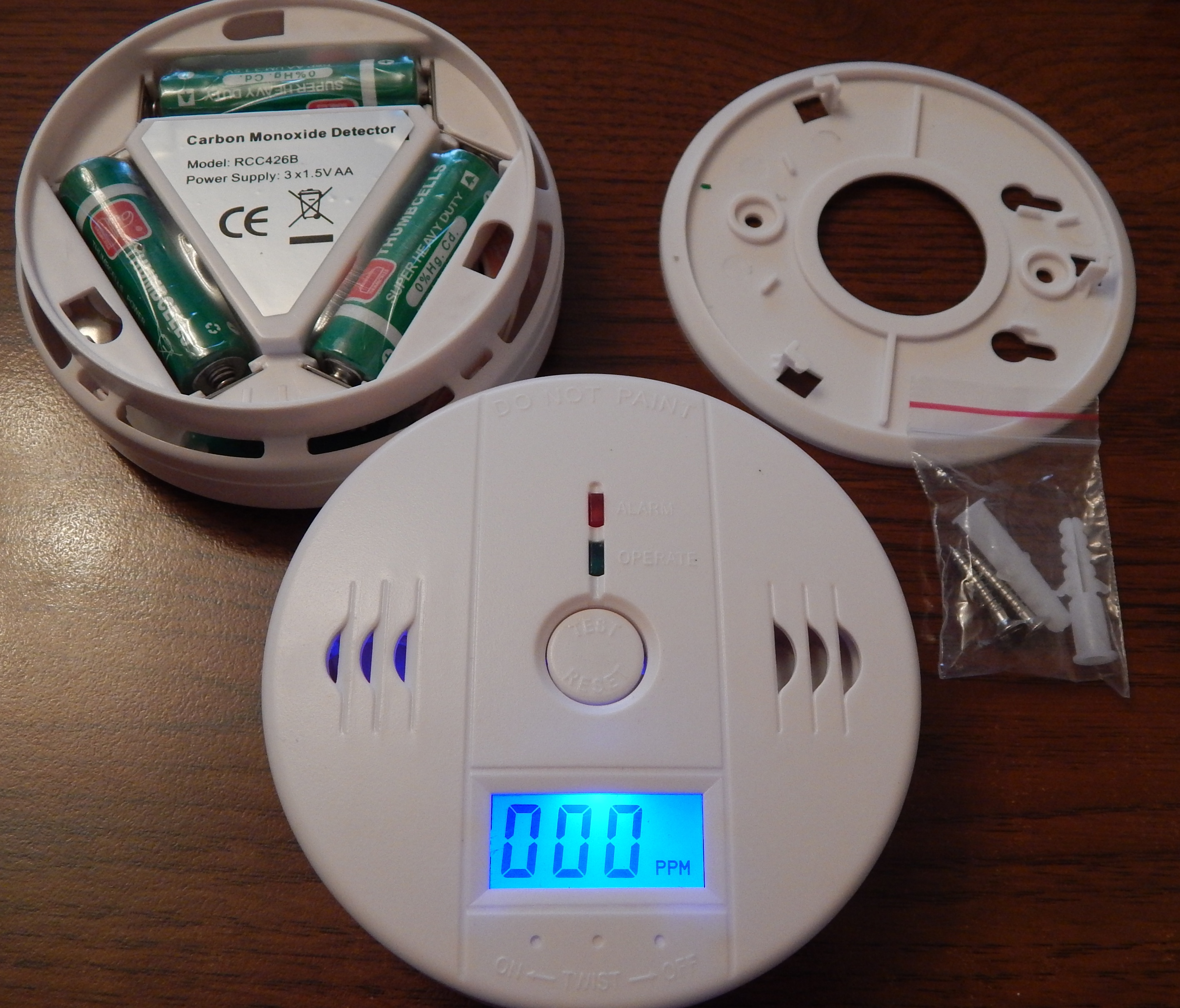
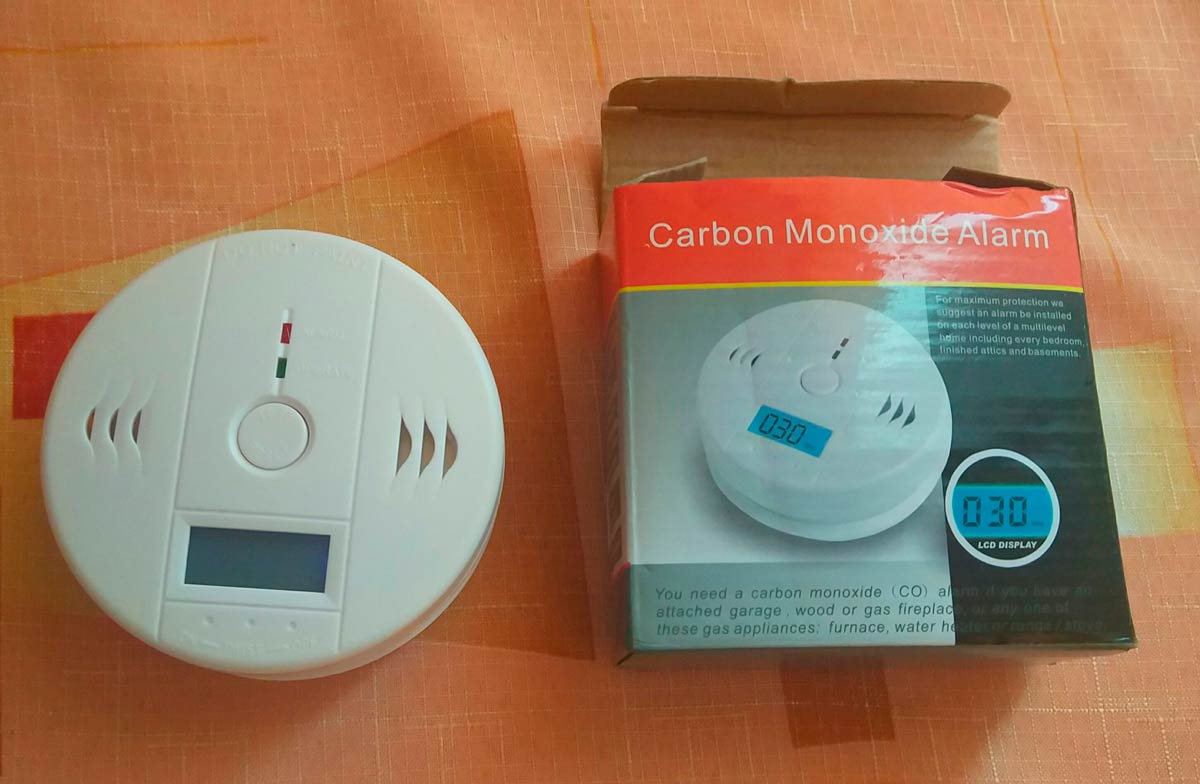
Basic models consisting of one block at the moment will cost one to one and a half thousand rubles. Such devices have poor functionality and warning systems.
Alarms consisting of several components cost from two thousand rubles. They are versatile and can also be combined with other security systems.
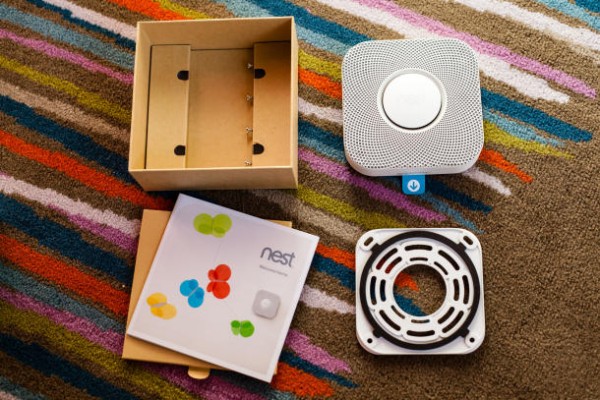
Photo from the site
A modern sensor, equipped with the best mechanisms and the ability to connect to a remote control or other controller, now costs about four thousand rubles. Such detectors are equipped with a touch screen, advanced functionality and offline operation system. This mode will allow the device to work without third-party intervention.
So, in the article, we examined in detail the devices and the principle of operation of carbon monoxide leak detection sensors, told how to install it and gave approximate prices for such devices. After reading the above information, you will have no problems with the choice, purchase and installation of the detector.
Shut-off valves
A smoke and carbon monoxide detector used with shut-off valves may require different types of accessories. If we are talking about a valve, then it can be NO, which implies a normally open device. Sometimes you can find a normally closed device.In the first case, the device is not energized, and the valve is constantly open, which indicates the free passage of gas. If you decide to purchase carbon monoxide sensors, you can read the principle of operation of this equipment in the article. But the valve for it can be electromagnetic
When choosing it, the consumer should pay attention to the intended location of this element. In most cases, such systems are recommended to be mounted on horizontal pipelines, as this is required by the design of the device.
In some cases, the considered approach is impossible, because the supply pipeline has a vertical arrangement. In this case, you can choose the electromagnetic gas valve brand KEI-1M. Its main advantage is the possibility of installation on vertical and horizontal pipelines. Consumers choose these elements also because of the rather attractive cost.
Compatible with other devices
First of all, the CO sensor is compatible with direct warning systems. Next, it is worth considering the possibility of automatic control of gas supply. For example, connecting a valve indicator to the infrastructure, which is integrated into the gas pipeline, will provide an opportunity to immediately turn off the supply even before the person himself takes action.
At the same time, devices for determining CO can be connected to ventilation systems by a control regulator. In this case, the system itself will open the ventilation channel to ventilate the room. For this purpose, it is worth connecting hoods and chimney pipes that are located above the stoves.
Installation, installation of a gas alarm
The installation of gas alarms in a house or apartment can be carried out by organizations and individual entrepreneurs admitted to these types of work.
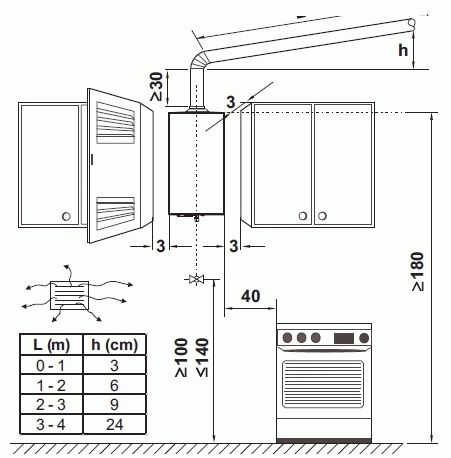
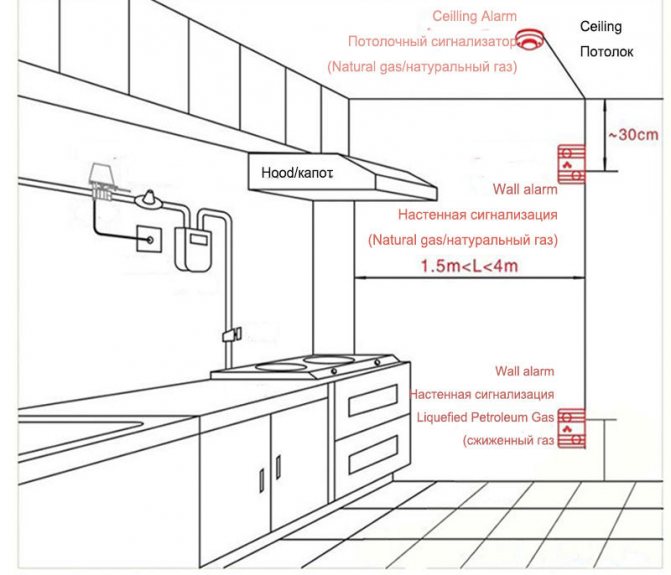
Recommended locations for gas detectors in the kitchen
Gas alarms are installed on the wall of the room, near the gas equipment. Gas sensors should not be placed in blind areas where there is no air circulation, behind cabinets. For example, it is recommended to install the device no closer than 1 m from the corners of the room. In addition, it is forbidden to install devices in the immediate vicinity of supply and exhaust ventilation devices, from heat sources.
Natural gas alarm (methane, CH4) are mounted in the upper zone, at a distance of no more than 30 - 40 cm from the ceiling, since this gas is lighter than air.
Signaling devices for liquefied gas (propane-butane), which is heavier than air, are installed below, at a height of about 30 cm from the floor.
For carbon monoxide, the detector is recommended to be installed in the working area of a person, at a height of 1.5 - 1.8 m from the floor. The density of this gas is approximately equal to the density of air. Carbon monoxide is heated from the boiler into the room. Therefore, the gas rises up to the ceiling, cools and is distributed throughout the entire volume of the room. A carbon monoxide detector may be installed near the ceiling, next to the same device for methane. Given this circumstance, some manufacturers produce a universal gas alarm that reacts immediately to both gases - methane and carbon monoxide.
The shut-off electromagnetic shut-off valve is installed on the gas pipe, in a place convenient for access to the manual cocking button.
The installation of a shut-off valve on the gas pipeline should include:
- in front of gas meters (if a disconnecting device at the input cannot be used to turn off the meter);
- in front of household gas appliances, stoves, water heaters, heating boilers;
- at the entrance of the gas pipeline to the room, when a gas meter with a disconnecting device is placed in it at a distance of more than 10 m from the place of entry.


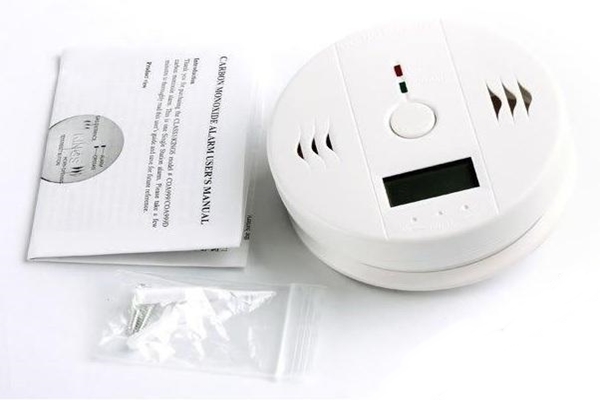


Some models of gas detectors, in addition to the shut-off valve on the gas pipeline, can control the activation of an additional light and sound detector or an electric fan in the ventilation duct.
Type of power supply
There are two types: wired and standalone. For the operation of the first, it is necessary to connect to a stable electrical network. When there is a power outage in the room, such a device immediately stops working. This is the only drawback.
Wireless work on conventional or rechargeable batteries, which allows you to choose any convenient place for installation. Since the device is equipped with an independent power supply, it will not miss the increase in gas contamination during a power outage. It costs more than wired ones, and also requires periodic checking and replacing the battery. For these reasons, it is practically not used in industry.
Popular signaling models
It is difficult to immediately make a choice in favor of a particular model. In this case, reviews of other buyers who purchased devices both on foreign trading floors and in Russian stores can help.
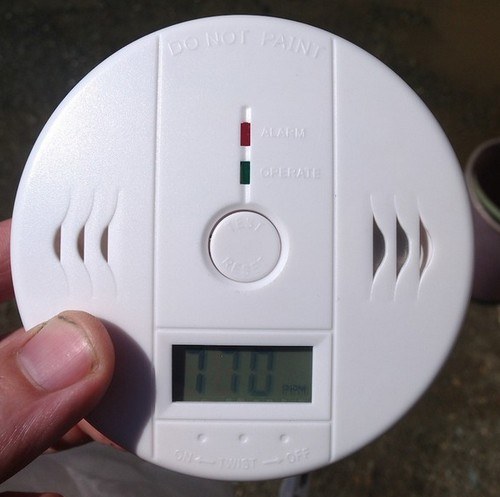
Washers for $5
A "better than nothing" option. They are inexpensive due to the short service life, but they work reliably for the prescribed year. Autonomous power - only from batteries, accumulators.They work according to the chemical principle, electrolyte replacement is most often impossible. Judging by the reviews, the signal is loud - it wakes up even a sleeping person. It is easy to find for sale both on Aliexpress and on Ebay. It makes no sense to indicate specific manufacturers, since everything, with a high degree of probability, is produced at the same plant.
Advanced China for $17
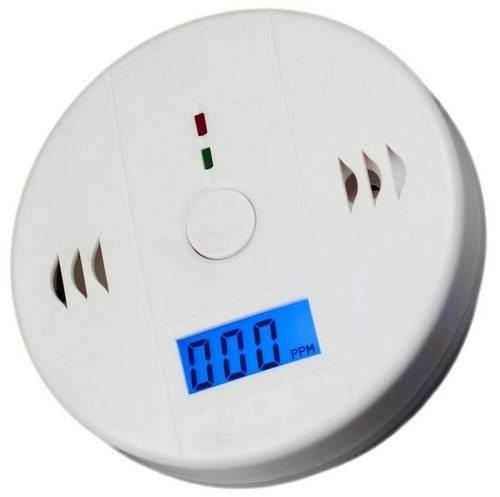
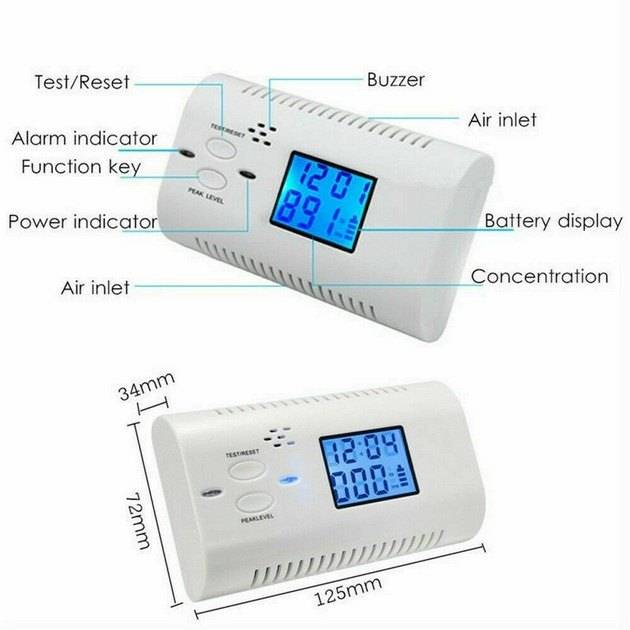
This type is characterized by large screen sizes, battery level display, sensitivity up to 5 PPM, error level up to 10%. It looks more solid and nicer than the $5 models. You can configure and test the device using special buttons on the case. Large air intakes provide more accurate response even in rooms with low air convection.
There are such noname options for sale on EBay. In Russia, for this money, it is better to choose a device from a certain manufacturer with a guarantee. However, if there is time for waiting and interest, then you can order such a model. Reviews online are mostly positive, but you should always be on the lookout for a VOC sensor instead of a CO analyzer.
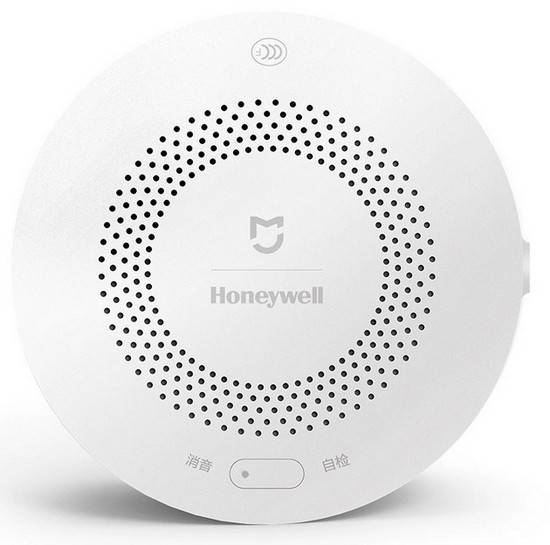
Mijia Honeywell Gas Alarm
The combined sensor monitors carbon monoxide, methane and other contaminants. It works from the mains, so it does not require checking and replacing batteries. It can function independently, or as an element of the "smart home" system. Compatible with all types of security and fire alarms. It is controlled via Wi-Fi from a smartphone, and sends all information on self-diagnosis and the current state of the air there.
In the event of an alarm, it emits a light and noise signal on its own and sends a message to the phone, so that even at night it is impossible to miss.Installed by yourself without any difficulties. Calibration is required no more than once a year.
The price on the Internet is $50. In Russian stores, about the same - 2990 rubles. It is safer and faster to buy for rubles, because if something goes wrong with the device delivered from abroad, then the proceedings may take several months.
Kinds
Depending on the principle and method of detecting carbon monoxide in the air, there are three types of such technical devices - sensors / signaling devices:
Semiconductor
Where CO detection is based on a change in the electrical conductivity of the air, which leads to a discharge between the contacts of the semiconductor sensor, circuit closure, and a light and sound signal of danger.
infrared
Triggered by a sharp change in electromagnetic radiation caused by the appearance of CO impurities in the air. As sensors in such devices, LEDs are used, equipped with a system of light filters to set exactly the specified values of the gas concentration.
catalytic
The appearance of CO in the air is determined by increasing the value of the electric current in the gas analyzer circuit, which includes a container with electrolyte. The appearance of carbon monoxide molecules activates an electrolytic chemical reaction, which leads to an increase in the strength of the electric current, the sensor is triggered at a predetermined factory value, and an alarm is given.
The first two types of carbon monoxide detectors are most often produced in the version for stationary installation in rooms, they require power supply from the 220 V network, and the service life is calculated in years, without the need for repair in both normal operation and after an alarm.
Unlike semiconductor, infrared automatic CO detection detectors, catalytic signaling devices have a significant drawback - this is a gradual, inevitable failure of the electrolytic component of the device.
But, the advantage of catalytic CO sensors is their low power consumption, which makes it possible to produce such devices in autonomous, portable versions, complete with replaceable electric batteries. This contributes to the demand for products in cases where stationary power supply networks are not nearby.


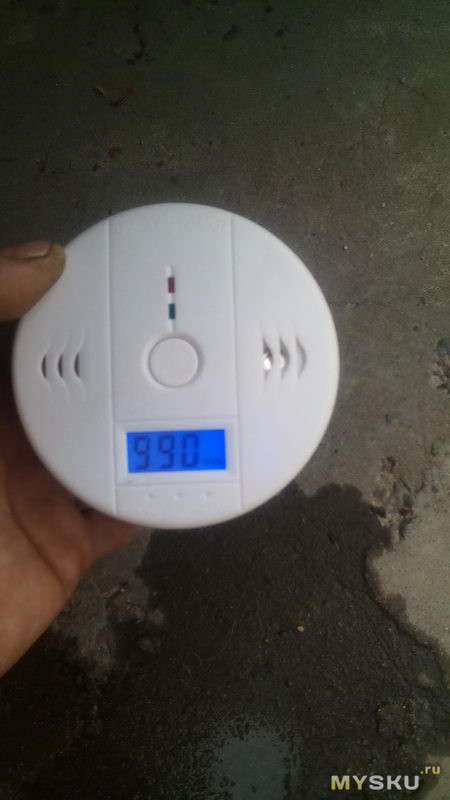

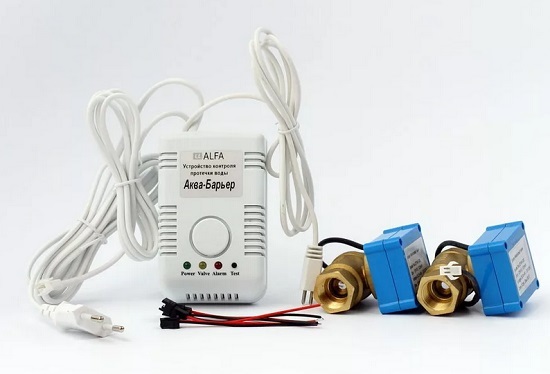


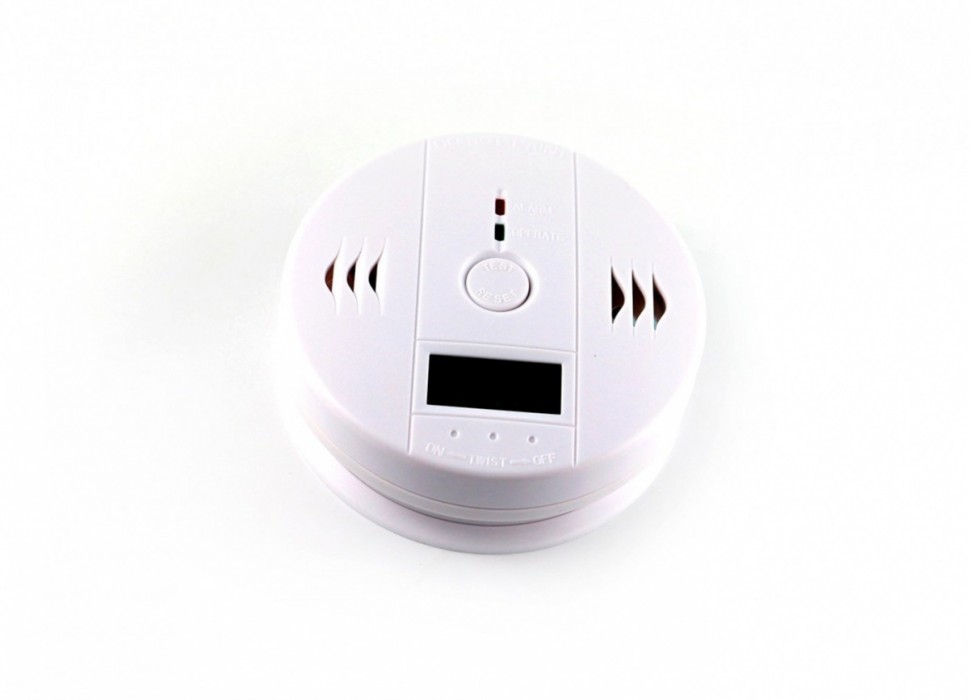
For example, in field conditions to protect temporary objects of geological parties, hunters, fishermen, as well as for installation in cabins, salons of various types of motor transport, characterized not only by the fire hazard of gasoline, but also by the possibility of CO poisoning from the operation of propulsion units.
Among the major domestic and foreign companies producing CO detection sensors / signaling devices, the following manufacturers can be distinguished, whose products are popular and in demand at the time of this writing:
- Oxion. Autonomous sensor Oxion SCO-007, triggered by an increase in CO concentration above 0.1%. Product dimensions - 102 x 40 mm, weight 0.2 kg. The sound signal level is 85 dB.
- ALFA SD. Autonomous sensor ALFA SD-06. Power supply - 3 AA batteries. Light indication of working capacity, LCD-display.
- Honeywell Analytics manufactures a line of X-series CO household signaling devices. A popular model is the Honeywell XC70 wireless detector with a 3 V lithium battery. Dimensions - 100 x 72 x 36 mm, weight - 0.135 kg. Sound signal - 90 dB. Self-test function - every hour.
- Bradex. Model 0369 wireless CO detection sensor in a plastic case made of high-impact polystyrene, powered by 1.5 V batteries - 3 pcs. Dimensions - 100 x 380 mm. Audio signal power 85 dB. The operating temperature range is 5–40 ℃, with humidity up to 85%.
It should also be noted:
- Combined household, carbon monoxide alarm MG-08S with light and sound signaling; dimensions 115 x 71 x 41 mm, weight 168 g, powered by 220 V, which can be operated at temperatures from -10 to 55℃.
- RGDCO0MP1 is a multiprocessor stationary CO detection device. Device activation threshold: pre-warning - at carbon monoxide concentration of 20 mg/m3, alarm - at 100 mg/m3. Dimensions - 148 x 84 x 40 mm, weight - 0.425 kg.
Detectors for the appearance of carbon monoxide in the air of a room are one of the types of gas analyzers, including:
- Sensors for detection of volatile hydrocarbon compounds characterizing the high fire hazard of oil and oil products.
- Signaling devices for exceeding the MPC in the air of a household gas mixture.
- Gas fire detectors with a sensor for detecting CO in the air of the protected object.
It should be noted that all other types of devices that signal a fire - thermal, smoke sensors, including aspiration, flow fire detectors, do not react to CO in any way.
Kinds
There are several types of gas sensors:
with infrared sensors;
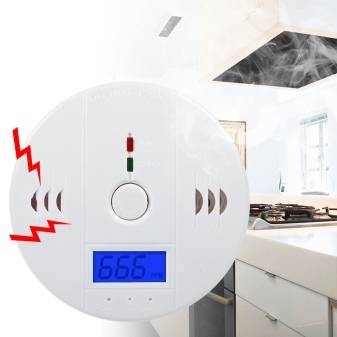
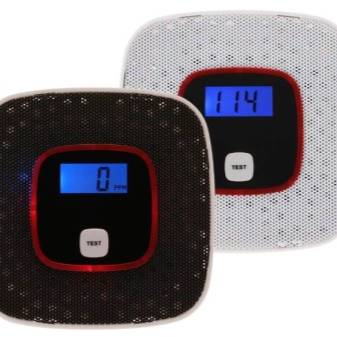
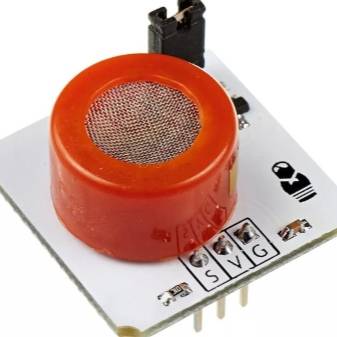
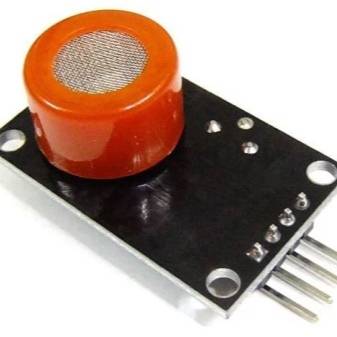
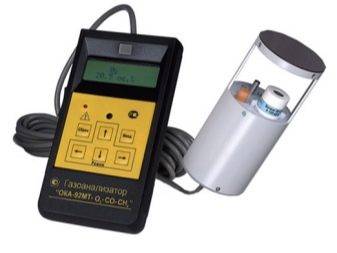
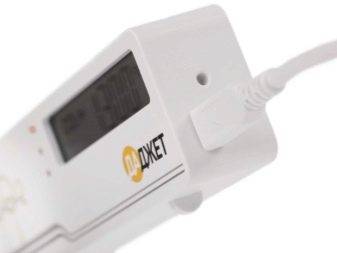
Now let's talk about each category in more detail.
With infrared sensors
Air is used as the analyzing part, which is checked for the presence of CO in it using infrared radiation. The main element that determines the level of gas is the infrared wave spectrum, which absorbs carbon monoxide toxins. Also, such a sensor can easily calculate the presence of methane in the air and other gases.
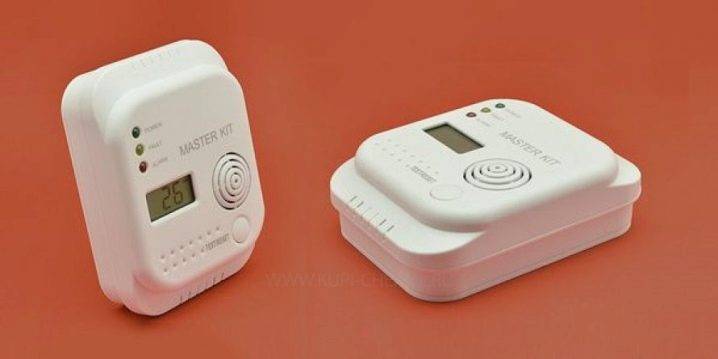
Usually, either an LED or a filament is used as a sensitive part in the gas analyzers in question. Such a sensor will then be non-dispersive. In this case, the gas level will be analyzed through the use of special light filters, which are designed to perceive a certain spectrum. The disadvantage of such devices will be a rather high cost. To organize x work, you will need a 220 V network, although battery-powered models can also be found.
Semiconductor based
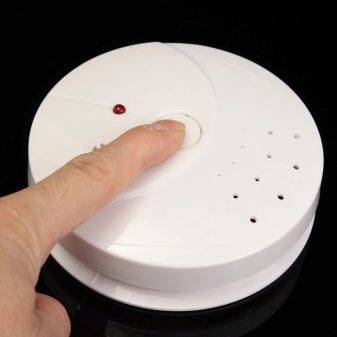
This category of devices under consideration works due to chemical type processes that occur between atoms. Usually the active substances are carbon, ruthenium or tin. Toxic elements are determined by increasing the conductivity of the air where they are contained, which is a consequence of the formation of contact between the parts of the detector used. After that, the device is activated, which is responsible for notifying the excess of gas content.
Then the interaction between the particles of tin dioxide or ruthenium is carried out. To carry out diffusion, the mentioned chemical elements must be heated to 250 degrees.
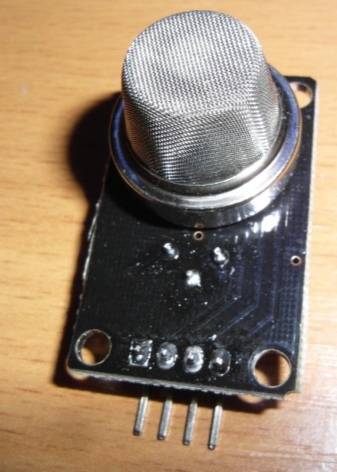
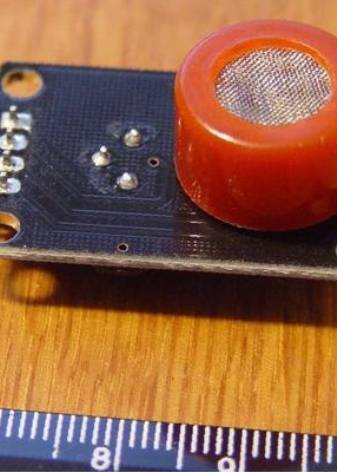
If clean air will have practically zero conductivity based on these oxides, the device will only make sense to use if the carbon monoxide content in the room is quite serious. Heating will lead to a reduction-oxidation type reaction, where it is carbon monoxide that will be the reducing agent. Its result will be an increase in the conductivity of the device, the closure of the sensor contacts and the subsequent triggering of an alarm.
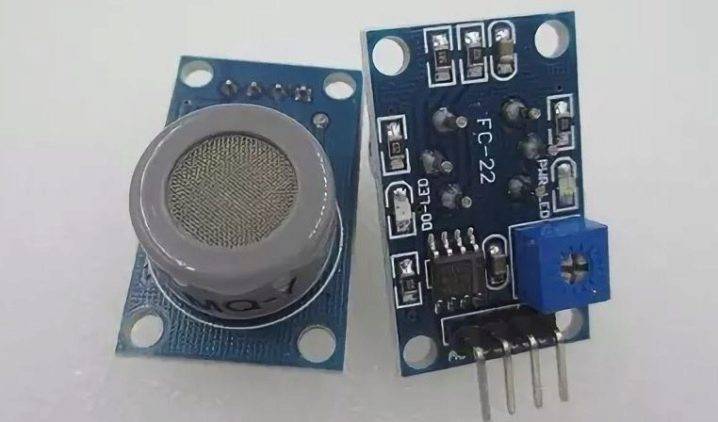
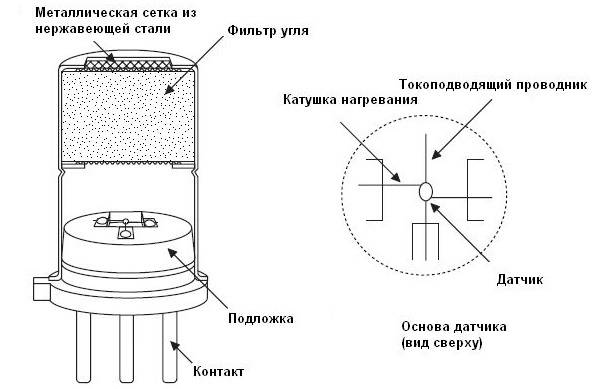
Note that false activations are also possible in cases where the device is near an open fire or near a fire. For this reason, experts recommend placing such devices at a certain distance from heating devices. Such a sensor has a solid type base. It is made of polymers, and the body is made of steel.

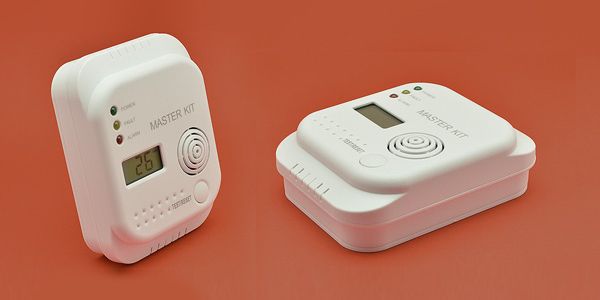
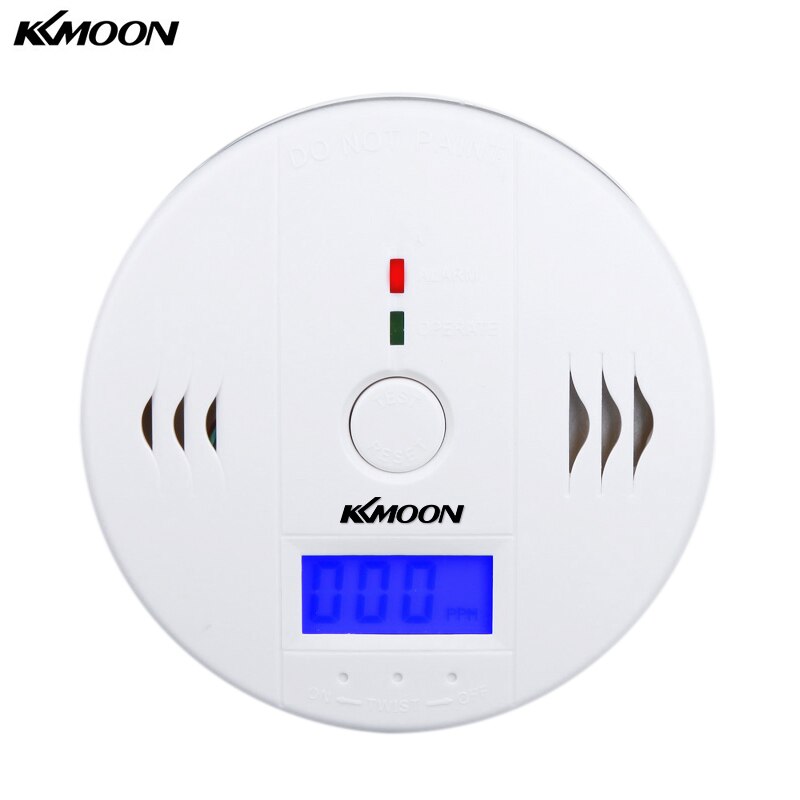
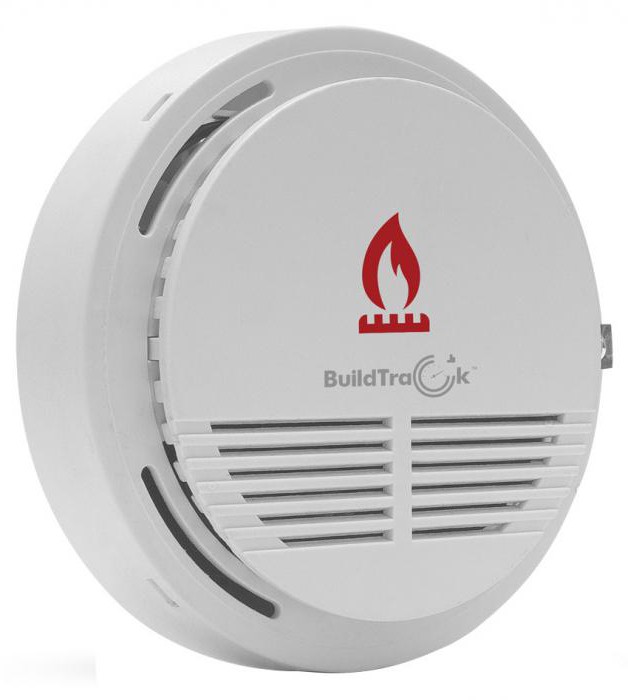


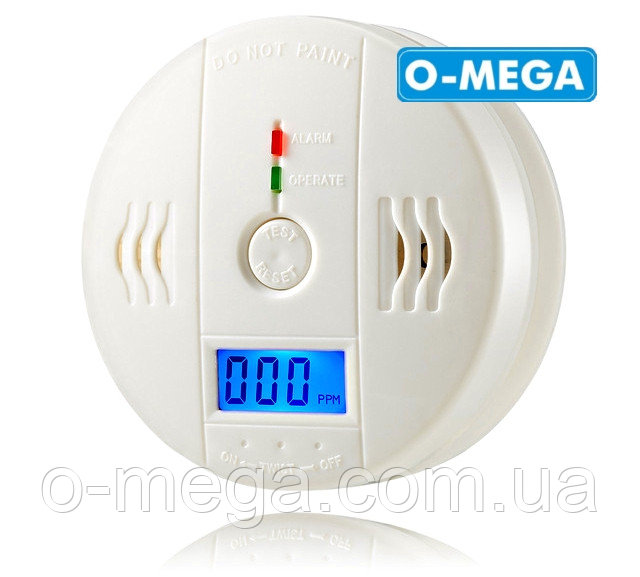


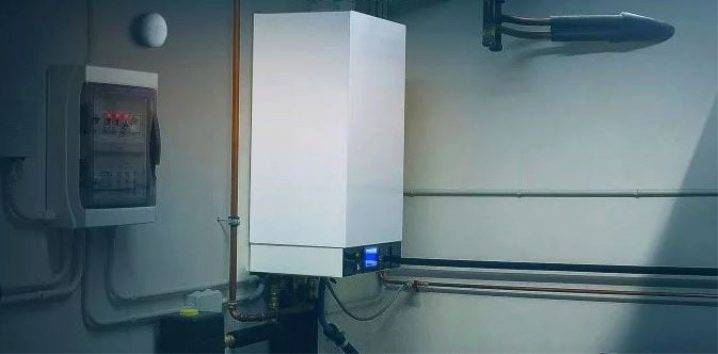
The front part serves as an inlet, where air enters, which contains toxic substances. The detector has a special absorbent filter that protects it from ingress of other combustion products. There is also a stainless mesh that traps dust. Under the carbon filter is a sensitive element. The voltage goes only to the terminals made of metal.
With electrochemical method of determination
They are also characterized by a low level of energy consumption due to the absence of a heating element. The sensitive substance here is the electrolyte in liquid form. For this reason, the equipment can work without an electrical network, but simply on batteries. Such a device analyzes the state of the air due to the oxidation of the substance contained in the container.The substance is usually either an alkali or a mixture of certain acid solutions. The second option is considered more reliable and durable.
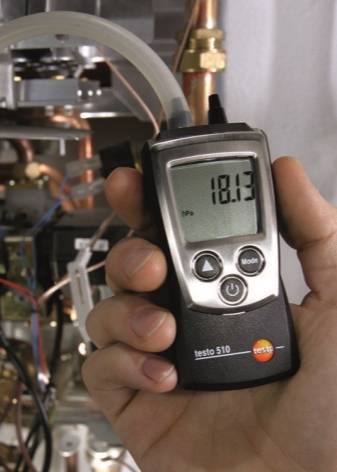
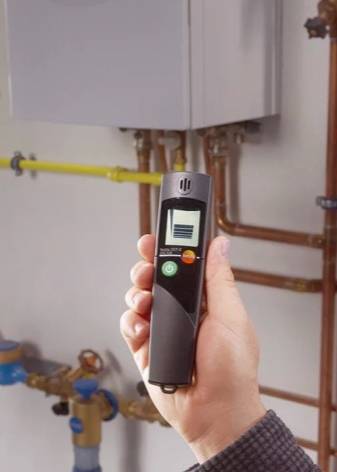
The essence of the operation of such a device is that gas molecules come into contact with the electrode of the device, due to which a chemical oxidative reaction occurs. The electrolyte recognizes the voltage and understands the gas level. The higher its value, the more powerful the electrolysis will be. This will be controlled by a small fee, where a certain level of gas availability is prescribed. If it is more than necessary, then the sensor starts to work.
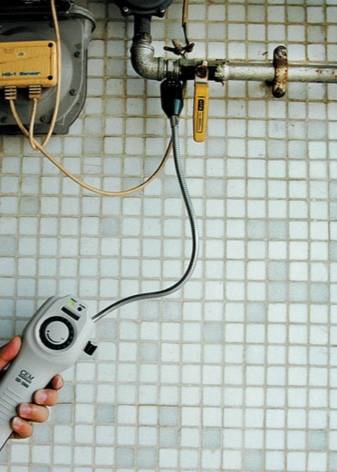
Such devices very rarely work falsely, but from time to time they should change the electrolyte and refill the galvanic type capsule.
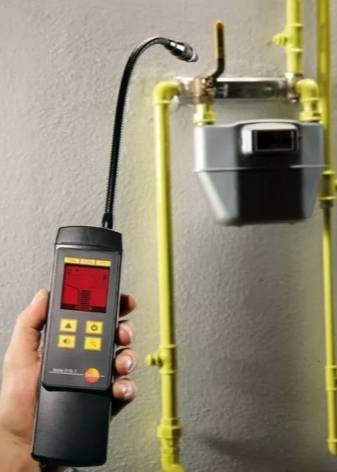
Work principles
Modern detectors detect carbon monoxide using one of the following principles:
- atomic reaction in semiconductors;
- spectral changes in the wavelength of light in the infrared part of the spectrum;
- through a catalytic reaction.
Each type of sensor has certain pros and cons. Let's consider each separately.
Semiconductor
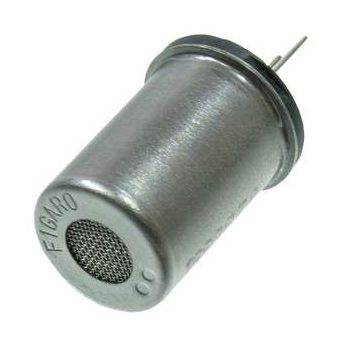 Their action is based on a change in the electrical conductivity of air, in which carbon monoxide molecules appear. The semiconductor sensor consists of contacts based on tin dioxide or ruthenium dioxide, to which a microscopic heating element is connected, which heats the contacts up to 250 ℃.
Heating contacts carry out heating and the atmosphere around. In this case, carbon monoxide molecules, if present in the air mixture, cause an increase in the electrical conductivity of the air up to the formation of an air "breakdown" between the sensor contacts.The electrical circuit closes, the gas analyzer gives a light and sound signal.
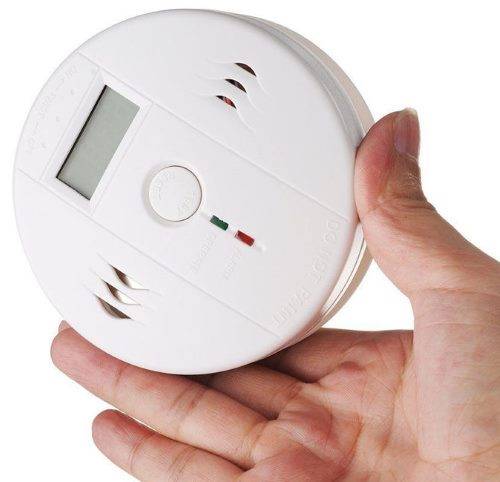
This type of alarm sensor is considered one of the most reliable and accurate. Cases of false alarms for the entire time of their use can be counted on the fingers, and then they occurred due to incorrect installation of the device - near a strong heat source. Solid state analyzers are characterized by long life and low power consumption, but are more difficult to install than other types of carbon monoxide sensors. Their prices are also higher on average.
infrared
 This sensor works on the principle of changing the wavelength of electromagnetic radiation in the infrared part of the spectrum. The fact is that clean air and containing certain impurities cause a different distortion of the wavelengths of light waves of the optical and spectral regions close to them.
The infrared sensor contains a light source. Currently, LEDs are actively used, previously tungsten filaments were used, as in Ilyich's light bulbs.
Another important component of the infrared carbon monoxide sensor is a system of light filters that capture the slightest deviations from the set value. A change in the composition of the air causes directly proportional changes in the spectral nature
The sensor gives a signal if the level of changes exceeds the limit values
A change in the composition of the air causes directly proportional changes in the spectral character. The sensor gives a signal if the level of changes exceeds the limit values.
The advantage of such an analyzer is that it can be programmed to determine several types of gases, including chlorine, ammonia and methane.This type of sensors is closer than others to the concept of universality. Note that there are no absolutely universal gas analyzers, if only because some gases are heavier than air, others are lighter, and still others have physical parameters similar to those of air. Therefore, even the rules for placing different sensors differ.





Catalytic
 This is a chemical type of device that runs primarily on batteries. It determines the presence of carbon monoxide impurities in the atmospheric air by the occurrence of an oxidation reaction (catalysis) at one of the contacts of the electrolytic bath.
Such a device contains a small container filled with an electrolyte of an acidic or alkaline nature.
Carbon monoxide molecules cause a chemical reaction, as a result of which an electrical voltage appears on the contacts. The higher the CO content, the higher the voltage level. After exceeding the maximum allowable value, as in the previous case, the device signals a dangerous concentration of carbon monoxide in the air.
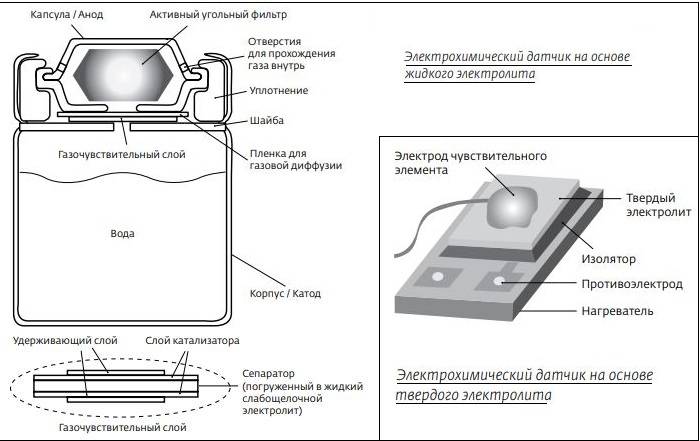
The disadvantage of such devices is the gradual failure of the electrolytic cell, which cannot be avoided. However, some models allow you to replace an element that is a consumable. The advantage of the device is the elementary installation and extremely low power consumption.
Tips and tricks for choosing
Alarms often have additional options in addition to leak detection. For example, a good solution is a signaling device with the function of independently eliminating gas leaks. In these, preference should be given to models equipped with shut-off valves. When excess gas is detected in the air, the valve automatically blocks the gas supply.
For installation at home, it is also optimal to use devices with solenoid valves and devices based on electrical impulse control.
There are also models that work on the GSM control system. Such models are synchronized with a mobile phone using a special program. When a gas leak is detected, the mobile phone receives an SMS notification. The most advanced models of signaling devices allow you to perform actions to eliminate the leak remotely.
conclusions
Installing gas alarms is voluntary. In 2019, after a series of emergencies related to malfunctioning devices and the lack of gas control in the residential sector, the issue of mandatory installation of gas detectors was raised. In practice, the bill has not been finalized. But, given the presence of a threat, it is advisable to install the device in your home.
After installation it is necessary to take care of the device regularly. Care is not difficult and it comes down to periodically wiping dust from the surface of the device and regularly testing the device for its efficiency. The test is carried out using a conventional lighter. You should also check the operation of the valve and leakage breaker. After checking, the valve should be returned to its original state.
Vote for the best gas leak sensor
Which gas leak sensor would you choose or recommend?
Sapsan GL-01
Save the voting results so you don't forget!
You must vote to see the results