
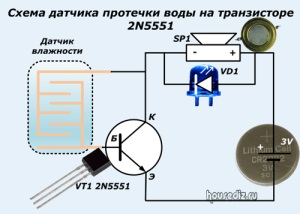
- What you need to buy for a water leakage sensor, even if you are not an electrician
- Do-it-yourself leak protection
- The easiest way is based on the use of a transistor
- Do-it-yourself water watchman
- What are SPPV
- Neptune system
- GIDROLOCK systems
- Aquaguard system
- Why you need a water leak sensor
- How to make a water leakage sensor yourself
- Required materials and components
- Manufacturing instructions
- Conclusion
- How to choose
- Some features of popular systems
- Features of one block
- Additional functions
- On the issue of reliability: power and other points
- Peculiarities
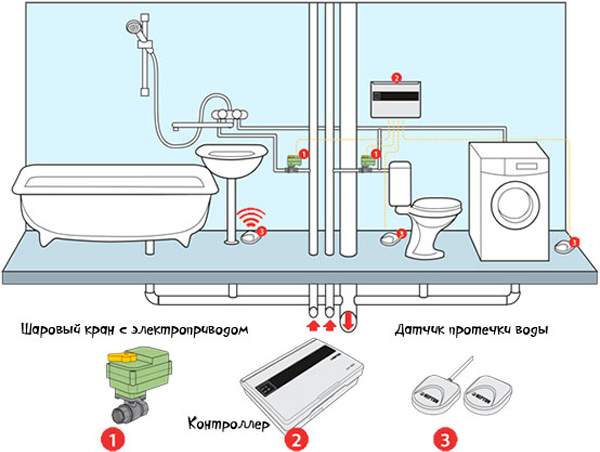
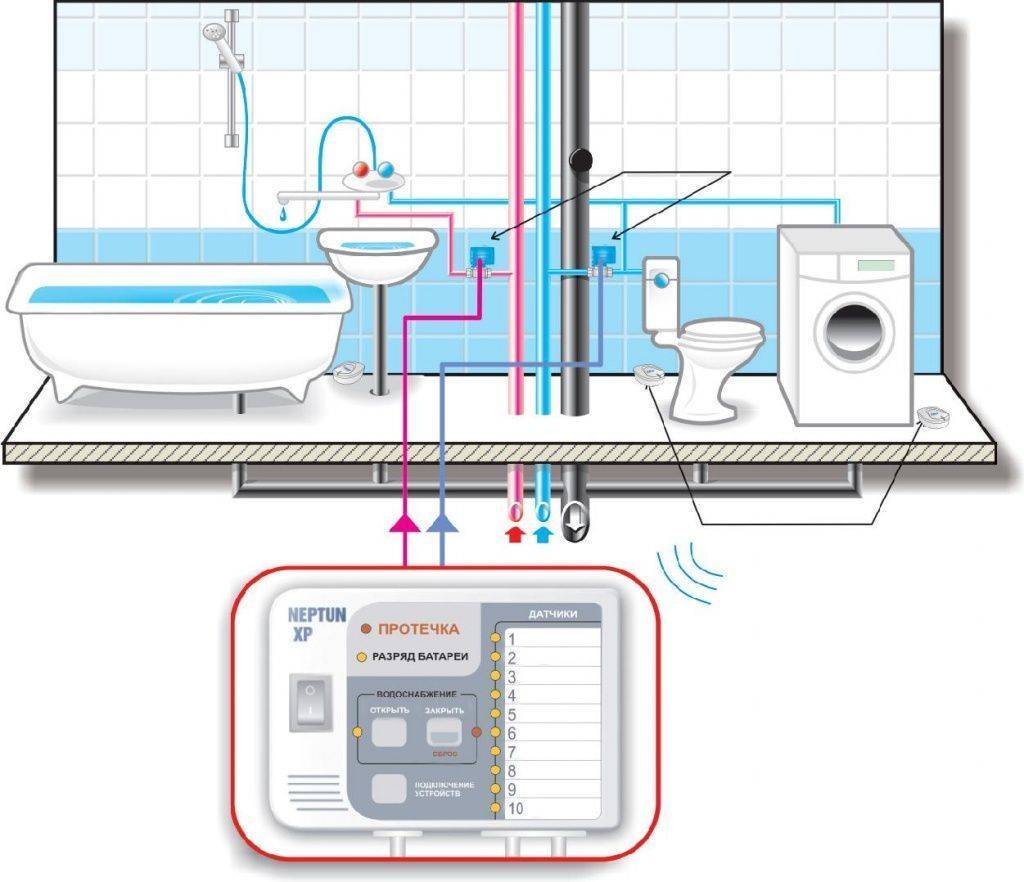
- The principle of operation of the devices that make up the system
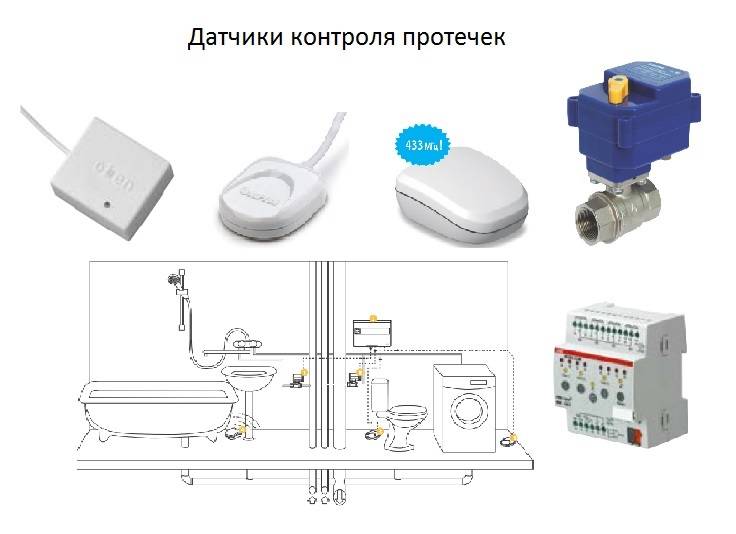
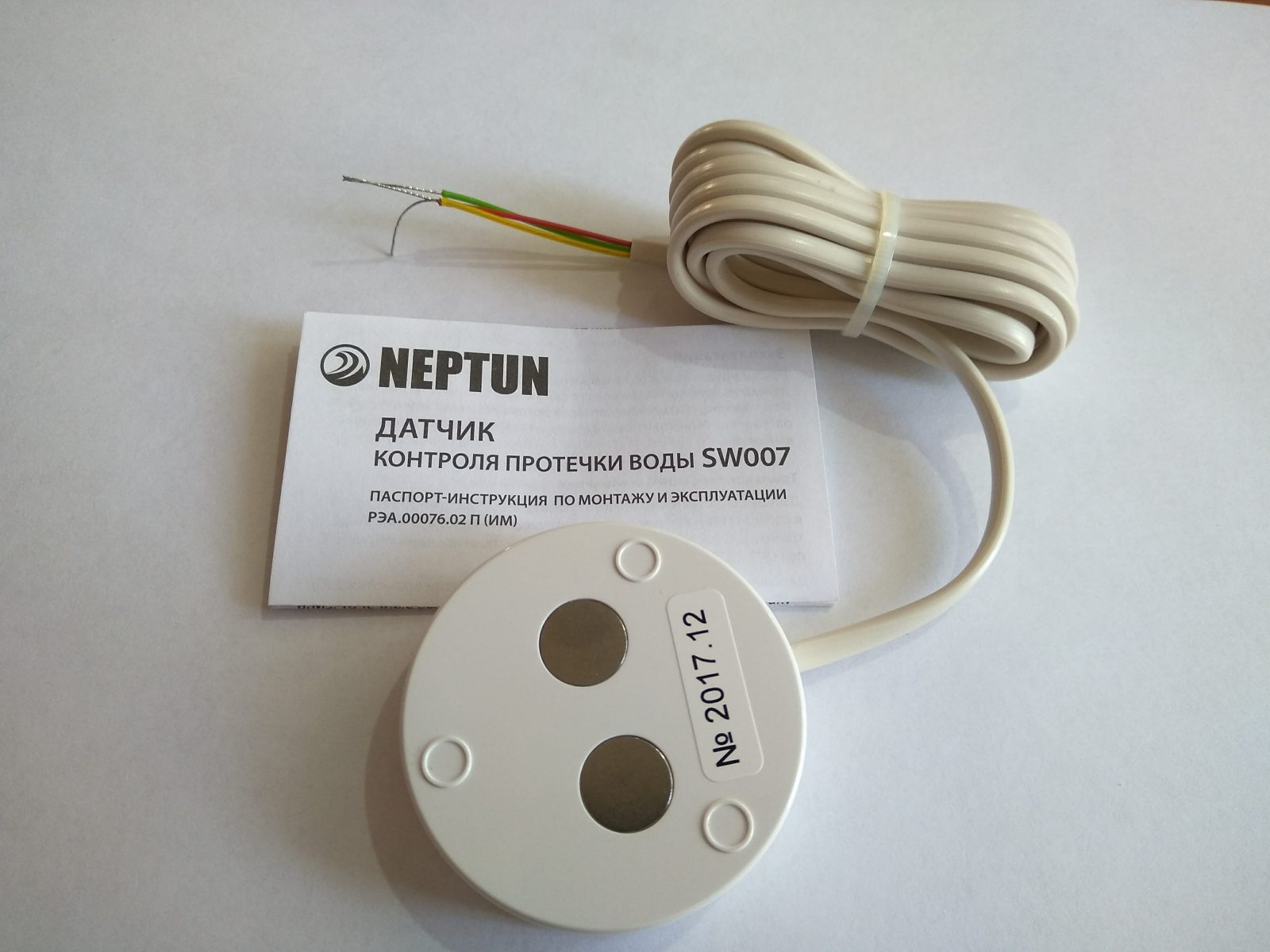
- Sensors
- Controller
- Executive (locking) devices
- Installation of a water leakage prevention system
- Ball valve tie-in
- Installation of water leakage sensors
- Controller Mounting Rules
- Checking system operation
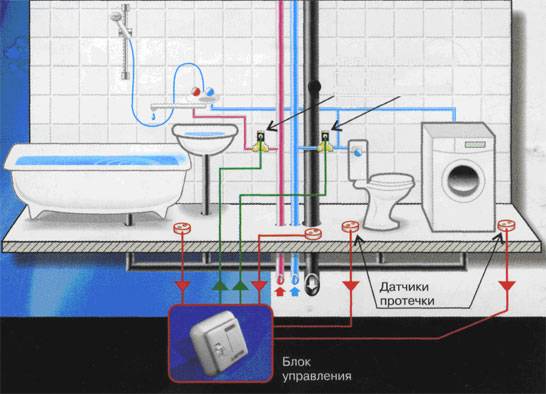
- General principles for the placement of leakage sensors
- The most critical points of water breakthrough
- How to place sensors correctly
- How does the water leak system work?
- Wireless water leakage sensor: principles of operation
What you need to buy for a water leakage sensor, even if you are not an electrician
Have you ever dealt with an electrician? It doesn't matter, here you have enough knowledge of the school physics course and a little determination. If you have ever assembled a constructor, you will succeed.The sensor consists of only a few parts that are easy to assemble with a small soldering iron. Another of the tools would be nice to have a glue gun on hand.
And now for the details. You can find them in any radio electronics store and they cost a penny.
So, let's see what you need to purchase for one sensor.
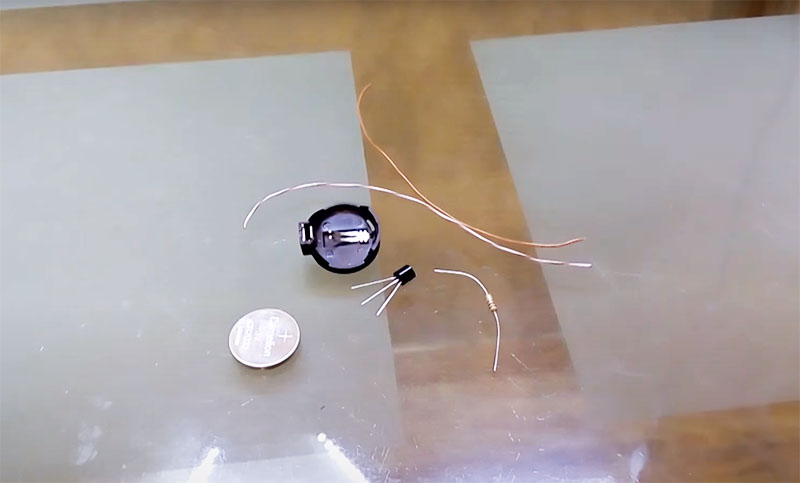 You will need a transistor, a battery cover with contacts, a three-volt battery, a 2 MΩ resistor and a pair of thin wires
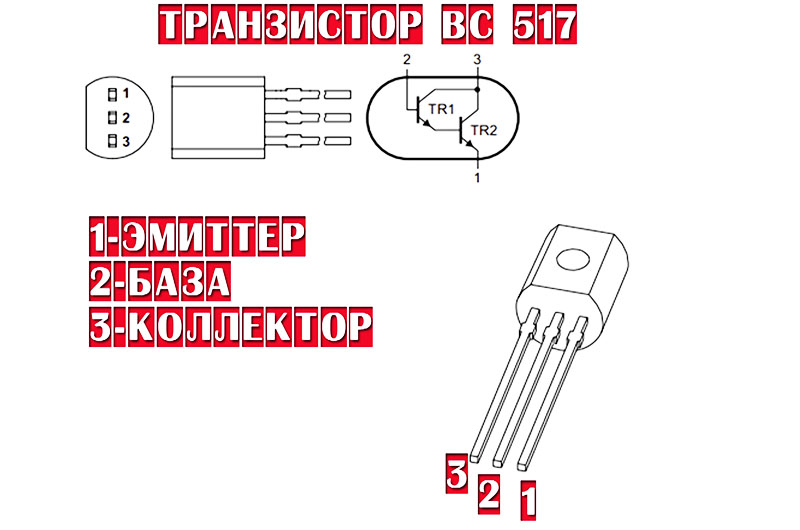 It is better to take a transistor BC 517 with a large gain
In addition to the above, you will need a miniature buzzer with a generator, which will notify you of a threat.
Do-it-yourself leak protection
Any person who is familiar with a soldering iron and has minimal skills as an amateur radio electronics can assemble an electrical circuit that works on the appearance of an electric current in it if there is water between the contacts. There are many options, both simple and more complex. Let's give some examples.
The easiest way is based on the use of a transistor
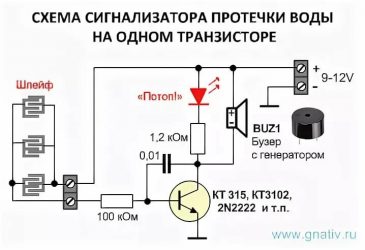
The circuit uses a fairly large range of composite transistors (for details about which models we are talking about - see the image). In addition to it, the following elements are used in the scheme:
- power supply - a battery with a voltage of up to 3 V, for example, CR1632;
- a resistor ranging from 1000 kOhm to 2000 kOhm, which controls the sensitivity of the device to respond to the appearance of water;
- sound generator or signal LED light.
A semiconductor device is in a closed state in a circuit where the power supply is not allowed to make it work with the installed power.If there is an additional source of current caused by leakage, the transistor opens and power is supplied to the sound or light element. The device works as a signaling device for water leakage.
The housing for the sensor can be made from the neck of a plastic bottle.
Of course, the above version of the simplest circuit can only be used to understand the principles of operation, the practical value of such a sensor is minimal.
Do-it-yourself water watchman
Unlike the previous method, where the presence of a person is required to eliminate the leak, here the signal is sent to an emergency device that automatically shuts off the water supply. To generate such a signal, it is required to assemble a more complex electrical circuit, in which the LM7555 chip plays the main role.
The presence of a microcircuit allows you to stabilize the signal parameters due to the comparative analog device contained in it. It works on those signal parameters that are necessary to activate the emergency device that shuts off the water.
As such a mechanism, a solenoid valve or a ball valve with an electric drive is used. They are built into the plumbing system immediately after the inlet water supply valves.
This circuit can also be used as a sensor to provide light or sound signals.
In conclusion, we can add that the leakage sensor is not a particularly complex device that will be inaccessible to the average man in the street, if you want, you can assemble it yourself at home. The functions that this small nondescript box performs should be implemented in every home, and the benefits from it are simply invaluable.
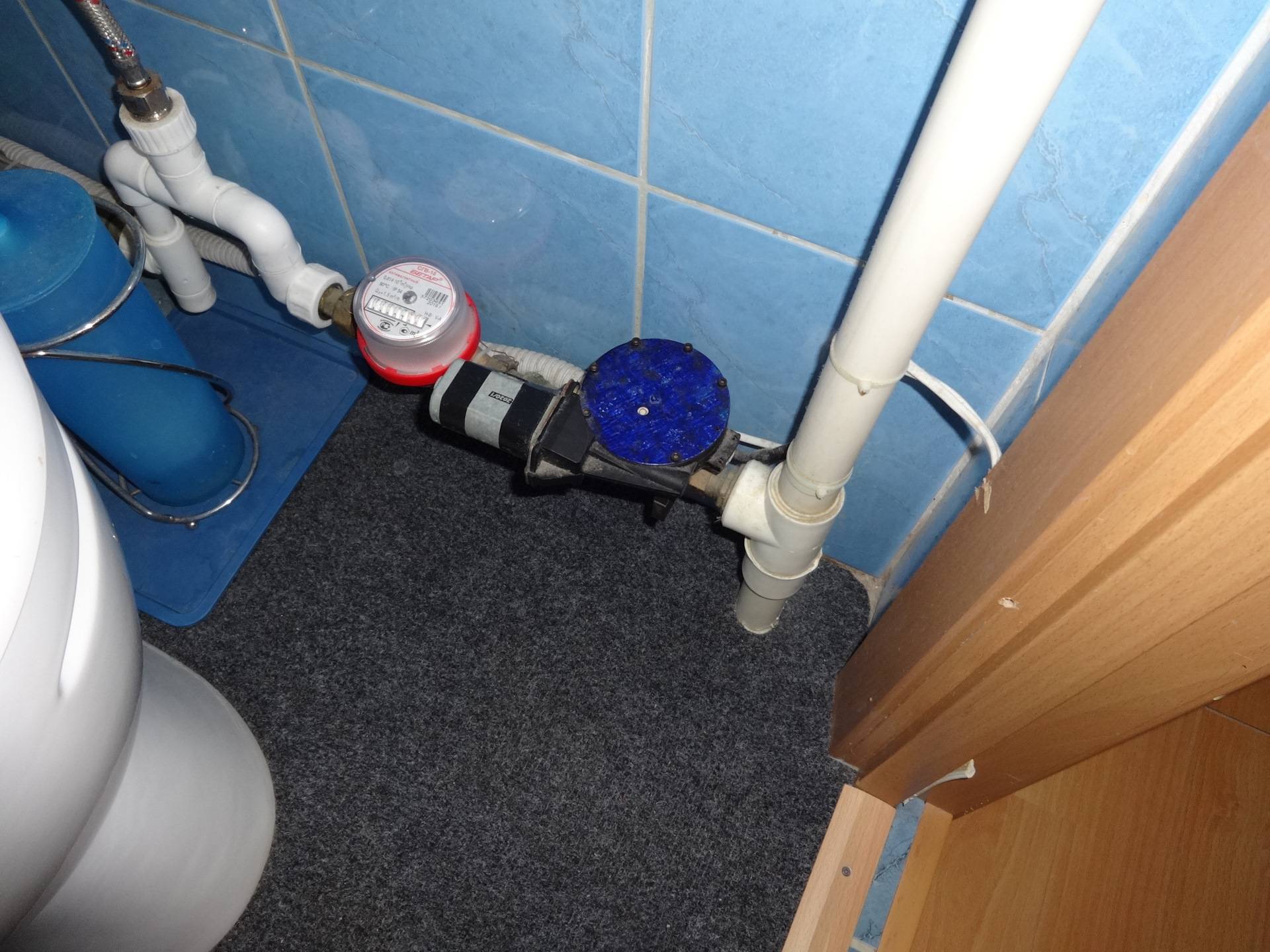

What are SPPV
Systems vary in:
- power supply - from batteries, accumulator or mains;
- installation methods - some are installed during repairs, others can be installed after it is completed;
- type of valves - ball, ceramic, etc.;
- type and power of electric drives;
- type of sensors - wired and wireless;
- a set of additional functions - monitoring the status of batteries and taps, notification of events on the phone, remote control, etc.
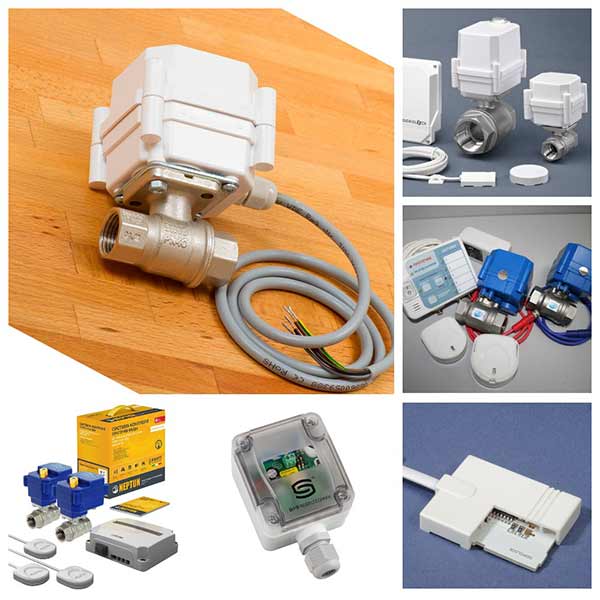
Neptune
hydrolock
Aquaguard
They offer options for an apartment, country house, office and other premises. The basic set can be expanded with additional equipment.
Neptune system
It is produced in 4 versions. The prices of ready-made kits range from 9670 rubles. up to 25900 rub.
Wired system Neptune Aquacontrol
for an apartment, it has two 1/2 inch taps (or two 3/4 inch taps), two sensors connected by wires 0.5 m long to the basic control module. This module closes and opens the taps once a month, even if there is no leakage, to prevent them from souring. The system is powered by 220 V (there is no backup power source), the taps are closed 18 seconds after water hits the sensor. It is recommended to install it during repairs, as it is necessary to lay electrical wiring. 6 cranes and 20 sensors can be connected to the control module. The warranty period is 4 years.
Wired Neptune Base System
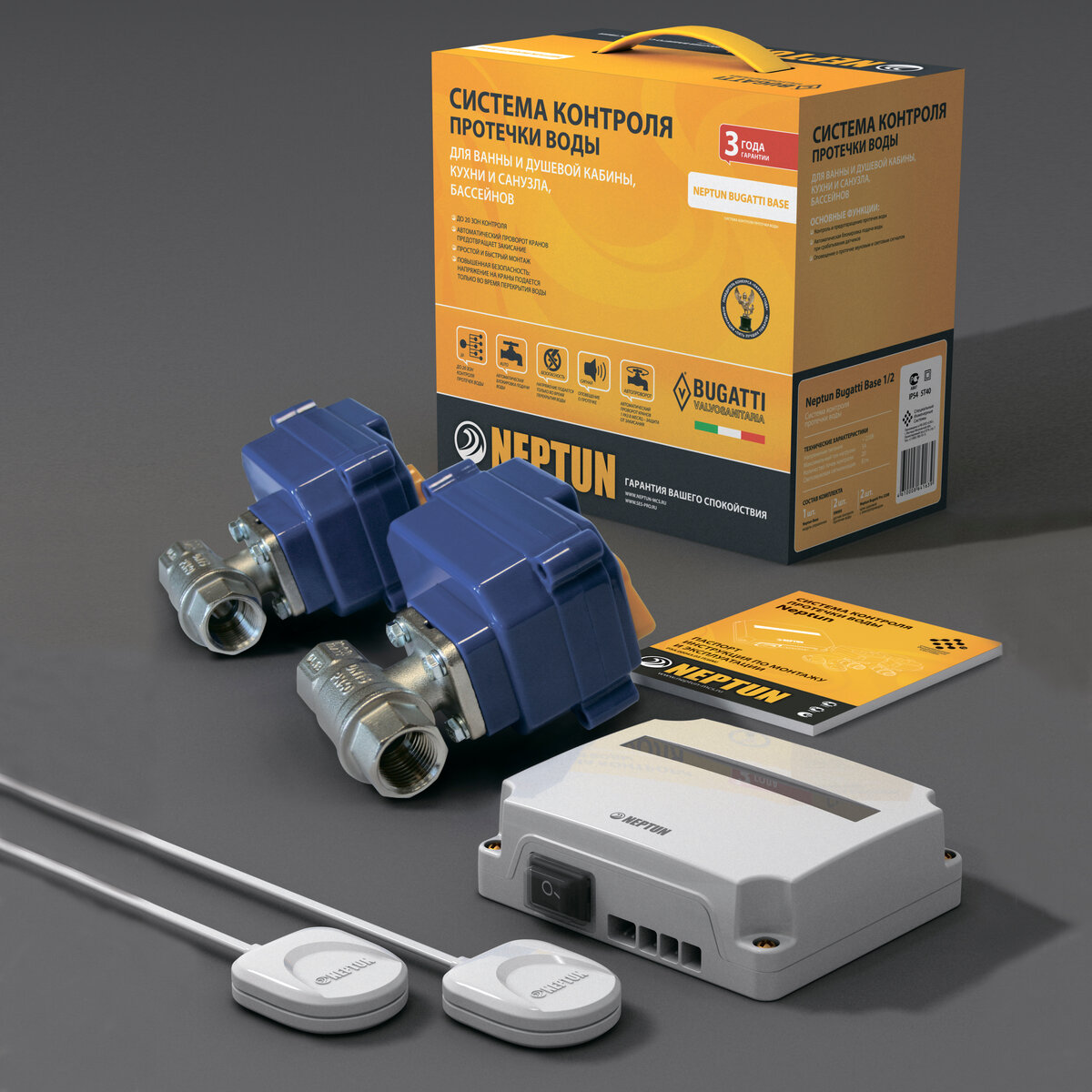
has 3 sensors with 2 m power cords, two Italian Bugatti cranes for 1/2 or 3/4 inches, a basic control module. Crane motors are activated no later than 21 seconds later, they are powered by 220 V (there is also no backup power source). Recommended for an apartment. Installation during renovation. The warranty period is 6 years.
Neptune Pro Wired System
differs from previous models in the control unit, which allows it to be integrated into third-party warning systems (dispatching, smart home, security systems), and the presence of a backup power source. Suitable not only for an apartment, but also for a cottage. Warranty 6 years.
Wireless system Neptune Bugatti Pro+
- the latest development of the designers of the manufacturer. The system is equipped with two radio sensors, but it can be connected to 31 radio sensors or 375 wired sensors, as well as 4 cranes. Radio sensors operate at a distance of up to 50 m from the control module. When connected through a router, the signal reception range increases. Installed both during and after repair. Suitable for large cottages with many places of possible water leaks. Warranty 6 years.
GIDROLOCK systems
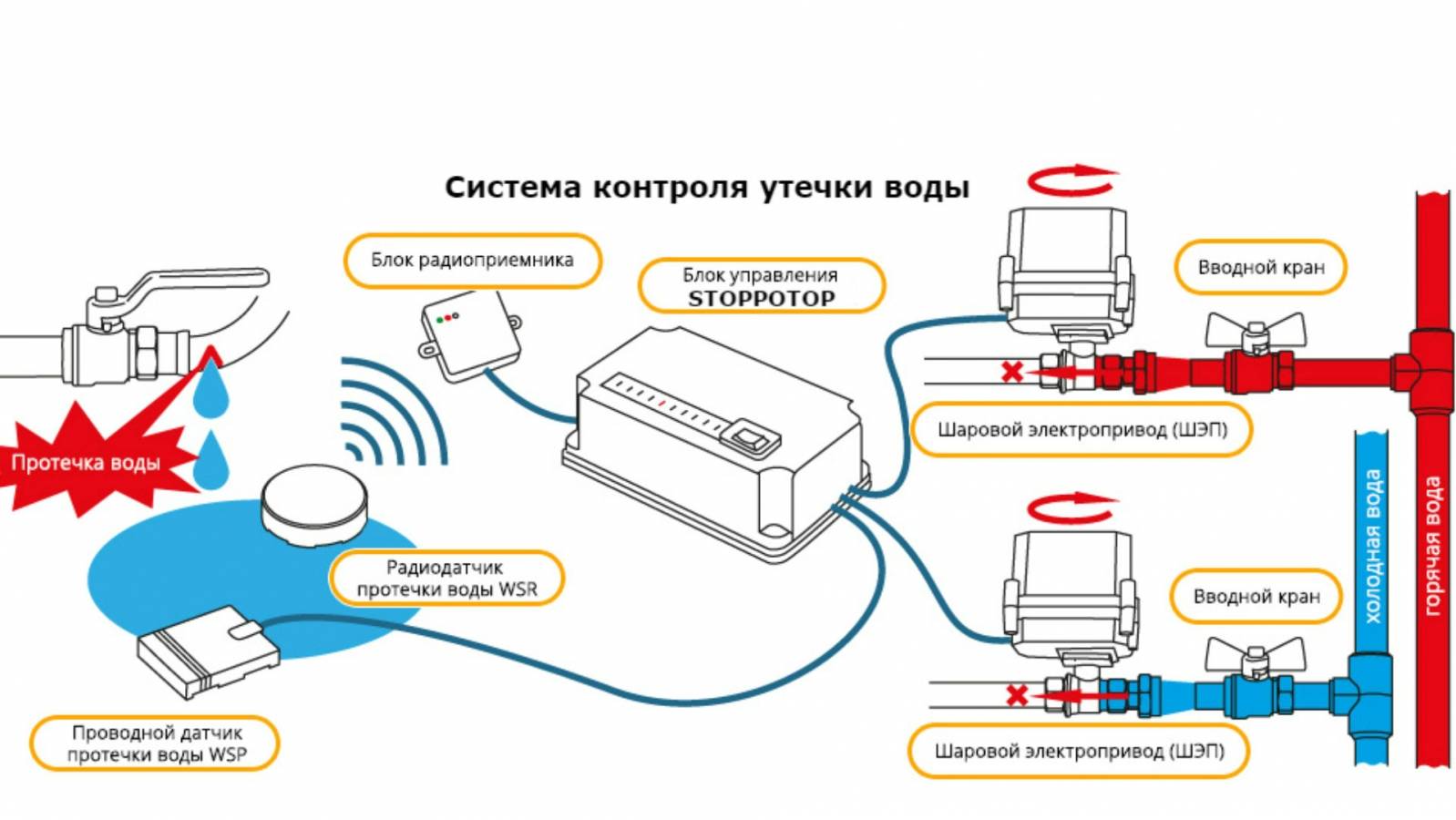
Operates on AA batteries. Options for use in apartments, country houses and cottages have been developed. More than 30 modifications are presented, taking into account the type of water supply - hot or cold individual or centralized, pipe diameter - 1/2, 3/4, 1, 1 1/4, 2 inches, floor space and so on. The control unit monitors the performance of the sensors.
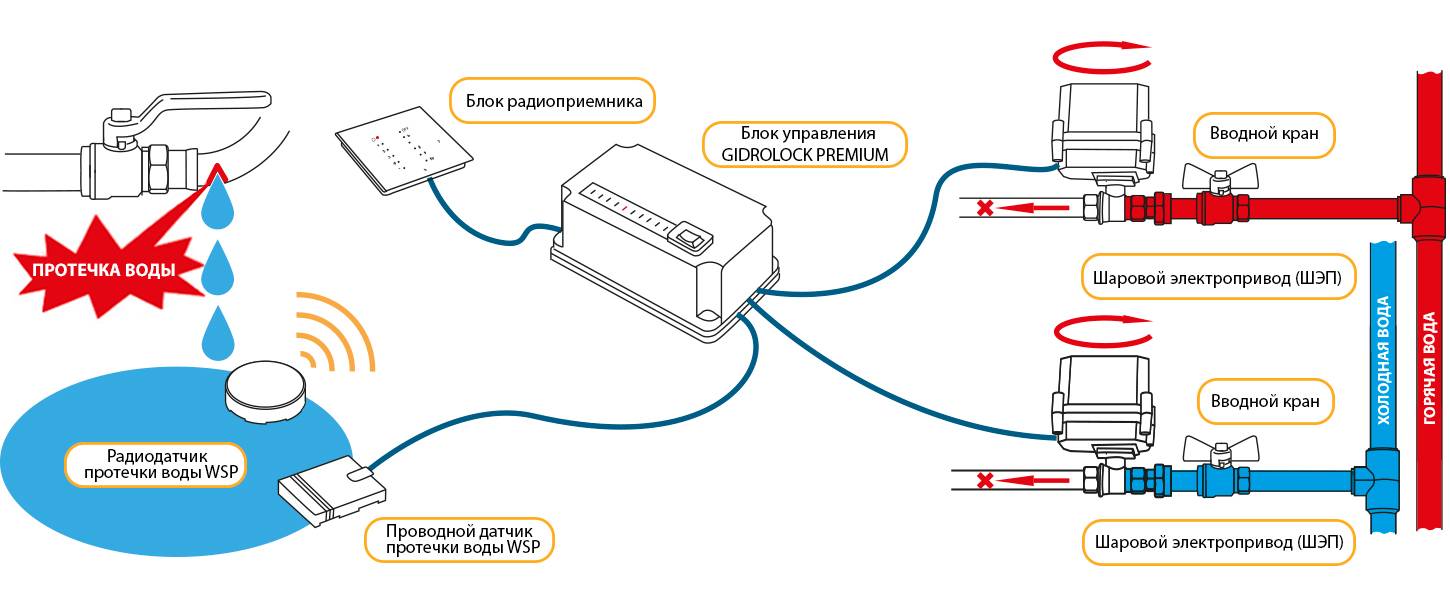
200 wire sensors, 20 ball valves, 100 radio sensors and a GSM alarm are connected to the control unit of the GIDROLOCK PREMIUM system, notifying about an accident by sms-message to the phone. The electric drive closes the valve within 12 seconds from the moment the leakage signal is received.
There is a manual control of the position of the ball valve. It will be needed when there is no time to wait for the sensor to dry in order to turn on the water, or if you need to turn off the water when no accident has occurred. For example, when replacing a valve in the kitchen.To do this, remove the metal retainer and close the valve by turning the housing of the electric drive. Open in reverse.
The manufacturer offers kits for apartments and country houses with autonomous and centralized water supply. The body of the electric drive is detached from the ball valve, which simplifies the installation of the ball valve on the pipe.
Aquaguard system
It is positioned as the world's first flood protection system with triple power supply: from batteries, a network universal mini-USB adapter and a built-in uninterruptible power supply. It accumulates energy and ensures the operability of the system when the batteries are dead and / or when the electricity in the apartment is turned off. The system detects a damaged or lost sensor and gives a signal to turn off the taps.
The Avtostor-Expert model implements the ability to integrate into the Smart Home system and connect a GSM module for SMS notifications.
Why you need a water leak sensor
The first and most important thing that the do-it-yourself water leakage protection system does is to prevent financial losses.

Having an elementary sound alarm, being at home, you can:
- prevent damage to floor and wall coverings;
- protect wiring and household appliances from short circuits;
- avoid accumulation of moisture;
- prevent water from flowing to the lower floors.
Both the simplest do-it-yourself water leak sensor and a more complex solution can cope with the task of detecting moisture. For example, many modern security systems are equipped with special sensors.

How to make a water leakage sensor yourself
A modern smart home includes a leakage sensor without fail.
However, such a loud name of the system should not scare. A video intercom can act as a smart home today.
The functionality of modern models includes servicing external sensors and even programming the operation of household appliances.
Today, the Arduino water leakage sensor is quite popular. This is a fairly simple solution.
To implement it, you will need the Arduino controller itself, as well as a specialized sensor, which is a flat plate with resistive strips. It can control not only the flow of water, but also the fall of raindrops.
Required materials and components
To build the simplest do-it-yourself water leakage sensor, you don’t even need a circuit.
To assemble the node you will need:
- a battery with a voltage of up to 3V, CR1632 is ideal for the balance of capacity-load capacity;
- composite transistor, the common BC816 or 517 is suitable, sold at any radio parts store;
- 1000 or 2000 kΩ resistor. The choice of this element will depend on the sensitivity that protection against water leakage will have with your own hands.
It remains to choose a signaling device. In his role, it is better to use a piezo emitter. It can be pulled out of an old electronic watch or purchased at a radio parts store.
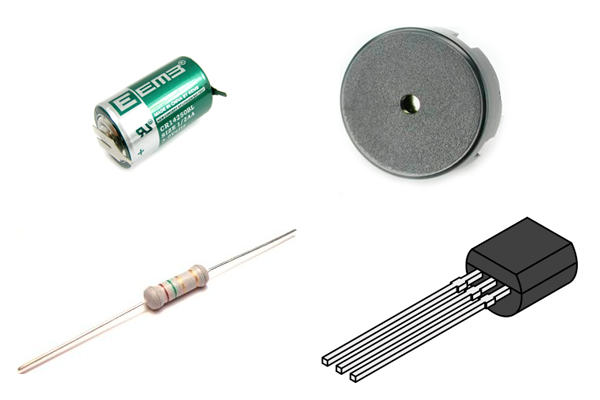
A do-it-yourself water flow sensor assembled using the listed elements does not require configuration, therefore it is not recommended to experiment with the selection of other components.
Manufacturing instructions
Assembly instructions are provided for those whose knowledge of electronics ends with the use of a soldering iron.
- According to the reference book, the collector-emitter-base of the transistor is determined.
- The collector is soldered to one connection point of the piezo emitter.Or - the points are connected by a wire.
- A resistor is soldered between the base and emitter of the transistor.
- The emitter is connected to the battery.
- The piezo emitter is soldered to the second contact of the battery.
- A thin copper wire is removed from the base.
- From the point of the piezo emitter soldered to the battery, a thin copper wire is removed.
The whole device will easily fit in a bottle cap. The answer to the question, how does the water leakage sensor work, sounds very simple.
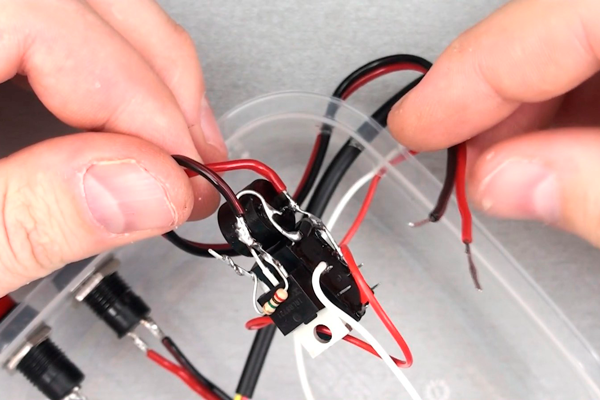
The diverted thin copper wires are located on the floor in places where the liquid can flow in case of an accident. If they get wet, the resistance balance of the system is disturbed and the sensor starts beeping.
Conclusion
Anyone can make protection against water leaks with their own hands.
A sensor consisting of only a few elements is quite effective. However, more complex and modern solutions can be much more convenient and functional.
For example, you can install sensors with wireless communication with the controller. Or use systems that can work on the Wi-Fi protocol.
How to choose
The first selection criterion is the speed of blocking the crane. If the consumer chooses the Neptune budget system, then the taps are blocked in 30 seconds. But expensive analogues (Aquastorage, Aquastop) will stop the water supply after 2-3 seconds. The protective circuit must be selected depending on the volume. According to calculations, about 20–25 liters of water are poured out in the first 30 seconds after a pipe burst.
Most protection circuits monitor sensors themselves. In the event of a low battery charge, the solenoid valves are cleaned automatically. Human intervention is required only in the event of an accident.
Some features of popular systems
In order to somehow highlight their protection against water leaks, manufacturers are trying to increase reliability or come up with other moves. It is impossible to systematize these features, but it is better to know about them when choosing.
Features of one block
For different manufacturers, one control unit can control a different number of devices. So it doesn't hurt to know.
- One Hydrolock controller can serve a large number of wired or wireless sensors (200 and 100, respectively) and up to 20 ball valves. This is great - at any time you can install additional sensors or put a few more cranes, but not always such a reserve of capacity is in demand.
- One Akastorgo controller can serve up to 12 wired sensors. To connect wireless, you need to install an additional unit (designed for 8 pieces of "Aquaguard Radio"). To increase the number of wired - put another module. This modular extension is more pragmatic.
- Neptune has control units of different power. The most inexpensive and simple are designed for 2 or 4 cranes, for 5 or 10 wired sensors. But they lack a crane health check and no backup power source.
As you can see, everyone's approach is different. And these are just the leaders. There are even smaller campaigns and Chinese firms (where to be without them), which either repeat one of the above plans, or combine several.



Additional functions
Additional - not always unnecessary. For example, for those who are often on the road, the ability to control cranes from a distance is far from superfluous.
- Hydrolock and Aquatorozh have the ability to turn off water remotely.For this, a special button is placed at the front door. Come out for a long time - press, turn off the water. Aquawatch has two versions of this button: radio and wired. Hydrolock has only wired. The Aquastorge radio button can be used to determine the “visibility” of the wireless sensor installation location.
- Hydrolock, Aquaguard and some variants of Neptune can send signals to the dispatching service, security and fire alarms, and can be built into the "smart home" system.
- Hydrolock and Aquaguard check the integrity of the wiring to the taps and their position (some systems, not all). In Hydrolock, the position of the locking ball is controlled by an optical sensor. That is, when checking in the tap there is no voltage. Aquaguard has a contact pair, that is, at the time of checking, there is voltage. Protection against water leaks Neptune also monitors the position of taps using a contact pair.
The hydrolock can be controlled using a GSM module - via SMS (commands for switching on and off). Also, in the form of text messages, signals can be sent to the phone about accidents and “disappearances” of sensors, about cable breaks to electric cranes and from a malfunction.
Being always aware of the state of your home is a useful option
On the issue of reliability: power and other points
Reliable operation is not only about the reliability of cranes and controllers. Much depends on the power supply, on how long each of the blocks can work offline.
- Aquawatch and Hydrolock have redundant power supplies. Both systems shut off the water before the standby power supply is completely discharged. Neptune has batteries only for the last two models of controllers, and then the taps do not close when discharged.The rest - earlier and less expensive models - are powered by 220 V and have no protection.
- Neptune's wireless sensors operate at a frequency of 433 kHz. It happens that the control unit “does not see” them through the partitions.
- If the batteries in the Hydroloc's wireless sensor run out, an alarm lights up on the controller, but the taps do not close. The signal is formed a few weeks before the battery is completely discharged, so there is time to change it. In a similar situation, Aquaguard shuts off the water. By the way, the Hydrolock battery is soldered. So changing it is not easy.
- Aquawatch has a lifetime warranty on any sensors.
- Neptune has wired sensors installed "flush" with the finishing material.
We have considered all the features of the three most popular manufacturers of water leakage protection systems. In short, the worst thing about Aquastorage is a plastic gearbox on the drive, while Hydrolock has a large system power and, accordingly, the price. Neptune - Inexpensive systems are powered by 220 V, do not have a backup power source and do not check the performance of cranes.
Naturally, there are Chinese leak protection systems, but they should be chosen with care.
Peculiarities
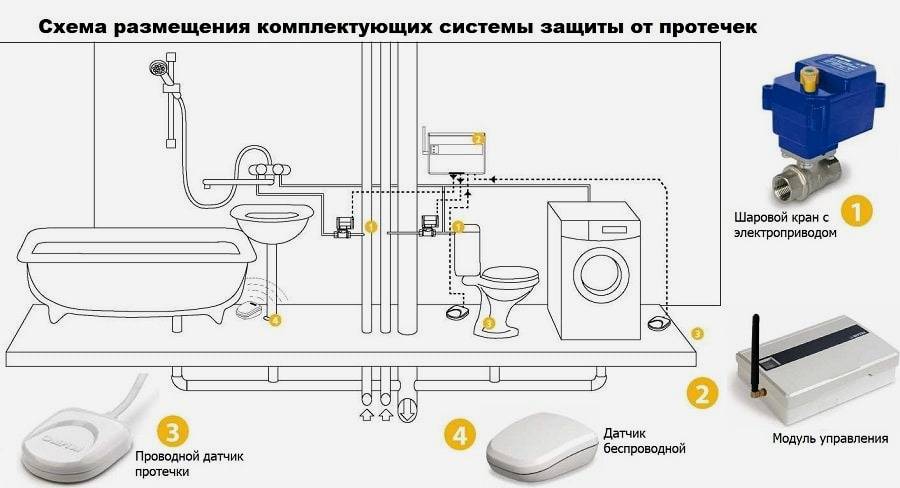
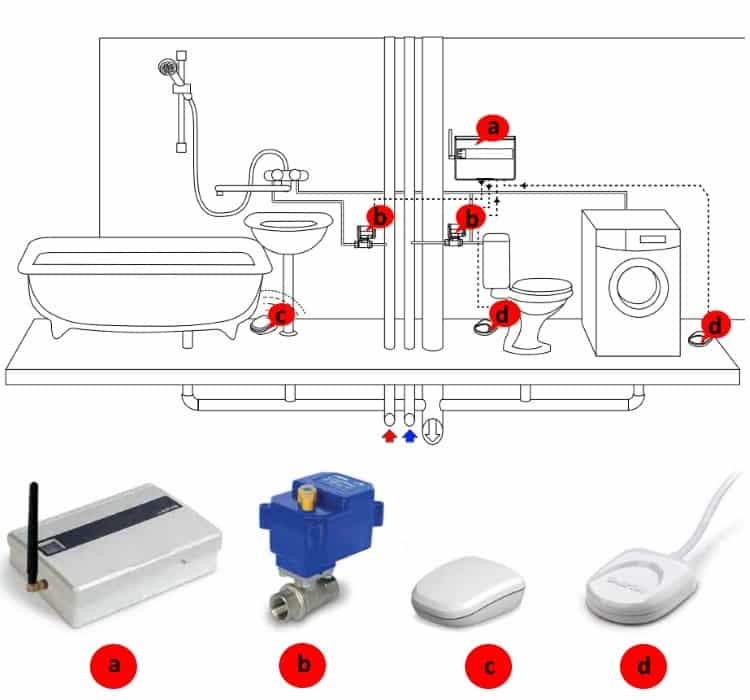
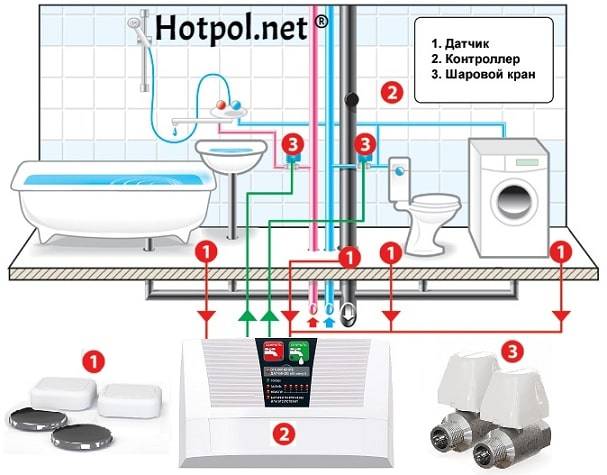
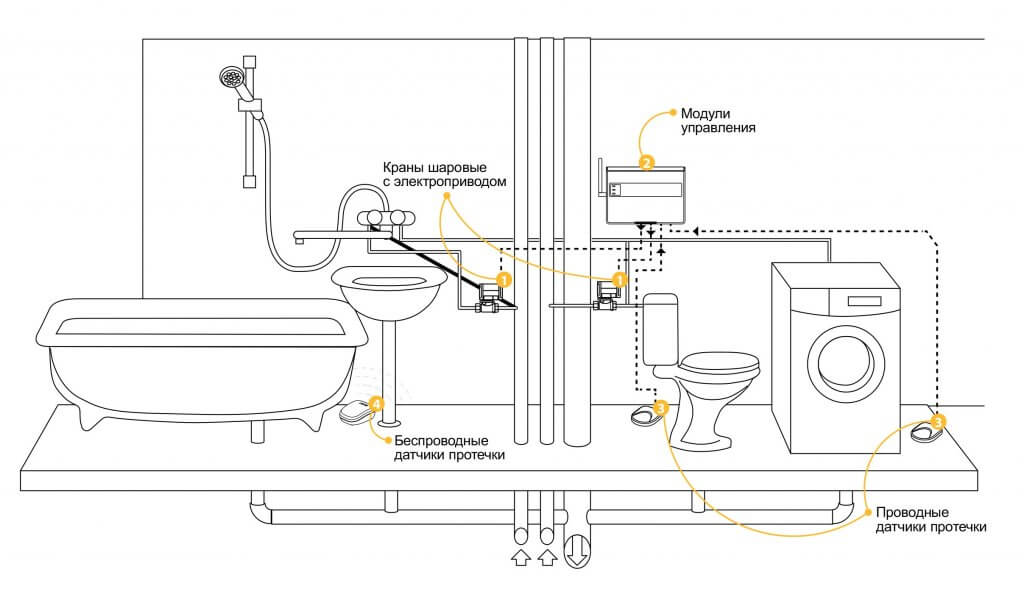
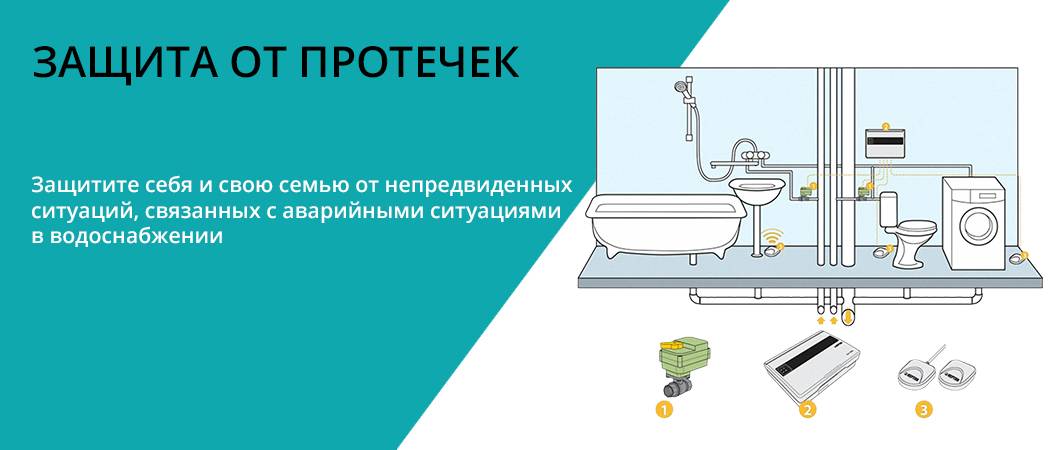
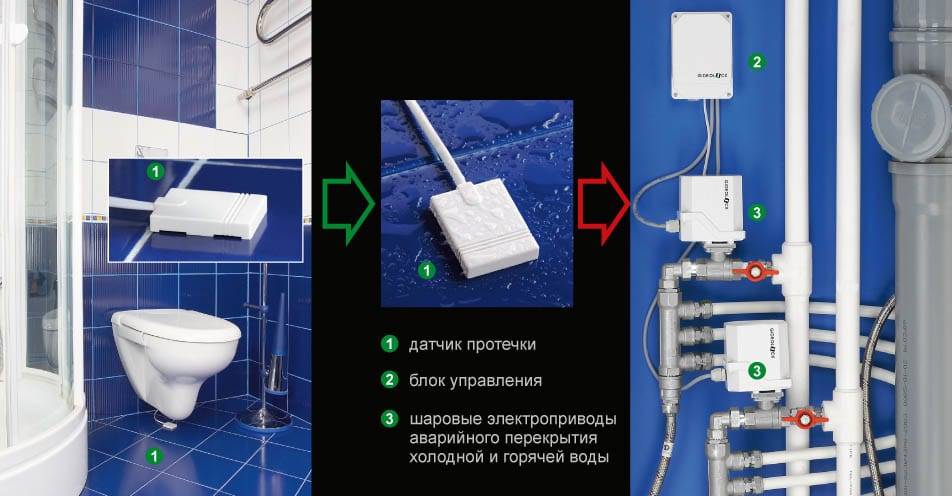
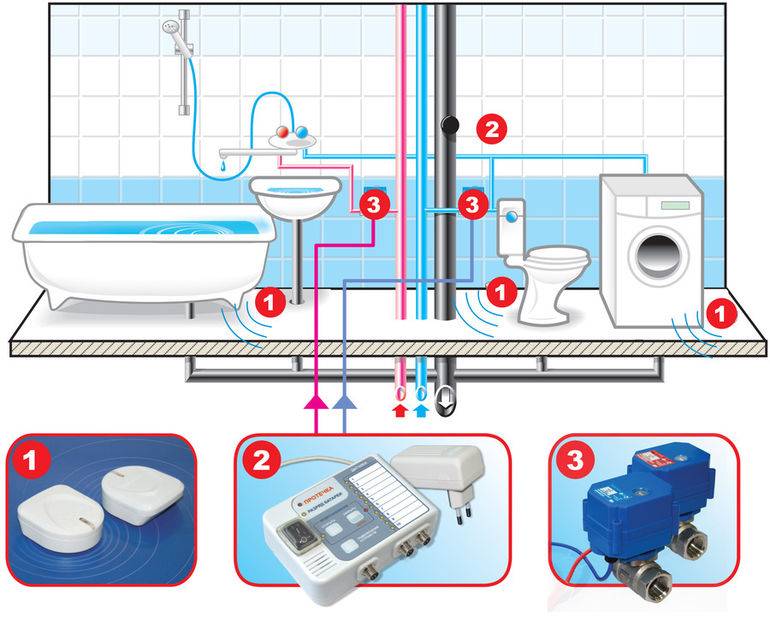
The standard design includes an AL-150 water leakage sensor (wireless or wired type), electronic actuators that shut off the flow of liquid, and a control mechanism.
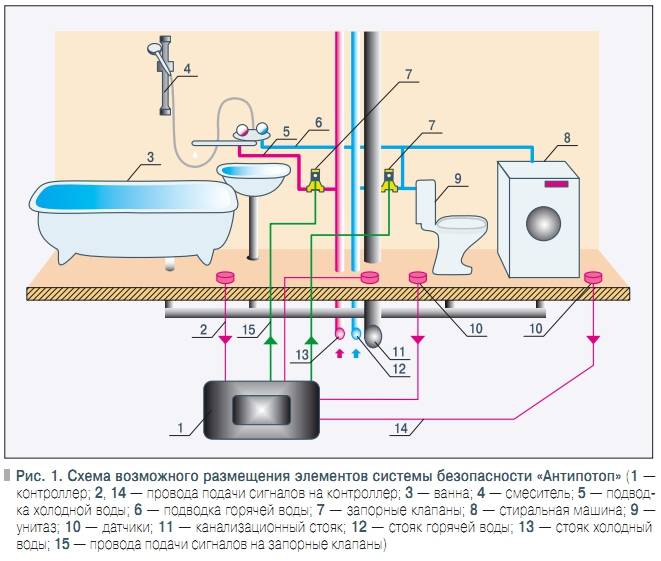
Installation of control elements is carried out in those places that are characterized by a high probability of liquid leaving, for example, under a washing machine or bathtub.The compact design allows you to be in any place and, as a result, control the entire space.
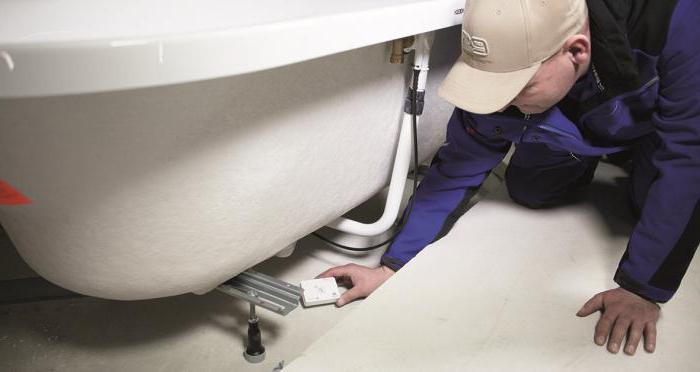
The functions of the control unit include providing sound notification of the incident and synchronizing sensors with electric drives.
Special taps equipped with a drive are distinguished by an instant response to a signal, after which the water supply is shut off. Among modern designs, ball systems with an electric drive are most widely used. Installation of these elements is carried out on the liquid supply risers, as a rule, after a manual tap.
The design and dimensions of the drives can be different, their purpose has a direct impact on the installation. Installation can be carried out at any suitable time due to the absence of the need for a large intervention in the water supply system. But it is desirable to carry out work in the process of completing the repair.
The principle of operation of the devices that make up the system
To understand how all the components of the system function, you need to consider each separately.
Sensors
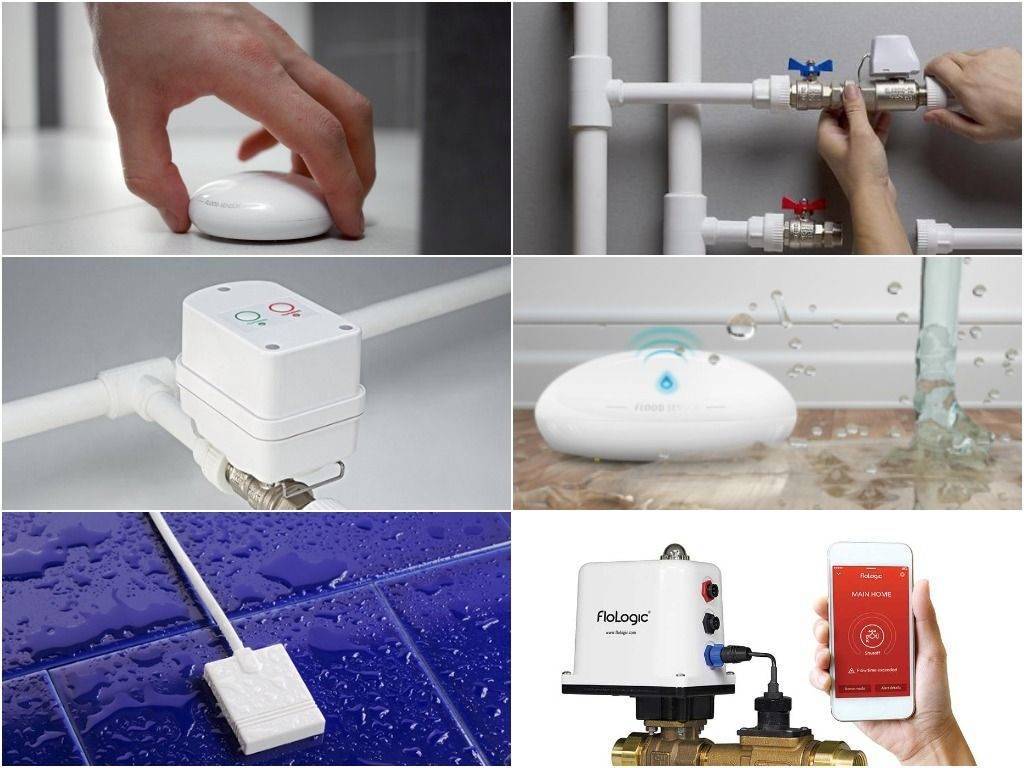
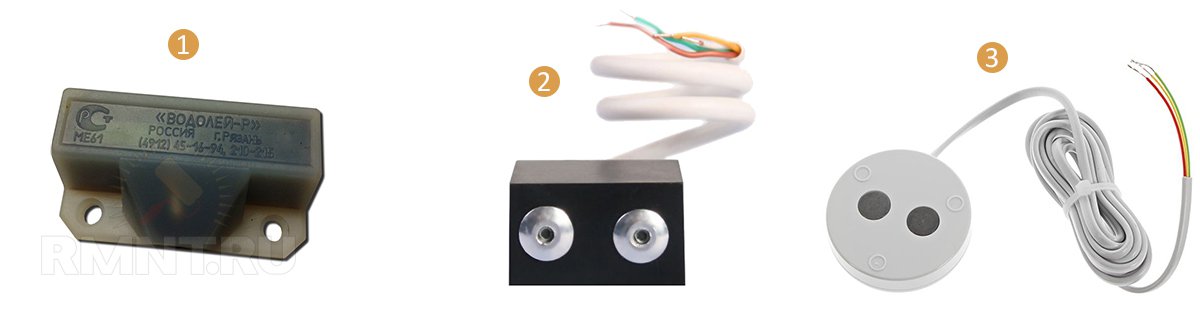
These elements are available in two types: wired and wireless. The former take power from the controller, the latter need batteries.
The advantage of a wired sensor is the efficiency of energy consumption, however, such devices cannot be installed everywhere. For example, the installation location is too far from the controller, or it is not possible to run a wire to it. Most often, the installation of both types of sensors is combined. The main characteristics are:
- The number of possible water leakage sensors that can be connected to the complex.Most often, four is enough, but there are individual situations when additional devices may be required: then chains of sensors are created.
- Ease of connection to the control device. It is convenient if the cables are equipped with connectors and the corresponding inscriptions are present. This all saves time when installing equipment.
- The number of devices included. Some manufacturers complete their water leakage monitoring systems with a minimum set of sensors. In this case, you will have to buy additional elements.
- Functionality. This may be the length of the cable, the ability to hide its wiring, protection from environmental influences, simple replacement of damaged sections.
- The operating distance of the wireless sensor. This moment is important, since the remoteness of the device from the controller can be significant, or there are additional obstacles in the form of walls, ceilings, and so on. In this case, you should consult with the seller of the goods.
Controller
The controller is the main control center of the system. There are a number of features of its operation:
The autonomy of the device in the event of a power outage. In case of severe flooding, a short circuit of the electrical wiring may occur, which means that the controller will fail and the electric cranes will not work.
Therefore, it is so important that the main control center has an autonomous power supply.
Providing backup power for the device is very important, because even with a standalone version, the batteries can be discharged.
An important condition is the ability of the control device to work with radio sensors. This is important because in some rooms it is not possible to run cables.
Minimum response time to leak
In this case, we mean the time during which the sensors react, the controller itself, and the electric crane closes.
Monitoring of protection against breakage in the sensor circuit. This is an important parameter, since during operation the wiring can be cut off by children, pets or rodents. In this case, the sensor will cease to function and the room will remain unprotected.
The number of taps and sensors connected to the controller at the same time. Most often, these are four sensors and two electric cranes. But there are options when this is not enough, so the function of additional devices that the stop flood system may have is important.
Operating comfort is an indicator of the level of charge, an indication in the event of a leak, self-cleaning of taps, the ability to temporarily turn off sensors, for example, to clean the room, a range of batteries for power supply that are easy to purchase.


Executive (locking) devices
Another important element in the system is the electric crane.
It is important that the leakage faucets used meet certain characteristics:
Valve closing speed. The amount of water that will flow in an emergency depends on this. The sooner the closure occurs, the less damage the premises will receive.
Compactness, overall dimensions of taps - this affects their location in the plumbing system.
Easy to install and dismantle
Since the work with taps is carried out in a cramped sanitary cabinet, it is very important to provide easy access to them.
Material of manufacture: affects the duration of operation and reliability of the device. The best options are brass or stainless steel.
Electric wire length
This indicator is affected by the remoteness of the crane from the controller.
The thickness of the cable is important when installing anti-leakage and the desire to hide it from view.
Installation of a water leakage prevention system
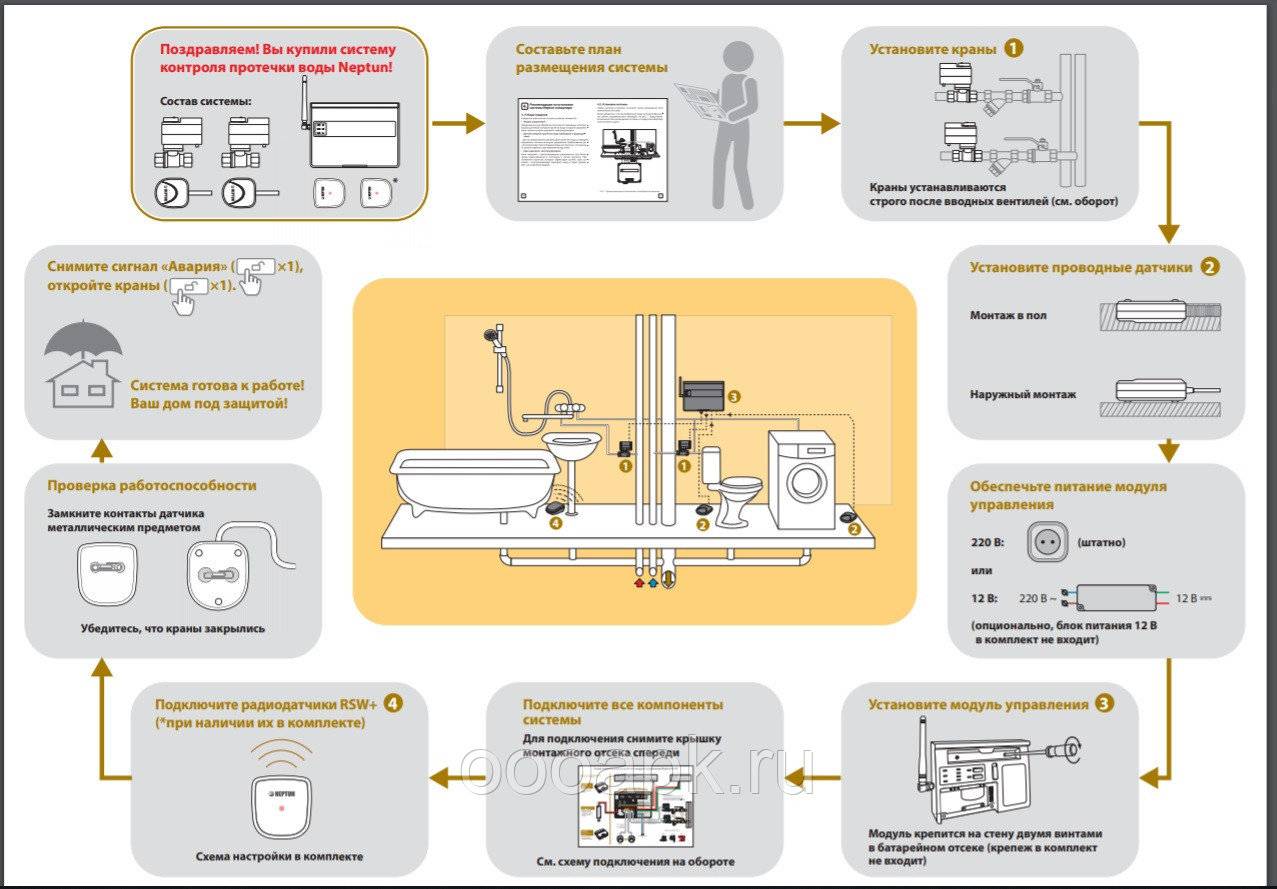
The protective circuit is a constructor, the elements of which are interconnected by special connectors. Ease of assembly ensures quick installation and integration with Smart Home systems. Before installation, they draw up a layout of individual parts and check that the length of the wires matches the distance that will be required to connect the meters and taps to the controller.
The order of work includes:
- marking mounting points;
- laying wires;
- tie-in cranes;
- installation of leak detectors;
- installation of the control module;
- connection and system check.
Ball valve tie-in
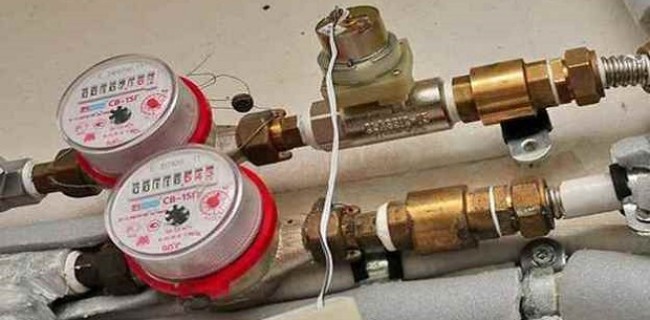
The most time-consuming stage is the fastening of the ball valve, which is explained by the need to use it on different types of pipes. The water supply is cut in the immediate vicinity of the previously closed water valve. Then the meter is removed and the shut-off valve is fixed on the tap, after which the water meter and pipeline sections are returned to their original position.
Metal-plastic elements are pressed with a lock nut, polypropylene structures are connected by soldering or using detachable couplings. A dedicated power line is used to connect ball valves to the power supply distributor.
Installation of water leakage sensors
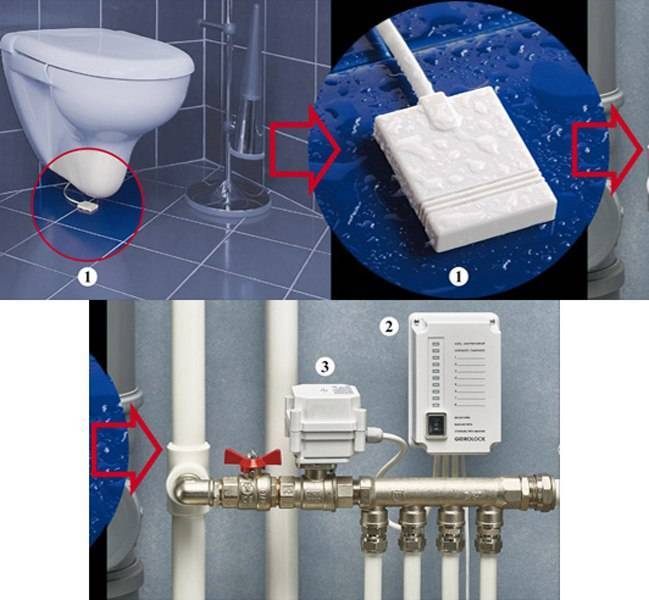
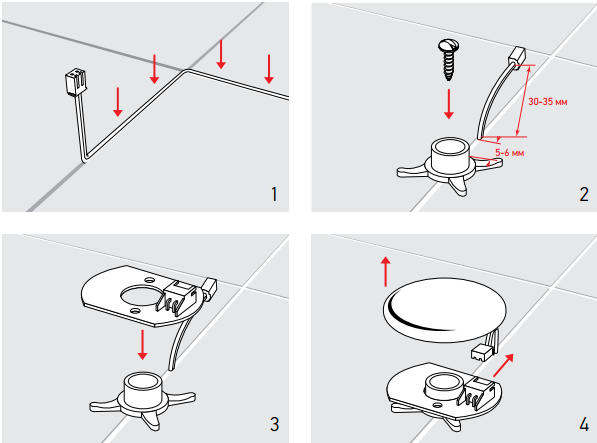
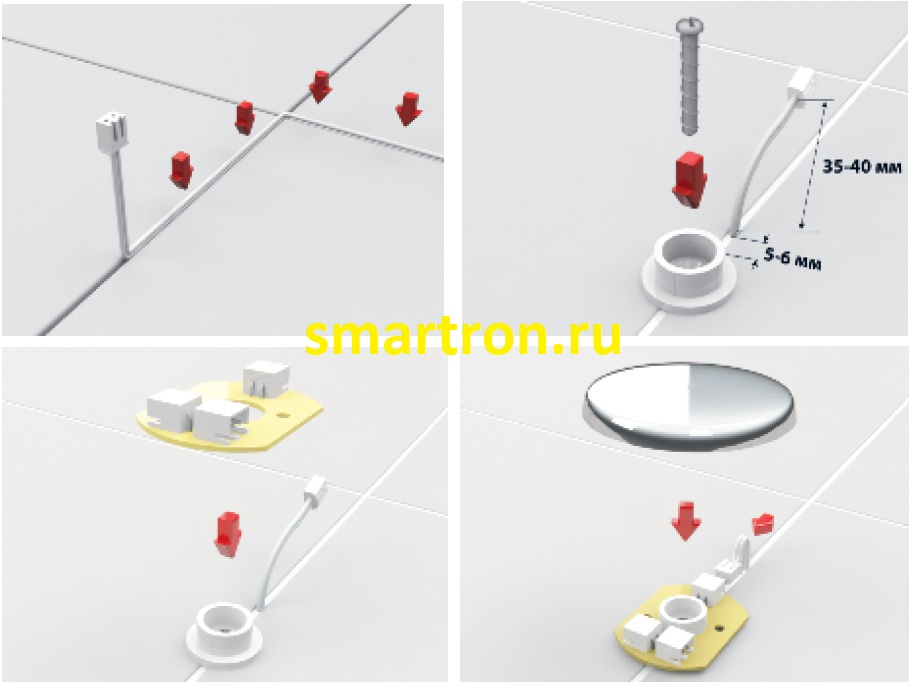
Sensors are located in places of possible leakage, while special attention must be paid to the transition between the box where the pipes are placed. This is necessary so that in case of an accident, water gets on the sensor, and does not continue to flow past it.The scheme of their connection can be both floor and internal, in which the elements are cut into the coating material
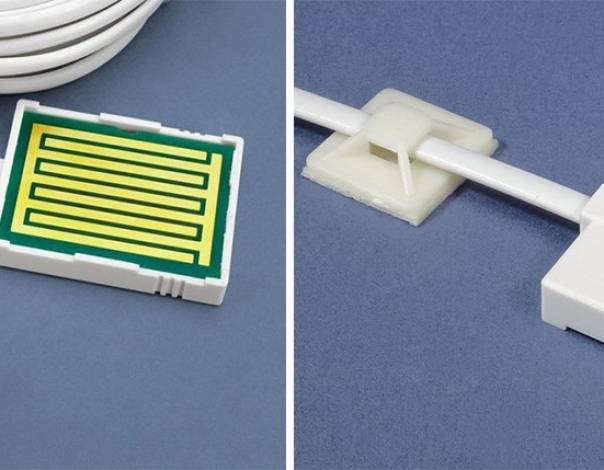
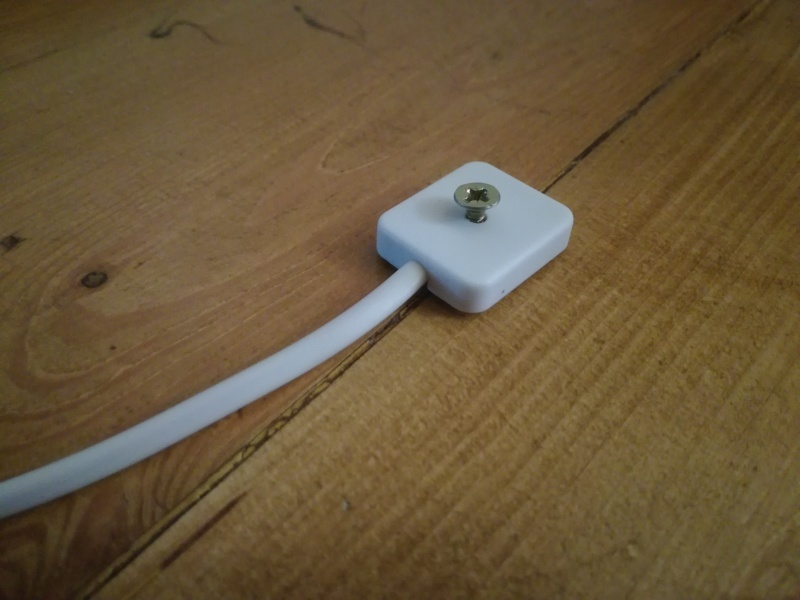
In the first case, the plate is placed with the contacts down and fixed with double-sided tape or construction glue. This option is used in cases where the installation of the "anti-leakage" system is performed after the installation of plumbing equipment
The scheme of their connection can be both floor and internal, in which the elements are cut into the coating material. In the first case, the plate is placed with the contacts down and fixed with double-sided tape or construction glue. This option is used in cases where the installation of the "anti-leakage" system is performed after the installation of plumbing equipment.
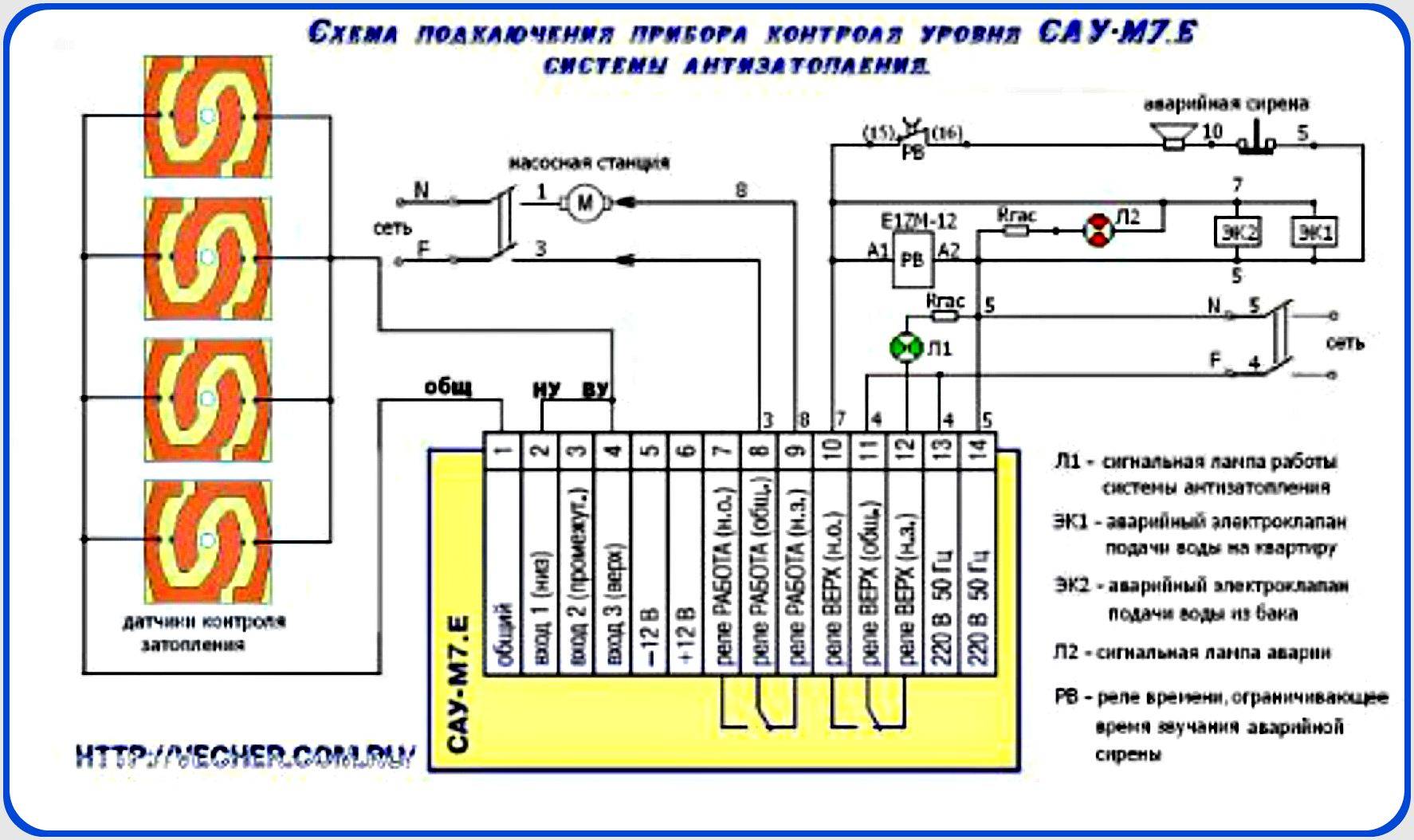
Water leakage sensor connection diagrams.
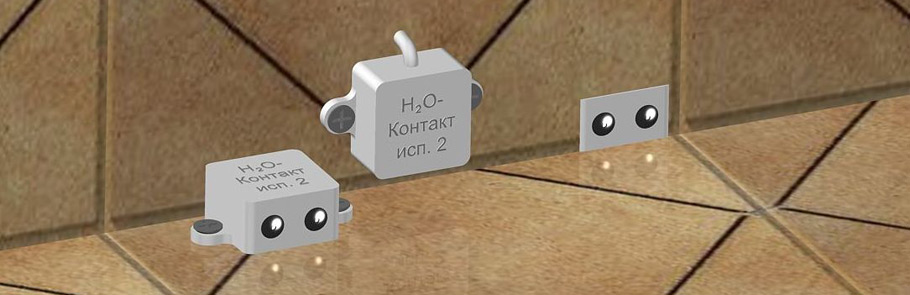
When the device is located internally, its contacts are placed 3-4 mm above the level of the coating, which makes it possible to exclude operation in case of accidental splashing of water or cleaning. The connecting wire is laid in a corrugated pipe impervious to water. Manufacturers guarantee the efficiency of the system even when the determinant is 100 m away from the control module.
Wireless devices are mounted on any surface thanks to the fastener system.
Controller Mounting Rules
The device is placed in a niche or on the wall next to the electrical wiring and shut-off valves. The power cabinet serves as the controller's power supply, so phase and zero are connected to the device. The wires are connected using special terminal connectors, which are numbered and signed for ease of installation. Then connect the water leakage detectors and proceed to the diagnosis.
Checking system operation
When the control module is turned on, a green indicator lights up on its panel, indicating that it is ready for operation. If at this moment the sensor plate is wetted with water, the light of the bulb will change to red, the sound pulse will turn on and the shut-off valves will block the water inlet. To unlock the detector, wipe it with a dry cloth and restart the device. After checking the status, the controller will be ready for operation.



General principles for the placement of leakage sensors
Any owner of the premises (residential or office) knows where the water supply or heating communications pass. There are not so many potential leak points:
- stopcocks, mixers;
- couplings, tees (especially for propylene pipes, which are connected by soldering);
- inlet pipes and flanges of the toilet bowl, washing machine or dishwasher, flexible hoses of kitchen faucets;
- connection points for metering devices (water meters);
- heating radiators (can flow both over the entire surface and at the junction with the main).
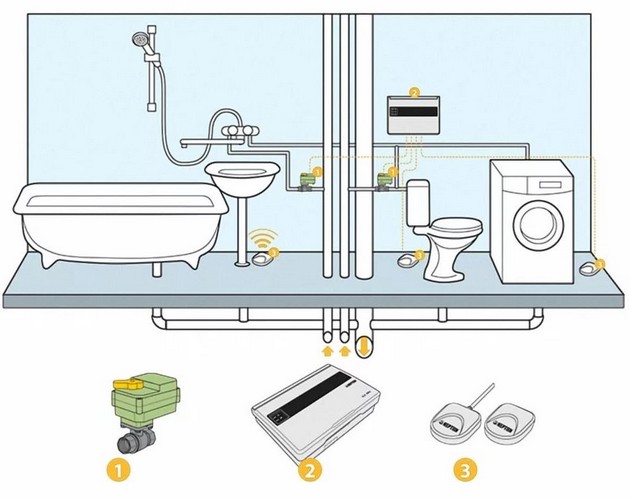
Of course, ideally, the sensors should be located under these devices. But then there may be too many of them, even for the option of self-production.
In fact, 1-2 sensors per potentially dangerous room are enough. If it is a bathroom or a toilet - as a rule, there is a sill of the front door. In this case, water is collected, as in a pan, the layer can reach 1–2 cm, until the liquid spills over the threshold. In this case, the installation location is not critical, the main thing is that the sensor does not interfere with moving around the room.
In the kitchen, sensors are installed on the floor under the sink, behind the washing machine or dishwasher.If a leak occurs, it first forms a puddle in which the alarm will go off.
In other rooms, the device is installed under heating radiators, since water supply pipes are not laid through the bedroom or living room.
It would not be superfluous to install the sensor in a niche along which pipeline and sewer risers pass.
The most critical points of water breakthrough
With uniform working pressure, the risk of leakage is minimal. The same applies to faucets and faucets, if you open (close) the water smoothly. The weak point of the pipeline system manifests itself during water hammer:
- the valve for supplying water to the washing machine, when locked, creates a pressure that is 2-3 times the nominal water supply;
- the same, but to a lesser extent, applies to the closing fittings of the toilet bowl;
- heating radiators (as well as the places of their connection to the system) often do not withstand the test pressing, which is carried out by heat supply companies.
How to place sensors correctly
The contact plate should be located as close as possible to the floor surface without touching it. Optimal distance: 2–3 mm. If the contacts are placed directly on the floor, permanent false alarms due to condensation will occur. Long distance reduces the effectiveness of protection. 20-30 millimeters of water is already a problem. The sooner the sensor is triggered, the lower the loss.
How does the water leak system work?
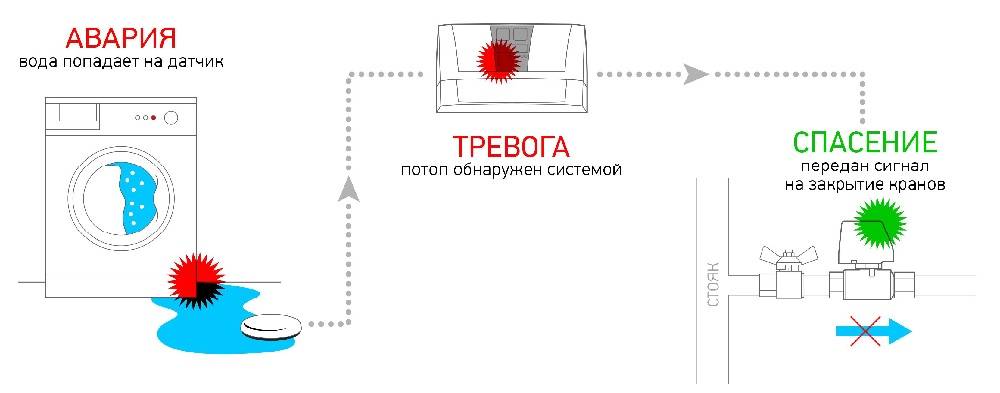
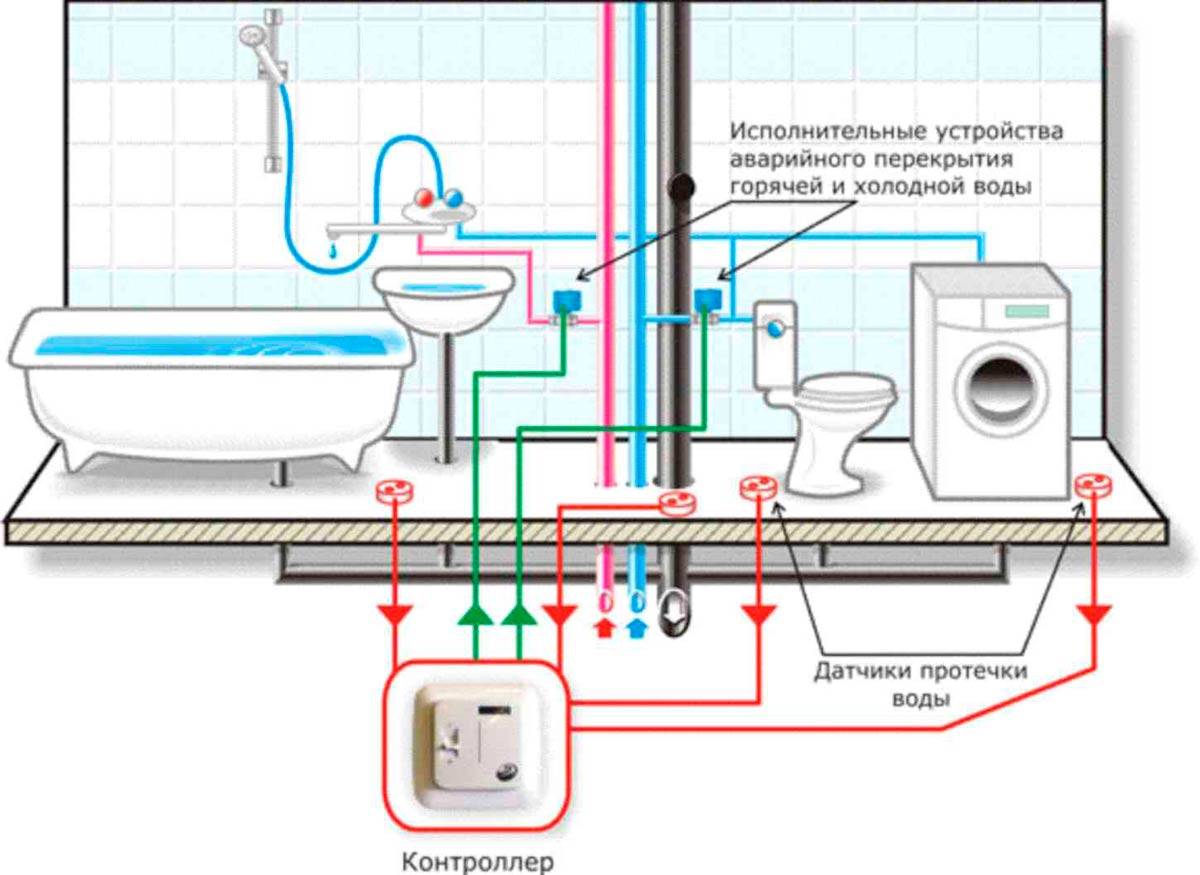
- when water gets on the leakage sensor, the contact circuit is closed and a signal about the leakage is sent to the control unit, after which, depending on the system you have installed, the sound notification turns on and the control unit performs the following actions:
- when connected to the pump unit, it turns off the pump;
- sends a signal to connected external systems (for example, Smart Home systems, GSM informant, burglar alarms, Wifi informant);
- with electric taps connected to the unit, it shuts off water supply and / or heating with their help
GSM leakage alarm
Wireless water leakage sensor: principles of operation
The wireless water leak sensor, like a conventional wired sensor, is equipped with electrodes. If water gets on them, the poles of the electrodes close, and the sensor sends a signal to the receiver connected to the control unit. If, after sending an alarm signal, the radio module does not receive confirmation of receiving a signal, the sensor sends an alarm signal again until it receives an acknowledgment signal about the received alarm signal. 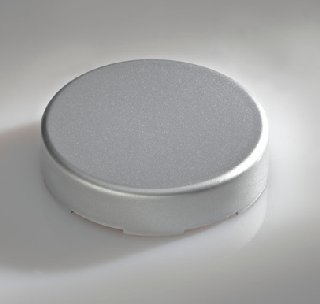 From the control unit, in turn, the signal is transmitted to the taps, which immediately stop the water supply to the system. The time from sensor getting wet to full positioning of valves in the closed state takes 15–20 seconds. The water supply will not resume until the leak is completely eliminated or the control unit is switched to the forced opening of taps (for example, in the event of a fire extinguishing)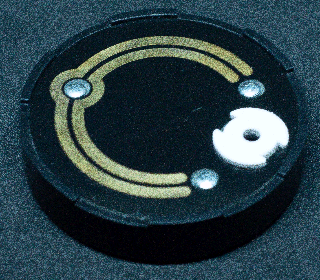
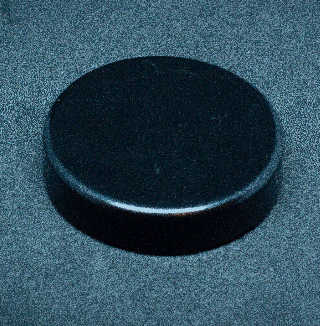 The faucets will not open even if the sensors are completely dry. To reset the accident, you need to wipe and dry the water sensors, then turn off and turn on the control unit.
It should be noted that for the wireless water leak sensor to function properly, it must be installed and connected correctly. To do this, it is enough to “acquaint” the wireless leakage sensor with the module connected to the control unit.This module “knows” all the wireless sensors connected to it by name and, in addition to constantly waiting for an alarm signal from the sensors, will update the sensor status several times a day (reception level, battery charge). If the wireless sensor fails to communicate, the system will inform you about this using sound and light signals, indicating the number of the missing sensor. The loss of the sensor is not an accident and the taps do not overlap.
Also, when a GSM informant is connected, the alarm signal from the flood sensor can be duplicated in the form of SMS to the phone of the owner of the house or apartment.
The cost of a wireless flood sensor is relatively high (4 times more than wired flood sensors), so we recommend installing a combined system when you use WSR wireless sensors with WSP or WSP+ wired sensors. Maintenance of wireless sensors and their operation, however, the process is almost cost-free. WSR wireless sensors consume a minimum of energy for their work, operating at a “free” frequency of 868 MHz, they do not have harmful radiation. From time to time, to maintain their operation, it is necessary to replace the batteries - batteries (once every 7-15 years). We recommend that you wipe the contacts of the working surface of the sensors about once every six months.



