- Calculation of the number of sections
- Advantages of cast iron batteries
- What explains the popularity of cast iron models?
- Purpose, advantages and disadvantages of MS 140 radiators
- Indicators affecting the calculation of the number of sections
- Methods for calculating the area of paint coverage
- Why is cast iron so popular?
- Peculiarities
- Main characteristics
- Device Specifications
- Features of the MS-140-500 radiator
- Old style radiators
- Basic characteristics of a classic radiator
- Properties of MC 140 radiators
- Advantages of devices
- Flaws
- What it is
- Description
- Characteristics
- Qualities and characteristics
- Advantages of cast iron batteries
- Characteristics of radiators
Calculation of the number of sections
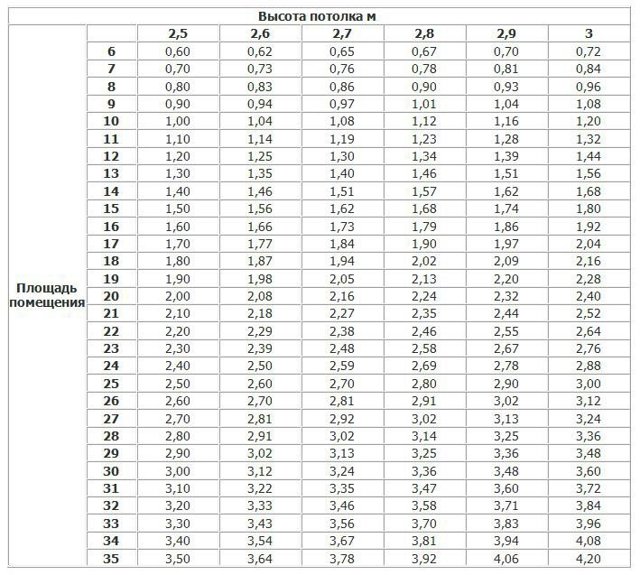
Determining the exact number of sections in a heating battery is a long process. It is necessary to take into account the region, the material of the walls, what windows-doors cost, how many windows are in the room, what their area is, whether the room is warm or cold, etc. If you need an accurate calculation method, see here, and you can roughly calculate based on the area of \u200b\u200bthe room. It is believed that on average, 100 W of heat is required to heat 1 m2 of area. Knowing the area of \u200b\u200byour room, determine how much heat will be needed: multiply the area by 100 watts. Then divide by the heat output of the selected radiator model.
For example, in a room of 12m2 we will install MS-140M-500-0.9 of the Bryansk plant. The thermal power of the section is 160 W. Calculation:
- Total heat needed 12m2 * 100 W = 1200 W
- How many sections are needed 1200 W / 160 W = 7.5 pcs. We round (always up - it’s better to let it be warmer) and we get 8 pcs.
Advantages of cast iron batteries
We list the positive qualities of such devices:
- Cast iron is a metal with high anti-corrosion properties. This feature allows the use of such heat exchange equipment for 50 years, without making any special effort to maintain. No analog device can even come close to such high performance.
- The design of the cast-iron radiator is such that it creates minimal resistance to the coolant. These devices can be installed even where there is minimal hydraulic pressure.
- Cast iron is able to retain heat for a long time even in cases where the supply of hot water stops. Due to the high thermal inertia, the material completely releases its thermal energy.
- The temperature of the coolant is also “radiated” into space in full, so we can safely say that a cast-iron radiator is very effective.
What explains the popularity of cast iron models?
Height, length and width of the radiator
It is too early to say that the era of cast-iron radiators has already passed. Such devices will be used throughout the post-Soviet space for a long time to come. And that's why.
It is this heat exchange equipment that is ideal for the operation of a central heating system. Aluminum and steel radiators cannot be installed in apartment buildings. They fail very quickly, not fulfilling even the warranty period declared by the manufacturer. The reason is the low quality of the coolant.
Water in most of Russia has an alkaline environment that is detrimental to "pure" aluminum.Often in central systems, salts and acids are added to the coolant, which reduce its heat loss. Alkali, reacting with aluminum, gives a substance that destroys the brittle metal. Over time, the aluminum radiator becomes like a porous sponge, which can easily break from the first water hammer.
With steel batteries, the situation is slightly different. They are able to withstand any quality of the coolant, but steel does not tolerate oxygen. As soon as it appears in the system, corrosion processes begin to develop sharply. To avoid this, the steel radiator must always be completely filled with water. When connected to a central heating system, this is difficult to achieve. Usually in the summer the water from the systems is completely drained.
The choice remains - either use expensive bimetallic counterparts (but due to the high price, these products are not affordable for everyone), or install time-tested cast-iron radiators. And even though they look bulky, and their appearance is difficult to fit into modern interiors, such heat exchange equipment is reliable, efficient and durable.
Purpose, advantages and disadvantages of MS 140 radiators
The technical parameters of MC 140 cast iron radiators make it possible to use them in steam heating systems of any buildings with virtually no restrictions: in private houses, country cottages, apartments in apartment buildings, administrative offices, public buildings, industrial, warehouse, commercial premises. The equipment is designed for operation in moderate and cold climates (UHL).
Advantages of heating radiators MS 140
- Long service life. This is one of the most durable types of radiators, the service life of which is 50 years.
- Reliability.The hundred-year history of this type of radiators in the market of heating equipment has confirmed in practice its high reliability.
- Anti-corrosion resistance. Cast iron does not break down over time under the influence of water.
- Undemanding to the quality of the coolant. Cast iron radiators are not sensitive to the quality of the water used inside them. The presence of sand, dirt, high content of salts, acids, alkalis in water does not have a strong effect on the life of cast iron radiators.
- The simplicity of steam heating systems. Cast iron radiators can be used in networks with natural water circulation, without using a pump. They are compatible with any type of boilers - solid fuel, gas, pellet, liquid fuel.
- Thermal inertia. Cast iron heats up for a long time, accumulates heat well, cools slowly. In the heating system, this is considered a great advantage, since after the burner is turned off, the cast-iron radiator remains warm for a long time, giving off heat to the room.
Cons of heating radiators MS 140
- Sensitivity to water hammer.
- The tendency to slagging of internal surfaces, which over time leads to a decrease in heat transfer.
- Radiators are assembled from separate sections, the joints of which are sealed with rubber gaskets. The life of gaskets is much less than cast iron. In order to avoid leaks after several years of operation, failed intersection gaskets must be changed.
- The appearance of such radiators is not refined enough, the surface needs to be painted.
Indicators affecting the calculation of the number of sections
Choosing a radiator for a particular room, you need to take into account the technical features.For example, the calculation will be different for a corner and non-corner room, for a room with different ceiling heights and different window sizes, etc. The most important parameters that are taken into account when determining the required radiator power are:
- the area of your premises;
- floor;
- ceiling height (above or below three meters);
- location (corner or non-corner room, room in a private house);
- whether the heating battery will be the main heating device;
- there is a fireplace in the room, air conditioning.
Other important features must be taken into account. How many windows are in the room? What size are they, and what kind of windows are they (wooden; double-glazed windows for 1, 2 or 3 glasses)? Was additional wall insulation done and what kind (internal, external)? In a private house, the presence of an attic and how insulated it is, and so on, matters.
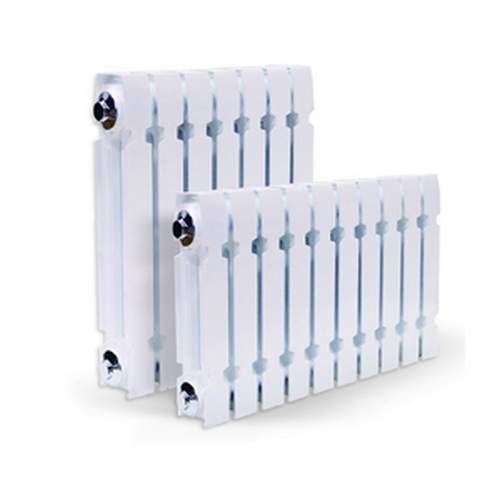
Pig-iron radiators Conner (China)
According to SNIP, 41 W of thermal energy is needed per 1 cubic meter of space. You can take into account not the volume, but the area of \u200b\u200bthe room. For 10 sq.m of a standard room with one door and one window, one door and an external wall, the following heat output of the radiator will be required:
- 1 kW for a room with one window and an outer wall;
- 1.2 kW if it has one window and two outer walls (corner room);
- 1.3 kW for corner rooms with two windows.
In reality, one kilowatt of thermal energy heats:
- In the premises of brick houses with a wall thickness of one and a half to two bricks, or from timber and log houses (the area of \u200b\u200bwindows and doors is up to 15%; insulation of walls, roofs and attics) - 20-25 square meters. m
- In corner rooms with walls made of timber or brick of at least one brick (the area of windows and doors is up to 25%; insulation) - 14-18 square meters. m
- In the premises of panel houses with internal cladding and a heat-insulated roof (as well as in the rooms of an insulated dacha) - 8-12 square meters. m
- In a "residential trailer" (wooden or panel house with minimal insulation) - 5-7 square meters. m.
Methods for calculating the area of paint coverage
You can find the necessary information about the area of paint coverage in the technical description for the model. Usually, for domestic equipment, it is indicated as a “heating area” or otherwise if it is an imported radiator.

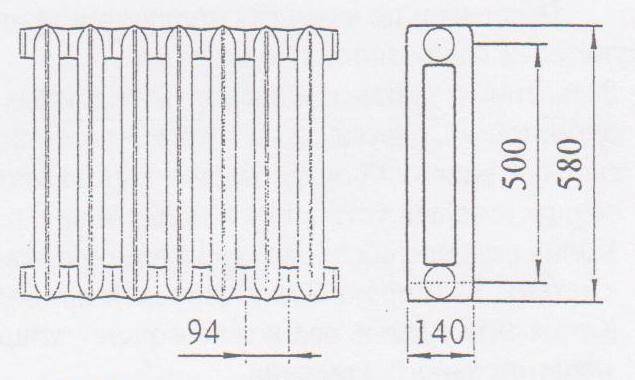
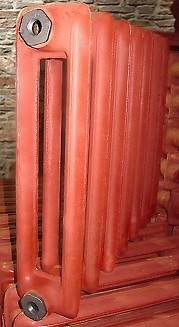


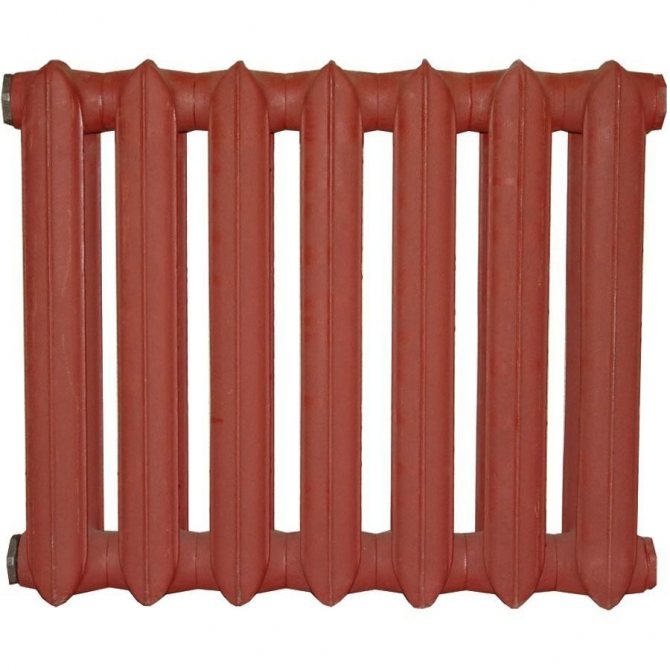
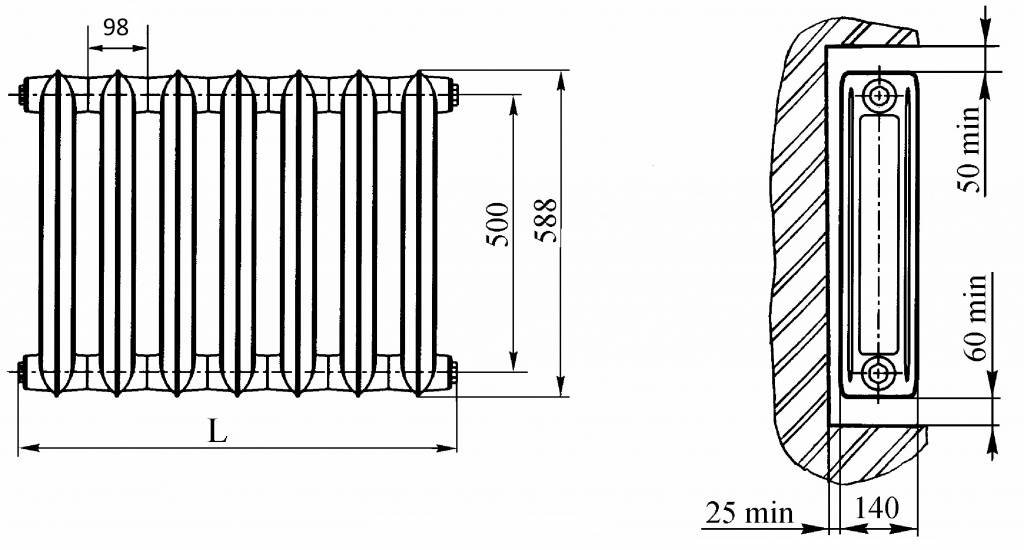
The most popular type of heating device is MS-140. This is a classic for most old-built apartments. The length of one section is 9.3 cm, the height is 58.8 cm. The area is 0.24 m². Based on this, you can find out the total area of \u200b\u200bthe battery. The area of the section is multiplied by their number. As a result, a number is obtained equal to the area of the painted surface of the cast-iron radiator. It is better to always round up the result and take into account paint consumption with a small margin for taps, couplings, adapters, etc.
A more modern or modified model of the heating device has a cast-iron radiators painting area of approximately 0.208 m 2. Accordingly, the coloring material will need less.
Now many Internet sites have a special online calculator. With their help, you can independently calculate the required indicator. To do this, you just need to enter the following parameters in the appropriate lines:
- marking of the radiator according to the technical documentation;
- number of sections, their length and height.
After that, the program will make the necessary calculations of the painting area and give the desired result.
As you can see, it is not at all difficult to calculate the area of \u200b\u200bheaters for painting.After that, you can confidently proceed with the reconstruction of one of the main interior elements.
There are many types of heating equipment - these are steel, aluminum, metal, bimetallic, cast iron radiators, each section of the radiator has its own characteristics - all of them have both their advantages and disadvantages.
Otopitelnye pribry LLC, which produces remanufactured cast-iron radiators, retains all standard characteristics in its products that meet GOST 31311-2005. Let out production differs first of all in lower cost in comparison with similar production.
Each section of the radiator has a thermal power of 160 watts. Long-wave thermal radiation enters the room, which is 35% of the total heat flux, due to which the lower part is evenly heated, and the emerging convention with the help of another 65% of the heat flux does not allow the high temperature to rise in the upper part of the room.
The corrosion resistance of cast iron allows us to talk about the increased durability of cast iron radiators. Cast iron heating radiators can be used up to 50 years, which is also not a limit for them. Gravity circulation systems can use such radiators.
Disadvantages of heating cast iron batteries:
The production and installation of such batteries is a rather laborious process, the weight of the section exceeds 7 kg. It is impossible to adjust the heat transfer value of the radiator with the help of thermoregulation heads, this is due to the fact that cast iron has a large heat capacity, and the sections have a large capacity. The increased heat capacity will allow you to keep warm for a certain period even after the heating is turned off.
Heating cast-iron radiators of the MS-140-500 series - they heat residential, public buildings, industrial premises, the coolant has a temperature of up to 130 degrees C, operating overpressure is within 0.9 MPa.
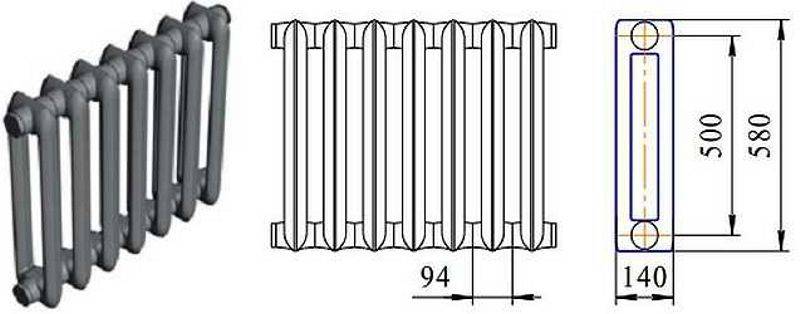
Cast iron radiator - sectional two-channel type. The section has a length of 93 mm, a radiator height of 588 mm, and a depth of 140 mm. One section has a heating surface area of 0.244 m2, the nominal heat flux is 0.160 kW. One section has a capacity of 1.45 liters. and weight, taking into account nipples and plugs, 7.1 kg. The nipple hole is threaded - G1 1/4.
The MS-140-300 series of cast-iron heating radiators is designed for heating buildings, both residential, public and industrial, with a small height of window sills, the coolant temperature is - 130 degrees C, the working overpressure is 0.9 MPa.
Radiator Specifications:
Radiator sectional two-channel type. The section has a length of 93 mm, a height of 388 mm, and a depth of 140 mm. The heat flow has a nominal value - 0.120 kW, and the capacity of one section is - 1.11 liters, weight - 5.7 kg. Threaded nipple hole - G1 1/4.
Heating cast-iron radiators MS-90-500 - heat industrial, public, residential premises. Their technical parameters:
Sectional two-channel type. The section is 78 mm long, 571 mm high and 90 mm deep. Heat flow - 0.160 kW. The capacity of one section is 1.45 liters. The thread of the nipple hole is G 1/4-B.
Why is cast iron so popular?
Cast iron radiators have advantages over other heating devices. They differ:
- High resistance to corrosion.This property is explained by the fact that during operation the surface of the battery is covered with “dry rust”, unable to go into the corrosion stage. Cast iron has wear resistance, it will not be affected by a variety of debris from heating pipes.
- Good thermal inertia. While steel radiators retain their heat by 15% after the boiler is turned off, the cast-iron analogue of MS 140 can radiate up to 30% of heat even after an hour.
- Long service life. High-quality models of cast-iron radiators can reach a hundred-year operational period. But manufacturers reduce these terms and promise reliable operation in the interval between 10-30 years.
- Large internal section. Thanks to this technical characteristic, the MC 140 500 cast iron radiator rarely needs to be cleaned.
- This material cannot cause electrochemical corrosion. That is, cast iron perfectly comes into contact with steel or plastic pipes.
Peculiarities
All heating radiators, regardless of the materials used in their creation, as well as regardless of the shape and size, are equipped with an inlet and outlet. In the majority of commercially available devices, these holes are duplicated for the possibility of both lower and upper connections.
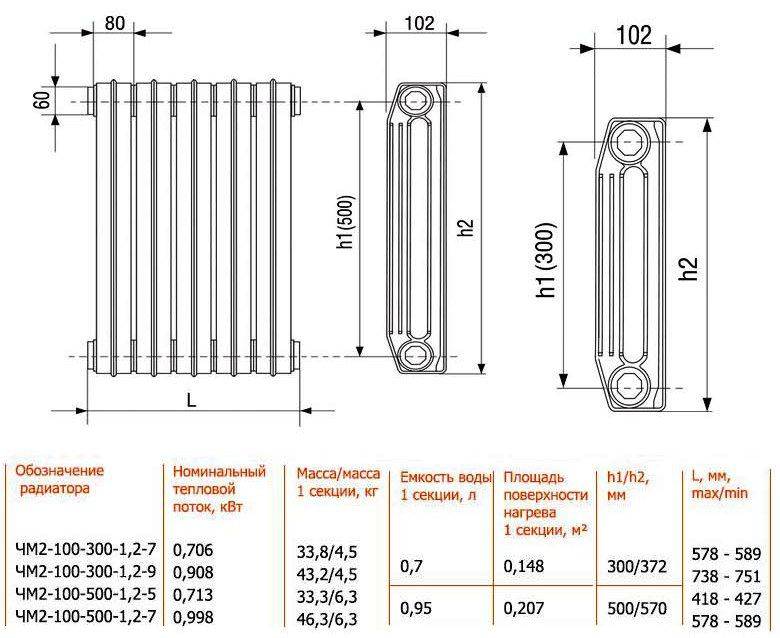


Not all available technological holes are involved in the installation process. To ensure the tightness of the device, special plugs are used, which are screwed into unused holes.
The standard package of the heating battery does not include the necessary plugs (plugs) and fittings (connecting elements for joining with the pipeline). As a result, you will need to additionally buy a special kit for installing radiators.
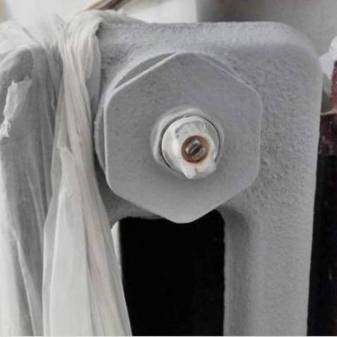
Typically, these kits are universal and suitable for cross or side connection. But there are devices designed for lower inlet and outlet pipes. In such a situation, along with the main installation kit, it will be necessary to purchase a special assembly for connecting to close-fitting nozzles.
Main characteristics
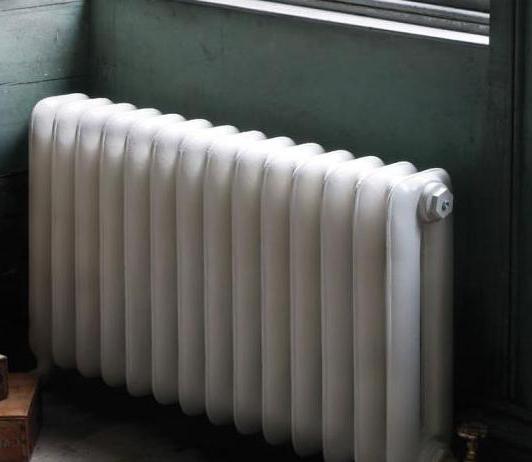
MS-140M-500 is a cast-iron radiator, the characteristics of which must be carefully studied before purchasing the product. This equipment is a convection type appliance that has elliptical or round sections. The radiator gives into the room about 25% of the heat flux transmitted by the coolant. The remaining 75% is transmitted by convection.
On sale today you can find sectional cast-iron radiators, the construction depth of which is 90 and 140 mm. If we are talking about the MS-140M brand, then we can say about it that the distance between the sections is 300 or 500 mm. One section has a heat transfer surface, which is equal to 0.208 m2. One section holds 1.45 liters, and it weighs 6.7 kg.
MS-140M-500 - a cast-iron radiator, the characteristics of which may be useful to you, is equipment whose specific metal consumption is 42 kg / kW. Specialists are sometimes also interested in the linear heat density of the flow, it is 1.48 kW / m. One section has a power of 160 watts. For Russia, such devices are traditional today. Their main advantage lies in the possibility of using in open systems.
Device Specifications
Cast iron radiators of this type have the following technical characteristics:
- The period of operation of cast-iron radiators of the MS 140 brand is at least 50 years.
- The coolant temperature can reach +130 degrees.
- The warranty period is 2 years.
- Working pressure - 9 atmospheres. And the test maximum pressure applied to radiators of this type is 15 atmospheres.
- The inlet diameter is 1 ¼ inches.
- The material of the intersection gaskets is high temperature resistant rubber.
- The heat transfer of one section is 175 watts.
- Sections and plugs are made of SCH-10 gray cast iron.
- Cast iron radiators withstand pressure up to 15 bar when performing pressure testing.
- The number of channels in 1 section is 2 pcs.
- Country of manufacture - Russia.
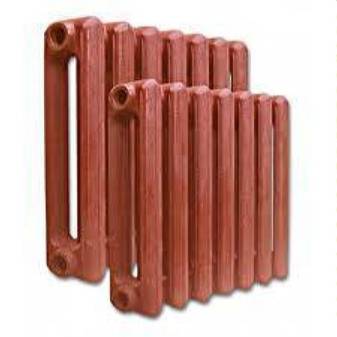
In the factory configuration, MC 140 radiators can consist of 4 or 7 sections. These types of devices are supplied without brackets, so do not forget about this element when buying.
Features of the MS-140-500 radiator
Cast iron radiators MS-140 with a center distance of 500 mm are designed for heating buildings of any purpose, from private residential buildings to industrial and industrial buildings. They have good heat dissipation and resistance to aggressive coolant. Cast iron "accordions" stubbornly do not want to leave the heating equipment market, as they are considered the most unpretentious type of radiators.
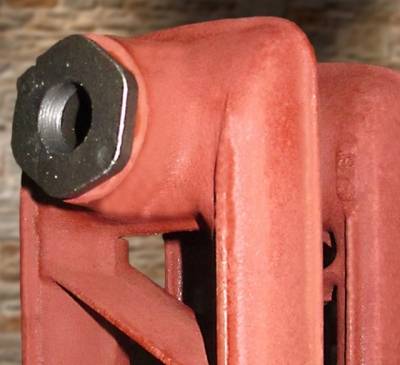
Cast iron batteries are among the most durable. This is due to the physical and chemical properties of the metal.
The main advantage of cast iron batteries is their long service life. Cast iron is reluctant to react with water and aggressive compounds, resisting corrosion well. The top layer, protected by a primer and paint, is not subject to it either.Even in the absence of external protection, cast iron practically does not deteriorate and does not become thinner. It comes to the point that in some cases these radiators can outlive the building itself.
The heat output of cast iron radiators MS-140 with center distance ranges from 140 to 185 W per section. This is a pretty decent indicator, which allows cast iron to successfully compete with other types of heating batteries. Today, cast-iron batteries are produced by many domestic factories and are not going to leave the shelves of plumbing stores.
Thanks to modern cast iron casting technologies, finished products are particularly durable and do not require too frequent maintenance.
Differences in the technical characteristics of cast iron heating batteries from other popular types of batteries.
What are the advantages of cast iron radiators MS-140-500?
- Resistance to aggressive coolant - centralized heating systems do not spare even the most enduring modern radiators. Cast iron practically does not react with caustic and aggressive compounds;
- Large internal capacity - thanks to this, radiators almost never become clogged or clogged. Also, the internal volume helps to reduce hydraulic resistance;
- Long service life - a guarantee from manufacturers reaches 10-20 years. As for the real service life, it is up to 50 years and even more, you just need to properly care for the batteries and tint them in time;
- Long-term heat retention - if the heating is turned off, cast iron will retain and give off heat for a long time, heating rooms and rooms;
- Affordable cost - the price of cast iron radiators MS-140-500 starts at 350-400 rubles per section (depending on the manufacturer).
Here are a few disadvantages:
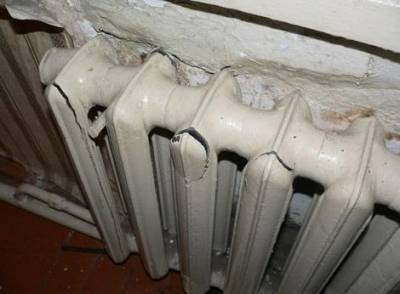
One of the main disadvantages of cast iron batteries is the instability to water hammer, here they are inferior to bimetallic counterparts.
- Heavy weight - perhaps this is one of the most important drawbacks. One section weighs over 7 kg, which is why the weight of a battery of 10 sections is over 70 kg;
- Difficulty in installation - if aluminum or steel radiators can be mounted independently, then two or three of us will have to work on a cast-iron battery. In addition, for fastening to the wall, you need good hardy fasteners (and the walls themselves should not crumble under the weight of the batteries);
- Lack of resistance to high pressure - cast iron batteries are oriented to operation as part of autonomous heating systems (installation in low-rise buildings connected to centralized systems is allowed).
We can also single out their high inertia as a disadvantage of MS-140 cast-iron batteries - a lot of time passes from the coolant supply to the system warming up.
Despite the presence of some shortcomings, cast iron batteries continue to be in steady demand - consumers are captivated by the optimal combination of price, quality and technical characteristics.
Cast iron radiators MS-140 can be used as part of autonomous and centralized heating systems with a maximum coolant pressure of up to 9-10 atmospheres. The coolant temperature can reach + 120-130 degrees - cast iron remains resistant to such temperature overloads. The main thing is not to subject it to strong blows, otherwise it may crack.



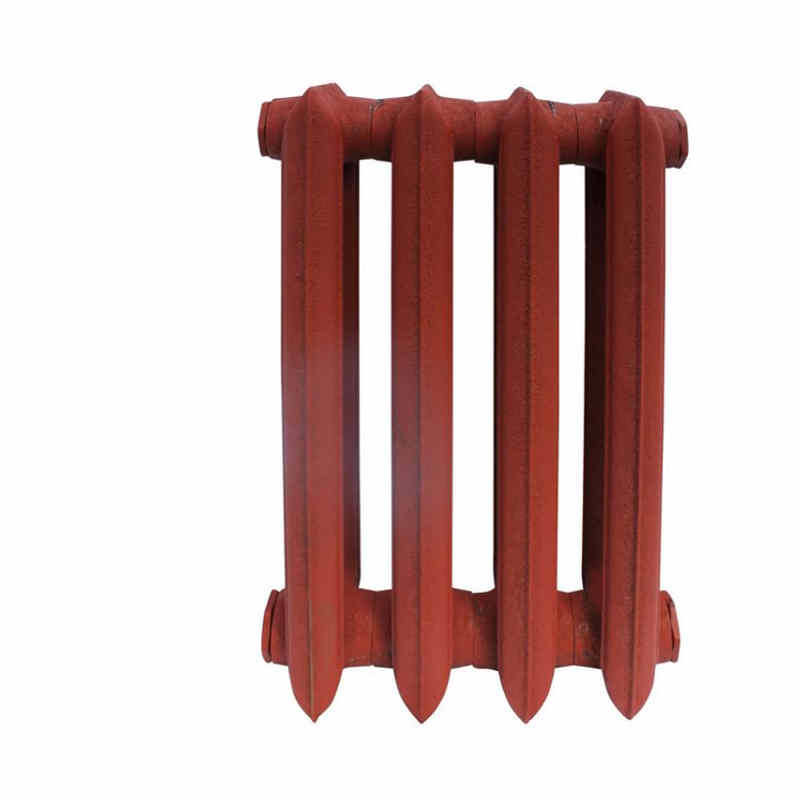


MS-140 radiators can be operated in systems with natural and forced coolant circulation. The system can be open or closed - cast iron can work in any conditions.The main thing is that the heating parameters do not exceed the values \u200b\u200bspecified in the passport data. Difficulty in operation is caused only by the need for regular maintenance - monitor the condition of the paintwork and prevent the formation of corrosion centers.
Old style radiators
Old-style cast iron batteries do not have the most attractive appearance. However, this does not mean that their installation will spoil the interior of the room. Today it is fashionable to cover radiators with decorative grilles, boxes and screens. Their level of heat transfer is reduced, but outwardly everything looks much more aesthetically pleasing.
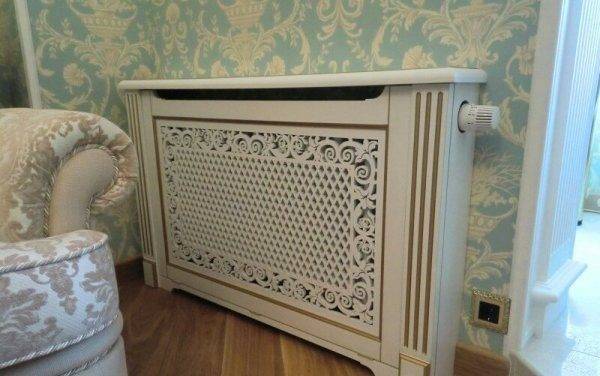
Decorative battery screen
Compared to radiators made in Soviet times, modern batteries have a reduced distance between sections, which makes them more accurate.
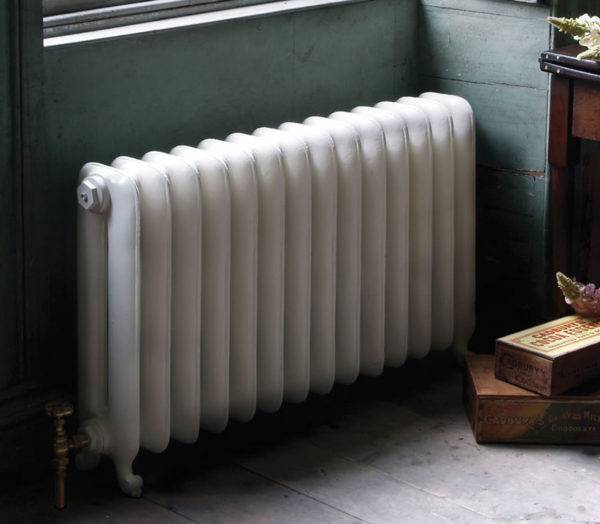
Modern cast iron radiator
The main advantage of old-style radiators is an affordable price. The cheapest devices are made in Russia. Batteries made in other countries (for example, Belarus) are a little more expensive, but in addition to the price, they differ in size.
Cast iron batteries of the old model are unpretentious in operation. If the owner of the apartment does not dislike their appearance, then he can simply paint them to match the color of the walls.
Cast iron radiators of the old type are called "MS". The name is followed by a dash followed by a number. The first number indicates the depth of the sections, and the second - the distance between them (for example, MS-140M-500, MS-110-500).
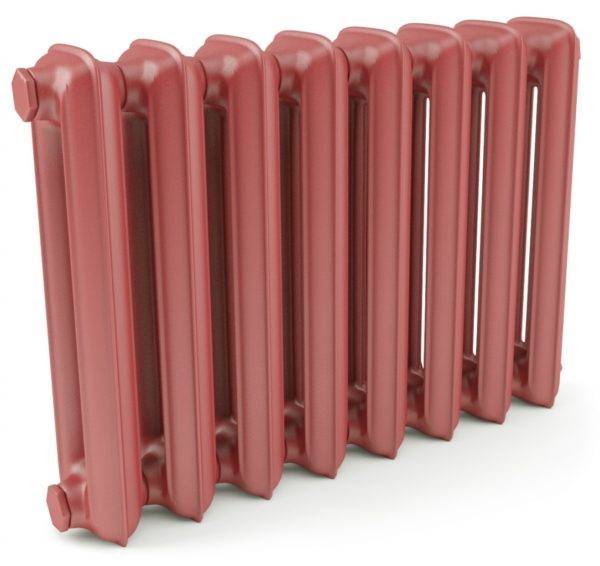
Cast iron radiator MS-140M-500
When choosing a cast-iron radiator, it is imperative to take into account the depth of its section. First you need to measure the depth of the window sill. After all, if the battery is located in a niche under the window opening, then it should not stick out from under the windowsill.Firstly, this way you can spoil the whole appearance, and secondly, the radiator will prevent you from approaching the window. For example, the MS-110 model manufactured by the Santekhlit plant has a small section depth, only 11 cm. Such a battery can easily fit under any modern plastic window sill.
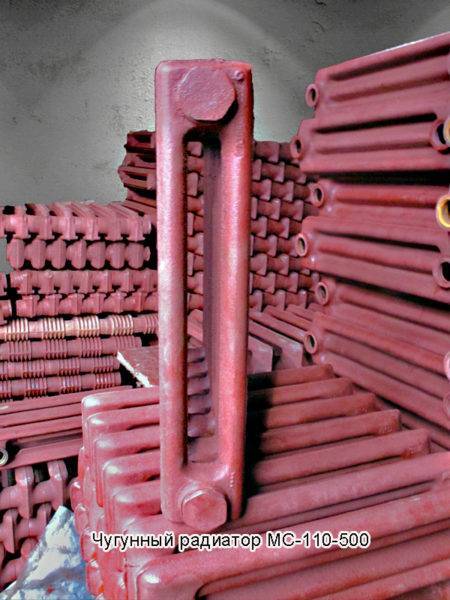
Cast iron radiator MS-110
Which radiators are better - domestic or imported? In Western countries, heating systems are of better quality and cleaner, therefore, cast-iron batteries manufactured by Western developers, when working with domestic coolants, can quickly fail. Dirt (rust, various chemical elements) accumulates inside the batteries, narrowing the opening for the passage of hot water. As a result, their thermal efficiency decreases and they may stop heating the room.
Basic characteristics of a classic radiator
A standard cast iron battery consists of 4-10 separate sections. Its size depends on the choice of the thermal regime in the room and the architectural features of the house.
Despite the difficulties encountered when installing a heavy cast iron heating radiator, this is still not considered the main problem. The main task is to perform the correct installation of the battery. To implement it, it is not enough to know only the mass of the product, it is necessary to take into account the following points:
- Distance between axles. Standard models may have 350 or 500 mm. Batteries with a large height are characterized by proportional dimensions between the axes.
- Depth. Standard sizes 92, 99, 110 mm.
- Section width. The sizes are in a slightly larger range - 35 - 60 mm.
- Section volume. This is the amount of coolant that is needed to completely fill the radiator element.The volume depends on the size of the section. Average values range from 1 to 4 liters.
An important problem with installing a classic cast iron battery is that it is only designed for wall mounting. At the same time, most modern houses are made of porous materials.
such as aerated concrete, foam concrete, as well as SIP-panels with foam filling. These walls require special fastening of a complex design with multi-point fixation, which is unlikely to be to your liking.


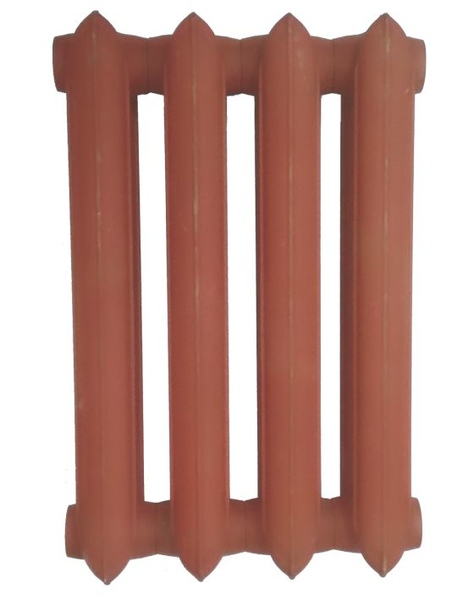


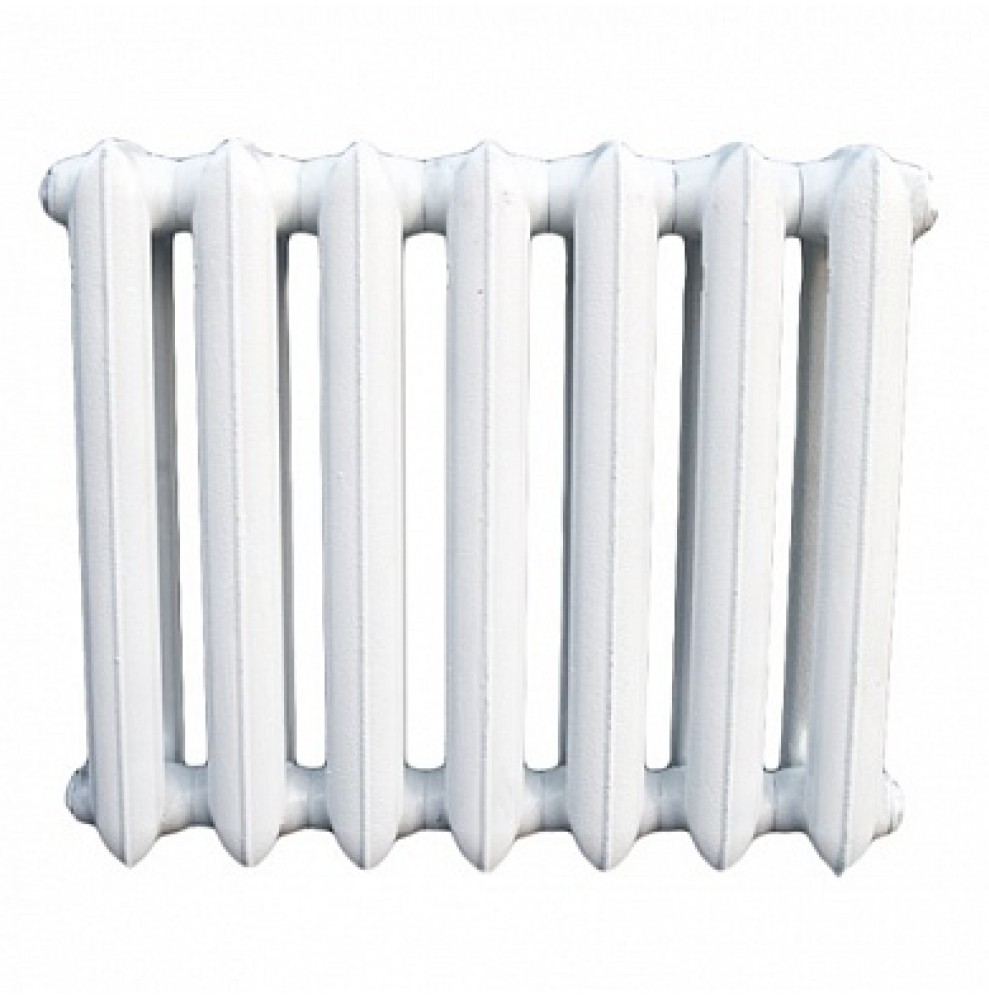
Properties of MC 140 radiators
Ease of installation and repair, high performance, as well as good heat dissipation - all this makes MC 140 radiators a popular product for both wholesale and retail customers. In addition, similar products were installed back in Soviet times. Therefore, they have been repeatedly tested for strength and to this day serve their owners, enjoying their trust.
A feature of sectional cast-iron radiators of this brand is their resistance to aggressive environments. In addition, they have a classic design, appropriate in any interior. Moreover, such equipment can be used in heating systems not only in residential buildings, but also in public and industrial facilities.
Advantages of devices
It is worth noting the following advantages of the device:
Specifications Breeze 500
- Expanded cross-section of water channels, due to which the period of operation of the radiator is significantly increased.
- High level of thermal conductivity, as well as durability and reliability. Cast iron is a wear-resistant material that is not harmful to small stones or various debris found in the coolant. For high-quality radiators, the service life can reach up to 50 years.However, manufacturers talk about 30 years of confident use without cleaning and repair.
- Good anti-corrosion performance. They are provided due to the fact that during use the surface of the cast-iron radiator is covered with “dry rust”, which does not give corrosion the slightest chance.
- Easy to change sections.
- Cast iron under no circumstances can cause electrochemical corrosion. This means that when using such radiators with plastic or steel pipes, there will be no problems.
In addition, cast iron batteries are best suited for the Russian consumer, given the qualitative composition of the coolant circulating through centralized heating networks. Not every aluminum or bimetallic radiator will be able to withstand the quality of the coolant for at least 10 years, while cast iron ones have been doing this for more than 30 years.
Flaws
decorative pattern
Among the disadvantages are:
- solid weight of the structure;
- high heat inertia;
- the possibility of damage to the system during hydraulic shock.
In addition, due to the large mass of the radiator, difficulties may arise during installation or when transporting equipment.
What it is
Description
Under the name cast-iron radiator MS-140M-500 (MS-140-500), a sectional battery made of gray cast iron with cast-iron or steel connecting nipples and intersectional paronite gaskets is sold.
Product properties are quite common for cast iron heaters:
- Significant mass and, as a result, large thermal inertia;
- Solid capacity in terms of the section, again increasing the thermal inertia;
- Relative brittleness (grey cast iron is not resistant to impact loads);
- Moderate resistance to internal pressure.
Fasteners are not included.Depending on the choice of brackets, the instrument can be wall-mounted or floor-mounted.
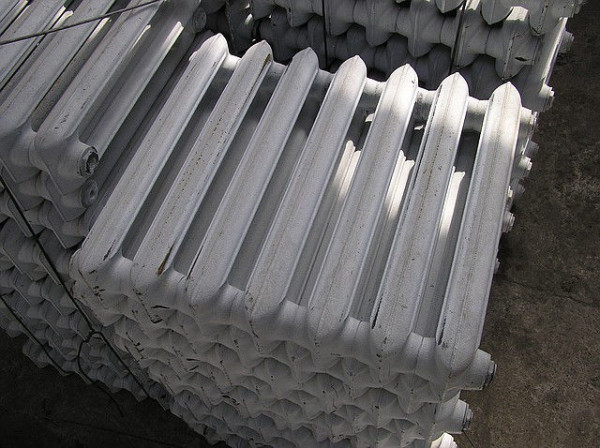
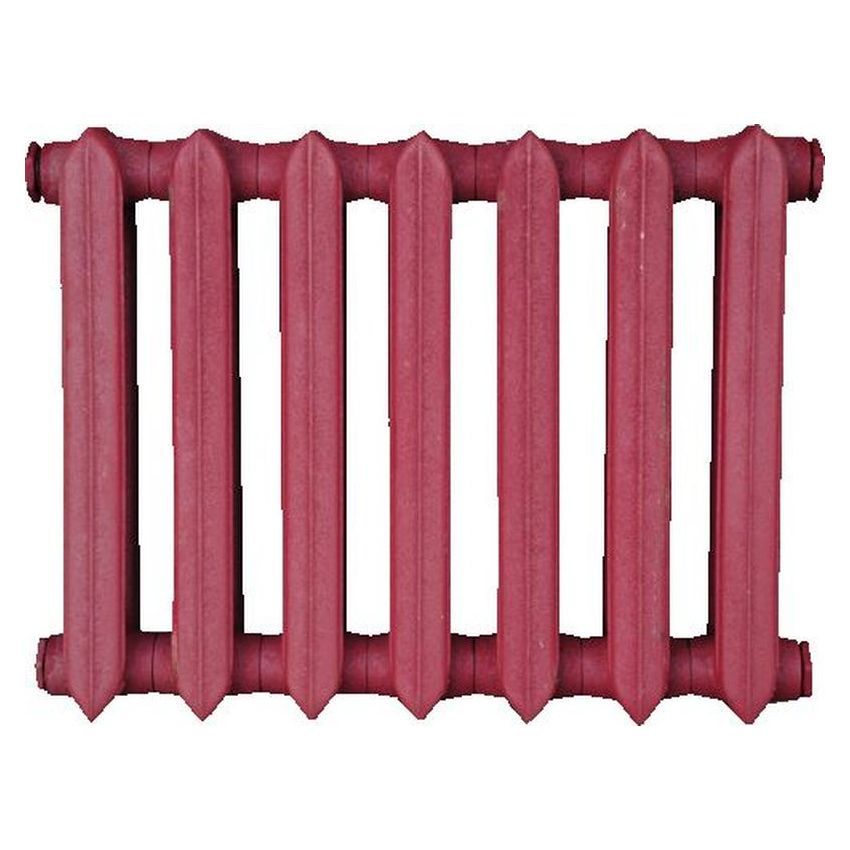
Let's face it: the batteries in the photo are not a masterpiece of design.
Characteristics
Technical characteristics of the MS-140-500 radiator are given on the websites of numerous manufacturers and sellers. We will publish them too.
| Parameter | Meaning |
| Number of channels for the coolant in the section | 2 |
| Heat flux per section at a temperature difference between the battery and air of 70 degrees | 160 W |
| Permissible maximum coolant temperature | 130 C |
| Section material | Gray cast iron СЧ10 GOST1412-85 |
| Material for the manufacture of nipples | Ductile cast iron GOST1215-79 |
| Gasket material | Heat-resistant rubber (paronite) 1T-P, 1T-S according to TU38-105376-82 |
| Operating pressure | 9 kgf/cm2 |
| Test pressure | 15 kgf/cm2 |
| Section length (including gasket thickness) | 108 mm |
| Section height | 588 mm (500 along the axes of the nipples) |
| Depth (distance from the front to the rear surface) of the section | 140 mm |
| Nipples/manifolds thread size | DN32 /1 1/4 inch) |
| Section capacity | 1450 cm3 (1.45 liters) |
| Section weight | 7.12 kg |
| Section price | 300 - 400 rubles |
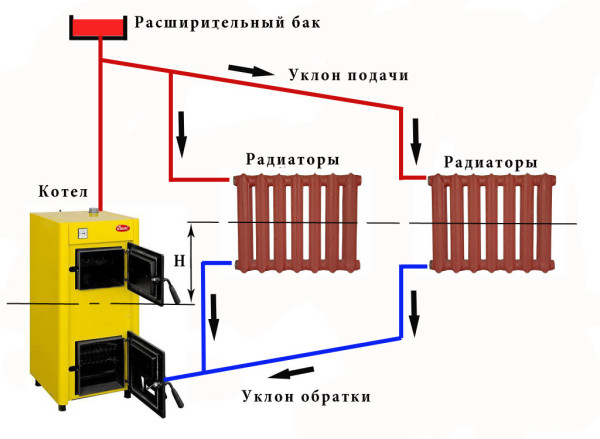
Cast iron batteries get along well with a solid fuel boiler. The solid weight of cast-iron batteries was reflected in Soviet cinema.
Qualities and characteristics
The described heaters are designed to transfer thermal energy from the heating system to the premises of public, residential, industrial and other buildings. They are designed for a coolant temperature of up to +130 degrees and a working (excessive) pressure of the medium up to 0.9 MPa. Products are manufactured according to State Standard No. 31311/2005, as well as TU No. 4935/005/00288372/05.
Advantages of cast iron batteries
- High degree of corrosion resistance.This quality of cast iron is explained by the fact that “dry rust” grows on its surface during operation. It also protects the material from corrosion.
- Cast iron has good wear resistance. Dirt and debris inside the system does not harm it.
- Excellent level of thermal inertia. Cast iron batteries, 60 minutes after turning off the heating, retain about 30 percent of the heat. For steel counterparts, this parameter is only 15 percent.
- Very long service life. A high-quality device can last about 100 years. Manufacturers also guarantee 15/25 years of trouble-free service.
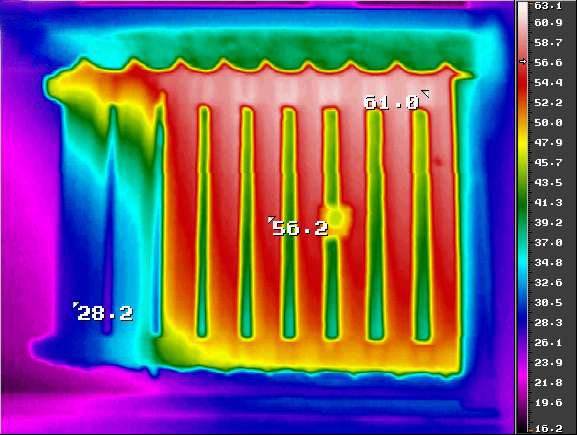
The thermal photo shows that part of the battery is clogged with debris, which means it needs to be cleaned.
- Large section of the internal space of the sections. As a result, the batteries only need to be cleaned once every few years.
- The price of such heating devices is relatively small.
Characteristics of radiators
Now a little about the technical properties of these products. They are slightly different for all models of the MS brand. As an example, we present the data on MS-140-98 batteries.



| Parameter | Meaning |
| Manufacturer country | Russia Ukraine |
| Heat carrier temperature, maximum | +130 degrees Celsius |
| Working pressure, max. | 9 bar |
| Pressure (crimping) | 15 bar |
| Battery Type | sectional |
| Number of channels in one section | 2 |
| Heat carrier volume in one section | 1.35 liters |
| Heat output of one section | 175 W |
| Mass of one element | 6.2 kg |
| Width of one section | 98 mm |
| Cross section of nipple hole | 5/4" |
| Gasket material between sections | heat resistant rubber |
| Plug and section material | gray cast iron SCh/10 (according to GOST No. 1412) |
| Material for nipples | malleable cast iron KCh/30/6F (according to State Standard No. 1215) or steel 08/KP, 08/PS (according to State Standard No. 1050) |
| Nipple hole thread | G-1 for 1/4” |
Based on this, before starting the heating system, it is necessary to carry out pressure testing (hydraulic test) of the batteries with your own hands. If they leak anywhere, it will be necessary to tighten the nipples in these places.
Pass-Through.
Radiators are always equipped with two plugs (through) with right-hand threads and two plugs (blind) with left-hand threads, half an inch. By a separate order, the equipment can be changed.