- Vacuum cleaners with cyclone filter
- Design features of the cyclone
- The principle of operation of the device
- Flaws
- Cons of vacuum cleaners with a cyclone filter
- Flaws
- Negative qualities of the device
- How to choose?
- Self-made cyclone
- Pros and cons of this type of vacuum cleaner
- Advantages of household vacuum cleaners with water filter
- How to make a cyclone filter yourself: a step by step guide
- Preparing tools and materials
- We make the case
- We connect blanks
- Installing the inlet pipe
- We mount the curly element
- final assembly
- How to connect a homemade cyclone
- Operating tips
Vacuum cleaners with cyclone filter
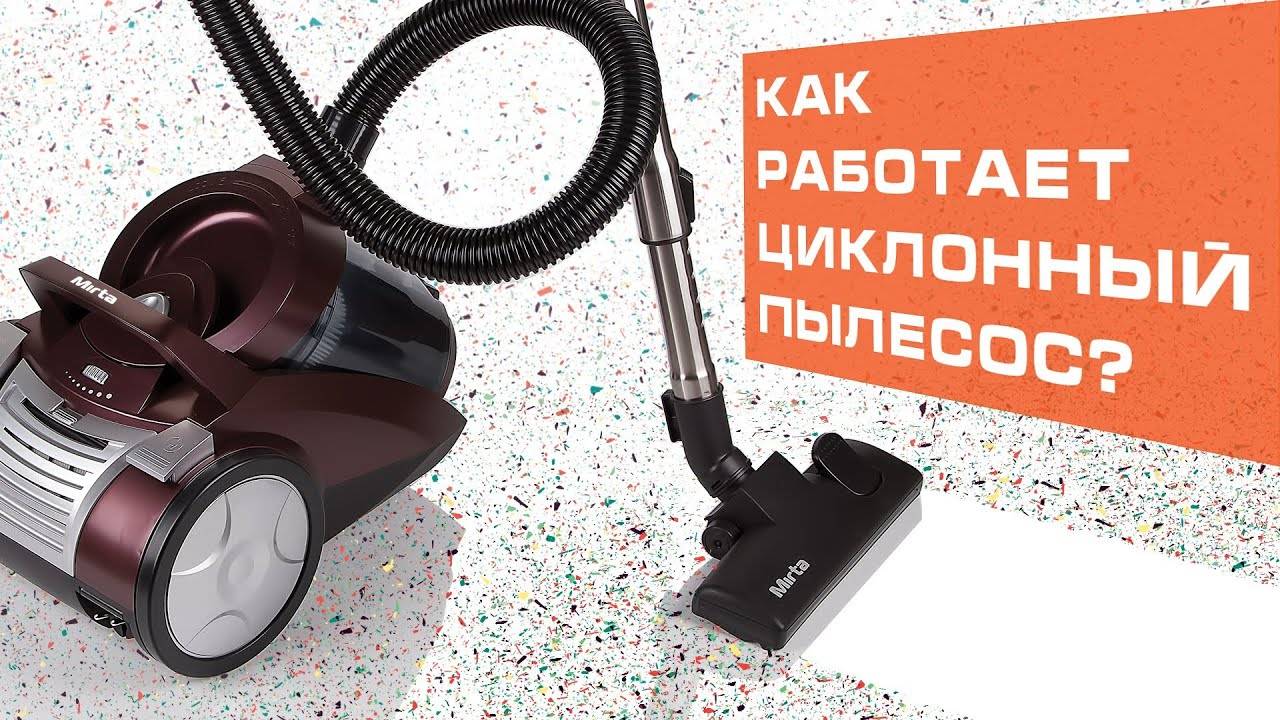
Home cleaning appliances differ in the type of dust collector. In the description of the model, one of the known types is indicated: a bag made of non-woven material or paper, an aqua filter or a cyclone filter. The latter option is typical for vacuum cleaners designed for dry cleaning.
Design features of the cyclone
The first models did not differ in variety: under the lid there was a free space where replaceable garbage bags were inserted.
Some were disposable, most often made of paper, others were made of a practical material that was easy to wash. The minus of bag units is inconvenient operation.
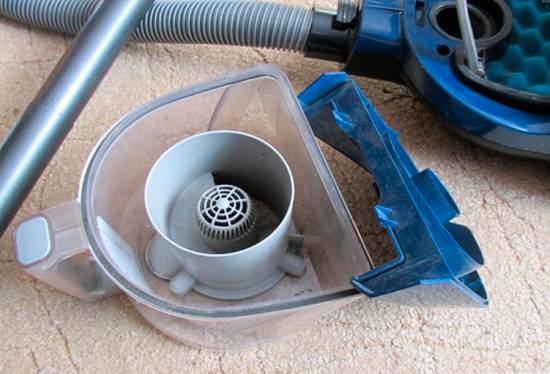
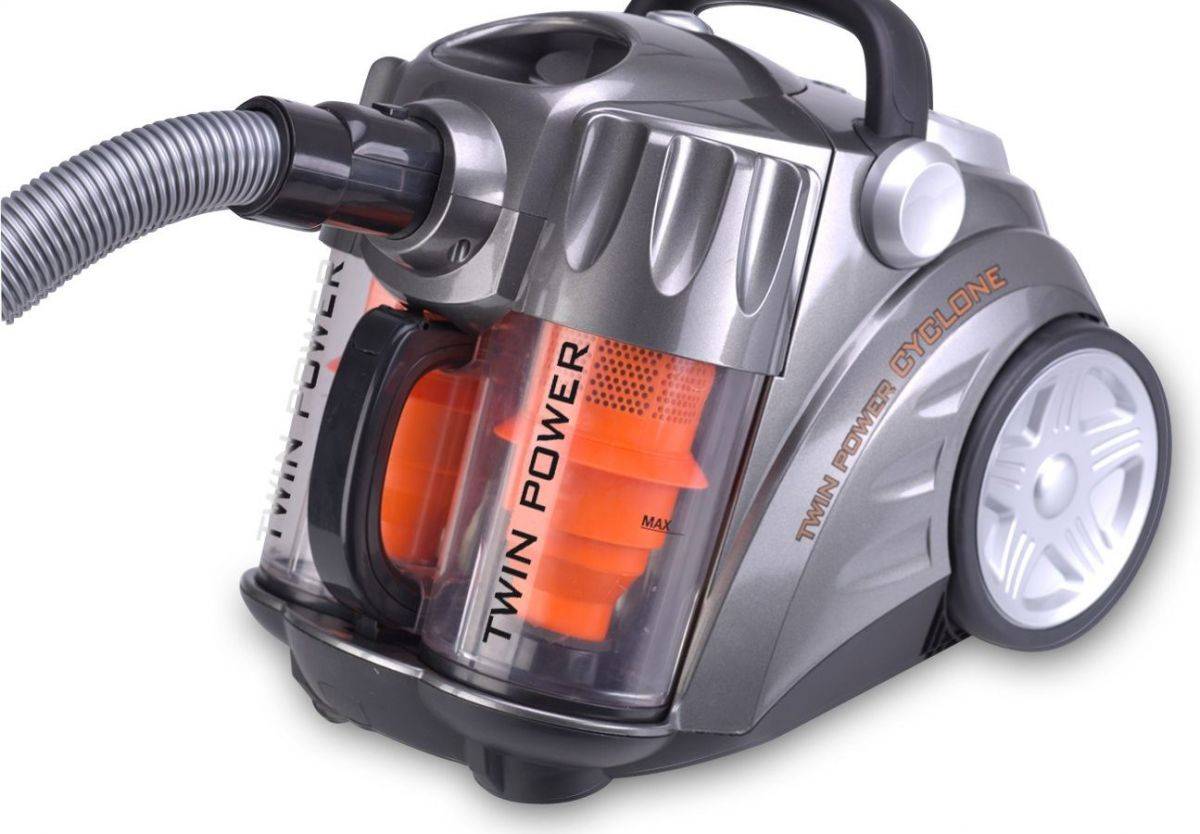
Over time, this shortcoming was corrected by replacing the replaceable element with a plastic container. It comes in various shapes - cylindrical, cubic, in the form of a flask. There are containers that are installed under the lid, others are attached from the outside.
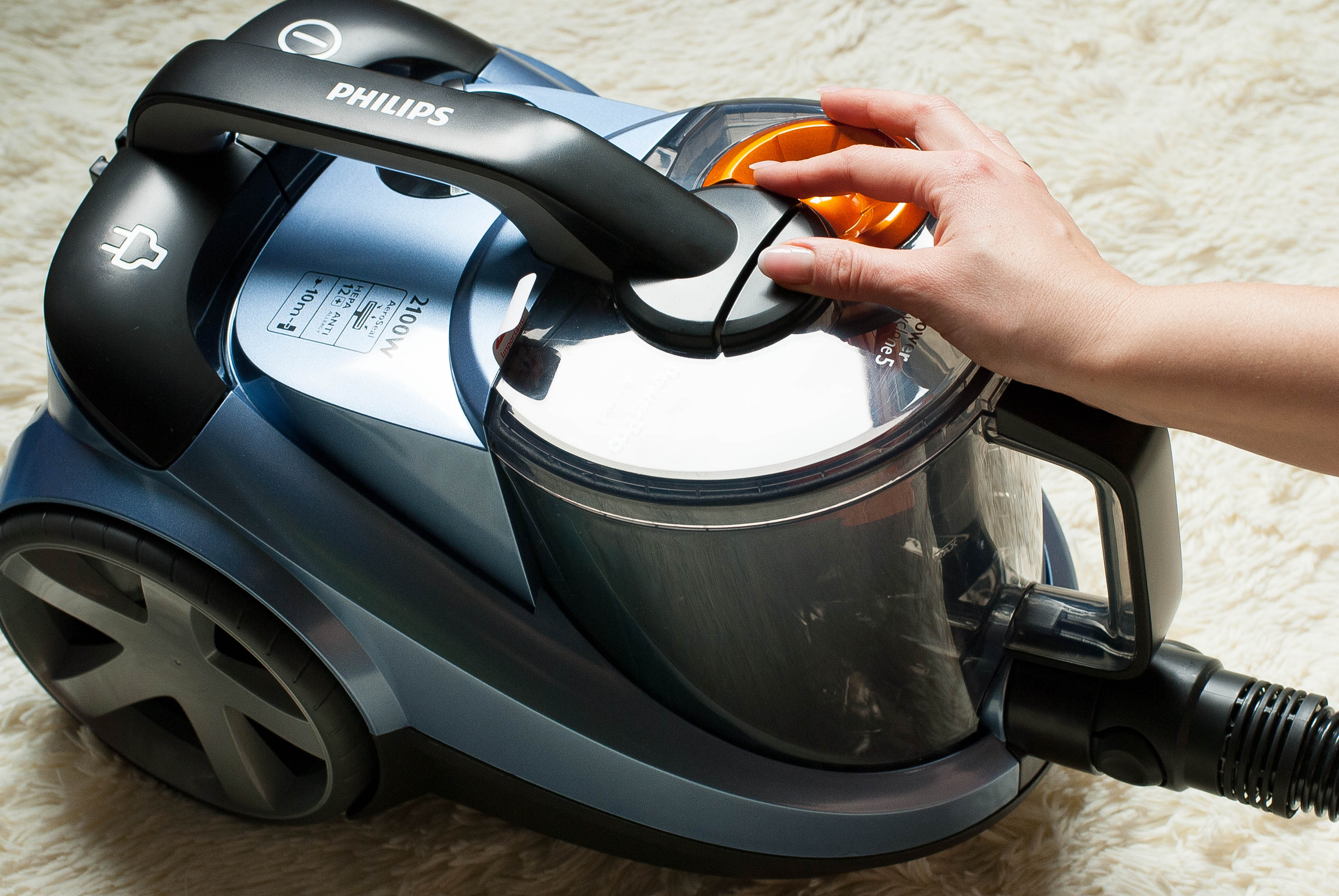
To remove the tank from the body, you must press the button located on the handle. This procedure can often be performed with one hand.
Vertical models do not have a body on wheels and resemble a mop in design, they have a cyclone filter located directly on the handle. For vacuum cleaners of the traditional form, the plastic reservoir can be located both in the upper part of the body and at the back.
Consider the design on the example of the Hoover brand model.
There is a filter in the lid of the plastic tank, which needs to be cleaned from time to time.
For example, in Samsung it has a spongy structure, which is quickly clogged with fine dust. A dirty sponge can be easily washed in soapy water - without this procedure, the vacuum cleaner will give signals and sharply reduce power.
The cyclone filter can be present in all known types of vacuum cleaners:
- manual;
- vertical;
- ordinary;
- robotic units.
For industrial models, a bulk bag can often be inserted instead of a cyclone filter - for cleaning and disposal of construction debris.
The principle of operation of the device
In vacuum cleaners with a bag, the debris is sucked into the pipe and with the air flow goes directly into the bag.
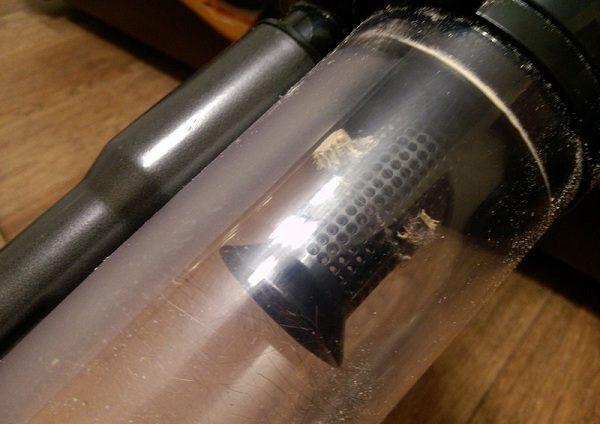
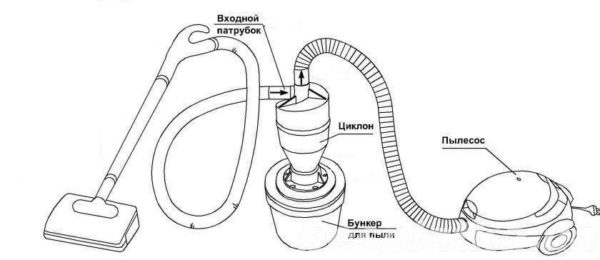
For devices with a cyclone filter, the principle of operation is slightly different. Due to the special design of the dust collector, a small powerful vortex is formed, which scatters the dust along the walls of the tank and prevents it from returning back to the pipe.
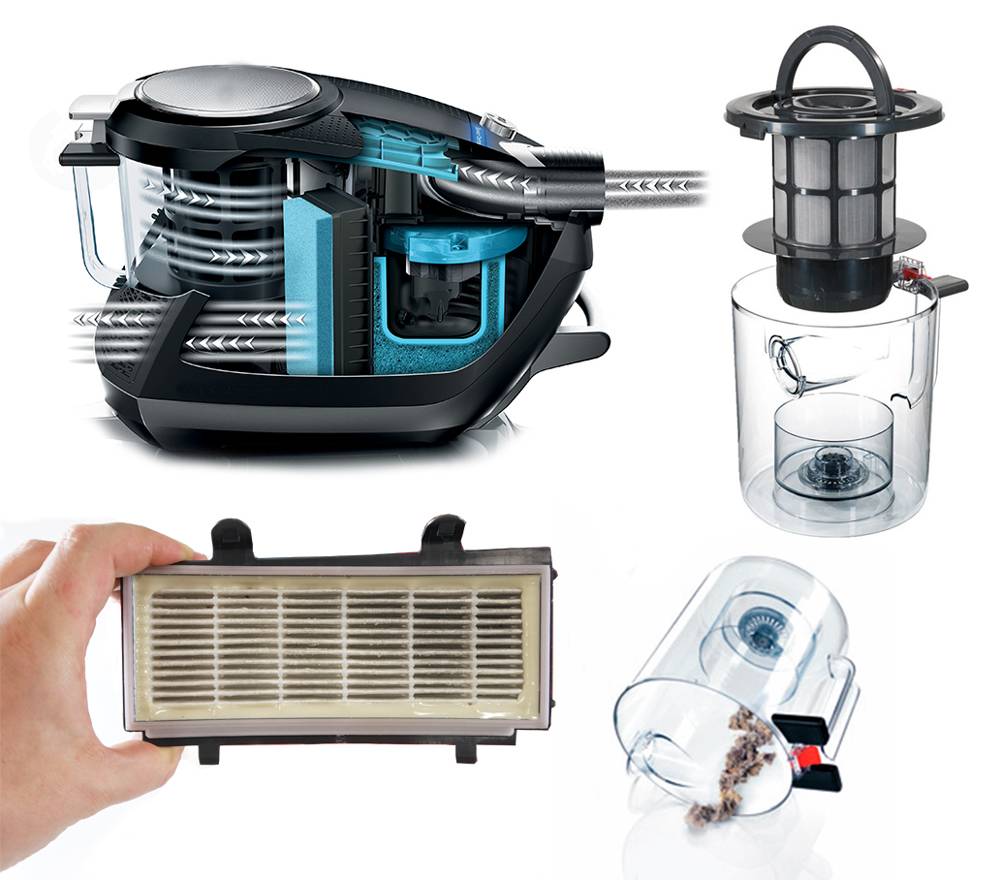
Usually, in addition to the main tank, there is a small intermediate compartment where large particles of debris and hair remain. And the generated air stream pushes the fine dust into the main tank by centrifugal force.
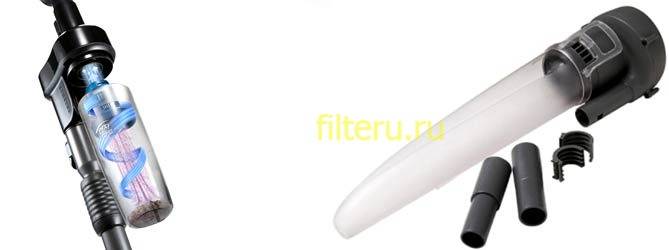




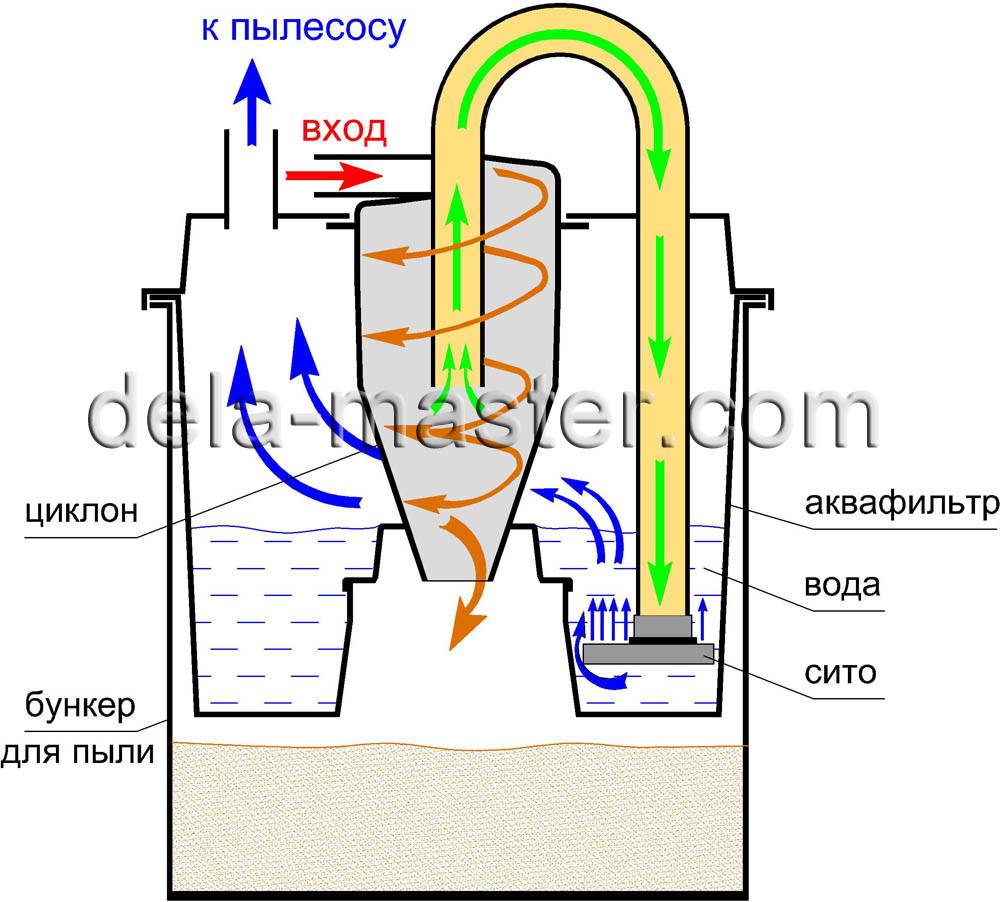

The result of the work is a filled plastic tank that needs regular cleaning.
The cyclone systems are different for models of different brands, but they are always equipped with a filtration system.
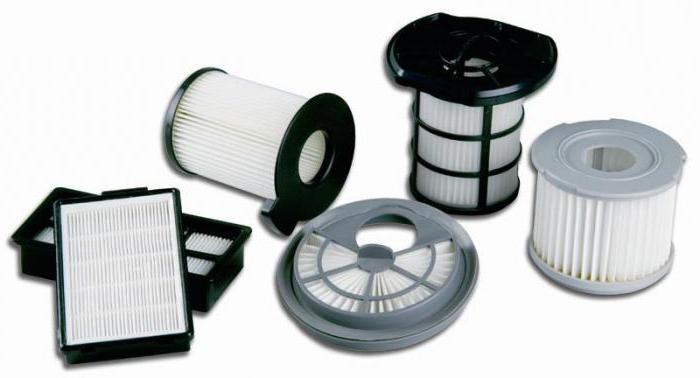
As a rule, meshes or intermediate sections separate large debris, sponges trap fine dust, and a HEPA filter is installed at the outlet and prevents the smallest dust particles from returning back into the room.
To prevent dust from flying around the room when cleaning the cyclone filter, some manufacturers equip it with a pressing system. Example - Kompressor technology in LG devices
The spiral movement of air that forms a cyclone filter is used not only in household appliances. Cyclones are used in industrial installations at enterprises to collect powdered substances and the same dust.
Flaws
In addition to the obvious advantages, such filters have some disadvantages.
- Unfortunately, a large number of models of these vacuum cleaners are designed for dry cleaning only. To get more features, you will need to spend more money on the purchase of a universal model of a vacuum cleaner with a cyclone filter.
- The weak side is the inability of the cyclone filter to qualitatively collect very light and almost weightless particles, such as fluff or hair.
- These models require more electricity than analog devices. This is due to the large amount of power that the vacuum cleaner uses.
- The device tends to accumulate static electricity during prolonged operation, which eventually begins to spread to the surface of the vacuum cleaner body. Therefore, situations of shock by this current are not excluded. And although it is completely harmless to health, an unexpected blow can be very unpleasant.
- In the event that sufficiently large particles of debris penetrate into the dust container, the vacuum cleaner begins to make characteristic unpleasant sounds. This effect is achieved due to the fact that the trapped particles of debris begin to beat strongly from the wall of the plastic dust collector. It is especially noticeable when glass fragments or some metal parts get inside.
- Most models do not have air flow controls. And the stability of garbage suction directly depends on the power of this indicator.
- An insignificant minus is damage to the body of the dust collector due to the fact that the debris penetrating inside can leave small scratches on its surface. For example, when sharp particles and parts enter the dust collector.
- Such vacuum cleaners are not recommended for people suffering from a severe allergic reaction to dust, since direct contact with dust occurs during the cleaning of the dust container.
- All models, regardless of cost, are made of lightweight plastic, which contributes to a significant reduction in service life: in case of a fall or a strong impact, you can easily break the body of the device.
- To completely clean the container of accumulated dust and dirt, it will have to be thoroughly rinsed, which is not entirely hygienic.
- Often, vacuum cleaners automatically turn off in the midst of cleaning.The reason for this is the strong overheating of the motor and the low power of the selected device model.
It should be noted that modern manufacturers of this type of equipment take into account all the shortcomings of past models and constantly upgrade cyclone vacuum cleaners.
Cons of vacuum cleaners with a cyclone filter
- Low efficiency when cleaning surfaces from light or long dust particles such as fluff, feathers, hair, thread, pollen, etc.
- Accumulation of static electricity on the surface of the machine, resulting in a risk of electric shock when the power button is touched immediately before operation.
- Large, solid and heavy dust particles, hitting the walls of the container, create noise, scratch its transparent surfaces.
- Automatic shutdown of the device during operation, due to engine overheating.
- Vacuum cleaners with a cyclone filter are designed exclusively for dry cleaning.
- Suction power drops when the dust container is full. This is a minus of vacuum cleaners with a small working volume of the garbage container.
- After cleaning, it is required to rinse the dust and debris tank, which is unhygienic.
- Hair and animal hair often wrap around the conical part of the dust collector, resulting in the need to interrupt cleaning and manually empty the container.
- The need for an additional HEPA filter. The HEPA filter in the vacuum cleaner promotes the accumulation and reproduction of microorganisms, which leads to the appearance of an unpleasant odor.In addition, this filter is a one-time device, that is, it is not subject to periodic cleaning, which in itself is already a significant drawback, due to its considerable cost and difficulty in acquiring. However, this filter needs to be replaced about once a year.
- The inability to adjust the suction power of the vacuum cleaner.
- The hoses often get tangled because they don't rotate at the connection to the plastic cup.
- Even expensive models are often made of fragile plastic. This results in a shorter service life.
- During operation, the cyclone vacuum cleaner emits a thin piercing sound that creates discomfort for the person doing the cleaning and people in the room where it is carried out.
- A vacuum cleaner with a cyclone filter is not recommended for people prone to allergic reactions, due to the fact that when cleaning the container, there is a long contact with dust.
However, it should be noted that all the above disadvantages relate mainly to low-cost models, in addition, unfortunately, there is no ideal technique without a single drawback. Therefore, when making a purchase decision, you should carefully consider the pros and cons of a cyclone filter in vacuum cleaners, take into account all the features of the room, the wishes and needs of the person who will use this unit.
Flaws
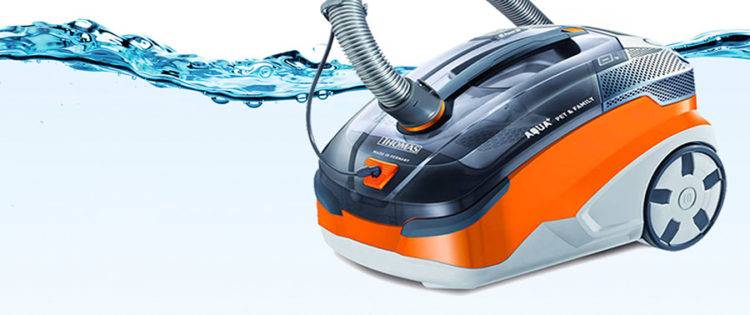 Devices with aquafilters have a number of disadvantages. You should check them out before buying.
The list of disadvantages of vacuum cleaners with water filters:
- High price. The cost of these devices is higher than that of units with conventional fabric or cyclone filters.
- The complexity of care.After cleaning, it is necessary to pour out dirty water, wash the container, rinse the additional HEPA filter, if any, and dry thoroughly. Otherwise, mold and an unpleasant odor may appear. Careless handling of filters can lead to premature wear of individual parts of the device and reduce the life of the vacuum cleaner.
- Dimensions. Due to the removable water container, the dimensions of devices with aqua filters are larger than those with bags.
- The weight. Water adds one to two kilograms to the vacuum cleaner, depending on the volume of the bowl. Therefore, it is difficult to carry it in your hands. You need to roll over the rapids carefully, holding the handle or body.
- Loud noise. During operation, some powerful models are noisy. Sounds exceed 80 dB.
Negative qualities of the device
Any technique has not only pluses, but also minuses. The design mentioned above was no exception. The main problems during the operation of the vacuum cleaner were:
- Difficulty picking up thin, light and long pieces of debris.
- Large debris falling into a plastic container can leave scratches on the walls of the tank.
- The property of a vacuum cleaner to accumulate static electricity, which naturally falls on the body of the equipment.
- Dependent position ahead of intake air velocity. At the moment the brush catches a curtain or other object, the air vortex inside the vacuum cleaner is destroyed, and dust and debris enter other filters. Restarting the device into operation does not allow you to act immediately with full speed.
The experts noted that the shortcomings identified by the buyers are minor, they do not affect the deterioration in the quality of operation and cleaning. The developers failed to eliminate the shortcomings, unfortunately.These defects are related to the design features of the vacuum cleaner.

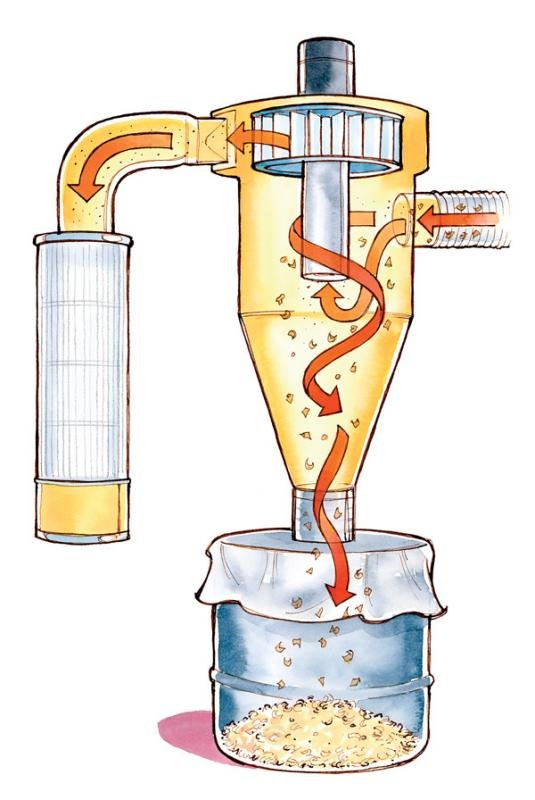


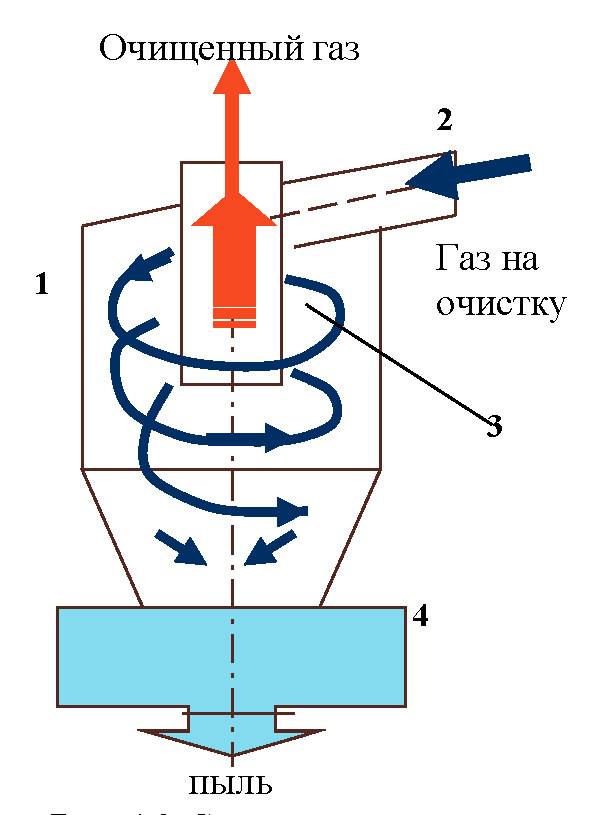


It is important to understand that cyclone-type devices are designed for cleaning dry rooms.
How to choose?
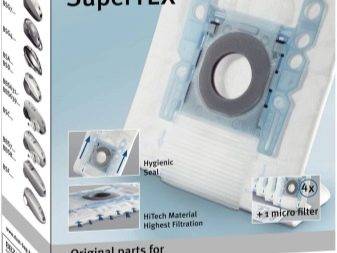
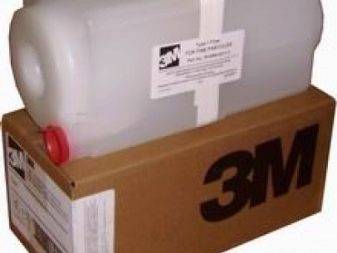
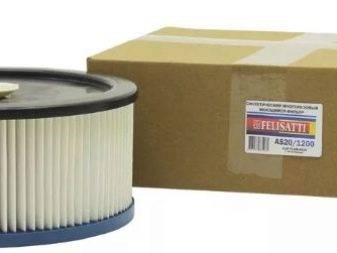
When choosing a vacuum cleaner with an optimal filtration system, you should be guided by consumer reviews and information received from the brand manufacturer. The most efficient filtration systems are 3M, Einhell, Type 2 and EIO. In models of such well-known brands as Siemens and Bosch, a dust collector of the Megafilt SuperTEX system is installed. It has an additional fabric layer with micropores, which ensures maximum suction power even when the dust bag is full.
Thomas AIRTEC products have a four-layer fabric dust collector, while products from the German manufacturer Melitta are a multi-layer thin paper bag that filters the smallest particles with a size of less than 0.3 microns, while each subsequent layer retains smaller and smaller dust particles.
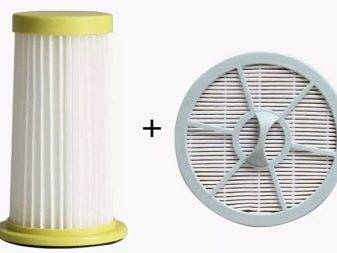
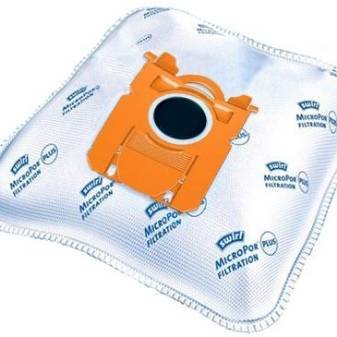
Many modern models are equipped with the Swirl MicroPor mechanical filtration system. Its advantage lies in the operation of three stages of purification - the first two levels act as a traditional dust collector, retaining rather large particles of dust up to 1 micron, and the third allows you to purify the air from microparticles and, noteworthy, from bacteria, which often cause serious diseases. Thus, the first levels work as a coarse cleaning system, and the third - fine. In the most popular Philips units, dust collectors are impregnated with a special antiseptic solution that effectively destroys bacteria immediately after they enter the bag.
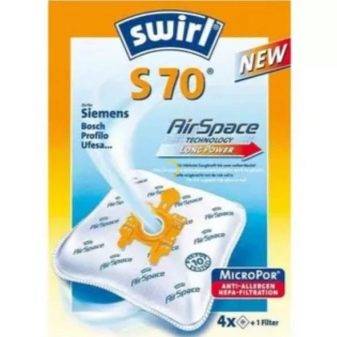
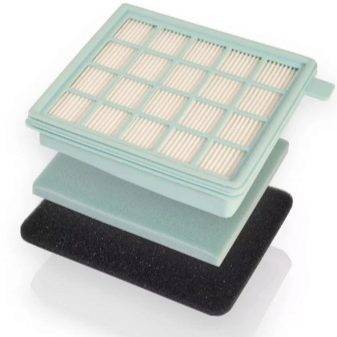
At the same time, each manufacturer still produces a line of vacuum cleaners with the usual reusable fabric bags. The reason for this is simple - these vacuum cleaners are much cheaper, therefore, they are optimal for people with medium and low incomes. In addition, a fabric bag can be used for several years, and a paper bag needs to be changed regularly, which entails spending money and time on purchasing them.
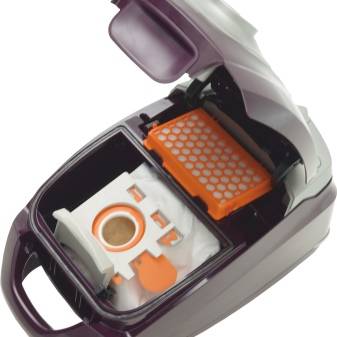
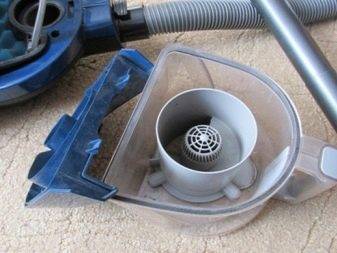
In most modern models of Samsung, LG, Electrolux, Rowenta, as well as Hoover, Bosch and Siemens, the dust collector is a reservoir located in the middle of the product body - these are cyclone models. They are available in two versions.
- In cyclones of the first type, the air moves in a spiral, where, under the influence of centrifugal force, it sticks to the walls, loses speed and immediately settles, remaining in the tank itself. Then the treated air is passed through the motor and foam filters and pushed out.
- In cyclones of the second type, the cleaned air moves into the tank, where there is an instant decrease in speed. At the same time, more than 95% of the particles settle to the bottom, and all fine dust is picked up by vortices and moved to a sponge motor cleaning filter impregnated with a fungicide, after which it enters the outlet compartment and is discharged outside. Such filters have their advantages, among which the stable high power of work comes to the fore, which does not depend on the degree of fullness of the dust collector, and the cleaning process itself is much more hygienic.
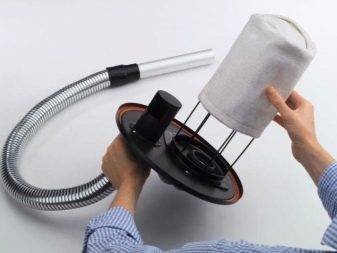
At the same time, it should be noted that the manufacturers of all of the above models have not been able to achieve 100% retention of dust particles, as a result, together with the exhaust, they again enter the living room, and from there go straight to our mucous membranes and lungs. The consequences of all this can be the most unpredictable, as a result, in an effort to protect your family, you can, on the contrary, face irreparable damage.
As an alternative to such filters, there are water filters, which cope with the task of retaining dust as efficiently as possible, but at the same time do not cause the slightest harm to the human body, but their cost is much higher than that of all other dry-type vacuum cleaners.
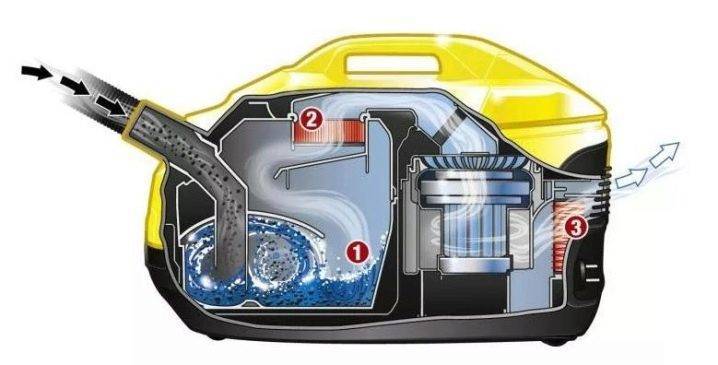
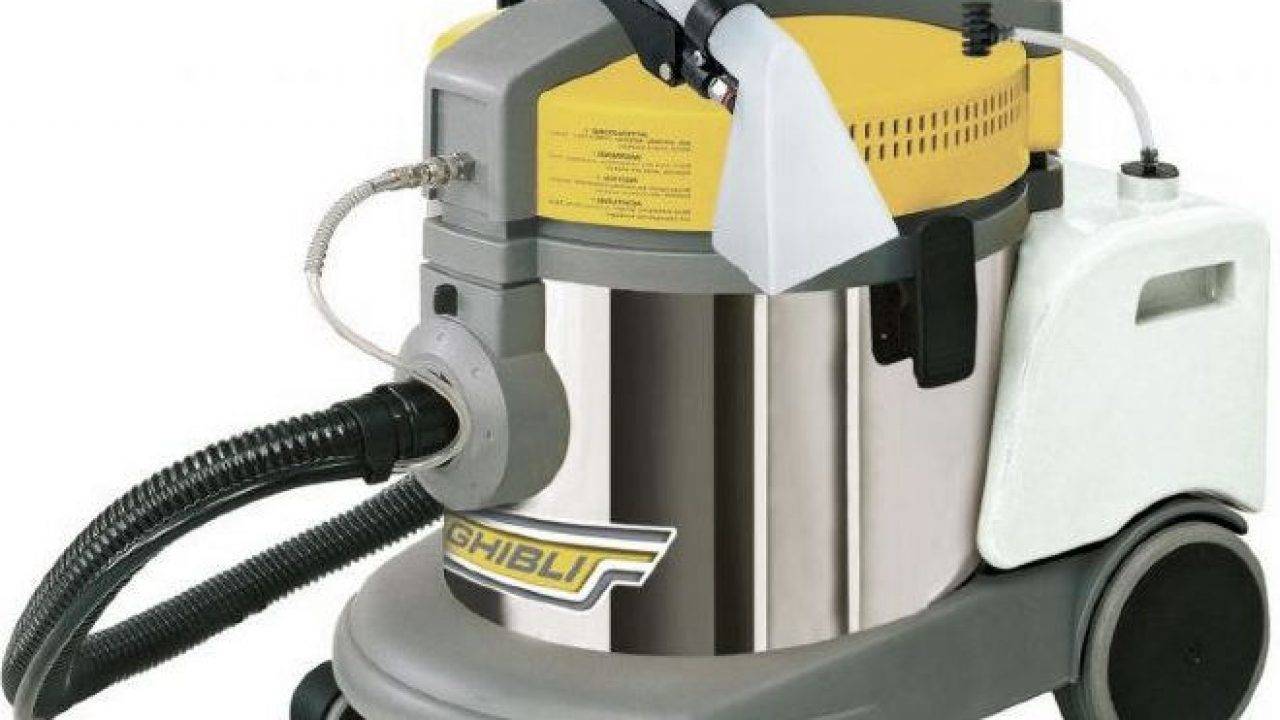
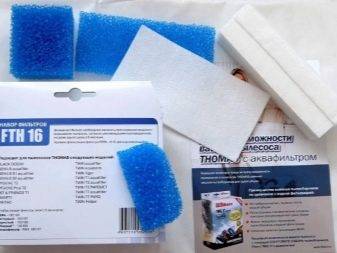
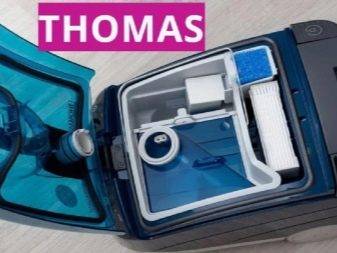
Vacuum cleaners of the German brand Thomas are equipped with water filters - the process of retaining dust particles here is 99.998% and this is the highest result among all currently existing vacuum cleaners. In these aqua filters, the incoming air is immediately irrigated with moisture, after which the air is subjected to a three-stage purification in foam and paper filters. It should be noted that models with an aquafilter also have pronounced hygienic advantages - they not only trap dust particles, but also humidify the air in the house.



In addition, the power of work in this case remains unchanged during all cleaning work, and cleaning the filter itself is reduced to the timely pouring of contaminated water.
Self-made cyclone
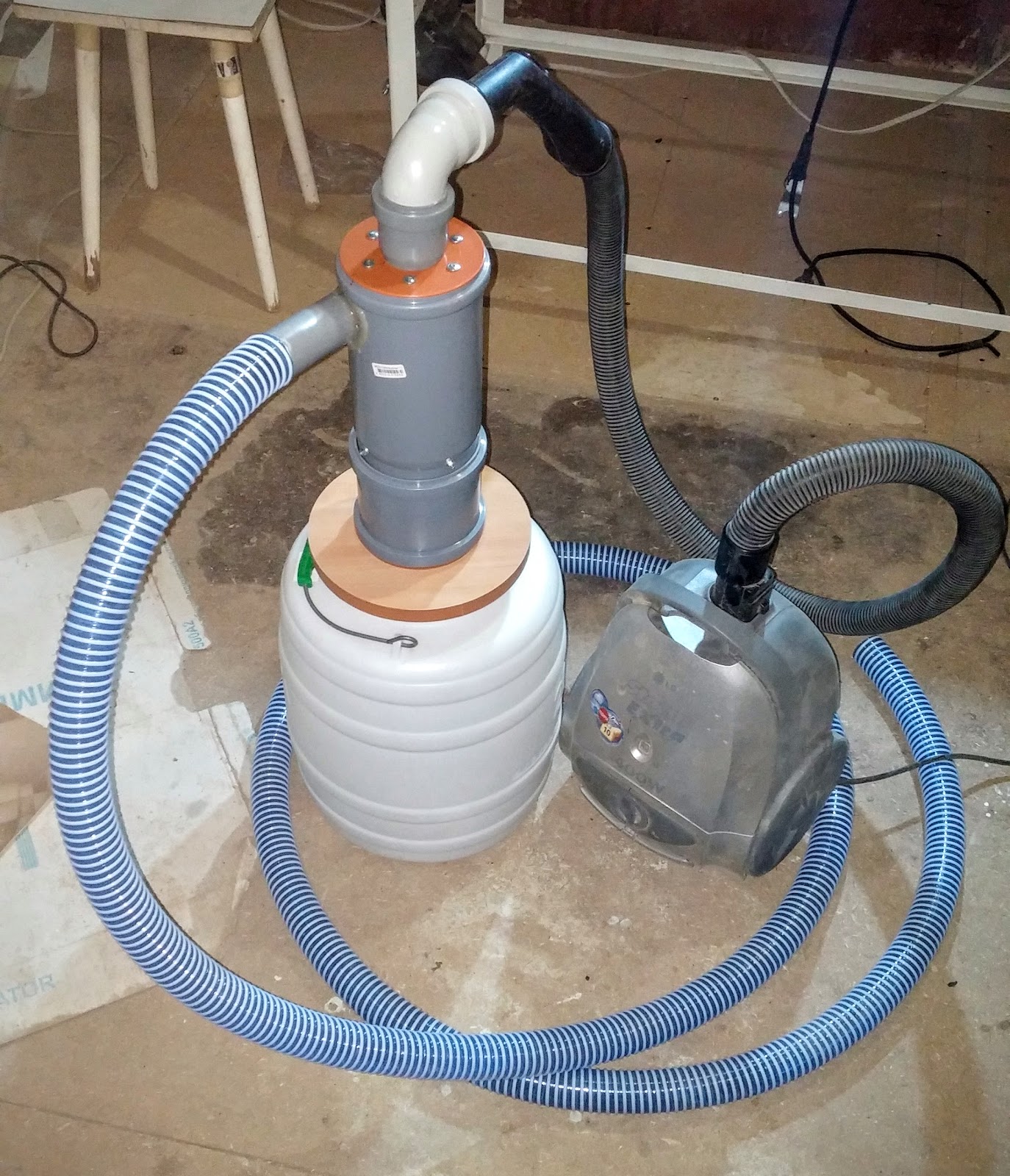
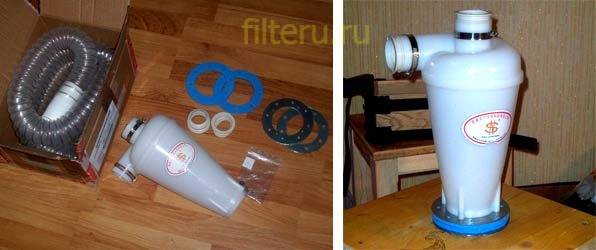
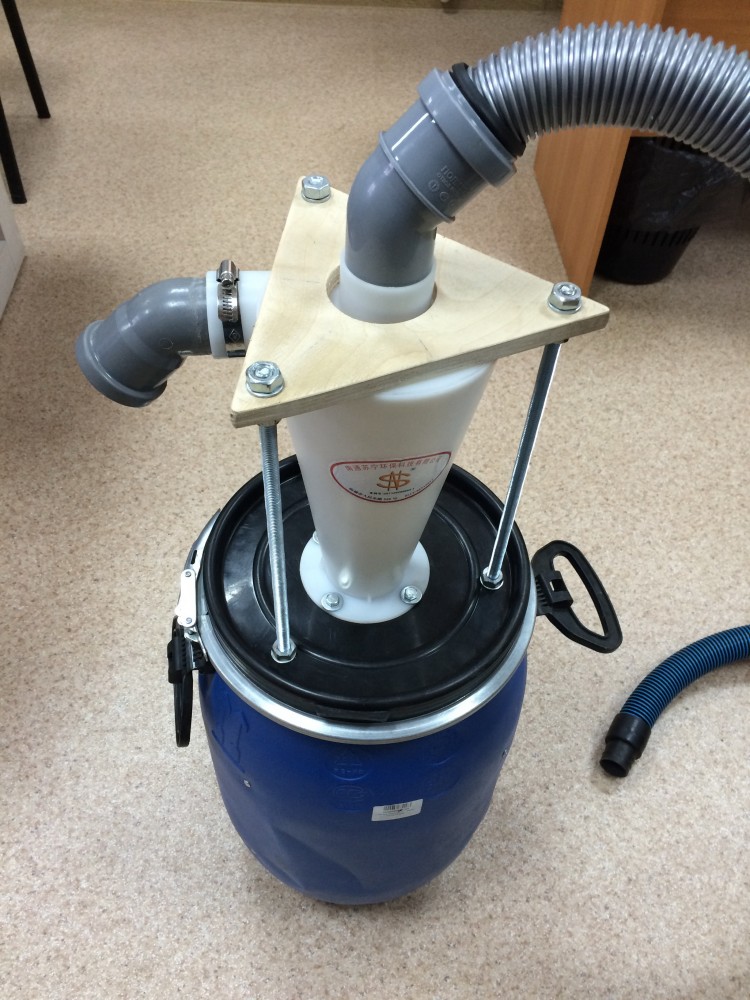
However, some advanced users use a homemade similar design. In most cases, with your own hands, an external cyclone attachment is made for an old vacuum cleaner (for example, the USSR Cyclone).It is assembled from a plastic bucket with a sealed lid and connecting pipes. Holes are made in the bucket according to a certain pattern, into which connecting components are inserted. It is easy to find a diagram of the device on the Internet. Some manufacturers produce external filtering devices according to the cyclone principle for ordinary vacuum cleaners, which allow collecting garbage in large volumes. This is especially true when collecting garbage during repair or construction work.
So, vacuum cleaners of the type in question are different in form factor (classic, vertical and manual), as well as in other technical and consumer characteristics. At the same time, the main selection criterion is the primary use of the device: for an apartment, office or production space. Not only the shape, but also the power of the unit depends on this. And which particular model to buy - depends only on the capabilities of the buyer.
Pros and cons of this type of vacuum cleaner
The following advantages are typical for models with cyclone filters:
- Profitability. No need to buy consumables in the form of bags to put the product in order. Cheap type of device.
- Ease of cleaning of all components that are included in the vacuum cleaner.
- Hygiene due to the fact that the overall contact with dirt is reduced to a minimum when using the device.
- Convenient service. Dust is removed without problems. For this, the usual mechanical type of devices is used.
- The compactness that the filter option has.
- Multi-stage filtration system that increases the operating time. The dust collector does not give such results. It will only press the dust particles together.
Usually, only durable grades of plastic are used in the manufacture of containers. A low-noise fellow is made according to the same rules.
But there are some weaknesses, it is also better to learn about them before buying:
- High noise level that will always exist.
- When the throw-in power is reduced, the filters begin to clog too quickly. The centrifugal force is weakened. This is a standard occurrence.
- Accumulation of static electricity. This is especially noticeable when the handle is touched.
- Not enough power to get rid of the smallest particles, no matter which order is used.
 Vacuum cleaners with cyclone filters are quite popular today due to their ability to accumulate dust.
Allergy sufferers are advised to purchase models that are equipped with aqua filters. This is also a simple mechanism.
 Their work is arranged in such a way that dust and dirt that got inside no longer enter the room.
Advantages of household vacuum cleaners with water filter
Devices for collecting debris and cleaning surfaces have a number of pros and cons
Comparing a conventional device with a standard fabric bag and a household unit with an aquafilter, the following positive points can be noted:
- Air purity. Many people buy it because they are allergic to dust. When dust and dirt are sucked in, all particles remain in the water, thoroughly purified air comes out.
- Constant power. When using a vacuum cleaner with a standard cloth bag, suction power decreases as it fills up. Before starting the operation of the device with an aquafilter, clean water is poured into the container.Even if dirt gets into it during cleaning, the power remains at the initial level.
- Air humidification. Purified air comes out after contact with water humidified. Therefore, after cleaning the apartment is fresh and easier to breathe.
- Great suction power compared to vacuum cleaners with dry filters.
How to make a cyclone filter yourself: a step by step guide
In the case of a cyclone filter, you can save money by creating it yourself from improvised materials.


Preparing tools and materials
For work you will need:
- plastic pipe with a diameter of 50 mm and a length of up to 150 mm;
- a piece of plywood;
- standard vacuum cleaner hose;
- two buckets 5 l and 10 l;
- sanitary corner 30 degrees;
- electric drill with a crown and various drills;
- ruler;
- construction compass;
- pencil;
- jigsaw;
- clamp;
- stationery knife.
We make the case
- Take a knife and cut off the sides of a 5 liter bucket.
- Turn the container upside down, place it on a sheet of plywood and draw a circle with a pencil.
- Using a building compass, mark 30 mm to the periphery, draw another circle and cut it out with a jigsaw.
- Make a figure under the ring. To do this, draw another circle with a bucket: conditionally mark the bottom point and use a compass to mark diagonally about 100 mm in both directions.
- Take a crown with a diameter of 50 mm and make holes at the marked points, but only so that they do not go beyond the designated ring.
- From the main ring, measure 50 mm and draw a circle, the points of which will be in contact with the cut holes.
We connect blanks
Place the cut ring on a 5 l bucket in the upper part, where the sides were cut off and secure with self-tapping screws from the inside
It is important to seal all the gaps and holes between the parts, so use more fasteners around the circumference. Cut the lid of a 10 l bucket exactly in the center and fix it on the cylinder with self-tapping screws
Installing the inlet pipe
In the opposite side of the cylinder hole, you need to fix the pipe. To do this, step back 10 mm from the bottom and use a 50 mm crown to make an inlet. For greater sealing of the sanitary corner, make the cut hole in the form of a drop. Then with sealant and screws fix the corner.
The second branch pipe is installed in a similar way. A plastic pipe 50 mm in diameter and 100–130 mm long must be inserted in the center of the cylinder bottom. You can cut a small square out of plywood and make a 50 mm hole with a crown, then insert a pipe into it and fix it with sealant.
We mount the curly element
The main point of the procedure is the installation of a curly plywood element, since it is he who will create a swirl in the cylinder. Fasten the plate 10 mm from the edge of the open part of the cylinder, while the figured element should not come into contact with the nozzle
From the outside, fix the tight-fitting part of the plate with a self-tapping screw, while it is important that it is located strictly horizontally
final assembly
The final stage of assembly involves the connection of ready-made parts, namely the cylinder itself and a large bucket. The previously mounted lid of a large bucket will help to lie down tightly. The total height of the structure will be 45–60 cm.
How to connect a homemade cyclone
Insert the corrugated hose from any working tool into the inlet, and insert the tube from the vacuum cleaner into the outlet, instead of the working nozzle.Before work, start the vacuum cleaner, and then the tool. Chips or debris will pass through the corrugated pipe straight into a homemade cyclone filter. Debris will be filtered out in the cylinder, and clean air will be released through the exhaust of the vacuum cleaner.
Operating tips
If you want the vacuum cleaner to work in your home for many years without requiring attention, you must follow certain rules for its operation.
You should pay attention to the following recommendations:
- After you bring the vacuum cleaner into the house, be sure to read the instructions for its use. It also does not hurt to read the reviews of users who have considerable experience in operating such devices.
- The main thing that you need to remember when using a vacuum cleaner is that you can only clean it on dry surfaces. If moisture accidentally enters the filter, it will cause the dust particles to compact and clog the filter, the filter may quickly fail and an unpleasant odor will occur. This also explains the recommendation to dry the filter after each wash.
Every year, new and improved models of familiar home appliances appear on the market. A new step in the development of vacuum cleaners for cleaning was the creation of models equipped with a cyclone filter. Their main difference from traditional vacuum cleaners is the presence of a special container in which dust and debris accumulate. It is much more convenient to use such a device, since it saves a lot of time, which previously had to be spent on periodic cleaning of the filter from clogged debris.