
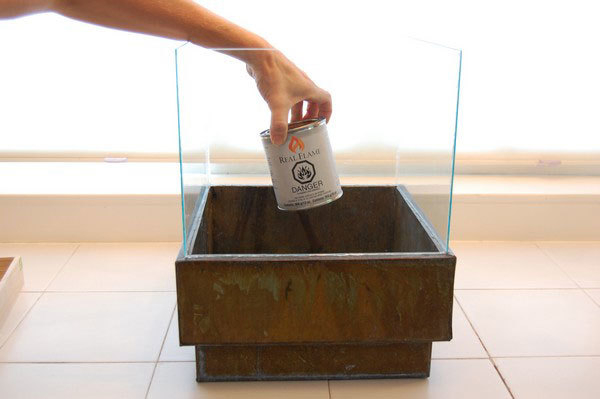
- What is a biofireplace?
- 1. Biofuel packaging. Why is she important?
- The device and design of the biofireplace
- Device
- decoration
- Self-manufacturing of biofuels
- Operating rules
- Making bio-fireplaces with your own hands
- Specificity of biogas production
- Useful information on eco-fireplaces
- Main manufacturers, brands and price overview
- Types of biofuels:
- Advantages and disadvantages
What is a biofireplace?
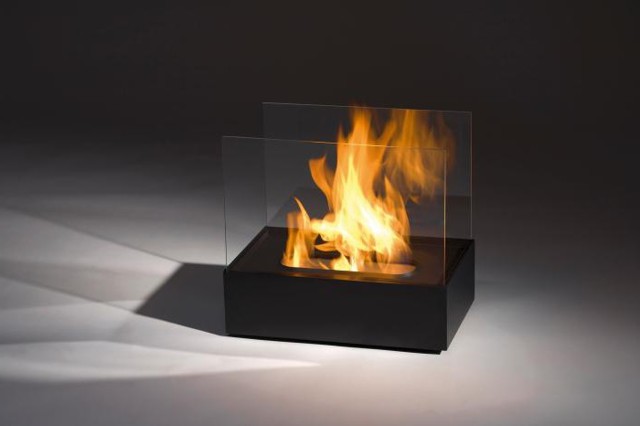
The biofireplace, which is coming into fashion, is a decorative source of open fire that runs on the so-called biofuel. For safe operation, the device is framed by a portal that traps the flame inside.
Structurally, a biofireplace is a burner that runs on alcohol fuel. A mandatory element of the device is a fuel tank, which contains a sufficient supply of flammable liquid for operation.
A wick is inserted into the tank, along the fibers of which the fuel rises to the place of combustion. Actually combustion is carried out in a special bowl, which can have a very different shape. The sizes of biofireplaces vary considerably.
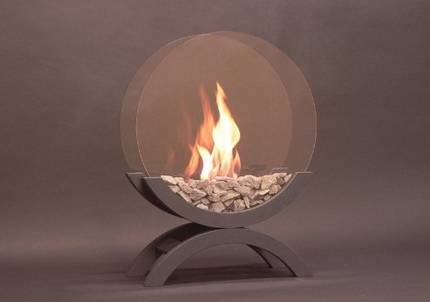
Installing a bio-fireplace is a great way to decorate the interior, make it unusual and attractive. Depending on the type of device and model, the fire can be completely open or closed from several sides by portal walls, transparent and opaque.
To extinguish the flame, it is enough to cover the burner with a special damper. It will block the access of oxygen, without which the combustion process is impossible. A damper must be available for each device. The appliance may have several burners.
In addition, some burners are equipped with nozzles. This makes the flames as similar as possible to those that form when wood is burned in a fire or fireplace.
The devices are very easy to use. First of all, they don't need a chimney. During combustion, biofuels are oxidized to carbon dioxide and water vapor. The absence of heavy impurities in the combustible liquid allows it to burn completely, without the formation of soot, soot and volatile toxic substances.
Therefore, smoke removal (and it does not form) is not required. Thanks to this, the biofireplace can be installed anywhere in the room.
He does not need a heat-resistant floor strapping or a separate foundation. Special permission for its installation is also not required. The only thing to consider when choosing a place to install a biofireplace is the possibility of airing the room or the presence of effective ventilation. This is necessary because oxygen is used during combustion, the amount of which must be constantly replenished.
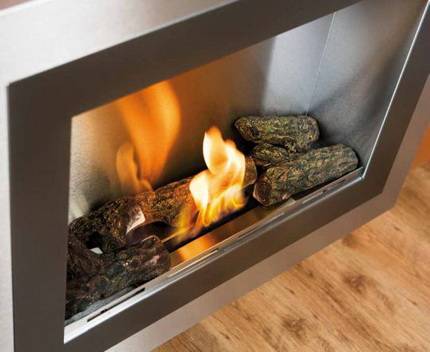
So that the biofireplace does not differ from the real one, it can be decorated with firewood made of refractory ceramics. They are produced in the form of whole or half-burnt logs.
Biofireplaces are not only decorative, but also functional. AT difference from traditional fireplaces, where most of the heat "leaves" into the chimney, the devices completely give off their heat to the room. Of course, it will not work to use such a device as a heating device, but it can heat some area in the room.Biofireplaces are completely safe under the condition of proper operation.
The industry produces the most comfortable to use models equipped with electronic control. They can be controlled from the remote control or via Wi-Fi. In the latter case, it is quite possible to integrate the device into the Smart Home system, remotely control it from a phone or tablet. It is clear that the cost of automatic biofireplaces is an order of magnitude higher than that of conventional ones.
At the same time, standard models can be considered “eternal”, since they are structurally extremely simple and there is nothing to break in them, while devices stuffed with electronics may well fail.
The main disadvantage of biofireplaces is their high cost. The operation of the devices will also be quite expensive, since only special fuel is required for their operation. It will not work to replace it with a cheap analogue.
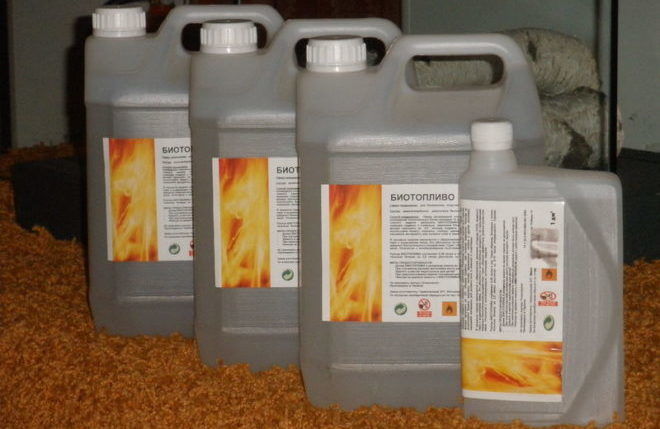
1. Biofuel packaging. Why is she important?
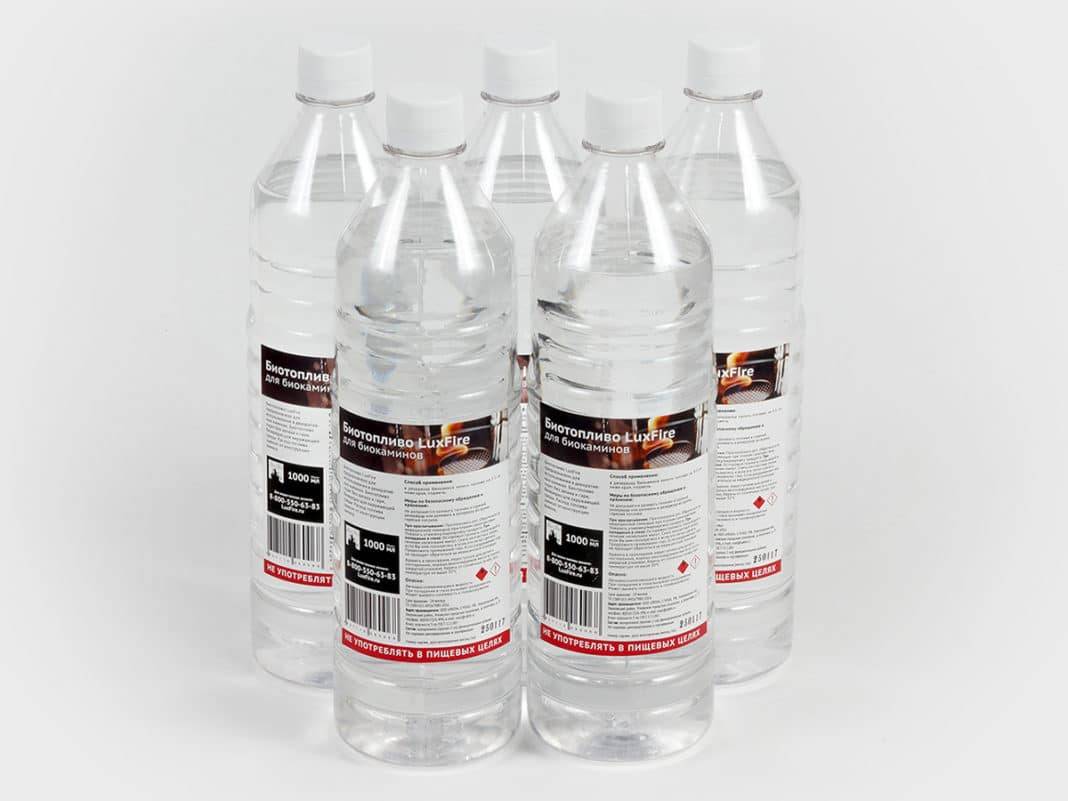
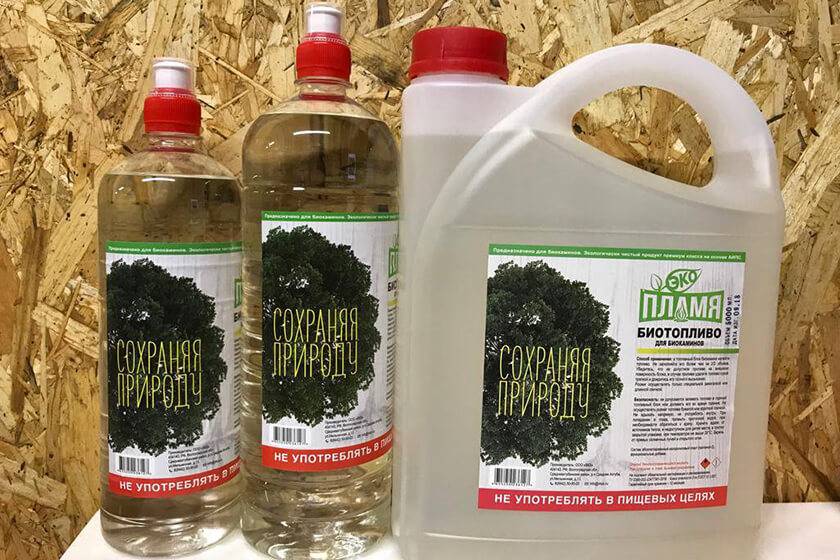
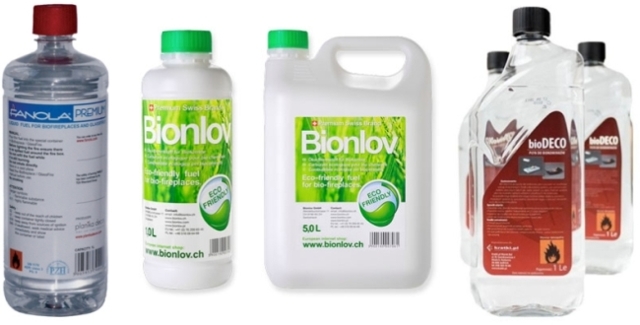
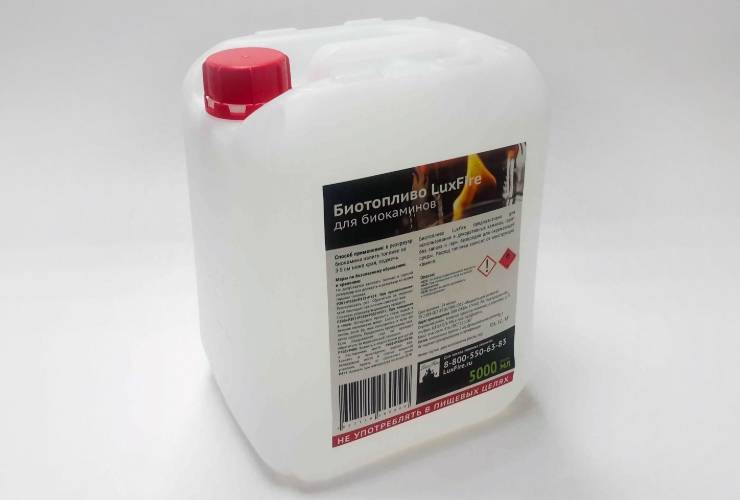
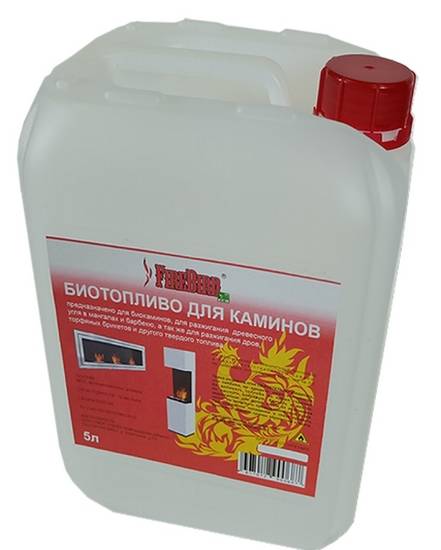
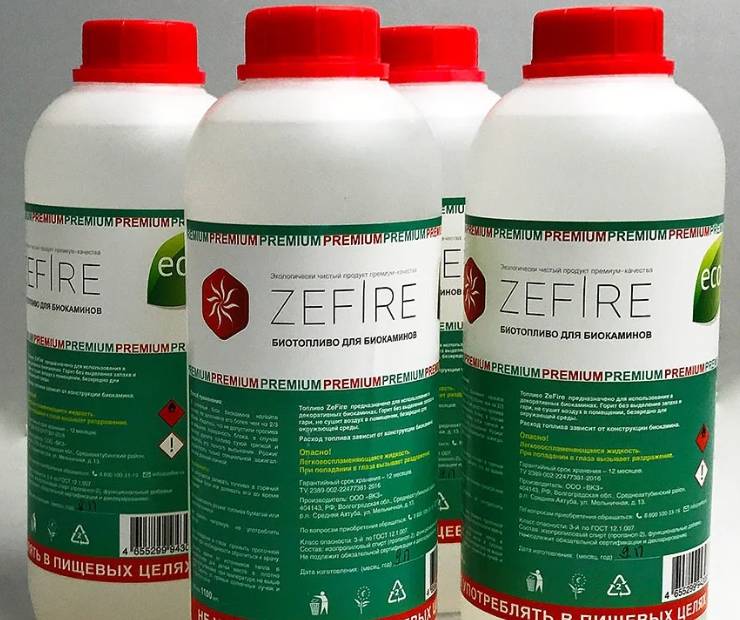
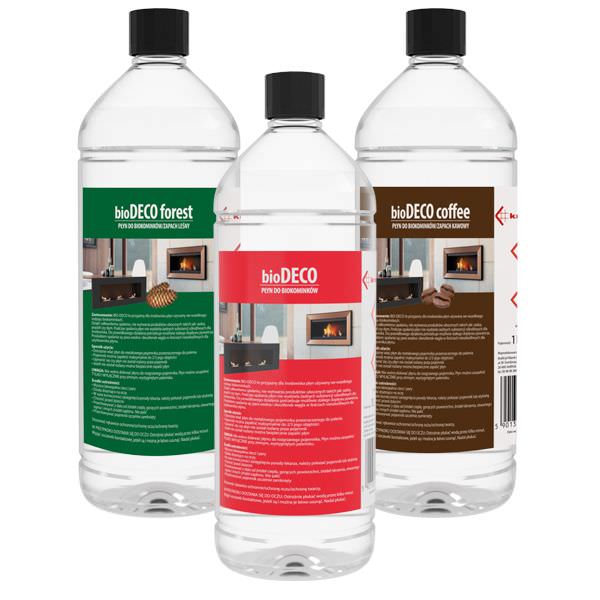
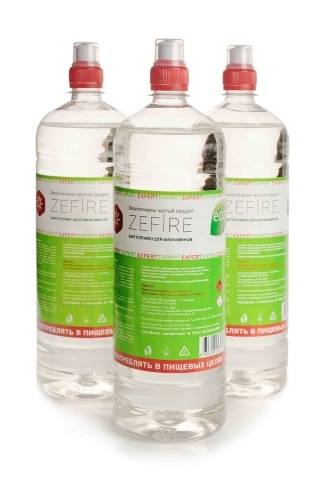
It is the quality of the plastic bottle and the presence of a convenient cap with a valve that determines the constant comfortable use of a particular biofuel. For example, as in samples No. 1 "ZeFire" and No. 3 "LuxFire", but it is worth saying that the latter has an unstable bottle bottom, which is unsafe and inconvenient. No. 5 “FireBird” also has a problem with the base of the package, and there is also no convenient valve that allows you to forget about the additional use of a funnel.
Check out our biofireplaces
Table biofireplaces Floor biofireplaces Built-in biofireplaces Fuel blocks Wall mounted biofireplaces
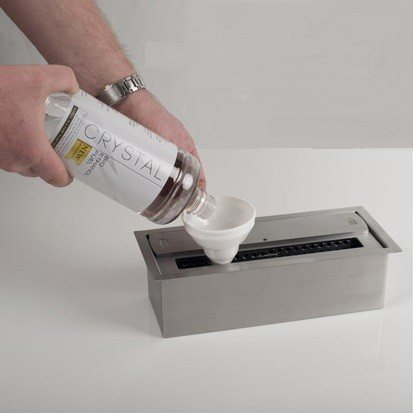
use of biofuel with a funnel
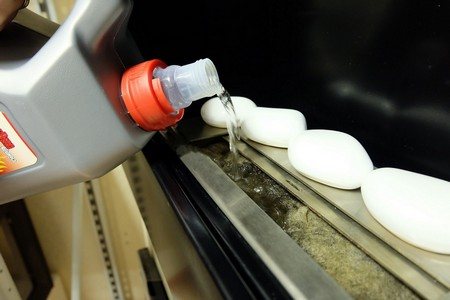
use of fuel without foreign aids
The device and design of the biofireplace
The design of the eco-fireplace consists of a fuel module and a decorative body (metal, stone, glass-ceramic or any heat-resistant material).
The body of the device can be either open or closed. The tongues of fire are insulated with refractory glass in the form of a protective screen.






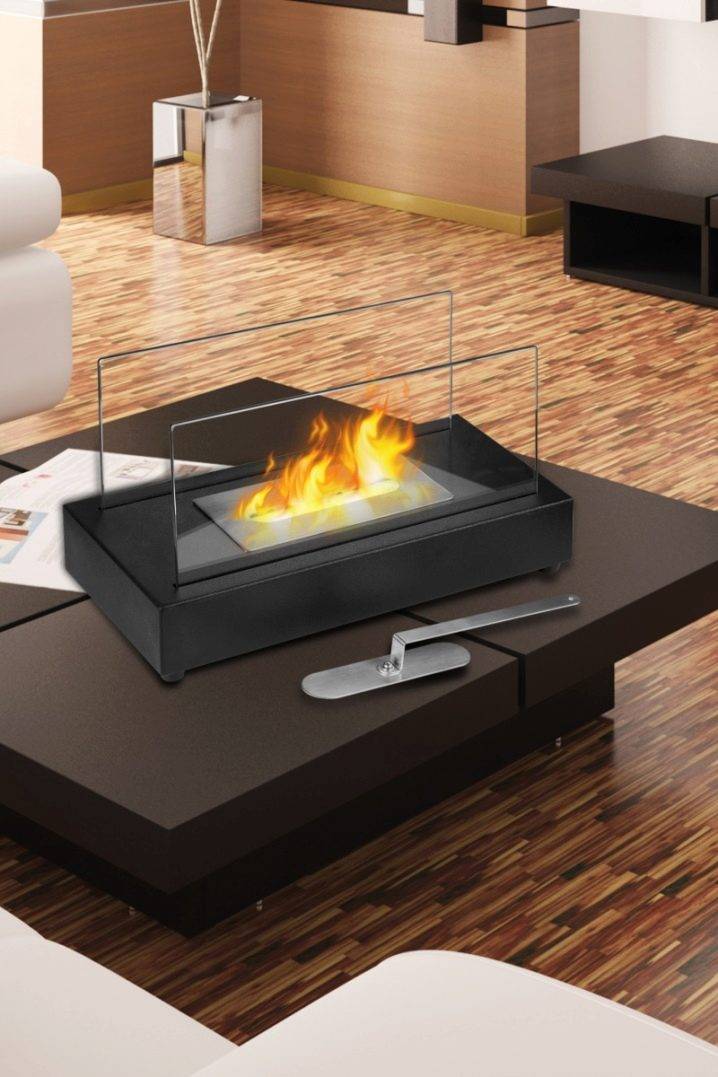
The furnace has the form of a burner or is a fuel block - the device is more complicated. For a fuel module, the most important indicator is its power, which is used to judge the power of the device itself.
The operation of the eco-fireplace begins with filling the heating tank with fuel and lighting the wick. The flame is even and bright, while there is no smoke from the chimney. The intensity of combustion is regulated by a special grate (slider).
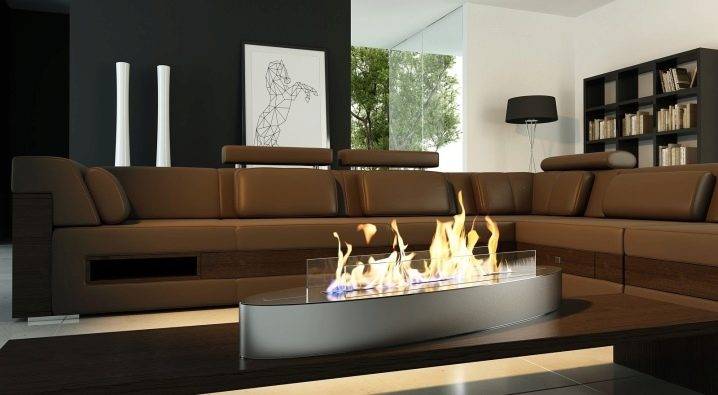
Device
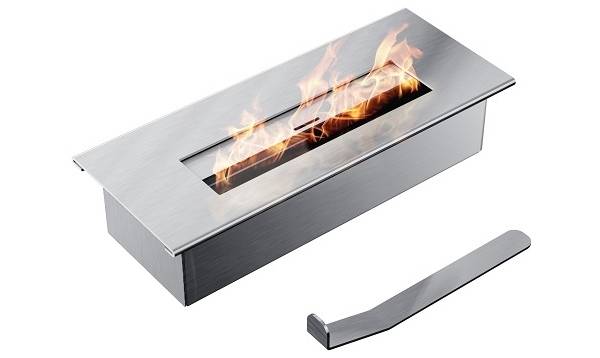
The burner belongs to the most important part in a biofireplace. The base and the firebox, unlike real appliances, are only decorative elements. Often the burner can be purchased separately
It is installed in the furnace hole in the fireplace or false fireplace. This design makes it easy to transform an ordinary appliance into a biofireplace.
Often the burner can be purchased separately. It is installed in the furnace hole in the fireplace or false fireplace. This design makes it easy to transform an ordinary appliance into a biofireplace.
There are two main zones in the biofireplace. These include:
- Furnace part.
- Decorative elements.
decoration
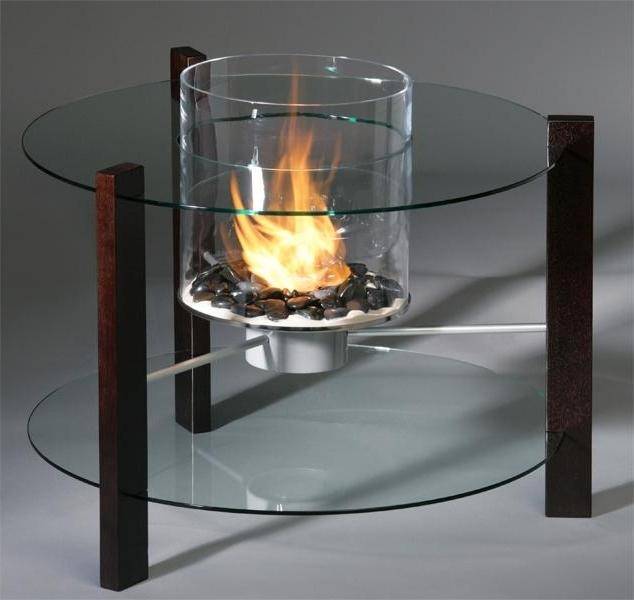
The devices are decorated in different versions. Style is possible from classic to high-tech.
Traditional models are decorated with strict portals, or a frame can be made of wood, metal, stone. The burner is often hidden in a chamber behind glass facades.
There are many designer exclusive bio-fireplaces. Original unusual shapes of different sizes, any colors, made from various materials. Styles and functions are often mixed and very interesting products are obtained.
You can make a biofireplace with your own hands. It is also possible to make your own biofuels.
Self-manufacturing of biofuels
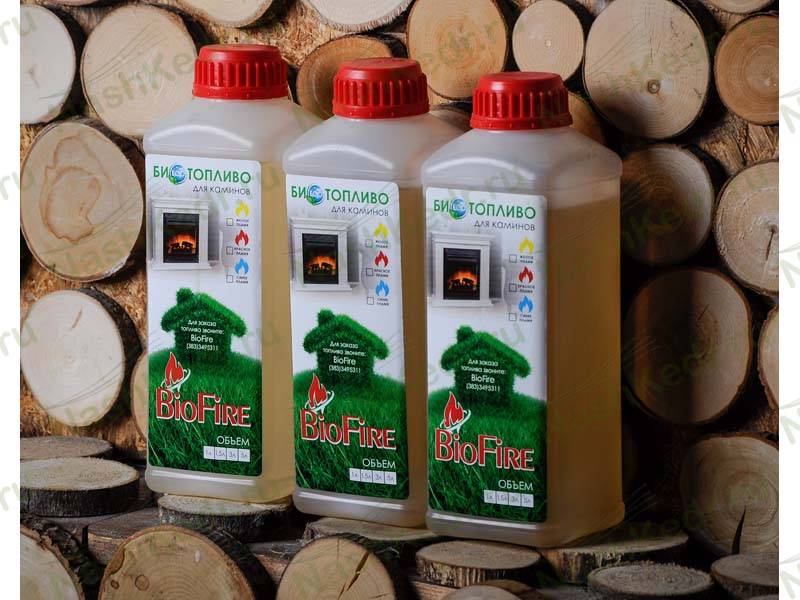
Biofuel for fireplaces can be found in specialized stores, but if this is not possible, it can be made at home. Biofuels are very easy to make. The main thing to remember when making it is to observe the dosage. If it is violated, the flame will burn unevenly, and when kindled, it may flare up.
To create biofuels you will need:
- 50 ml of gasoline;
- 1 liter of 90-96% ethyl alcohol.
Since gasoline and ethyl alcohol have different densities, they may begin to flake off from each other. Therefore, it is not recommended to store fuel, it must be mixed immediately before lighting the fireplace.


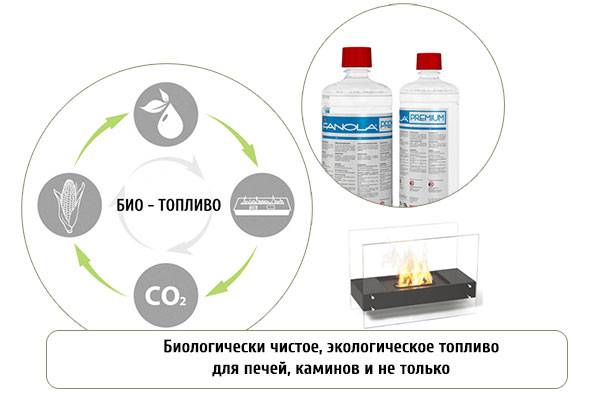


For the manufacture of biofuels, 50 ml of gasoline is poured into a liter of ethyl alcohol and stirred until a homogeneous mass. Then the resulting fuel is poured into the biofireplace tank and ignited. There may be an odor of alcohol at first, which will soon disappear. The consumption of the substance is approximately 400 ml per hour.
If desired, you can add a few drops of aromatic oil to the fireplace and enjoy not only the crackle of the flame, but also a pleasant aroma.
Operating rules
Biofuels are flammable, so safety precautions must be taken into account when using them.
- The biofuel container should be placed where small children and pets cannot reach it.
- Do not place a container with fuel near heaters, a kindled fireplace and other sources of open flame.
- It is possible to kindle a biofireplace only with the use of a special lighter. For this purpose, straw, wood or other combustible materials should not be taken.
- Do not add fuel to the biofireplace during operation.
- If refueling is required, extinguish the flame and wait for the fuel tank to cool (at least 15 minutes).
- If fuel is spilled into the tank during filling, thoroughly wipe the surface with a dry cloth or absorbent cloth.
Making bio-fireplaces with your own hands
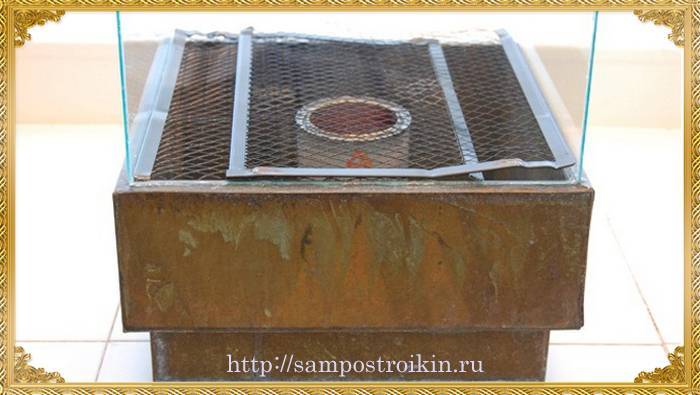
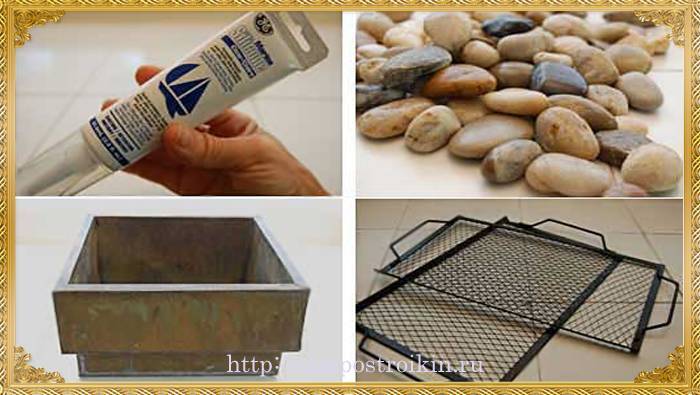
- Glass. The quantity and size is calculated based on the design, but you should not buy too thin. The glazier needs to clarify how heat-resistant this or that type of glass is, and then choose the most suitable one.
- Silicone compound for sealing seams. Sold in hardware stores.
- For the burner, you need to choose a tin can or a metal box, both of which can be found in almost any apartment.
- A small piece of metal mesh, the cells in it should be as small as possible.
- Decoration materials - multi-colored wild stone or rolled large pebbles (sold in pet stores for decorating aquariums) look best.
- Wick cord.
After making a bio-fireplace with your own hands, you will need to constantly buy fuel for it. You can only use specialized biofuel for such fireplaces, since other compounds can cause poisoning of the body.
Specificity of biogas production
Biogas is formed as a result of the fermentation of a biological substrate. It is decomposed by hydrolytic, acid- and methane-forming bacteria.The mixture of gases produced by bacteria turns out to be combustible, because. contains a large percentage of methane.
By its properties, it practically does not differ from natural gas, which is used for industrial and domestic needs.
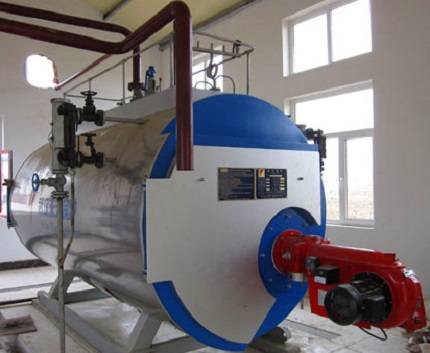
If desired, each owner of the house can purchase an industrial biogas plant, but it is expensive, and the investment pays off within 7-10 years. Therefore, it makes sense to make an effort and make do-it-yourself bioreactor
Biogas is an environmentally friendly fuel, and the technology for its production does not have a particular impact on the environment. Moreover, as a raw material for biogas, waste products are used that need to be disposed of.
They are placed in a bioreactor where processing takes place:
- for some time, the biomass is exposed to bacteria. The fermentation period depends on the volume of raw materials;
- as a result of the activity of anaerobic bacteria, a combustible mixture of gases is released, which includes methane (60%), carbon dioxide (35%) and some other gases (5%). Also, during fermentation, potentially dangerous hydrogen sulfide is released in small quantities. It is poisonous, so it is highly undesirable for people to be exposed to it;
- the mixture of gases from the bioreactor is cleaned and enters the gas holder, where it is stored until it is used for its intended purpose;
- gas from a gas tank can be used in the same way as natural gas. It goes to household appliances - gas stoves, heating boilers, etc.;
- decomposed biomass must be regularly removed from the fermenter. This is an additional effort, but the effort pays off.After fermentation, the raw material turns into high-quality fertilizer, which is used in fields and gardens.
A biogas plant is beneficial for the owner of a private house only if he has constant access to waste from livestock farms. On average, out of 1 cubic meter. substrate can be obtained 70-80 cubic meters. biogas, but gas production is uneven and depends on many factors, incl. biomass temperature. This complicates the calculations.
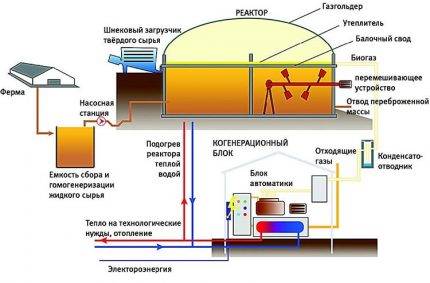 Biogas plants are ideal for farms. Animal waste can provide enough gas to fully heat residential premises and outbuildings.
In order for the gas production process to be stable and continuous, it is best to build several biogas plants, and put the substrate into the fermenters with a time difference. Such installations operate in parallel, and the raw materials are loaded into them sequentially.
This guarantees a constant production of gas, so that it can be continuously supplied to household appliances.
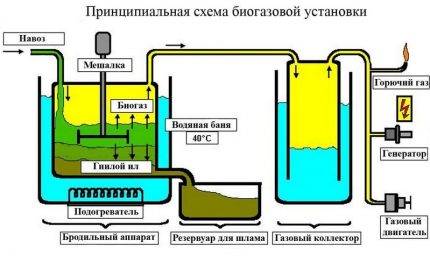 Ideally, the bioreactor should be heated. Every 10 degrees of heat doubles the production of gas. Although the arrangement of heating requires investment, it pays off with greater design efficiency.


Homemade biogas equipment, assembled from improvised materials, is much cheaper than industrial production plants. Its efficiency is lower, but it fully corresponds to the invested funds. If you have access to manure and the desire to make your own efforts to assemble and maintain the structure, this is very beneficial.
Useful information on eco-fireplaces
The device is an enlarged version of a conventional spirit lamp with a spectacular design.There is a container for loading a combustible substance, as well as a damper to regulate the intensity of the flame. To design an eco-fireplace, ceramic elements, metal parts and heat-resistant glass are used.
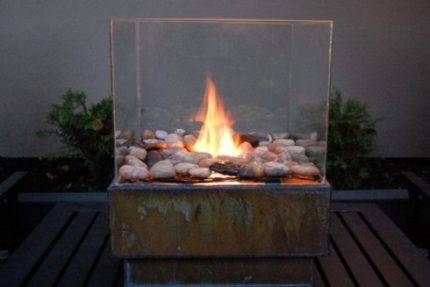
Bioethanol burns without soot and soot, so eco-fireplaces do not need chimney structures, this simplifies their operation and gives them mobility
Glass panels not only decorate such a device, but also serve to protect against heat. Not all devices have such protection, but glass screens of various modifications are sold separately.
It makes sense to purchase a protective element, especially if you intend to use a mobile model that will be installed in different places. Often such a fireplace is decorated with artificial firewood to give the design a traditional look, but this is not the only option.
Ecofireplaces come in floor standing, tabletop, wall mounted and even table top, they vary in size but work in the same way.
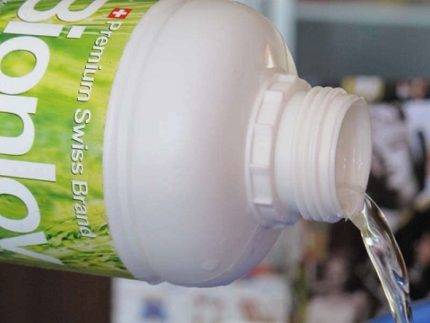
Do not add fuel to the eco-fireplace during its operation. If bioethanol has been spilled, the contaminated surface should be cleaned immediately
Such devices can be used for space heating or as an interior decoration. The device does not need wires, so it can be easily moved. For example, on a cool summer evening, an eco-fireplace can be installed on an open veranda. There are devices of various shapes.
An interesting option for a stylish office can be a miniature model, the camera of which is built into the countertop, only the lid protrudes above the surface. There are interesting options in the form of a basket, an elongated cylinder, etc.
Since for an eco-fireplace in which such biofuel is burned, it is not necessary to equip a system for removing combustion products, the heat obtained during combustion is not lost to heating additional structures.
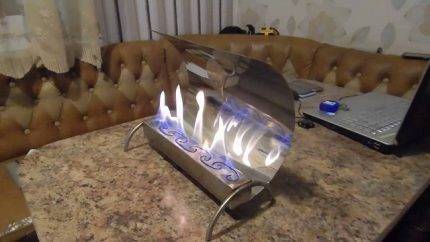
The basic design of an eco-fireplace is almost the same as a conventional spirit stove, so it is not difficult to make such a device with your own hands.
Therefore, it is believed that the efficiency of such a device is about 95%, a fairly high figure for any system. For an ordinary eco-fireplace to work for an hour, half a liter of bioethanol is usually enough. At the same time, 6-7 kW / h of energy can be obtained from a liter of fuel.
It is believed that a standard eco-fireplace can successfully replace an electric heater of about three kilowatts.
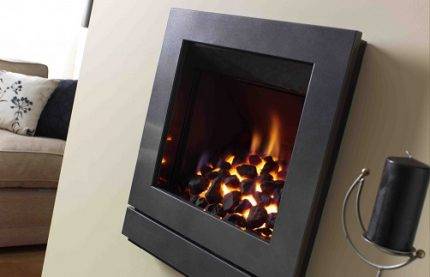
Wall models of eco-fireplaces can imitate traditional devices, they are diverse and provide many options for interior design of an apartment or office.
The advantage of using a bio-fireplace compared to other heaters is that this device slightly increases the humidity in the room. Almost any traditional method of heating, on the contrary, removes moisture, which can be bad for people's health.
Both ecofireplace and bioethanol are very easy to use, and this fuel is no more dangerous than other combustible substances used in everyday life. The combustion of bioethanol can be regulated if such an opportunity is provided for in the design of eco-fireplaces.
The device can give more or less heat and light, and the fuel consumption time will also change accordingly.
This method of heating also has some disadvantages.For example, with all the convenience of use, bioethanol cannot be added to the fireplace tank. It is necessary not only to wait for the composition to burn out, but also to allow the device to cool. This point will have to be taken into account when planning the time of using the fireplace.





Although bioethanol fireplaces do not require a chimney, they should not be used unsupervised.
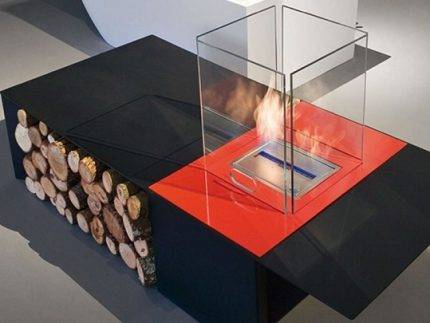
An open flame is always a fire hazard, so it is best to hide it behind a heat-resistant glass screen. This item can be purchased separately.
A room that is heated in this way must be regularly ventilated to balance the amount of oxygen and carbon dioxide. If a little fuel was spilled during the filling of the fireplace, it must be wiped off immediately, even if it is a couple of drops of a combustible substance.
To do this, it is better to keep a rag with good absorbent properties on hand. For ignition, it is allowed to use special long matches, but more often use long metal lighters. Some biofuel fireplaces are equipped with an electric ignition function, which is very convenient, but increases the cost of the model.
Main manufacturers, brands and price overview
Brazil is the world's leading producer of biofuels. Mass production is also established in countries such as France, Germany, Spain, Italy, USA, Canada. In the post-Soviet space, the production of biofuels is still poorly established.
Several brands of biofuels are represented on the domestic market.
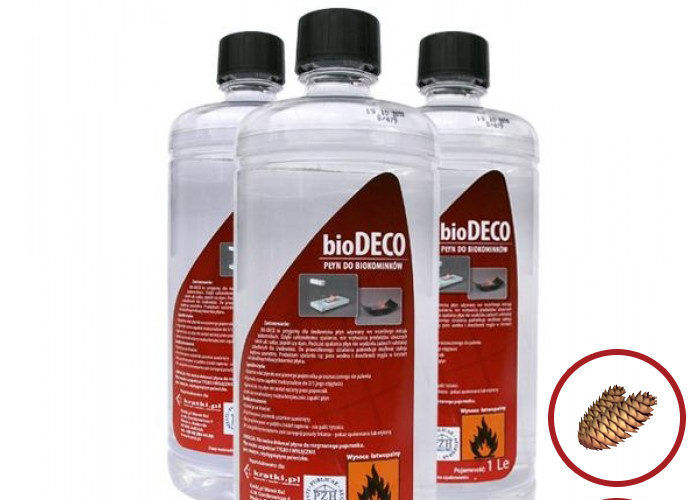
InterFlame is a Russian-made biofuel. Just like Kratki, it is able to paint fire in different colors. When burning a liter of biofuel, 3 kW of energy is released. Sold in liter plastic bottles for 350 rubles.
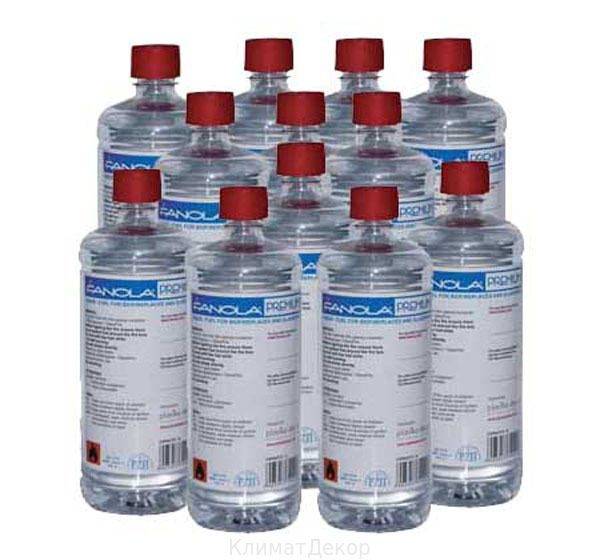
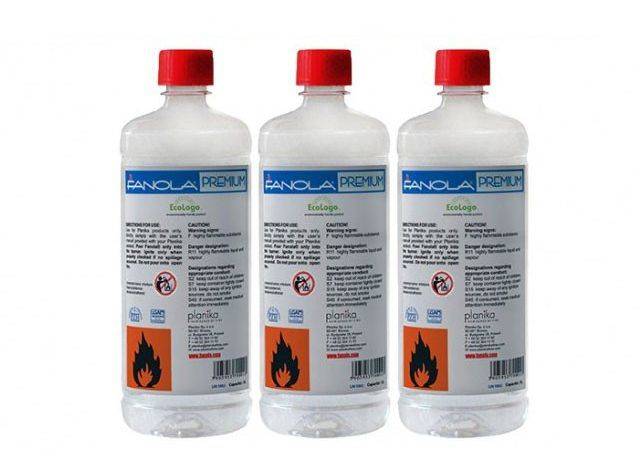
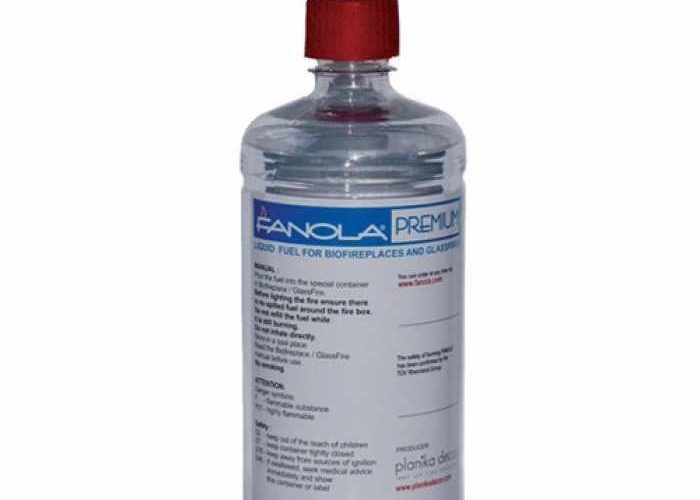
Planika Fanola is a high quality certified German biofuel. Absolutely safe. In the process of burning a liter of fuel, 5.6 kW of energy is released. Using fuel of this brand will allow you to enjoy the flame from 2.5 to 5 hours. The price for one liter of biofuel fluctuates between 300-400 rubles.
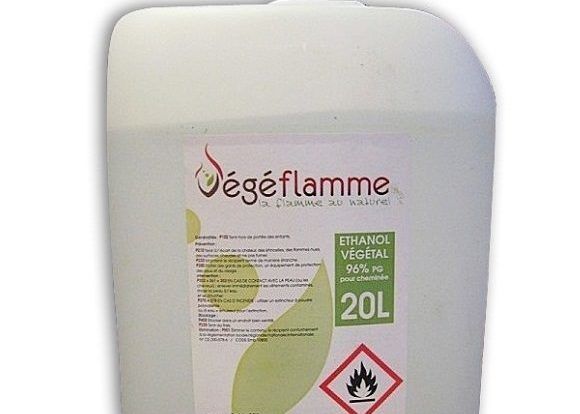
Vegeflame is a high quality ecological biofuel produced in France. About 300 ml is consumed per hour of burning. Sold in packs of 5 or 20 liters. A 20-liter capacity is enough for 68-72 hours of operation. A five-liter container costs 1400 rubles, the cost of a twenty-liter one is 5200 rubles.
Types of biofuels:
Taking into account the state of aggregation, the fuel of biological origin can be in a liquid, solid or gaseous state.
The most common form of biofuel is by far solid biomass.
The solid mass is presented in the form of fuel briquettes and pellets, combustible peat, biochar, wood chips and firewood.
Liquid (motor) fuel is a product of the processing of vegetable raw materials, which ensures the operation of internal combustion engines. These include: bioethanol, biomethanol, biodiesel, biobutanol, dimethyl ether.
In the gaseous state, biofuels are represented by biogas and biohydrogen.
Advantages and disadvantages
 Ecofireplaces have their positive features and disadvantages.
The benefits of using them include:
- Ease of use. Its installation does not require the creation of a chimney, a solid foundation, heat-resistant piping. This allows you to install it anywhere. The design is simple and lightweight, which allows you to carry it to a convenient place or outweigh it.
- Simplicity of design and reasonable cost of elementswhich can be purchased separately. The range of products is great, you can choose something individually. Also, these products can be purchased on an individual order.
- Safety. During combustion, fuel breaks down into absolutely harmless components. The device of the fireplace is such that the walls are protected from fire. This allows you to use in even wood or drywall. Ignition is carried out using a special device - a lighter.
- High functionality. In addition to the aesthetic pleasure of watching the fire, fireplaces also provide warmth.
- Reliability. The design does not have complex parts that can break, wear out. The service life is not limited if used correctly. Fireplace maintenance is minimal, since no carbon deposits are formed from combustion.
- Choice of any design, customization. The cost of a simple model is affordable for most buyers.
The disadvantages include:
- The biofireplace works on one type of fuel.
- The special fuel produced for fireplaces is quite expensive. An hour of heating with this unit will cost at least 100 rubles.
- The room must be ventilated.



