
- How to choose a bioactivator
- Types of bacteria, their pros and cons
- anaerobic bacteria
- Aerobic bacteria
- Bioactivators
- Detailed instructions for use
- The sequence of preparation of the product
- Features and storage methods
- Classification of bacteria
- Live bacteria for septic tanks
- Modern solutions
- Aerobic bacteria
- Anaerobic microorganisms
- Combined application
- Combination of different types
- Historical background on production
- How can a septic tank be cleaned?
- Types of biobacteria
How to choose a bioactivator
In order to choose an effective bioactivator for cleaning cesspools, it is necessary to foresee what kind of waste and in what quantities will fall into the drains. There are universal connections and highly specialized ones.
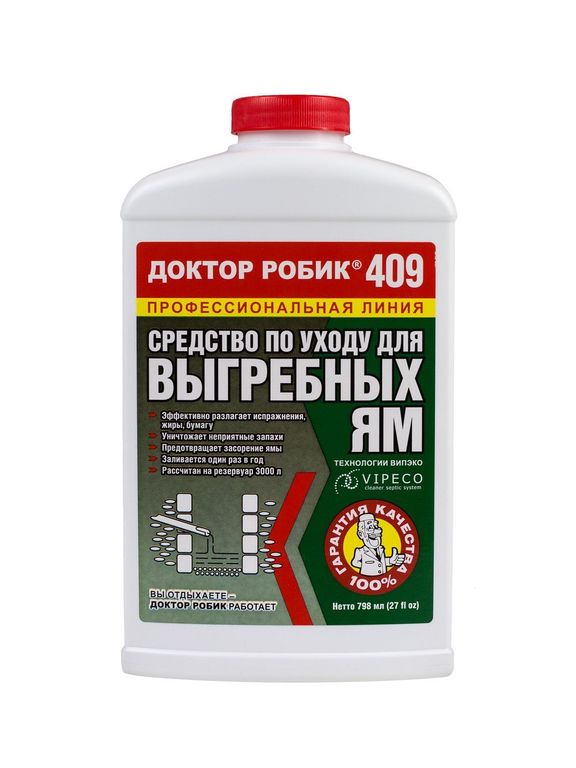
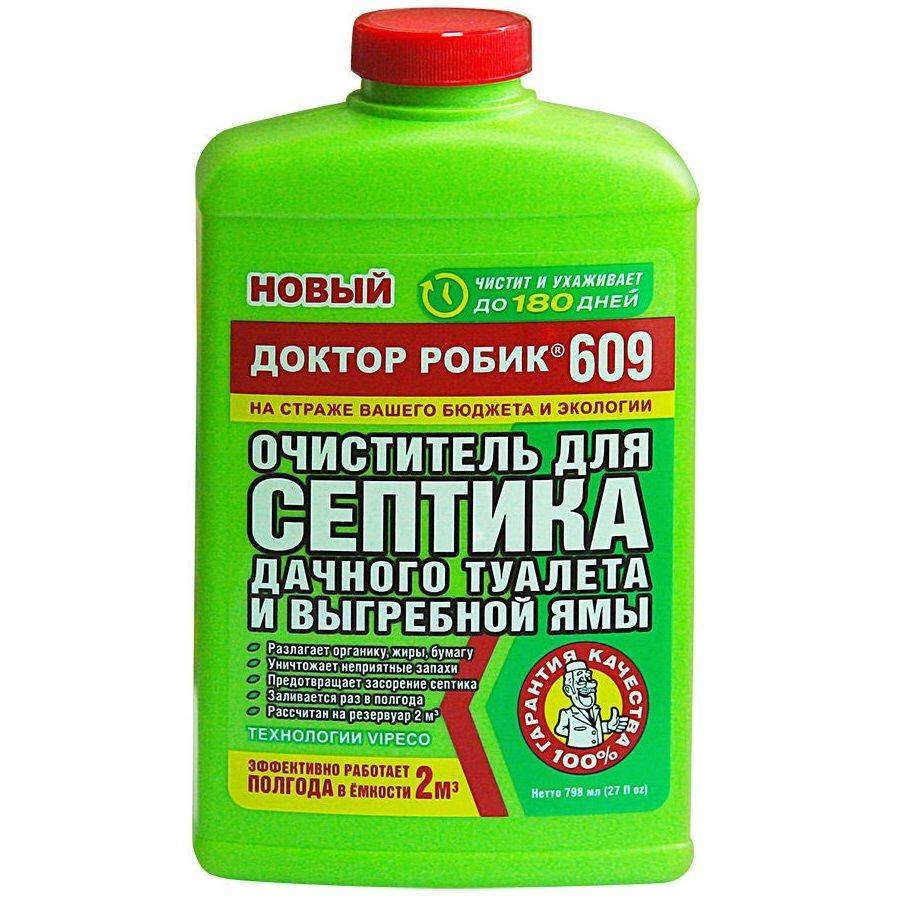
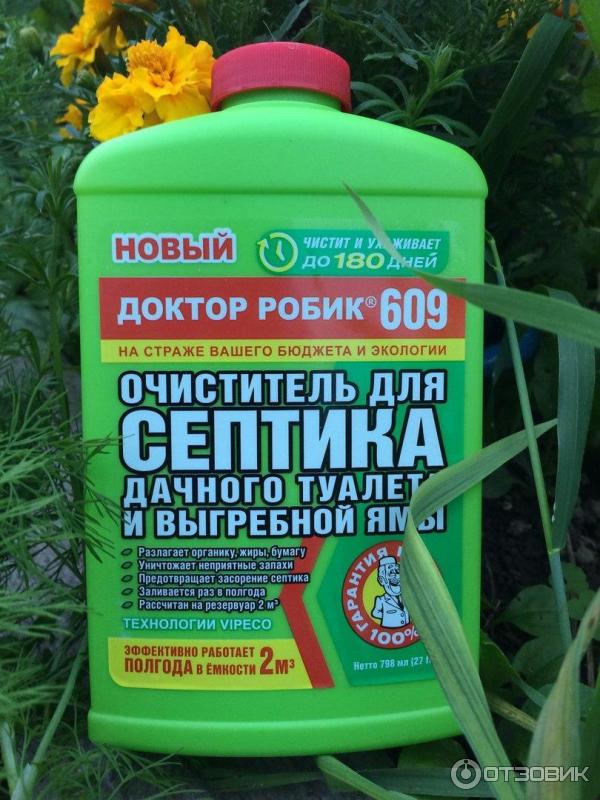
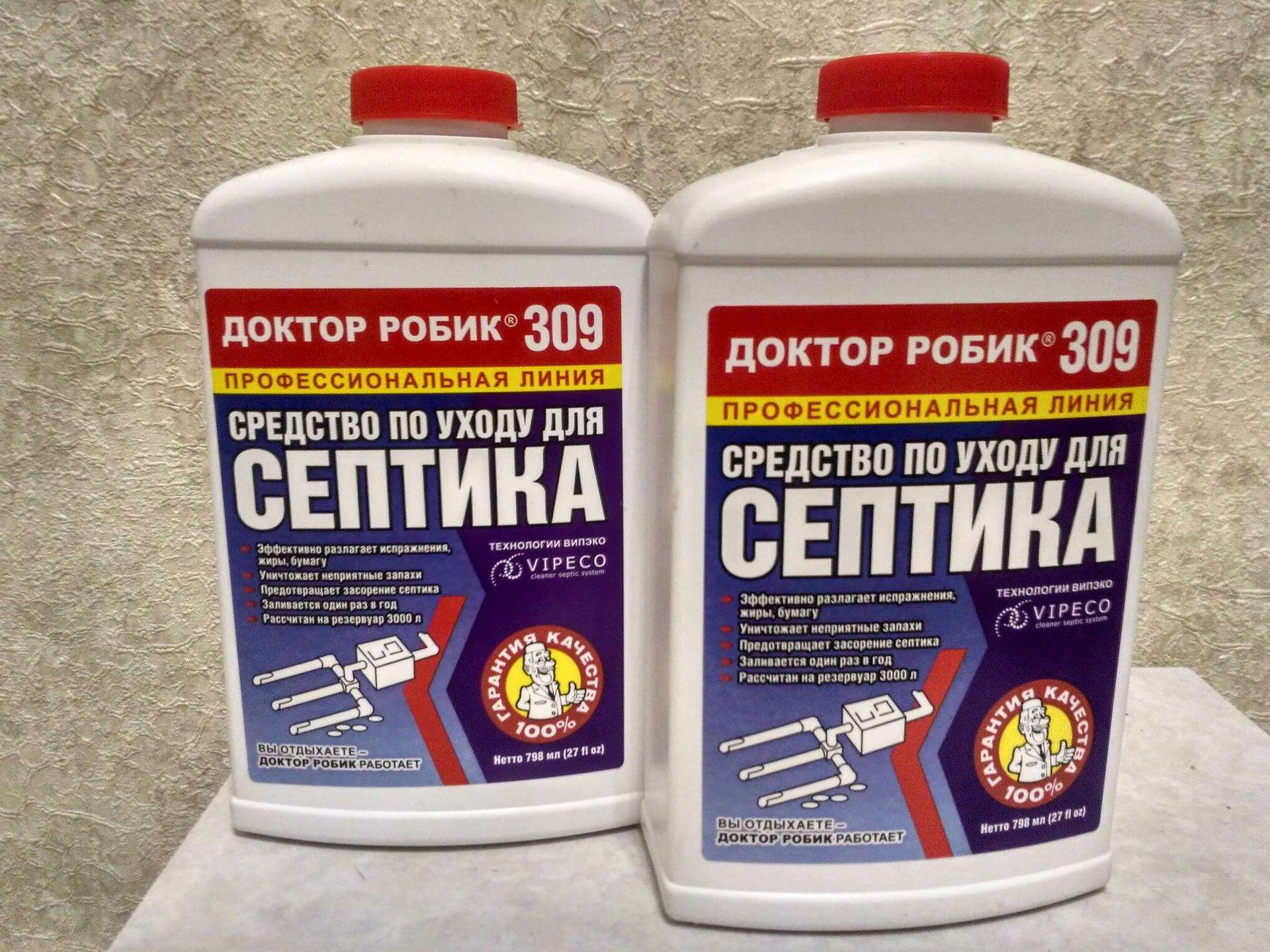
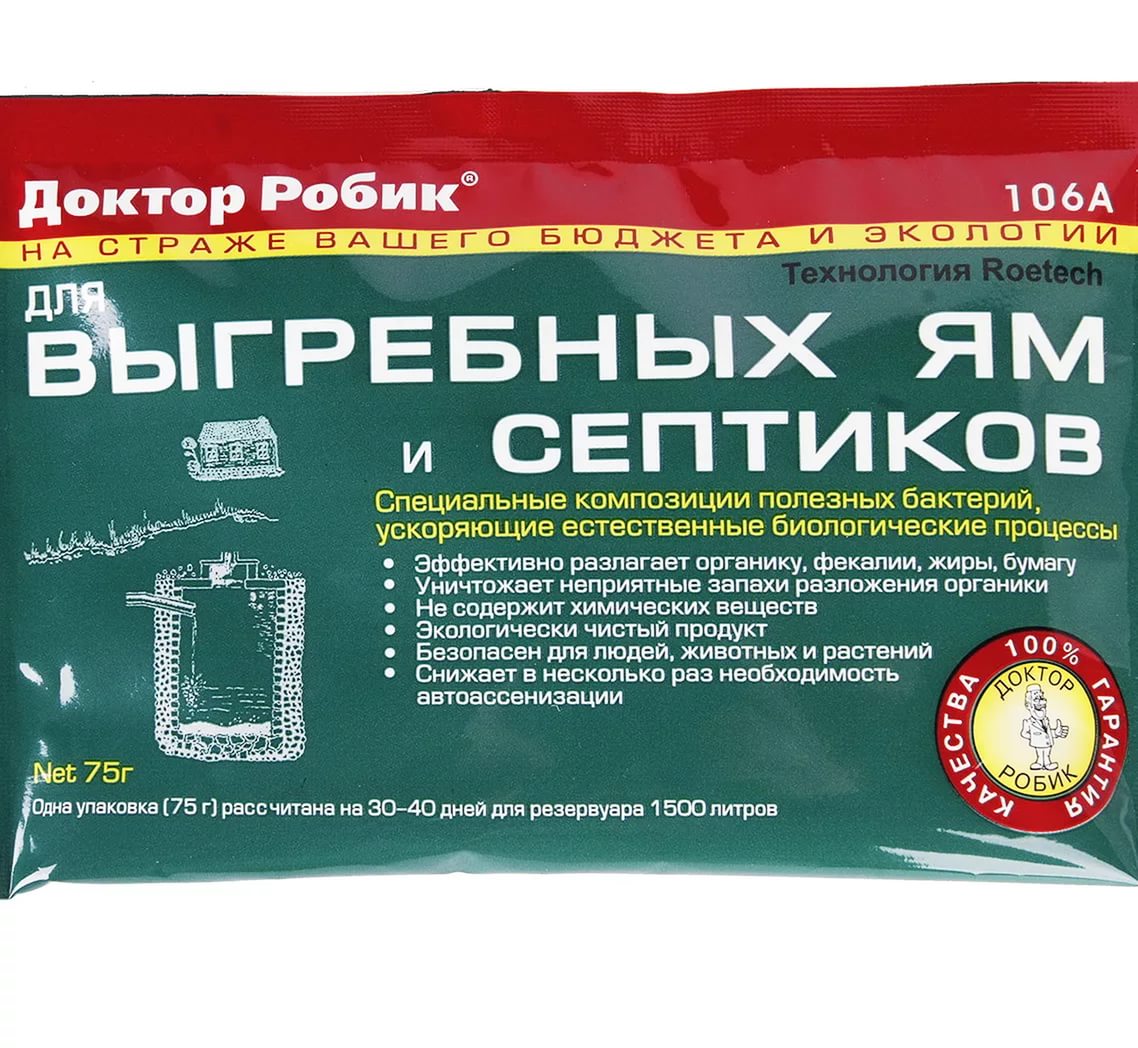
One of the most famous universal remedies is Dr. Robik. This biological activator is produced for use in domestic and industrial environments. It consists of 6 different types of microorganisms. Each type of bacteria is designed to remove a specific type of waste. It is able to dissolve human waste, chemical compounds (phenols and acids), solid waste (paper, fabric) and even soap suds.
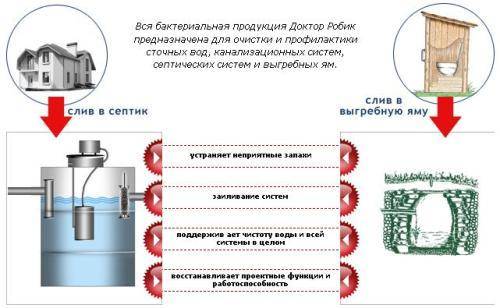 Dr. Robik
Another representative of universal remedies is Waste Treat.This product is specifically designed for cleaning open and closed pit latrines. It includes a complex of hybrid microorganisms that can withstand the effects of chlorinated water, soap, and other detergents. A feature of the product is its ability to work even in particularly aggressive conditions (if there are nitrates in the water).
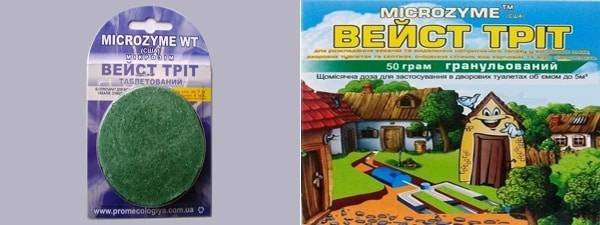 Waste Treat
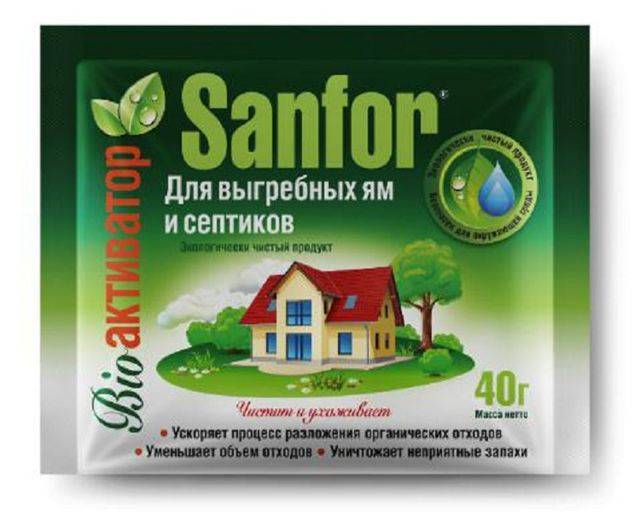
A highly specialized product is Septifos. This is a granular product designed for cleaning household septic tanks and closed cesspools. It contains several types of bacteria. They process organic waste, eliminate unpleasant odors and guarantee complete cleaning of the bottom and walls from silt and solid masses. The main drawback of the product is that it cannot be used in chlorinated water conditions.
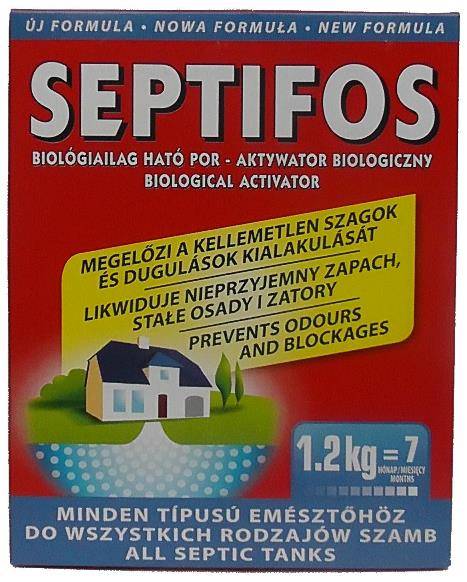 Septifos
Vodogray is a Ukrainian bioactivator for cesspools. Consists of a complex of bacteria that process biological waste. When interacting with acids and fats, its effectiveness is reduced. Therefore, the product is used exclusively for toilets or drainage systems.
 Bioactivator Vodohray
Septic Smart is a well-known product for cleaning closed cesspools. This bioactivator successfully fights siltation of walls and bottom, unpleasant odor, and the formation of fecal plugs. In small quantities, it even processes soap suds, chlorine and other not too aggressive compounds.
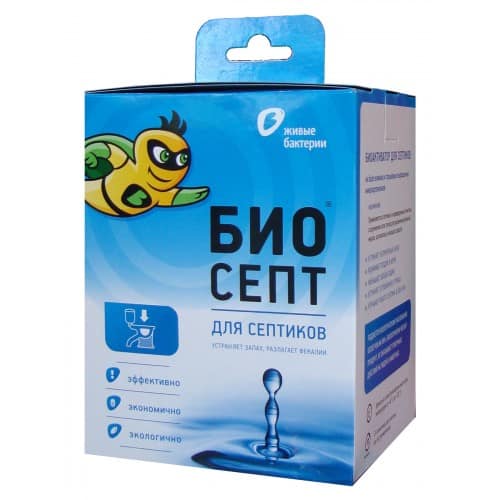 Septic Smart
A happy summer resident is a popular tool for cleaning septic tanks, cesspools and drainage drains. The composition of the product includes microorganisms that process wastewater into carbon dioxide and other non-hazardous compounds.
 Happy summer resident
Types of bacteria, their pros and cons
To date, there are 3 types of bacteria for septic tanks and cesspools on the market: anaerobic and aerobic bacteria, as well as bioactivators. Their main difference is in the conditions of operation and in the method of processing wastewater. A combined septic tank cleaning option is also possible. First, it is treated with anaerobic, and then additionally with aerobic bacteria.
Let us consider in more detail each of the types of bacteria and find out what advantages and disadvantages they have.
anaerobic bacteria
A characteristic feature of this type of bacteria is that they do not need the presence of air in order to live and multiply. It is for this reason that it is better not to use them for open cesspools. The best option for the use of anaerobic microorganisms in closed septic tanks, in which the full cycle of supply - processing - removal of liquid effluents is carried out.




During the recycling process, organic waste turns into solid residues that settle to the bottom, and a liquid that can be used to water the garden. After some time, when a considerable amount of solid precipitation has accumulated, they are pumped out using a special sewage machine.
All anaerobic bacteria, regardless of the brand, have common negative qualities:
- Over time, when the number of bacteria increases greatly, methane is most likely to be produced - a gas that has a very bad smell.
- They are unable to clean the drains completely. The maximum that they are capable of is 65%. 35% are not recycled at all.
- The primary section of the septic tank, in which solid residues settle, must be constantly cleaned.
- The sludge must be disposed of.
Aerobic bacteria
They cannot function fully without oxygen.This variant of bacteria is best suited for an open-type cesspool. For bacteria to process waste in the sewer system, special conditions must be created. A compressor is needed to supply oxygen to the septic tank chamber in which microorganisms function.
During the processing of wastewater by bacteria, carbon dioxide is separated, which provokes a temperature rise in the septic tank chamber by 3-5 degrees. Although it is warm in the tank, there is no unpleasant smell. And besides, aerobic bacteria are able to process feces completely, 100%. The sediment that remains as a result of processing is also pumped out, but it can be used as a fertilizer. It is completely safe, so there is no need to wait for it to overheat. Most often, gardeners place it in compost pits, combine it with straw, grass, manure, and only then do I fertilize the soil in my garden.
Main characteristics of aerobic bacteria:
- High level of wastewater treatment, at which there is no need for additional treatment or processing.
- The solid sediment can be used as a fertilizer for the soil in the garden or in the garden, it is represented by silt, which is clean for the environment.
- The amount of sediment is very small.
- There is no stench, no methane is emitted during the processing of wastewater.
- Since sludge forms at a slow rate, there is no need to empty the septic tank frequently.
Bioactivators
This type of septic tank and cesspool cleaner is a combination of bacteria and enzymes. Bioactivators are used if you need to achieve a specific goal. They are divided into:
- Universal. Suitable for all septic tanks and cesspools.
- Specialized. Built for the right purpose.
Their main task is not the processing of faeces on an ongoing basis, but the periodic renewal of existing bacteria, the elimination of tank contamination, cleaning of pathological organisms, and the like.
In essence, bioactivators are orderlies that are used to restore the efficient functioning of bacterial colonies.
The following types of bioactivators can be distinguished:
- Starting. They are used in order to restore the bacterial composition after the winter period or if the sewer has not been used for a long time.
- Reinforced. Their task is to clean overly polluted pits. The launch of such bioactivators is possible for up to 3 weeks. After that, anaerobic or aerobic bacteria are used.
- Specialized. Used to clean the septic tank from solid waste and inorganics. They are very tenacious and able to recycle toilet paper, fabric, cardboard, even detergents are not able to kill them.
Detailed instructions for use
Any biologically active drug needs to be used correctly. In case of non-compliance, there is a risk of not getting the expected effect. If all actions and preparations are performed correctly, after a few hours the unpleasant odor will decrease. It will be possible to evaluate the effect of the drug after a week.
The sequence of preparation of the product
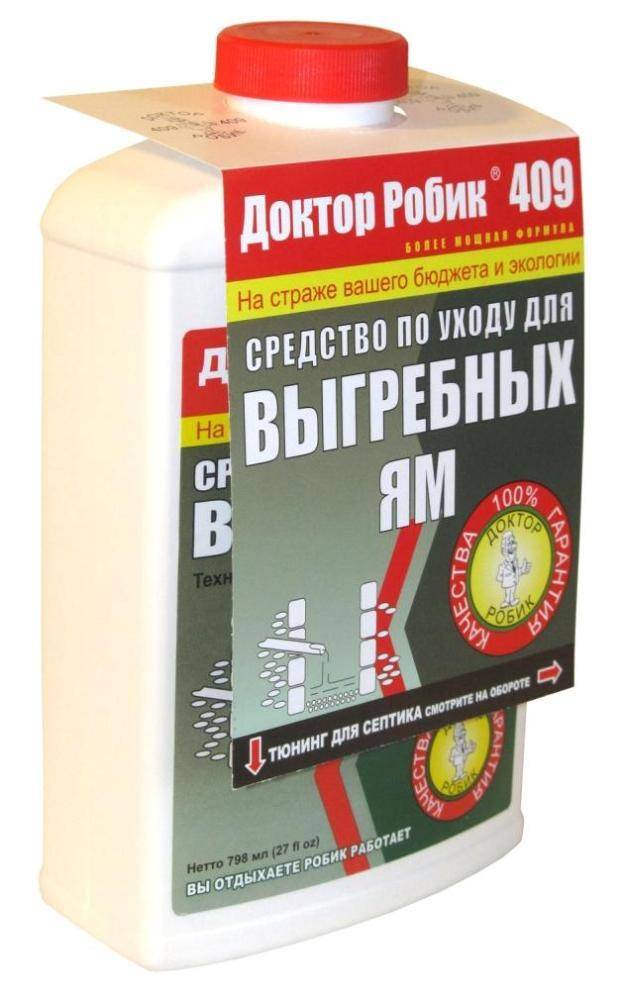
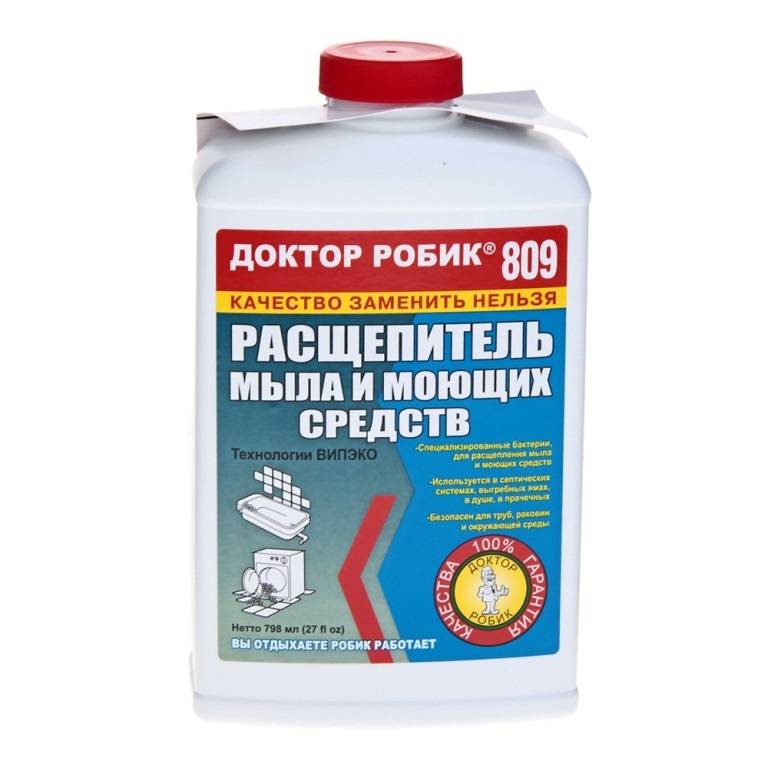
Preparations based on bacteria for a septic tank with the Doctor Robik logo are produced in the form of liquid products and powder mixtures. The use of a liquid agent is not difficult and does not require special preparation, unlike mixtures.It is enough to pour the required amount of liquid product into the sink or toilet, flushing with warm water.
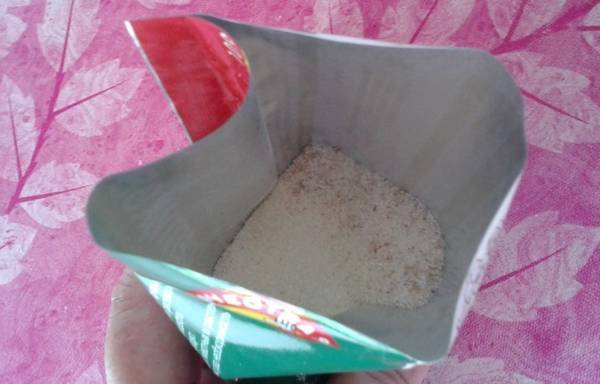
With powdered products, it is necessary to do otherwise. If you open the package, you can smell the smell of bread bran. This substance is food for bacteria and contains a variety of nutrients.
While the bacteria are in suspended animation (suspended life is sleep), they do not need food. But as soon as this substance enters the water, they wake up and begin to consume top dressing. During this period, they actively reproduce.
Before adding bacterial cultures to a septic tank or tank, it is necessary to empty it. Although resistant to alkalis, bacteria are sensitive to the content of chlorine and other aggressive disinfectants. These products include chlorine and chlorine-containing cleaning compounds.
If wastewater containing these substances is not pumped out, the colonization of bacteria for Doctor Robik septic tanks will not be successful and will lead to the death of microorganisms. The empty tank must be filled with some warm water.
After the package is opened and the septic tank is prepared, the contents must be poured into a bucket of warm water. The volume of the bucket should not exceed ten liters. The density of bacteria should be sufficient for a quick exit from the dormant state and the subsequent use of top dressing.
The optimum temperature for breeding bacteria is from +5 to +10 degrees. At higher temperatures, some types of microorganisms sensitive to temperature fluctuations may die.
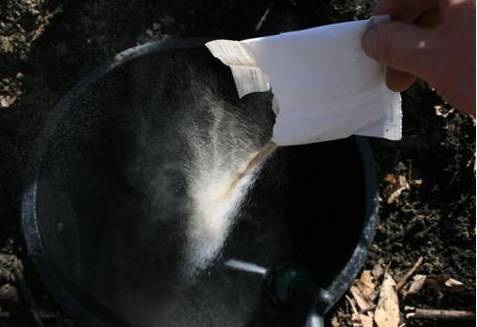
After the microorganisms are placed in the aquatic environment, the container must be placed in a dark place.This is necessary in order to preserve photosensitive microorganisms.
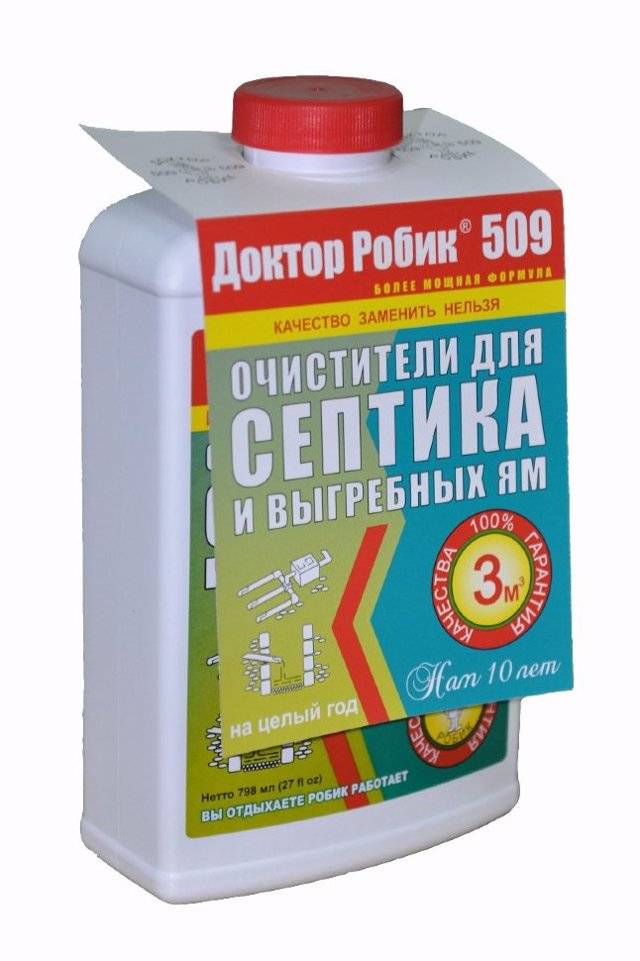



They are bred to live in the absence of daylight and its presence can negatively affect their life. In addition, it is necessary to observe the temperature regime. You can not keep the container in a room whose temperature is outside the range from +5 to +20 degrees. The container must stand for at least 6 hours.
During this time, the release of small gas bubbles should begin. This indicates that the microorganisms were stored under good conditions. In this case, they can be planted in a container or septic tank. After a few hours, the number of microorganisms will begin to multiply actively. The unpleasant smell of sewage from the sewerage will noticeably decrease. In parallel, the process of cleaning the walls and bottom of the tank from fatty deposits and other organic residues will begin.
Features and storage methods
To maintain the cleaning effect at the proper level, it is necessary to periodically add bacteria to storage tanks and septic tanks. For powder mixtures, it is necessary to observe the temperature regime from +5 to +25 degrees and the integrity of the package. It is not recommended to store the product for more than 3 years from the date of manufacture.
Liquid products in plastic cans must also be stored in a dark place, avoiding exposure to sunlight. Since the microorganisms contained in the canister are anaerobic, the lid must be tightly closed. This will reduce the amount of oxygen, and increase the shelf life. As well as for bulk mixtures, it is necessary to observe the temperature regime from +5 to +25 degrees.
Classification of bacteria
Bacteria are divided into two types:
- Aerobic.
- Anaerobic.
In the first case, oxygen is necessary for the maintenance of vital activity. To do this, install a special compressor that will ensure the presence of oxygen in the chamber. This method is most effective for the decomposition of solid waste.
The latter do not need it, anaerobic bacteria need only nitrates and carbon dioxide.
During the work of bacteria, solids settle to the bottom of the septic tank, where they are finally split. As a result, sediment remains at the bottom, which must be periodically drained. The disadvantage of anaerobic bacteria is the production of methane, which exudes an unpleasant odor.
When using them, wastewater is not fully cleaned, a maximum of 60-70%.
You can combine aerobic and anaerobic preparations. Their combination is connected
with enzymes (catalysts) are called bioactivators. Thus, the processes of decomposition occur more intensively.
Live bacteria for septic tanks
There is simply no centralized sewerage system outside the cities. Therefore, residents of private houses and cottages have to independently equip wastewater disposal.
There are several approaches that allow you to make an effective system with your own hands. Very often, more than 4 people can live permanently in a small area, which significantly affects the filling of the tank. As a result, cleaning or efficient processing will be required.
Modern solutions
Previously, the main method of disposal of wastewater and feces was to call in special equipment for pumping or change the location of the cesspool.
Today, a completely different approach is used, which allows almost completely processing human waste products.
In order to effectively dispose of wastewater, special preparations are used. These are bacteria that feed on organic matter. Due to the natural process, the environment is not harmed.
The following types of bacteria can be the basis in the preparations:
Each of them has certain advantages that people have learned to use. An important role is played by the composition of wastewater and the use of specific drugs. Microorganism-based products are available in liquid or tablet form. The latter must first be dissolved in water before use.
Aerobic bacteria
Waste metabolism by aerobic bacteria requires special conditions.
Oxygen is an essential ingredient in this process. It acts as a catalyst for the start of the process and is necessary throughout the processing of wastewater and faeces.
Compared to bacteria that do not require oxygen to decompose waste, anaerobic microorganisms have the following advantages:
- no unpleasant odor (methane), the process is accompanied by the release of thermal energy and carbon dioxide;
- the liquid is maximally purified to relatively pure water;
- minimum solid waste;
- residues of organic origin are environmentally friendly and can be used as fertilizer.
For greater efficiency, an oxygen blower is used. Periodically turning on the compressor will allow you to empty the tank with drains much faster. Topas septic tank would be an excellent solution. Today it is one of the best models of this type.
Anaerobic microorganisms
This type of bacteria does not require oxygen to survive.
The decomposition process consists in the sedimentation of all solid waste to the bottom. There they gradually rot. The liquid becomes transparent. Metabolism is not as fast as aerobic bacteria with oxygen.




There are also the following disadvantages:
- a significant percentage of solid residues that have not decomposed;
- processed products are not allowed to be used as fertilizer;
- methane is released during the process;
- requires the involvement of special equipment (vacuum truck);
- cleaning only 2/3 of the total volume.
When using anaerobic bacteria in the septic tank of a private house, additional cleaning is necessary through a sand and gravel layer. One of the best units is the tank septic tank. With it, you can effectively process household drains and feces. After the partially treated effluent enters the ground, additional treatment with natural aerobic bacteria takes place.
Combined application
Another way to dispose of wastewater and faeces is to use specially selected microorganisms. They are called bioactivators.
Under favorable conditions, they begin to act within 2 hours after entering the septic tank or cesspool.
For living bacteria, sufficient water must be provided.
Depending on the combination, the preparation has a corresponding instruction. Its strict observance will allow you to get the result indicated by the manufacturer. Modern preparations are quite effective and allow you to completely process almost all waste.
Combination of different types
The main advantage of adding different bacteria is maximum efficiency.
In this case, all the advantages of each type add up.As a result, cleaning the septic tank or cesspool is complete and requires a minimum amount of time.
In simple terms, the whole process is divided into three stages:
- decomposition of solid particles under the influence of anaerobic bacteria;
- further filtration with aerobic microorganisms;
- the remains are recycled by anaerobic bacteria.
Septic tanks that involve these stages of wastewater treatment have received excellent reviews. Septic tanks of a special design make it possible to avoid the involvement of special equipment for pumping wastewater. Or do it very rarely.
Historical background on production
Roebic Corporation has been conducting laboratory research since 1959. Initially, the company was engaged in the selection and cultivation of colonies of microorganisms to provide environmentally friendly products to the US domestic consumer market. The development was based on known types of bacteria of decay and decomposition.
By selection and cultivation in an alkaline environment, the bacteria have acquired resistance to various wastewater compositions. Through breeding success, Roebic has become a leading supplier of patented products and sanitary fittings throughout the United States.
In the future, the corporation entered the international level and began to supply goods to foreign markets. ROEBIC Corporation has developed and patented lines of bacterial cultures that actively digest residues of fats, oils, proteins, starch and cellulose.
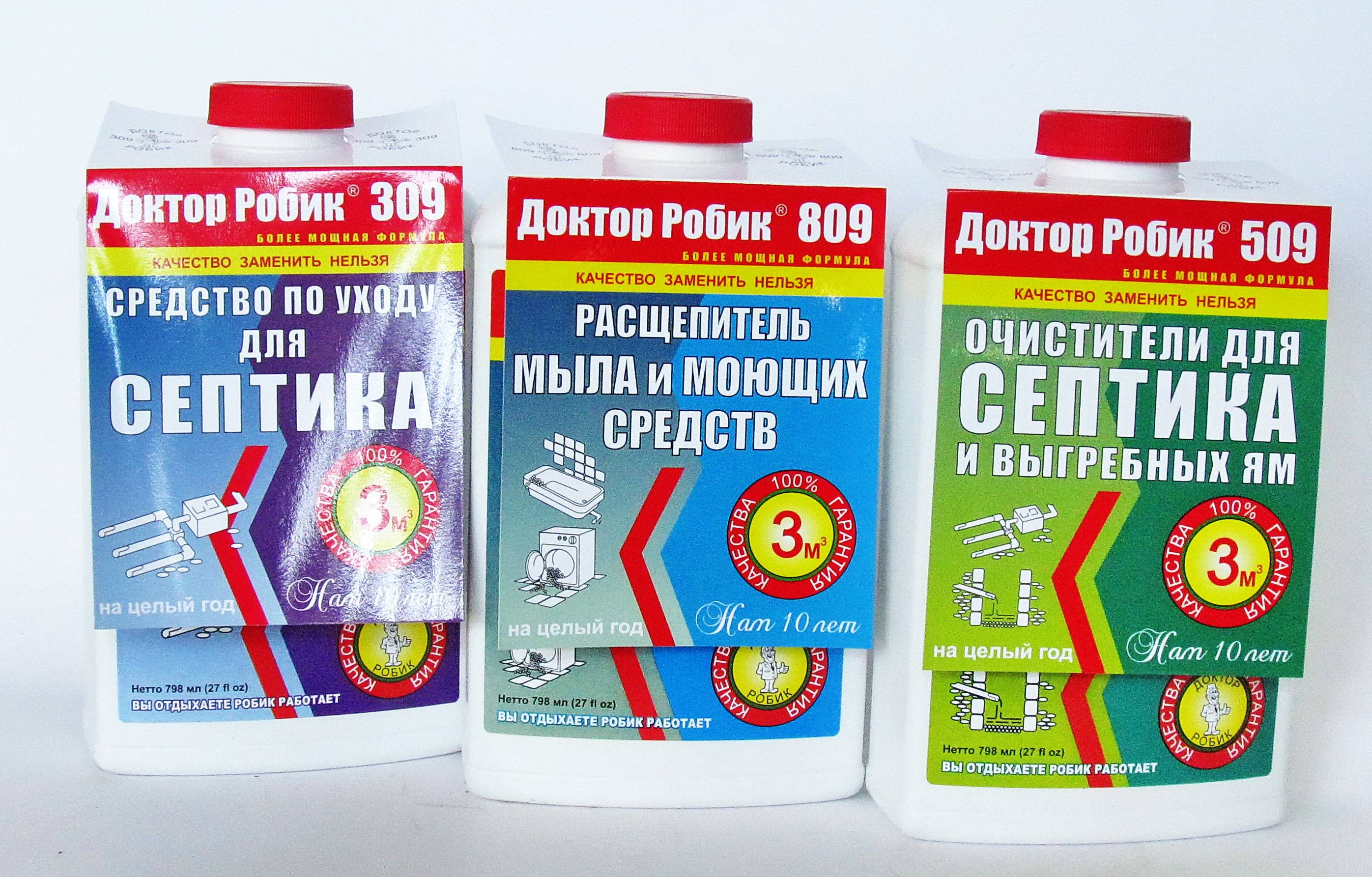
Assortment of biological preparations. The photo shows the full line of products of the company. In addition to products for processing wastewater and hoopoe behind septic tanks, the company is developing in such areas as the production of products for accelerating compost
The main product line of the corporation consists of the five most popular biologically active agents. The full range of products includes more than 35 items. They are used not only in the private sector, but in highly specialized industries.
All products are environmentally friendly. It is certified by international environmental organizations. The quality of products is controlled by the corporation and is constantly improved through scientific activities.
Regardless of the degree of cleaning performed, all septic tanks and cesspools should be cleaned by vacuum cleaners, and soil post-treatment systems by owners. When using bacteria, the periods between calls for vacuum trucks increase significantly (+)
How can a septic tank be cleaned?
Regardless of the type of septic tank used, it needs maintenance, which will significantly increase the life of the local treatment plant.
In addition, there are a number of other problems. One of them is an unpleasant odor that is periodically felt from the container.
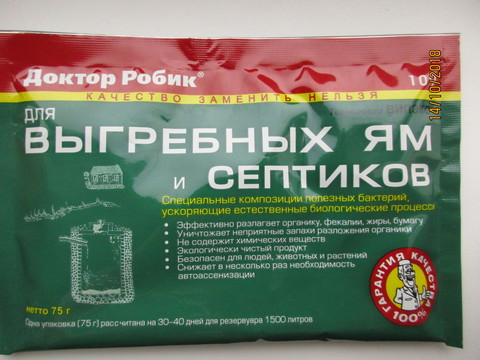
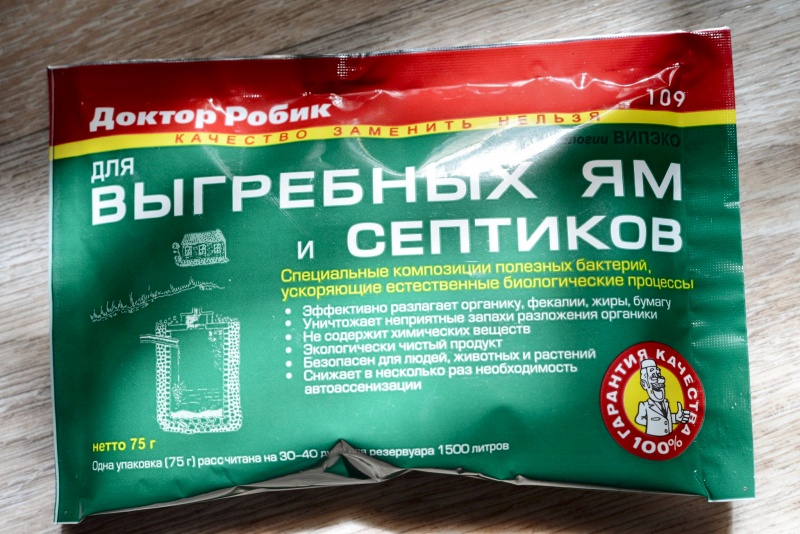

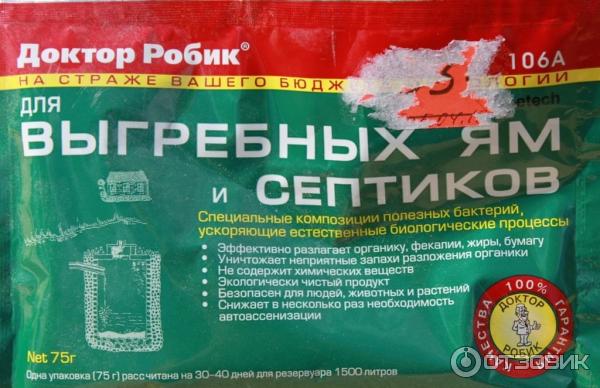
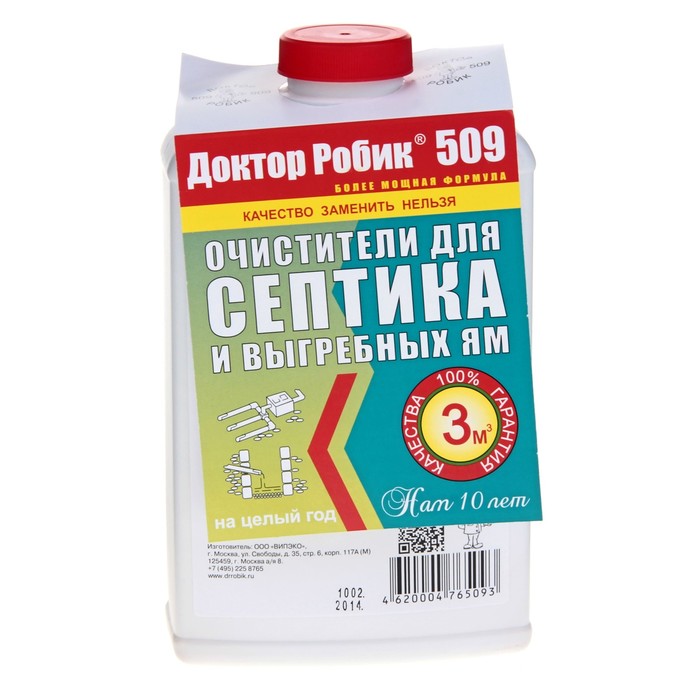


Image gallery
Photo from
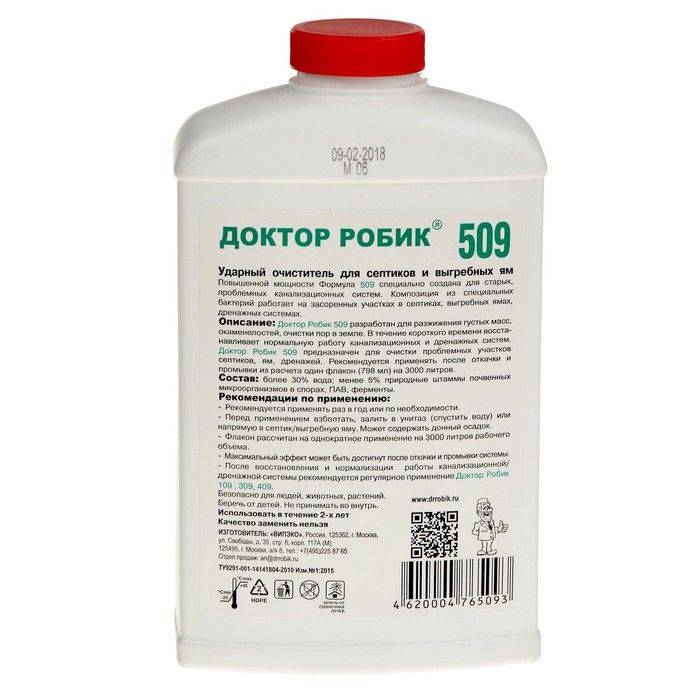
Products of the brand "Doctor Robik" are produced for all types of autonomous sewage facilities
The company produces powder products containing dry spores of bacteria, and complex preparations in the form of solutions.
In the line of compounds for processing wastewater "Doctor Robik" you can find a tool for a home-made septic tank and factory-made VOCs
When choosing a composition for an independent sewer system, you need to know exactly what type of waste mass is processed by the treatment plant
The bacteria involved in the compositions of Doctor Robik products process solid sediment of organic origin as a result of their own vital activity
The preparations can be used not only in septic tanks and cesspools, but also in systems of ground aftertreatment of clarified water
The introduction of funds into the ground post-treatment system will ensure the activation of the process and accelerate the disinfection of wastewater discharged into the ground
The use of products with the logo "Doctor Robik" allows you to quickly eliminate the unpleasant sewer odor directly in the treatment facilities and systems of soil post-treatment
Products for independent sewerage
Bacteria for cesspool maintenance
Homemade septic tank built from concrete rings
Selection by types of processed effluents
The principle of operation of biocompositions
Use in post-treatment systems
Post-treatment system from infiltrators
Eliminate bad odors
The most difficult thing is with septic systems. Cesspools are easier to maintain in this respect. But for both, the same cleaning methods can be used:
- Pumping out waste using sewage equipment.
- Pumping with individual pumps.
- Biological treatment of wastewater with the help of bacteria with subsequent discharge into the ground or on the terrain.
- Chemical processing using specialized absorbent additives.
The treatment of the liquid component of wastewater using microorganisms is one of the rare cases when taking care of the ecosystem brings benefits. Bacteria can be used in tanks and septic tanks of any kind.
Bacteria are divided into anaerobes and aerobes, depending on the need of bacteria for oxygen supply.The former exist in closed containers that exclude the penetration of oxygen. Oxygen is needed to keep them alive
In cases with high-tech stand-alone treatment plants of the Tank type, these additives can extend the life of the filter, as they significantly reduce the load on the filters. When using bioactivators, the need for pumping with the use of sewage equipment is significantly reduced.


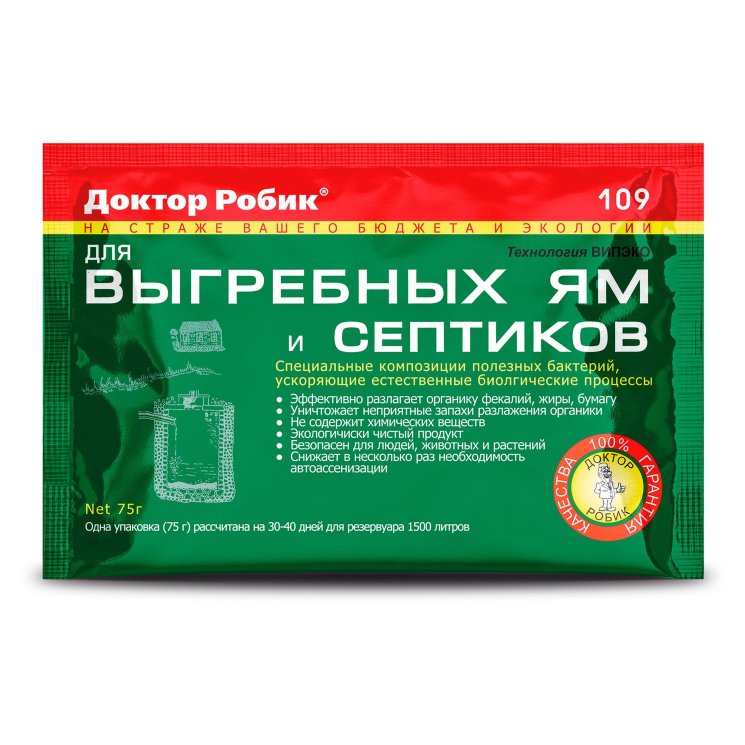
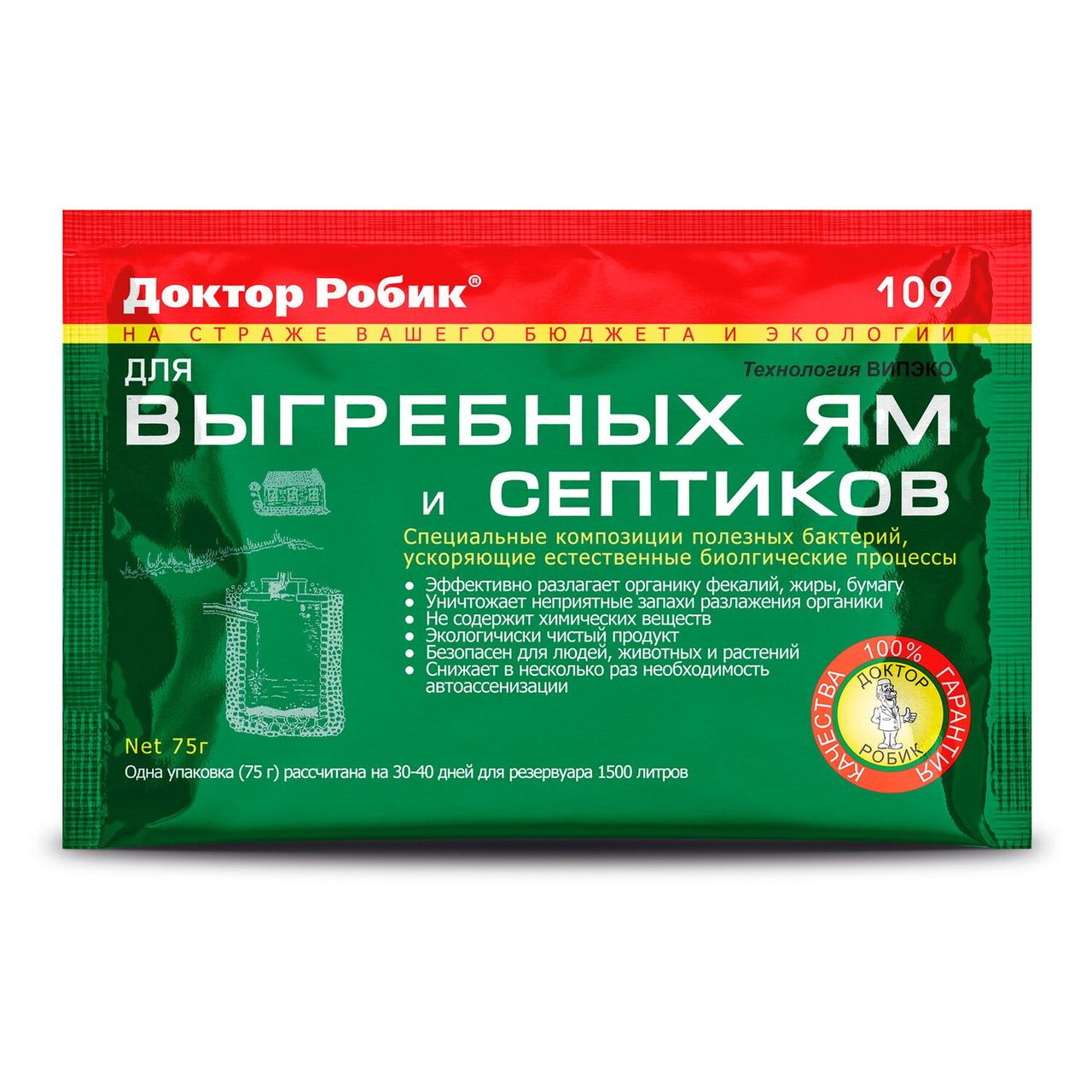
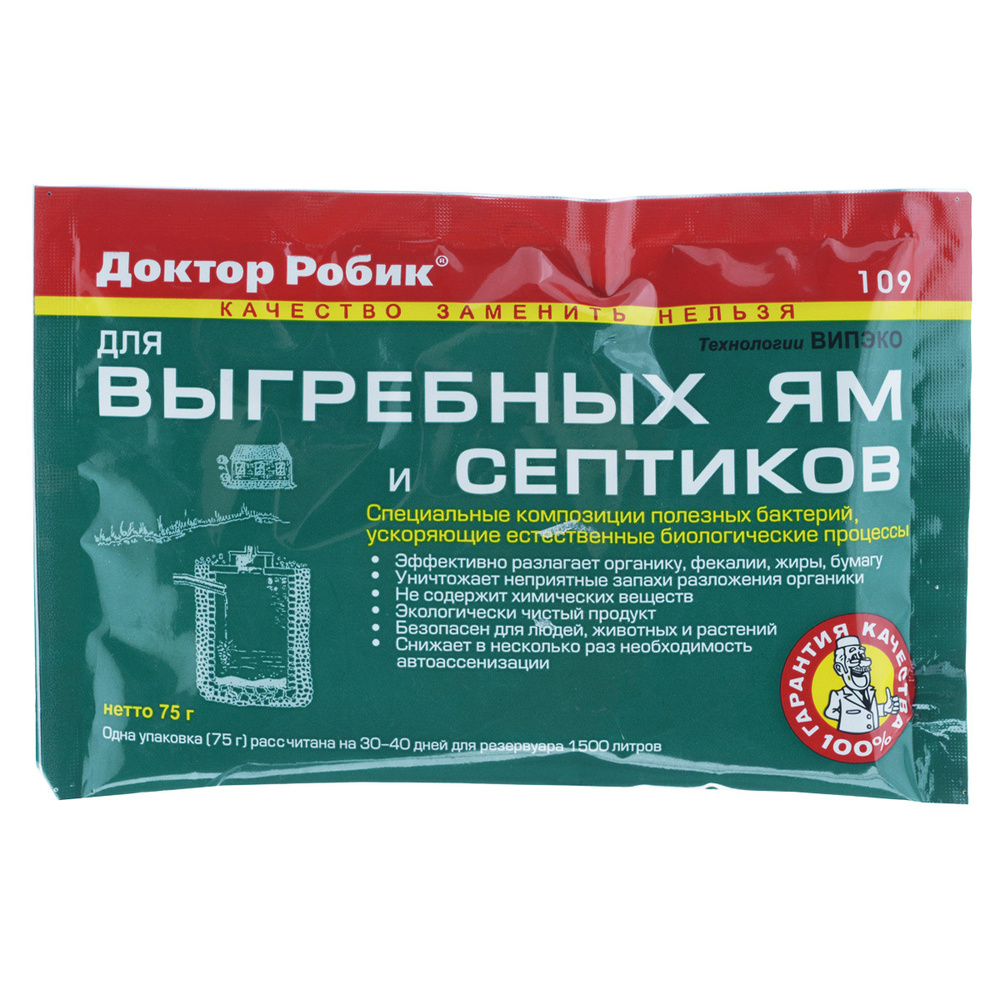
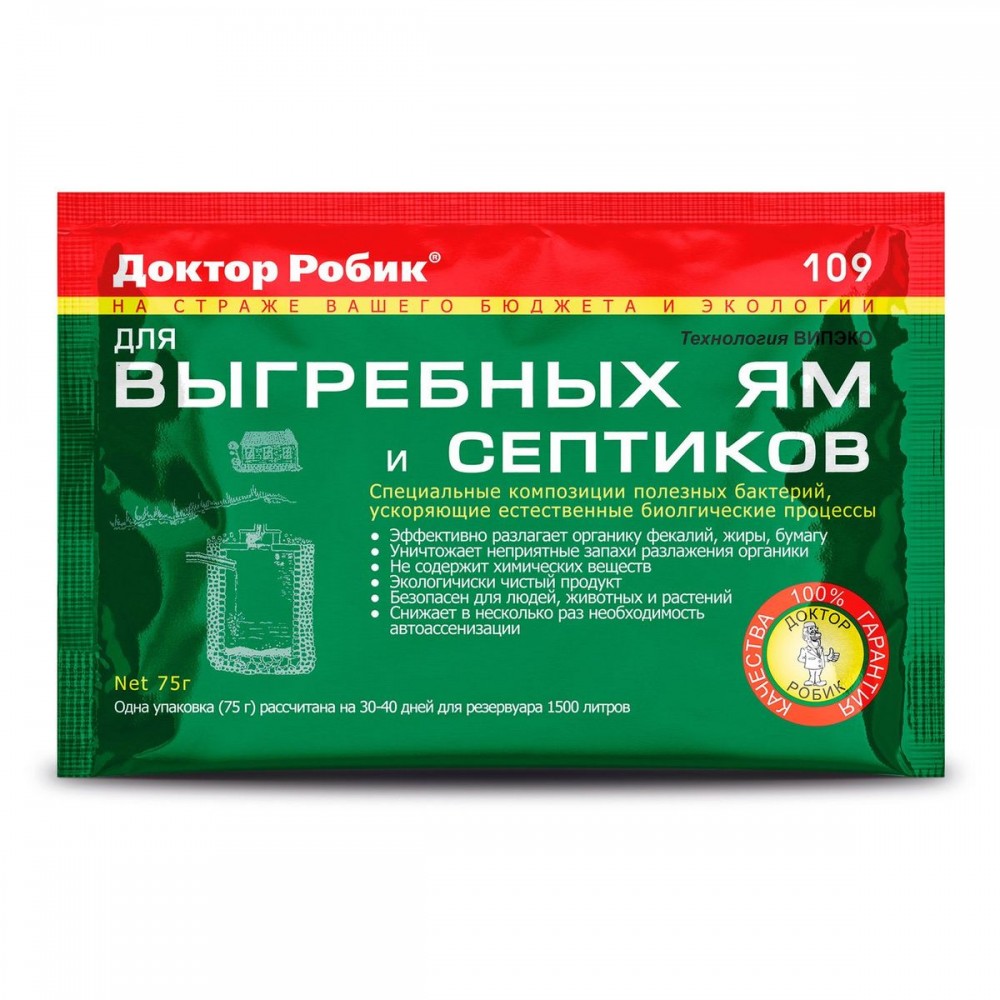

The use of biological products allows the simplest and most effective way to clean and disinfect the waste masses entering the autonomous sewer (+)
The market offers a wide range of biological treatment products. One of the popular brands is Doctor Robik. The funds are produced by a large American manufacturer, which has a representative office in Russia.
It is able to clean septic systems of varying complexity while destroying the unpleasant smell of sewage. Some colonies of microorganisms prevent the formation of blockages in pipes.
Products of the Doctor Robik brand cover all types of autonomous sewer facilities. The company produces effective products for processing wastewater in cesspools and septic tanks (+)
Types of biobacteria
Various microorganisms can participate in the processing of waste. The main distinguishing feature that the average user should be aware of is the need for oxygen. According to this property, bacteria are divided into 2 categories.
- Aerobic microbes need an oxygen environment to live. They recycle waste with maximum efficiency. It is these bacteria that work in the chamber-aerotank of local treatment facilities.
- Anaerobes can live in anoxic conditions.They do not provide a complete breakdown of waste. The cleaning efficiency is only 60%. However, their use can reduce the amount of sediment.
Ready-made bacterial agents may contain purely aerobic or anaerobic cultures or specially selected complexes.
In addition, enzymes have been added to the preparations to improve the functioning of microbes.
Means differ from each other not only in the type of bacteria, but also in other ways.
Manufacturers produce biopreparations in various forms:
- In the form of tablets, bacteria are more often produced for toilets and latrines. They eliminate odors and reduce sediment.
- Another type of dry form is powder or granules. They contain dormant bacteria, to activate which you need to add water.
- Concentrated bottled solutions require shaking before use. After that, the liquid is directly added to the cesspool or septic tank.
- Self-dissolving bags are used for local treatment facilities.
- A separate group is special cassettes on which bacteria are fixed for aerobic purification.
Funds for local treatment facilities are generally a special category. They differ from each other depending on what problem needs to be solved or avoided.
- Before the first launch of VOCs or after a long break in use, starter bacterial complexes are used. A special category is the means used for the conservation of a septic tank. Such bacteria are able to form spores that help to survive the unfavorable period.
- In moments of special pollution of effluents, it is recommended to use special enhanced biological products. After that, they gradually switch to conventional means.
- If a dishwasher and a washing machine are installed in the house, that is, there is a large amount of soap in the drains, it is necessary to add special preparations with microorganisms resistant to such intense pollution to the cleaning system.
Thus, biobacteria will help to avoid or reduce the intensity of many unpleasant moments associated with local sewage facilities, for example, reduce the number of calls to a sewer truck. But this is not their only positive quality.



