
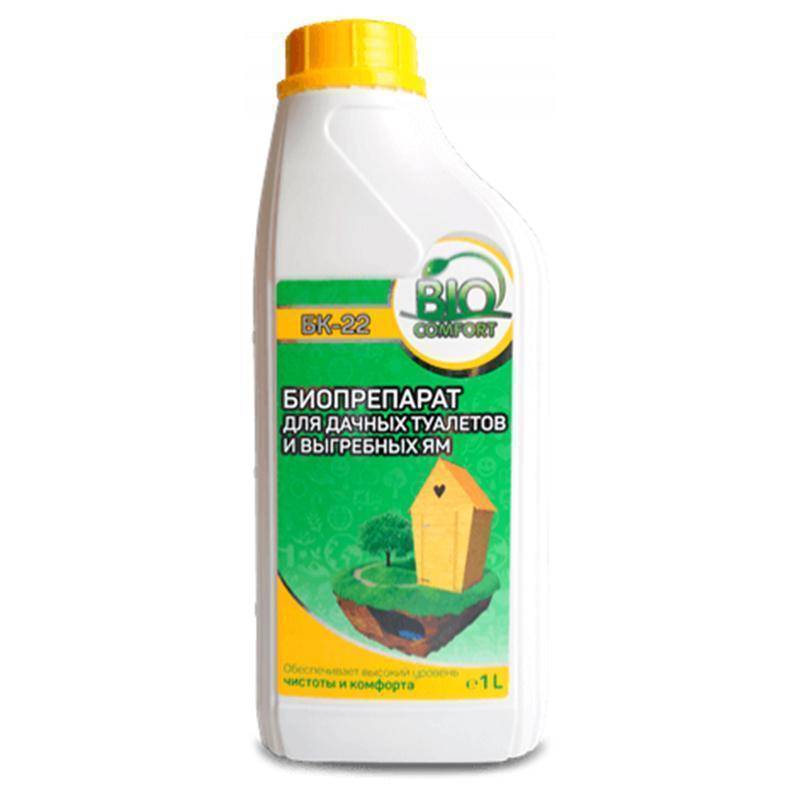
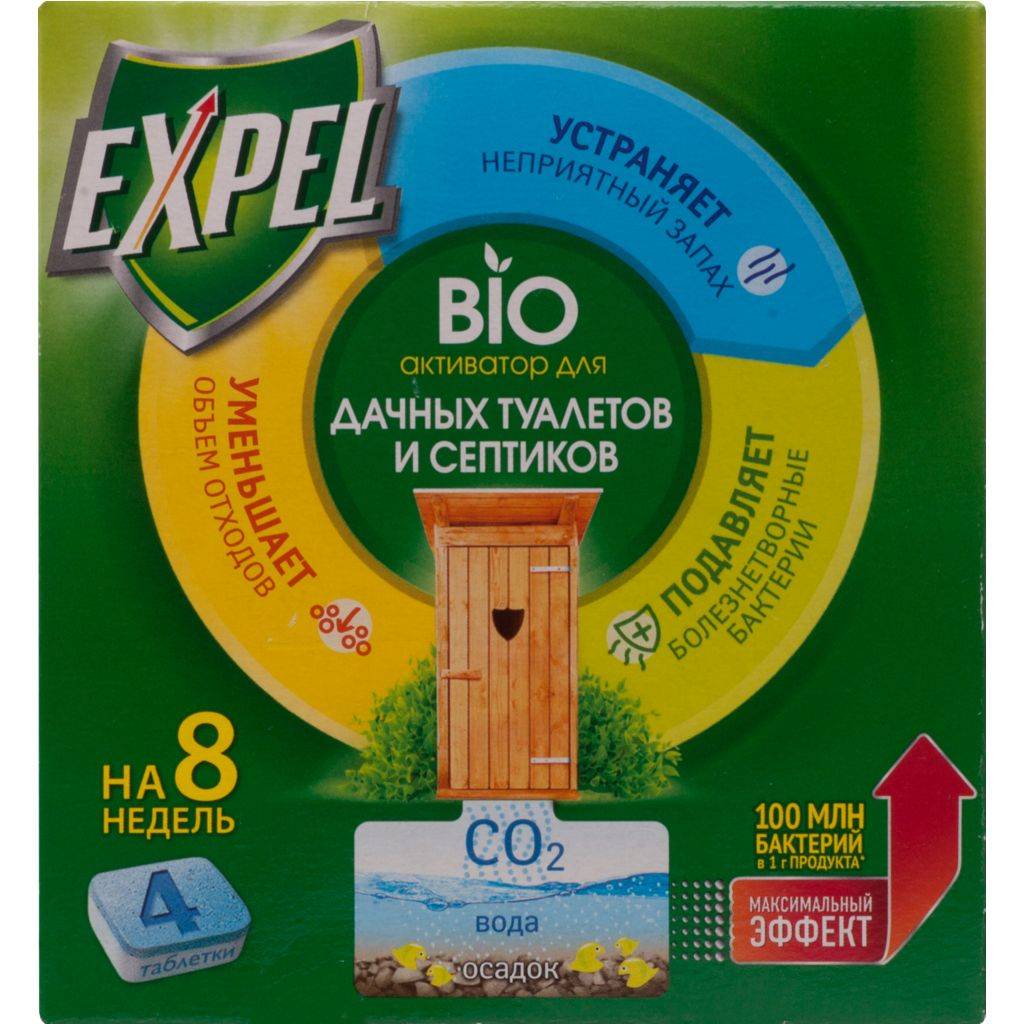
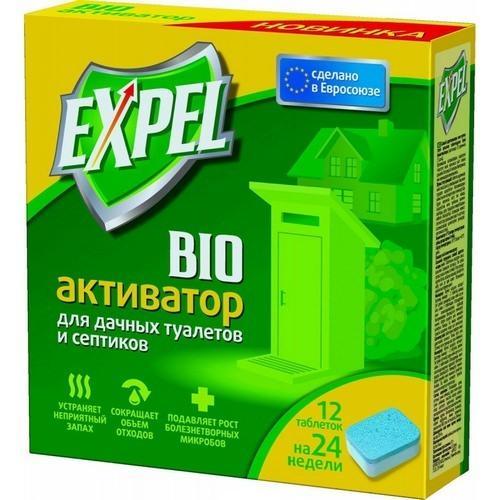
- Review: Bioactivator for country toilets and septic tanks Upeco Expel - Bacteria work, you rest!
- The use of biological products
- anaerobic bacteria
- Aerobic bacteria
- Forms of release of biological products
- Application rules
- Types of bacteria, their pros and cons
- anaerobic bacteria
- Aerobic bacteria
- Bioactivators
- Popular antiseptics and how to use them
- Polish biopreparation "Saneks"
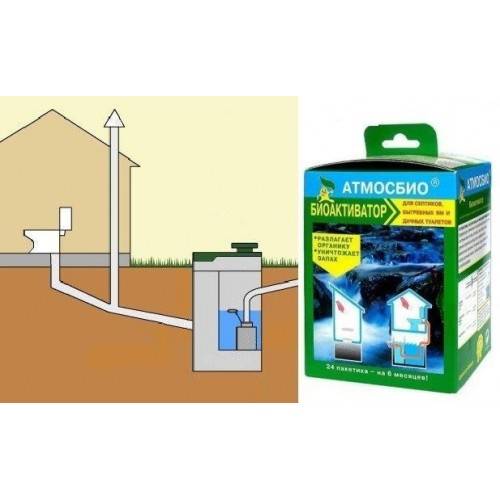
- French biopreparation Atmosbio
- Russian biological product "Mikrozim SEPTI TRIT"
- American biological product "Bio Favorite"
- How to use the bioactivator
- Types of splitters
- Why bacteria don't help
- Factors that reduce the effectiveness of biological products
- Purpose, types and composition
Review: Bioactivator for country toilets and septic tanks Upeco Expel - Bacteria work, you rest!
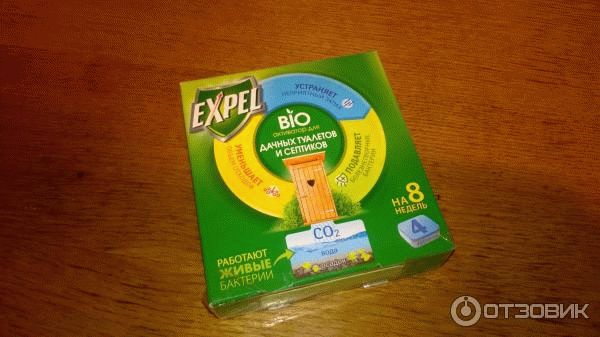
But adding such a tool to the septic tank saves you a lot of trouble.
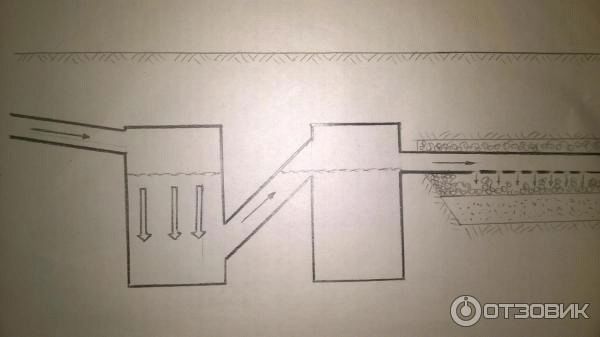
Effluent, getting into the first chamber, settles, solid fractions break up, and the action of bacteria begins here already.
Before building a house, I built a bathhouse on the site, foreseeing that the construction would not be fast. At the same time, I tried to make the bath as comfortable as possible. There are two rooms in the attic, a toilet and a small kitchen downstairs. Naturally, local sewerage was required.
Being somewhat constrained in funds after acquiring the site, and also tied to the need for the correct location of buildings and structures on the site, I decided to make a septic tank myself. Here's what happened.
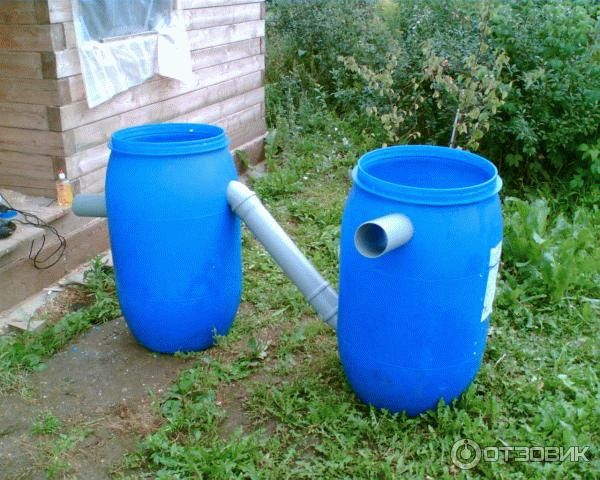
Barrels I purchased in the store, used. In such barrels, I saw, they bring salted intestinal raw materials (casings for sausages). Then the barrels are sold at 500 r / pc. The total price of the issue is about 1500 rubles for the entire septic tank.
Here the septic tank is already in the “design position”.
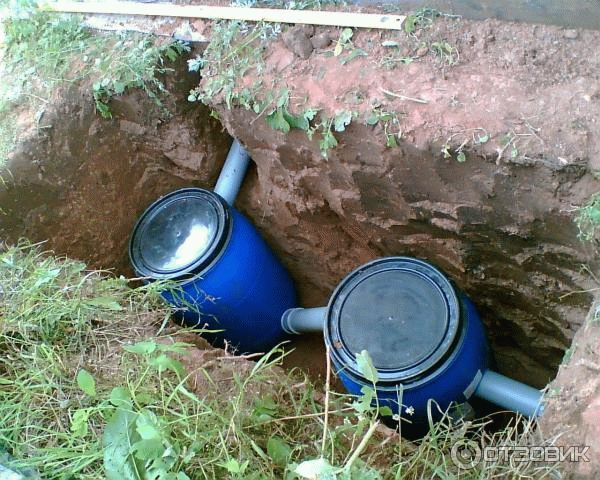
The photos were taken in 2008, and only in August 2017 did I need to pump out. I will not describe the process in detail. With the help of a fecal pump, this is not at all difficult, if not for one thing. Toilet paper, which I flushed down the toilet, hoping that it would dissolve, greatly complicated the matter. By the way, I later found out that she was the main culprit of my sudden troubles. There was no terrible smell that I expected - the bacteria worked perfectly.
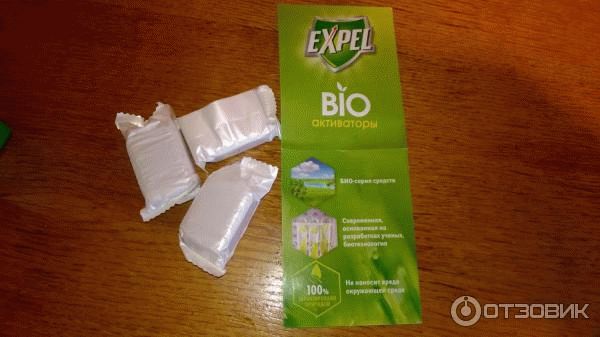
I threw it once every six months, given that my water is not chlorinated.
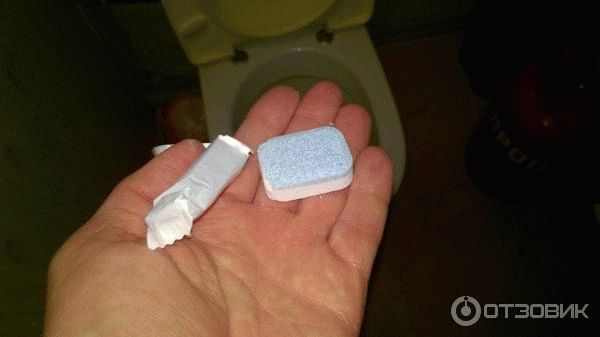
And still, before pumping out, the septic tank worked for 9. years. And then, I suspect that if there weren’t toilet paper, I wouldn’t boil as much more.
The use of biological products
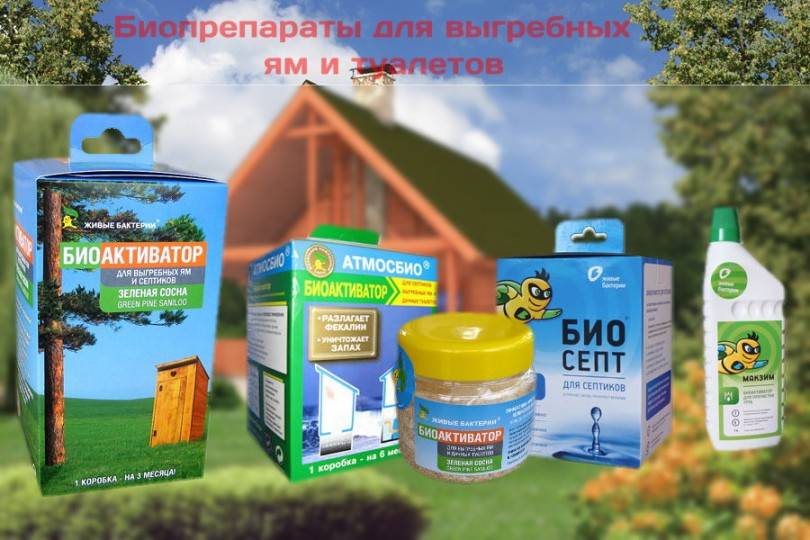
In addition to mechanical methods, bioactive preparations can be used to clean cesspools, which allow you to convert human waste into high-quality fertilizer. In addition, the use of biological products will lead to the minimization of unpleasant odors.
anaerobic bacteria
Anaerobic bacterial microorganisms can be used for post-treatment of sewage pits in the absence of a constant supply of oxygen. Anaerobic organisms obtain energy and carry out their functions by substrate phosphorylation.It is reasonable to use such bacteria in closed septic tanks or isolated sewer burials.
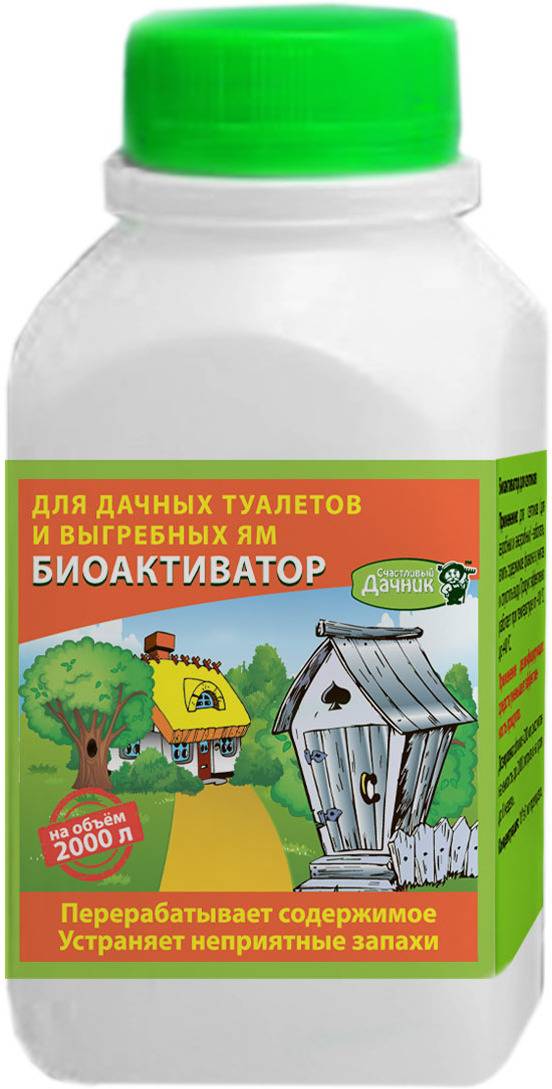
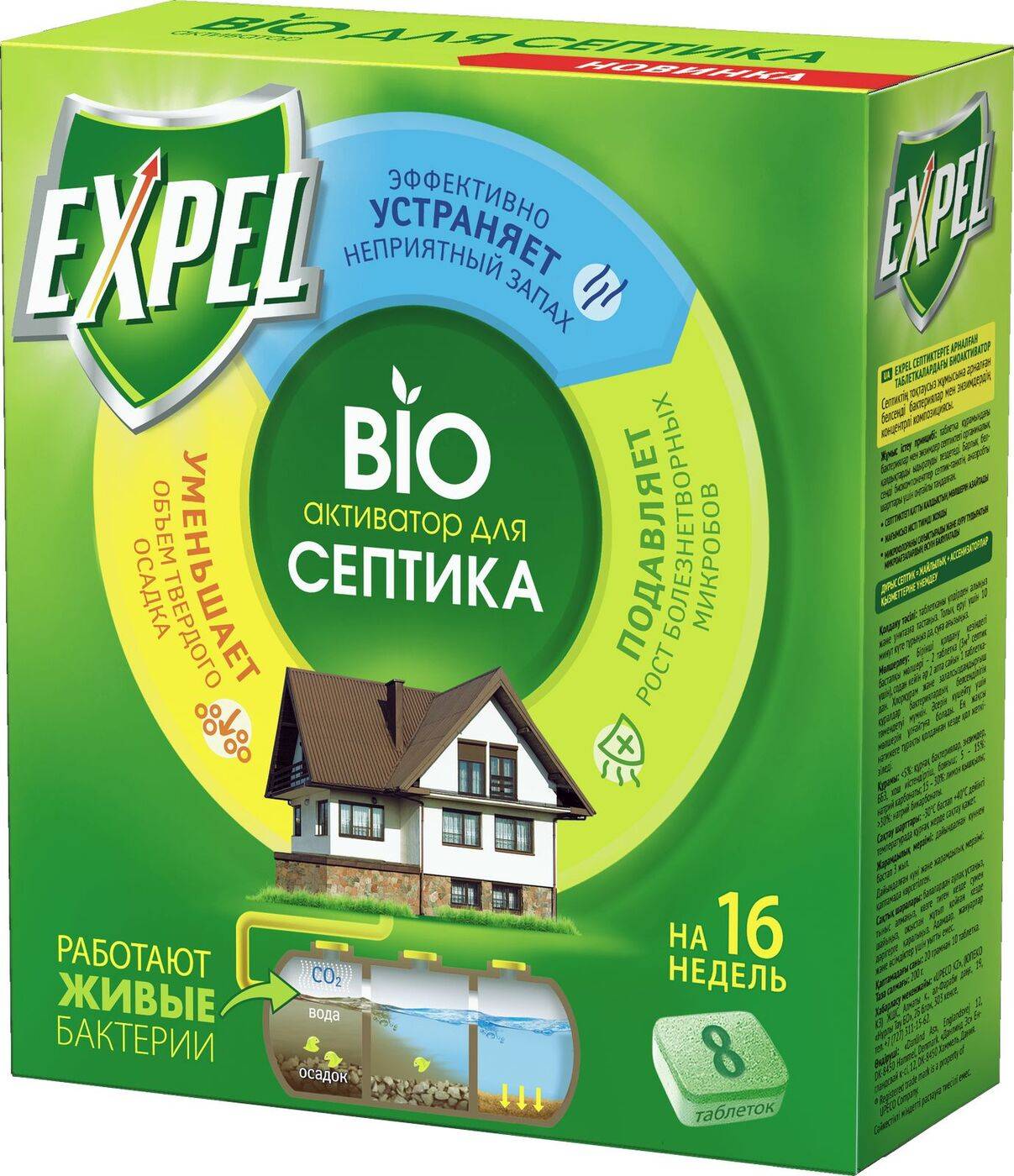

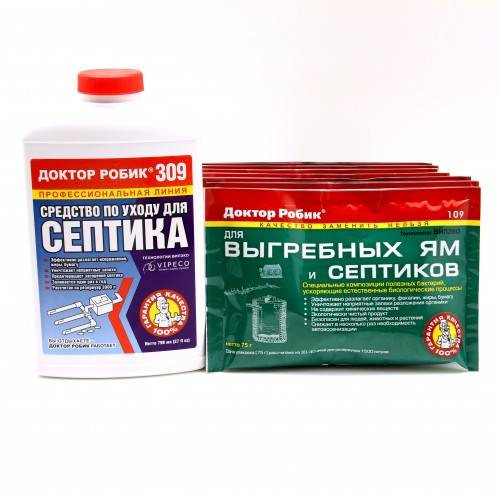
Aerobic bacteria
These microorganisms are able to most effectively purify wastewater and divide it into 2 layers. But aerobes continue their life cycle only with a constant supply of oxygen masses. Aerobic bacteria are useful for open pit latrines or for septic tanks with built-in oxygen supply.
Let's take a look at when is the best time to apply aerobic and anaerobic microorganisms to wastewater treatment. Experts say that it is advisable to use bacterial-based preparations in the summer, since living organisms cease to fulfill their life cycle at low temperatures. In addition, biological products are perfect for those people whose cesspool is located in a place inaccessible to sewage equipment. Another important nuance: bacteria process feces into good fertilizer, which will become an effective assistant to any summer resident and gardener.
Important! It is forbidden to throw construction debris, pieces of synthetic film and plastic into the sewer. Such substances do not decompose, and during mechanical cleaning they can clog the hose of the sewage equipment
Forms of release of biological products
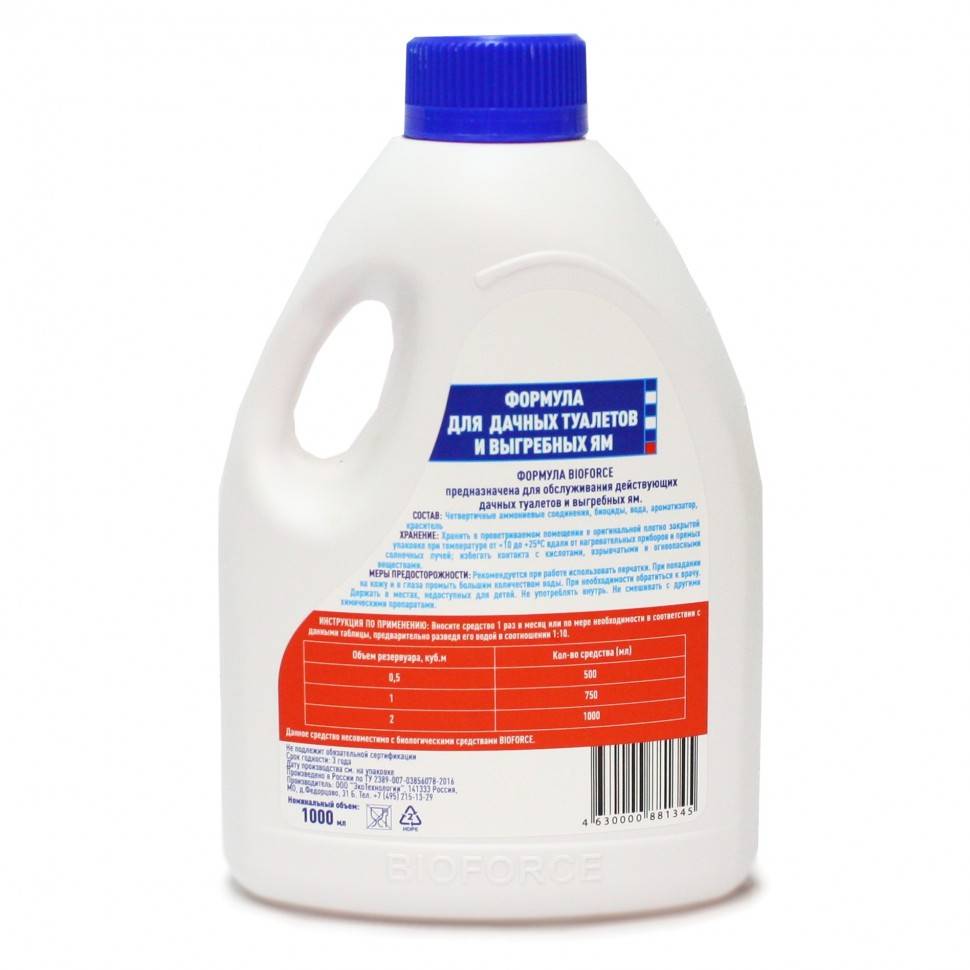
There are 3 main types of biological products for wastewater treatment: tablet, powder and liquid. In each of the forms of such biological products there is a multimillion-strong army of bacteria and special enzymes that are designed to process human waste products.
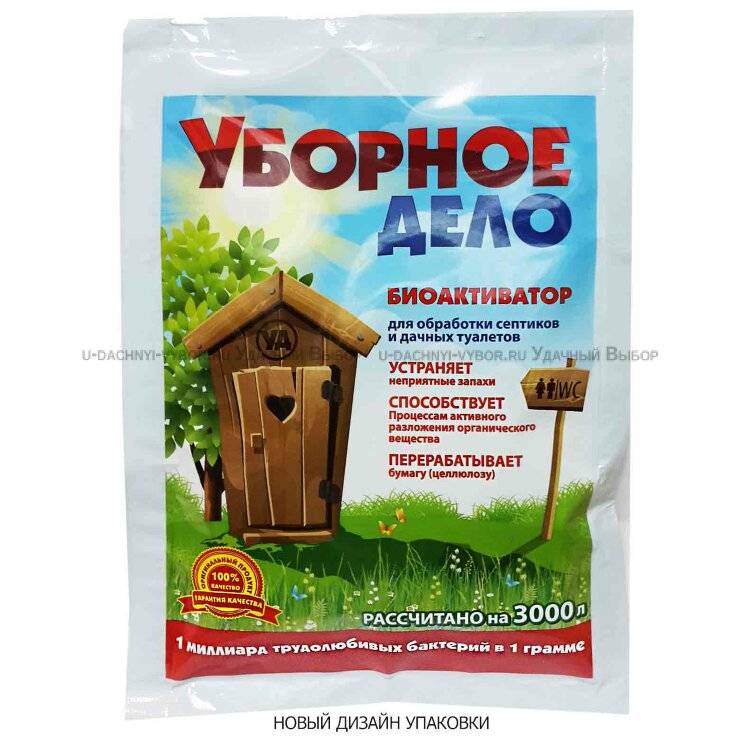
Powdered biological products are found on store shelves in special bags, where bacterial microorganisms are in a state of hibernation.They can be brought into activity only when the powder is diluted with water (dilute according to the instructions specified by the manufacturer). Bacteria for such preparations are grown in the natural environment and are safe for humans (the latter fact has not been scientifically confirmed, therefore, one should be careful with such preparations and observe all safety and personal hygiene measures).
Gardeners and gardeners prefer to fertilize their plots with organic fertilizers - manure: horse, pig, sheep, rabbit, cow, as well as feces
Biological products in liquid form contain bacteria immediately in an active state. After the introduction of such an agent into the sewer, microorganisms begin to actively process feces into carbon and water. It should be noted that even a liter capacity of a biological product is enough to process 2 tons of sewage.
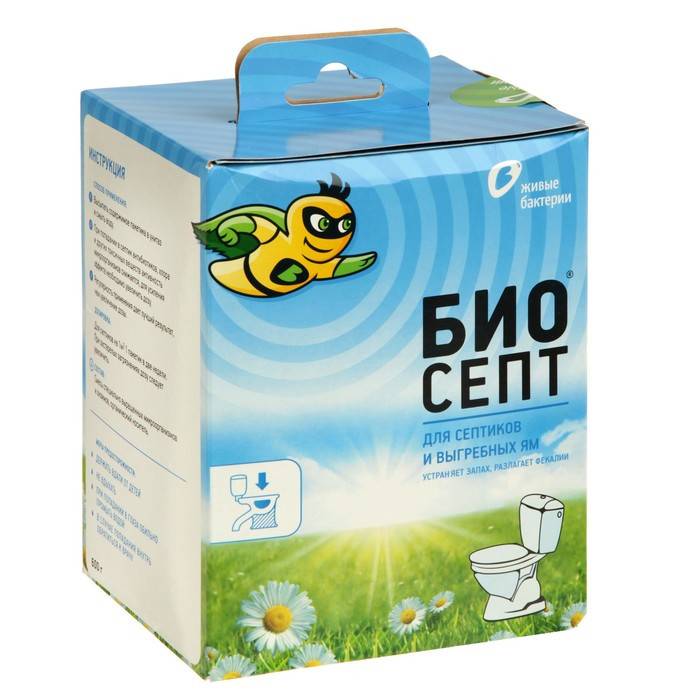
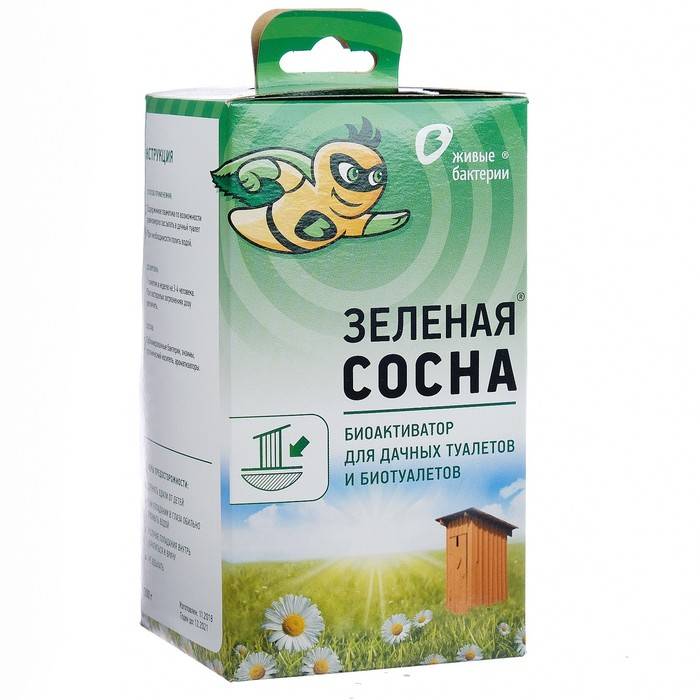
Preparations in tablet form are the most convenient to use. You just need to keep the proportions and throw the right amount of tablets into the drain, and the bacteria will do the rest. In addition to tablets, you can also find biologics in the form of cassettes or in soluble sachets on store shelves. But in whatever form you purchase a biological product, its composition and mechanism of action will be standard.
Did you know? The first sewers in history were built in the 6th century BC. e. in Ancient Rome.
It should be noted that cleaning cesspools with aerobic and anaerobic bacteria has its advantages and disadvantages. The advantages of this method:
- Environmentally friendly method. Allows you to recycle waste into fertilizers that benefit the environment.
- Preparations are sold in any plumbing store, so there will be no problems with the purchase.
- Bacteria are able to remove unpleasant odors. In addition, they process waste silently, unlike a sewer machine.
- The preparations are suitable for cesspools of all shapes, designs and sizes. It is only necessary to take into account the proportions when using.
Among the shortcomings should be noted:
- In regions where temperatures are negative in winter, biological products are not used.
- Not all drugs are equally effective for drains. Sometimes you need to try different types of biologics to achieve the desired effect.
- The cost of a sachet of bacteria is relatively high.
Application rules
Before buying a product, the owner of the cottage should read the instructions. It is necessary to find out whether it is convenient to use this drug or it is better to find bacteria with a different form of release.
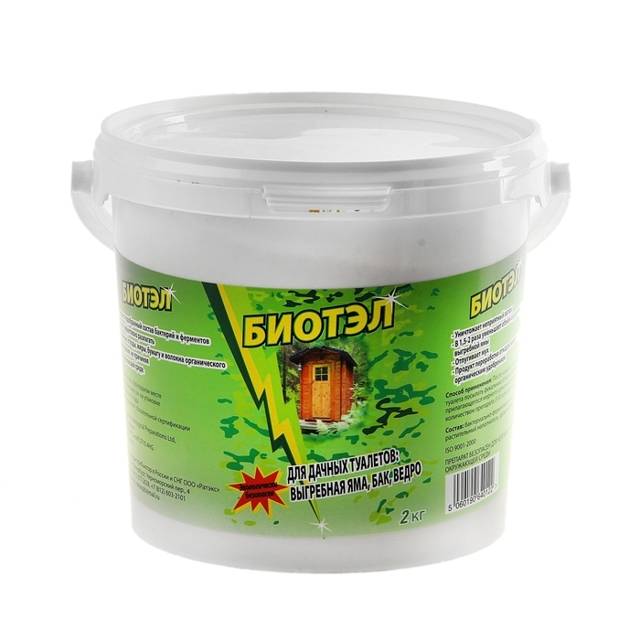
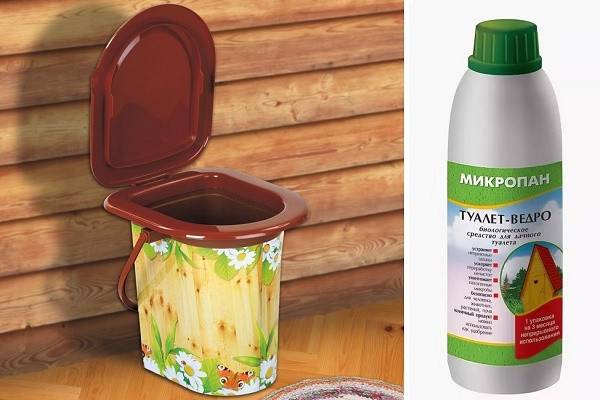
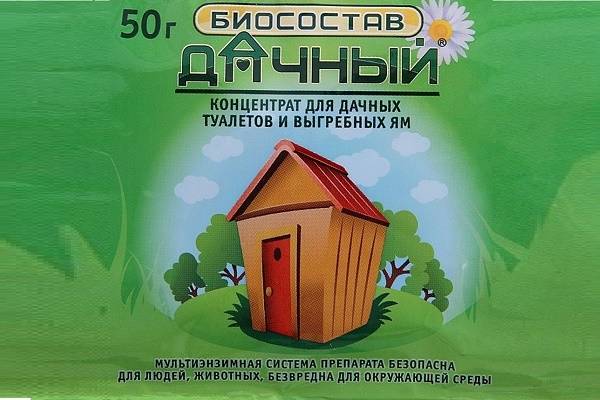
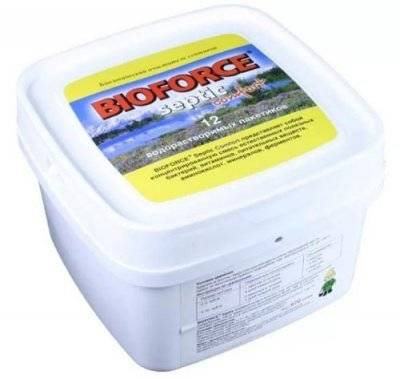
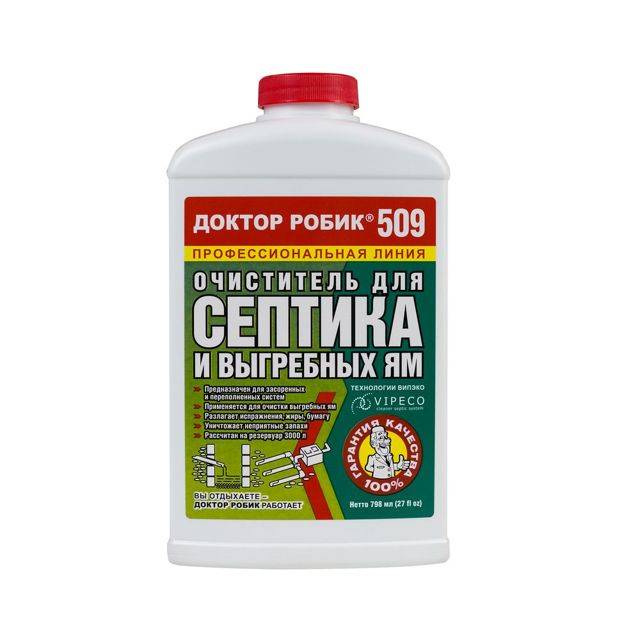
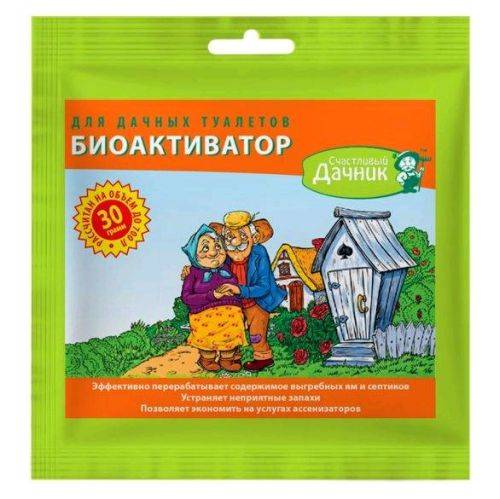
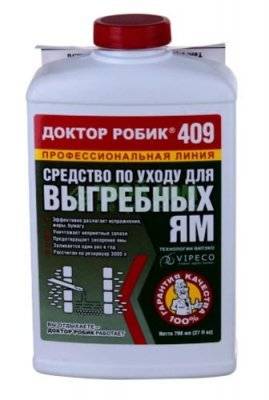
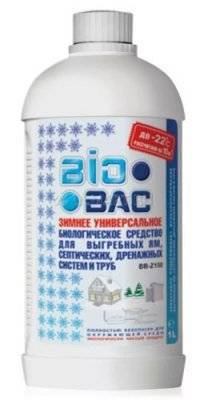
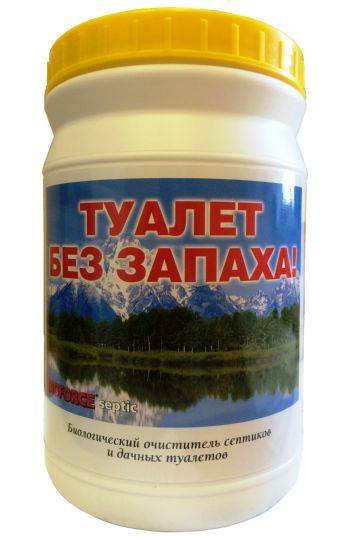
Means in the form of a powder or granules are dissolved with water before use. The amount of liquid depends on the dosage of the sachet. The proportions reflect the instructions. Usually, small bags of powder preparations are designed for a pit with a volume of 2-3 m3. The dry product is diluted with 5-10 liters of clean, non-chlorinated water. The solution is usually infused for about 1 hour. There are powders that the manufacturer recommends to infuse for 12-24 hours for complete dissolution. The prepared solution with bacteria is poured into sewage.
The liquid form of funds is a concentrated solution or gel. Toilet preparations are sold in vials, plastic bottles, capsules. Bacteria are already dissolved, but are in a state of calm. When the owner of the dacha pours out the contents of the container, living organisms immediately wake up from contact with a favorable habitat.The use of a liquid agent is always more relevant. Dissolving powders, a person can make a mistake, which threatens the death of microorganisms. There is no such problem with a liquid agent, you just need to follow the dosage for a certain volume of the pit.

Tablets are produced for large cesspools up to 5 m3. In the country, they usually put outdoor toilets with a storage tank with a capacity of about 2.5 m3. To populate the optimal number of microorganisms in a small pit, only half a tablet is used. The pressed disc is dissolved according to the instructions with water, poured into the waste storage tank.
Attention! There are toilet products available in soluble packages. An example is the popular drug Septifos. Bacteria are considered resistant even to detergents
Upon their contact, living organisms do not die, but slow down the action
Bacteria are considered resistant even to detergents. When they come into contact, living organisms do not die, but slow down the action.
Types of bacteria, their pros and cons
To date, there are 3 types of bacteria for septic tanks and cesspools on the market: anaerobic and aerobic bacteria, as well as bioactivators. Their main difference is in the conditions of operation and in the method of processing wastewater. A combined septic tank cleaning option is also possible. First, it is treated with anaerobic, and then additionally with aerobic bacteria.
Let us consider in more detail each of the types of bacteria and find out what advantages and disadvantages they have.
anaerobic bacteria
A characteristic feature of this type of bacteria is that they do not need the presence of air in order to live and multiply. It is for this reason that it is better not to use them for open cesspools.The best option for the use of anaerobic microorganisms in closed septic tanks, in which the full cycle of supply - processing - removal of liquid effluents is carried out.
During the recycling process, organic waste turns into solid residues that settle to the bottom, and a liquid that can be used to water the garden. After some time, when a considerable amount of solid precipitation has accumulated, they are pumped out using a special sewage machine.
All anaerobic bacteria, regardless of the brand, have common negative qualities:
- Over time, when the number of bacteria increases greatly, methane is most likely to be produced - a gas that has a very bad smell.
- They are unable to clean the drains completely. The maximum that they are capable of is 65%. 35% are not recycled at all.
- The primary section of the septic tank, in which solid residues settle, must be constantly cleaned.
- The sludge must be disposed of.
Aerobic bacteria
They cannot function fully without oxygen. This variant of bacteria is best suited for an open-type cesspool. For bacteria to process waste in the sewer system, special conditions must be created. A compressor is needed to supply oxygen to the septic tank chamber in which microorganisms function.
During the processing of wastewater by bacteria, carbon dioxide is separated, which provokes a temperature rise in the septic tank chamber by 3-5 degrees. Although it is warm in the tank, there is no unpleasant smell. And besides, aerobic bacteria are able to process feces completely, 100%. The sediment that remains as a result of processing is also pumped out, but it can be used as a fertilizer.It is completely safe, so there is no need to wait for it to overheat. Most often, gardeners place it in compost pits, combine it with straw, grass, manure, and only then do I fertilize the soil in my garden.
Main characteristics of aerobic bacteria:
- High level of wastewater treatment, at which there is no need for additional treatment or processing.
- The solid sediment can be used as a fertilizer for the soil in the garden or in the garden, it is represented by silt, which is clean for the environment.
- The amount of sediment is very small.
- There is no stench, no methane is emitted during the processing of wastewater.
- Since sludge forms at a slow rate, there is no need to empty the septic tank frequently.
Bioactivators
This type of septic tank and cesspool cleaner is a combination of bacteria and enzymes. Bioactivators are used if you need to achieve a specific goal. They are divided into:
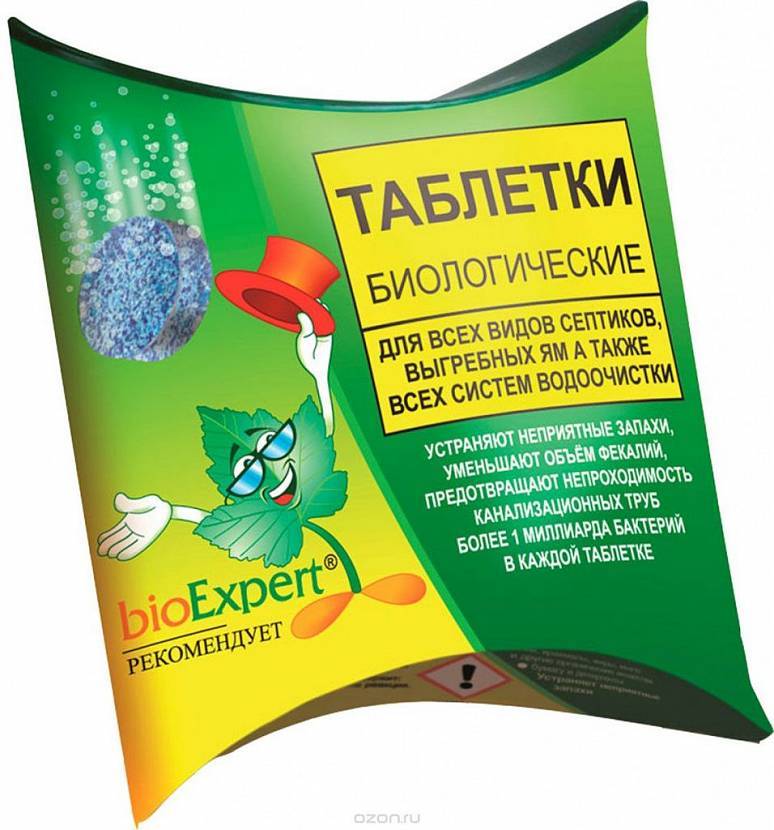
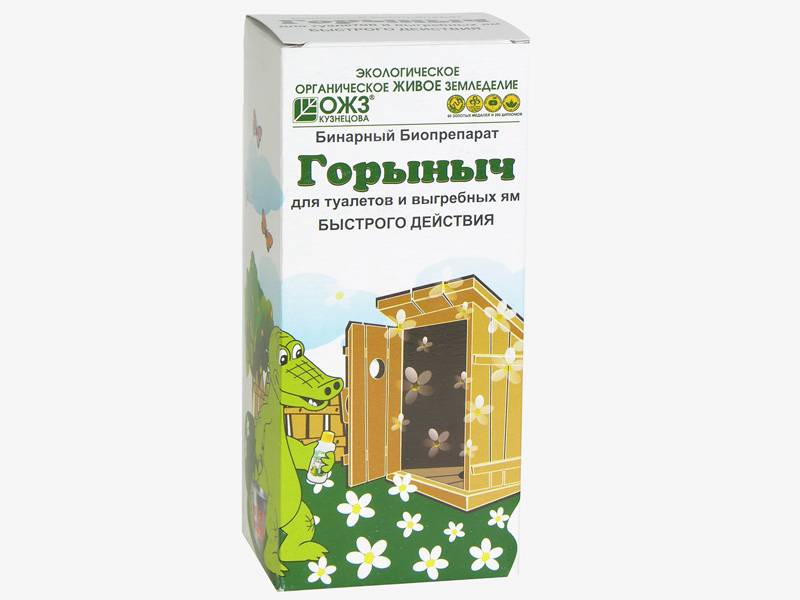
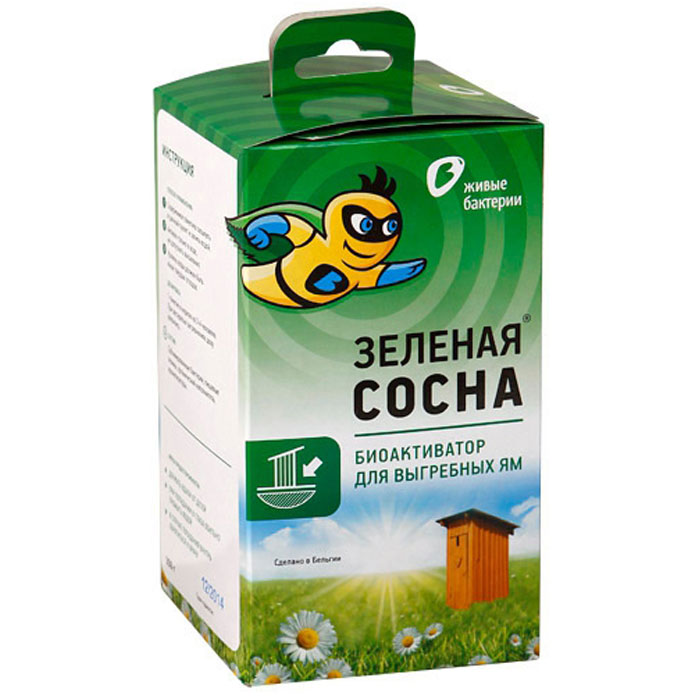
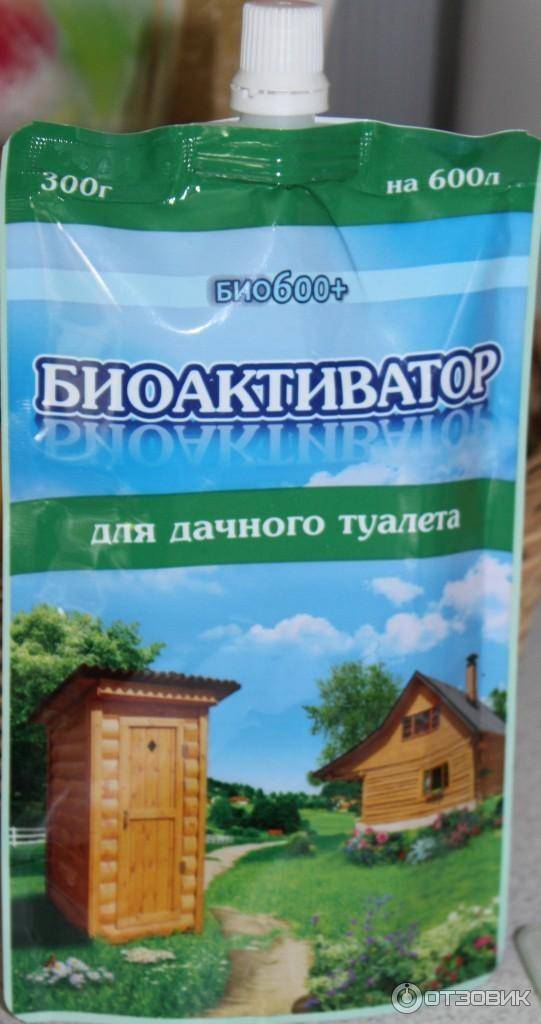
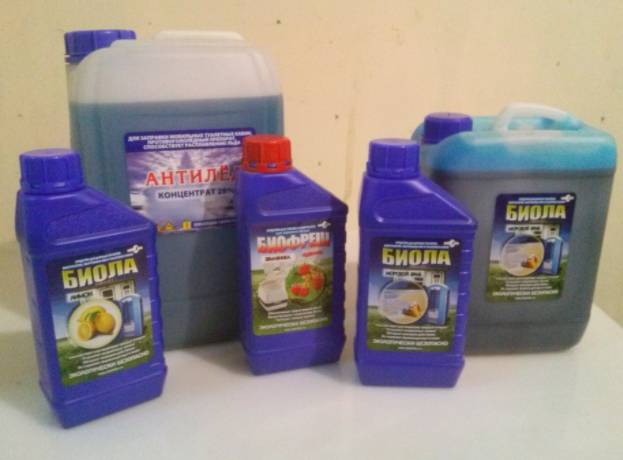
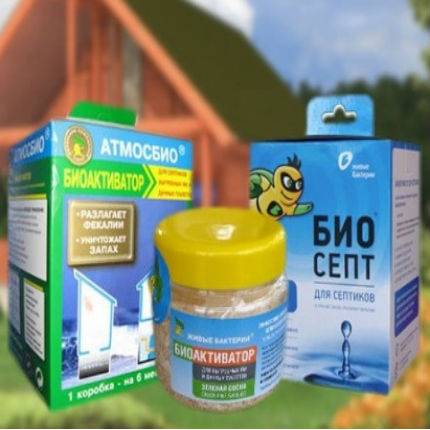
- Universal. Suitable for all septic tanks and cesspools.
- Specialized. Built for the right purpose.
Their main task is not the processing of faeces on an ongoing basis, but the periodic renewal of existing bacteria, the elimination of tank contamination, cleaning of pathological organisms, and the like.
In essence, bioactivators are orderlies that are used to restore the efficient functioning of bacterial colonies.
The following types of bioactivators can be distinguished:
- Starting. They are used in order to restore the bacterial composition after the winter period or if the sewer has not been used for a long time.
- Reinforced. Their task is to clean overly polluted pits. The launch of such bioactivators is possible for up to 3 weeks.After that, anaerobic or aerobic bacteria are used.
- Specialized. Used to clean the septic tank from solid waste and inorganics. They are very tenacious and able to recycle toilet paper, fabric, cardboard, even detergents are not able to kill them.
Popular antiseptics and how to use them
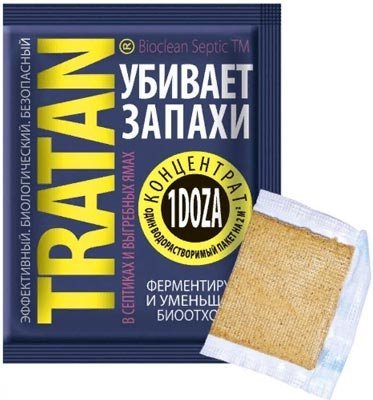
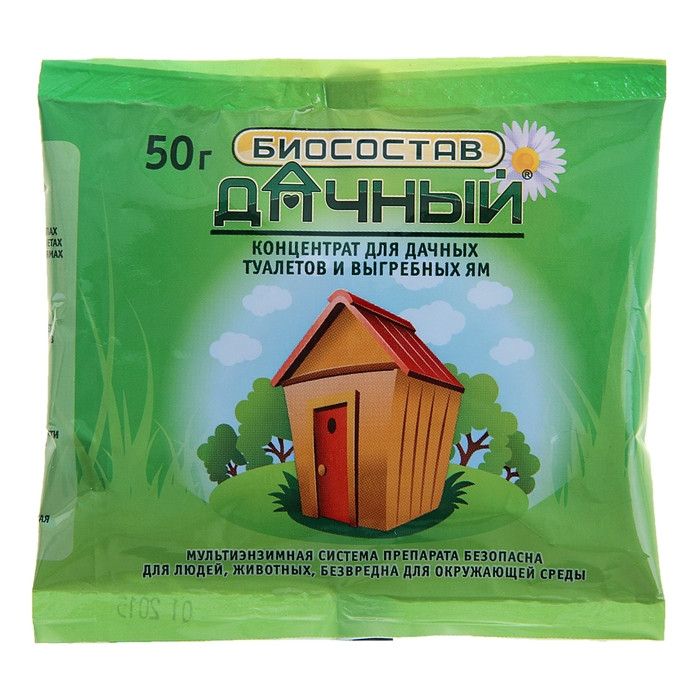
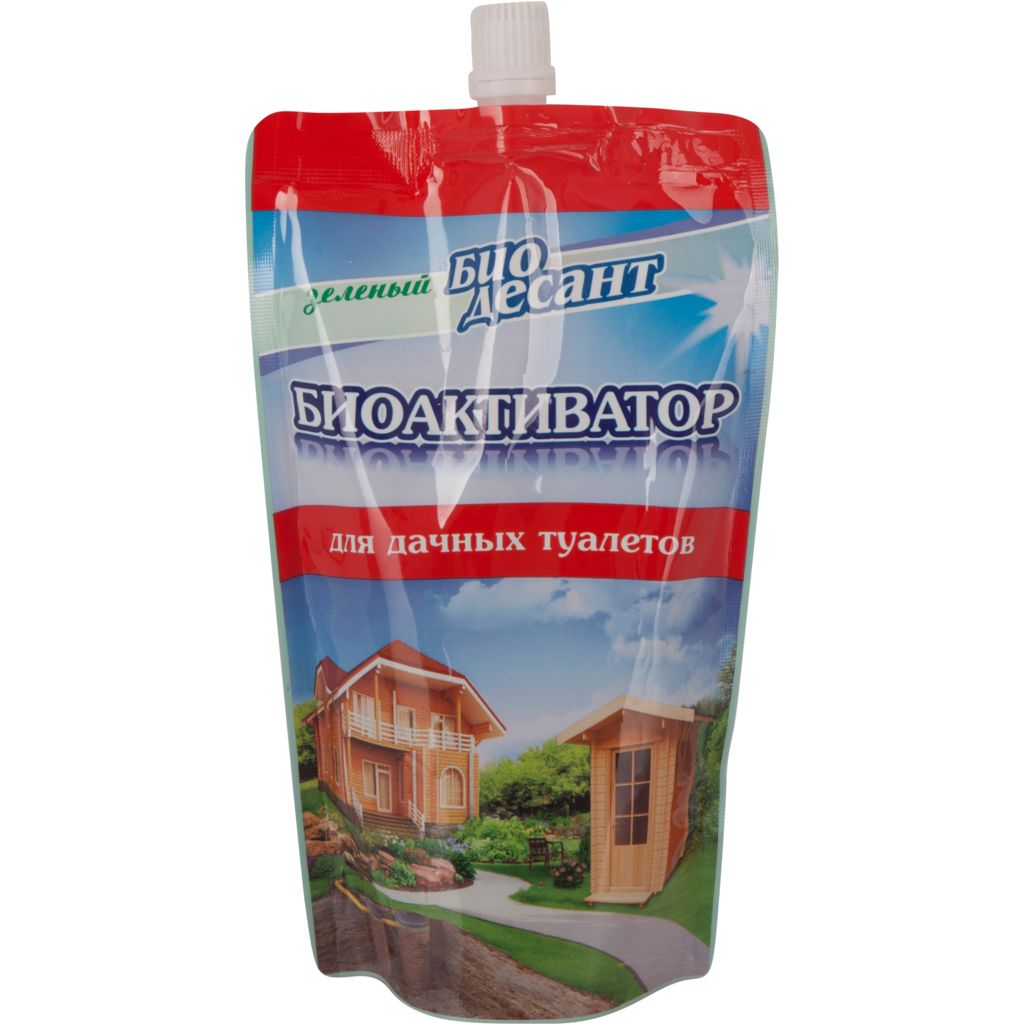
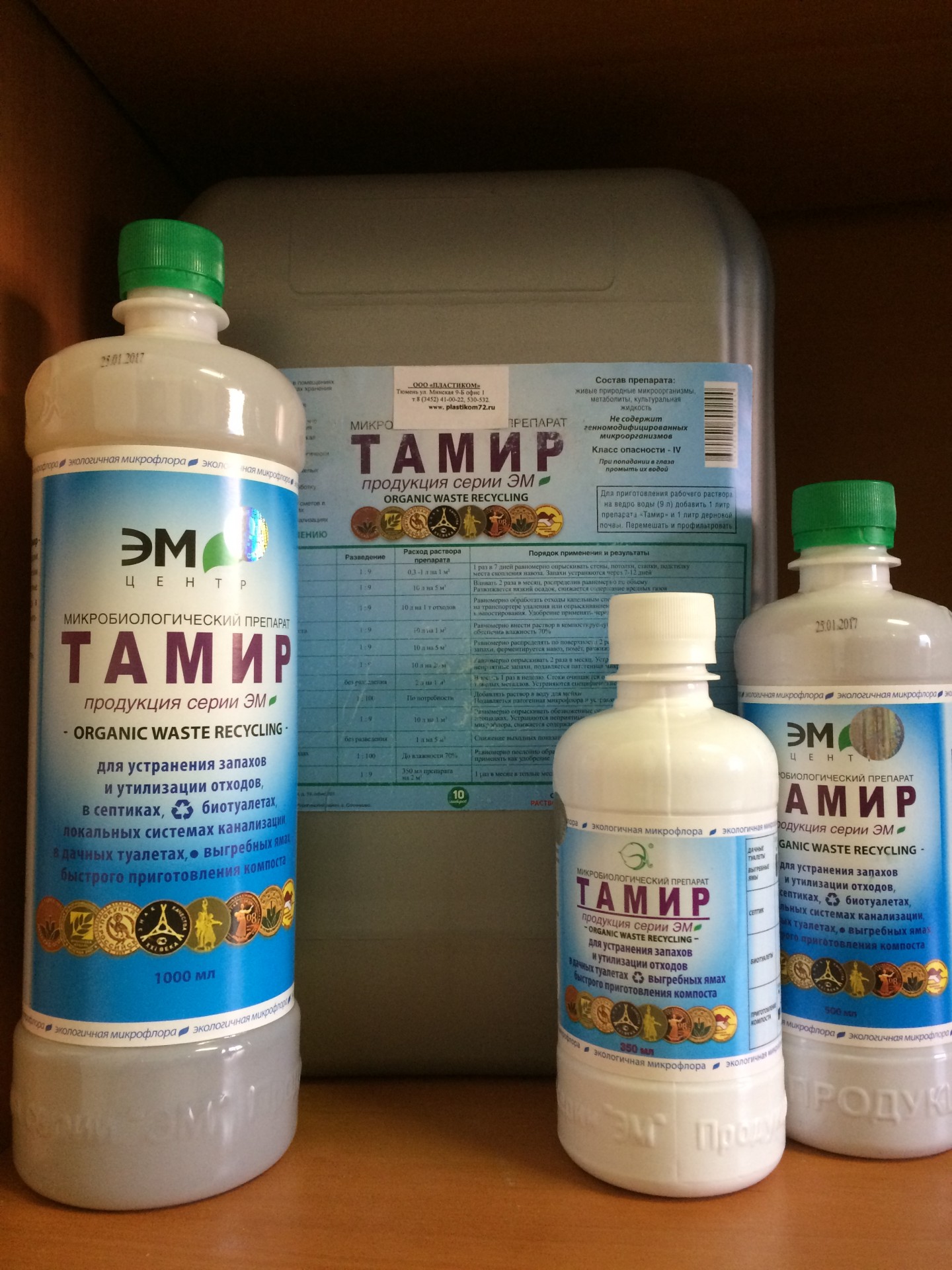
On the market of biological products developed for cleaning country toilets, there are many antiseptic and deodorizing agents from different manufacturers. The principle of their action is similar, and the methods of application, if they differ, are very insignificant. In each case, you should follow the instructions posted by the manufacturer on the packaging of the biological product.
Polish biopreparation "Saneks"
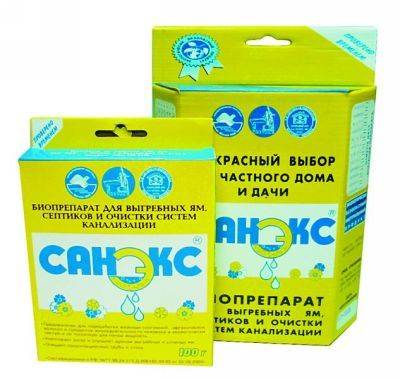
Summer residents should pay attention to the Polish Saneks biological product, produced in the form of a reddish-brown powder with a subtle smell of yeast. Before use, this antiseptic for a country toilet is dissolved in five liters of warm water, the temperature of which should not exceed 40 degrees. Water must be taken settled and not chlorinated, since chlorine kills living microorganisms
The amount of powder poured into the water is measured depending on the volume of the cesspool. Within half an hour, the solution is given time to swell, while stirring it periodically. After this time, the infused solution is poured into the cesspool
Water must be taken settled and not chlorinated, since chlorine kills living microorganisms. The amount of powder poured into the water is measured depending on the volume of the cesspool.Within half an hour, the solution is given time to swell, while stirring it periodically. After this time, the infused solution is poured into the cesspool.
Polish biopreparation Saneks for cleaning a country toilet, neutralizing a sharp unpleasant odor
This drug can also be poured directly into the toilet bowl, into the sink, etc. Subsequently, the next portion of the diluted drug should be added monthly in an already smaller amount, calculated according to the manufacturer's instructions.
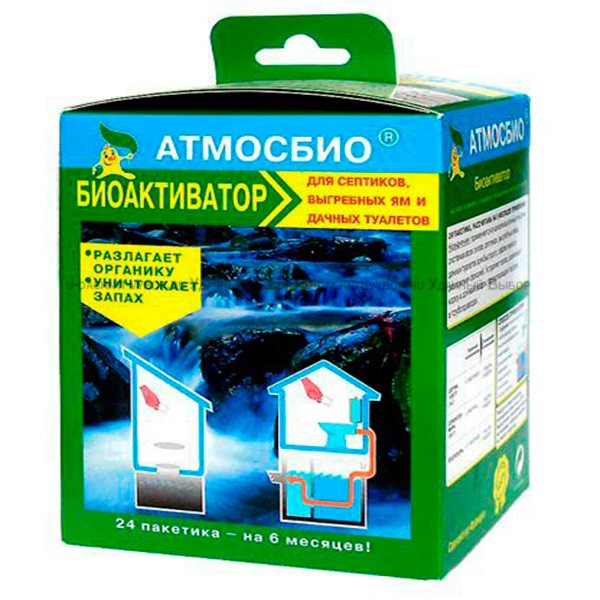
French biopreparation Atmosbio
This product effectively eliminates odor, helps to thin the crust and bottom sediment, significantly reduces the amount and volume of solid fractions, and prevents clogging of sewer pipes. Atmosbio is a compost activator. It is sold in 500-gram cans, designed for 1000 liters. The validity period is six months.
This biological product functions only in the presence of liquid. Re-addition of water may be required during the faecal processing process
The antiseptic is very easy to use. The contents of the jar should be poured into the country toilet, toilet bowl, cesspool and, if necessary, add water there.
Russian biological product "Mikrozim SEPTI TRIT"
This biological product, produced by the Russian manufacturer RSE-Trading, includes living strictly saprophytic microflora, as well as granules of natural enzymes, which contain 12 strains of soil microorganisms. If you use this drug regularly, then you can get an excellent bio-fertilizer from waste, which is useful in your summer cottage. If any chemicals are used, then the decomposed waste will have to be removed from the site and disposed of accordingly.
Before making this tool, up to three buckets of warm water are poured into the cesspool. In a humid environment, a faster colonization of the microorganism in the contents of the country toilet occurs, which speeds up the process of waste processing.
For a complete cleaning of a country toilet, in which the volume of a cesspool is 1-2 cubic meters. m, it is necessary to make 250 g of the biological product in the first month. In the following months, the rate of the drug is reduced by two to three times
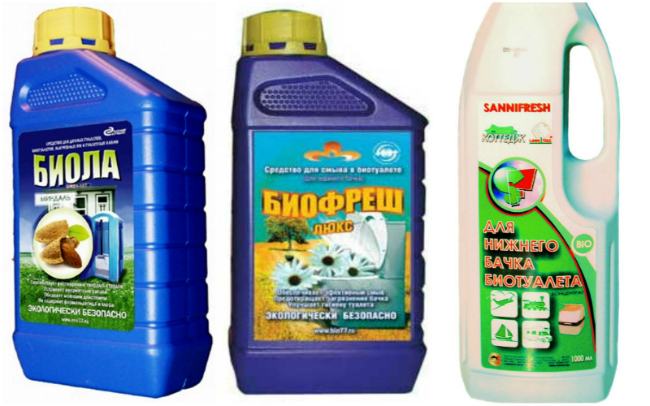
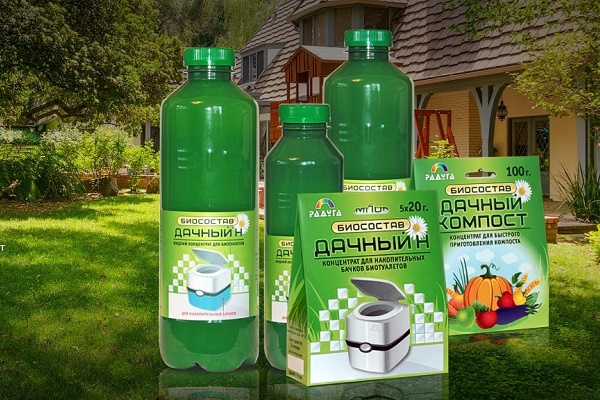
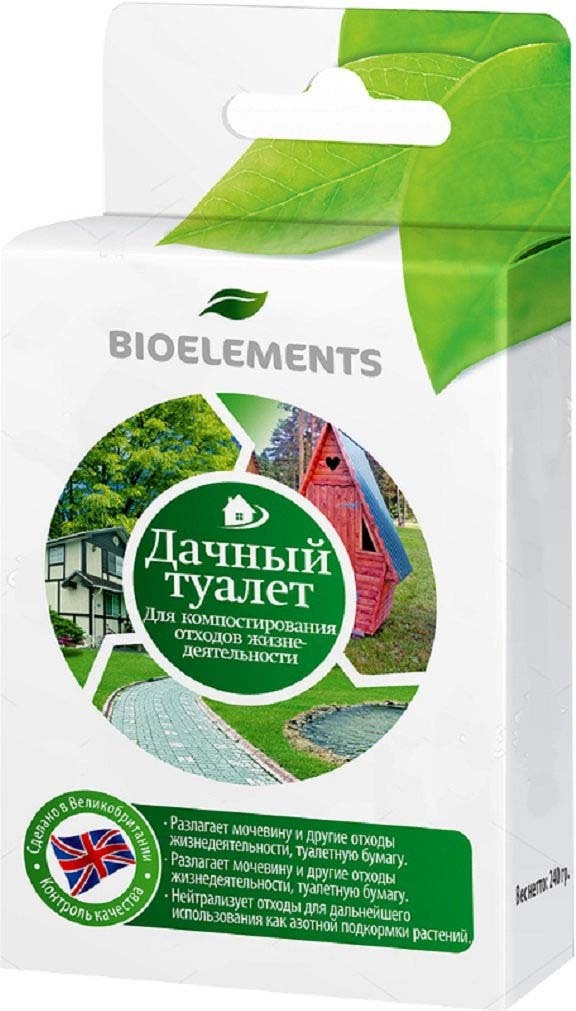
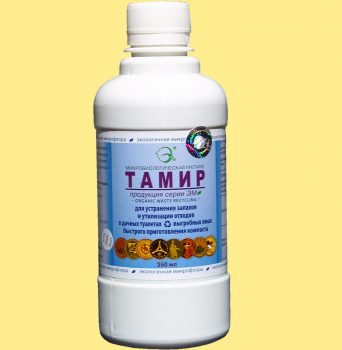
American biological product "Bio Favorite"
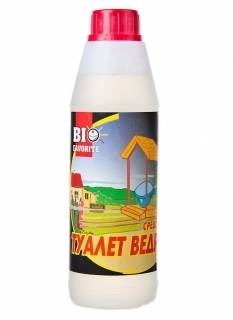
The liquid preparation, supplied from the USA to the Russian market, allows organizing effective care for latrines, septic tanks, country toilets. The specialized preparation Bio Favorite promotes the breakdown of fecal matter, paper, fats and other substances that end up in the cesspool. With the help of this tool, you can get rid of the unpleasant odor. One bottle contains 946 mm of liquid, which is enough for one year. Using the drug is nowhere easier. The contents of the bottle are poured once a year into a cesspool, the volume of which does not exceed 2000 liters.
Liquid biopreparation Bio Favorite, produced by an American manufacturer, effectively dilutes solid fecal matter, and also eliminates
The problem of waste disposal is acute all over the world. Every year, new tools are being developed to help address this issue in a positive way. If you do not know how to clean up a country toilet from waste, contact consultants in stores specializing in the sale of goods for summer residents.
How to use the bioactivator
Each manufacturer of bioactivators for cesspools describes in detail the technique for using the product. Consider the main recommendations:
- The greatest efficiency is achieved in conditions of temperature from 15 to 25 degrees Celsius. In the cold season, it is not advisable to use biological cleaners;
- If chemically contaminated water has been drained into the pit for some time, then it must be cleaned before using any preparation. To do this, the “infected” waste liquid is pumped out of it, clean water is poured;
- If the pit is stagnant and the drains in it have hardened, then before using the bioactivator, several buckets of clean warm water must be poured into the tank.
Most funds are ready for use immediately after purchase. You need to open the package and pour the contents into the waste tank. In some cases, to increase the efficiency of the mixture and speed up the process of processing waste liquids, it is necessary to mix the biological material with water.
Types of splitters

The industry produces splitters of three main types, fundamentally different in their mode of action:
- Ammonium. Cleavage occurs under the action of nitrogen. To do this, it is necessary that oxygen does not enter the tank. Human waste is broken down to its simplest components, an unpleasant odor disappears, they can be used for compost heaps in order to produce organic fertilizer;
- Formaldehyde. Substances that are poisonous and dangerous to humans, but they quickly disinfect waste. They are good for quick disinfection, for example, in toilets installed at public events;
- Biological. The most environmentally friendly way: anaerobic bacteria convert the waste into a safe substance, also suitable for fertilizer.This method was loved by summer residents and all environmentalists, but it has two significant drawbacks: the process is very long (at least ten days), and the cost of the product is high.
Ammonium splitters are mainly used in compact, portable dry closets. The cost of the product is about 250 rubles per liter, it lasts for three months. Formaldehyde breakers can only be used when the contents of the tank are poured into the central sewer. Therefore, in summer cottages, in country houses with local sewerage or without it at all, liquid cannot be used: this will poison the soil. Biological breakers can be used when the amount of waste is small so that they have time to be processed, or a large sewage tank is needed.
Why bacteria don't help
In the reviews, there are often indignations that the purchased product does not work in an outdoor toilet. There are many reasons. The most common:
- The expiration date has expired. Microorganisms cannot be revived in an old preparation. Even if some of the organisms awaken, their number is not enough.
- Violation of storage conditions. Often a common problem is not only the fault of the buyer. Funds wander through the hands of resellers, stored in unknown conditions. It is better to buy drugs in specialized stores.
- Fake. Often such a product is found on the market. Usually expensive products of foreign manufacturers are faked.
- Lack of water in the toilet pit. Bacteria only live in liquid. If the toilet has been used in the country for more than 5 years, the water has soaked into the ground. Microorganisms will never process solid masses unless they are covered with a layer of liquid at least 3 cm thick on top.
- Temperature mismatch. Bacteria live at temperatures from + 5 °C to + 45 °C. The best time to move in is spring. Favorable temperature for living organisms in early autumn. In summer, the air rarely warms up to the upper limit. However, working bacteria generate a lot of heat. If it is + 35 ° C outside, then inside the thick mass of waste the temperature can rise above 45 ° C, and the bacteria will die.
- The presence of chemical impurities. During the care of the toilet, cleaning products are used. Many of them contain chlorine. When a toxic substance gets into organic waste, living organisms die.
- Formation of a crust on waste. The bacteria in the toilet live as long as there is oxygen and there is liquid inside the pit. With a rare visit to the dacha, the toilet is little used. Water in the hot summer gradually evaporates, the waste from above dries up with a crust. If it has reached such a state, you will have to destroy a solid formation with a shovel. Water is added to the pit, a new portion of the product is poured.
- Alkaline environment. Such formation is observed inside the pits, where sewage has not been treated with biological preparations for more than 3 years. Living organisms love neutral or high acidity. Before bringing the product into the toilet, 1-2 bottles of vinegar are poured into the pit.
In order for any of the drugs to work effectively, it must be applied the next season after the toilet is installed in the country.
The video tells about the use of biological products for rural sewerage:
Factors that reduce the effectiveness of biological products
In some cases, the effectiveness of bioadditives may decrease:
- Irregular use of the sewer system.If no one will live in the house for a long time (more than two weeks), then it is recommended to resort to the use of special preservative additives. In this case, colonies of microorganisms will recover faster when the system is started.
- Pouring into the sewer of water that remains after washing the water filters. Such filters may contain manganese, which negatively affects the vital activity of bacteria.
- Use of detergents and cleaners containing chlorine. Such household chemicals are harmful to septic tanks, as the agent kills bacteria. For this reason, the use of such formulations should be avoided. Even better, make separate tanks so that drains from dishwashers and washing machines accumulate separately.
- Flushing down the sewer of drugs, especially those that have an antibacterial effect.
- Use in laundry detergents with antibacterial properties. Such washing powders are harmful to microorganisms. Therefore, if it is necessary to use them, you need to choose those supplements that can live in an aggressive environment.
The use of modern biological agents for septic tanks allows not only to improve the work of treatment plants, accelerating the decomposition process, but also to save money on the services of sewers. In addition, biological products are able to eliminate the unpleasant odor that is characteristic of autonomous sewer systems, and sometimes even use the purified liquid for technical purposes.
Purpose, types and composition
Antiseptics are special active compounds in the form of a liquid or powder, sometimes tablets, that accelerate the decomposition of fecal matter in a pit latrine, eliminate unpleasant odors and kill pathogens. There are two main types of such compositions:
- chemical;
- biological - bioactivators.
Chemical preparations are made on the basis of:
- chlorine compounds;
- formaldehydes;
- ammonium or nitrogen compounds.
The strength of chemical antiseptics for the toilet can be considered the possibility of their use at any temperature, including negative ones, in addition, they have a fairly quick effect and well neutralize putrefactive microorganisms, which prevents the occurrence of stench.
Despite this, the use of such products today is significantly reduced, since they are very toxic, and the waste processed by this method is unsuitable for use as fertilizer - they must be pumped out with a sewage machine and disposed of in a special way.
Toilet sewage treated with nitrogen antiseptics is liquefied and disinfected, and the resulting porridge can be used to make compost.
Bioactivators are biologically active compounds from microorganisms and the enzymes that feed them. The composition of the microflora is selected in such a way as to obtain an environmentally friendly, natural process for the processing and disposal of waste discharged into a cesspool.
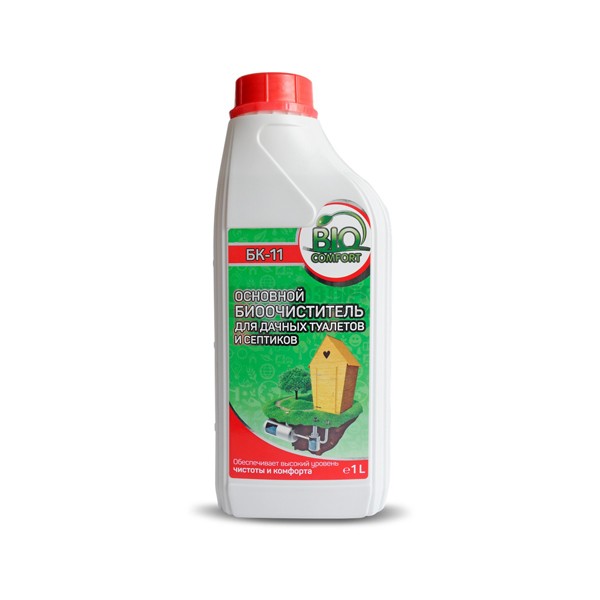

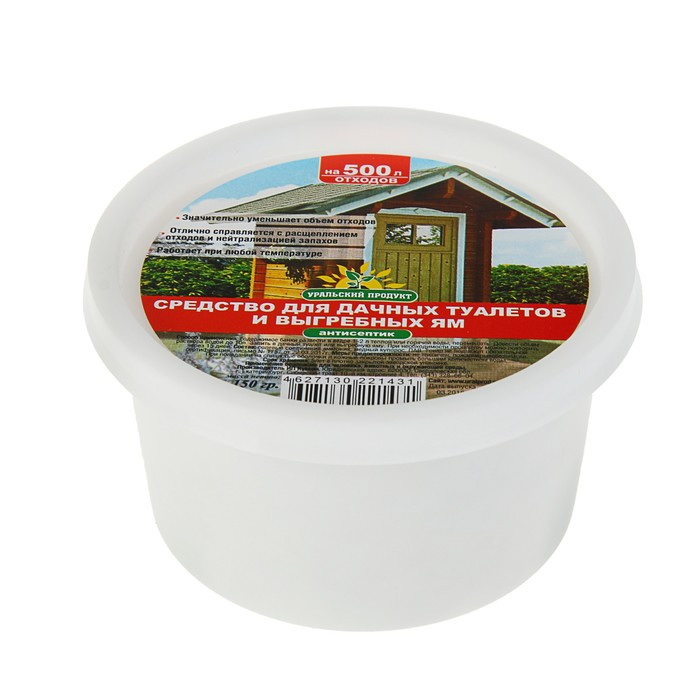

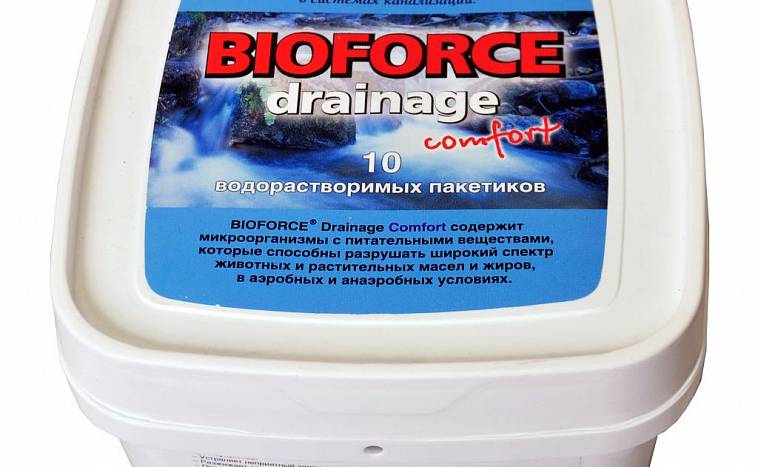
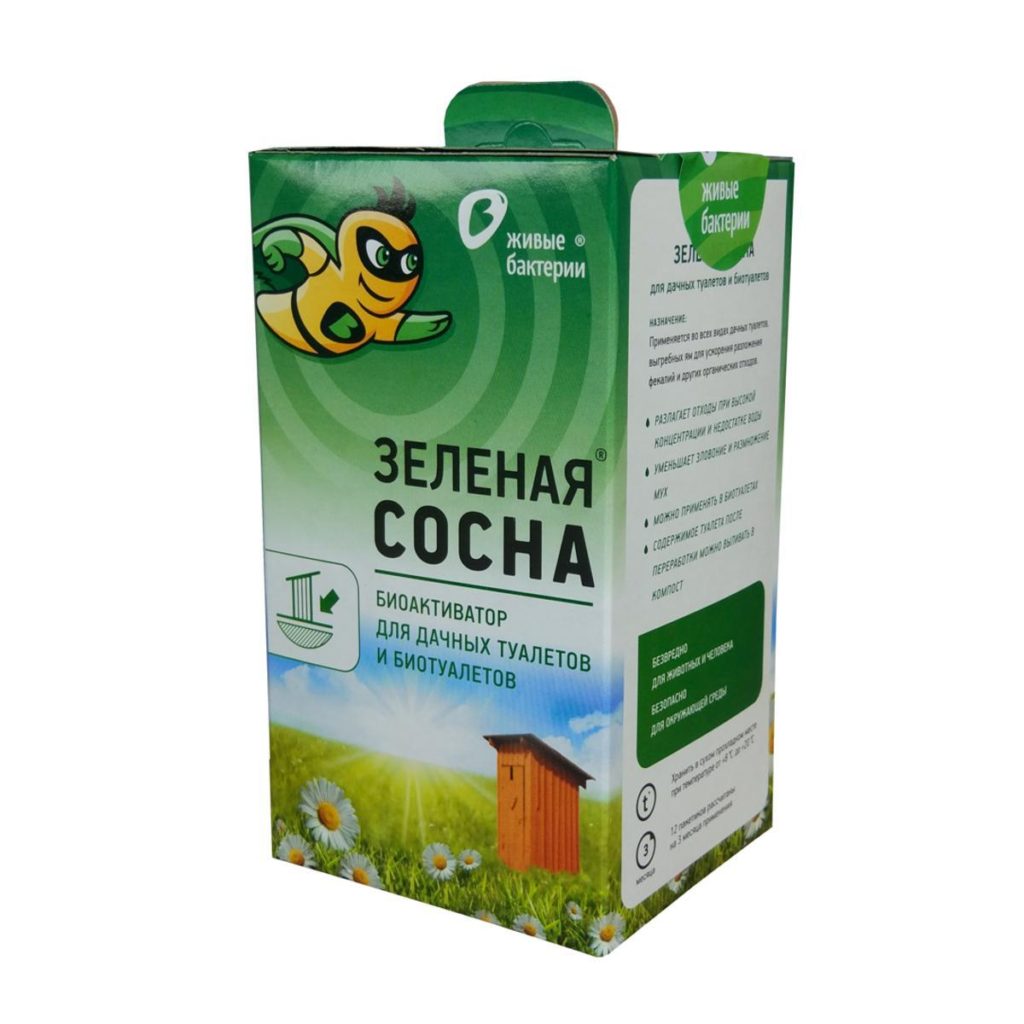
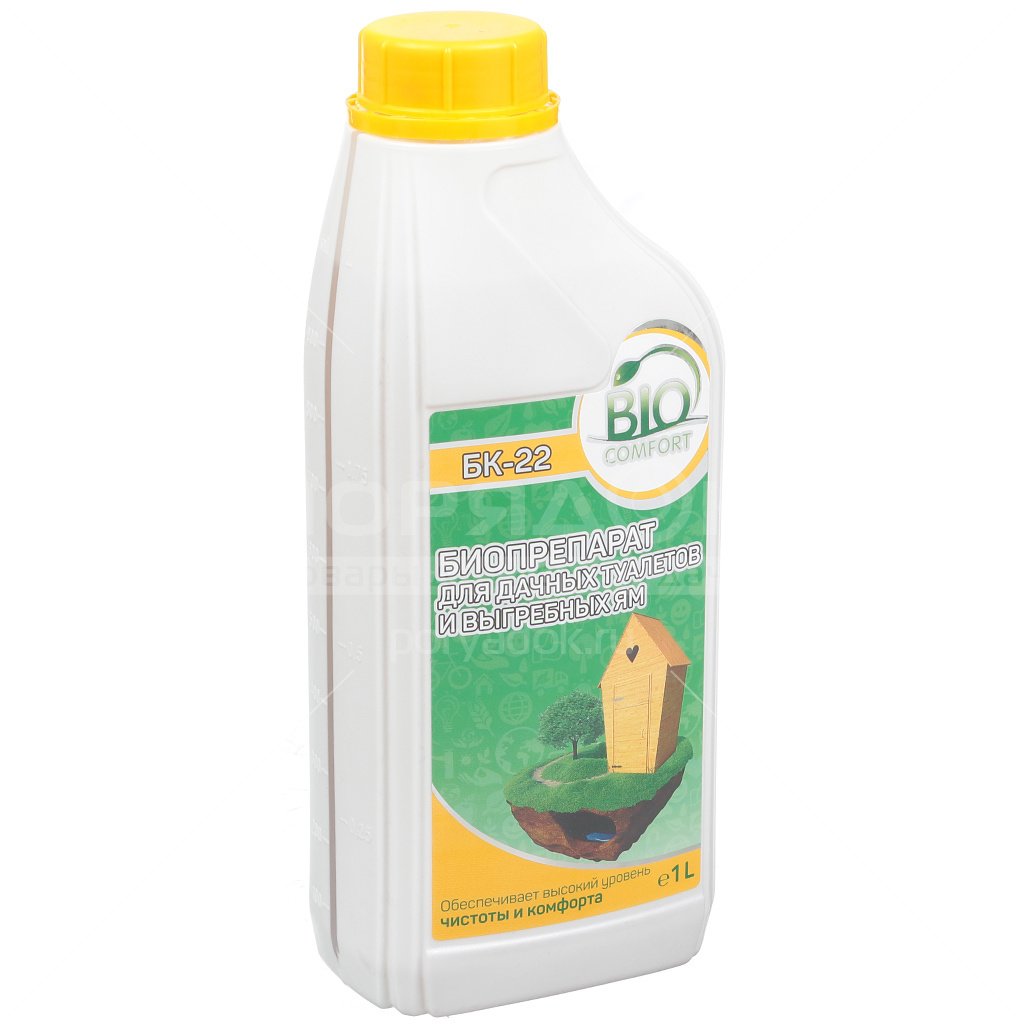
The composition of such drugs includes:
- Aerobic microorganisms that require the presence of oxygen for their life.
- Anaerobic bacteria that feed on carbon dioxide from decaying organic waste.
- Enzymes are substances that control the rate of biochemical reactions and are a catalyst for the process.
- Enzymes are substances that significantly increase the rate of decomposition.
The essence of the work of such antiseptics is reduced to the natural biological cycle of specially selected microorganisms, which, getting into a favorable environment, actively multiply and feed on the waste of a country toilet.
At the same time, the process of decomposition of sewage into lighter and liquid fractions takes place, some of which are freely absorbed into the soil without polluting it. The use of such antiseptics significantly increases the periods of necessary pumping of the pit and minimizes the likelihood of stench.
Advantages of bioactivators:
- environmental friendliness;
- lack of smell;
- when used correctly, the result of processing is a liquid slurry that can be used as fertilizer for beds;
- no need for frequent pumping of the cesspool - the bacteria themselves will process and dispose of everything.
Such antiseptics also have significant disadvantages:
- these drugs are used at temperatures not lower than +3 degrees, otherwise the microflora dies and instead of a beneficial effect causes decay and an unpleasant odor;
- rather high sensitivity to the presence of chemistry - its presence at least slows down the processing process, and often completely kills bacteria;
- difficulty in preparing the composition - the concentration of bacteria per unit volume of processed waste must be strictly according to the instructions, otherwise, instead of a beneficial effect, you will get active decay, stench and reproduction of pathogens.
back to contents



