
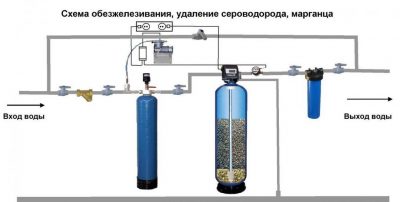
- general information
- Ways to purify water from iron
- Reverse osmosis
- Ionic way
- Chemical method (oxidative)
- Removal of ferric iron
- Biological method of iron removal
- Reagent-free cleaning
- Ozone cleaning
- Aeration
- Home cleaning without filters and installations
- Description of species
- Standard
- extended
- Microbiological
- What is it needed for?
- Installation of a water treatment system
- How to determine which method is needed?
- Features of the analysis
- How to do an analysis?
- In the laboratory
- At home
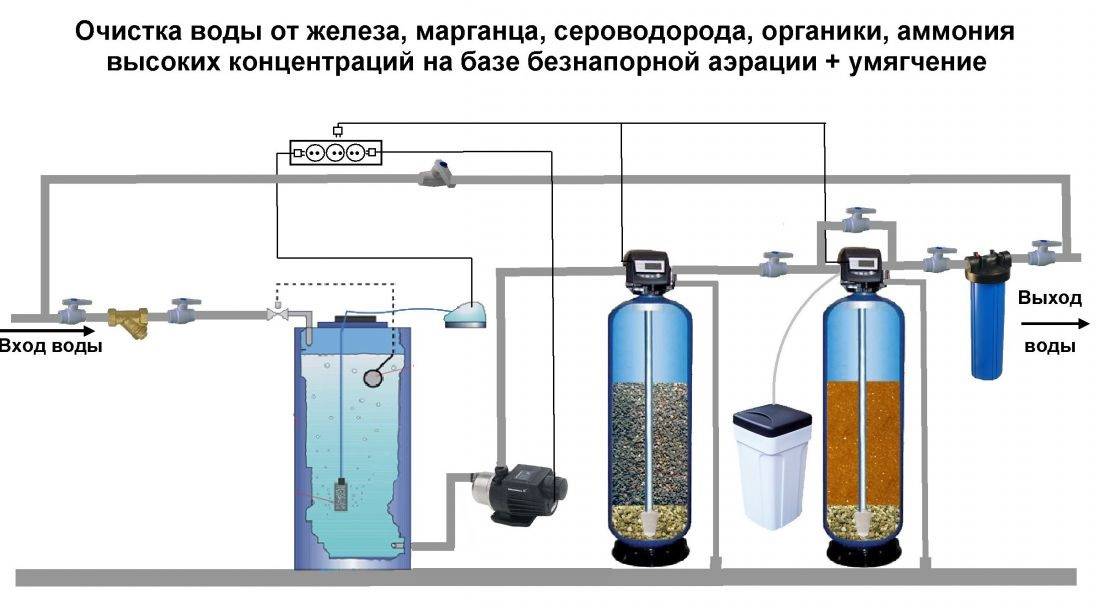
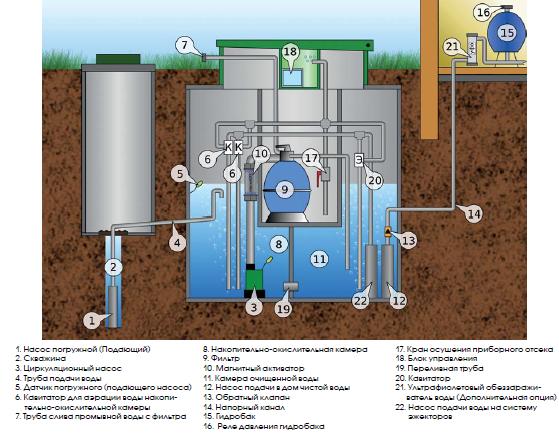
- Well water treatment schemes
- Water purification from iron
- Water purification from sand
- Water purification from lime
- How is water analyzed?
general information
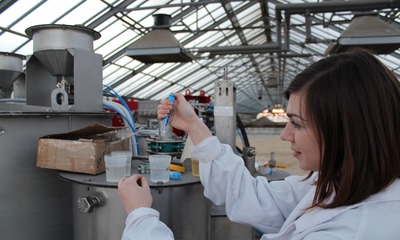 Analysis of raw wastewater helps to identify the type and amount of impurities, the degree of contamination.
The resulting data is used to select a treatment method before reuse or discharge into a receiving water body.
An analysis of the enterprise's effluents will reveal the degree of water pollution after the production cycle, show whether it can be reused or used for technical purposes.
In addition, the study of enterprise effluents is used to assess the quality of work:
- sewer systems,
- cleaning and sanitation,
- the performance of the system as a whole.
The purpose of wastewater analysis is to take care of human health, protect the environment from the negative effects of pollutants.
A study of the composition of wastewater is required to be carried out by any enterprise that discharges them into the city sewer, to the treatment facilities of Vodokanals, to local treatment facilities, to the relief. The frequency depends on the type of business entity and is described in the legislative norms governing the rules for conducting its activities.
GOST 31861–2012PND F 12.15.1-08
The test is mandatory for the following organizations:
- metallurgical;
- gas stations and car washes;
- chemical, including paint and varnish, construction;
- printing;
- Food Industry.
Owners of private households, apartments are not required to order a study of drains. But it is recommended to carry out an analysis in cases where water is taken from own wells and when installing volley discharge septic tanks.
Ways to purify water from iron
Since iron impurities in water are a common problem, a large number of effective treatment methods have been devised against them. There are also industrial cleaning methods, and devices for apartments and private houses.
Reverse osmosis
The most effective method for removing iron-containing impurities. Can remove ferrous and trivalent iron.
The flow of water passes through a fine-membrane membrane. The holes in the membrane are so large that only water molecules pass through. Due to the larger size, iron impurities cannot pass through the pores and remain on the grid, after which they merge through the drainage (the grid does not clog).
Ionic way
Filtration method that removes iron, manganese, calcium.The filter uses an ion exchange resin that replaces iron with sodium and softens the water.
Disadvantages and features:
- the filter can only be used at metal concentrations up to 2 mg/l;
- the filter can be used if the water hardness is above normal;
- The filter can only be used for water that is free from organic matter.
Chemical method (oxidative)
The method is usually used only in industrial water treatment plants.
For cleaning, chlorine, oxygen, ozone and potassium permanganate are used. These oxidizers convert iron to trivalent iron, which is then precipitated and removed.
For apartments and houses there is a simplified filtration system - catalytic. Magnesium dioxide is used as a neutralizer, which oxidizes iron-containing impurities and accelerates their precipitation.




Removal of ferric iron
Most systems are designed to clean the liquid from ferrous iron.
Against trivalent impurities, ultrafiltration membranes with a cell size of 0.05 μm (micron) are used. The membrane retains impurities, which are then removed to the drain by backwashing.
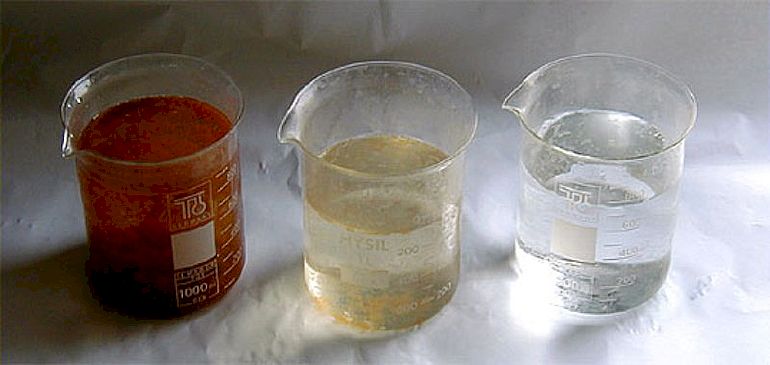
Biological method of iron removal
Designed to remove iron bacteria. They are usually found in water at iron concentrations in the range of 10-30 mg/l, but may appear at lower levels.
To remove them, the water is treated:
- chlorine or chelating agents;
- bactericidal rays.
Reagent-free cleaning
The principle is based on the interaction of MnO2 with iron: during the reaction, an insoluble compound is formed that precipitates. For cleaning, filters with membranes containing manganese oxide are used. The membranes need to be cleaned periodically.The filters also have an auto-flush function that flushes accumulated particles down the drain.
Ozone cleaning
A generator set is used for filtering. Inside it, oxygen is cooled to +60º, dried, and enters the ozone generator. Then the resulting gas passes through the water stream, purifying it from iron and enriching it with oxygen.
Aeration
The method is based on the effect of oxygen. Pressurized air is supplied to the water tank from the well.
Oxygen oxidizes ferrous iron, causing it to precipitate, which is then washed off into the drain.
Aeration systems are relevant at low iron concentrations (up to 10 mg/l).
Home cleaning without filters and installations
If you need to clean a small amount of water from iron (a bottle, for example), you can proceed according to the following scheme:
- Let the water stand for at least 1 night. Impurities will settle to the bottom, after which the water will need to be filtered through a fine mesh.
- Boil the strained water.
- Freeze a container of boiled water.
After that, the water will get rid of most impurities and become more drinkable, even if it previously contained a high concentration of iron.
If additional purification is needed, activated charcoal can be used. It must be wrapped in cotton wool and used as a filter: pass water through it.
Description of species
All methods of analysis are divided into groups that differ in the complexity of the process, the use of one or another equipment, and also in price.
Standard
Its main purpose is the comparative assessment and determination of each of the 20 basic indicators. The main among these markers will be turbidity, hardness, alkalinity, permanganate oxidizability, the content of a number of elements (magnesium, potassium, ammonium, iron, etc.).This analysis determines the content of oil products, as well as nitrates and nitrites in water.
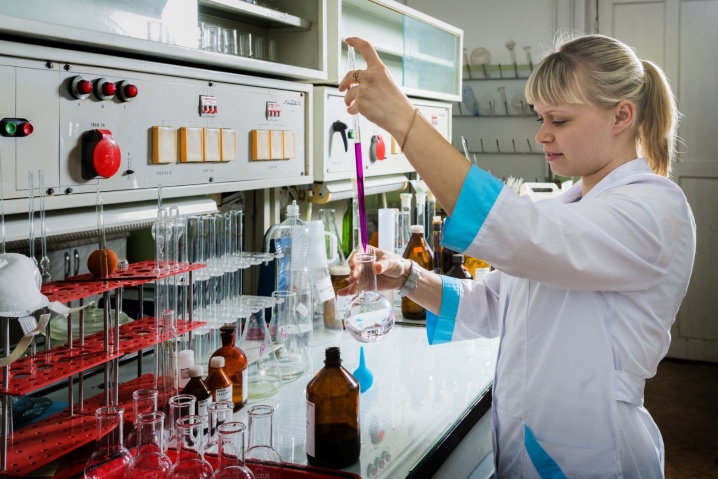
extended
To make the check more detailed, an advanced analysis is carried out, which already measures 30 indicators. In addition to the set of tests that is included in the standard examination, the extended block checks the concentration of cadmium and manganese, arsenic and mercury, selenium, lead, molybdenum, etc.
Microbiological
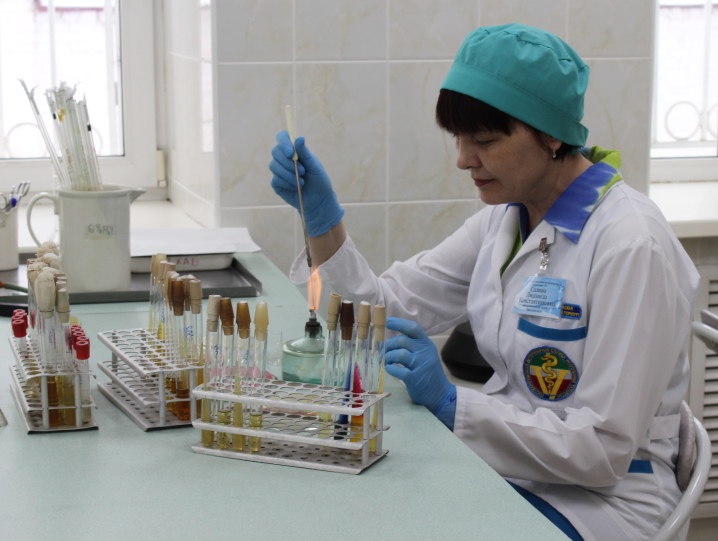
Determines if there are pathogenic and indicator microorganisms in the water. In particular, this diagnostic will determine the presence of Escherichia coli, fecal bacteria in the fluid, and will also reveal the total microbial count.


At the request of the client, bacteriological, radiological, complete chemical analysis of water can be carried out. Almost always, the level of hydrogen activity and the level of its rigidity are checked, they are compared with the SanPiN indicators.
Separately, it should be said about the organoleptic test. Water in this case is tested for smell, taste, color and turbidity. Turbidity often becomes a sign of the presence of suspensions of sand and clay in it, as well as algae, plankton (from biological to bacterial and zoological). The smell and taste will tell you whether there are live fungi and mold microorganisms in the water, whether there is rotting organic matter, heavy metals, sulfur- and iron-containing bacteria, etc.
What is it needed for?
The analysis has at least 4 clear goals. If you conduct an examination once a year, you can be calm about the state of the water and your own health.
Why test your well water?
- water quality will be assessed by objective, measurable parameters;
- indicators that can be adjusted will be determined;
- drinking water needs to be diagnosed, and only after a diagnosis is made, “treatment” can be prescribed to optimize its composition;
- the installed filter system and other cleaning equipment will be assessed.
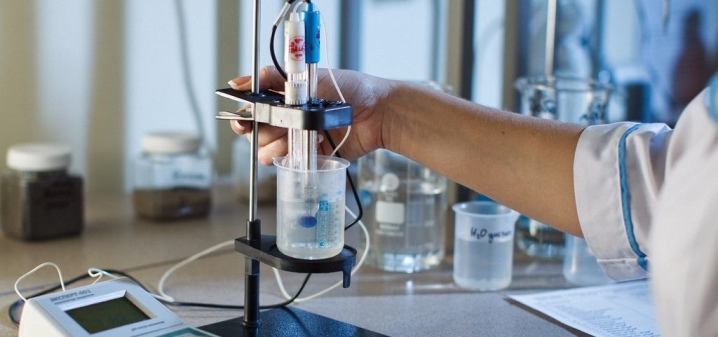
Usually, a potability test is required if the site with the well is newly acquired. It is definitely worth doing an analysis if the quality of water has changed: color, taste, smell. If a man-made emergency occurs relatively close to the well, the need for analysis is also obvious. When building an industrial facility nearby, expertise will also not be superfluous.
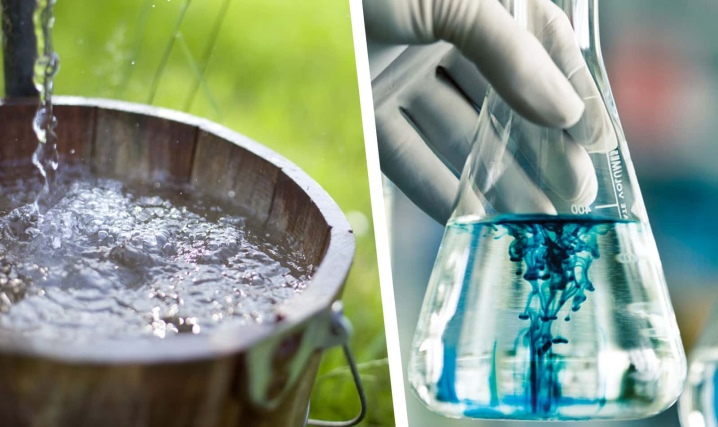
An analysis that is carried out once a year is an average norm. But the quality of water, alas, can literally change urgently. Anything can affect this: drought, chemical waste discharge, sewage ingress, etc. True, this may not always quickly affect the taste of water and color. We must remember about the norms of sanitary protection of the well.
The requirements for the quality of drinking water are established by the standards, spelled out point by point, and all of them will be a guideline during the analysis. The customer himself can request an analysis due to poor filtration (if it seems to him that the system is not coping and a different filter needs to be selected), if sand is found in the water, if its taste has changed, etc. But even without such “complaints”, the analysis can be a useful test.
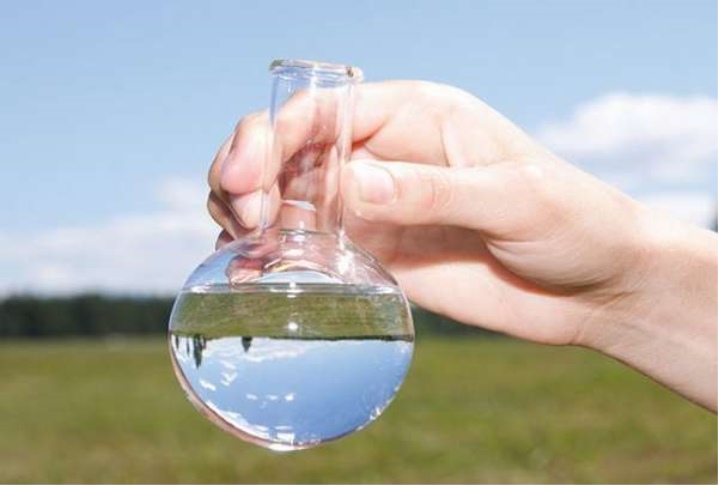
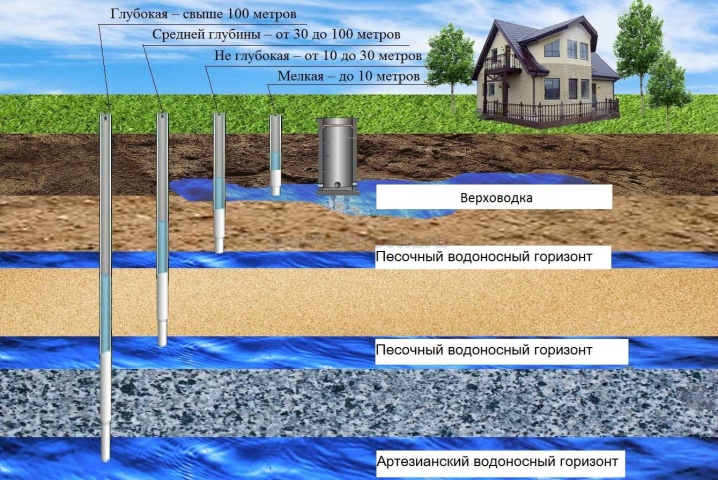
It should be noted that the result of the analysis depends on the depth of the well. Surface water is called springs, the depth of which does not exceed 20 m - they are under direct external influence, they contain bacteria brought by rains and runoff. Examination will reveal nitrates, silt and traces of fertilizers in such material.Wells up to 5 m deep can be used only for technical needs, the analysis of minerals in such water will show a minimum amount.
Wells up to 30 m deep also have low salinity, but a lot of iron, chlorides and nitrogen - an extended analysis (chemical and bacteriological) is required. At a depth of 30 to 70 m, the amount of calcium and magnesium salts in the water increases (its hardness increases), as well as iron sulfates. Based on the results of the analysis, hydrogen sulfide bacteria can also be found.
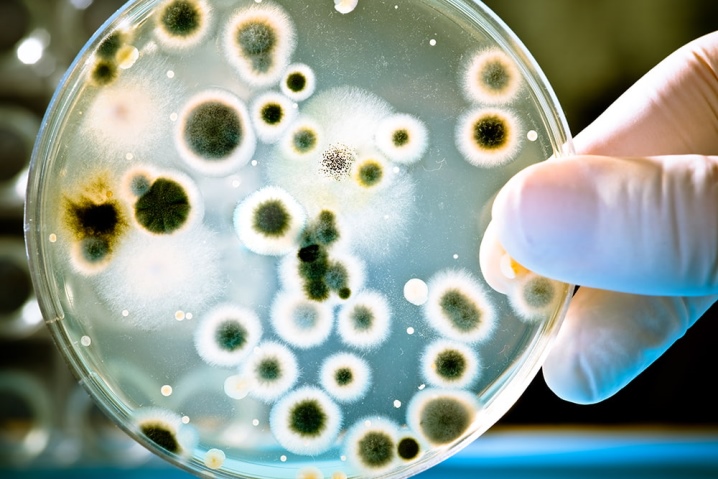
Finally, wells 100 m deep or more are artesian. The water is filtered by gravel, sand and clay. This is the purest water. The analysis will reveal in it a minimum of phosphorus, nitrogen, hydrogen sulfide, natural bioimpurities and a high amount of metal salts.
Installation of a water treatment system
A properly designed and well-assembled iron filter circuit will provide you and your family with clean water and keep you healthy.
When designing and building a water treatment system, it is necessary:
- determine the volume of water to be purified per unit of time;
- make a vertical section of the soil at the location of the well;
- issue permits for carrying out hydrogeological works;
- make a calculation of the cost of works and equipment;
- purchase the necessary equipment for the water treatment system and the required number of plastic pipes, taking into account the depth of the well;
- provide convenient vehicle access to the work site.
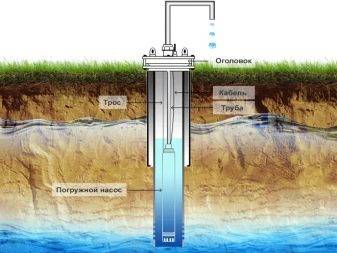

After the well reaches the aquifer, it is necessary to determine the flow rate of the well and make a chemical analysis of the water. At the slightest doubt, to additionally produce ultrasonic logging of the well - an analogue of ultrasound for a person.This will help avoid embarrassing mistakes and miscalculations made during drilling operations, as well as help to make an informed decision about moving the well to another location in case of failure.

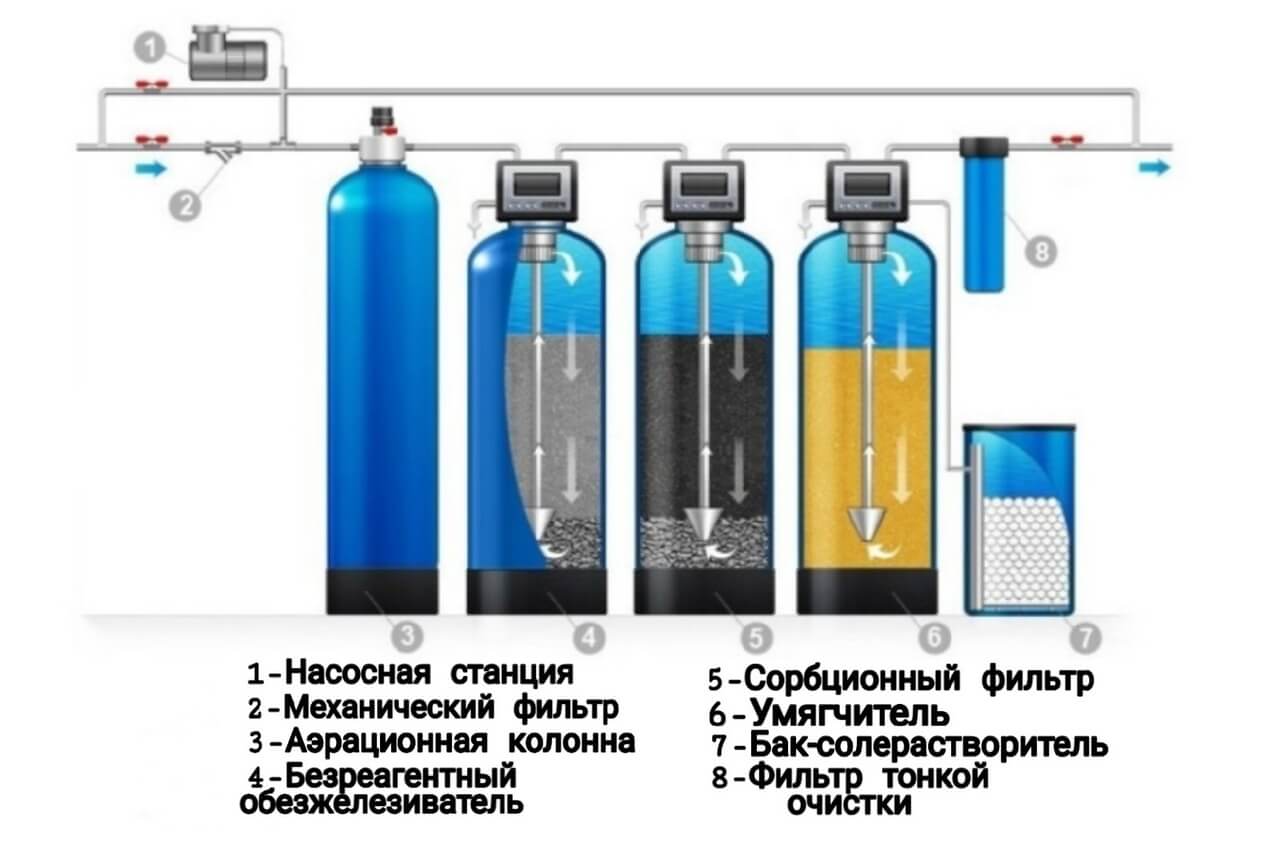


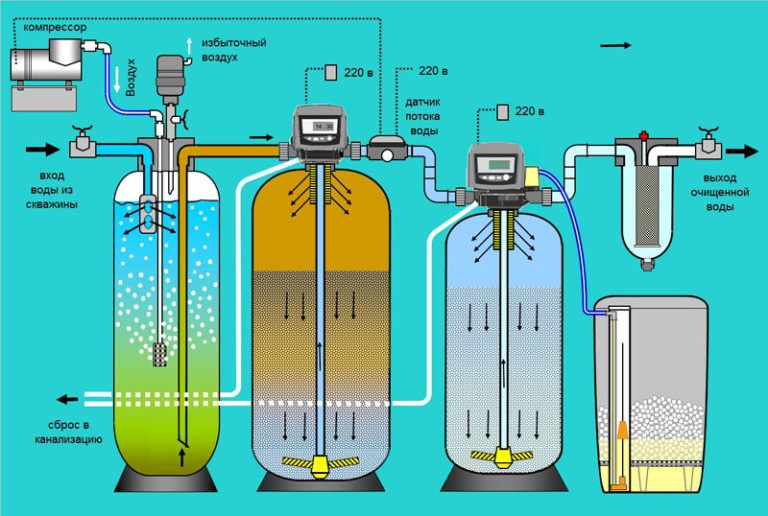


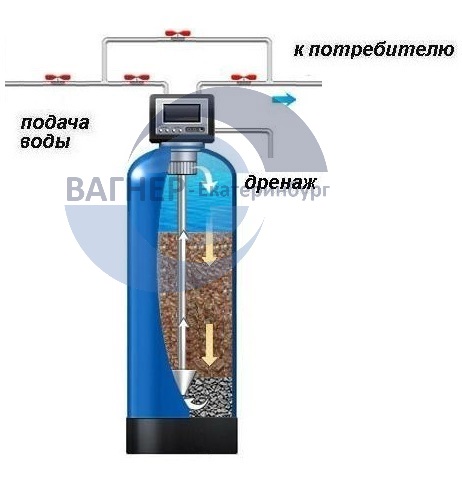

In order for the system to be able to purify water, it is necessary to assemble it with your own hands, the availability of components without marriage, which will make it possible to guarantee high-quality and durable work. It is necessary to control the absence of water leakage at the joints and reliable insulation of the current-carrying parts of the pump. Care must be taken to ensure that the joints of the plastic pipes are sealed with rubber gaskets installed or filled with silicone sealing grease.

After the first start of the installation, it must be washed with water in the amount of 40-60 liters. If there is activated carbon in the system, it is necessary to flush the system until the fine black powder disappears in the water. During operation, it is recommended to adhere to the schedule for replacing filter elements. Remember - people's health depends on the quality of the cleaning system.
How to determine which method is needed?
The choice of analysis methodology is determined by the origin of wastewater, the characteristics of the source:
- Domestic wastewater has a large amount of organic matter and surfactants that enter the drain as a result of domestic water procedures. They need a general determination of the composition of water, microbiological and chemical analysis.
- Industrial effluents are saturated with chemical solutions and carry solid mechanical particles. This requires physicochemical analysis using appropriate techniques.
- Stormwater runoff is characterized by the presence of oil products, salts of heavy metals, or emissions from nearby enterprises obtained as part of washouts from the upper layers of the soil.Physico-chemical, radiological methods are used here.
Features of the analysis
If you do not know where to test the water from the well, then it is best to contact a special laboratory. Sampling for analysis can be performed by both laboratory workers and you yourself. If you do it yourself, then try to adhere to the following sampling rules:
- For sampling, it is better to use a clean plastic or glass bottle with a capacity of at least 1.5 liters.
- Containers from alcoholic and sweet drinks are not suitable for these purposes.
- The container after taking the liquid is tightly sealed.
- Before sampling, the water from the well is drained for 5 to 30 minutes.
- The liquid is poured into the bottle very carefully, along the wall, to avoid oxygen saturation.
- If it is not possible to immediately take the sample to the laboratory, then you can store the container with water for only two days in the refrigerator.
- The following data are indicated on the water container: the place where the liquid sample was taken, the time and day of sampling, the type of source.
As a rule, you can check the water from the well in such places:
- In the sanitary and epidemiological service.
- In the laboratory of the water utility.
- In an organization that sells various filters. They will also help you choose the right filtering device, based on the results of the analyzes.
- In an independent licensed laboratory that has passed state accreditation.
The review usually takes a couple of days. It all depends on the level of equipment of the laboratory. At the same time, the timing of the verification also depends on the number of components being checked, that is, the type of analysis. So, there are such types of analyzes:
- Abbreviated analysis by main groups of components.
- Full analysis.
- Directed analysis. It detects the presence of only some contaminants.
If you need to draw conclusions about the suitability of water for drinking, that is, to check its quality, then it is quite enough to order an abbreviated analysis of the aquatic environment.

How to do an analysis?
For research, they usually turn to large specialized laboratories. Their task is to offer the customer options for tests, to inform about the appropriateness of each of them. The client's task is to determine which research is most relevant to him. Further, a contract is drawn up with the prescription of all important stages. The contract specifies the following points: what document will be issued by the authority based on the results of control, what tests will be carried out, how much the work costs and when to expect the result.
In the laboratory
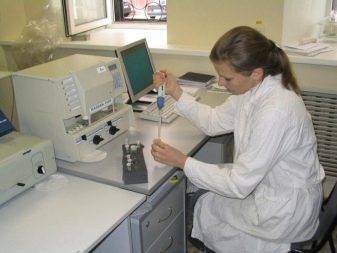
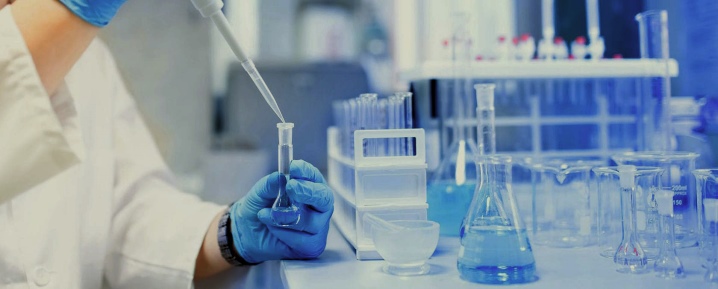
Most of the tests are carried out in the laboratory, this is natural. And the laboratory assistant usually takes a sample of water for examination himself, so as not to violate the very procedure of taking. If for some reason the customer is asked to take water personally, this must be done correctly.
Features of self-sampling.
- Prepare a container up to 2 liters (1.5 is possible), it would be nice to have a special one. But a soda bottle, thoroughly washed, is also suitable.
- If water is taken from the tap, it must be allowed to drain for about 10 minutes.
- The container is filled with liquid to the brim, you need to keep it 2 cm from the tap (the container does not touch the tap).
- The container is tightly closed with a lid, there should be no room for air to enter.

Ideally, the water intake point should be the first from the well - the analysis will be more accurate.The container with the taken material is sent to a dark bag, it should not even be exposed to ultraviolet radiation for five minutes. Water should be handed over to the laboratory within 2, maximum 3 hours. If the analysis is radiological, you will have to collect 10 liters of water.
What is indicated in the decoding of the analysis.
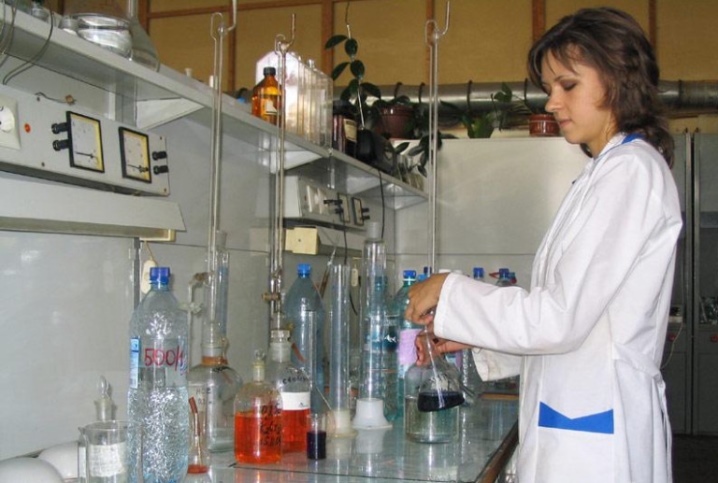
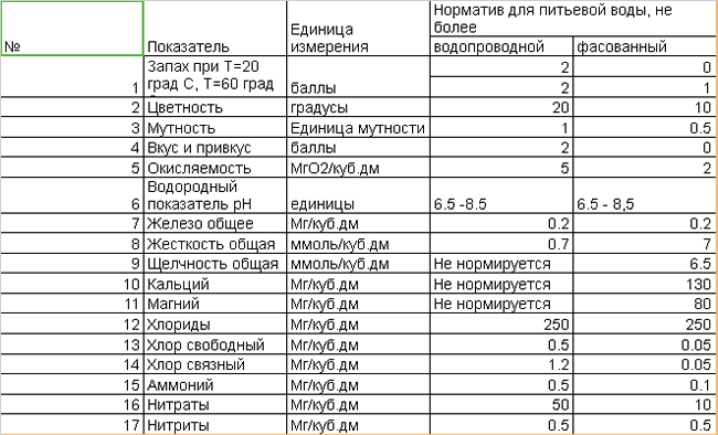
- The number of identified substances. Next to it will be a standard indicator, based, among other things, on WHO recommendations.
- Hazard classes of elements. For example, 1K is extremely dangerous and 4K is moderately dangerous.
- indicators of toxicity. They are designated as “s-t”, it will not be difficult to decipher this item even for a non-specialist.
Today, laboratories are improving the diagnostics and the description of its results, too, so that the customer can not only see some digital values in front of the measured indicators, but can also compare them with the norm options.
At home
It turns out that this is also possible. True, a do-it-yourself laboratory study differs significantly from a laboratory study, but still there is some degree of information content in it. That is, you can definitely do it yourself.



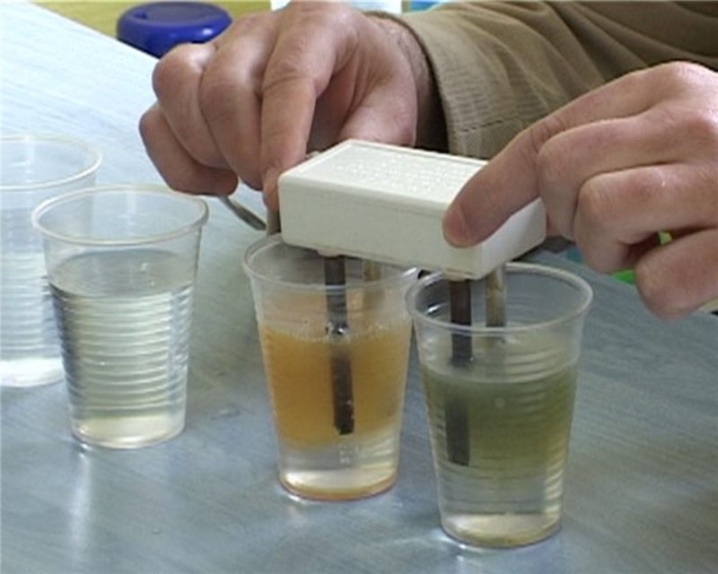
The sampling of water in the house is carried out in the same way as if the customer himself took it for transportation to the laboratory.
What can be determined in home analysis:
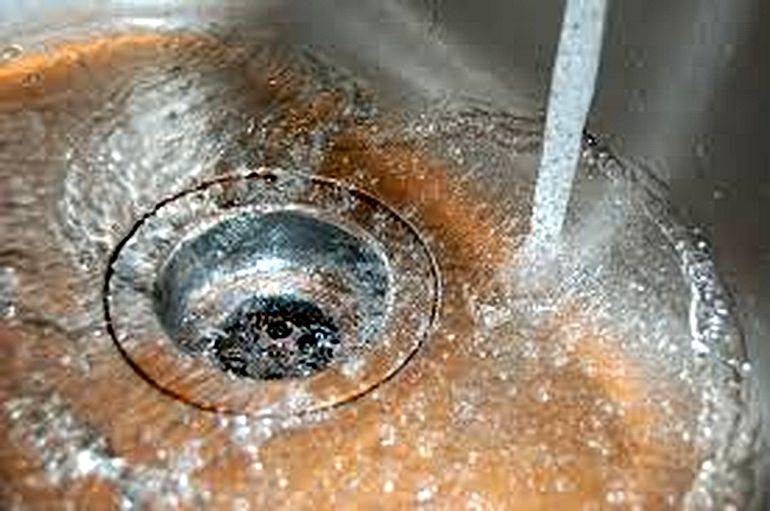
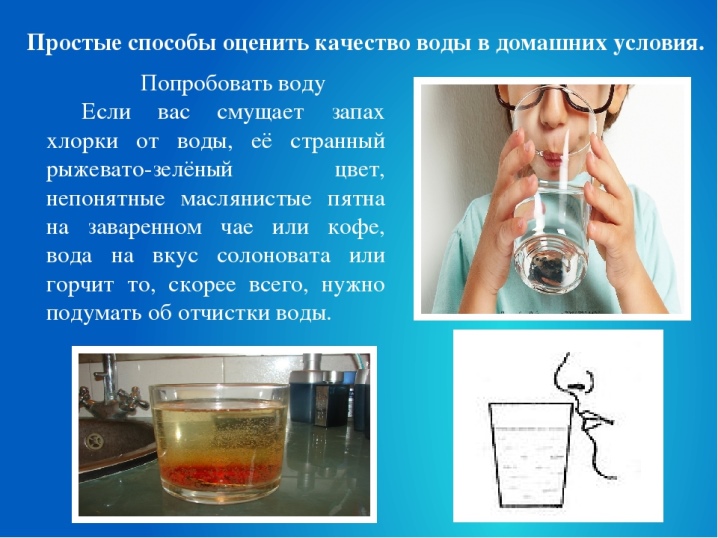
- if its color is noticeably brown, and the taste is metallic, the content of iron oxides in the water is exceeded;
- if the color of the water is grayish, then there is a lot of manganese in the liquid;
- if the water tastes brackish, it means that there are too many mineral salts in it;
- if drinking is constantly accompanied by a slight tingling in the mouth, it means that there are a lot of alkalis in the water;
- a rotten smell is a direct indicator of hydrogen sulfide.
Well, if scale quickly collects in the kettle, and there is a lot of it, and without analysis, you can say that the water is too hard. By the way, the taste of water can be determined only when it is heated (from 20 to 60 degrees). The water is bitter, which means that there is an excess of magnesium salts. If, on the contrary, it is sweet, it contains gypsum.
You can purchase a special set of litmus papers that expands the possibilities of home research. Aqua tests have recently become popular, because they are available, inexpensive and quite informative. Feeling like an explorer is also nice.
It is necessary to conduct an analysis in order to remove the threat from your health, at least in terms of drinking water. If, for example, a person drinks water with an increased amount of iron for a long time, this will affect his body. It will not be completely removed from it, it will begin to accumulate in the tissues and over time can cause endocrine pathologies, liver diseases, the development of allergies and the deterioration of intellectual functions. And this is only one negative aspect of the state of water, which can be checked by analysis.
For more information on how to conduct water analysis from see the wells in the next video.
Well water treatment schemes
Water purification from iron
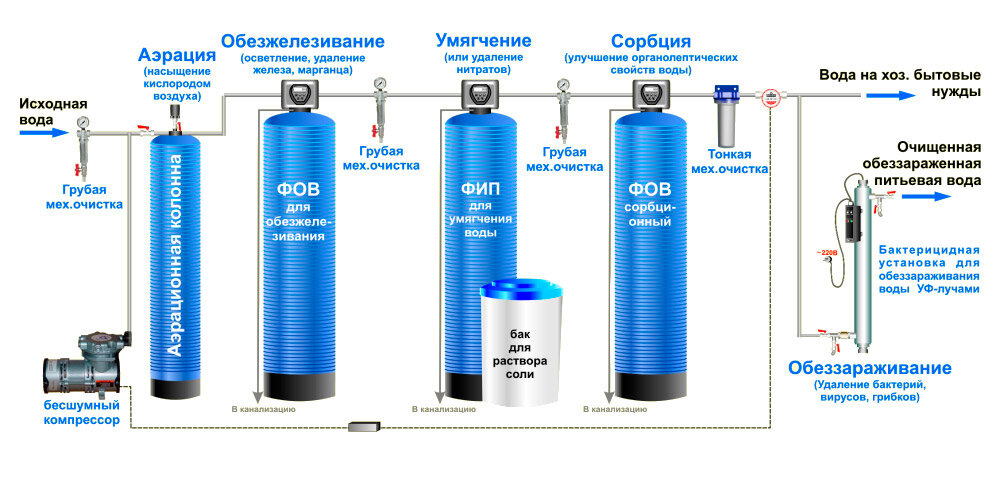
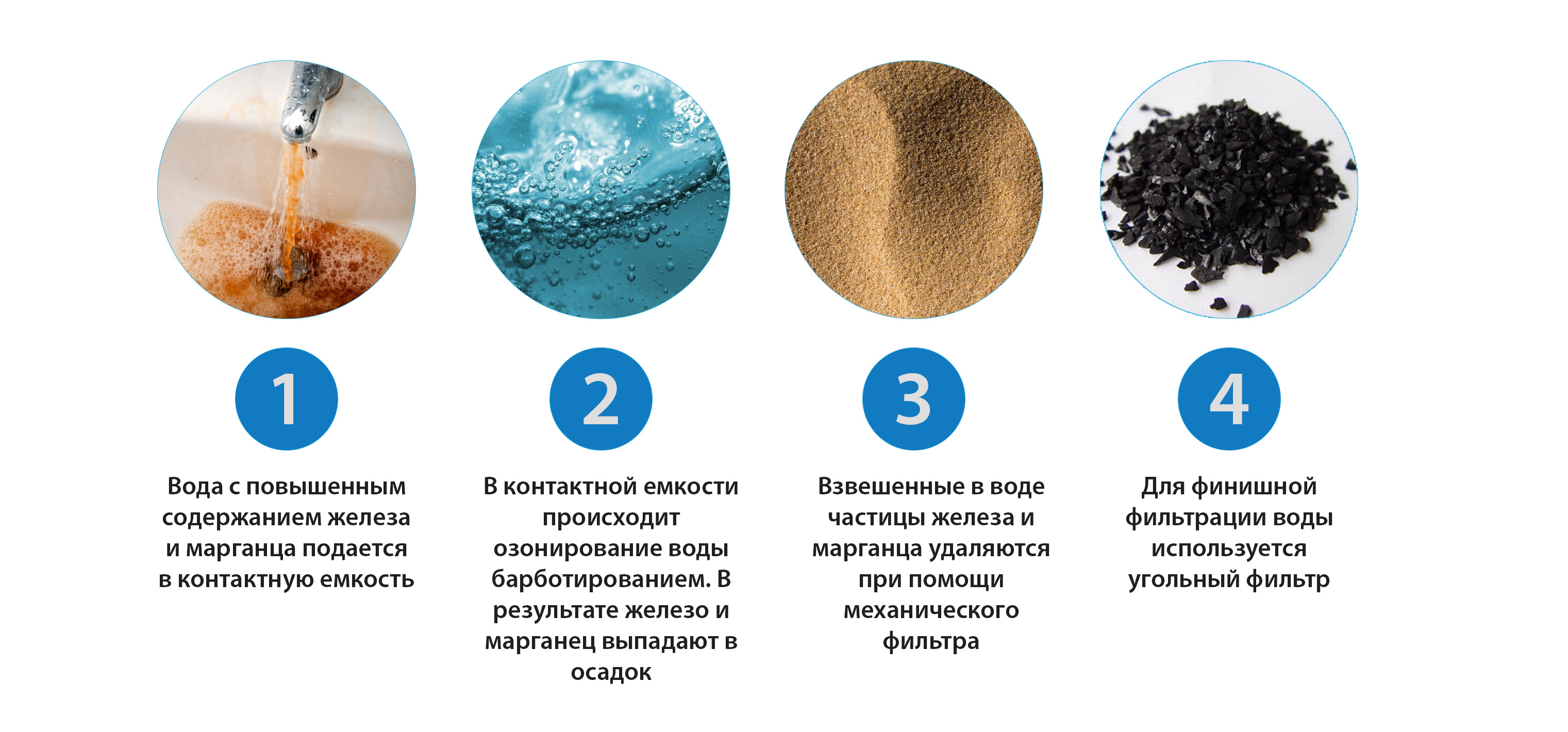
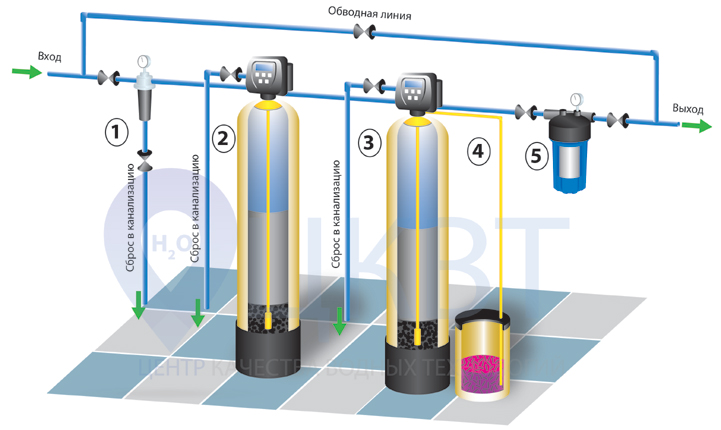
It involves the sequential passage of four stages:
- The flow of water into a special filter, the internal environment of which allows the passage of liquids of 2-3 degrees of purification;
- The passage of the primary purification stage, at which the dissolved iron acquires an insoluble form;
- Filtration of water through a gravel bed and removal of clean liquid from the system;
- Flushing into the sewer of the glandular sediment that remained in the filter.
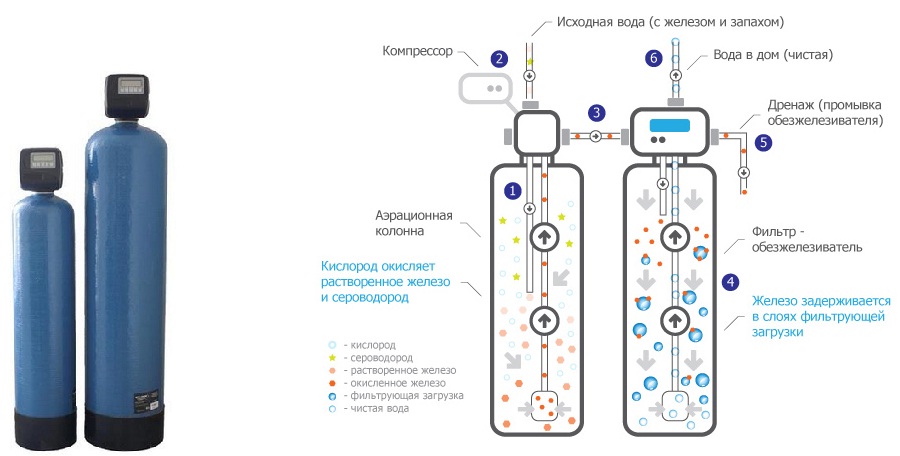
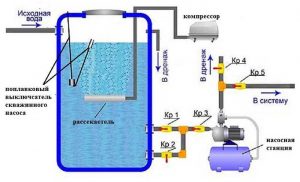
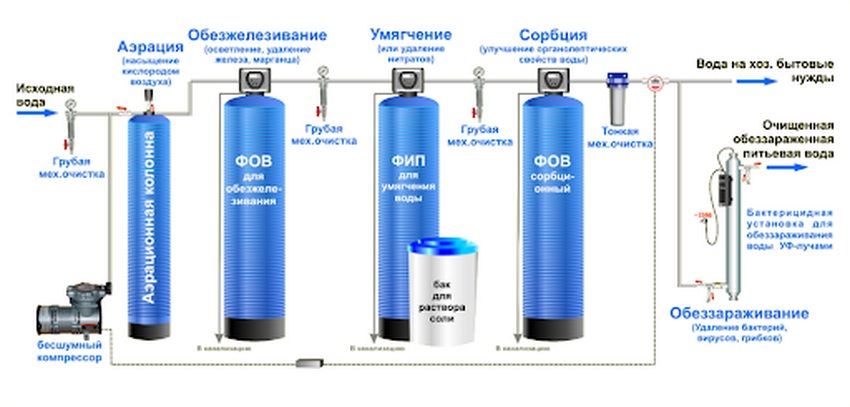
- Aeration and oxidative catalysis. In this case, a special compressor system equipped with an aeration column is used. In it, ferruginous water is saturated with oxygen and oxidized. The catalyst for the chemical reaction is a granular activated carbon sorbent. After oxidation, iron becomes insoluble, precipitates and is removed.
- Multi-component exchange with ionic resin. Such filtration takes place in one stage. Ionic resin acts as a sorbent that softens water, reduces its oxidizability, reduces color, removes contaminants, replacing the iron of the liquid with sodium ions.
- Filtration with manganese dioxide. This reagent oxidizes iron, retains it, and then removes it with reverse osmosis. Manganese dioxide can be used in water purification by aeration, chlorination or ozonation. It allows you to remove harmful impurities even at low concentrations.
- Self-cleaning with reagents. This is the most common method that any DIYer can use. The method is based on the principle of oxidation and retention of iron particles in a filter for cleaning water from a well. Chlorine, potassium permanganate or calcium hypochlorite are used as reagents. All of them are restored with the help of inexpensive salt tablets.
- Electric field cleaning. It is based on the oxidizing properties of magnetic grains of copper and zinc. When interacting with the iron of the water, they remain in the filter housing, while electrochemical processes counteract the oxidation of the liquid.
Water purification from sand
There are three main ways to flush a well from sand:
- First of all, water should be pumped. When the pump is on, you need to achieve its large outflow. If the well equipment is in good working order, along with the water, all the sand that got into the pipe will be removed. After that, the supply of clean water without impurities will resume.
- If the first method does not have the desired effect, flushing of the drilled well can be performed. To do this, it will be necessary to lower a column consisting of pipes into it, and supply water under pressure to this system. As a result of this procedure, the sand that has accumulated below will rise up together with water, penetrating into the space between the pipes, and splash out of the well.
- An alternative to flushing is to purge the system. To implement it, you need to insert a pipe into the well and supply air into it. The pressure should be 10-15 atm. All contaminants from the bottom will rise along the cavity between the pipes to the surface, and the well will be cleaned.
In extreme cases, if all of the above methods are not suitable for site conditions, contaminated water can be left to settle. After the precipitation of sand, the clean liquid must be carefully poured.
Water purification from lime
- settling. To do this, you need to fill a large container with water and wait for the particles to settle. After some time, clean water from above must be carefully drained, and then the sediment should be removed.
- Filtration. It allows you to remove insoluble lime particles. During the purification process, various models of filters can be used, the type of each of which ensures the appropriate quality of the water at the outlet.
- Boiling. It is used when a small amount of clean water is required.Calcium salts in boiling water acquire an insoluble form. The disadvantage of the method is the formation of scale and a certain difficulty in removing it from the tank after boiling water.
- Reverse osmosis. This method involves the use of a special filter with a membrane that traps all foreign substances except water molecules. The cross-flow in the filter flushes it and thus prevents clogging. Such a system for purifying water from a well from lime is the most effective in comparison with the previous three methods.
- Chemical method. It allows using various reagents that bind salts to remove colloidal solutions from artesian water. After the reactions, insoluble particles are formed, which can be captured using conventional filters and removed. This method is designed to purify large volumes of water.
How is water analyzed?
Having drilled a well on the site, it is impossible to use water immediately
It is important to carry out an appropriate chemical analysis to ensure that the water quality is correct. This is a question of liquid safety for health, not a whim of marketers
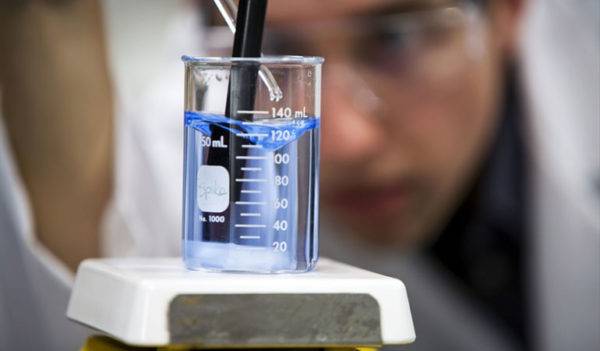
Thus, the analysis is performed by certain organizations that have the appropriate authority, license and equipment. Do not be fooled by the low cost of services - it is better to choose a proven laboratory. In the case of working with intermediaries, you can get false test results.






The one who will perform the analysis must take water samples. When the well is drilled, you can invite a specialist. It is advisable to call laboratory assistants a couple of weeks after the construction of the well - then there will be less various contaminants and other third-party substances in the water that got into the reservoir during the construction of the well.
 How to recognize the presence of iron in water
Water is taken into clean laboratory glassware to avoid errors
If samples are taken on their own, then it is important to follow simple rules: take water with clean hands into a container that does not smell of anything and is well washed. Moreover, before taking the liquid, rinse the container with this same liquid a couple of times. It is better to drive water through the well for 5 minutes before taking it
Pour water into the container in a thin stream along the wall of the container to the very top so that there is no room for air to accumulate
It is better to drive water through the well for 5 minutes before sampling. Pour water into the container in a thin stream along the wall of the container to the very top so that there is no room for air to accumulate.



