Introduction
The entire modern world economy depends on the wealth accumulated in the time of the dinosaurs: oil, gas, coal and other fossil fuels. Most of the activities in our lives, from riding the subway to heating the kettle in the kitchen, ultimately require the burning of this prehistoric legacy. The main problem is that these readily available energy resources are not renewable. Sooner or later, humanity will pump out all the oil from the bowels of the earth, burn all the gas and dig out all the coal. What will we use to heat teapots then?
We should also not forget about the negative environmental impact of fuel combustion. An increase in the content of greenhouse gases in the atmosphere leads to an increase in the average temperature throughout the planet. The products of fuel combustion pollute the air. Residents of large cities feel this especially well.
We all think about the future, even if this future does not come with us.The global community has long recognized the limitations of fossil fuels. And the negative impact of their use on the environment. Leading states are already implementing programs for a gradual transition to environmentally friendly and renewable energy sources.
All over the world, humanity is looking for and gradually introducing replacements for fossil fuels. For a long time, solar, wind, tidal, geothermal and hydroelectric power plants have been operating all over the world. It would seem that right now what prevents us from providing all the needs of mankind with their help?
In fact, alternative energy has many problems. For example, the problem of the geographical distribution of energy resources. Wind farms are built only in areas where strong winds often blow, solar - where there is a minimum number of cloudy days, hydroelectric power plants - on large rivers. Oil, of course, is also not available everywhere, but it is easier to deliver it.
The second problem of alternative energy is instability. At wind farms, generation depends on the wind, which constantly changes speed or stops altogether. Solar power plants do not work well in cloudy weather and do not work at all at night.
Neither the wind nor the sun take into account the needs of energy consumers. At the same time, the energy output of a thermal or nuclear power plant is constant and easily regulated. The solution to this problem can only be the construction of huge energy storage facilities to create a reserve in case of low output. However, this greatly increases the cost of the entire system.
Because of these and many other difficulties, the development of alternative energy in the world is slowing down. Burning fossil fuels is still easier and cheaper.
However, if on the scale of the global economy alternative energy sources do not provide much benefit, then within the framework of an individual house they can be very attractive. Already, many feel the constant increase in tariffs for electricity, heat and gas. Every year, energy companies get deeper into the pocket of ordinary people.
Experts from the international venture fund I2BF presented the first overview of the renewable energy market. According to their forecasts, in 5–10 years, alternative energy technologies will become more competitive and become widespread. Already, the gap in the cost of alternative and conventional energy is rapidly shrinking.
Energy cost refers to the price that an alternative energy producer wants to receive in order to compensate for its capital expenditures over the life of the project and provide a return of 10% on invested capital. This price will also include the cost of debt financing, as most are heavily leveraged.
The given graph illustrates the assessment of various types of alternative and traditional energy in the II quarter of 2011 (Fig. 1).
| Rice. one. | Assessment of various types of alternative and traditional energy |
According to the above figures, geothermal energy, as well as energy generated by burning garbage and landfill gas, has the lowest cost of all types of alternative energy. In fact, they can already directly compete with traditional energy, but the limiting factor for them is the limited number of places where these projects can be implemented.
For those who want to gain independence from the whims of power engineers, who want to contribute to the development of alternative energy, who just want to save a little on energy, this book is written.
From book V. Germanovich, A. Turilin “Alternative energy sources. Practical designs for the use of wind, sun, water, earth, biomass energy.




Continue reading here
Development of non-traditional sources
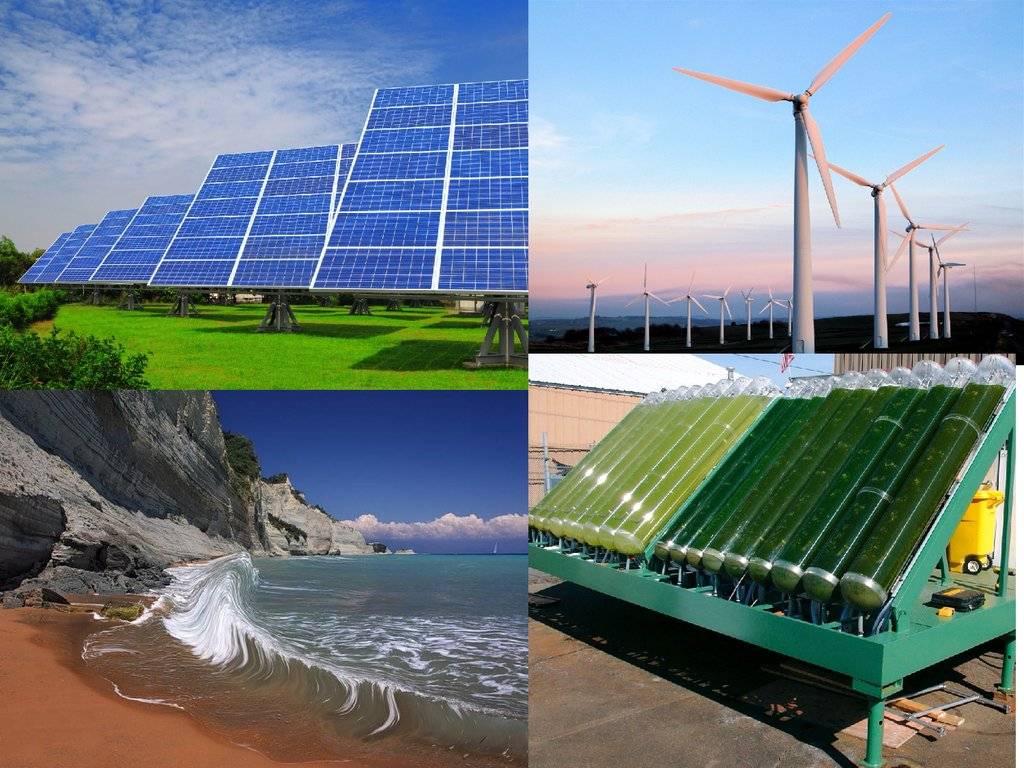
Non-traditional energy sources include:
- energy of sun;
- wind energy;
- geothermal;
- energy of sea tides and waves;
- biomass;
- low-potential energy of the environment.
Their development seems possible due to the ubiquitous distribution of most species; one can also note their environmental friendliness and the absence of operating costs for the fuel component.
However, there are some negative qualities that prevent their use on an industrial scale. This is a low flux density, which forces the use of "intercepting" installations of a large area, as well as variability over time.
All this leads to the fact that such devices have a high material consumption, which means that capital investments also increase. Well, the process of obtaining energy due to some element of randomness associated with weather conditions causes a lot of trouble.
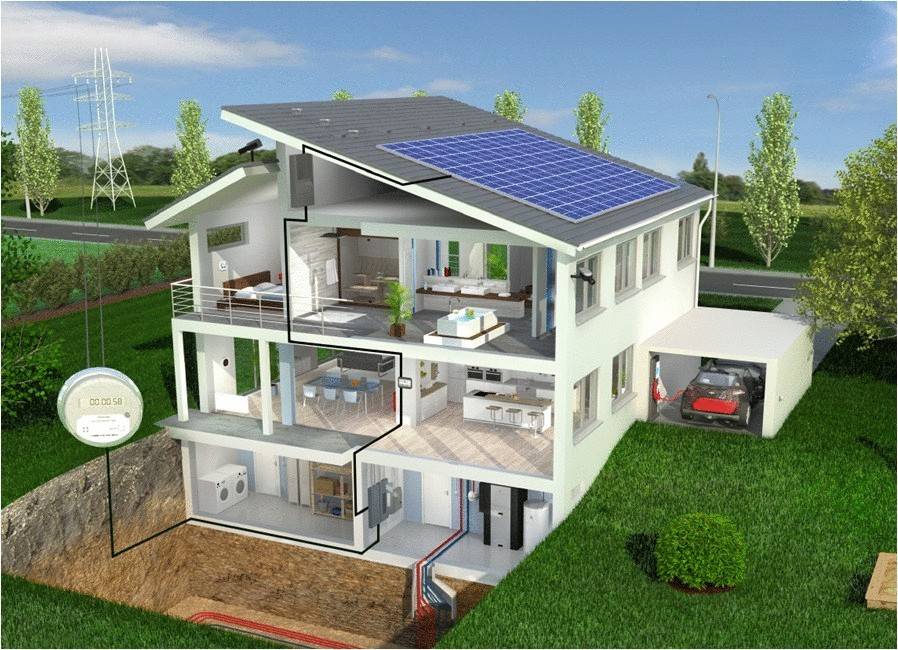
The other most important problem is the "storage" of this energy raw material, since the existing technologies for storing electricity do not allow this to be done in large quantities.However, in domestic conditions, alternative energy sources for the home are becoming increasingly popular, so let's get acquainted with the main power plants that can be installed in private ownership.
Is everything so smooth?
It would seem that such a technology for power supply of a private house should have long been forced out of the market by traditional centralized methods of providing energy. Why doesn't this happen? There are several arguments that testify not in favor of alternative energy. But their significance is determined on an individual basis - for some owners of country houses, some shortcomings are relevant and others are not at all of interest.
For large country cottages, the not too high efficiency of alternative energy installations can become a problem. Naturally, local solar systems, heat pumps or geothermal installations cannot be compared with the productivity of even the oldest hydroelectric power plants, thermal power plants, and even more so nuclear power plants. However, this drawback is often minimized by installing two or even three systems, using more power. The consequence of this may be another problem - for their installation, a larger area will be required, which is not possible to allocate in all house projects.
To ensure the uninterrupted supply of the number of household appliances and the heating system familiar to a modern home, a lot of power is required. Therefore, the project should provide for such sources that can produce such power. And this requires a solid investment - the more powerful the equipment, the more expensive it is.
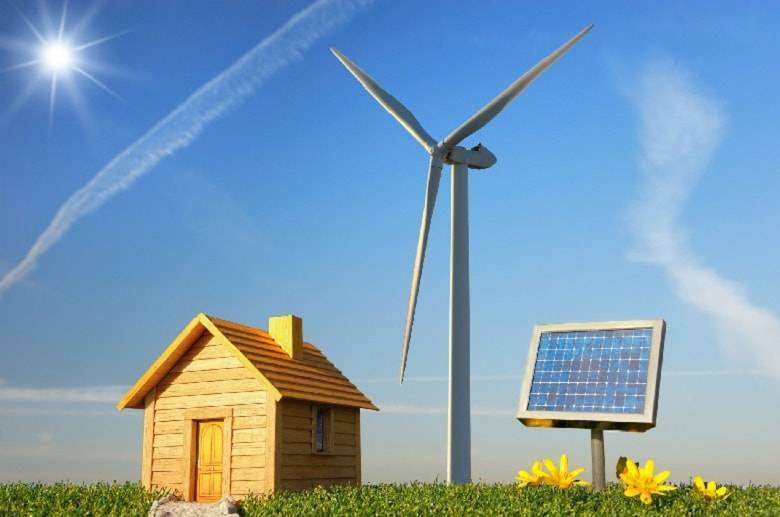
In addition, in some cases (for example, when using wind energy), the source may not guarantee the constancy of energy production. Therefore, it is necessary to equip all communication with storage devices. Usually, batteries and collectors are installed for this purpose, which entails all the same additional costs and the need to allocate more square meters in the house.
Energy from the wind
Our ancestors have long learned to use wind energy for their needs. In principle, since then the design has not changed much. Only the millstone was replaced by a generator drive that converts the energy of the rotating blades into electricity.
To make a generator, you will need the following parts:
- generator. Some use the motor from the washing machine, slightly transforming the rotor;
- multiplier;
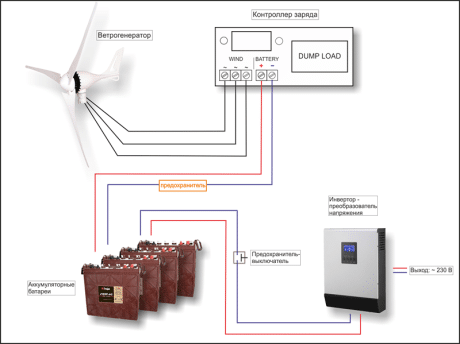
- battery and its charge controller;
- voltage transformer.
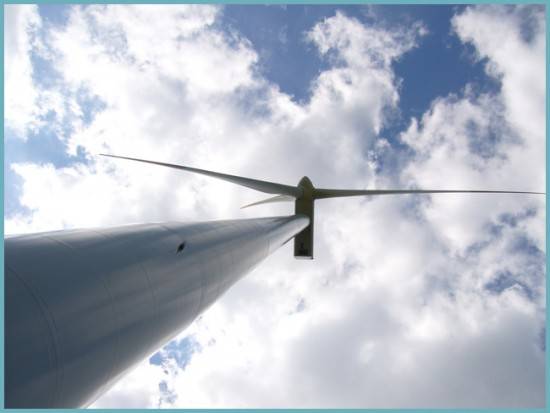 wind generator
There are many schemes for homemade wind turbines. All of them are completed on the same principle.

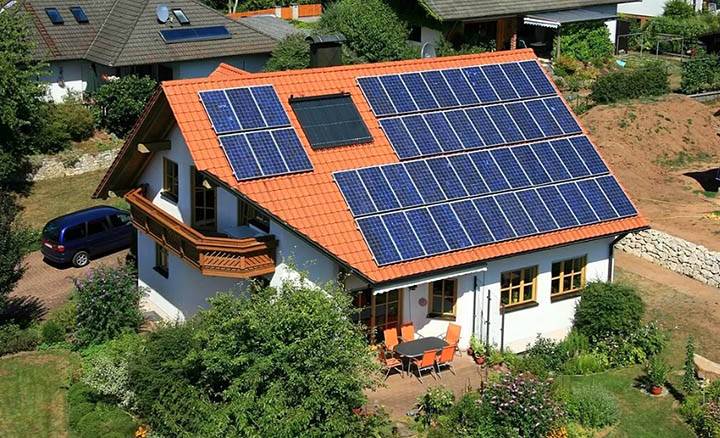


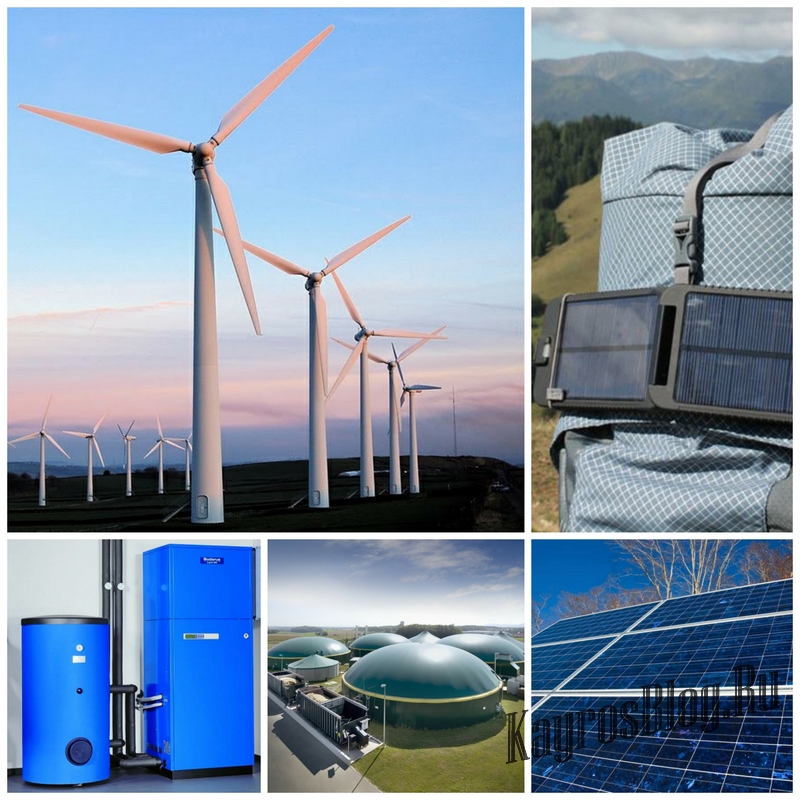
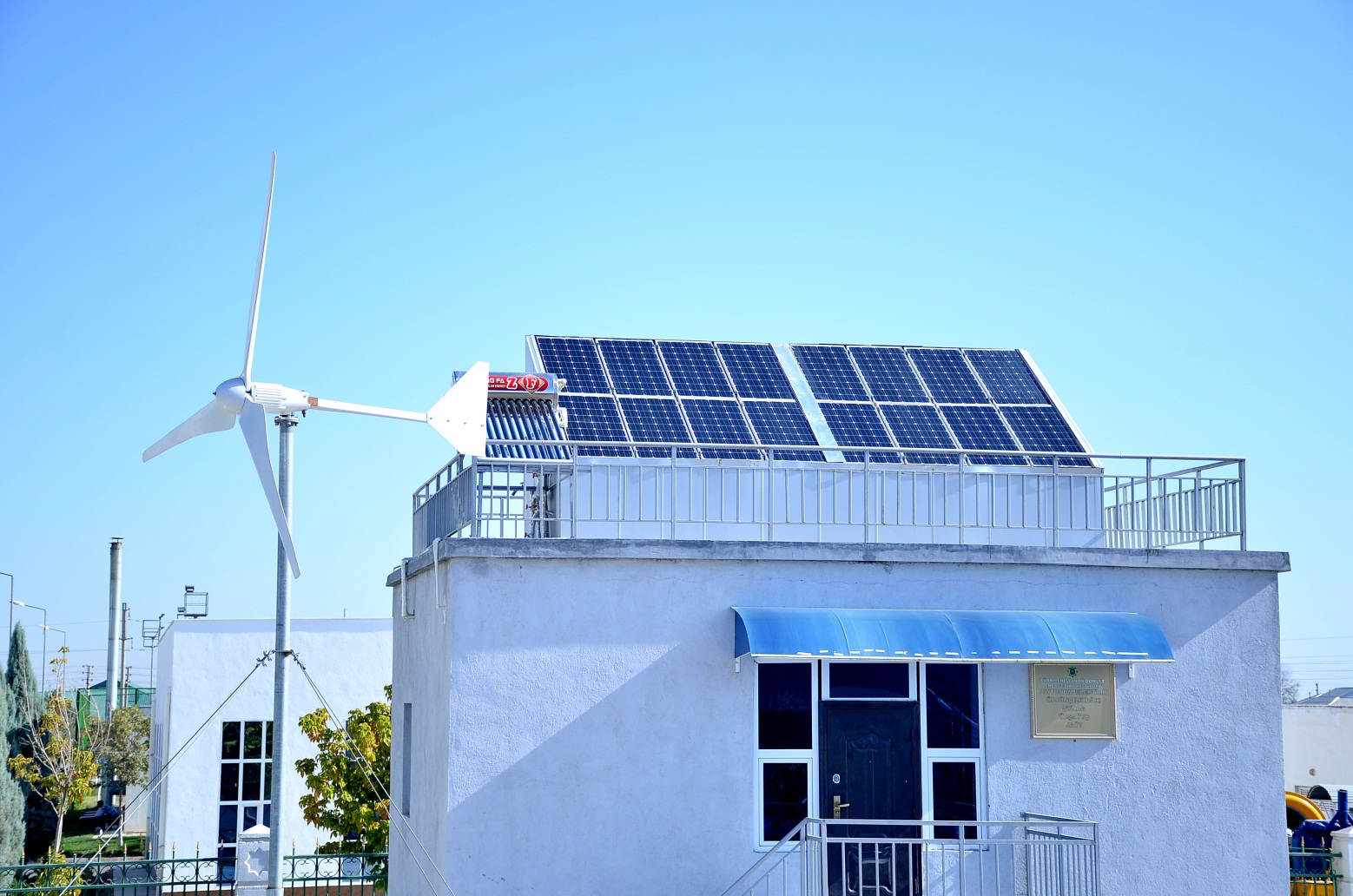

- The frame is being assembled.
- The swivel is installed. Blades and a generator are mounted behind it.
- Mount a side shovel with a spring coupler.
- The generator with a propeller is attached to the frame, then it is installed on the frame.
- Connect and connect to the swivel assembly.
- Install the current collector. Connect it to a generator. The wires lead to the battery.
Advice. The number of blades will depend on the diameter of the propeller, as well as the amount of electricity generated.
The main types of alternative energy sources
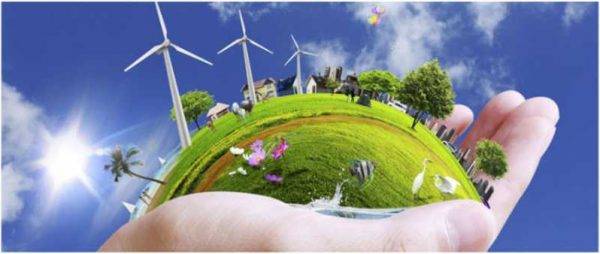
Recently, many non-traditional options for obtaining energy have been practically tried. Statistics say that we are still talking about thousandths of a percent of the potential use.
Typical difficulties that the development of alternative energy sources inevitably faces on its way are complete gaps in the laws of most countries regarding the exploitation of natural resources as the property of the state. The problem of the inevitable taxation of alternative energy is closely related to the lack of legal elaboration.
Consider the most widely used 10 alternative energy sources.
Wind
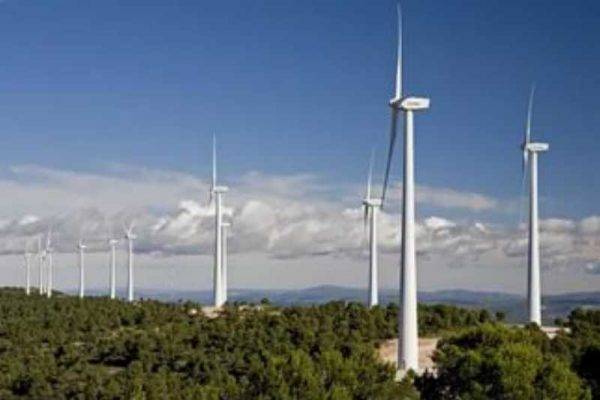
Wind energy has always been used by man. The level of development of modern technologies allows us to make it almost uninterrupted.
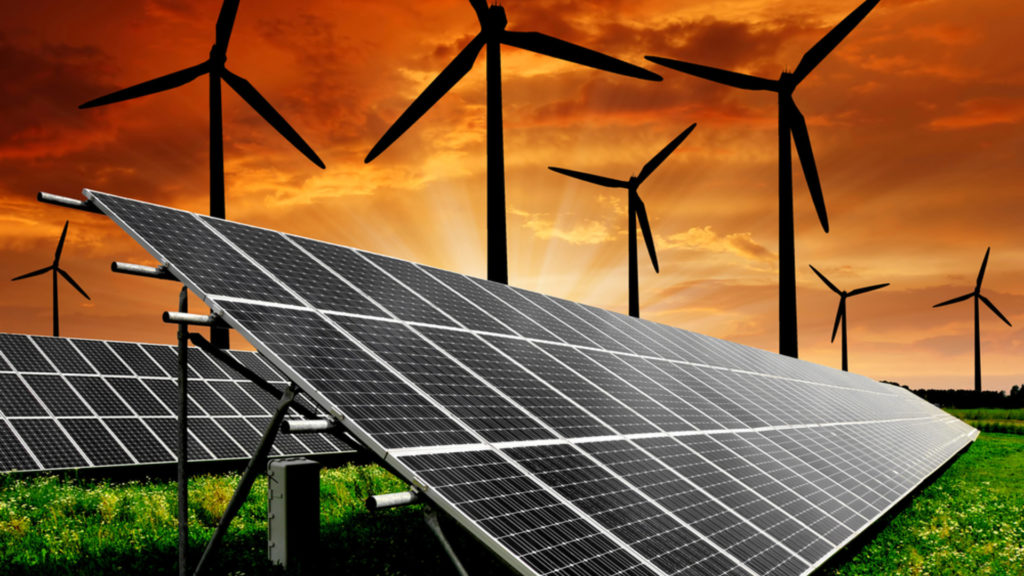
At the same time, electricity is generated using windmills, similar to mills, special devices. The propeller of a windmill communicates the kinetic energy of the wind to a generator that produces current by means of rotating blades.
Such wind farms are especially common in China, India, the USA, and Western European countries. The undoubted leader in this area is Denmark, which, by the way, is a pioneer of wind energy: the first installations appeared here at the end of the 19th century. Denmark closes in this way up to 25% of the total electricity demand.
At the end of the 20th century, China was able to provide electricity to mountainous and desert regions only with the help of wind turbines.
The use of wind energy is perhaps the most advanced way of energy production. This is an ideal variant of synthesis, in which alternative energy and ecology are combined. Many developed countries of the world are constantly increasing the share of electricity generated in this way in their total energy balance.
Sun
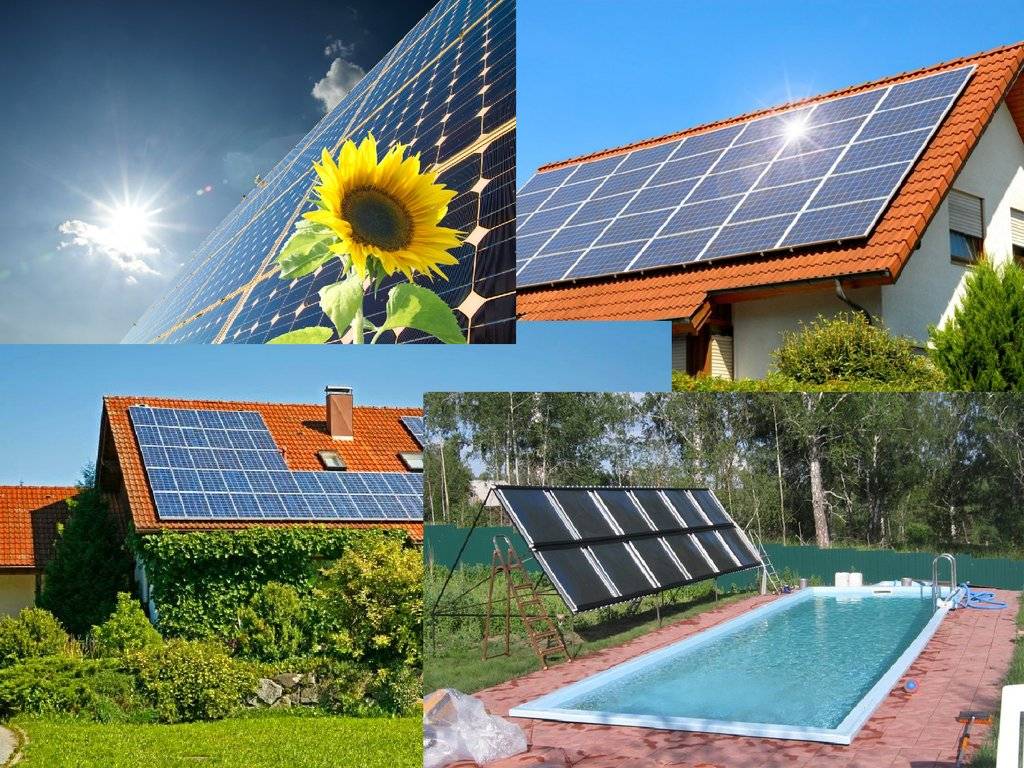
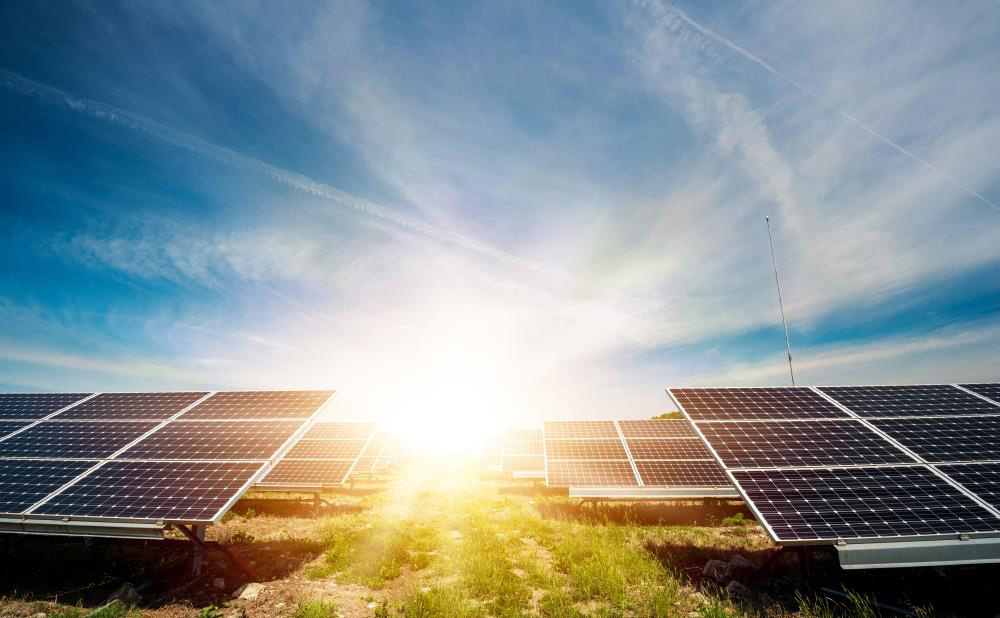
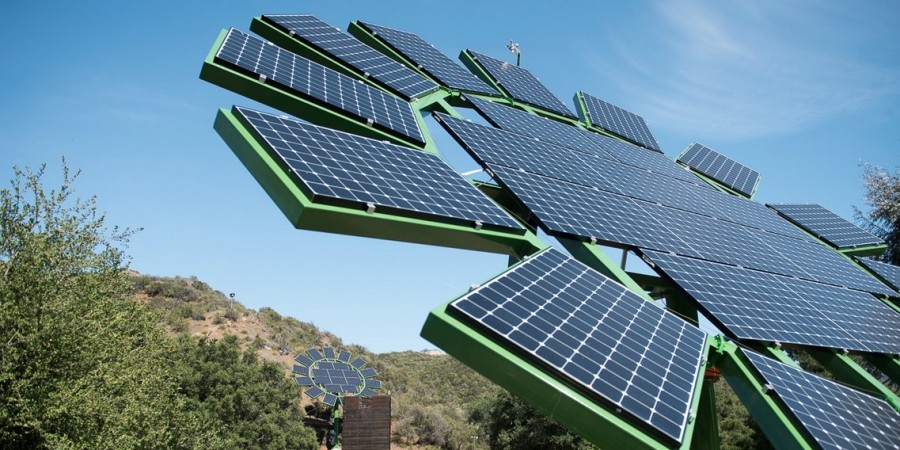
Attempts to use solar radiation to generate energy have also been made for a long time, at the moment it is one of the most promising ways to develop alternative energy. The very fact that the sun in many latitudes of the planet shines all year round, transferring to Earth tens of thousands of times more energy than is consumed by all mankind in a year, inspires the active use of solar stations.
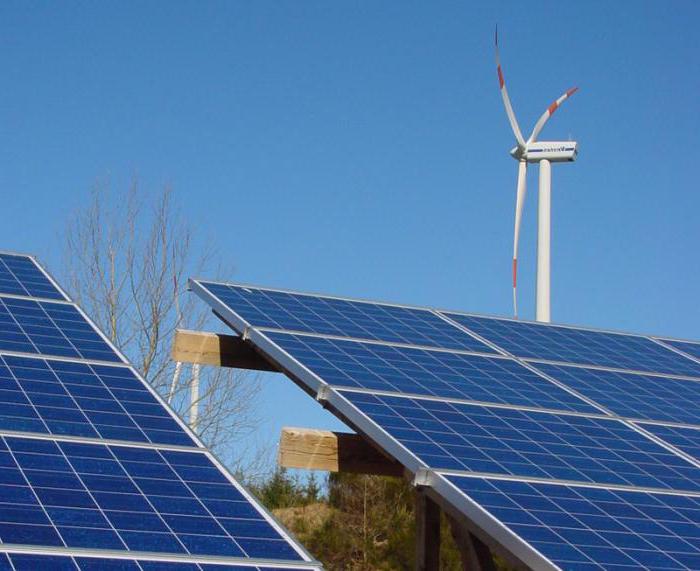
Most of the largest stations are located in the United States, in total, solar energy is distributed in almost a hundred countries. Photocells (converters of solar radiation) are taken as a basis, which are combined into large-scale solar panels.





Heat of the Earth
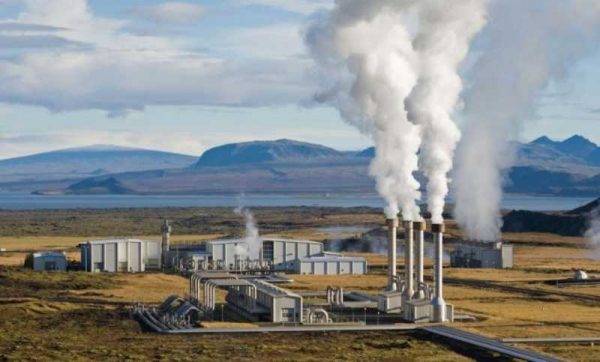
The heat of the earth's depths is converted into energy and used for human needs in many countries of the world. Thermal energy is very effective in areas of volcanic activity, places where there are many geysers.
The leaders in this area are Iceland (the country's capital, Reykjavik, is fully provided with geothermal energy), the Philippines (share in the total balance is 20%), Mexico (4%), and the USA (1%).
The limitation on the use of this type of source is due to the impossibility of transporting geothermal energy over distances (a typical local source of energy).
In Russia, there is still one such station (capacity - 11 MW) in Kamchatka. A new station is under construction in the same place (capacity - 200 MW).
The ten most promising sources of energy in the near future include:
- solar stations based in space (the main drawback of the project is the huge financial costs);
- muscular strength of a person (demand, first of all - microelectronics);
- the energy potential of the ebbs and flows (the disadvantage is the high cost of construction, gigantic power fluctuations per day);
- fuel (hydrogen) containers (the need to build new gas stations, the high cost of cars that will refuel them);
- fast nuclear reactors (fuel rods immersed in liquid Na) - the technology is extremely promising (possibility of reusing spent waste);
- biofuel - already widely used by developing countries (India, China), advantages - renewability, environmental friendliness, disadvantage - use of resources, land intended for the production of crops, livestock walking (rising in price, lack of food);
- atmospheric electricity (accumulation of the energy potential of lightning), the main disadvantage is the mobility of atmospheric fronts, the speed of discharges (the complexity of accumulation).
Use of wind and solar energy
Wind turbines in heating systems
Kinetic wind energy is usually used to power buildings, but powerful models in conditions close to ideal can provide at least partial heating.
If you do not take into account the initial costs, then for the consumer the resulting electricity costs nothing.
It is very important that auxiliary resources are not needed for the operation of the wind generator, they function autonomously all the time. These installations as auxiliary energy sources are successfully integrated into systems where other types of heating devices are the main ones. These units, as auxiliary energy sources, are successfully integrated into systems where other types of heating devices are the main ones.
These installations as auxiliary energy sources are successfully integrated into systems where other types of heating devices are the main ones.
There are many types of windmill designs, but they are usually divided into two broad categories:
- Horizontal wind turbines with propeller-type blades. These units are more productive (wind energy utilization rate up to 52%), therefore they are more suitable for heating needs, but they have a number of operational and consumer restrictions.
- Wind generators with a vertical axis of rotation. These turbines are relatively weak-powered (KIEV less than 40%), but they do not require orientation to the wind, they can use not only laminar, but also turbulent flows, they begin to generate current even at low speeds. They are easier to maintain because the generator is near the ground and not on a mast in a gondola.
Here are some disadvantages of using windmills for heating:
- High capital costs. More than 70 percent of the funds are spent on auxiliary elements: batteries, inverter, control automation, installation structures. Investments pay off only after several decades.
- Low efficiency - low power. In addition, part of the energy is lost in the process of converting electricity into heat.
- The terrain requires the presence of constant winds with high speed. Energy is unstable, highly dependent on the weather and season, requires regular monitoring and accumulation.
- The equipment takes up a lot of space.
- Wind turbines generate a lot of noise during operation.
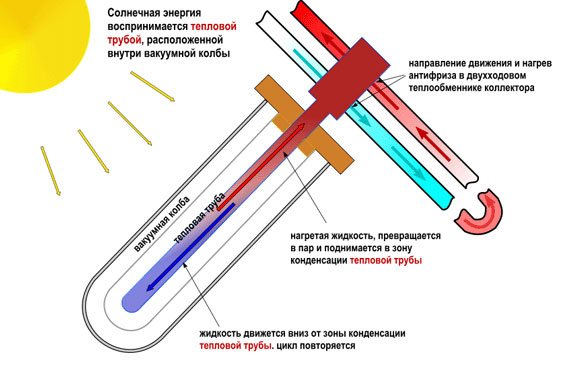
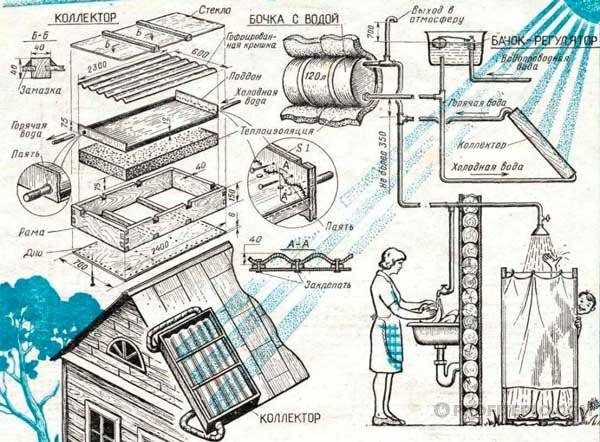
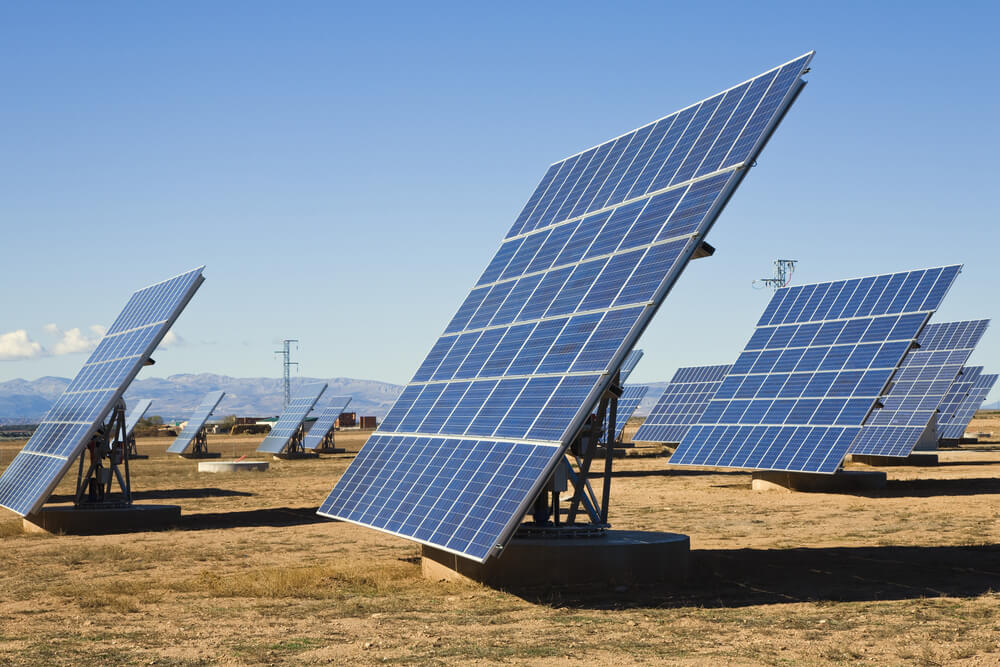
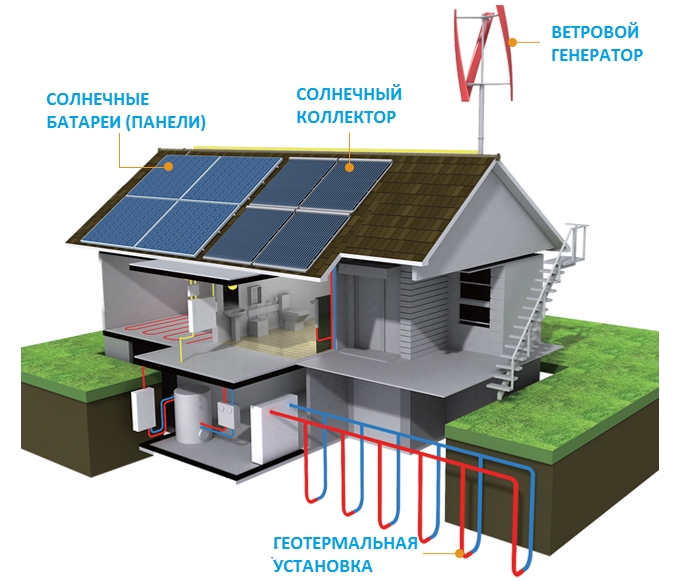
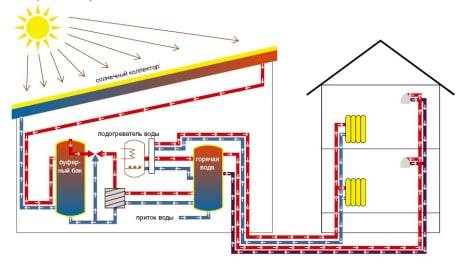
Solar systems perform direct heating of the coolant or convert energy by photovoltaic method.In the first option, the sun's rays heat water / antifreeze (in some models - air), which is transported to the premises and gives off heat through radiators. In the second case, photons of light are transformed into electrical energy that feeds conventional heating devices powered by electricity (boilers, heaters, heated floors).


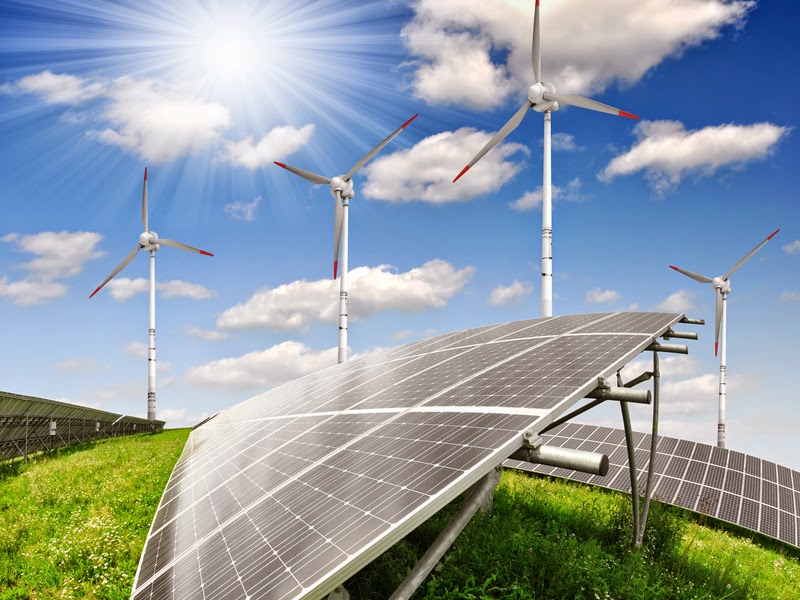

Accordingly, there are two types of devices:
- Solar collectors. The system consists of a circuit for the circulation of the coolant, an accumulation tank and the collector itself. Depending on the design, collectors are distinguished: flat, vacuum and air (air is used as a coolant).
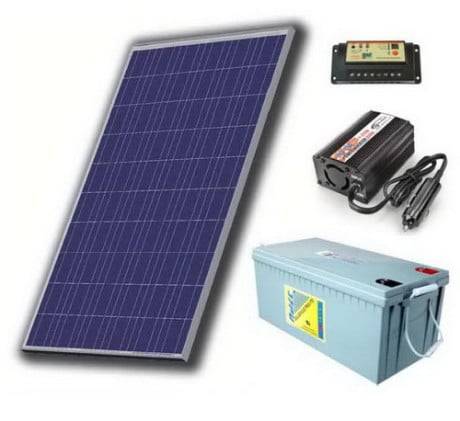
- Solar panels. The installation consists of panels with photocells, controllers and an inverter. The battery generates a direct current of 24 or 12 volts, which is collected in batteries and, after being converted by an inverter into alternating current (220 V), is supplied to the sockets.
There are several disadvantages of solar installations. First of all, the dependence on meteorological factors and cyclicity (seasonal and daily). Batteries have low efficiency to provide a large amount of stable energy, they must occupy a large area and be equipped with expensive rechargeable batteries, which often have to be changed. The disadvantage of collectors is their dependence on electricity (for the operation of a pump or fan), or, for example, the danger of freezing of the coolant.
Alternative energy on a global scale
The statistics on the use of AES in the world, it seems, gives reason for optimism. In the EU, the amount of electricity from renewable sources in 2017 exceeded that received from coal-fired plants.In 2018, their share in relation to other "dirty" resources increased from 30% to 32.3%.
In 2018, for the first time in 40 years of operation of solar and wind power plants, their global capacity reached 1 terawatt (1000 GW), according to a July report. 90% of the capacities appeared only in the last 10 years.

There are three main problems with AIE:
- They promote their use of politics, and the end consumer pays for "green" energy out of his own pocket. Indirect taxes on the introduction of renewable energy sources make up a significant part of the tariff. Critics have repeatedly said that stimulus tariff subsidies are too high and the costs will sooner or later cause a negative reaction from consumers.
- Such resources can only be called safe against the background of traditional sources of electricity generation. It turned out that wind turbines are capable of exterminating insects. The production of almost all such installations is harmful to the environment. Solar panels are especially "dirty" due to emissions from solar silicon production.
- Despite the fact that the share of renewable energy sources in the global energy "pie" is growing, they still cannot compete with traditional sources. It is unprofitable to use them, the equipment requires large capital expenditures with an incomparably small return, and therefore, with a reduction in state support, the demand for RES immediately falls. Even the authoritative German publication Die Welt admitted that "the windmill business is in a deep knockout."
Conclusions and useful video on the topic
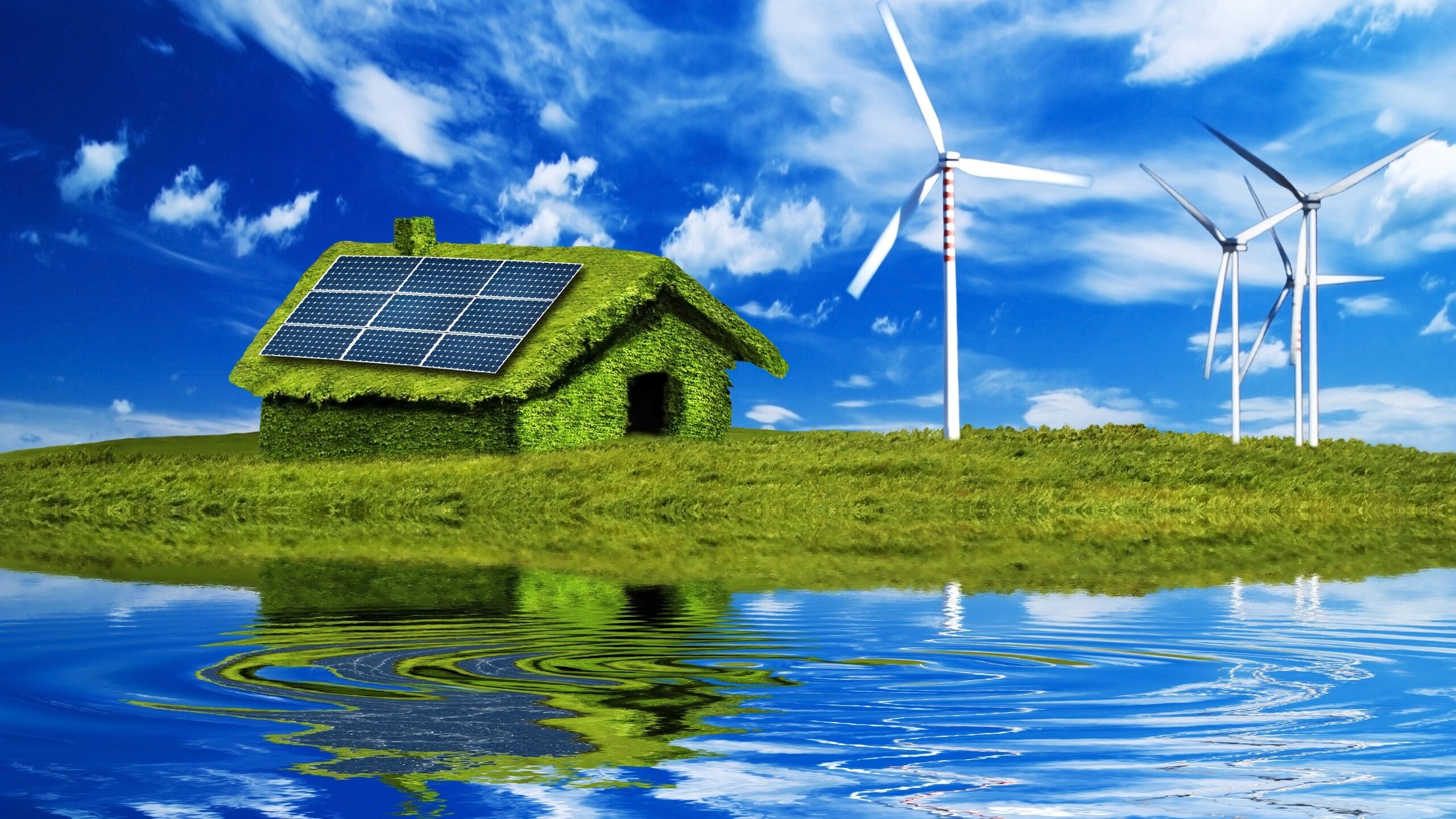
Video about combining alternative sources to generate electricity in a small country house:
A video about making a wind generator with your own hands will help you easily understand the principles of the device:
A short video about using a heat pump:
Video clip about obtaining biogas:



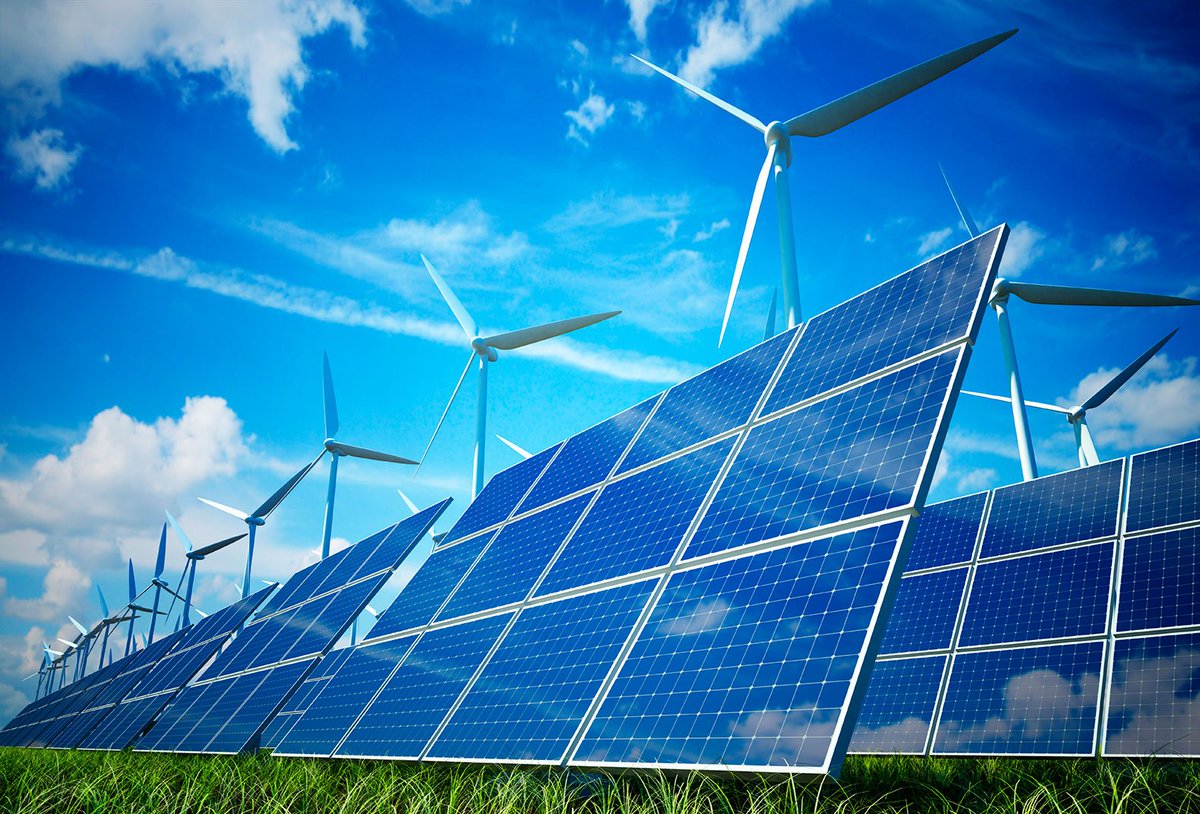


It is quite possible to refuse traditional sources of heating. To do this, you need to carefully select an alternative or combine several, based on the characteristics of the area, the area of your country house and the local area.
The energy of the sun, the earth, the power of the wind, the disposal of household waste of plant and animal origin are quite capable of becoming a worthy replacement for gas, coal, firewood and paid electricity.
Are you using one of the alternative energy sources for home use? Share how much it cost you to assemble the unit and how quickly it paid off.
Or maybe one of your friends has equipped his country house on renewable sources? Using a solar panel system or a heat pump as an independent source for heat, hot water and electricity?