- Types and choice of energy sources
- Heat pumps
- Biofuel boilers
- Solar energy into electricity
- Practical alternative energy: types
- Modern heating technologies
- Warm floor
- Water solar collectors
- solar systems
- infrared heating
- Skirting heating technology
- Air heating system
- Heat accumulators
- Use of computer modules and the heat generated by them
- Option #1 - Making Solar Panels
- Homemade hydroelectric power plant
- Traditional Energy
- Non-traditional energy sources: methods of obtaining
- Option #4 - biogas plant
Types and choice of energy sources
Natural gas is considered the cheapest fuel. But for such a power system to work smoothly, gasification is necessary.
Generators using diesel fuel, gasoline, etc. will require a special container for storing flammable liquids with the need for regular replenishment of their stocks.
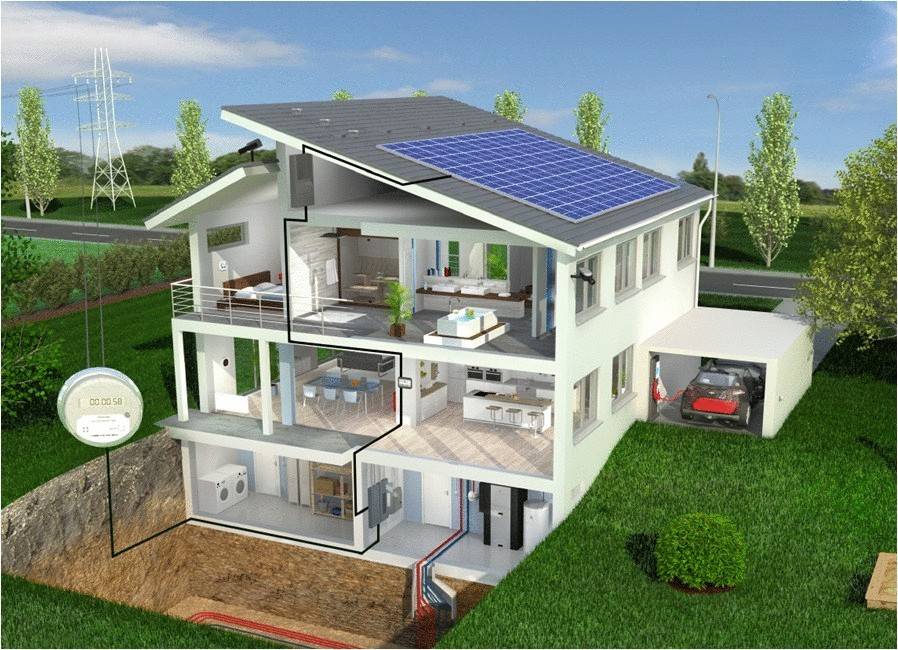
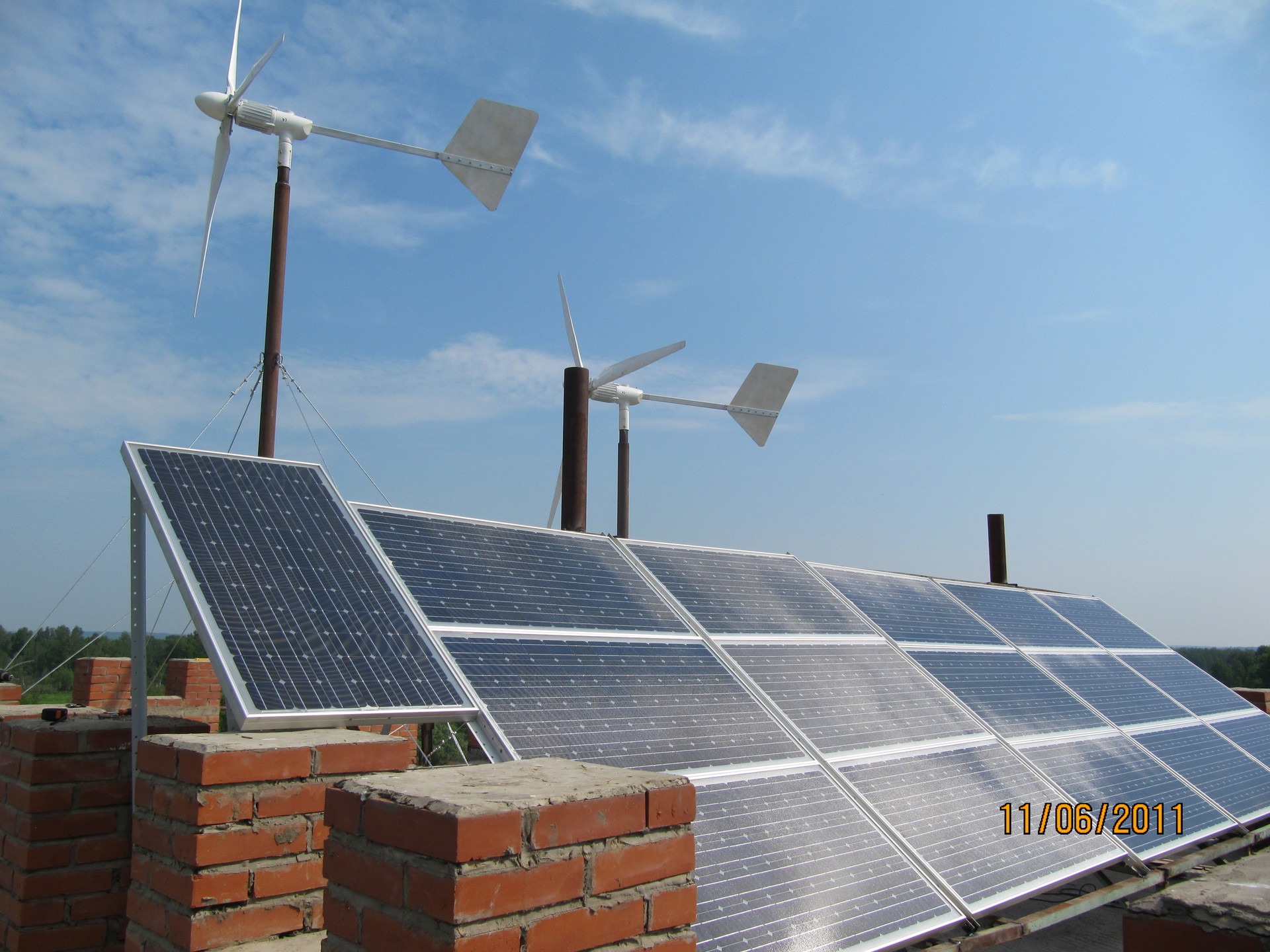
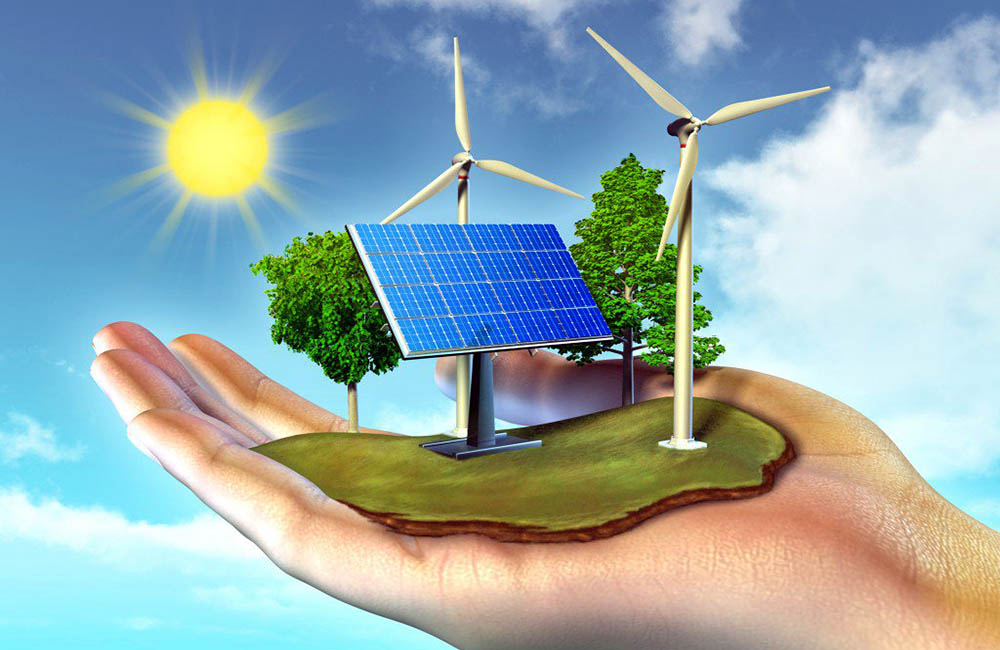
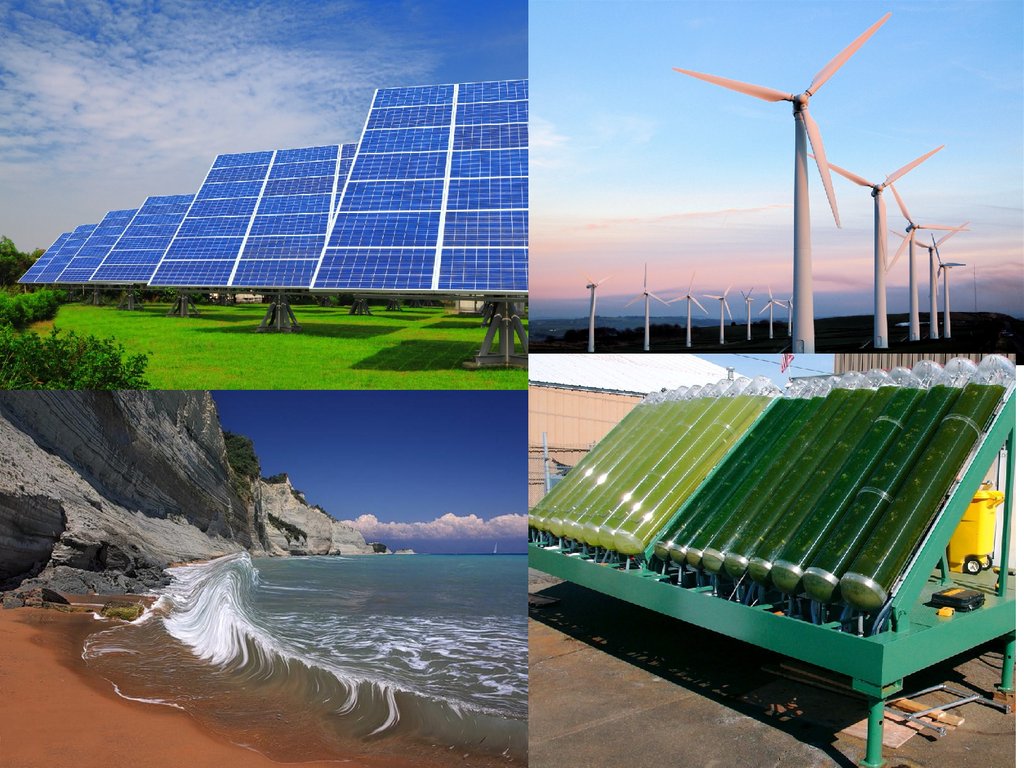
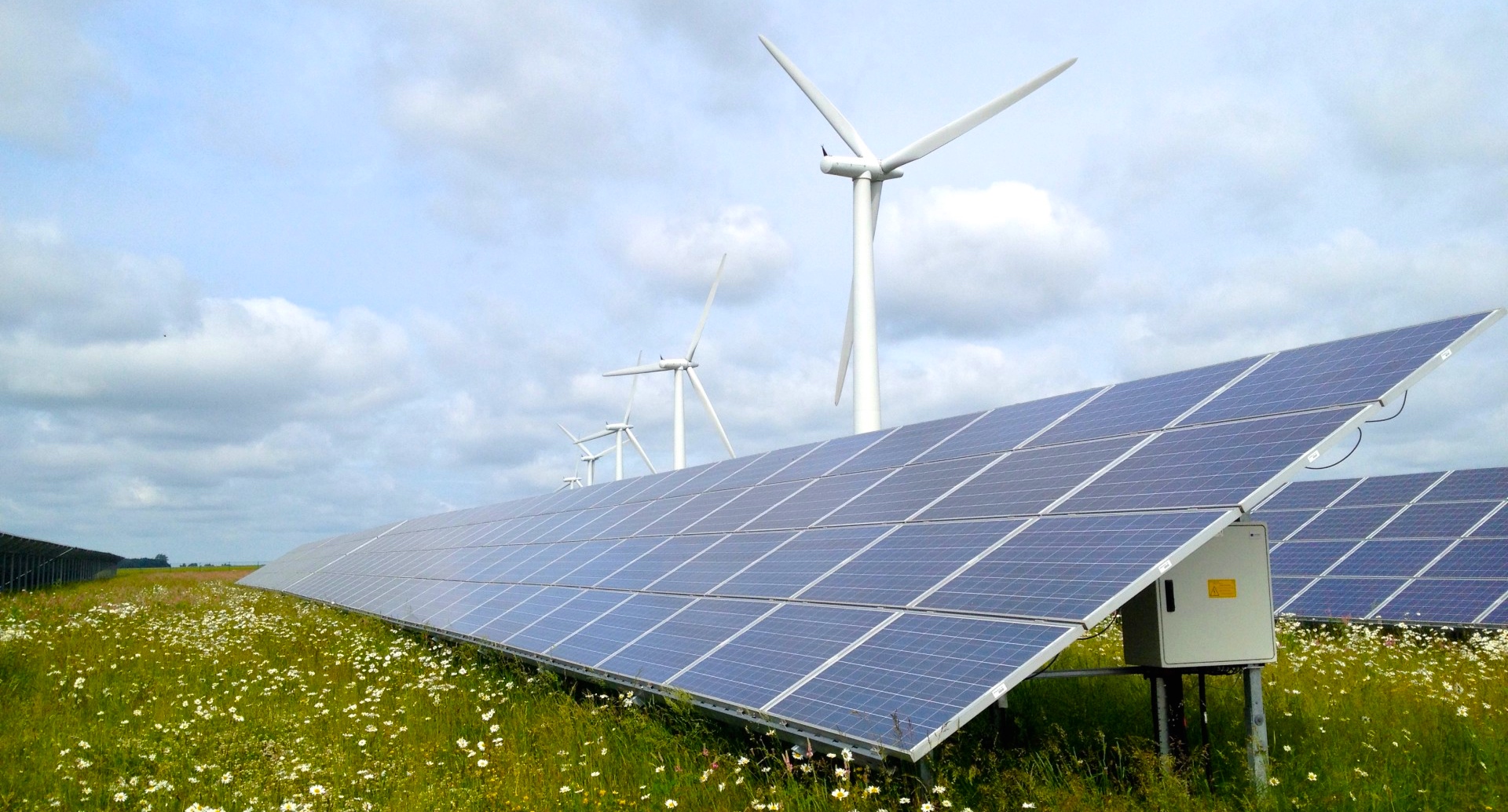
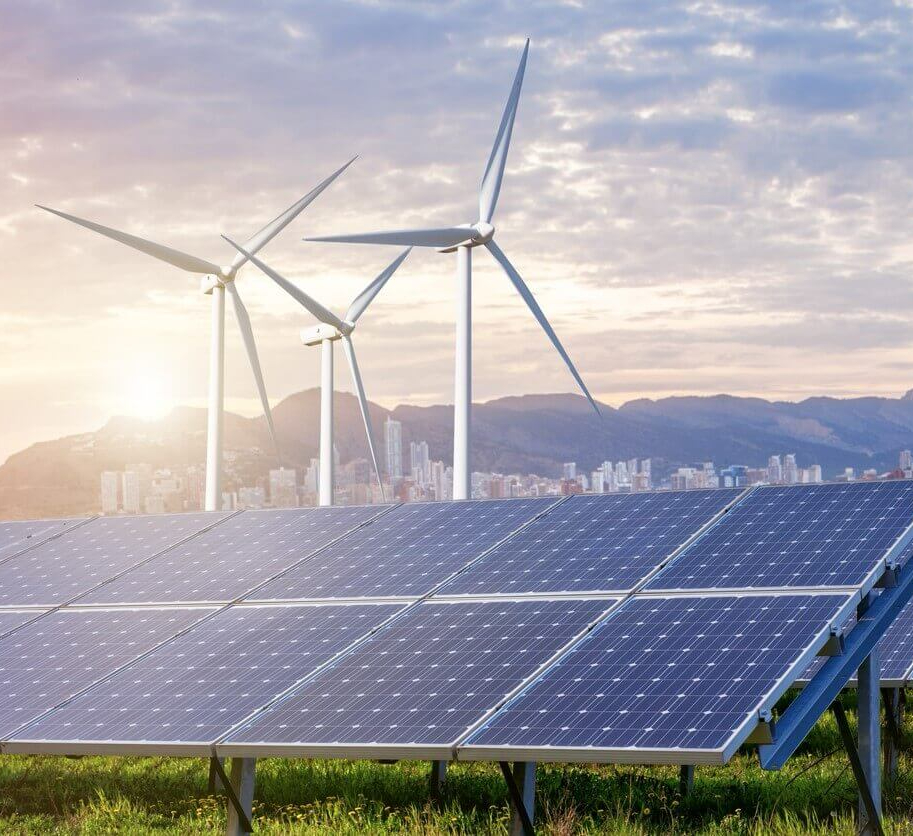
Among autonomous systems that convert publicly available natural types of free energy, the most widespread today are:
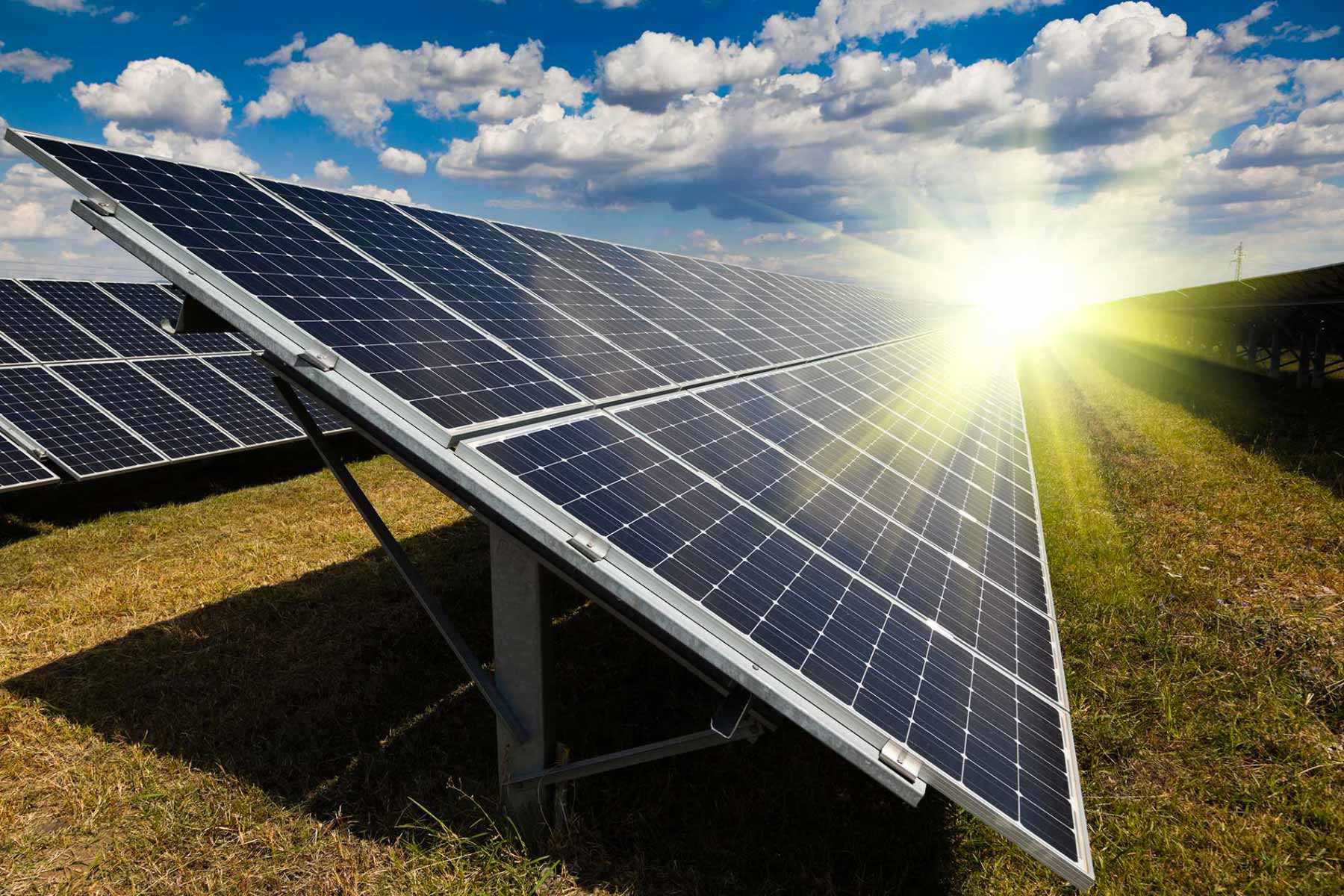
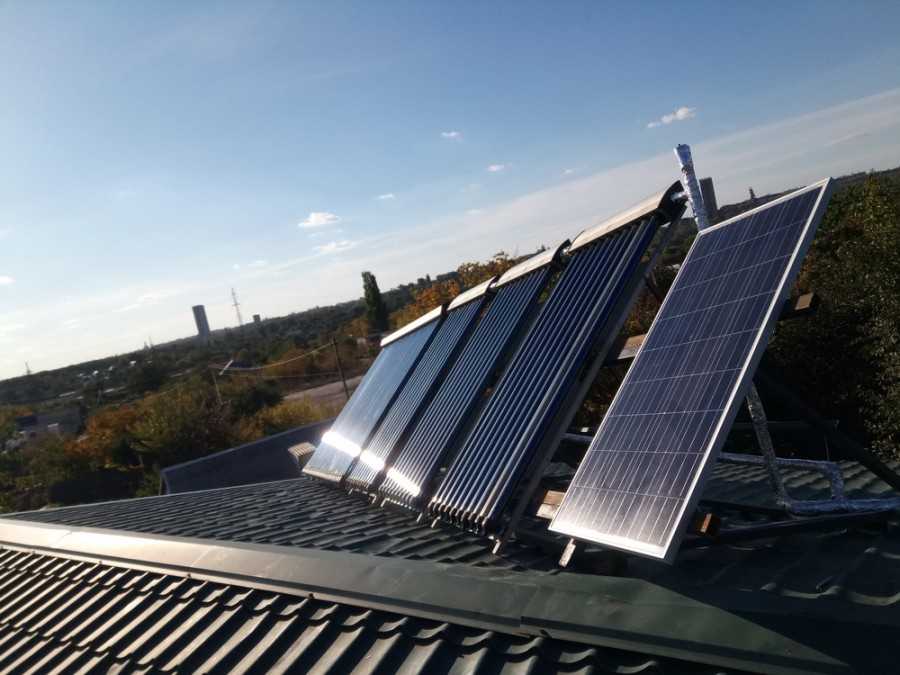
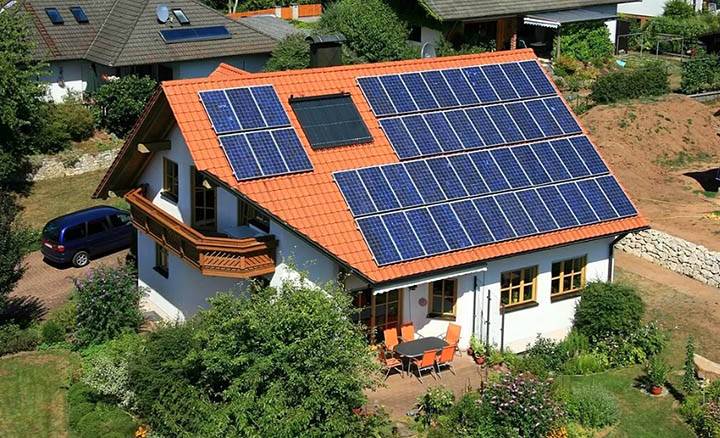
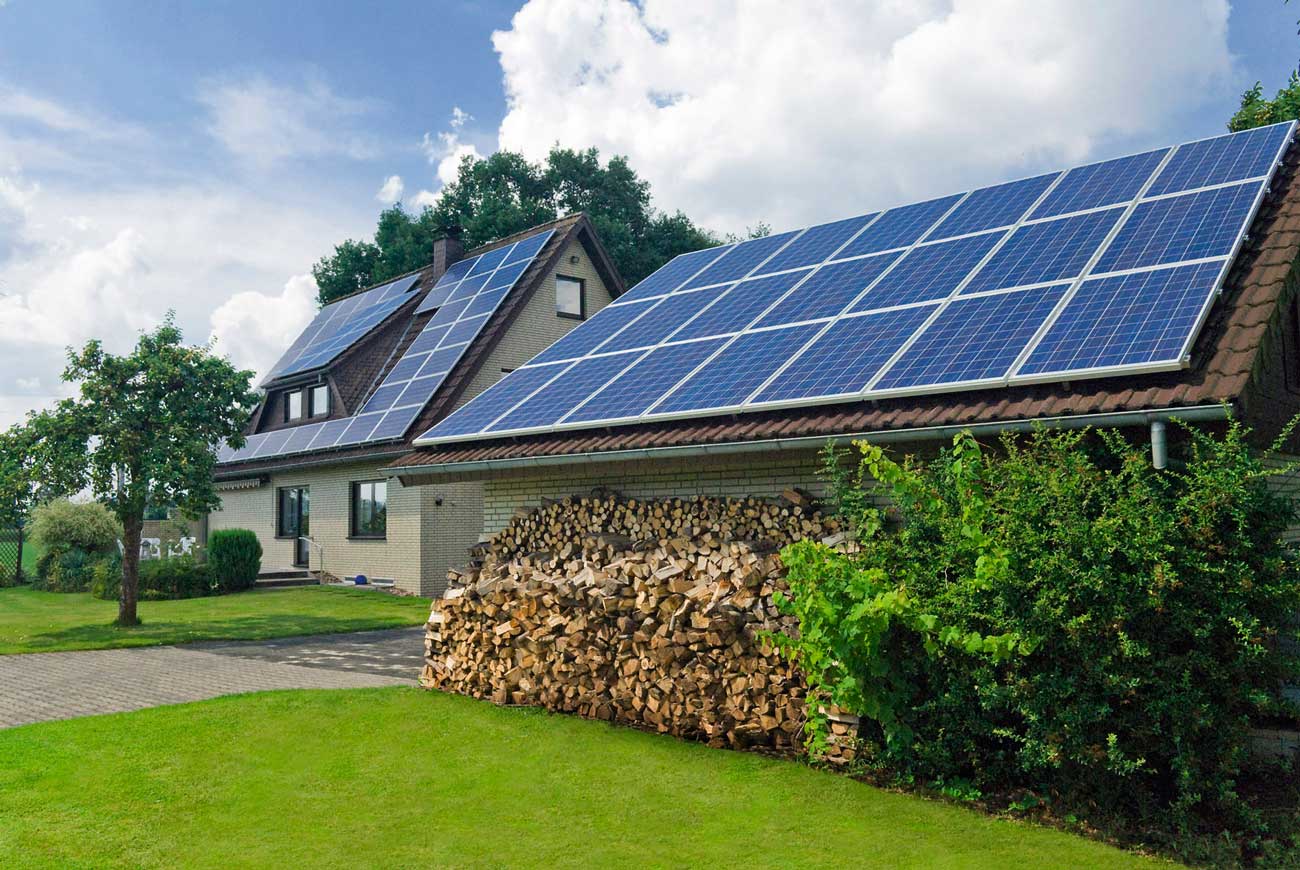
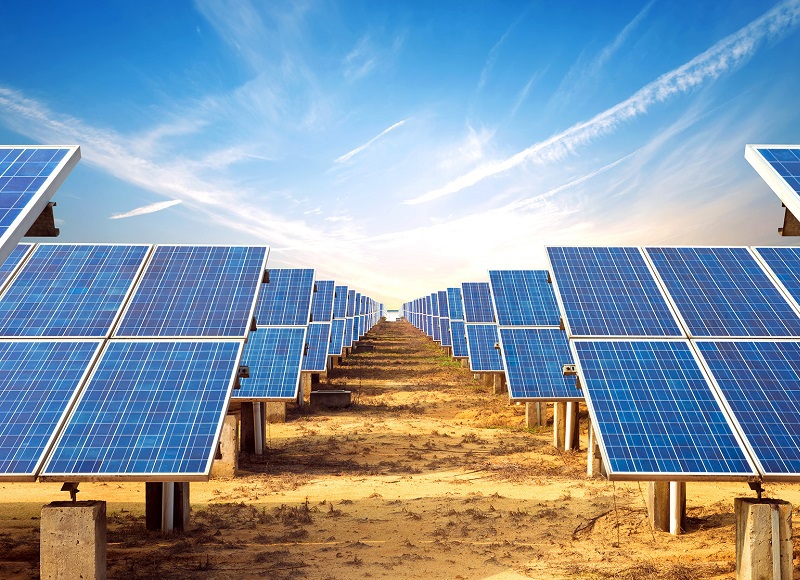
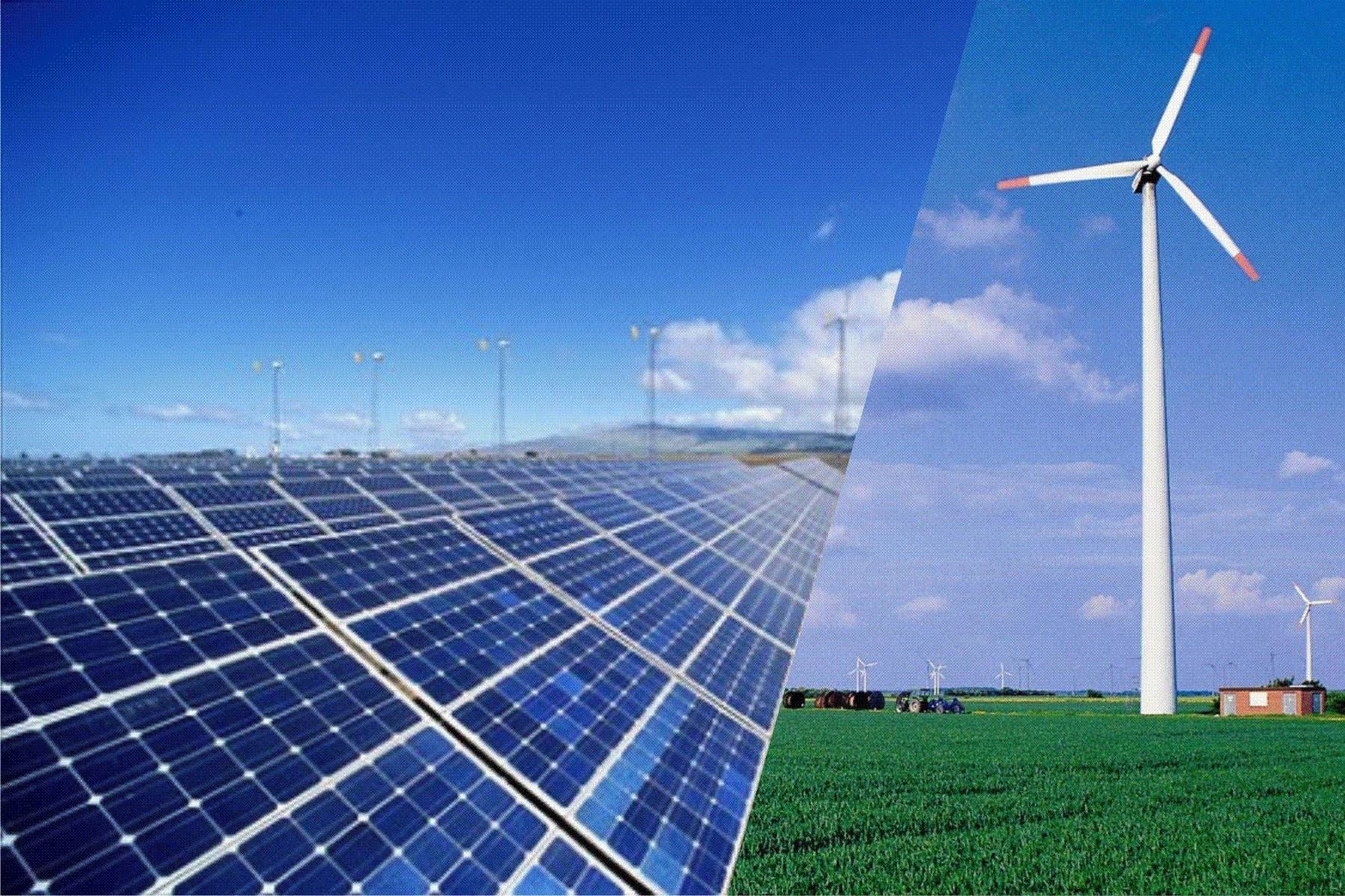
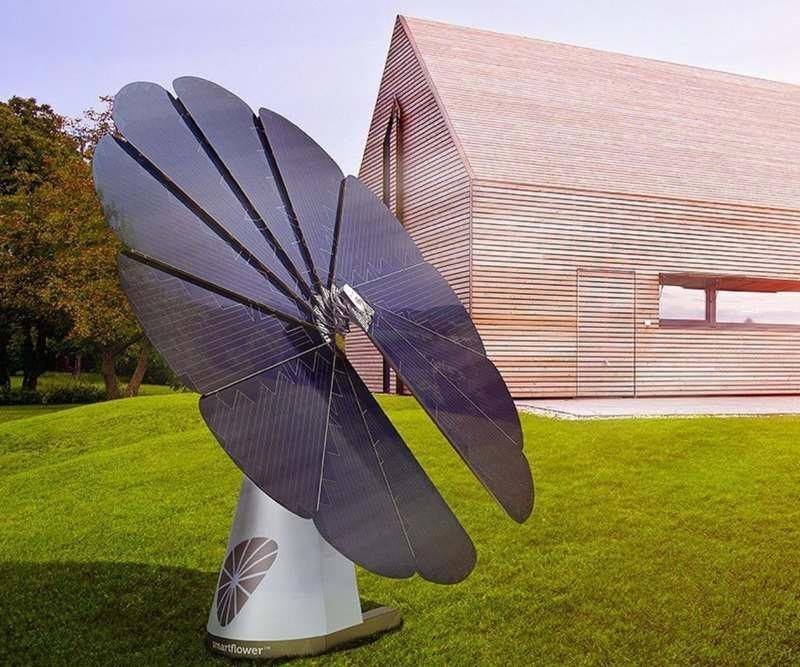
- Semiconductor panels that convert solar energy into electrical energy - solar panels
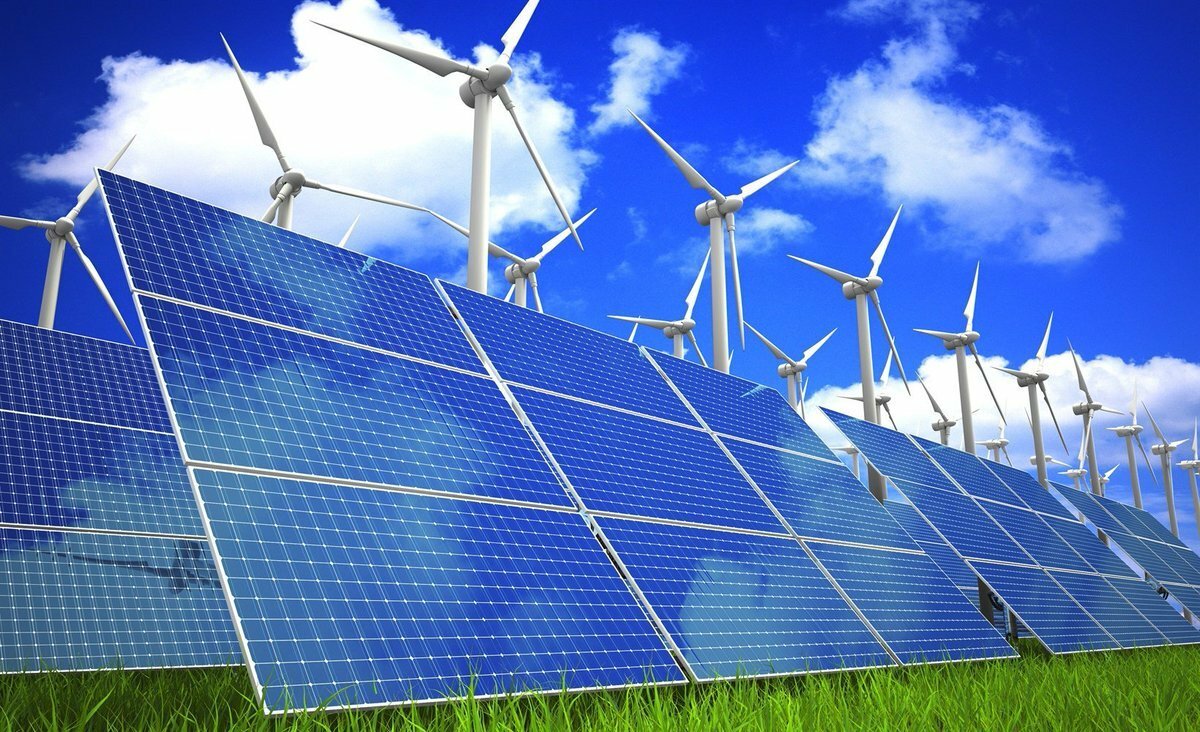
- Wind turbines powered by wind energy
- small hydroelectric plants
When choosing one or another type of power supply for your cottage, it is necessary to take into account all its technical characteristics, pros and cons, existing needs for electricity, as well as the economic component of the issue.
Next, we will consider in more detail each of the listed independent energy systems in terms of their use in practice.
Heat pumps
The most versatile alternative heating for a private house is the installation of heat pumps. They work according to the well-known principle of a refrigerator, taking heat from a colder body and giving it away in the heating system.
It consists of a seemingly complex scheme of three devices: an evaporator, a heat exchanger and a compressor. There are a lot of options for the implementation of heat pumps, but the most popular are:
- Air to air
- Air to water
- water-water
- ground water
Air to air
The cheapest implementation option is air-to-air. In fact, it resembles a classic split system, however, electricity is spent only on pumping heat from the street into the house, and not on heating the air masses. This helps to save money, while perfectly heating the house throughout the year.
The efficiency of the systems is very high. For 1 kW of electricity, you can get up to 6-7 kW of heat. Modern inverters work great even at temperatures of -25 degrees and below.
Air to water
"Air-to-water" is one of the most common implementations of a heat pump, in which a large-area coil installed in an open area plays the role of a heat exchanger. Additionally, it can be blown by a fan, forcing the water inside to cool.
Such installations are characterized by more democratic cost and simple installation.But they are able to work with high efficiency only at temperatures from +7 to +15 degrees. When the bar drops to a negative mark, efficiency drops.




ground water
The most versatile implementation of a heat pump is ground-to-water. It does not depend on the climatic zone, since a layer of soil that does not freeze throughout the year is everywhere.
In this scheme, the pipes are immersed in the ground to a depth where the temperature is kept at the level of 7-10 degrees throughout the year. Collectors can be located vertically and horizontally. In the first case, several very deep wells will have to be drilled, in the second case, a coil will be laid at a certain depth.
The disadvantage is obvious: complex installation work that will require high financial investments. Before deciding on such a step, you should calculate the economic benefits. In areas with short warm winters, it is worth considering other options for alternative heating of private houses. Another limitation is the need for a large free area - up to several tens of square meters. m.
water-water
The implementation of a water-to-water heat pump is practically no different from the previous one, however, the collector pipes are laid in groundwater that does not freeze throughout the year, or in a nearby reservoir. It is cheaper due to the following advantages:
- Maximum well drilling depth - 15 m
- You can get by with 1-2 submersible pumps
Biofuel boilers
If there is no desire and opportunity to equip a complex system consisting of pipes in the ground, solar modules on the roof, you can replace the classic boiler with a model that runs on biofuel. They need:
- Biogas
- straw pellets
- Peat granules
- Wood chips, etc.
Such installations are recommended to be installed together with the alternative sources considered earlier. In situations where one of the heaters does not work, it will be possible to use the second.
Main advantages
When deciding on the installation and subsequent operation of alternative sources of thermal energy, it is necessary to answer the question: how quickly will they pay off? Undoubtedly, the considered systems have advantages, among which:
- The cost of the energy produced is less than when using traditional sources
- High efficiency
However, one should be aware of the high initial material costs, which can reach tens of thousands of dollars. The installation of such installations cannot be called simple, therefore, the work is entrusted exclusively to a professional team that is able to provide a guarantee for the result.




Summing up
Demand is acquiring alternative heating for a private house, which becomes more profitable against the backdrop of rising prices for traditional sources of thermal energy. However, before starting to re-equip the current heating system, it is necessary to calculate everything by considering each of the proposed options.
It is also not recommended to abandon the traditional boiler. It must be left and in certain situations, when alternative heating does not fulfill its functions, it will remain possible to warm your home and not freeze.
Solar energy into electricity
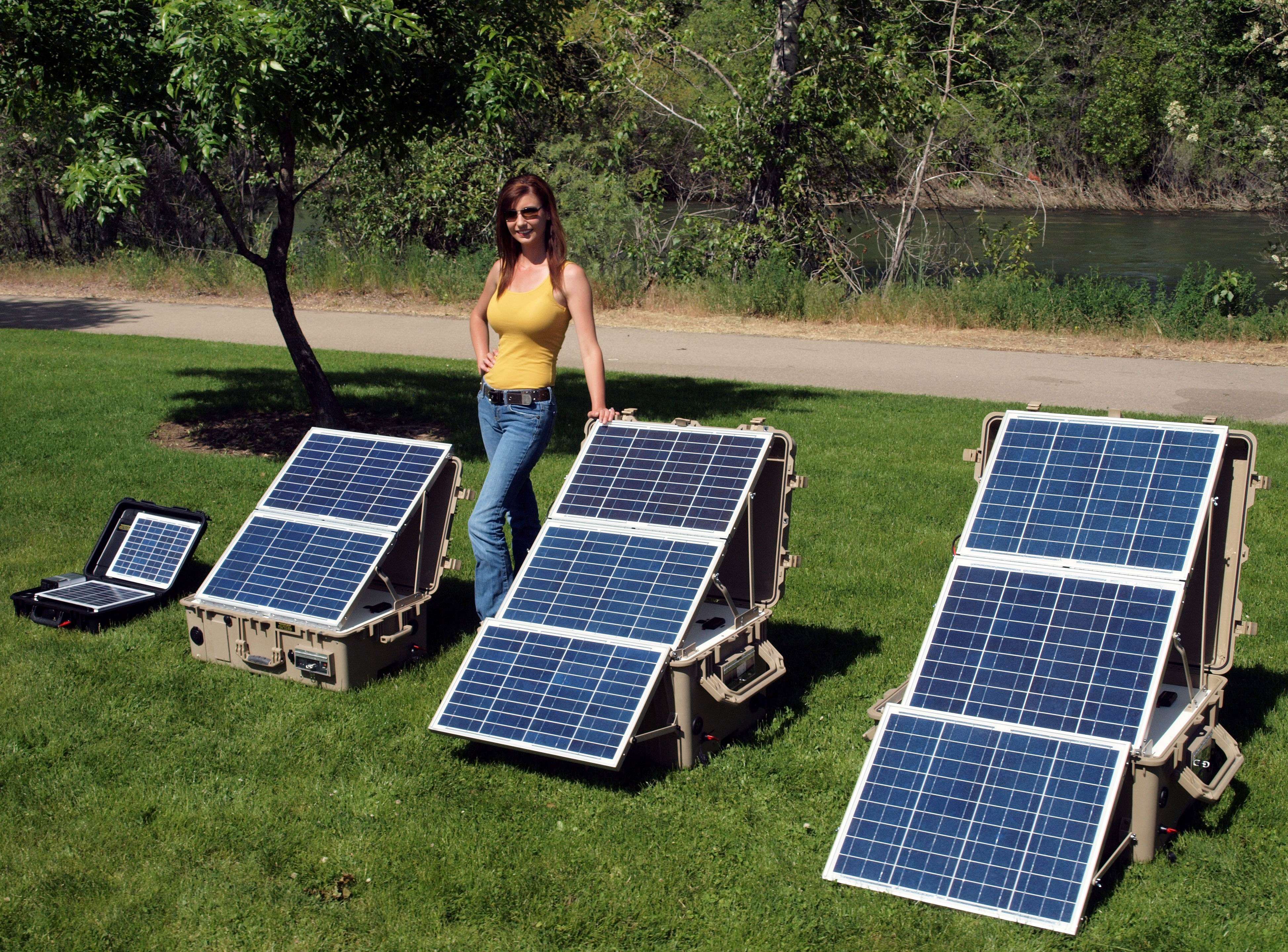
Solar panels were first made for spacecraft.The device is based on the ability of photons to create an electric current. There are a lot of variations in the design of solar panels and every year they are improved. There are two ways to make a solar battery yourself:
Method number 1. Buy ready-made photocells, assemble a chain from them and cover the structure with a transparent material
You need to work with extreme caution, all elements are very fragile. Each photocell is marked in Volt-Amps. Calculating the required number of cells to collect the battery of the required power will not be very difficult
The sequence of work is as follows:
Calculating the required number of cells to collect the battery of the required power will not be very difficult. The sequence of work is as follows:
- for the manufacture of the case you need a sheet of plywood. Wooden slats are nailed along the perimeter;
- ventilation holes are drilled in the plywood sheet;
- a fiberboard sheet with a soldered chain of photocells is placed inside;
- performance is checked;
- plexiglass is screwed onto the rails.
Method number 2 requires knowledge of electrical engineering. The electrical circuit is assembled from D223B diodes. Solder them in rows sequentially. Placed in a case covered with a transparent material.
Photocells are of two types:
- Monocrystalline plates have an efficiency of 13% and will last a quarter of a century. They work flawlessly only in sunny weather.
- Polycrystalline ones have a lower efficiency, their service life is only 10 years, but the power does not drop when it is cloudy. Panel area 10 sq. m. is capable of producing 1 kW of energy. When placed on the roof, it is worth considering the total weight of the structure.
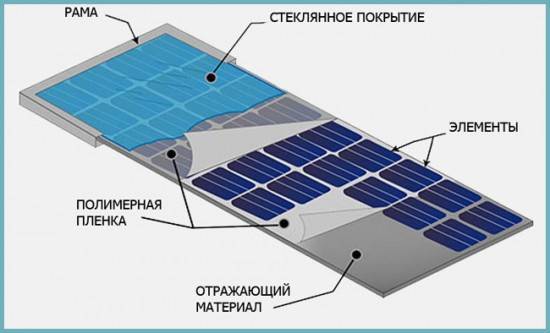
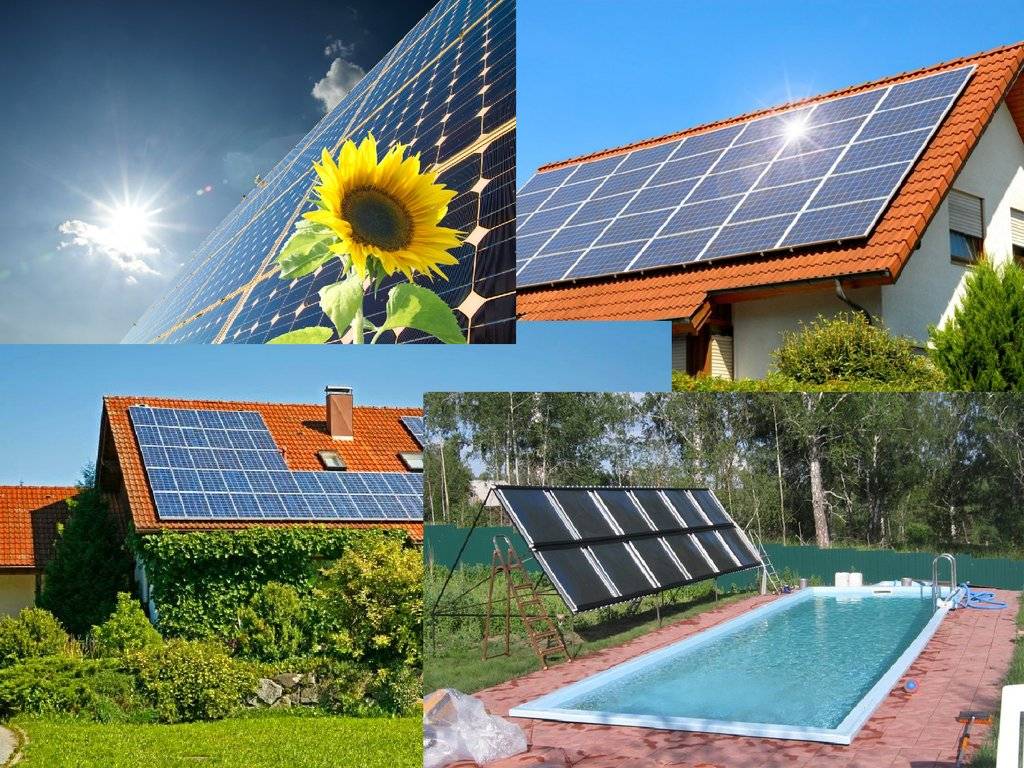
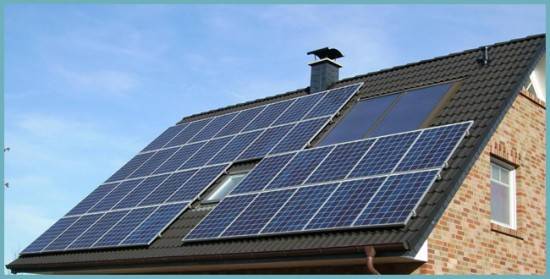
Ready batteries are placed on the sunniest side.The panel must be equipped with the ability to adjust the inclination of the angle with respect to the Sun. The vertical position is set during snowfalls so that the battery does not fail.
The solar panel can be used with or without a battery. During the day, consume the energy of the solar battery, and at night - the battery. Or use solar energy during the day, and at night - from the central power supply network.
Practical alternative energy: types
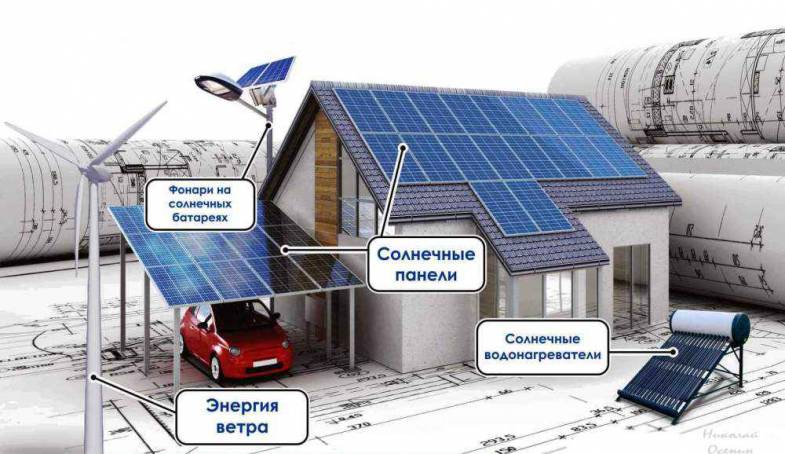
Alternative energy sources are a variety of promising ways to obtain, as well as transmit the resulting electricity. At the same time, such energy sources are renewable and bring minimal harm to the environment. These energy sources include solar panels and solar stations.
They, in turn, are divided into 3 types of energy production using:
- photocells;
- solar panels;
- Combined options.
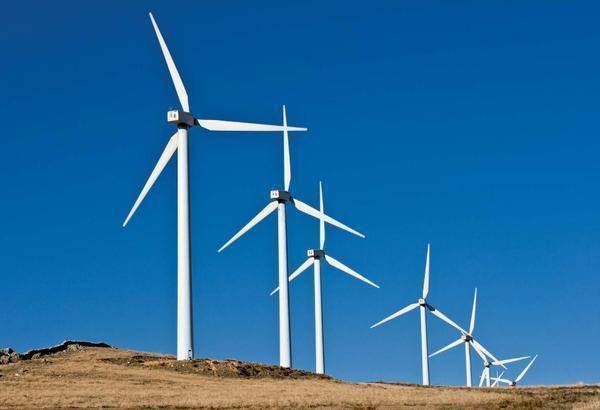
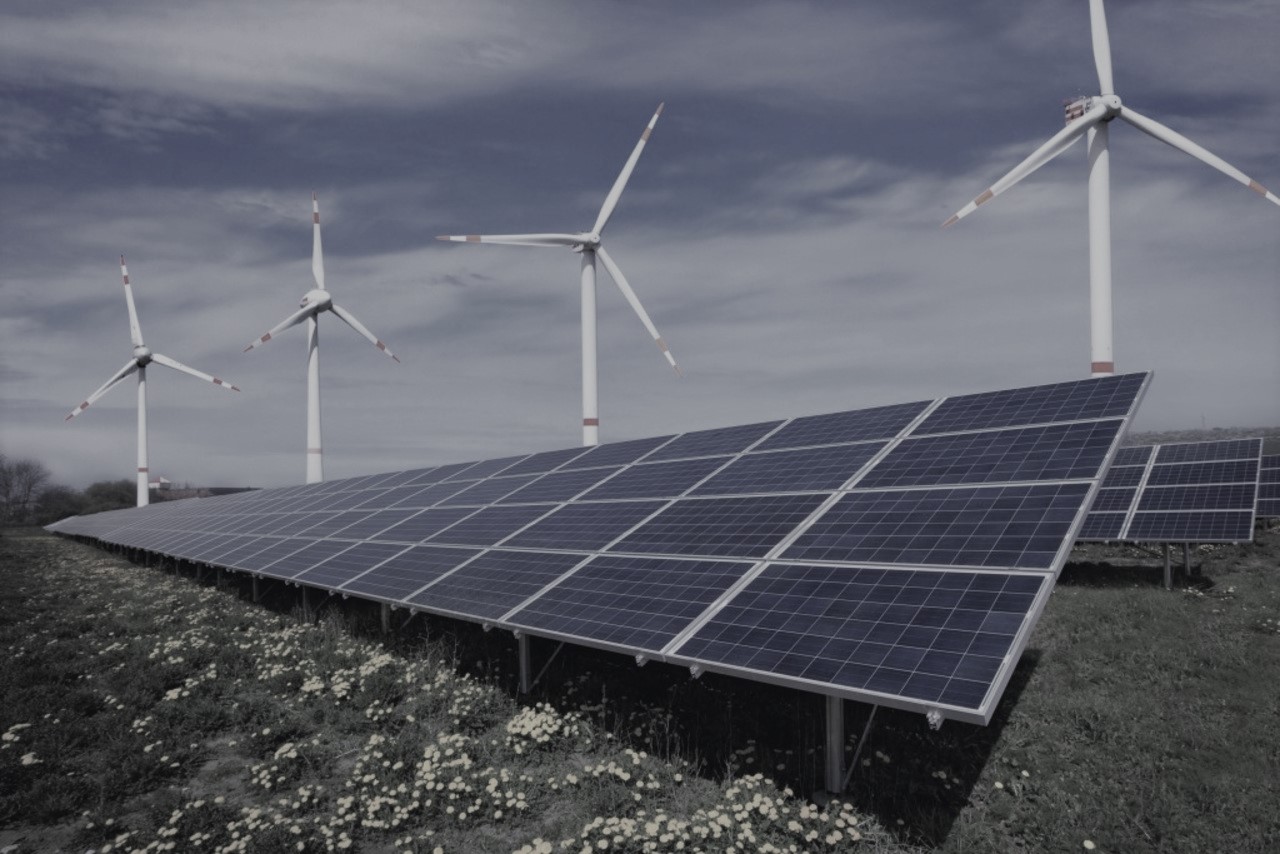
The use of mirror systems is popular, which heats water to high temperatures, resulting in steam that, passing through a system of pipes, turns a turbine. Windmills and wind farms generate electricity using wind energy, which turns special blades connected to generators.




The use of wave energy, as well as ebbs and flows, is popular.
From geothermal sources, hot water is widely used to generate electricity. It is interesting to use kinetic energy in some rooms, for example, in gyms, where the moving parts of the simulators are connected by means of rods to generators, which, as a result of people's movement, generate electricity.
Modern heating technologies
Heating options for a private house:
- Traditional heating system.The heat source is a boiler. Thermal energy is distributed by the heat carrier (water, air). It can be improved by increasing the heat transfer of the boiler.
- Energy-saving equipment that is used in new heating technologies. Electricity (solar system, various types of electric heating and solar collectors) acts as an energy carrier for heating housing.
New technologies in heating should help in solving the following issues:
- Cost reduction;
- Respect for natural resources.
Warm floor
Infrared floor (IR) is a modern heating technology. The main material is an unusual film. Positive qualities - flexibility, increased strength, moisture resistance, fire resistance. Can be laid under any floor material. The radiation of the infrared floor has a good effect on well-being, identical to the effect of sunlight on the human body. Cash costs for laying an infrared floor are 30-40% less than the cost of installing floors with electric heating elements. Energy savings when using a film floor of 15-20%. The control panel regulates the temperature in each room. No noise, no smell, no dust.
With the water method of supplying heat, a metal-plastic pipe lies in the floor screed. The heating temperature is limited to 40 degrees.
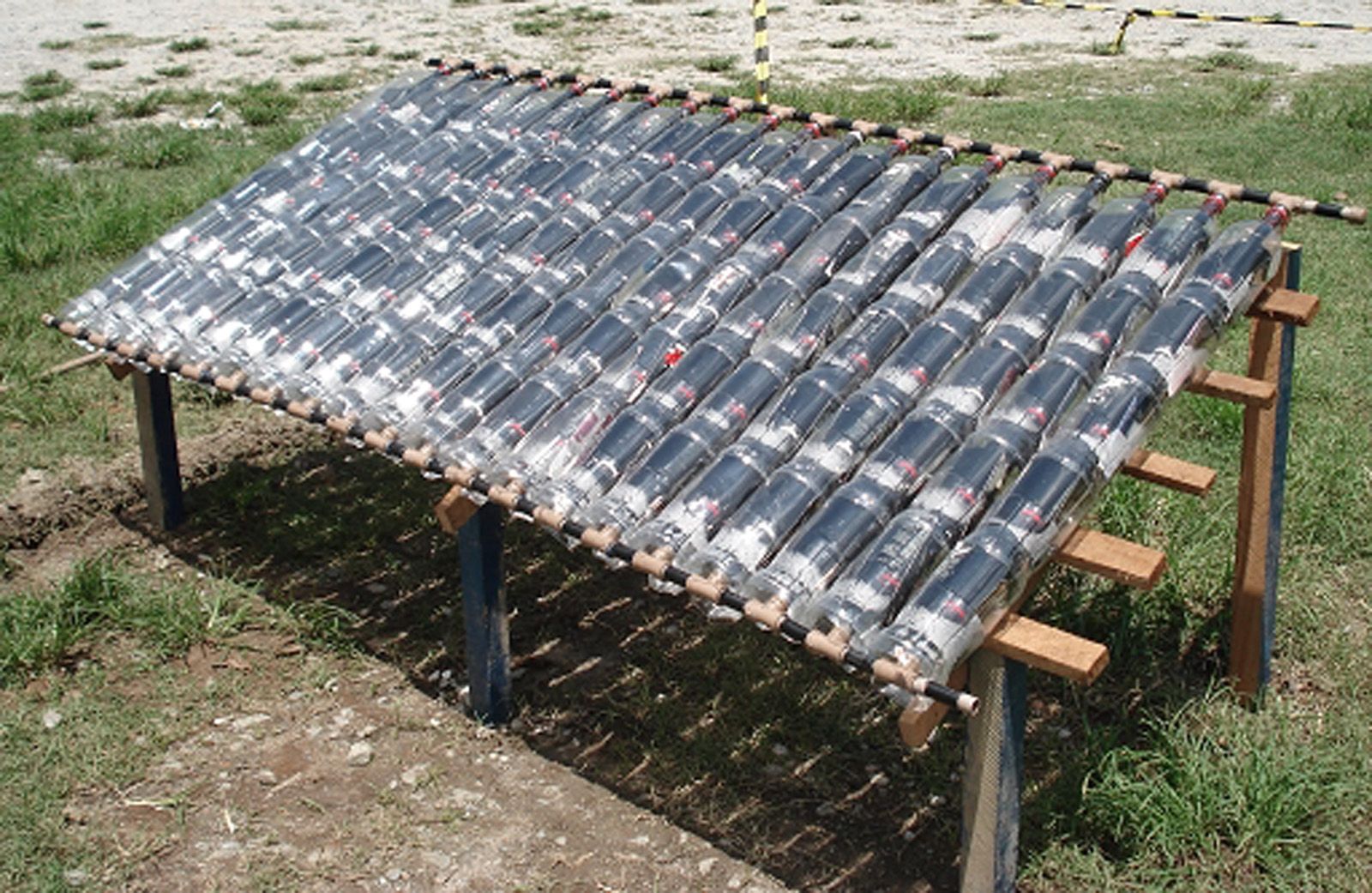
Water solar collectors
Innovative heating technology is used in places with high solar activity. Water solar collectors are located in places open to the sun. Usually this is the roof of the building. From the sun's rays, the water is heated and sent inside the house.
The negative point is the inability to use the collector at night. It makes no sense to apply in areas of the northern direction.The big advantage of using this principle of heat generation will be the general availability of solar energy. Does not harm nature. Does not take up usable space in the yard of the house.
solar systems
Heat pumps are used. With a total electricity consumption of 3-5 kW, pumps pump 5-10 times more energy from natural sources. The source is natural resources. The resulting thermal energy is supplied to the coolant with the help of heat pumps.
infrared heating
Infrared heaters have found application in the form of primary and secondary heating in any room. With low power consumption, we get a large heat transfer. The air in the room does not dry out.
The installation is easy to mount, no additional permits are needed for this type of heating. The secret of savings is that heat accumulates in objects and walls. Apply ceiling and wall systems. They have a long service life, more than 20 years.
Skirting heating technology
The scheme of operation of the skirting technology for heating a room resembles the operation of IR heaters. The wall is heating up. Then she starts to give off heat. Infrared heat is well tolerated by humans. The walls will not be susceptible to fungus and mold, as they will always be dry.
Easy to install. The heat supply in each room is regulated. In summer, the system can be used to cool the walls. The principle of operation is the same as for heating.
Air heating system
The heating system is built on the principle of thermoregulation. Hot or cold air is supplied directly to the room. The main element is an oven with a gas burner.The combusted gas gives off heat to the heat exchanger. From there, the heated air enters the room. Does not require water pipes, radiators. Solves three issues - space heating, ventilation.
The advantage is that the heating can be started gradually. In this case, the existing heating will not be affected.
Heat accumulators
The coolant is heated at night in order to save money on electricity costs. A thermally insulated tank, a large capacity is a battery. At night it heats up, during the day there is a return of thermal energy for heating.
Use of computer modules and the heat generated by them
To start the heating system, you need to connect the Internet and electricity. Principle of operation: the heat that the processor releases during operation is used.




They use compact and inexpensive ASIC chips. Several hundred chips are assembled into one device. At cost, this installation comes out like a regular computer.
Option #1 - Making Solar Panels
Designs capable of capturing and converting the energy of the sun are numerous, varied and constantly improving. For many craftsmen, perfecting these useful structures has become a great hobby. At thematic exhibitions, such enthusiasts willingly demonstrate many useful ideas.
To make solar panels, you need to purchase monocrystalline or polycrystalline solar cells, place them in a transparent frame, which is fixed with a strong case
The basis of the solar battery is special crystals that capture energy. At home, such elements cannot be made, they will have to be purchased.
Crystals are very fragile and should be handled with care.To make a solar battery, you need:
- Make a frame for solar panels from a transparent material, such as plexiglass.
- Make a case from a metal corner, plywood, etc.
- Carefully solder the crystalline elements into the circuit.
- Place the photocells in the frame.
- Carry out body assembly.
In general, there are two types of solar cells: monocrystalline and polycrystalline. The former are more durable and have an efficiency of about 13%, while the latter fail faster, their efficiency is somewhat lower - less than 9%. However, single-crystal solar cells work well only with a stable flow of solar energy; on a cloudy day, their efficiency becomes much lower. But polycrystalline elements tolerate the vagaries of the weather much better.
This video reflects the basic principles of self-manufacturing a solar battery:
Ready-made batteries are placed, of course, on the sunniest side of the roof. In this case, it is necessary to provide for the possibility of adjusting the inclination of the panel. For example, during snowfalls, the panels should be placed almost vertically, otherwise the layer of snow may interfere with the operation of the batteries or even damage them.
Homemade hydroelectric power plant
If there is a stream or reservoir with a dam on the site, an additional source of alternative electricity will be a self-made hydroelectric power station. The device is based on a water wheel, and the power will depend on the speed of the water flow. Materials for the manufacture of a generator and a wheel can be taken from a car, and scraps of a corner and metal can be found in any household. In addition, you will need a piece of copper wire, plywood, polystyrene resin and neodymium magnets.
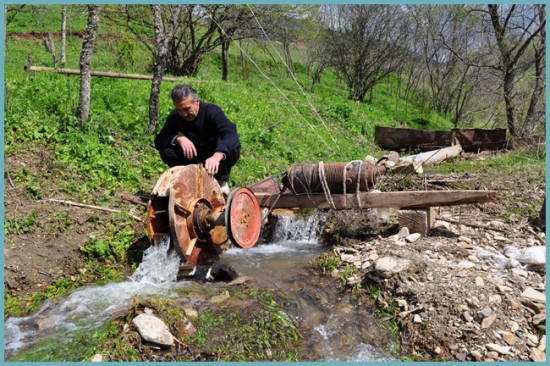
- The wheel is made from 11 inch wheels.Blades are made from a steel pipe (we cut the pipe lengthwise into 4 parts). You will need 16 blades. The discs are pulled together with bolts, the gap between them is 10 inches. Blades are welded.
- The nozzle is made according to the width of the wheel. It is made from scrap metal, bent to size and joined by welding. The nozzle is adjusted in height. This will regulate the water flow.
- The axle is welded.
- The wheel is mounted on the axle.
- The winding is made, the coils are poured with resin - the stator is ready. We collect the generator. A template is made from plywood. Install magnets.
- The generator is protected by a metal wing from water splashes.
- The wheel, axle and fasteners with a nozzle are coated with paint to protect the metal from corrosion and aesthetic pleasure.
- Adjusting the nozzle achieves the greatest power.
Homemade devices do not require large capital investments and produce energy for free. If you combine several types of alternative sources, then such a step will significantly reduce energy costs. To assemble the unit, you only need skillful hands and a clear head.
Traditional Energy
This is a wide layer of established sectors of the heat and power industry, providing about 95% of the world's energy consumers. The generation of the resource takes place at special stations - these are the objects of thermal power plants, hydroelectric power stations, nuclear power plants, etc. They work with a ready-made raw material base, during the processing of which target energy is generated. There are the following stages of energy production:
- Production, preparation and delivery of feedstock to the facility for the production of one or another type of energy. These can be the processes of extraction and enrichment of fuel, the combustion of petroleum products, etc.
- Transfer of raw materials to units and assemblies that directly convert energy.
- The processes of converting energy from primary to secondary. These cycles are not present at all stations, but, for example, for the convenience of delivery and subsequent distribution of energy, various forms of it can be used - mainly heat and electricity.
- Maintenance of finished converted energy, its transmission and distribution.
At the final stage, the resource is sent to end users, which can be both sectors of the national economy and ordinary homeowners.

Non-traditional energy sources: methods of obtaining
Non-traditional sources of energy supply are primarily the generation of electricity using wind, sunlight, tidal wave energy, and also using geothermal waters. But, besides this, there are other ways using biomass and other methods.
Namely:
- Getting electricity from biomass. This technology implies the production of biogas from waste, which consists of methane and carbon dioxide. Some experimental installations (Michael's Humireactor) process manure and straw, which makes it possible to obtain 10–12 m3 of methane from 1 ton of material.
- Getting electricity thermally. Converting thermal energy into electricity by heating some interconnected semiconductors consisting of thermoelements and cooling others. As a result of the temperature difference, an electric current is produced.
- Hydrogen cell.This is a device that from ordinary water by electrolysis allows you to get a fairly large amount of hydrogen-oxygen mixture. At the same time, the cost of obtaining hydrogen is minimal. But such power generation is still only in the experimental stage.
Another type of electricity generation is a special device called a Stirling engine. Inside a special cylinder with a piston is a gas or liquid. With external heating, the volume of liquid or gas increases, the piston moves and makes the generator work in turn. Further, the gas or liquid, passing through the pipe system, cools and moves the piston back. This is a rather rough description, but it makes it clear how this engine works.





Option #4 - biogas plant
During the anaerobic processing of organic waste, so-called biogas is released. The result is a mixture of gases consisting of methane, carbon dioxide and hydrogen sulfide. The biogas generator consists of:
- sealed tank;
- auger for mixing organic waste;
- branch pipe for unloading the spent mass of waste;
- necks for filling waste and water;
- pipe through which the resulting gas flows.
Often, a waste processing tank is arranged not on the surface, but in the thickness of the soil. To prevent leakage of the resulting gas, it is made completely sealed. At the same time, it should be remembered that in the process of biogas release, the pressure in the tank is constantly increasing, so the gas must be taken from the tank on a regular basis. In addition to biogas, as a result of processing, an excellent organic fertilizer is obtained, useful for growing plants.
The device and operating rules of such a gas generator are subject to increased safety requirements, since biogas is dangerous to inhale and it can explode. However, in a number of countries of the world, for example, in China, this method of obtaining energy is quite widespread.
The design of a biogas generator is very simple, but some care must be taken during its operation, since biogas is a combustible substance hazardous to health.
The composition and amount of biogas obtained from waste depends on the substrate. Most gas is obtained when using fat, grain, technical glycerin, fresh grass, silage, etc. Usually, a mixture of animal and vegetable waste is loaded into the tank, to which some water is added. In summer, it is recommended to increase the moisture content of the mass to 94-96%, and in winter, 88-90% moisture is sufficient. The water supplied to the waste tank should be heated to 35-40 degrees, otherwise the decomposition processes will be slowed down. To keep warm, a layer of heat-insulating material is mounted on the outside of the tank.
It always seemed to me that alternative energy is too expensive in terms of investment, but you managed to convince me. On the one hand, it is difficult to assemble the necessary fixtures manually (I haven’t personally tried it, I can’t judge). On the other hand, if everything can be done correctly, an alternative energy source will pay for itself in any case. Now electricity costs a lot of money. But, I think that alternative energy can only be installed in a private house, because. in the city - supervision services (I don’t remember the name) - they won’t look at it very approvingly - they may even be fined.I live in the city myself and there is no way to try such things.
If you combine all types of alternative energy production, then perhaps this will significantly reduce energy costs and even someday pay back your construction. Judging by the article, it is not so difficult to assemble an alternative energy source, but it still requires some skills. If you consider installing solar panels on the roof, and in addition to them a wind turbine, you can get an almost universal source of energy in any weather. And if you add biogas, then in general there will be beauty. However, all these methods are good only for the warm season (well, or autumn, when there is a strong wind), but in winter the sun is not often, the wind too. How to be in this case?