- Calculation of the required battery capacity
- Maintenance: how to restore a gel battery, electrolyte replacement
- Is it possible to pour electrolyte or water into a gel battery?
- Life time
- Operating rules
- Types and types of car batteries
- Solar Battery Selection Criteria
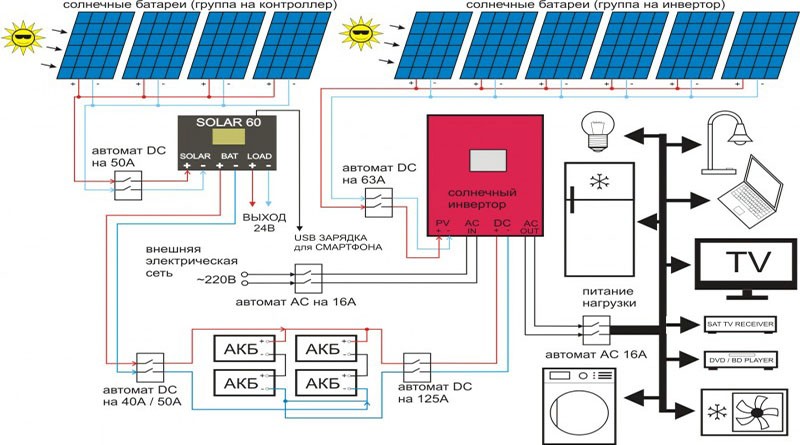
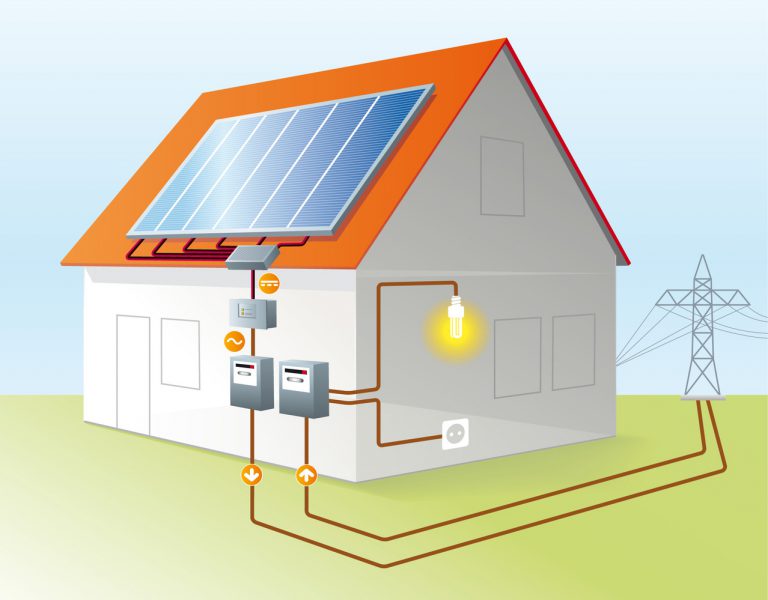
- Scheme of the device of a solar power plant
- Types of batteries
- Lithium
- Lead acid
- alkaline
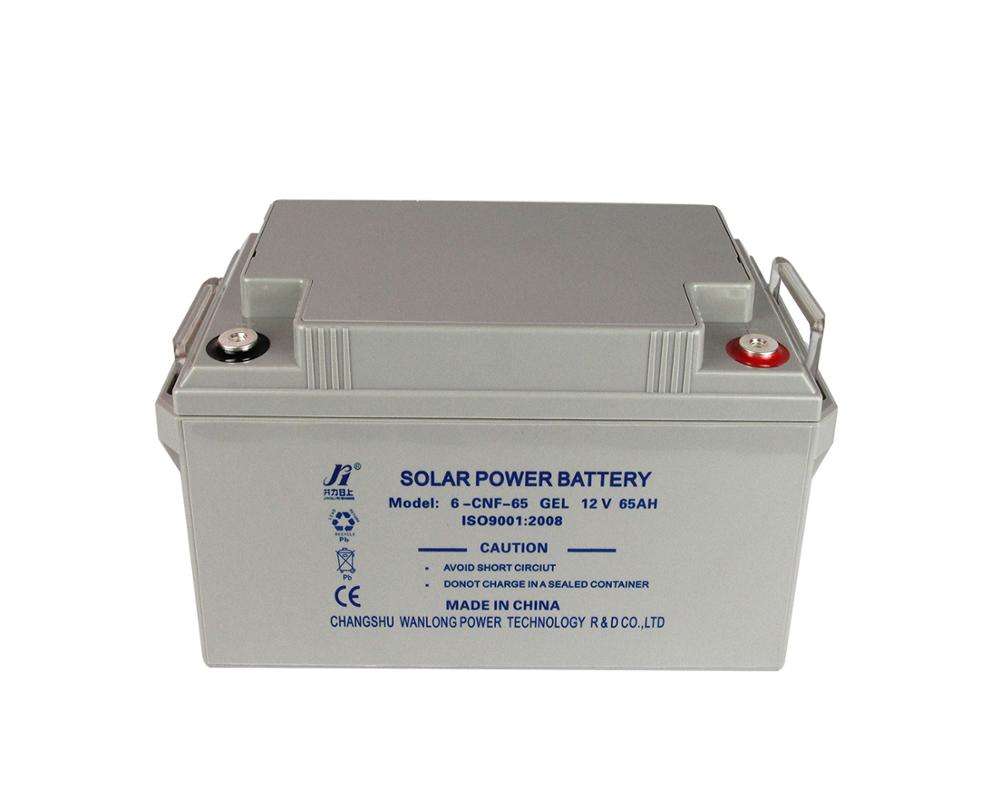
- Gel
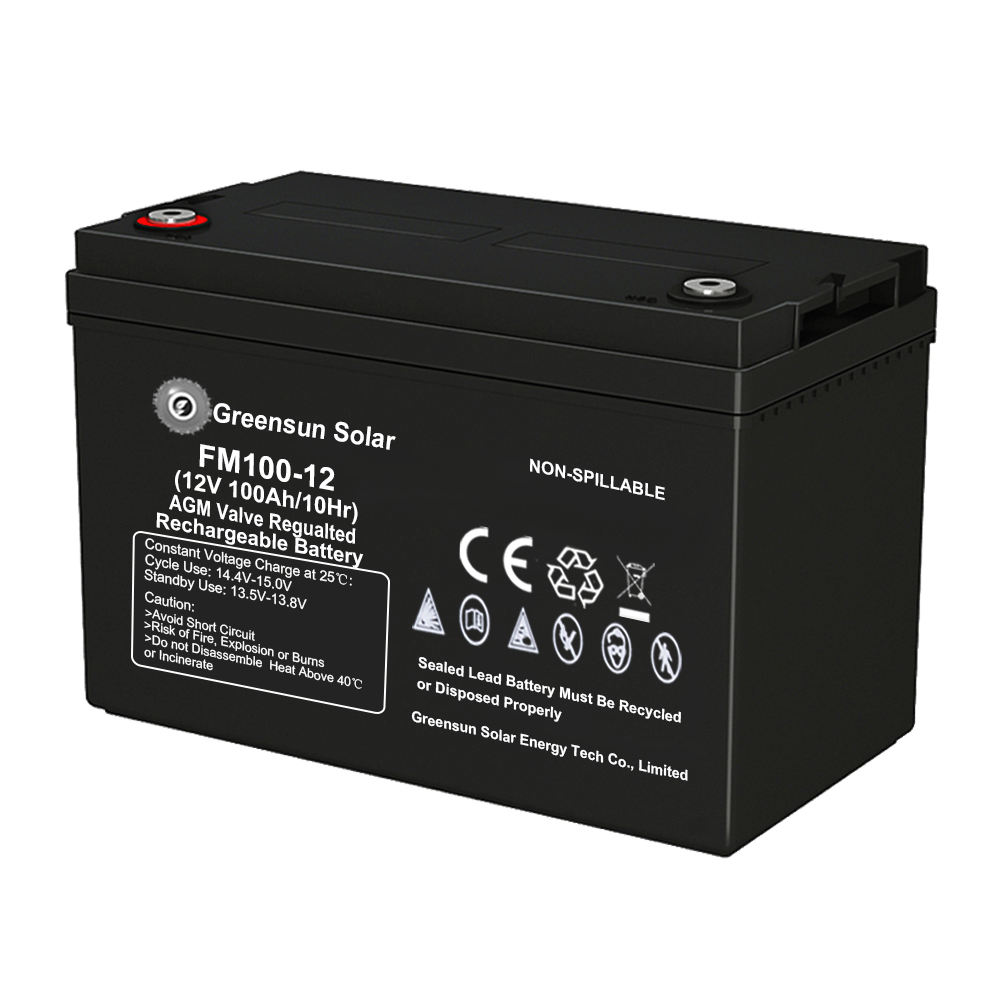
- AGM
- Cast nickel-cadmium batteries
- Car batteries
Calculation of the required battery capacity
The capacity of batteries is calculated based on the expected period of battery life without recharging and the total power consumption of electrical appliances.
The average power of the electrical appliance over the time interval can be calculated as follows:
P = P1 * (T1 / T2),
Where:
- P1 - nameplate power of the device;
- T1 – device operation time;
- T2 is the total estimated time.
Almost throughout Russia, there are long periods when solar panels will not work due to bad weather.
Installing large arrays of batteries for their full load only a few times a year is uneconomical.Therefore, the choice of the time interval during which the devices will work only on the discharge must be approached based on the average value.
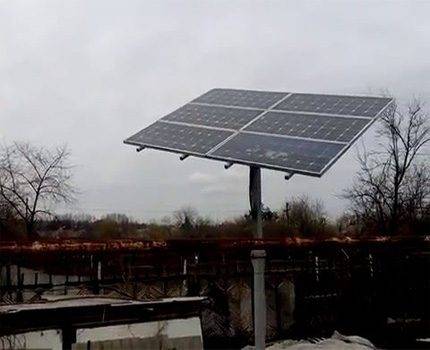
The amount of energy generated by solar panels depends on the density of the clouds. If cloudy weather in the region is not uncommon, then the lack of input power must be taken into account when calculating the volume of the battery pack
In the case of a long period when it is not possible to use solar panels, it is necessary to use another system for generating electricity, based, for example, on a diesel or gas generator.
A 100% charged battery can deliver power until it is completely discharged, which can be calculated using the formula:
P = U x I
Where:
- U - voltage;
- I - current strength.
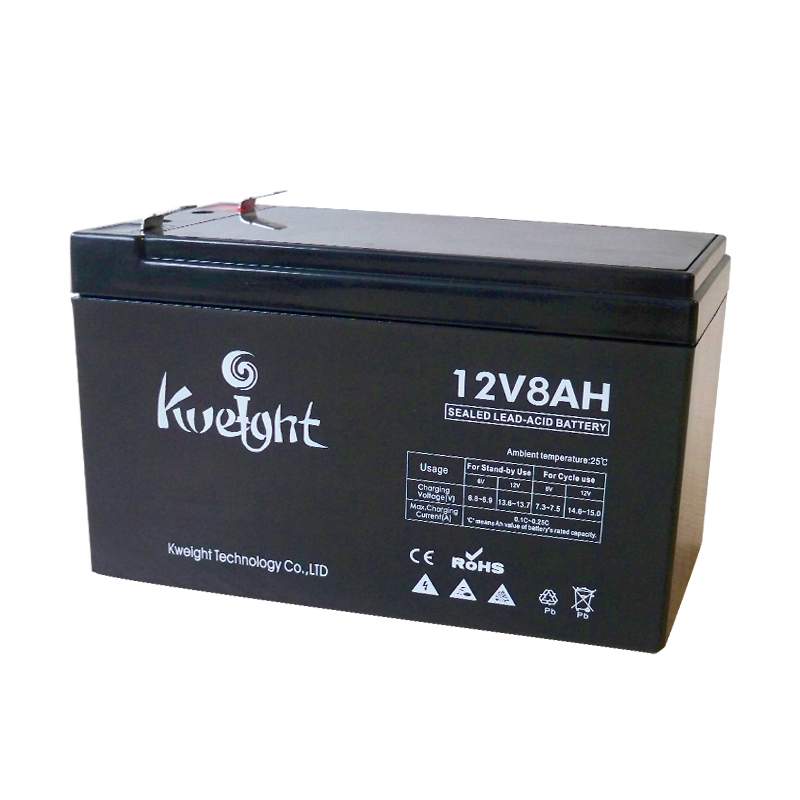
So, one battery with a voltage of 12 volts and a current of 200 amperes can generate 2400 watts (2.4 kW). To calculate the total power of several batteries, you must add the values obtained for each of them.
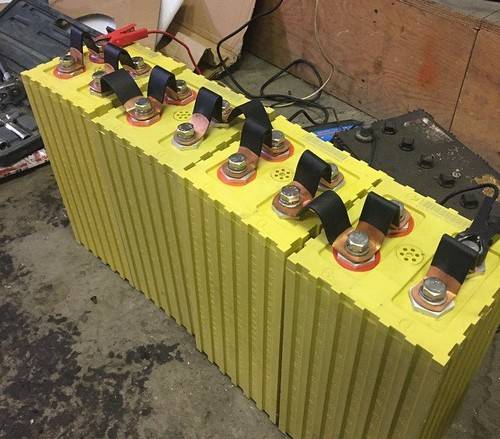
On sale there are batteries with a high power rating, but they are expensive. Sometimes it is much cheaper to purchase several ordinary devices complete with connecting cables
The result obtained must be multiplied by several reduction factors:
- inverter efficiency. With proper matching of voltage and power at the input to the inverter, a maximum value of 0.92 to 0.96 will be reached.
- efficiency of power cables. Minimizing the length of the wires connecting the batteries and the distance to the inverter is necessary to reduce electrical resistance. In practice, the value of the indicator is from 0.98 to 0.99.
- The minimum allowable discharge of batteries.For any battery, there is a lower charge limit, beyond which the life of the device is significantly reduced. Typically, controllers are set to a minimum charge value of 15%, so the coefficient is about 0.85.
- Maximum allowable capacity loss before changing batteries. Over time, aging of devices occurs, an increase in their internal resistance, which leads to an irreversible decrease in their capacity. It is unprofitable to use devices with a residual capacity of less than 70%, so the value of the indicator should be taken as 0.7.
As a result, the value of the integral coefficient when calculating the required capacity for new batteries will be approximately equal to 0.8, and for old ones, before they are written off - 0.55.
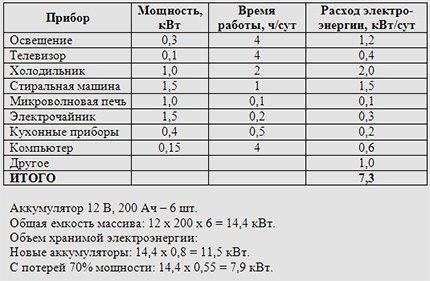
To provide the house with electricity with the length of the charge-discharge cycle equal to 1 day will require 12 batteries. When one block of 6 devices is on discharge, the second block will be charged
Maintenance: how to restore a gel battery, electrolyte replacement
If you service the power supply according to the manufacturer's recommendations, then most likely it will serve its useful life without any problems and will not require additional actions. If the power supply is swollen or the plates are destroyed, then we recommend not to restore it, but to purchase a new one. In what cases can you try to revive a gel battery?
If you notice a loss of capacity in your battery, then the gel component may have dried out. In this case, it is necessary to restore the water balance of the element with distilled water. Next, we'll show you step by step how to do it.
Remove the plastic cover.
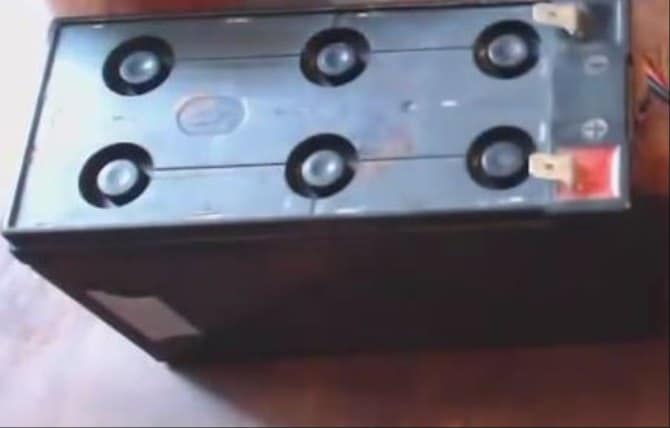
Remove the rubber stoppers from the jars.
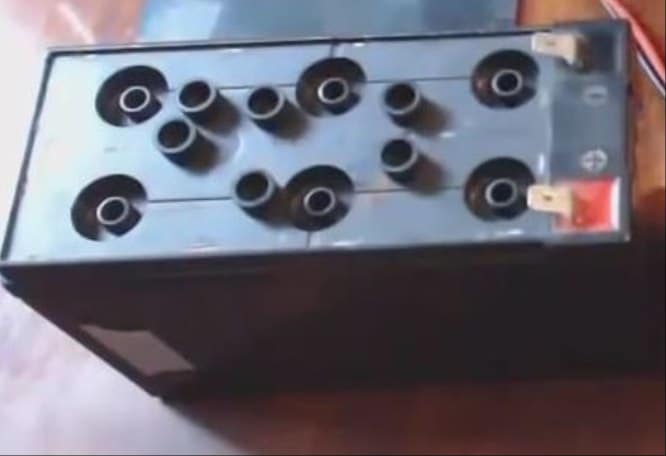
- Take a syringe and draw up 1-2 cubes of distilled water.
- Pour water into each jar.

- Leave the battery for a few hours to allow the gel to soak into the water.
- If there is not enough water, add; if there is excess - remove them with a syringe.
- Check the voltage level at the terminals.
- Replace the plugs and close the battery cover.
- Put the battery on charge.
Also, revitalization of the battery may be necessary with strong sulfation of the plates, which is formed during the operation of the battery. There are two ways of desulfation:
With the help of the chemical composition Trilon V. It must be purchased, diluted in the specified proportion and poured into a pre-dried battery
Please note that in gel batteries it is not always possible to completely remove the electrolyte in the form of a gel. After desulfation with Trilon B, you will need to rinse the insides with distilled water, pour the gel electrolyte into the battery again, after preparing the solution
As you can see, the method is quite troublesome and requires knowledge and skills.
With the help of pulsed currents of various amplitudes. During this operation, the pulsed currents destroy the lead sulfate. It is worth noting that gel batteries, as mentioned above, extremely negatively perceive sudden voltage drops and high currents. Users who have tried this method say that it is not always possible to achieve the goal. This is explained by the fact that, in addition to lead sulfate, the plates themselves are destroyed, and this leads to a loss of capacity.
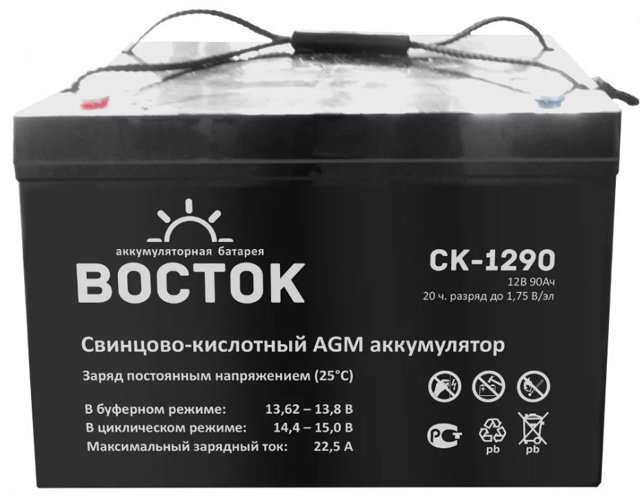
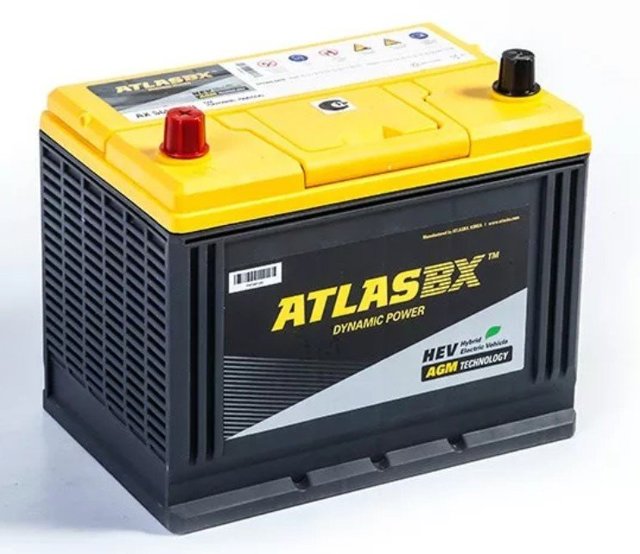


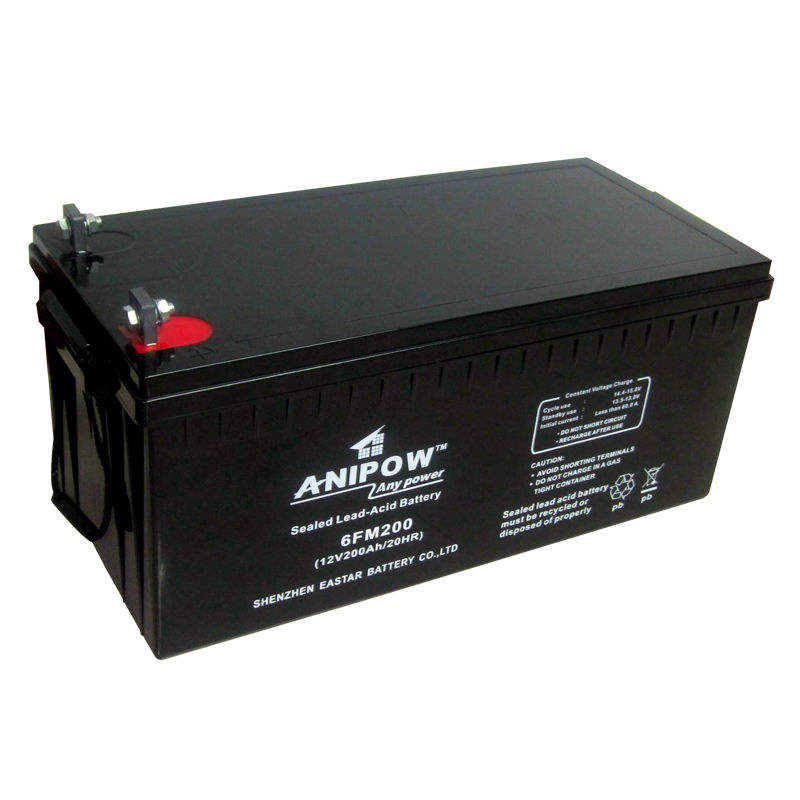

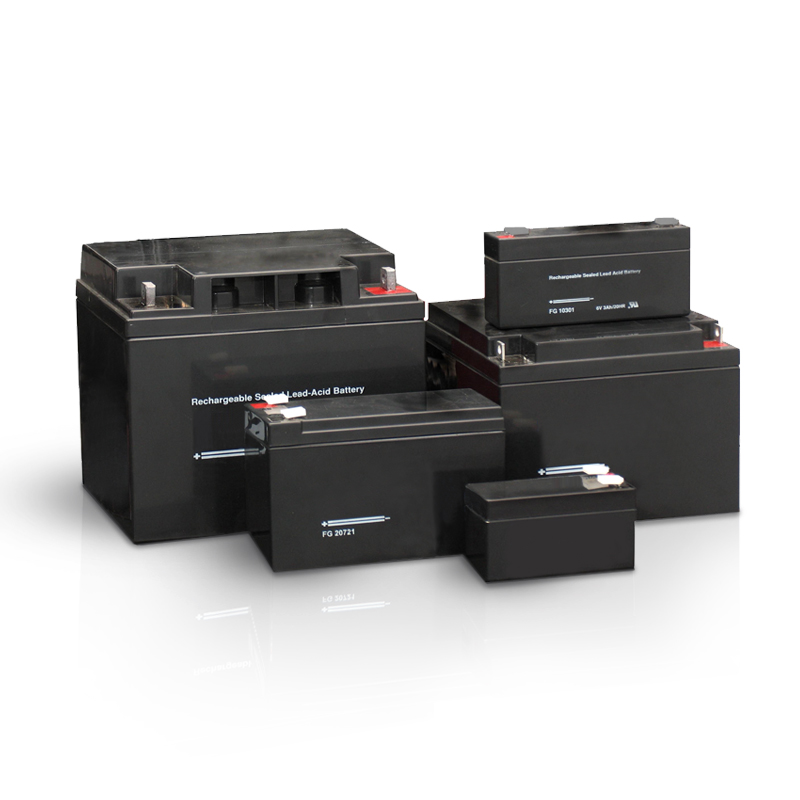

As you can see, there are ways to recover batteries, however, they are not very suitable for gel power supplies.We recommend that you do not try to revive the gel battery, but purchase a new one.
Is it possible to pour electrolyte or water into a gel battery?
As part of the maintenance of gel batteries, they can be topped up with distilled water in the manner that we described above. It is not recommended to pour ordinary tap water into power sources - there are too many impurities in it that will interfere with the correct reaction.
The electrolyte in its pure form is not poured into gel batteries. You can try to make an absorbed electrolyte, however, we cannot vouch for the results of such an experiment.
Gel batteries for cars are quite popular due to the absence of the need for their maintenance. As you can see, the operation of these power supplies is extremely simple. However, many are put off by their high cost. With proper maintenance - timely recharging, compliance with storage conditions - this battery will last a long time, and the restoration of capacity will not take much time and effort. How do you take care of your gel battery? Have you encountered problems during charging or recovery? Share your experience with our readers.
Life time
In most cases with home solar panels, the cycle of the battery subsystem will be one day. As you operate in this mode, the ability of the battery to accumulate energy in the same volume will be reduced. It is believed that by the end of the battery life, the remaining capacity of the battery should be 80% of the nominal.
Given this feature, it is quite simple to calculate the economic feasibility of choosing certain batteries in a system with solar panels.
Effect of depth of discharge on service life (cycles)
Temperature effect on service life (years)
Operating rules
When operating batteries, as well as any technical device, you must follow the rules. In the case of using batteries in solar station systems, the operating rules are determined by the nature of the operation of such systems and are expressed in the requirements for batteries, as described above.
Due to the large electrical load, which is usually connected to power supply systems, it is necessary to include several batteries in a single group. This is done to increase the total capacitance and to increase the voltage at the output, or to achieve both goals.
Three schemes for switching on a group of batteries are used:
Consistently. With this inclusion, the capacity of the group will be equal to the capacity of one battery, and
the voltage will be reflected in the sum of the voltages of all the batteries in the group.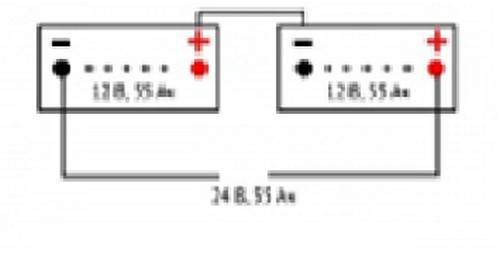
Parallel. With this inclusion, the voltage is unchanged and equal to the nominal voltage of one battery, and the capacity of the group is determined as the sum of the capacities of the included batteries;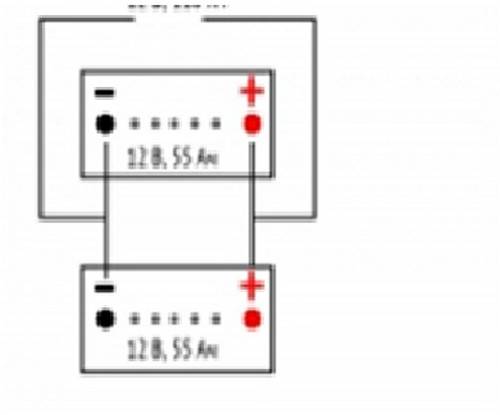
Combined. With this switching scheme, series and parallel connection of the battery is used.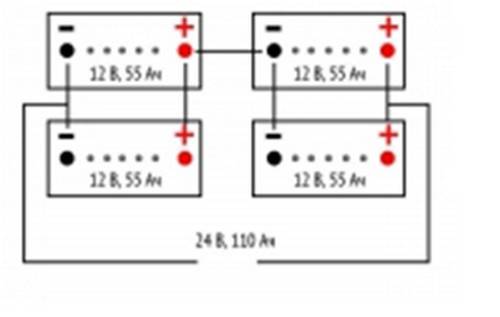
When combining batteries into groups, remember that batteries should be used in one group:
- One kind;
- One container;
- One rated voltage.
It is desirable that the batteries have the same operating time and manufacturer.
You may also like the following content:
Thank you for reading to the end!
Don't forget, in Zen
If you liked the article!
Follow us on twitter:
Share with friends, leave your comments
Join our VK group:
ALTER220 Alternative energy portal
and suggest topics for discussion, together it will be more interesting!!!
Types and types of car batteries
A traditional battery with lead plates and a solution of sulfuric acid as an electrolyte belongs to the class of lead-acid or WET (“wet” in foreign terminology) batteries. In cars, this type of battery has been used for a long time and has already gone through several stages of evolution associated with the complexity of maintenance.
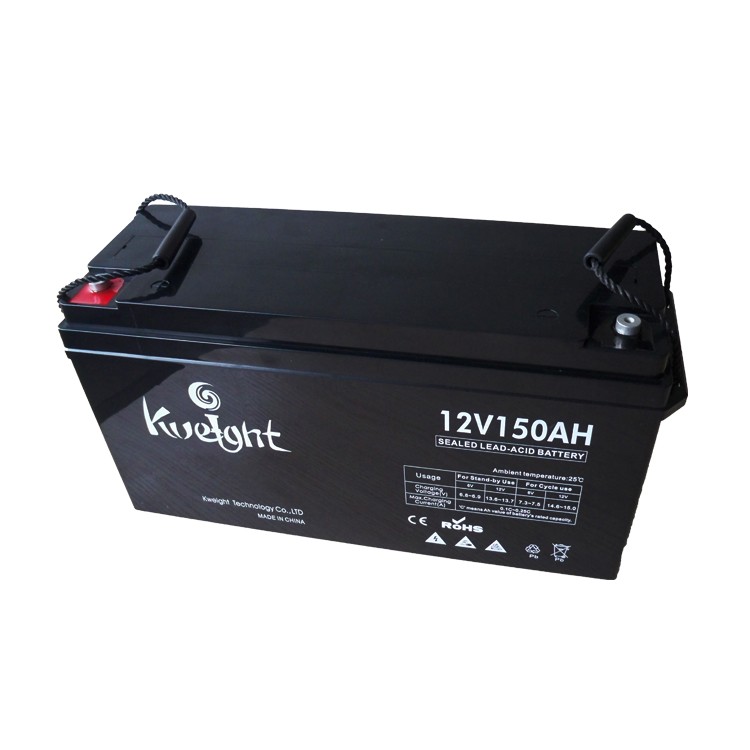
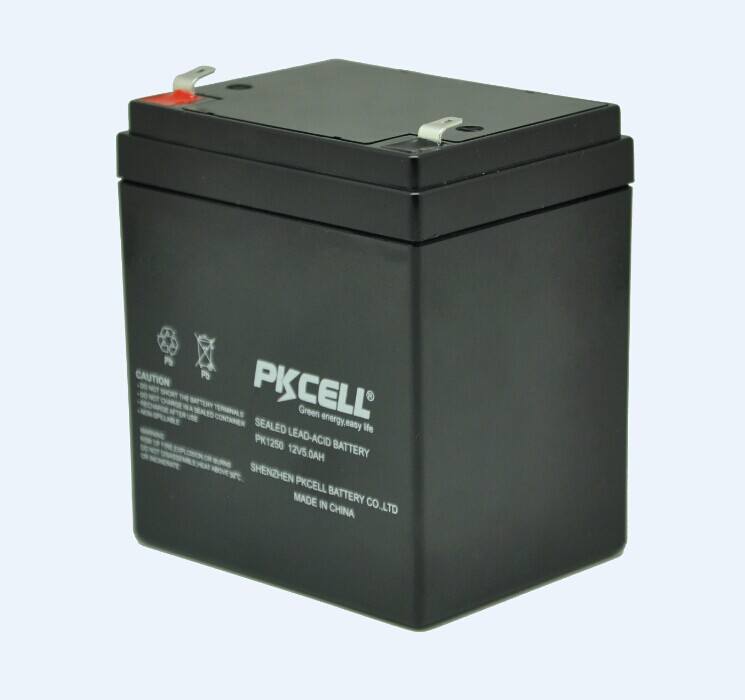


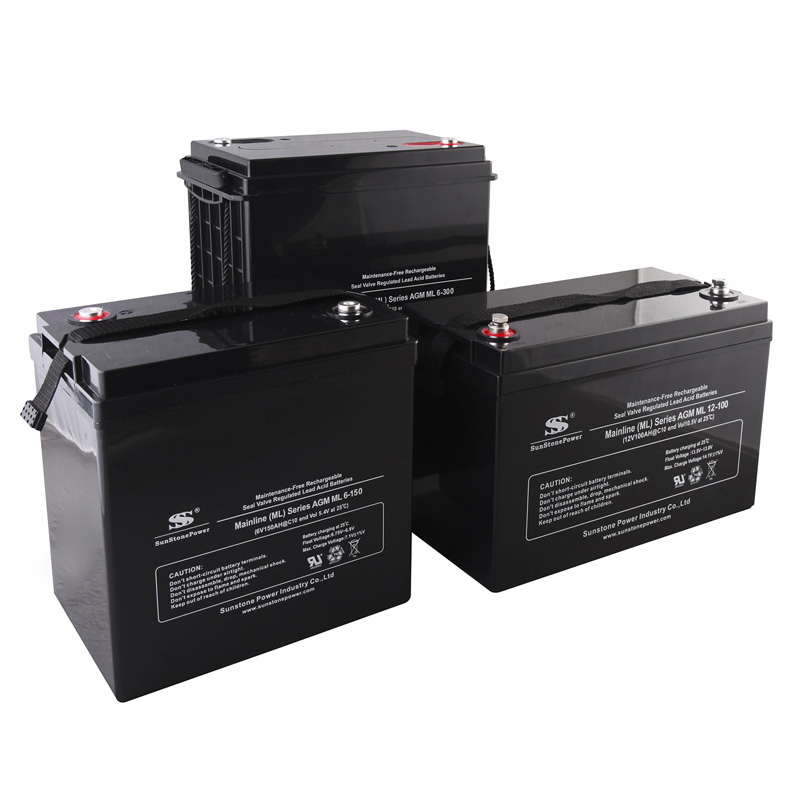


The fact is that in the process of charge and discharge cycles, an additional amount of water is formed, which, evaporating, changes the density of the electrolyte. In addition, the chemical reaction in the electrolyte is accompanied not only by the formation of lead sulfate and water, but also by the evolution of gases (hydrogen and oxygen) and the formation of vapors of the electrolyte itself.
The process of gas formation is especially active during intensive driving and charging the battery with high currents - then they say that the battery is “boiling”.
Evaporation of some of the electrolyte not only changes the density, but also exposes the upper part of the plates, degrading the battery's efficiency and durability. That is why, in the recent past, lead-acid batteries, in addition to monitoring the charge level, required constant checking of the density and electrolyte level, and periodic maintenance was an integral part of operation.
In addition to sulfation and evaporation of the electrolyte in batteries of this type, the plate material interacts with water, forming lead oxides - sources of corrosion and gradual destruction of the plates.
The improvement of batteries included, first of all, the reduction of the negative effect of these three factors, and the main ways to solve problems were to use new materials.
Thus, the use of antimony to increase the durability of plates has been known for a long time. Modern technologies have made it possible to reduce the percentage of this element and, due to this, to achieve a noticeable decrease in the intensity of "boiling". The maintenance time of the batteries is significantly reduced and they are already called low-maintenance.
The next step towards the improvement of car batteries - the use of calcium in the lead alloy - made it possible to further reduce the intensity of gas formation and increase the self-discharge voltage. Now the batteries could be stored in a discharged state for a longer time, and the process of boiling off the electrolyte began to play such an insignificant role that the batteries became maintenance-free (although this is not entirely true: battery charging is one of the maintenance operations).
"Maintenance-free" batteries for passenger cars are almost never produced. But “low-maintenance” (sometimes referred to as “unattended”) is quite reasonable to use on those machines (especially with mileage) in which the on-board network is unstable: these batteries are resistant to load fluctuations.
An intermediate position between low antimony and calcium batteries is occupied by hybrid batteries. In them, the plates of positive electrodes are made with a low content of antimony, and the negative ones contain calcium. This solution allows you to combine to some extent the advantages of both options, but, alas, the disadvantages too.The fact is that "calcium" batteries are just sensitive to changes in the on-board network.
The next important steps in the improvement of car batteries were design and technological solutions that ensured the transition of the electrolyte from a liquid state to a gel-like one. Batteries made using a technology that uses a gel rather than a liquid as an electrolyte are called gel batteries.
The use of the gel allowed us to solve several problems at once:
- safety - a sulfuric acid solution is extremely dangerous for both humans and the environment, and the possibility of leaks always exists;
- orientation - the gel-like state allows the battery to be operated at any inclination of the horizon line - the electrolyte in it is securely fixed;
- vibration resistance - the helium filler is not afraid of shaking on potholes - it is fixed in relation to the electrode plates, the possibility of exposing part of the electrode surface is excluded.
One of the varieties of gel (although there are terminological disputes about this) are AGM batteries (AGM - an abbreviation for Absorbent Glass Mat - absorbent glass material), so named for the corresponding technology. The peculiarity of AGM is that between the plates there is a special porous material that holds the electrolyte and additionally protects the plates from shedding.
Batteries in which liquid thickened to a gel consistency is used as an electrolyte are not used in passenger cars.
Solar Battery Selection Criteria
Manufacturers are constantly improving technologies for solar batteries, and the same digital performance indicators in action can manifest themselves in completely different ways.
But you should definitely pay attention to such indicators:
- operating level of capacity;
- charge current;
- discharge current.
When selecting batteries, the number of green systems themselves should be taken into account, the required battery capacity will depend on this. Most often, batteries with a voltage of 12 V are found, based on this, it will be necessary to calculate how many batteries will need to be connected in series.
If the operating voltage of the solar battery exceeds the voltage of one battery, you need to calculate how many of them will need to be connected, as a rule, the figure is a multiple of 12. It should also be borne in mind that when the batteries are connected in series, the voltage changes, but the capacity remains the same, while in parallel vice versa.
Scheme of the device of a solar power plant
Consider how the solar system for a country house is arranged and works. Its main purpose is to convert solar energy into 220 V electricity, which is the main power source for household electrical appliances.
The main parts that make up the SES:
- Batteries (panels) that convert solar radiation into DC current.
- Battery charge controller.
- Battery pack.
- An inverter that converts the battery voltage to 220 V.
The design of the battery is thought out in such a way that allows the equipment to operate in various weather conditions, at temperatures from -35ºС to +80ºС.
It turns out that properly installed solar panels will work with the same performance both in winter and summer, but on one condition - in clear weather, when the sun gives off the maximum amount of heat. On a cloudy day, performance drops sharply.






The efficiency of solar power plants in the middle latitudes is great, but not enough to fully provide electricity to large houses. More often, the solar system is considered as an additional or backup source of electricity.
The weight of one 300 W battery is 20 kg. Most often, the panels are mounted on the roof, facade or special racks installed next to the house. Necessary conditions: turn of the plane towards the sun and optimal inclination (on average 45 ° to the earth's surface), providing a perpendicular fall of the sun's rays.
If possible, install a tracker that tracks the movement of the sun and regulates the position of the panels.
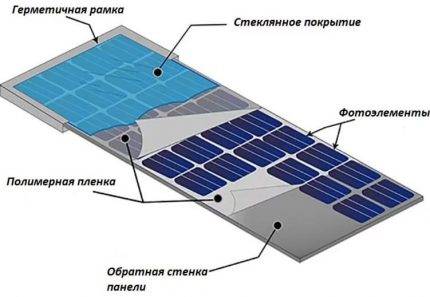
The upper plane of the batteries is protected by tempered shockproof glass, which easily withstands hail or heavy snow drifts. However, it is necessary to monitor the integrity of the coating, otherwise damaged silicon wafers (photocells) will stop working.
The controller performs how many functions. In addition to the main one - automatic adjustment of the battery charge, the controller regulates the supply of energy from solar panels, thereby protecting the battery from complete discharge.
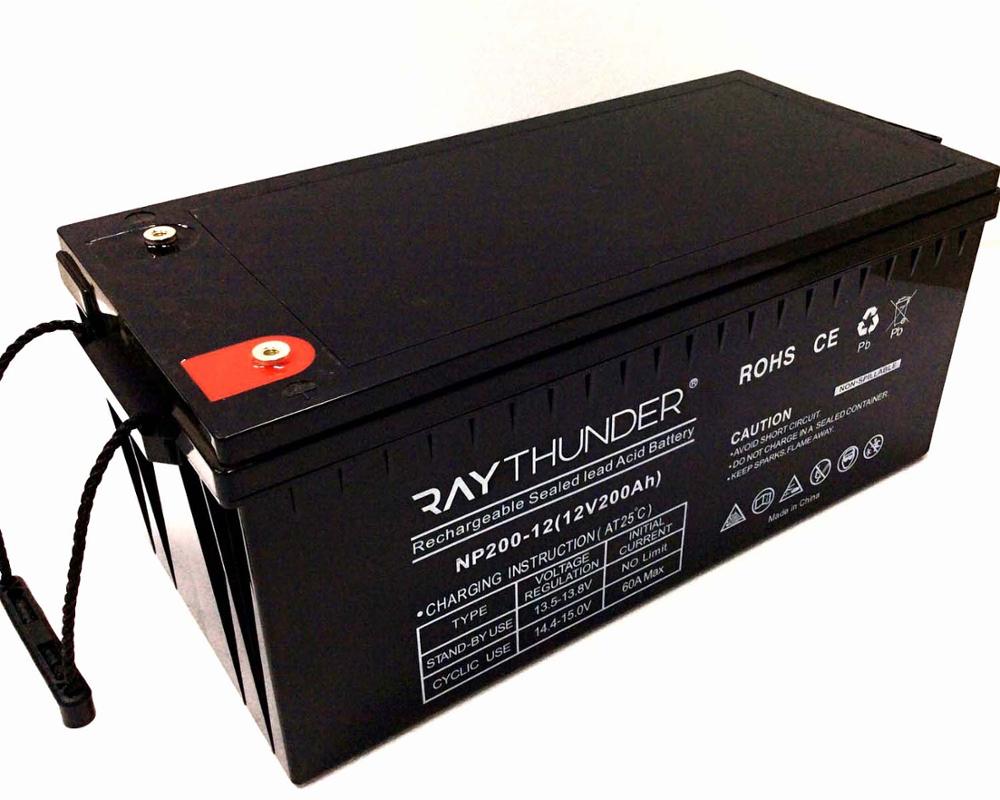
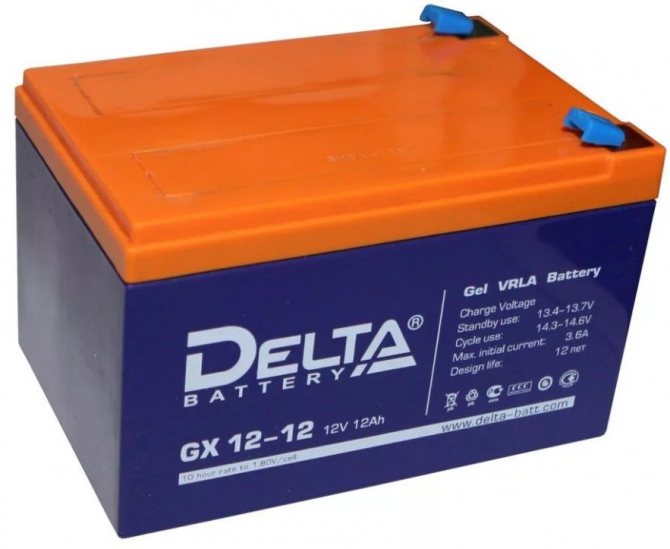
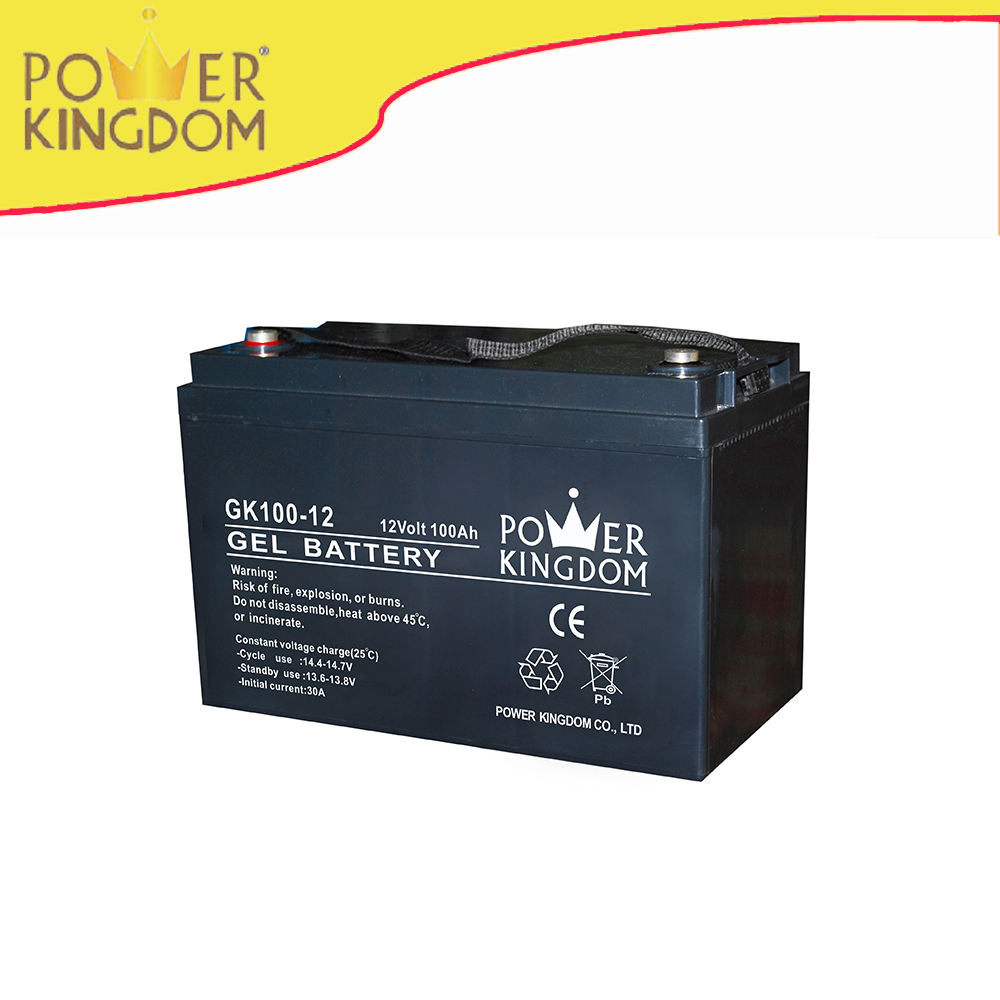
For home-made solar systems, the best choice is gel batteries, which have a period of uninterrupted operation of 10-12 years. After 10 years of operation, their capacity decreases by about 15-25%. These are maintenance-free and absolutely safe devices that do not emit harmful substances.
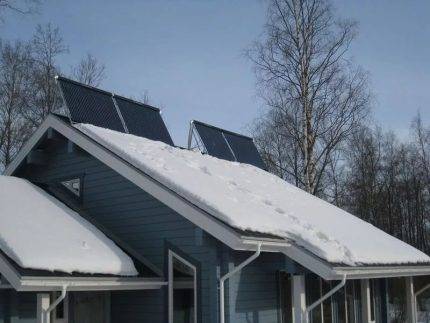
In winter or in cloudy weather, the panels also continue to work (if they are regularly cleared of snow), but energy production is reduced by 5-10 times
The task of the inverters is to convert the DC voltage from the battery into an AC voltage of 220 V.They differ in such technical characteristics as power and quality of the received voltage. Sinus equipment is able to serve the most "capricious" devices in terms of current quality - compressors, consumer electronics.
It is estimated that approximately 1 kW of solar energy falls on 1 m² of the planet's surface, and 1 m² of a solar cell battery converts about 160-200 watts. Therefore, the efficiency is 16-20%. With the right device, this is quite enough to supply electricity to all low-power appliances in the house.
The controller displays the battery charge as a percentage. If 24-volt equipment shows a 27-volt battery charge, then they are 100% full
A pair of powerful gel batteries 200 Ah with (power rating 4.8 kW). This is a day of operation of electrical appliances with non-stop consumption of 180-200 watts. Energy storage devices are frost-resistant, that is, they can be installed in the attic, and since they are safe, they can also be located next to living quarters.
The digital display of the inverter usually shows two parameters: the power consumption and the total voltage of the power system. An additional charger option allows you to connect an electric generator and quickly charge the battery (if there is no sun)
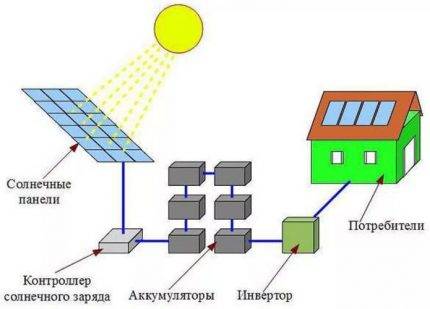
The simplest scheme of a solar power plant, including the main components. Each of them performs its own function, without which the operation of the SES is impossible.
Types of batteries
Virtually any battery can be used for solar panels. But the main thing is that it works for a long time. The functioning of the battery depends on the type of manufacture and materials.
The main types of energy storage devices:
- Lithium.
- Lead acid.
- Alkaline.
- Gel.
- AGM
- Jellied nickel-cadmium.
- OPZS.
Lithium
Energy appears in them at the moment when lithium ions react with metal molecules. Metals are additional components.

These types of batteries are able to charge very quickly with a large capacity. These batteries weigh little and have a compact size. In addition, their cost is quite high. Because of this, they are almost never used in solar energy. They work 2 times less than gel ones. But serve even less if the charge exceeds 45%. It is at this point that they are able to keep the volume of the container at the desired level.
Such batteries operate in small voltage ranges. A significant disadvantage of such devices is the capacity decreasing over time. And this does not depend on compliance with all technical rules.
Lead acid
At the development stage, they were equipped with several compartments for electrolyte with an aqueous solution. Lead electrodes and various impurities are immersed in this mixture. Thanks to this, the battery turned out to be resistant to corrosion.


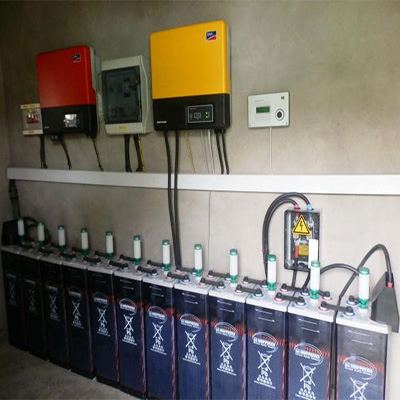


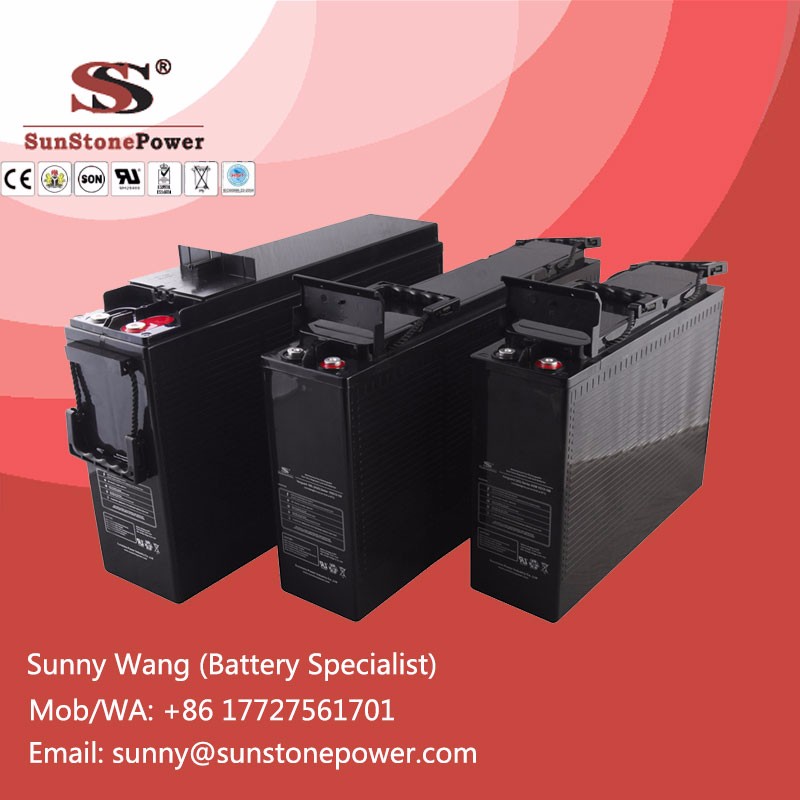

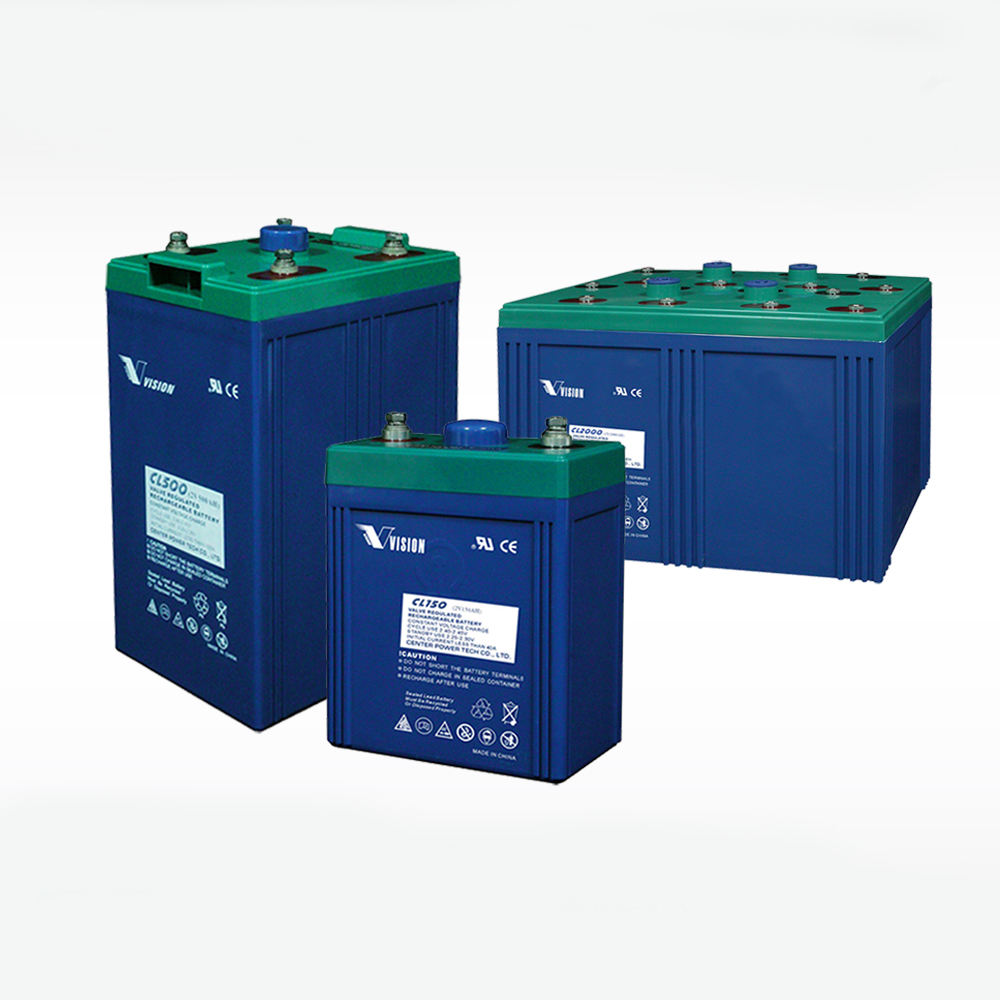
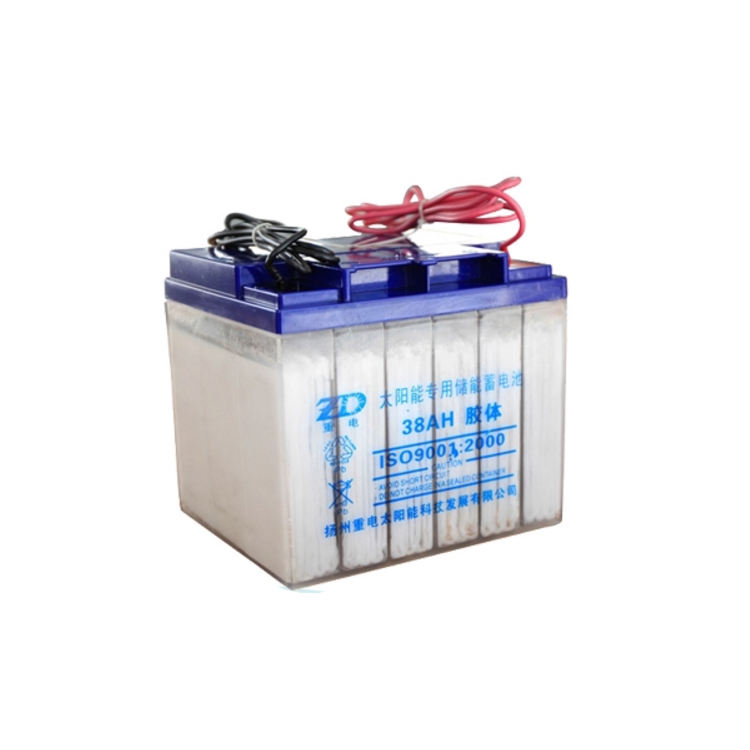

Such devices do not work for a long time. This is due to the speed of discharge.
alkaline
These batteries are low on electrolyte. Their chemicals are not able to dissolve in it. They don't even react to each other.

Alkaline (alkaline) batteries can last a long time. They are well resistant to power surges. Unlike gel batteries, these batteries are able to work stably at low temperatures. And in the cold they are able to work for a long time.
They must be stored 100% discharged. This is necessary in order not to lose capacity during future charges.This feature can seriously disrupt the operation of a solar power plant.
Gel
This type has such a name because the electrolyte in it is presented in the form of a gel. Due to the lattice layer, it practically does not flow.

This solar battery lasts a long time and can be recharged many times. Resistant to mechanical damage. All sorts of cracks will not interfere with its functioning.
It can operate at low temperatures down to -50 degrees and its capacity does not decrease. After a long period of inactivity, the gel battery does not lose its properties.
If this battery is to be used in a cold room, then it should be insulated. Under no circumstances should the charge level be exceeded. Otherwise, it may explode or fail. In addition, they are highly sensitive to power surges.
AGM
In fact, they belong to the type of lead-acid. But there is a difference - this is the fiberglass inside, which is in the electrolyte. Acid fills the layers of this material. This makes it possible for her not to spread. All this suggests that such a solar battery can be placed in any position.
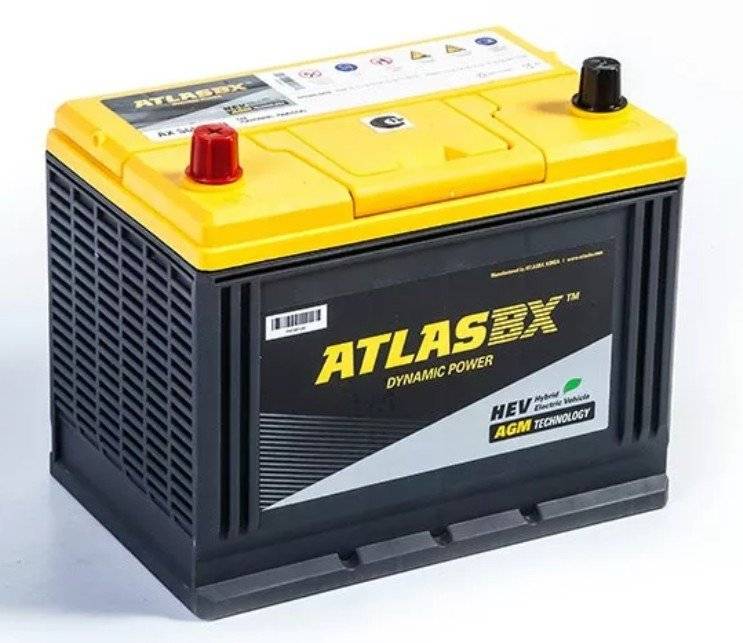
These batteries have a good amount of capacity, last a long time and can be recharged up to 500 or 1000 times. It all depends on the manufacturer. But despite all the advantages, there is a significant drawback. They are sensitive to high current. This can inflate the body.
Cast nickel-cadmium batteries
They are alkaline and need to be filled with electrolyte. Unlike jelly-filled batteries, they are safer. Their cost is not high and the power is kept quite well.Able to withstand many cycles of charge and discharge.
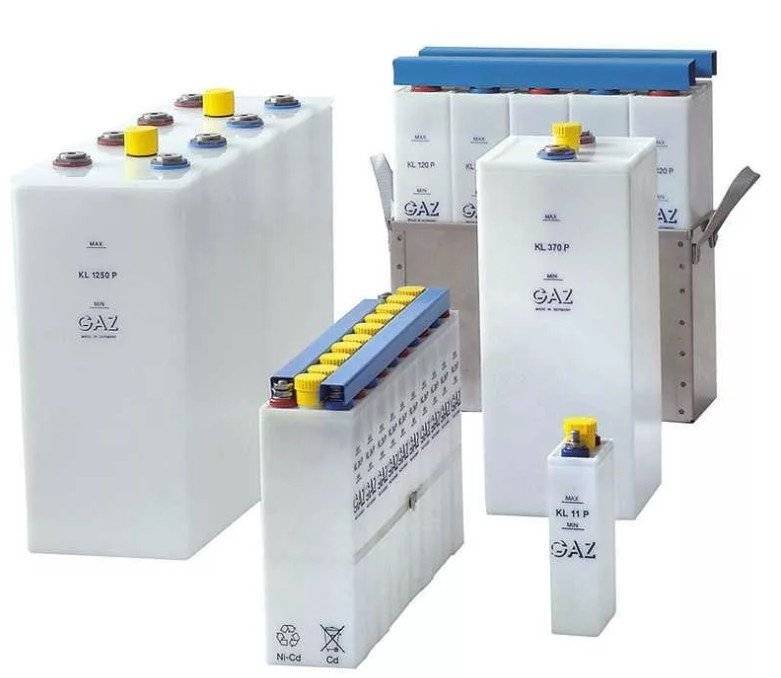
The service life is quite short. The longer you use it, the smaller its capacity becomes.
Car batteries
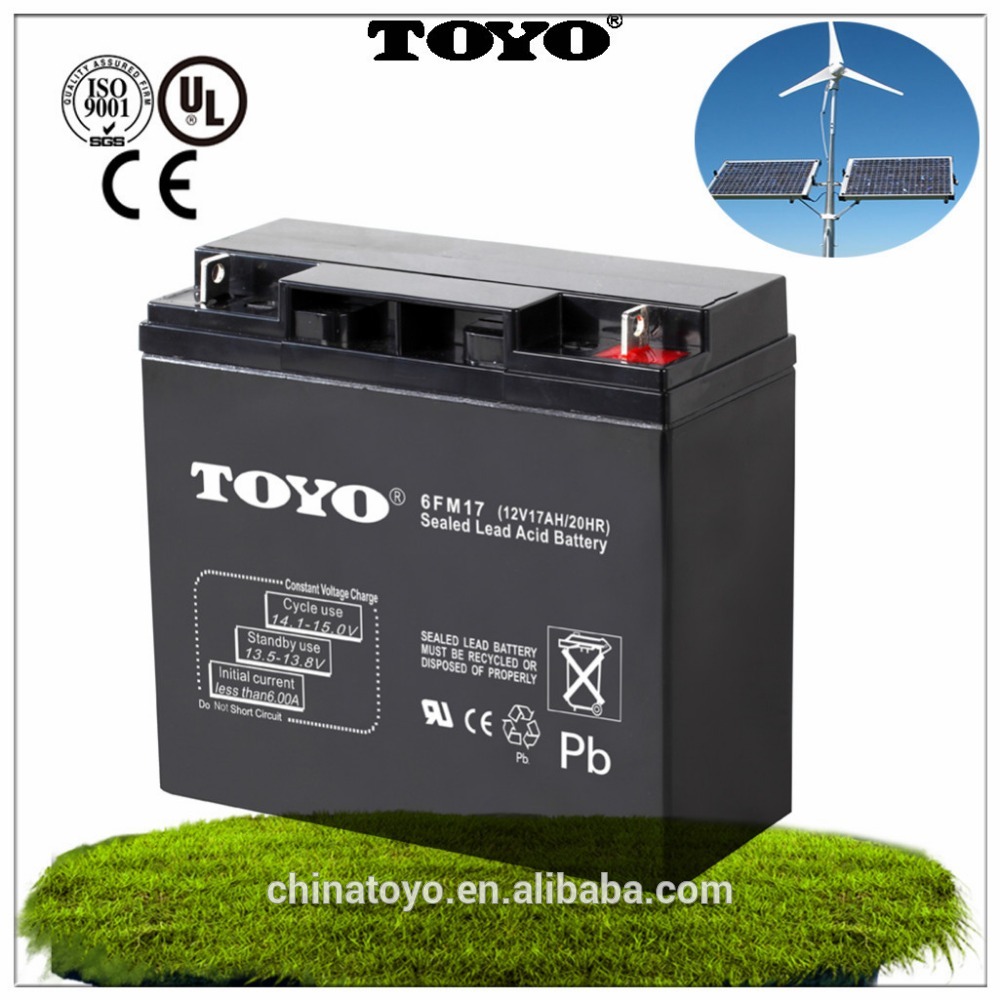
These devices are quite profitable in terms of saving money. People who make their own solar power plant most often use them.
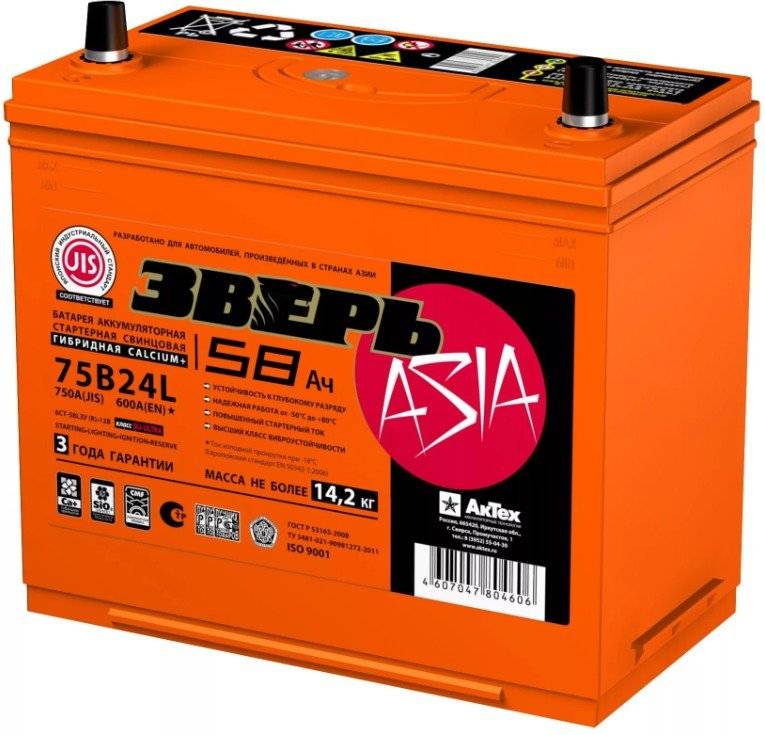
The disadvantage of these batteries is rapid wear and frequent replacement. As a result, they can be used for a short period of time and for low power solar modules.