
- Varieties of parasites and related diseases
- Enterobiasis
- Toxocariasis
- Ascariasis
- Echinococcosis
- Giardiasis
- How not to get infected with dangerous parasites
- Signs of infection depending on the type
- Worms in the eyes
- Common symptoms of parasite infestation
- Histological amoeba
- Trichinella
- Schistosomes
- Amoeba, the causative agent of acanthamoeba keratitis
- What are parasites in the human body
- Types of protozoan parasites
- Flagella:
- spores
- ciliates
- Sarcode
- Ascaris human
- By what signs to recognize helminthic invasion
- Infectious diseases as a result of reduced immunity
- General malaise as a result of intoxication of the body
- Signs of worms. Allergic reactions, skin pathologies
- Gastrointestinal disorders
- Symptoms of infection with other types of parasites
- The main symptoms of parasites in the human body
Varieties of parasites and related diseases
The generally accepted classification involves the division of parasitic organisms into three large groups:
- Ectoparasites include individuals that parasitize on the outside, on the skin or in the hair (lice, mites).
- The simplest are unicellular organisms. Representatives of sarcodes, flagellates, ciliated ciliates and sporozoans can parasitize in the human body.
- A group of worms (helminths).
Helminths cause the greatest concern, since it is not always possible to recognize the symptoms of their presence, but the harm that they can cause to the body is significant. Children are especially susceptible to infection.
The group of worms includes roundworms and flatworms, of which roundworms, pinworms, tapeworms, cat flukes, trichinella, toxocara and echinococcus are the most common. It is useful to distinguish the symptoms of the most common infections caused by parasites.
Enterobiasis
Pinworms belong to the group of roundworms that most often affect the human body. Young children are especially susceptible to infection with parasites of this species. Small adults live in the appendix and caecum, crawling out at night through the anus to lay eggs on the skin.
It is necessary to think about the development of enterobiasis in case of itching in the area of the exit from the rectum during sleep, coupled with general symptoms of poisoning (lethargy, drowsiness). Often, the patient is also disturbed by discomfort in the abdomen, allergic reactions and anemia.

Toxocariasis
Toxocara are extremely common roundworms throughout the world. The human body is more often affected by helminth larvae, although sometimes the intestinal form of the disease (infection by adults) also occurs.
The clinical picture of toxocariasis includes severe allergic reactions:
- skin rash, itching;
- cough, fever;
- bronchopneumonia.
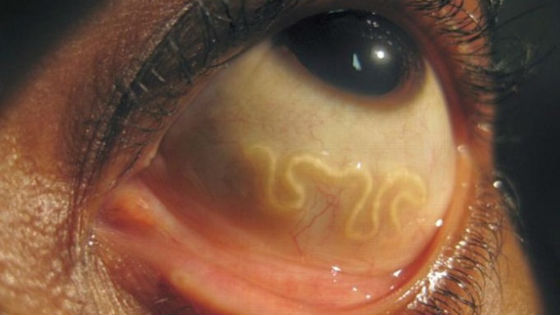
The ocular form of toxocariasis can lead to irreversible damage to the organ of vision. The larvae, settling in the vitreous body, cause the development of an abscess and keratitis.
Ascariasis
Ascaris belongs to the type of roundworms. Adult helminths reach 30 cm in length and inhabit the small intestine.The main symptoms of the disease include:
- allergic type reactions (cough, itching, skin rashes);
- lack of appetite, lethargy;
- nausea, vomiting, salivation;
- pain in the abdomen;
- hyperthermia.
With uncontrolled reproduction of parasites in the host's body, serious pathologies can develop: intestinal obstruction, peritonitis, pancreatitis, and others - due to damage to the corresponding organs by worms.
Echinococcosis
The disease is caused by the larvae of the tapeworm echinococcus, which form cysts in the internal organs. The lungs and liver are most susceptible to infection.

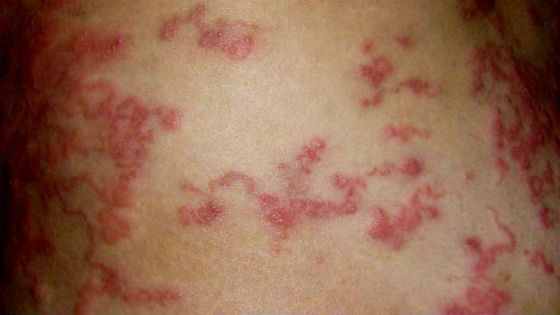
Echinococcosis can not manifest itself for a long period of time, after which skin disorders, urticaria and itching may appear, accompanied by pain in the area of damage. Otherwise, the signs of the presence of the parasite in the human body are of a general nature.
Giardiasis
Giardia are among the simplest parasites that live in the small intestine. The symptoms of the disease they cause are extremely extensive and include:
- the development of allergic reactions of a general nature;
- abdominal pain, nausea;
- defecation disorders, increased gas formation;
- neurotic disorders.
For the treatment of giardiasis, not only drugs that suppress the vital activity of microorganisms are required, but also enzymes, enterosorbents and choleretic agents.
How not to get infected with dangerous parasites
Various parasites that can be found in human blood are very dangerous. It is easier to prevent infection and the development of the disease than to undergo complex treatment later. It is enough to follow simple rules, and infections with diseases simply will not enter your body.
- Be sure to wash your hands.Do not forget that it is public places that are often teeming with various parasites that can cause dangerous damage to internal organs and the blood flow system.
- Try not to play with animals on the street, they are dangerous carriers of various infections and parasites that can enter your body. Also, be careful with your pets, because when walking in the yard or park, they also risk getting infected.
- Meat and fish products should always be well cooked, this will significantly reduce the risk of infection. It is the meat of animals and fish that contains a large number of various helminths that are dangerous to humans.
- Always drink only boiled or bottled water, try to swim as little as possible in unknown waters, give preference to proven beaches where there are no farms or pastures nearby.
- Always observe intimate hygiene.
- When visiting various exotic countries, be on your guard, do not drink water from unknown sources, do not swim in unknown waters and do not eat suspicious dishes. By the way, if after such a trip unpleasant symptoms appear that indicate the presence of parasites, hurry to see a doctor for an examination.
If you follow these simple rules, and also recommend them to your young children, then the risk of infestation with parasites is greatly reduced.
Of course, this is not a reason to completely abandon other preventive measures, but it is hygiene and heat treatment of meat that are important for a person who does not want to become infected with worms or some other parasites.
Signs of infection depending on the type
Photo of worms in humans
How worms manifest themselves and how dangerous they are depends on the type of parasites, where exactly in the body they live, and also on the intensity of infection. Signs of invasion in humans can be detected after a few days. For example, if roundworms appear, then health deteriorates after 2-3 days. When infected with other types of helminths, the first signs are noted in the patient after 2-3 weeks. The incubation period for filariasis is 6 to 18 months.
Intestinal worms are dangerous from the point of view that if there is a single individual in the intestine, then it is impossible to understand that a person is infected, since there are no signs. Certain symptoms can be disturbing only if the worms are long (ascaris, wide tapeworm, etc.), or a massive infection has occurred. Almost all helminthiases are accompanied by headache, fatigue, dizziness, irritability.
What are worms, what are they called and look like?
Photo of eggs of worms
- Pinworms (enterobiosis) - you can determine the presence of this type of helminth by the manifestation of the main signs, as well as by the manifestation of itching in the anus, which becomes more intense at night. If there are only a small number of pinworms in the body, itching may occur for several days, then pass and appear again after a few weeks. With a strong invasion, itching can be felt constantly.
- Ascaris - what are the signs of ascariasis, depends on the phase of development of these parasites. In the phase when the larvae migrate to the heart, lungs and other organs, there is weakness, subfebrile temperature, cough, in which sputum is released, sometimes with pus and blood. If an x-ray of the lungs is taken at this time, volatile infiltrates are noticeable on it, which later disappear.Allergic reactions develop, a blood test shows a large percentage of eosinophils. If the invasion is strong, the development of bronchitis, pneumonia, asthma attacks is likely. Often people are interested in whether there can be a cough when infected? Indeed, it is possible. You may also feel a sore throat. Signs of the second phase are associated with digestive disorders. Roundworms produce substances that neutralize pepsin and trypsin, human digestive enzymes. As a result, proteins are not digested, and the patient loses weight very much. With ascariasis, complications are sometimes manifested - pancreatitis, obstructive jaundice, intestinal obstruction, appendicitis.
- Ankylostomiasis, schistosomiasis, diphyllobothriasis, trichuriasis - with such lesions, anemia and beriberi develop. After all, the toxins that the helminths of these varieties secrete significantly worsen the intestinal microflora, provoking the development of dysbacteriosis.
- Opisthorchiasis, fascioliasis, clonorchiasis are liver parasites. The consequences of invasion are icteric syndrome, enlarged liver, spleen, pancreatitis, cholecystocholangitis, neurological disorders, pathologies of the digestive system.
- Trichinosis - with such a lesion, the most common symptoms are muscle pain, swelling of the eyelids, swelling of the face, fever.
- Strongyloidiasis - cause roundworms, the symptoms are very diverse. There may be signs of dyspepsia, allergies, dysfunction of the biliary tract, etc.
- Urinary schistosomiasis - caused by flatworms, manifested by diuretic disorders. At the end of urination, blood is found in the urine. In men, it can lead to pathological lesions of the prostate, pathology of the seminal vesicles.In women, it causes consequences in the form of vaginal bleeding, genital lesions. Fibrosis may appear in the bladder.
- Cestodosis - caused by tapeworms. These are bovine tapeworm, sheep's brain, echinococcus, wide tapeworm, etc. Signs of the disease are severe weight loss, weakness, and dysfunction of the gastrointestinal tract.
Worms in the eyes
Helminths in the eyes are rarely found. Mostly in the eyes, parasites are found in residents of humid and hot countries. "Eye" parasites are tapeworm, roundworm, opisthorchis. Sometimes parasites enter the eyes from the external environment, sometimes from the intestines.
In this case, it is important to immediately consult a doctor and find out how to treat the disease. In order not to get infected, it is important to observe hygiene on the face, as well as the general rules for preventing the disease.
Common symptoms of parasite infestation
Signs of infection of the body with parasites can be expressed brightly or be blurred, many of them are easily confused with the symptoms of common diseases. The most common manifestations of invasion are:
- intestinal disorders (diarrhea, constipation);
- flatulence;
- nausea, vomiting;
- bad breath;
- pain in the epigastric region and right hypochondrium;
- the occurrence of cysts in the body;
- allergic reactions, especially skin;
- fragility of the nail plates;
- skin pigmentation, yellowness, the appearance of warts;
- itching, profuse acne;
- pain in the joints and muscles;
- increased nervous excitability;
- sleep disorders (drowsiness, insomnia);
- bruxism (teeth grinding);
- cough, shortness of breath, other malfunctions of the respiratory system;
- sharp jumps in weight indicators;
- hyperthermia;
- swollen lymph nodes;
- increased fatigue;
- decreased performance of the body's immune system;
- anemia;
- frequent urge to urinate;
- change in food preferences;
- memory impairment, headaches;
- oncological diseases.
The severity of the symptoms of the disease and their specificity depend on the degree of infection of the host organism and the localization of the invasion. Damage by parasites to certain human organs (liver, lungs, brain) causes the appearance of signs indicating pathologies in their functioning.
Tip: If symptoms of the disease are detected, especially if they are presented in a complex, you should immediately consult a doctor.
Histological amoeba
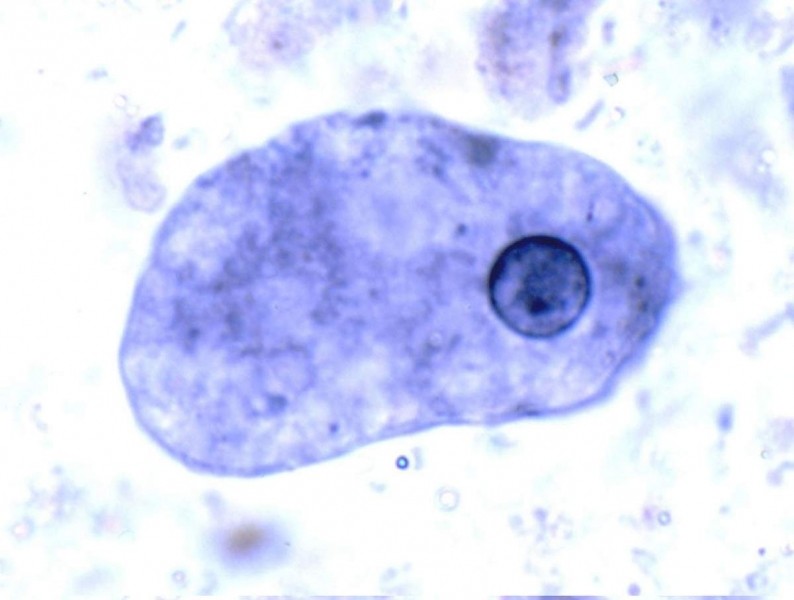
The histological amoeba is a protozoan parasite that causes a disease called amoebiasis. The disease is manifested by the formation of ulcers in the large intestine, followed by damage to other internal organs. Infection with amoebas occurs by the fecal-oral route, after mature cysts from water or food enter the human gastrointestinal tract. Contact transmission of parasites through unwashed hands is possible. Flies can be carriers of amoebas.
parasites in the body. Another way amoebiasis spreads is through sexual contact (anal intercourse). Symptoms of amoebiasis: copious mucous stools, abdominal pain, blood in the stool, weight loss, anemia. In addition, extraintestinal amebiasis is characterized by the formation of abscesses in those organs that are affected by parasites (lungs, brain, liver, etc.). For the treatment of intestinal ambiasis, Tinidazole, Metronidazole, Ornidazole are prescribed.
If the patient has intolerance to Metronidazole, then it is replaced with Erythromycin or Doxycycline. The duration of therapy is determined by the severity of the course of amoebiasis.
Gnathostomiasis is caused by larvae and mature nematodes Gnathostoma spinigerum. Infection occurs by eating unprocessed meat of fish, frogs or birds, as well as by drinking unboiled undisinfected water. Symptoms of the disease are manifested in cough and pain at the site of penetration of the larvae under the skin, in local inflammation and fever.
Characterized by severe swelling and itching. As a rule, after a week from the onset of symptoms, they disappear, but recur again over the years. Damage to the eyeball and brain is dangerous, it often ends in death. Treatment involves taking anthelmintic drugs (most often prescribed Albendazole) and surgery. During the operation, parasites are removed from under the skin.
Trichinella
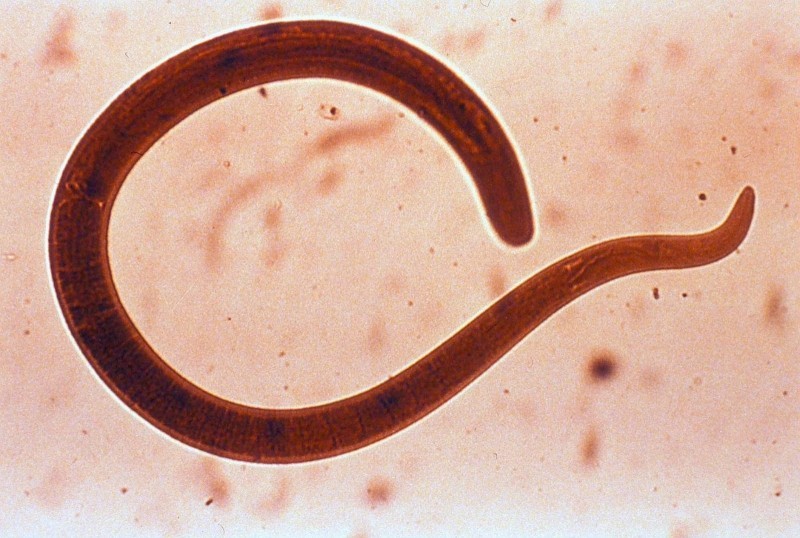
Trichinella are round parasitic worms that in the larval stage live in the muscles (oculomotor, masticatory, diaphragm muscles), and in adulthood - in the lumen of the small intestine. The disease caused by trichinella is called trichinosis. It is deadly.
Infection of a person occurs when eating raw or poorly processed meat of wild and domestic animals. Symptoms of the disease include loss of appetite, vomiting, diarrhea, and abdominal pain. In the future, muscle pain, swelling of the eyelids, skin rashes join. Treatment of parasitic invasion is carried out with the help of Mintezol, Vermox, Albendazole.At the same time, antihistamines are prescribed, and, as necessary, corticosteroids.
Schistosomes
Schistosomes are fluke worms from the genus trematodes. They provoke a disease called schistosomiasis. Infection of a person occurs during bathing, in the process of washing clothes or watering the land with schistosome larvae. They are able to penetrate into the human body even through intact skin and mucous membranes. Symptoms in the acute stage of the disease are manifested in an increase temperatures to high marks, in skin itching and in the appearance of papules all over the body.
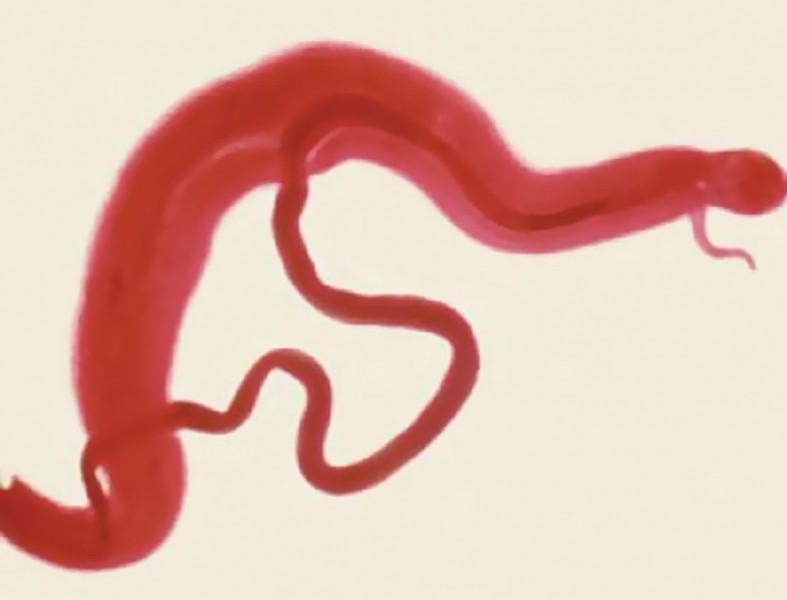
After the disease passes into the chronic stage, the infected person may experience signs of colpitis, prostatitis, colitis, ascites, hydronephrosis, etc. Anthelmintic drugs are used to treat the disease: Niridazole, Praziquantel, Metrifonate, etc. Surgical intervention is required for complications of the genitourinary schistosomiasis.
There are many parasites that can harm the human body. Most of them enter the body of their host through the gastrointestinal tract if the technology of safe cooking is not followed and basic hygiene procedures are not followed.
Amoeba, the causative agent of acanthamoeba keratitis

A disease called acanthamoeba keratitis is caused by a parasite that enters the cornea and even causes blindness.
And although we have a relatively rare disease, but people who wear contact lenses should take precautions.An amoeba that invades the space between the lens and the eye causes scarring, keratitis, perineuritis, and even ring ulcers.
Infection begins with the common symptoms of eye infections: redness, blurred vision, and sensitivity to light. To reduce the risk of infection, avoid wearing lenses for long periods of time, disinfect them well, and be sure to remove them when swimming in open water or taking a hot bath.
What are parasites in the human body
Parasites in the human body are invasions that provide their existence at the expense of the host. Parasites live in the human body, lead their lives, feed on human food and energy, and often on human cells and tissues. Recent studies indicate that the probability of the presence of parasites in any organism is 85%. Some scientists add another 10% to this figure.
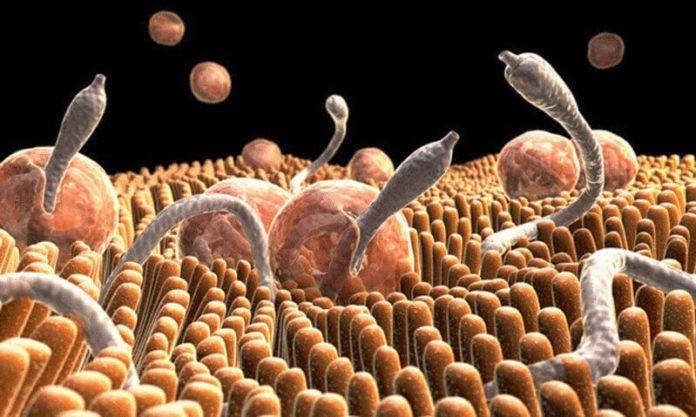
Dr. Ross Andersen has made the claim that parasitic infestation is the most underdiagnosed disease in the world. He admits that this is a very bold statement, but it is based on an analysis of data from the medical history of more than 20,000 patients and on many years of experience that exceeds 20 years.
It is possible to establish that parasites are really present in the human body by taking feces for analysis. This is the traditional and most common diagnostic method. However, it is extremely uninformative and unreliable, because a parasite can only be detected if a laboratory doctor sees its larvae through a microscope.
Parasites in the human body can live almost anywhere. There are no barriers for them.They parasitize not only in the intestines, but also in the liver, in the joints and muscles, in the blood, in the brain, in the eyes. Science knows more than 100 species of parasites that live in the human body, ranging from amoebas invisible to the eye and ending with worms several meters long.
But because far from worms always lay a large number of eggs, which means that during a standard examination, the parasite may not be detected. Some experts recommend three tests, but this does not guarantee a reliable result. It is believed that at least 8 or even 10 fecal studies must be done to detect parasites.
At the same time, it was found that the most common parasites that live in the human intestine are helminths. All of them have a different shape, they can look like a tree leaf, a women's bracelet, a pencil sharpened on both sides.

However, one thing unites them - they pursue the goal of destroying their master, squeezing the maximum benefit out of his body. In addition, all parasites are very prolific and viable.
It is a mistake to believe that helminthic invasion is exclusively a childhood disease. Very often, adults suffer from them, and most people are not even aware of such an unpleasant and dangerous neighborhood.
Types of protozoan parasites
According to the method of reproduction and movement, the nature of nutrition, 4 main classes of protozoan human parasites are distinguished:
Flagella:
For example, Giardia, Leishmania, Trichomonas, Trypanosomes. They have an elongated oval or pear-shaped body. They can have from 1 to 8 flagella - thin cytoplasmic outgrowths consisting of the thinnest fibrils.They move forward with a flagellum, as if “screwing” into the space in front of them. They feed both by absorbing ready-made nutrients and by absorbing them through the membrane. Reproduction occurs in most cases by simple division into two daughter cells. Flagellates can live in colonies of up to 10,000 individuals;
spores
For example, malarial plasmodia, toxoplasma Gondii. Representatives of this species of protozoa are characterized by a very complex path of development: from the host to human blood, then to the liver, where the parasite multiplies and infects red blood cells. Toxins produced during reproduction cause disease in the human host. For the next cycle of development, the pathogens must again enter the body of the host, where the maturation of male and female cells and the formation of spores occur. After maturation, the spores are destroyed, and the parasite again enters the body of the host. The cycle is repeated;
ciliates
For example, balantidia. Ciliates are characterized by movement with the help of cilia. There are two nuclei in the cell of the body: a large nucleus controls all vital processes, for a small one the main role is assigned to the sexual side of the existence of protozoa. Reproduction occurs by cell division in half, in most representatives of the species this occurs daily, in some - several times a day. Food is driven into a special recess (“cell mouth”) by the movement of cilia, inside the cell it is processed by the digestive vacuole, and undigested residues are brought out;
Sarcode
For example, amoeba dysentery. It does not have a permanent shape, it forms many pseudopods, with the help of which it moves and captures food. Reproduces by simple division.It can exist in several forms: tissue, luminal, pre-cystic. The tissue form lives only in the intestines of a sick person. Other forms can also occur in the carrier's body.
Ascaris human
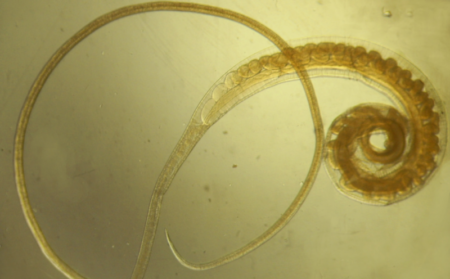
Another geohelminth. Every day, an adult female roundworm releases a huge number of eggs (up to 240 thousand eggs). They are distinguished by significant resistance to external influences, since they are covered with three shells. They come out with faeces.
How many eggs of such worms live outside the body? A very long time. Do they live in winter? Yes, they calmly endure sub-zero temperatures and remain viable for up to 20 months if the conditions of their place of residence do not contribute to their maturation to the larval stage.
Ripe eggs enter the gastrointestinal tract with food or dirty hands. Under the influence of digestive juices, the shell of the egg is destroyed, and the larva comes out. Then it enters the bloodstream through the walls of the intestine and migrates through various physiological systems until it returns to the intestine to fully mature and begin to multiply.
By what signs to recognize helminthic invasion
The presence of certain types of worms in the body is quite easy to determine. For example, the main habitat of roundworms and pinworms is the intestines. These worms will certainly stand out along with the feces. Ascariasis is accompanied by intense itching in the anus, frequent bloating, stool disorder, since the worms release powerful allergens into the environment in the course of their life, and also injure the walls of the intestines, leading to their inflammation.
Signs of the appearance of worms in humans are obvious and hidden.The obvious ones include "unreasonable" weight loss, pale appearance (anemia of the skin), chronic fatigue, nighttime itching in the anal area. These manifestations are well known and indicate infection.
Not infrequently there are cases of helminthic invasion, in which diseases of the internal organs are exacerbated, diseases that have not previously manifested occur. These are considered hidden signs. A person is taken to the treatment of many diseases, and the cause is left without attention. In this case, the therapy does not bring results. Here are examples of such cases:
Infectious diseases as a result of reduced immunity
Signs of worms. Parasites, while in the human body, consume a lot of nutrients, release toxic substances. Such circumstances significantly reduce the immunity of the patient. Exacerbation of chronic diseases, various inflammatory processes in the nasopharynx may begin.
Parasites, while in the human body, consume a lot of nutrients, release toxic substances. Such circumstances significantly reduce the immunity of the patient.
Treatment of sinusitis or stomatitis in the standard way is meaningless
It is important to rule out the cause. In girls and women, inflammatory processes of the uterine appendages, vulvovaginitis, vaginosis of various origins can often begin.
Folk signs say: if a person snores or grinds his teeth in a dream, it means that he needs to be treated for parasites. But this information is unconfirmed by medical science.
General malaise as a result of intoxication of the body
The more serious the helminthic invasion of the patient, the more harmful substances the parasites secrete. This has a detrimental effect on health and nervous system adults and children.An example of this is migraine, dizziness, joint pain.
Overcoming nausea, a person takes painkillers, but the pain returns after a short time: the cause of the ailment was left without attention.
In children, disorders of the nervous system are accompanied by irritability, apathy, aggressiveness. If your child began to sleep poorly, talk in his sleep, see nightmares, slipped in his studies, then it's time to start preventing helminthiasis.
Signs of worms. Allergic reactions, skin pathologies
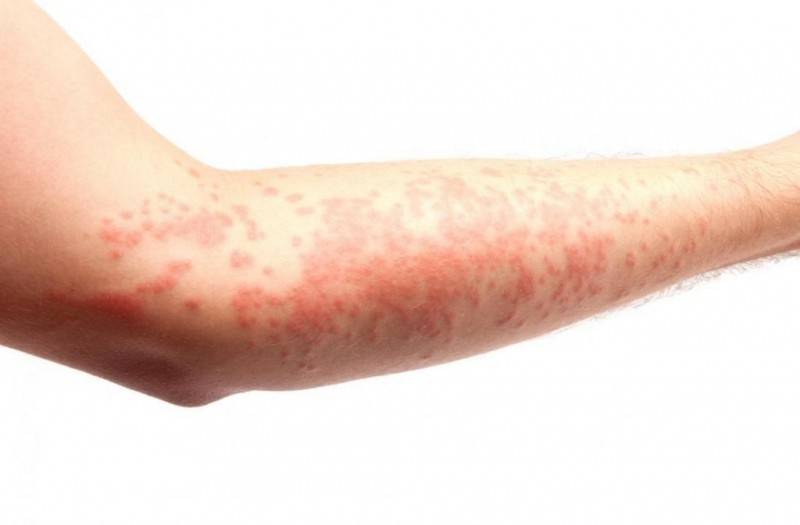
Waste products of worms are perceived as triggers of allergens. Skin reactions (rash, itching, rashes, peeling of the skin) - this is the minimum of symptoms that can occur when an allergy begins.
Gastrointestinal disorders
Depending on the severity of the infection, symptoms can range from mild to severe disorders. From mild nausea and diarrhea to chronic flatulence, constipation, vomiting, pain in the navel and hypochondrium. Worms in the tissues do not affect the gastrointestinal tract as much as intestinal parasites. There is a possibility of general reactions of the body: exacerbation of asthma, rhinitis, cough. Sometimes helminthic invasion is accompanied by brittleness and hair loss, cracking of the skin on the heels, and foliation of nails.
Symptoms of infection with other types of parasites
The clinical picture depends on the causative agent of the parasitic disease.
| Form of the disease | Symptoms |
| giardiasis | nausea, belching, pruritus, flatulence, fever |
| pediculosis | itching of the scalp, burning sensation at lice bites, red spots and nodules on the head, insomnia, nits in the hair |
| mycosis | peeling of the skin, damage to the nails, sour smell, thickening of the epidermis, cracks |
| amoebiasis | abdominal pain, vomiting, loose stools with blood, lack of appetite. |
There are a lot of signs of invasive lesions of the body. To exclude complications, it is recommended to take a blood test for parasites at least once a year.
The main symptoms of parasites in the human body
The main symptoms of the presence of parasites in the human body are the following:
- constipation: a profuse worm infection can block the bile and intestinal tract, leading to infrequent and difficult bowel movements;
- Diarrhea: A number of parasites produce prostaglandin leading to sodium and chloride loss resulting in frequent watery bowel movements. Thus diarrhea in a parasitic infection is a function of the parasite, not an attempt by the body to rid itself of the infection;
- gas and bloating: a number of parasites live in the upper small intestine, where the inflammation they cause leads to bloating and gas;

- pain in the joints and muscles: parasites can migrate to encapsulate in the joint fluid and in the muscles. In this case, a person experiences pain, which is often considered a sign of arthritis. Pain and inflammation of the joints and muscles are also the result of tissue injury caused by parasites or the body's immune response to their presence;
- Allergies: Parasites can irritate and sometimes pierce the lining of the intestines, leading to large molecules of undigested food entering the bloodstream. This activates the immune system and causes an allergic reaction. Parasites themselves can also be allergens;
- weight problems: obesity as a result of helminthic invasion is the result of a robbery of the human body. Due to the voracity of helminths, a nutrient deficiency occurs with an excess of "empty calories";
- Nervousness: Metabolic waste products and parasite toxins can very seriously affect the nervous system. Anxiety, depression, nervousness are the result of systematic poisoning;
- chronic fatigue: symptoms of chronic fatigue are weakness, apathy, flu-like conditions, depression, decreased concentration, poor memory. These symptoms may be caused by parasites that absorb most of the nutrients. Even with very good nutrition, there is a deficiency of proteins, fats, carbohydrates, vitamins and minerals. The condition is aggravated by constant poisoning of the body;
- immune disorders: parasites weaken the immune system by reducing the secretion of immunoglobulin. Their presence constantly stimulates the reaction of the system and can weaken this vital mechanism, opening the way for entry, bacterial and viral infections;
- inflammation of the respiratory tract: a number of helminths migrate through the human body, including the respiratory tract. Cough, fever, runny nose are real symptoms of the presence of "intruders" in the body. Pneumonia is one of the manifestations of ascariasis;
- bad skin: Intestinal parasites can cause hives, rashes, eczema, and other skin reactions. Skin ulcers, tumors, papillomas, etc., may be the result of the presence of protozoa;
-
oncological diseases: chronic poisoning of the body, failure in the immune system, direct traumatic effect on tissues and organs, prolonged inflammation and nutritional deficiency - this is more than enough to provoke the development of tumors;
- other symptoms: very diverse and depend on the type of parasite, the duration of infection and the degree of organ damage.The range is from migraines and heart attacks to asthma and inflammation of the urinary tract.
parasite symptoms. All of the above are only a small part of the examples of the harmful effects of parasites. In the course of his life, a person comes into contact with a huge number of harmful microorganisms, becoming infected with them. Moreover, the ingress of parasites into the body does not fully depend on your cleanliness. You can have a delicious lunch in an expensive restaurant, eat a salad with greens, and have every chance of getting sick with ascariasis.



