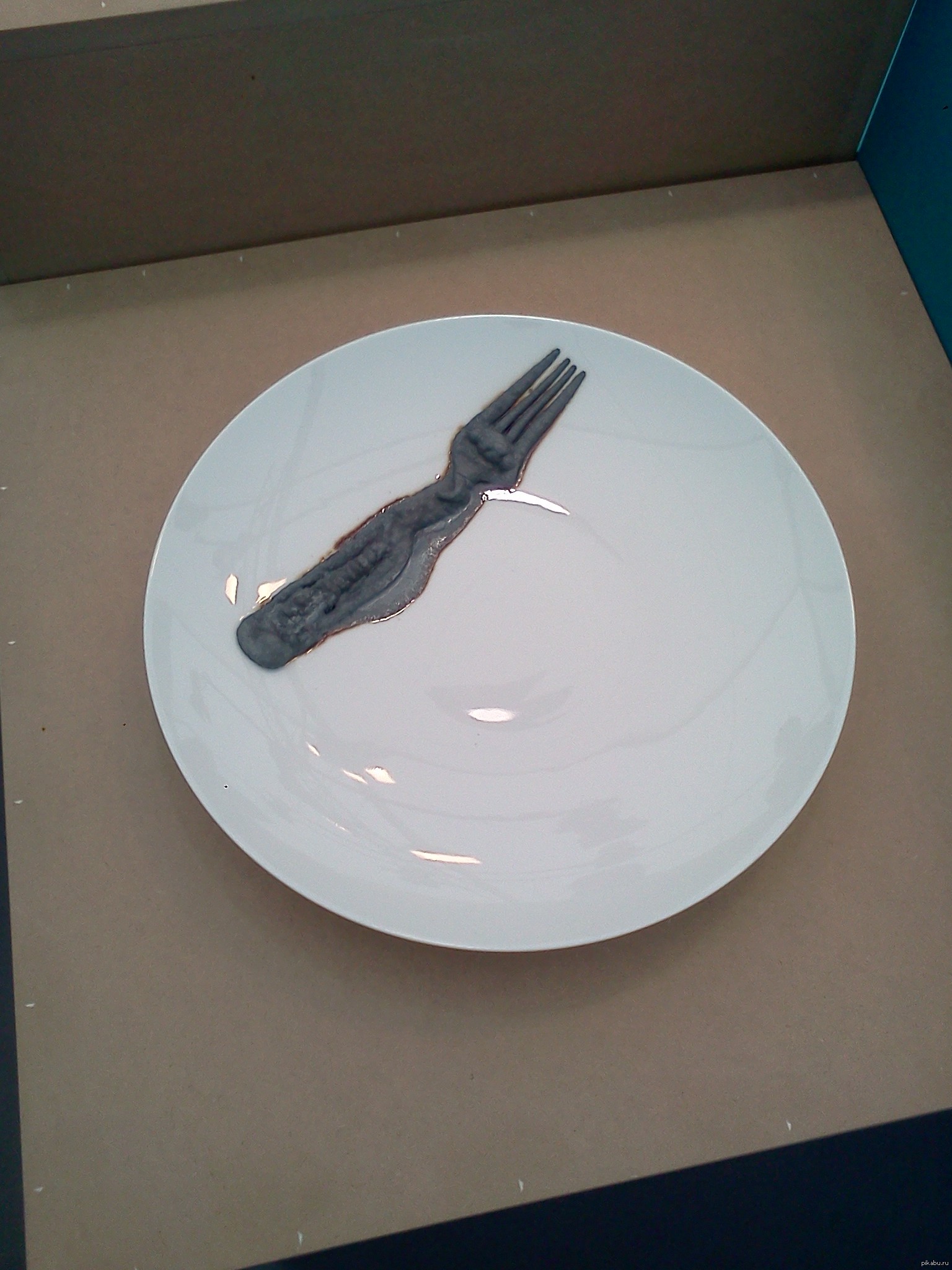
- Is it possible to steam the soil for seedlings in the microwave?
- What not to put in the microwave
- Eggs
- Plastic
- Fruit
- Foil and metal objects
- Thermo mugs
- Delivery food boxes
- Old mugs and plates
- Milk
- These products require caution
- What dishes can not be used in the microwave
- What utensils are suitable for the microwave?
- Can a microwave be used for sterilization?
- Microwave cooking
- Can you put styrofoam dishes in the microwave?
- food in the microwave
- What foods can not be heated in the microwave
- The best accommodation options
- Placement in the kitchen: 4 aspects
- The best accommodation options
Is it possible to steam the soil for seedlings in the microwave?
The need for steaming the soil itself is now causing controversy among specialists. On the one hand, pathogens, including pathogens of plant fungal infections, do die at high temperatures. On the other hand, warming up the soil is just as detrimental to beneficial soil microflora. This problem is most often solved by subsequent treatment of the soil with biological preparations containing live cultures of soil microorganisms. However, there are other objections to ground warming. In addition to microflora, other organic components, primarily humic acids, provide it with biological usefulness.There is evidence that at least some of them are able to decompose at temperatures of about 100°C and above.
If you still consider it necessary to steam the soil for seedlings or indoor plants, you still shouldn’t do it in a microwave oven - at least because of the inability to control the heating temperature and ensure its uniformity.
What not to put in the microwave
Eggs
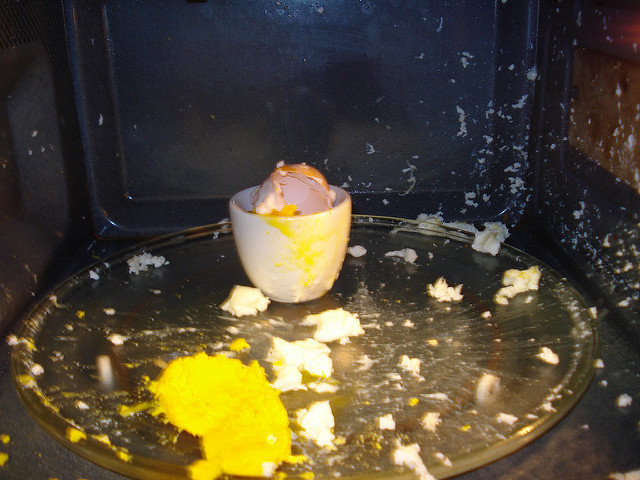
If you need to boil an egg, and there is nothing on hand besides the microwave, break it and pour it into a mug. You can also put the egg vertically on a special ceramic stand, and make a small hole in the top of the shell. This will allow the steam to escape and the egg to cook.
Plastic
95% of heated plastic produces chemical emissions. Even though some plastic utensils are labeled "Microwave Safe", try to avoid using them. If you want to reheat your lunch, simply transfer it to a plate from the container before microwaving, not after reheating.
Fruit
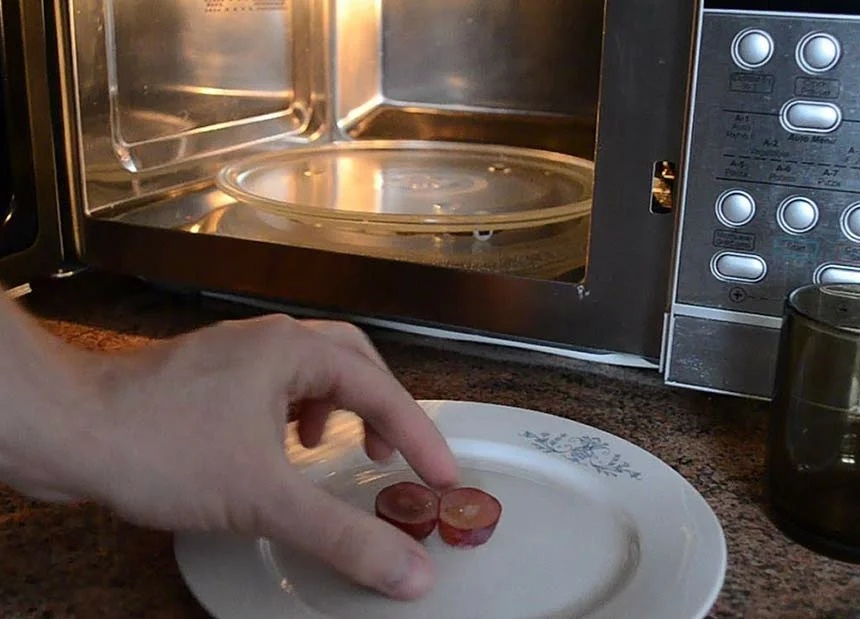
Some fruits, such as apples or bananas, will lose their flavor and texture when heated in the microwave. Grapes may explode, and dried fruits such as raisins and prunes will begin to fry and smoke.
Foil and metal objects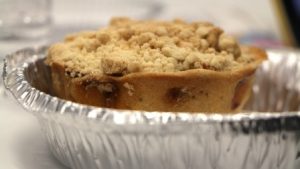
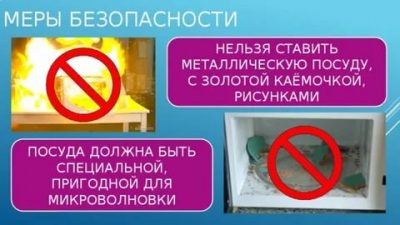
Any metal, foil, or utensils with shiny rims and decor can ruin your microwave. Thin metal, such as foil, is even more dangerous than thick metal. For example, if you put food in a metal frying pan to heat up, it simply will not heat up, because the thick walls will reflect the microwaves.In this case, thin metal is overloaded with electric currents generated inside the microwave and heats up very quickly, which very often leads to fires.
Thermo mugs
Some mugs can be used in the microwave, but only those labeled "microwave safe". The rest will at best protect the contents from heat as they are designed to prevent temperature changes. At worst, they can ruin the microwave because most of these mugs have stainless steel internals.
Delivery food boxes
Handy boxes often used to deliver prepared foods, such as noodles, can catch fire when heated in the microwave. Sometimes these boxes have a metal handle wrapped in paper; when heated, it can start to sparkle and ruin the microwave.
If you want to reheat food from yesterday's delivery, or if the courier took so long that the food had time to cool, just put it on a plate and reheat after that.
Old mugs and plates
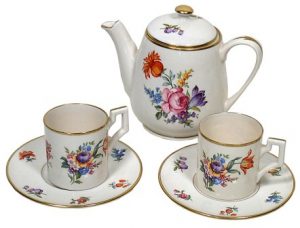
Old but beloved china is not suitable for microwave use. Some mugs and plates made before the 1960s may emit radiation and may be stained with paint containing lead and other heavy metals.
Milk
A baby milk bottle will not heat evenly in the microwave and will lose some of its health benefits due to the high temperature. It is much better to warm the bottle in a cup of hot water or in a bottle warmer.
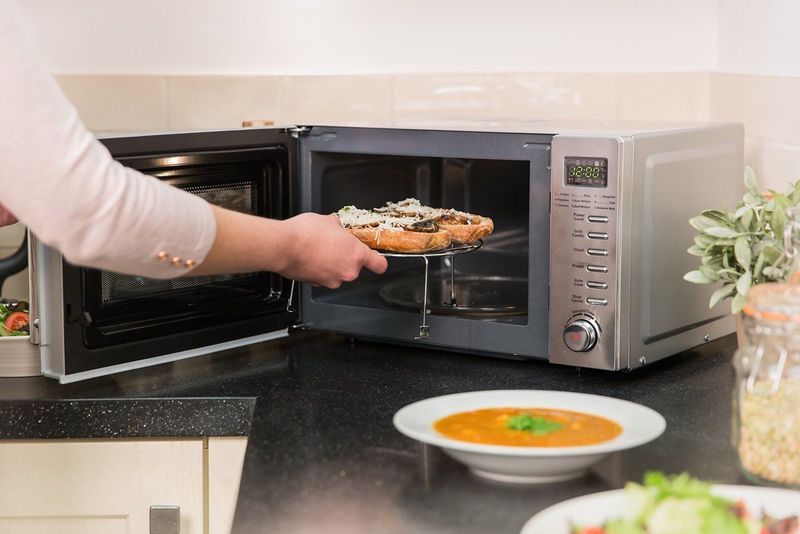


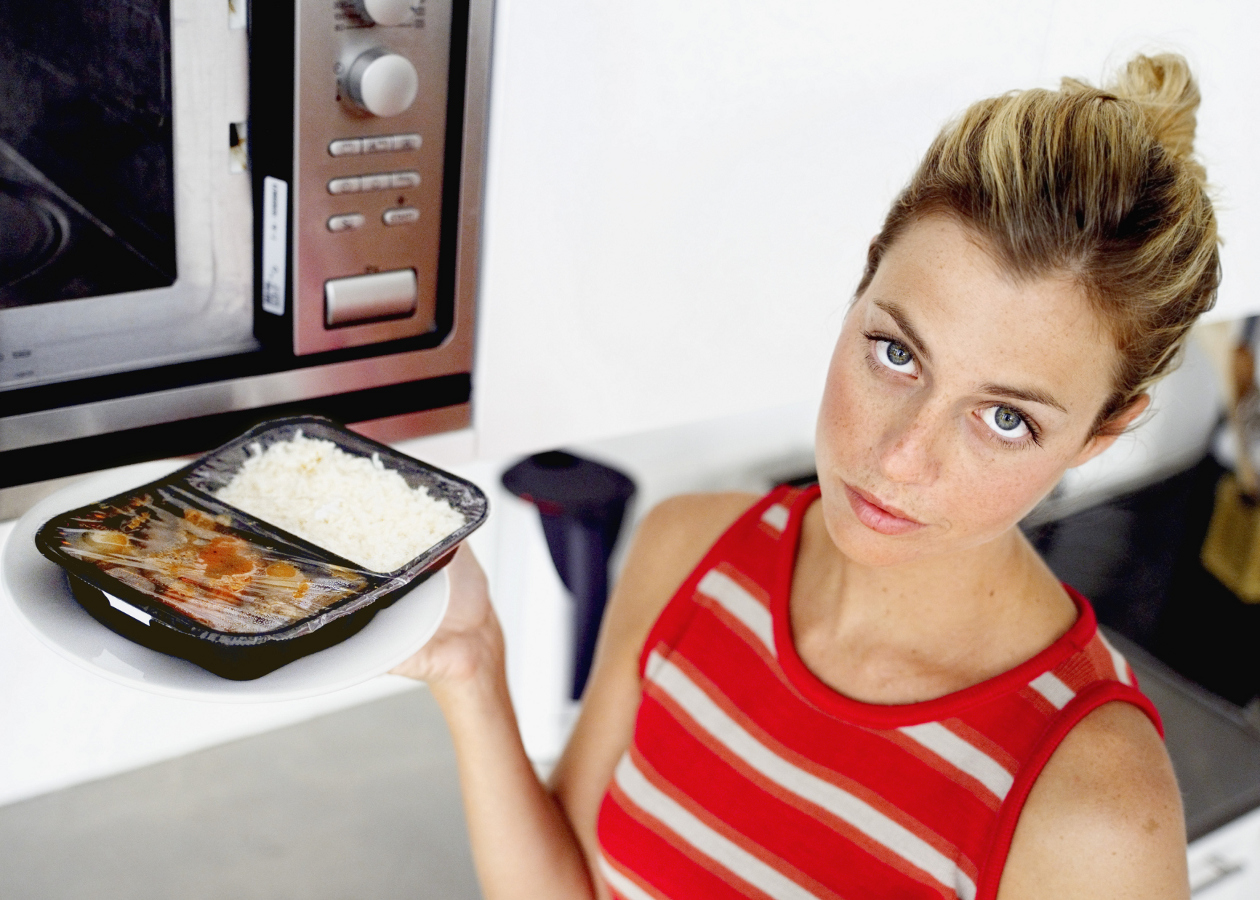

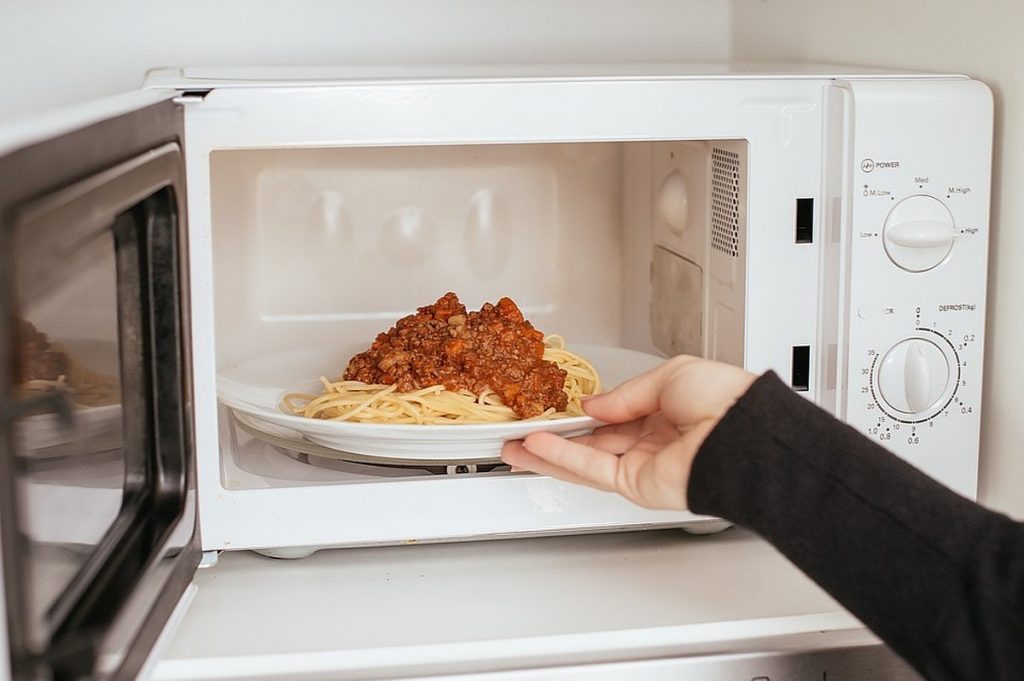

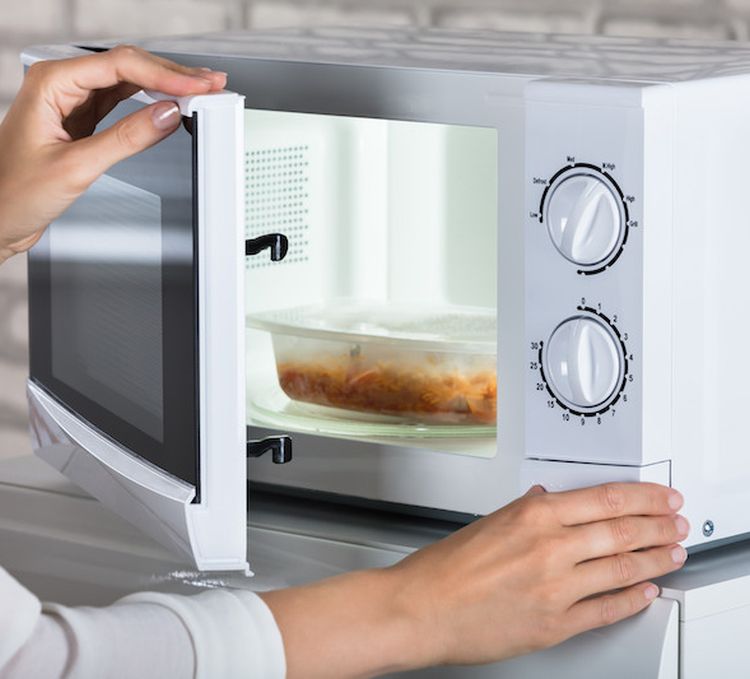


These products require caution
- Beverages.When heating drinks (and other liquids), one must be aware of such a phenomenon as delayed boiling, when the boiling point has already been reached, but there are no external signs (boiling, bubbles). The danger is that the shaking when removing such a liquid from the oven can cause an explosive boil-off, releasing large amounts of steam and splashing the boiling liquid over the edge of the dish. To avoid burns, wait 20-30 seconds between turning off the oven and removing the liquid.
- Popcorn. For cooking in a microwave oven, only popcorn in a special package with a corresponding mark is suitable.
- Jacket potatoes, chicken livers, and other hard-shelled or skinned foods. Before cooking, the shell must be pierced in several places. The same applies to special bags for heating semi-finished products.
- Foods with a low water content (such as bread). Overheating and overdrying may cause a fire.

What not to do in the microwave
What dishes can not be used in the microwave
It is strictly forbidden to use metal dishes, as it reflects microwaves. This category also includes containers with metal parts, borders and patterns applied with shiny paint (which may contain metal particles), coated with cobalt blue. Naturally, you can not put any other metal objects in the microwave oven - cutlery, barbecue skewers, lard needles, food packaging parts, etc.Glazed glassware and painted earthenware are not recommended to be microwaved, as glazes and dish paints may also contain metals.
Under the ban and wooden utensils. When heated, moisture evaporates from wood, and the container may simply crack right in the oven or in your hands when you take it out. The consequences of both are quite imaginable.
You can not put crystal and thin glass in the oven. Most crystal products contain some lead, so there is a high chance that the glassware will simply crack. Thin glass can crack simply from overheating
Pay attention to the accepted marking of microwave dishes:

Microwave Safe Cookware Labeling
You have to be careful with plastic. For microwave ovens, only products made of special heat-resistant plastic that can withstand temperatures of at least 110 ° C are suitable; such dishes usually indicate that they are suitable for heating in the microwave. Do not use melamine dishes. In general, it should be borne in mind that many types of plastic, when heated, can release compounds dangerous to humans. It is clear that if food is heated in such a dish, then all toxic substances end up in it. Therefore, it is better to refrain from heating food in plastic containers altogether, and if this is unavoidable, do not use cheap plastic products of unknown origin. By the way, this also applies to disposable plastic utensils.
Dishes made from recycled materials are most often cardboard or plastic.It is not common with us, but you should know that it is also not recommended for microwave ovens: the fact is that the recycled waste from which it is made may contain small metal particles.
Few people know about the insidiousness of dishes that have voids in handles or other parts. If there is water in such cavities, then when heated in a microwave oven, they can simply be torn apart - probably even along with the dishes themselves.

Microwave Plastic Containers
What utensils are suitable for the microwave?
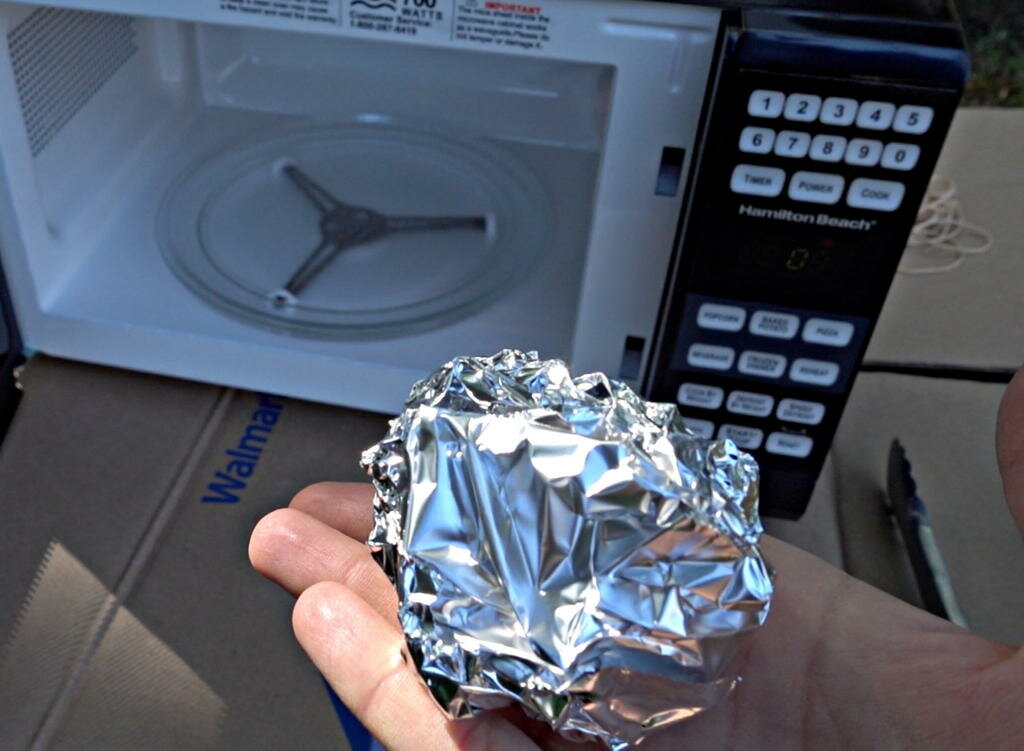
Fire-resistant or thick ordinary glass, glass-ceramics, porcelain, baked clay, waxed paper, with care - unpainted faience, as it tends to get quite hot. Aluminum foil, contrary to popular belief, can be used in the microwave, but strictly under certain conditions (and unless otherwise indicated in the instructions for a particular oven model)
So, ready-made meals in aluminum packaging can be reheated or defrosted by removing the lid and maintaining a distance of 2 cm between the edges of the package and the inner walls of the oven. In this case, the food will be heated only from above.
Aluminum foil, contrary to popular belief, can be used in the microwave, but strictly under certain conditions (and unless otherwise indicated in the instructions for a particular oven model). So, ready-made meals in aluminum packaging can be reheated or defrosted by removing the lid and maintaining a distance of 2 cm between the edges of the package and the inner walls of the oven. In this case, the food will be heated only from above.
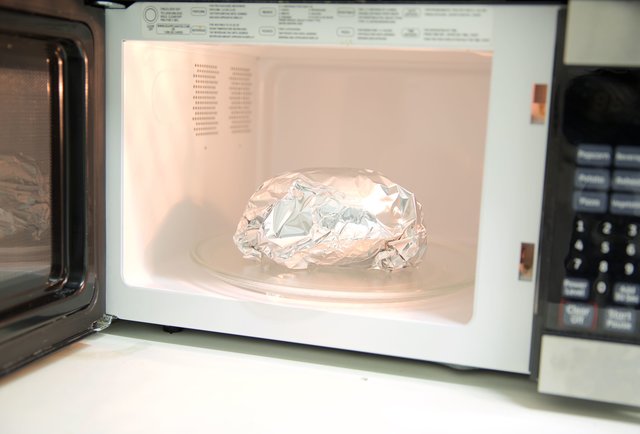


You can also use foil to protect food from uneven heating - for example, if you cook pieces of meat of different thicknesses.To prevent the thinner ones from burning, they are allowed to be covered with small pieces of foil, provided that it is at least 2 cm from the oven walls. During operation of the device, crackling and slight sparking are possible - this is normal.

Reheating food in aluminum foil
Can a microwave be used for sterilization?
Better not. It must be borne in mind that microwave radiation is just radio waves of a certain frequency, which in themselves do not have any disinfecting effect. Thus, the sterilization of anything in a microwave oven is based on the same “old-fashioned way” - strong heat. At the same time, for the destruction of bacteria, heating to 70 ° C or more is required for at least 10-15 minutes; to destroy spores of bacteria and fungi, a temperature of 90 ... 100 ° C is required. Accordingly, items that cannot withstand such heat cannot be sterilized in the microwave by definition. In addition, it should be remembered that empty dishes cannot be placed in the microwave: the same jars for home canning would have to be filled with water. In general, manufacturers do not approve of this method of using a microwave oven; in most operating instructions you will see an unequivocal prohibition on sterilizing items.

Microwave cooking
5. Food containers
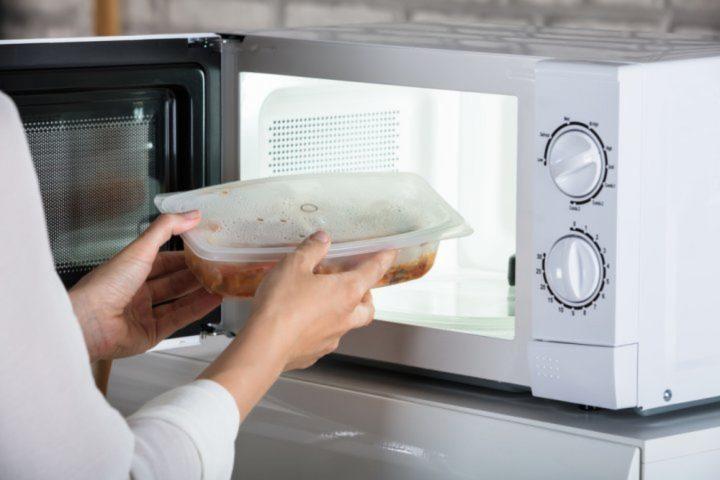
In an ideal world, these containers should be designed to be easily and safely used to heat food in the microwave. But, as you may have guessed, this is not the case.
Some containers may have metal handles, which, when heated in the microwave, act in the same way as foil.
6. Paper bags
At first glance, there is nothing wrong with warming up food in an ordinary paper bag. However, this can have some unpleasant consequences.
Brown paper bags can release toxic smoke when heated - it soaks into food, making it unhealthy. They may also ignite.
Can you put styrofoam dishes in the microwave?
There is a lot of controversy about this material, and more specifically the foam containers with takeaway food, and their heating in the microwave.
Such containers may not harm the microwave, but this does not mean that they can be heated in it. Styrofoam is a type of plastic that can melt if heated too long.
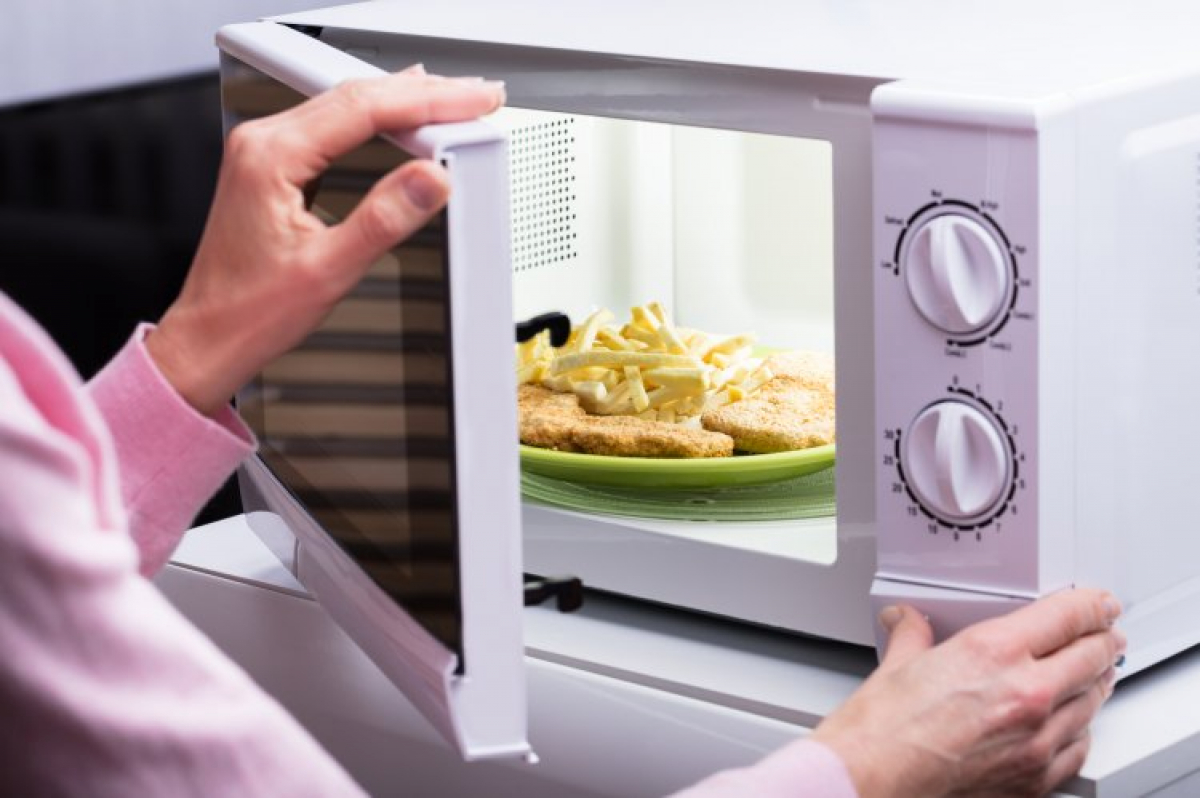

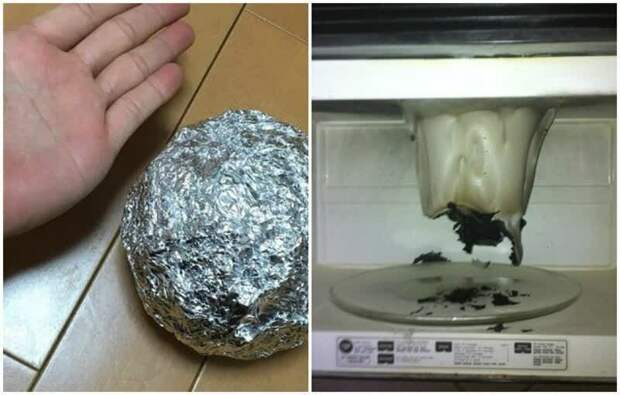


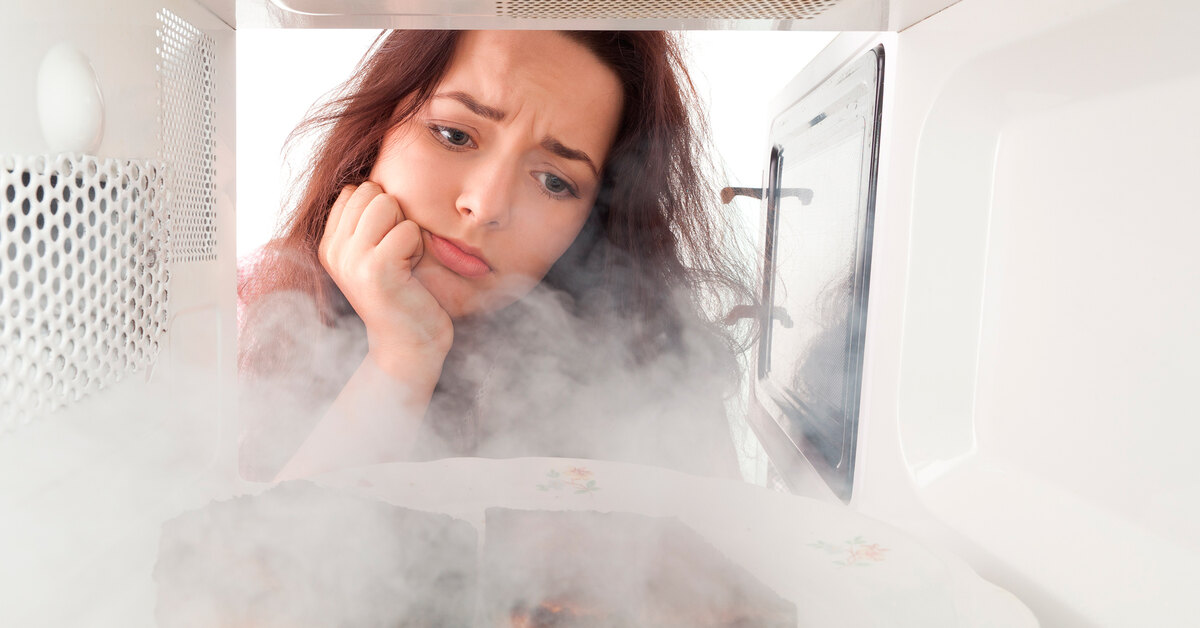


But even if it doesn't melt quickly, there's another catch - it doesn't handle heat well. Styrofoam consists of materials that are carcinogenic in large quantities.
Drinking from Styrofoam cups won't give you cancer, but if you heat it up in the microwave, some dangerous chemicals that you don't want to ingest can leach out of the material and mix with the contents of the glass.
food in the microwave
7. Breast milk
First, milk can heat up unevenly, which can be dangerous for a baby's sensitive mouth. Secondly, heating in a microwave oven can destroy the immune-boosting proteins found in breast milk, and this in turn reduces its usefulness.
8. Thermos mug
Such mugs are taken on a hike. They are made of stainless steel and may not allow heat to warm their contents. If you put the mug with the contents in the microwave, then the latter can be spoiled.However, if the thermos mug is made of plastic, then it is worth checking its bottom, which, as a rule, indicates whether it is safe to heat it in the microwave.
What foods can not be heated in the microwave
- Whole eggs - raw and boiled, including shelled. In the latter case, the yolk remains “explosive”, which has a dense shell and greatly expands when heated. However, the ban on cooking scrambled eggs in the microwave is not strict: you can find special containers for this on sale. You can cook an omelet in the microwave, since all egg shells are destroyed even before they enter the oven.
- Deep-fried dishes. Hot oil is highly flammable and it is almost impossible to control how hot it is in a microwave oven. This applies to all vegetable and animal fats.
- Alcohol-based drinks (such as mulled wine or punch) - again due to the high flammability of alcohol and its vapors.
- Canned food in closed jars. Before heating the contents, be sure to uncork the jar and at the same time make sure that it does not have a metallized coating.
- Do not use a microwave oven for drying homemade preparations: fruits, mushrooms, medicinal herbs.
- You can not heat any food if their total weight is less than 50 g.

Microwave egg container
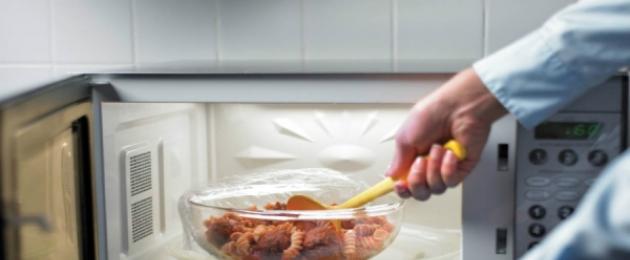
Do not heat food in a closed container! Be sure to remove the lids from containers and cans. An exception is special containers for microwaves with a valve: you can leave the lid on them, but you must remember to open the valve. When heating baby food, remove not only the lid from the bottles, but also the nipple.

Boiling a drink in the microwave
The best accommodation options
Do you need a microwave in the kitchen? The answer to this question is obvious - of course you need it! We use it not only for warming up cold dishes, but also for defrosting, and even as an oven for preparing delicious dishes and desserts.
Is it possible to put a microwave oven on the refrigerator, because it warms up and bakes, and the refrigerator cools and freezes? In fact, this is not the reason, because the cases of both devices are isolated, high and low temperatures prevail exclusively within these cases, without spreading outward and without contact. And in this regard, you can put a microwave on the refrigerator.




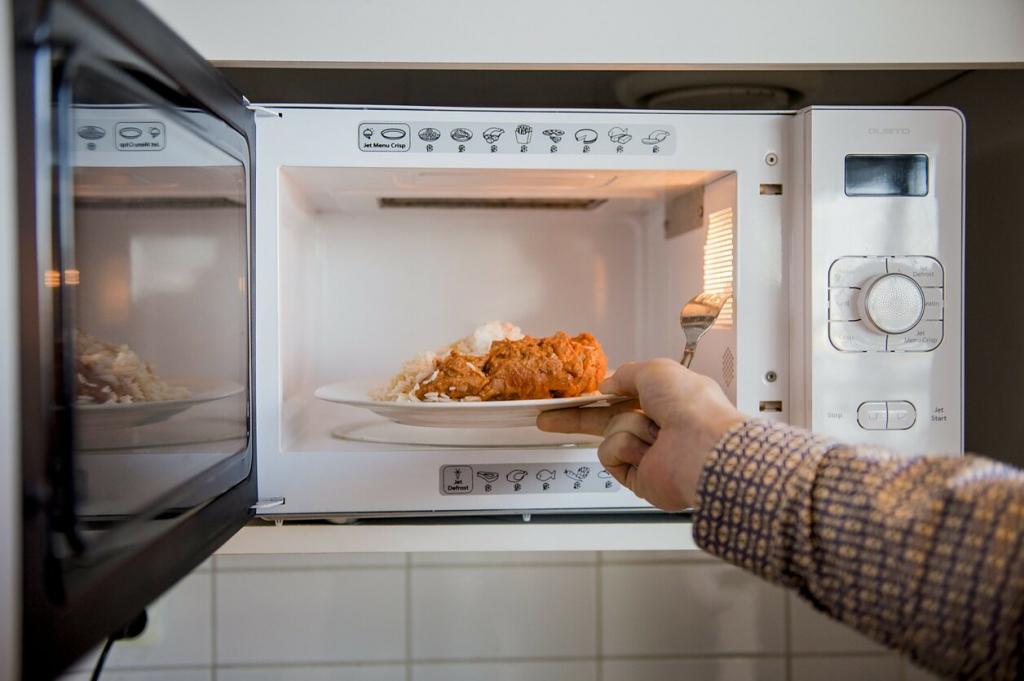
These devices do not transfer heat and cold to each other if they stand side by side.
Placement in the kitchen: 4 aspects
The operating instructions for microwave ovens do not prohibit placing the device directly on the refrigerator.
Proper "neighborhood" will avoid problems in the future
A refrigerator with a microwave oven can quite peacefully coexist throughout the entire period of operation of both devices, given some features:
- frequency of use of the microwave oven;
- the location of the ventilation holes on the microwave;
- the presence of free space around the devices (whether they are located in cramped closed cabinets, niches, etc.);
- height of refrigeration equipment and ease of use of equipment.
To answer the question of whether it is possible to put a microwave on a refrigerator, you should consider these features in more detail:
A photo
Description
Aspect 1: how often to use the oven
Since the oven body can get very hot, ventilation space must be taken into account.
If the stove is used infrequently and not for a long time, there are no restrictions on placement
You can put a microwave oven on the refrigerator if it will be used for:
defrosting products;
reheating ready meals
cooking dishes with a short oven cycle (for example, drying bread, which takes no more than 5-7 minutes).
Aspect 2: the location of the vents
Holes for dissipating excess heat are not always located on the sides or on the rear wall of the case.
It also happens that the ventilation grill is located at the bottom, then it is extremely important to ensure a uniform outflow of air by placing the stove on legs, on a stand, but not close to the cabinet body.
Aspect 3: availability of free space around
It doesn’t matter what surface the microwave is on, the main thing is that there is enough space for air circulation, especially when some dish is cooked in it for 40 minutes or even an hour.
Things to consider:
it is necessary to provide space between the surface and the bottom of the stove, you can not put equipment without legs;
Can a microwave be placed in a cupboard? It is possible if there is at least 15 cm of free space between the furnace body and the cabinet walls on each side;
if the microwave is on the refrigerator, then at least 20 cm of space should remain up to the ceiling.
Aspect 4: height of refrigeration equipment and ease of use of equipment
The microwave on the refrigerator, if it is a high two-chamber, should not be located due to security reasons:
optimal microwave location: 130 cm from the floor or about 10 cm below the shoulder;
placing the device higher than you can get from your own height without stretching your arms is simply inconvenient: every time you have to use a stand or chair;
if the stove is on the refrigerator, then it can be dangerous to take out heated food: reaching for a plate, you can spill the hot contents on yourself and burn yourself.
The best accommodation options
The installation of a microwave oven in the kitchen must meet certain requirements. If space permits, give the stove a separate place away from other household appliances. For example, it is not recommended to put it next to the TV.
Pictured is a good location.
The best placement option would be to install on special brackets-stands. These are L-shaped mounts that allow you to place the microwave on the wall and in any convenient place. You can buy them at any hardware store, and if you want to make your own.
If this is not possible, then the microwave can be placed on the surface of kitchen cabinets or a windowsill. The main thing is that the surface is flat, the stove is completely on it, does not hang down, and there is enough space around for extracting hot air.
The ideal option is to use special brackets
It is highly undesirable to put anything on the microwave: the oven body is not designed for loads, so there is no place for heavy objects there. Maximum - a kitchen clock or a vase with a flower.