
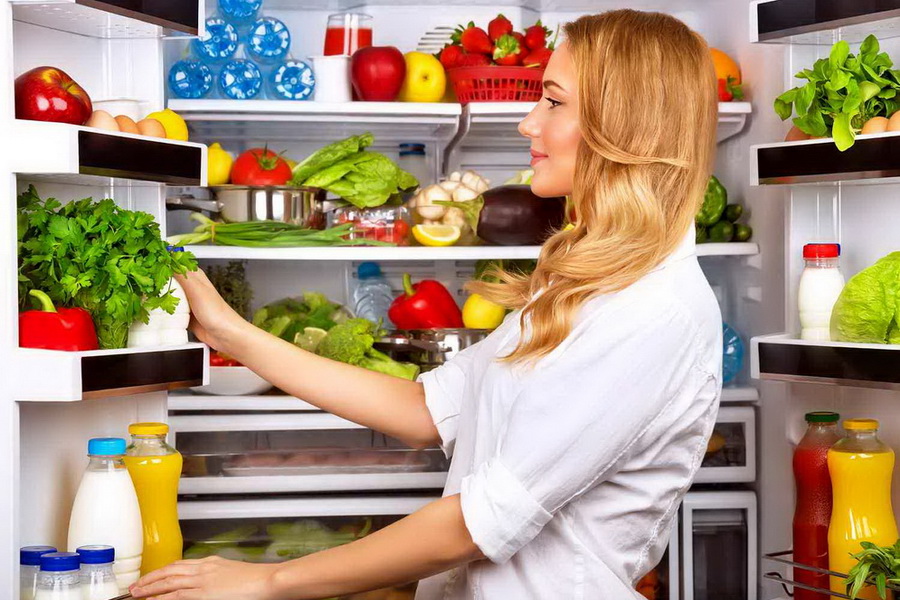
- Many Russians are completely in vain in a hurry to hide the purchased products immediately in the refrigerator, thinking that they are more reliably stored there.
- Products without a refrigerator
- Storage in the refrigerator - life hacks
- Garlic and onion
- What is better not to store in the refrigerator
- What can be stored in the refrigerator, shelf life of products
- Vegetables
- What can't be stored in the freezer?
- tropical fruits
- Garlic and onion
Many Russians are completely in vain in a hurry to hide the purchased products immediately in the refrigerator, thinking that they are more reliably stored there.
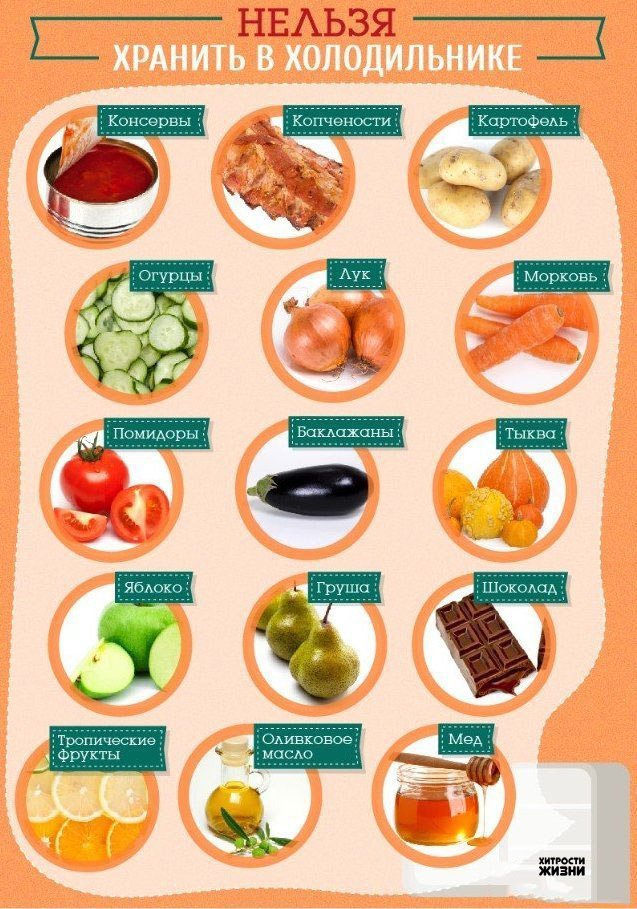
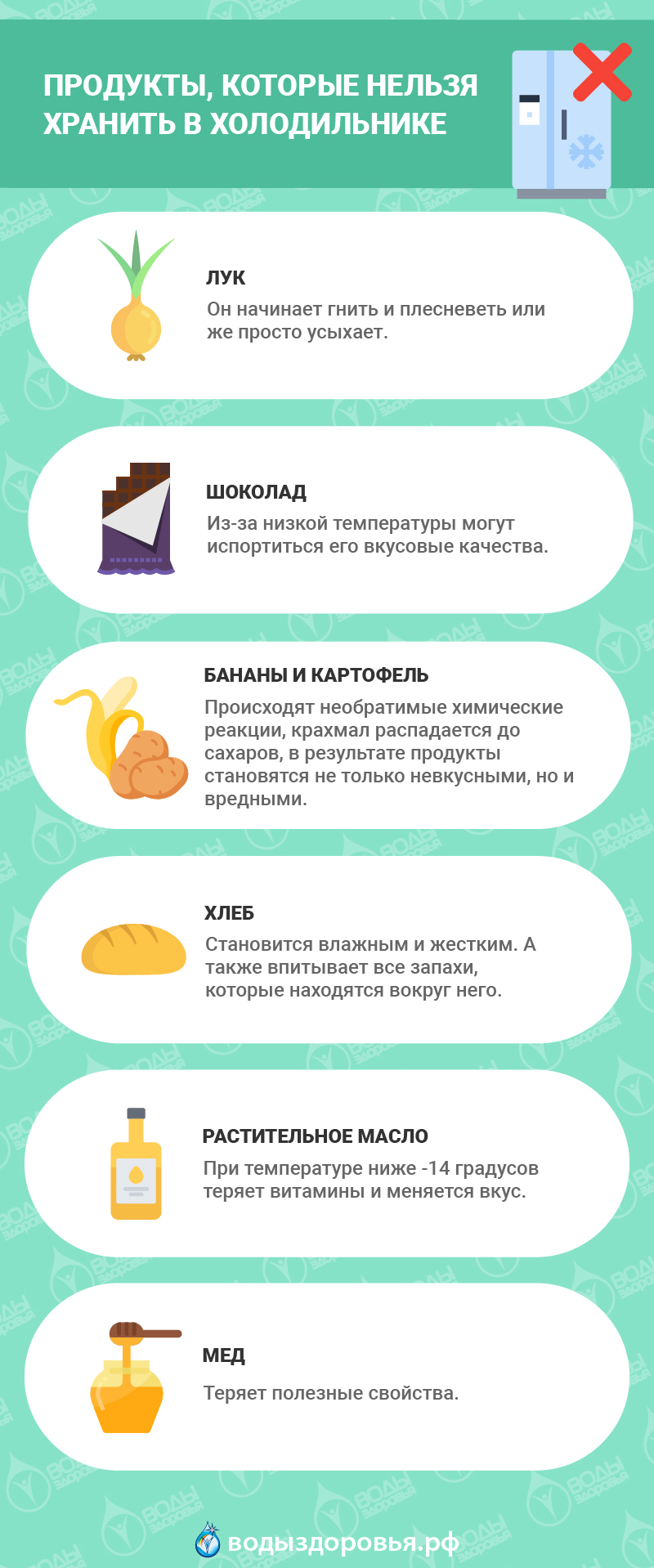
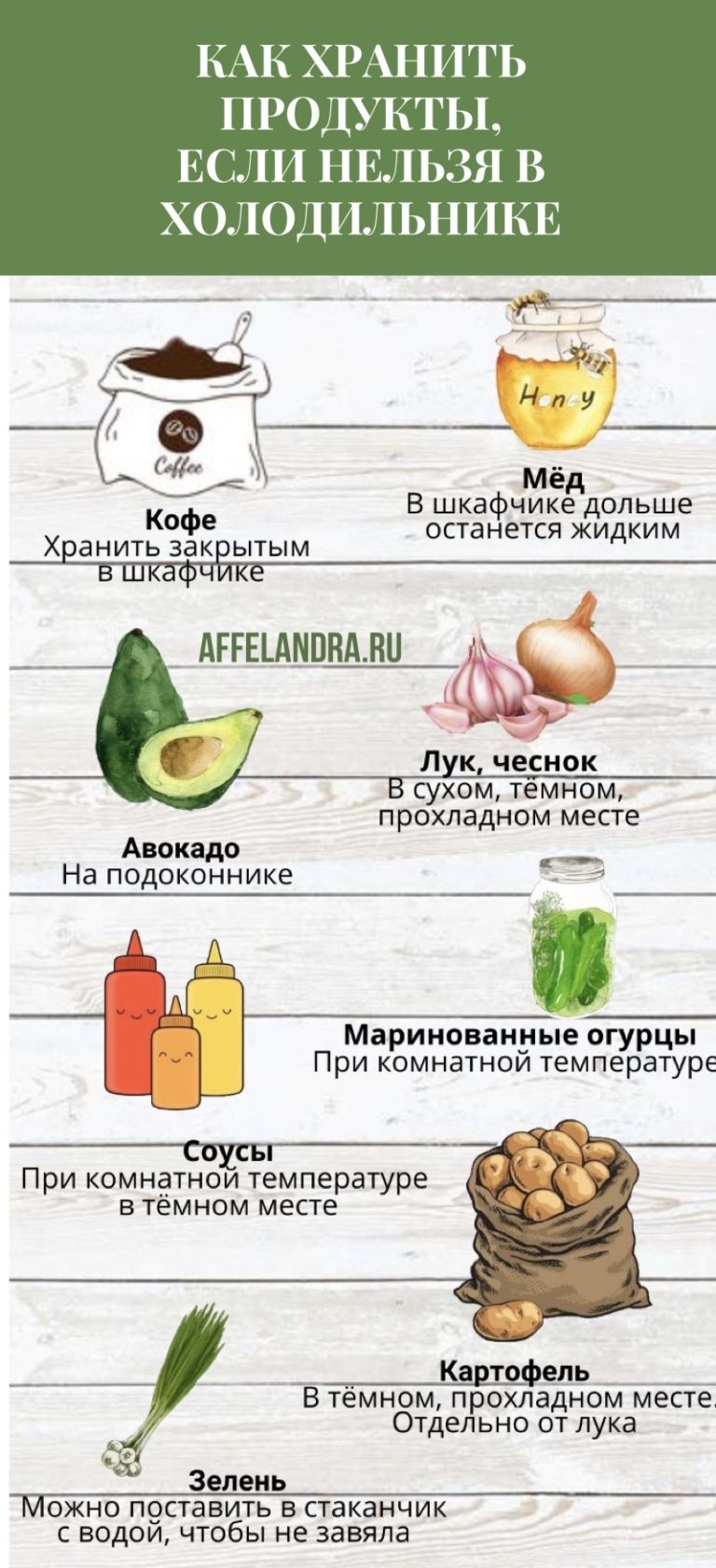
Some food, on the contrary, needs to be protected from the cold. This, for example, regular potato. In the refrigerator, the starch in its composition will turn into glucose. And it's not so bad if the potatoes in the soup are disgustingly sweet. When frying or baking, acrylamide is formed in such a root crop, and this is a harmful carcinogen.
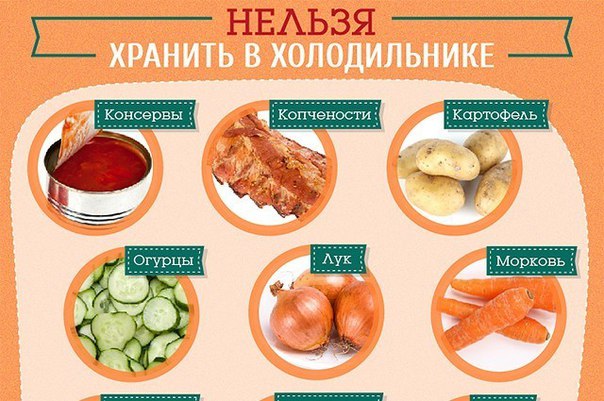
Pickled cucumbers with tomatoes store in the refrigerator only when the jar is open and then not for long. According to sanitary standards, no more than two weeks. And closed jars can be kept in a closet, if only not under the sun's rays and so that the temperature does not rise above +20. In them, after all, vinegar, salt and spices are all preservatives. Therefore, in stores they are on regular shelves. And opposite them, there are usually tin cans, the contents of which are always pasteurized and disinfected. That's why sprats, saury, corn and peas, stew Also take it out of the fridge. But herring leave. It's not canned, it's preserves.
Irina Sulyaeva, Researcher at the Department of Technology of Sugar, Subtropical and Food Flavoring Products, MGUPP: “Canned food is always subjected to sterilization. And at a certain temperature, all microbes die. They don't do that with preserves. Salt and oil are added there. Therefore, such products must be stored at zero temperature.
By the way, myself vinegar It also takes up space in the fridge. Its shelf life is endless in all conditions. As with soy sauce. And ketchup should also be put in the kitchen cabinet. And horseradish with mustard.
Florida professor Harry Klee discovered that in the cold inside tomatoes, cucumbers and eggplants irreversible molecular changes occur. In the same zone of freshness, where it is cold and damp due to the fact that the air does not circulate, and the water coming out of the cells of the plants themselves fills the container. Zucchini, carrots and beets mold faster and onion with garlic rot. Basil, parsley with dill also needs to be removed.
Olga Voronina, Researcher at the Department of Technology of Sugar, Subtropical and Food Flavoring Products, MGUPP: “Green loves light and moisture. If you put it in a glass of water and take care of it like a houseplant, then it will retain its freshness more.”
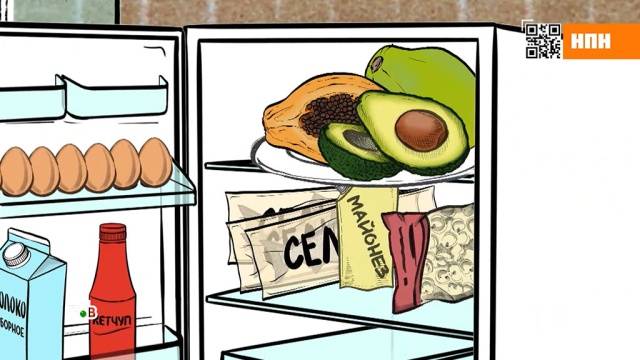
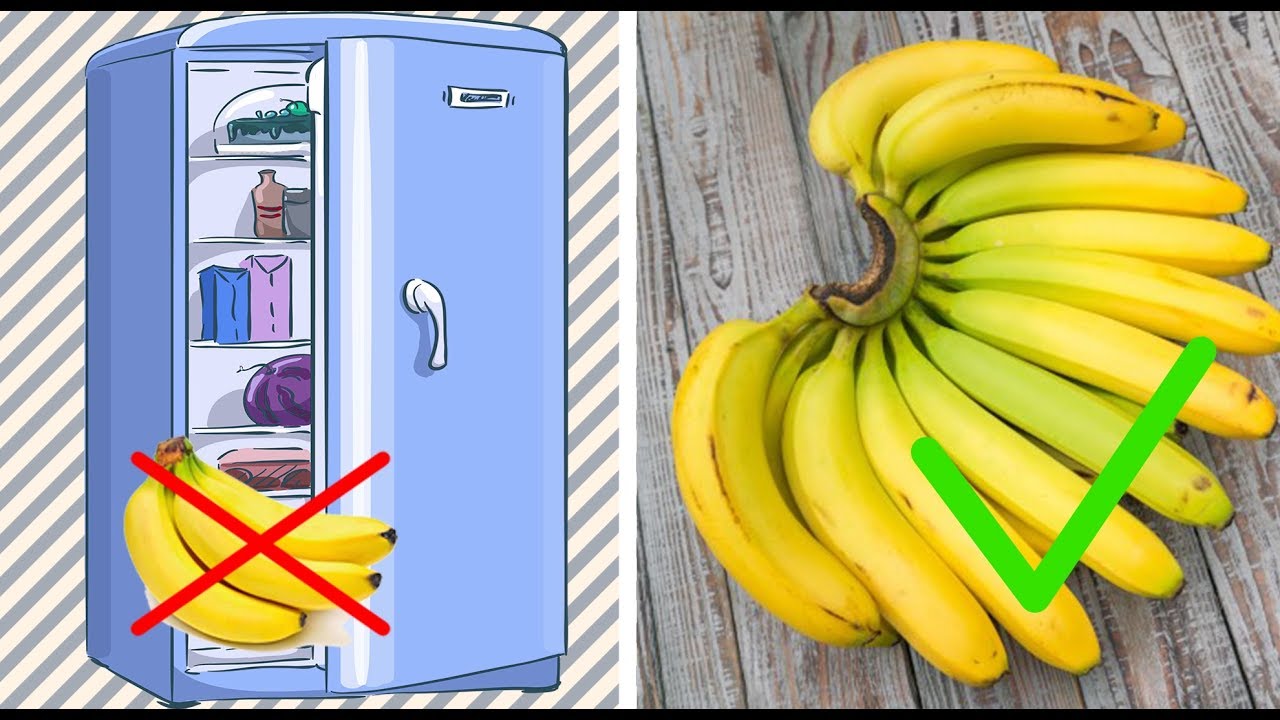
Kiwi, peaches, oranges and bananas also not for the fridge. At the exoticavocado) there is no natural protection against the cold. In the refrigerator, they quickly begin to rot and become covered with black dots. It is good only for pears, which ripen even better in coolness. After all, most varieties are harvested in the fall.
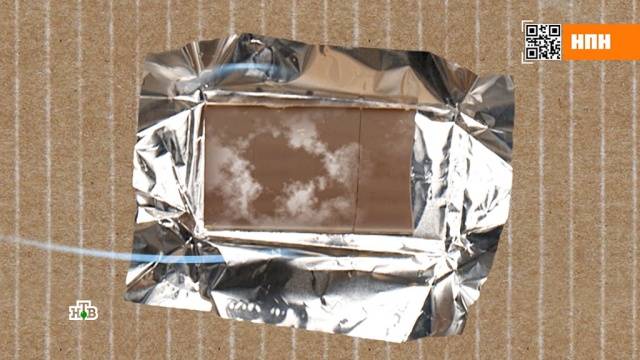
For chocolate the cold is worse than the heat, because the sugar crystallizes and appears as a white coating on the surface. And the U.S. Food Sanitation Study calls for and butter also remove from the refrigerator. The high fat content and low water content, and even with salt, makes butter completely tasteless to bacteria. And spreading on bread is much easier. olive oil there is nothing to do in the refrigerator; there it exfoliates and thickens so that you can’t shake it out, but refined sunflower you can just put it in the refrigerator door, because it needs darkness and coolness so as not to oxidize.
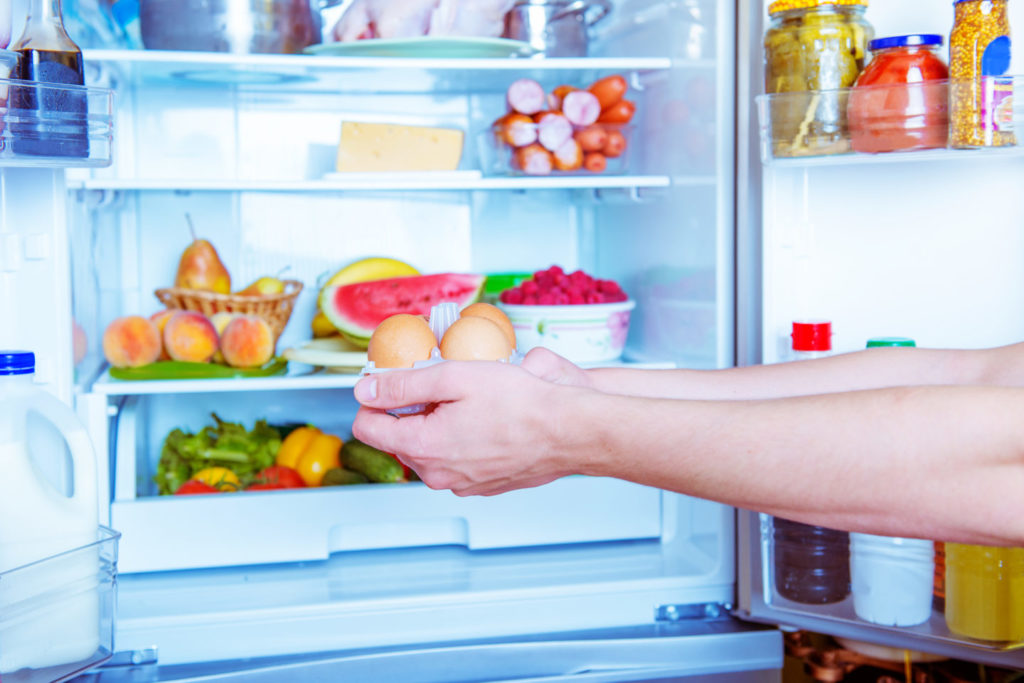
All the egg trays and extra shelves in the refrigerators turned out to be a marketer's notion. Demand for them has risen sharply. But scientists from the University of Bristol recently proved that due to temperature differences in the refrigerator door eggs rot faster.
Irina Sulyaeva, researcher at the Department of Technology of Sugar, Subtropical and Food Flavoring Products, MGUPP: “It is best to store eggs in the back of the refrigerator. And keep them away from foods that have a bright, catchy flavor. The eggshell has a huge number of pores through which extraneous flavor can enter the inside of the egg.”





Products without a refrigerator
6. Tomatoes
The temperature regime in the refrigerator makes the tomatoes sluggish and loose. It is best to store tomatoes in the pantry (unripe ones can be laid out on the windowsill).
When they begin to mature, apply them immediately. Ripe tomatoes are great for making tomato sauce, ketchup, or other dishes.
7. Ketchup
No need to hide ketchup or other spicy sauce in the refrigerator.
The hermetic packaging of this product, the salt and citric acid contained in ketchup, will prevent the growth of bacteria and prevent the product from spoiling.
Remember, ketchup keeps well at room temperature.
8. Nutella chocolate spread and chocolate
Everyone's favorite Nutella chocolate paste is best stored not in the refrigerator, but on the table or kitchen cabinet; the distinctive chocolate flavor remains more intense if the product is not refrigerated.
By the way, the same applies to the storage of chocolate bars.
This amazing product can be stored for a long time at normal room temperature.
It is important to remember that chocolate does not tolerate direct sunlight. It will simply melt and stain everything around, including your hands and clothes.
9. Bread
While cold slows down mold growth, refrigeration can dry out bread.
It is best to keep bread in a special bread box at room temperature. If you have more bread than you need, put it in the freezer and then just use it in the toaster.





10. Jam and jam
Jam, jam and marmalade also should not be stored in the refrigerator.
It's all about the sugar present in this product, or rather, the osmotic pressure. However, remember that jam or jam should always be covered.
11. Soy sauce
Soy sauce does not require cold temperatures. If the sauce is real, then it can be safely stored at room temperature.
12. Olive oil
Low temperature changes the consistency of olive oil. Cold also adversely affects the taste of this valuable product.
Store olive oil in a kitchen cabinet at room temperature.
13. Nuts
Cooler temperatures help prevent the natural oils found in the nuts from going rancid.
But, unfortunately, the cold dulls the pronounced nutty taste; and shelled nuts can also absorb other odors present in the refrigerator.
Store nuts in an airtight container somewhere in the pantry or on the balcony. If you have a lot of nuts in your fridge, it's best to toast them in a dry frying pan before using them.





14. Basil
Unlike other herbs, basil does not like the cold. Moreover, it fades at low temperatures, and also absorbs other food odors.
It is best to place the basil in a jar of water and place it on a windowsill.
15. Unripe apricots, peaches, nectarines
If you have some unripe apricots, peaches, or nectarines, don't put them in the refrigerator.
The thing is that such fruits ripen best at room temperature, and not at all in the refrigerator, as many believe.
Storage in the refrigerator - life hacks
Storage in the refrigerator is not limited to the standard list of food items. Let's highlight the original ways to use the space in the refrigerator:
- Bread can be stored in the refrigerator for a week in a tightly closed box and is not afraid that it will become stale and moldy. And in the freezer compartment, the bread stays fresh for months. It is very convenient to freeze sliced bread, and defrost only the required number of pieces at a time.
- Surplus cakes and muffins are perfectly stored in the freezer.To do this, they must first be tightly wrapped in polyethylene or foil. Before use, the pies should be reheated without defrosting in the oven or microwave in a sealed container. This recommendation is not suitable for pies with cabbage, onions, eggs (freezing worsens the taste of such fillings).
- Milk will not go sour for many days if kept in the freezer. However, its taste and nutritional value will decrease. Therefore, whether this advice makes sense is up to you.
- The freezer will simplify the preparation of borscht. To do this, with the help of kitchen appliances, peel and chop a kilogram of beets, 1.5 kilograms of potatoes, 1.5 kilograms of cabbage, 350 grams of carrots, 250 grams of onions, 50 grams of parsley root, 25 grams of greens. Prepared vegetables should be kept in boiling water for 2 - 3 minutes (blanching - destroys the enzymes contained in vegetables and accelerate spoilage). The resulting blanks are divided into portions for the preparation of one pan of borscht and packaged in bags, cooled and put in the freezer. Now you are provided with semi-finished products for making borscht for a long time. The same can be done with the dough (keep it frozen, divided into single servings).
- Boil freshly picked mushrooms in salted water (or fry). After cooling and packing in strong plastic bags, place them in the freezer. When needed, it will be enough to put the mushrooms directly frozen into a hot pan and fry until cooked.
- Coarsely chop the washed sorrel leaves and hold in boiling water for several seconds. Let the water drain, place the workpiece in jars and, after cooling, freeze.
- Dill (parsley, celery) wrap in small bundles in foil or polyethylene, tie tightly and put in the freezer.
- Strawberries, raspberries, black and red currants, blueberries, gooseberries are frozen without prior blanching. First, it is better to freeze them without packaging, spreading them out in a thin layer. Then the frozen berries are poured into plastic bags. Frozen strawberries, strawberries will be tastier if they are sprinkled with sugar when placing them in bags. Plums, apricots are cut in half before freezing and the pits are removed.
- You can extend the life of a bouquet of flowers if you wrap it in a newspaper moistened with cold water, put it in a large plastic bag and store it in the vegetable compartment of the refrigerator for several days. If desired, you can put flowers in a vase during the day, and send them to the refrigerator at night.
- Batteries stored in the refrigerator will extend their shelf life. Let them warm up to room temperature before using.
- If you need to break in your shoes, put them in strong plastic bags filled with water and freeze them in the freezer. When frozen, 10 parts by volume of water make 11 parts of ice. If you're lucky, increase the boots by a size or two sizes.
- Nylon stockings or pantyhose put in a container, fill with water and freeze. After letting them thaw, squeeze and dry. According to assurances, after such treatment, nylon stockings and tights are worn three times longer.
- Seeds, bulbs and cuttings, according to the experiments of Anna Maria Arker, can be tightly packed in foil (so that air does not penetrate) put in a plastic box and stored for a very long time in a freezer at a temperature of -18 ° C.
In conclusion of the topic of storing food in the refrigerator, it can be noted that a fresh sprig of juniper (or lemon peel) can be placed in the chamber to destroy the unpleasant odor and give freshness to the chamber.
Garlic and onion
Most people, in the full confidence that they are doing the right thing, put garlic and onions in a cell on the refrigerator door, and they are very wrong. Why? Yes, because you can not store any odorous products in the refrigerator. Being cut or in opened packaging, they share their strong aroma with other, less odorous products, which makes eating the latter unpleasant. Excess moisture and lack of air circulation in the refrigerator compartment leads to the rapid decay of the onion and the spread of a very unpleasant odor throughout the refrigerator. Garlic in such conditions begins to dry quickly.
It is better to store onions in a net or old tights in a dark pantry. Bunches of garlic are woven and hung in the kitchen, where they bring color to the interior. You can store a small amount of garlic in cloth bags, adding onion peel there.
What is better not to store in the refrigerator
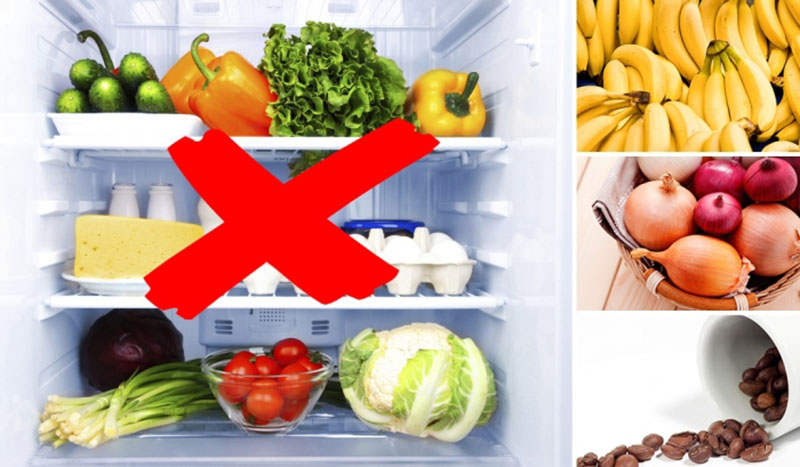
Of course, for most products, the refrigerator is a great storage place. The fact is that almost everything retains freshness better in the cold. However, there are products that, on the contrary, begin to deteriorate faster in the cold.
- Bananas. Unfortunately, in the refrigerator, bananas lose their useful properties quickly enough. In addition, low temperatures prevent them from ripening quickly.
- Potatoes should also not be kept in the refrigerator. An excellent storage place is the cellar, which is cool, dark and dry. In the refrigerator, starch will begin to break down into glucose, which is not very beneficial for the human body.
- In case you bought an avocado that is not quite ripe, store it in a warm place, but not in the refrigerator. At room temperature, it can ripen, in the refrigerator - no.
- Garlic should also not be refrigerated. Oddly enough, at this temperature, it will begin to germinate.
- Tomatoes should also not be refrigerated. Otherwise, they will simply lose everyone's favorite taste.
- It makes no sense to keep honey in the refrigerator if it is tightly closed. This natural natural product can stand for a very long time and so. If you are going to store it in the cold, be aware that this way it will sugar up faster.
- It is also not advisable to store any bakery products in the refrigerator. Thus, they will begin to deteriorate much faster than at normal home temperature.
- Olive oil should be stored in a dark and cool place, but definitely not in the refrigerator. White flakes (precipitations) will begin to form in it, which will be unpleasant and inconvenient for its use.
- Chocolate should also not be stored in the refrigerator, as condensation may form in the form of a white coating (sugar crystals).

What can be stored in the refrigerator, shelf life of products
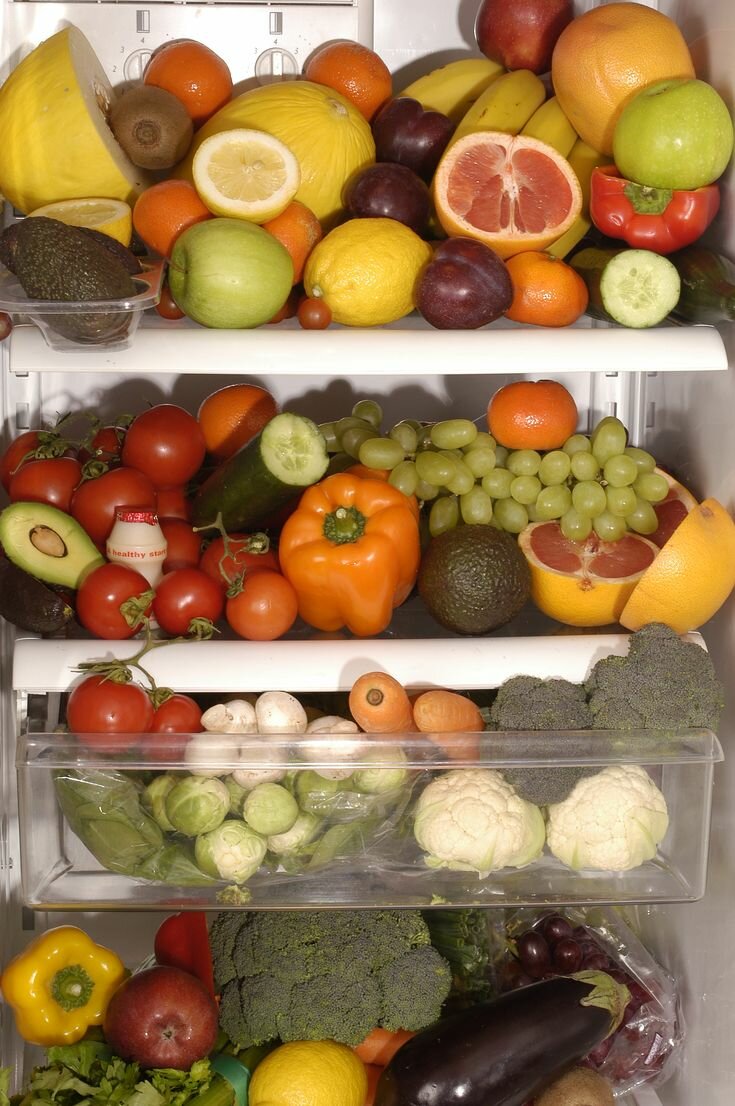
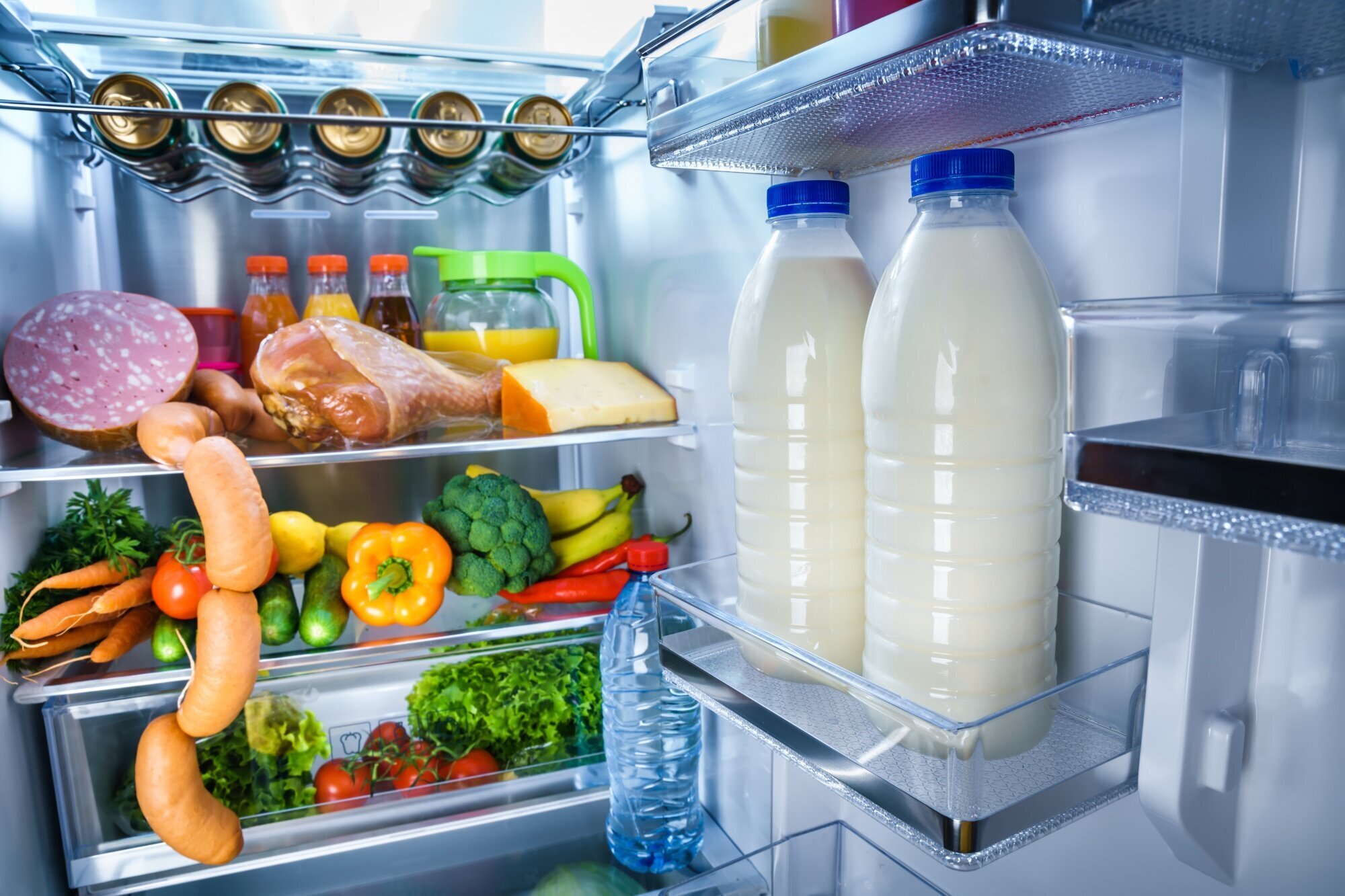
Zoning in the refrigerator is represented by a combination of shelves, special containers and compartments. It is due to uneven penetration of cold air in the interior space. In this regard, certain rules have been developed for the optimal arrangement of products in the refrigerator:


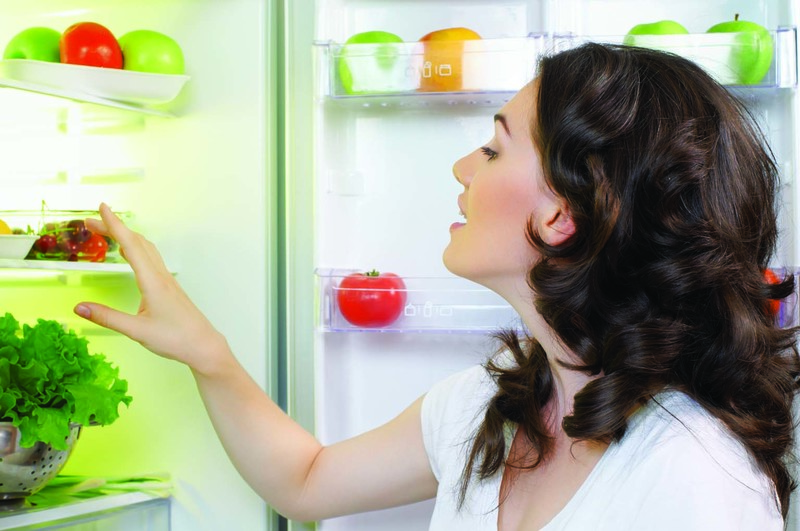
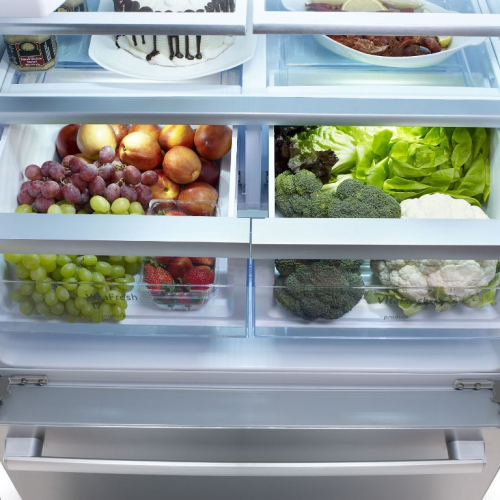
- At the very bottom of the refrigerator compartment is a vegetable compartment - a drawer covered with glass. Vegetables are best preserved at a temperature of +8 ... +14 degrees. Glass protects them from drying out and the cold quickly descending from the evaporator.
- Narrow shelves with sides on the door panel are designed to store bottles of milk and drinks.
- Fresh eggs are stored in special nests at the top of the door panel.
- The rest of the products (ready-made blues, sausages, smoked meats, open canned food) are located on the middle shelves of the refrigerator. At the same time, you can’t stack them close to each other, and cover the shelves with paper or polyethylene - this will worsen the circulation of cold air in the chamber. The new models of refrigerators have special fans that serve to better mix the air and establish a uniform temperature throughout the volume. In such refrigerators, the shelves can be solid, made of unbreakable glass.
Zoning products in the refrigerator:
 | |
| +10°C | Eggs, sauces, lemons, butter, margarine, alcoholic drinks. |
| +8°C | Vegetables, fruits, herbs, berries. |
| +4 +5°C | Cheese, cottage cheese, yogurt, milk, kefir, sour cream. |
| +2°C | Ready meals, sweet dishes. |
| 0°C | Sausage, fish. |
| -10 -14°C | Berries, fruits, herbs, mushrooms. |
| -14 -16°C | Semi-finished products, ice cream, bread. |
| -17 -24°C | Chicken, fish, meat. |
Shelf life of food in the refrigerator:
| Product | Cold storage | Freezer storage |
| Ice cream | do not store | 1 – 3 months |
| Ground meat | 12 o'Clock in the noon | 3 – 4 months |
| Fish | 12 o'Clock in the noon | 3 – 6 months |
| Raw meat | 2 – 3 days | 4 – 6 months |
| Berries and greens | 3 – 6 days | 1 year |
| Ready meals | 3 – 4 days | 2 – 3 months |
| boiled bird | 3 – 4 days | 4 months |
| Champignons | 3 – 6 days | 5 – 6 months |
| Ham, ham | 3 – 5 days | 1 – 2 months |
| pasteurized milk | 45 days | do not freeze |
| Bread | 4 – 10 days | 1 – 3 months |
| Cottage cheese | 5 – 7 days | 1 month |
| salad vegetables | 6 – 7 days | do not freeze |
| Smoked fish | 8 – 10 days | do not freeze |
| Bacon, sausage | Week 1 | 1 – 2 months |
| Hard cheeses | 2 weeks | 6 months |
| Eggs | 1 month | do not freeze |
| Oil | 1 month | 3 – 6 months |
| Apples, pears, lemons | 1 – 2 months | do not freeze |
| Roots | 2 – 3 months | do not freeze |
Vegetables
It is also important to know which vegetables should not be refrigerated. There are even people who believe that no vegetables should be put in the refrigerator, but this is an exaggeration.
Only potatoes, garlic, onions and tomatoes can behave unpredictably in the refrigerator. The refrigerator compartment is always high humidity, which provokes the growth of mold and rot.
The starch in the potato is converted to sugar under the influence of low temperature, so the frozen potato tastes sweetish. Tomatoes, on the other hand, lose their taste in cold conditions.
But eggplant, pumpkin and zucchini are better preserved in the refrigerator, although in the beds they are known as heat-loving plants.
It is better to store root crops in a cool (but not cold!) place in separate wooden boxes, for example, in a pantry or in a basement. Carrots and beets can be put in a box or box, sprinkling each layer with onion skins or river sand.
What can't be stored in the freezer?
- If you send eggs to the freezer, then their taste becomes unpleasant, and if at the same time their shell is cracked, then the pathogenic microflora will certainly penetrate there, making the eggs completely inedible.
- Juicy fruits such as melon, papaya, watermelon, after defrosting, will turn into a shapeless mass that has lost its aroma and taste.
- Milk, cheese, yogurt, kefir. Milk from low temperatures can curdle, and other dairy products will lose their taste and nutritional properties.
- Custard, mayonnaise, meringues can be thrown away immediately after freezing, as they become unsuitable for food.
So housewives who want to increase their food reserves should not overdo it, hoping to keep everything in the refrigerator. Otherwise, the money will be wasted, and health will not improve from the use of not very high-quality products removed from the refrigerator.
tropical fruits
There is a myth that many tropical fruits: kiwi, mango, pineapple, banana cannot be stored in the refrigerator. When such fruits are prepared for a long journey by sea, they are treated with a preservative - ethylene, which does not allow them to deteriorate. In our country, when selling after opening the package, ethylene evaporates, and from that moment on, the fruits begin to actively ripen and deteriorate. Therefore, it would be more correct to say not why it is impossible to store bananas in the refrigerator, but that it is generally impossible to store tropical fruits for a long time.
But when stored in the cold, tropical fruits really lose their taste. In addition, “imported mold” accidentally brought on them can release dangerous mycotoxins that cause cancer.
Unripe tropical fruits are best conditioned by storing them in a cool, dry place (kitchen cabinet). Ripe fruits are better to eat quickly, otherwise there is a big risk of just throwing them away.
Garlic and onion
Garlic and onions should not be refrigerated either. The main disadvantage is the lack of air, which is needed to store food. As a result of this, their structure begins to deform, onions and garlic become soft, and all their useful properties disappear.




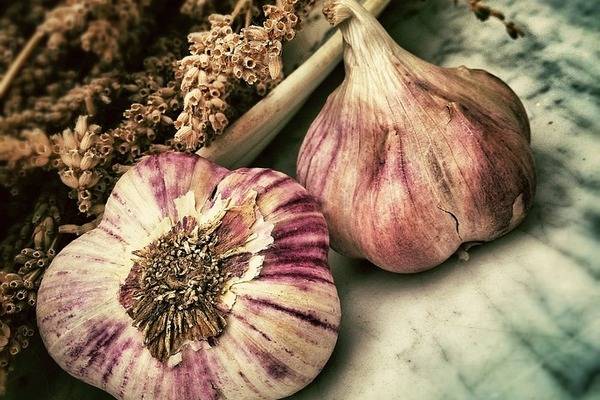
Low temperatures can cause rot on garlic ()
It is not necessary to store cut vegetables in this way: a pungent smell will begin to penetrate the structure of other products, worsening their taste.
The best conditions for these products:
- dry and dark place, well ventilated;
- temperature around +20º C.
Our grandmothers and mothers knew how to keep garlic and onions for a longer period - they put them in old stockings or linen bags, hung them on the balcony.



